August 13, 2025
Wollaton House
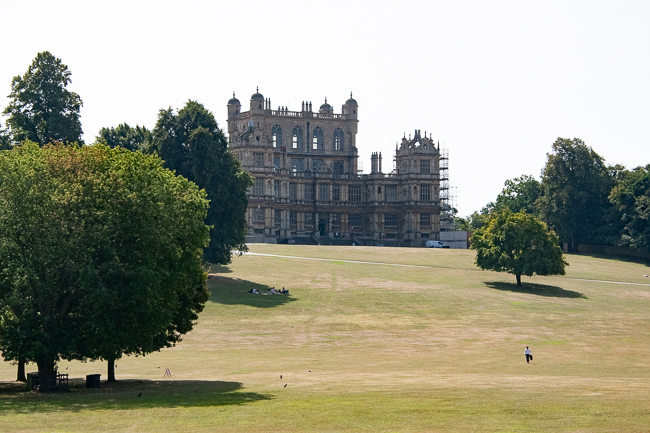
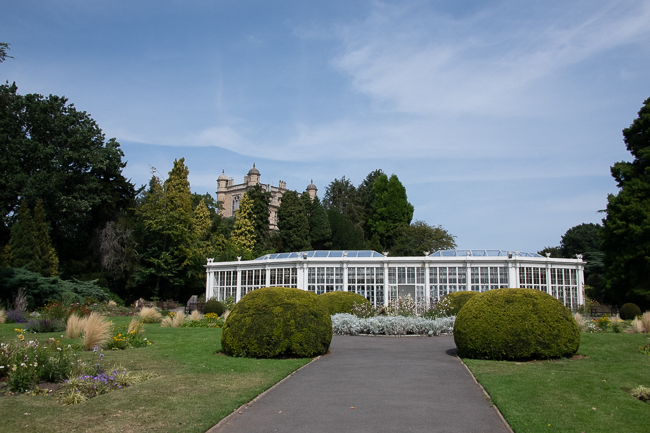
Wollaton Hall in Nottinghamshire was built between 1580 and 1588 for Sir Francis Willoughby and is believed to be designed by the Elizabethan architect, Robert Smythson.
The floor plan has been said to derive from Serlio’s drawing (in Book III of his Five Books of Architecture) of Giuliano da Majano’s Villa Poggio Reale near Naples of the late 15th century, with elevations derived from Hans Vredeman de Vries.
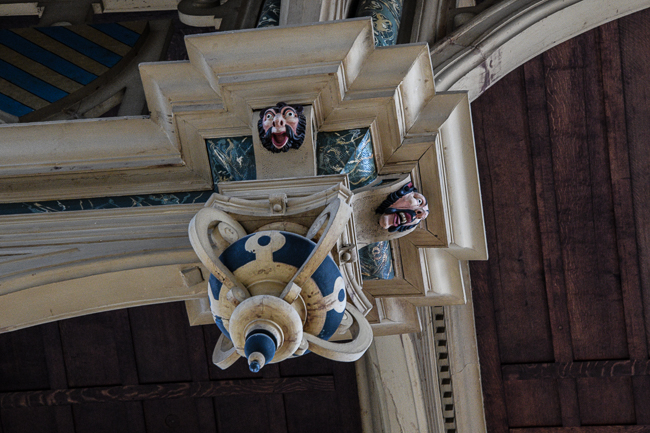
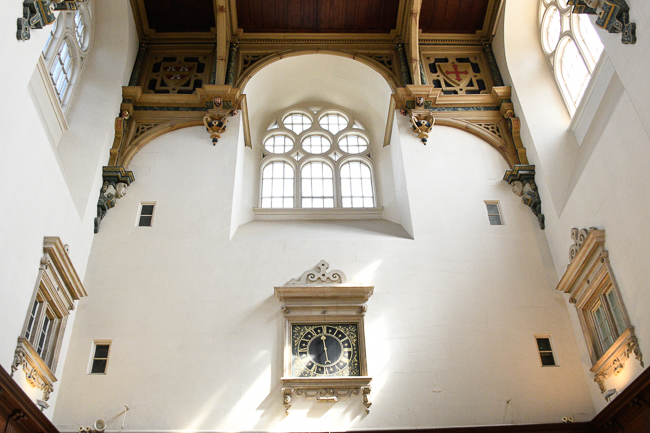
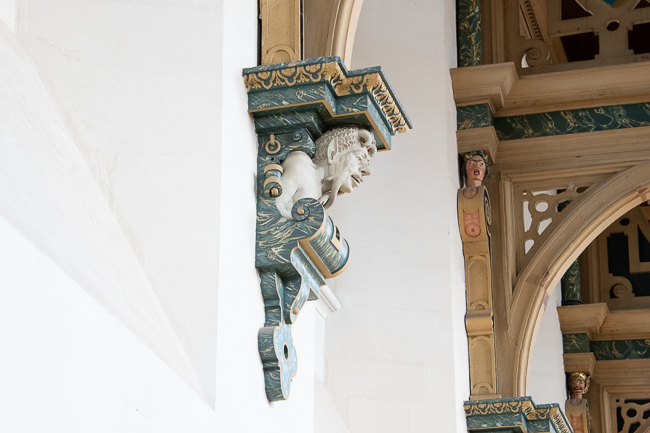
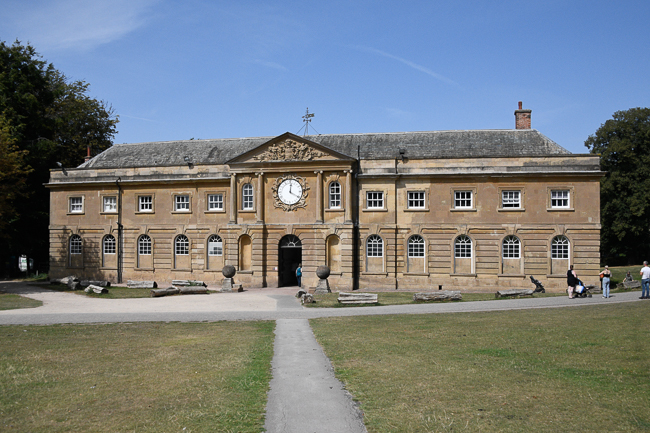
The house has now been turned into a Natural History Museum, so the only thing one can see of the original is the ornamentation, which is really fun.
Keddleston Hall
*
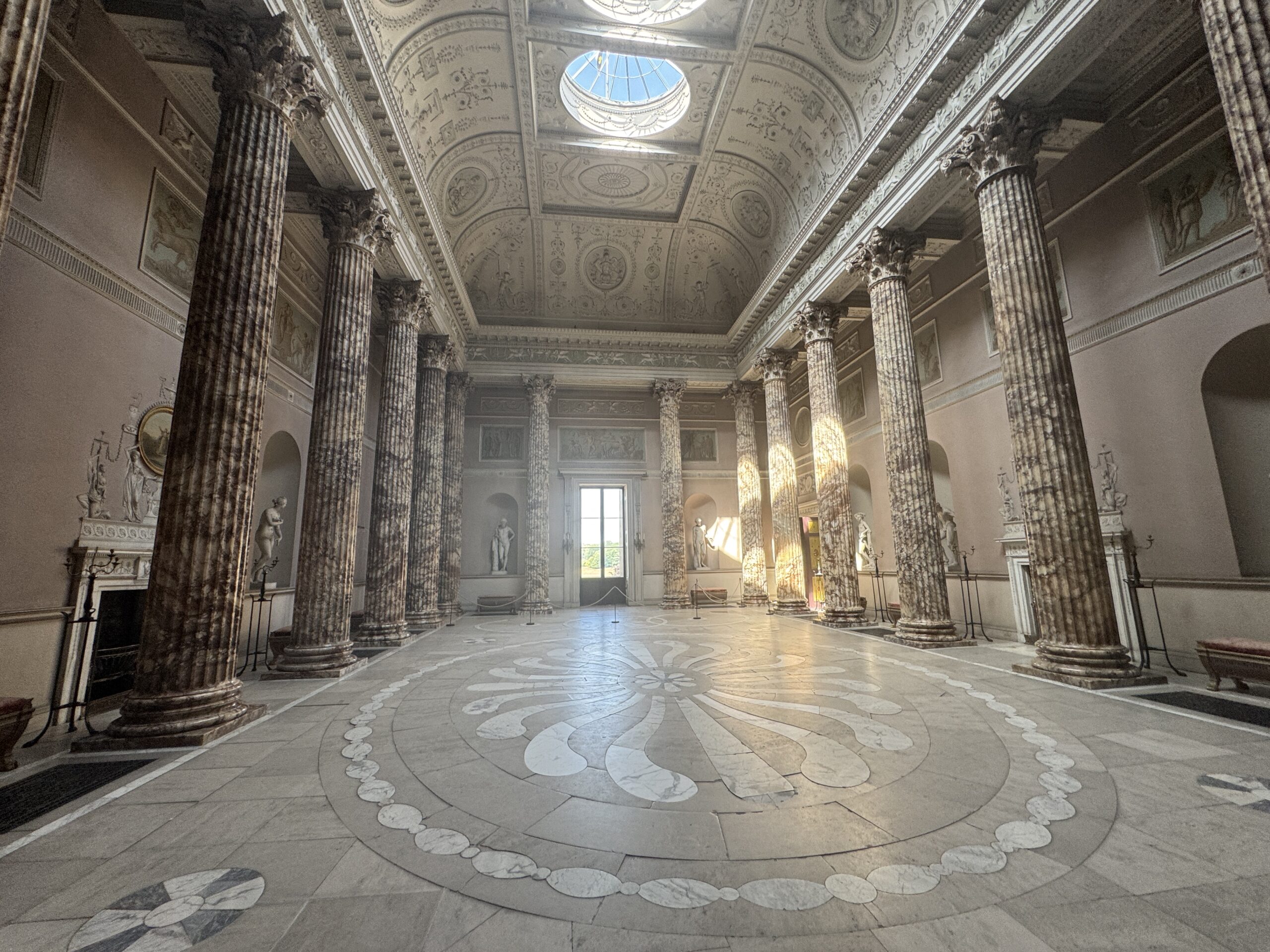
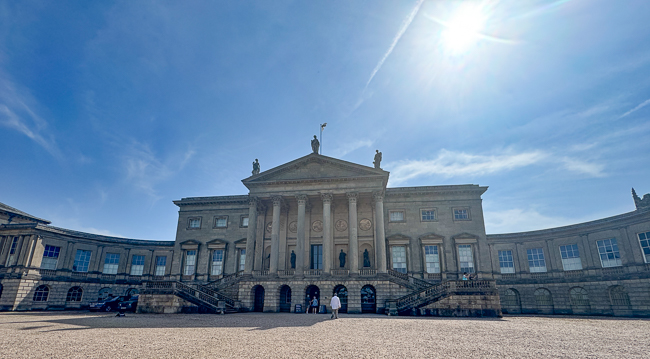
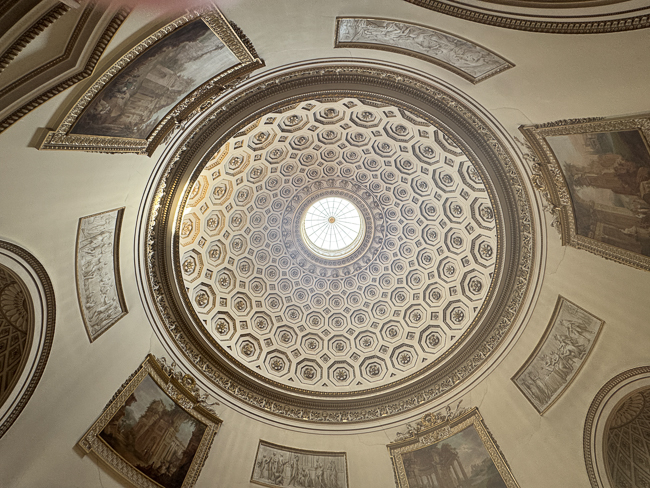
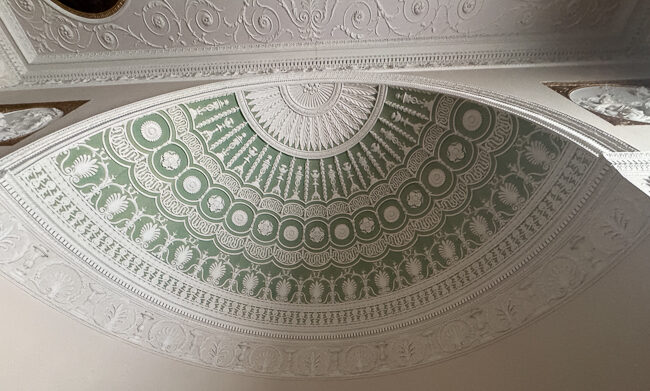
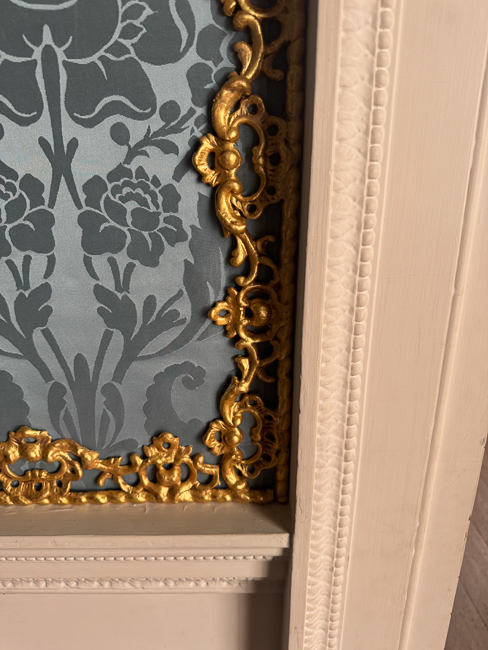
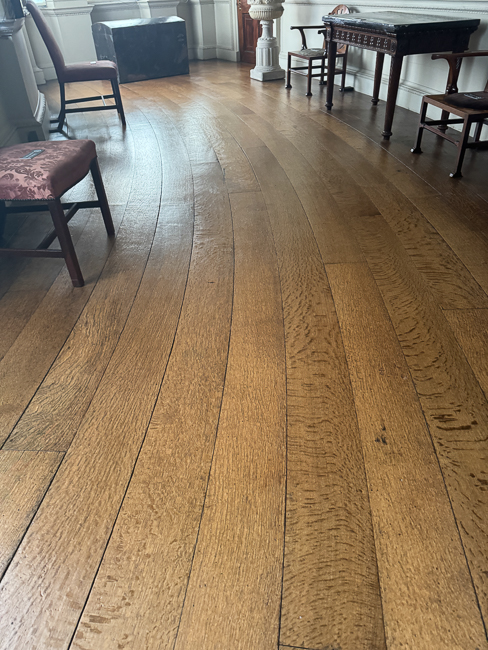
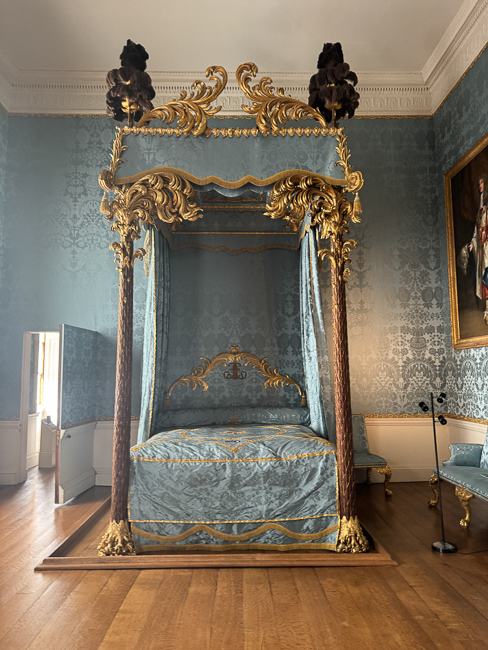
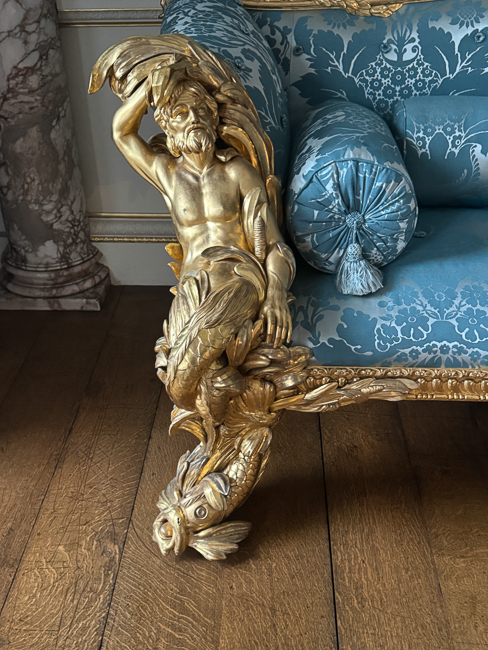
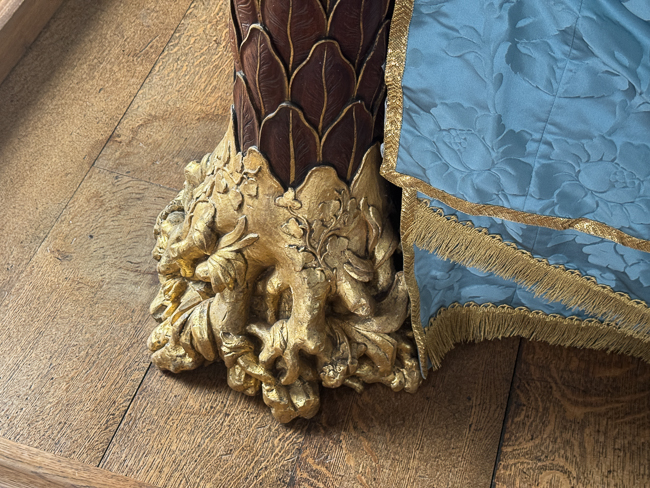
Keddleston Hall in Derbyshire was extremely strange to me. Your first introduction is this stunning, grand hall that is regal. The house had some exquisite touches, the color theme with robin’s egg blue was so inviting, and yet this was often juxtaposed with over-the-top ostentatiousness of the entertainment rooms, which distracted from the elegance of the home.
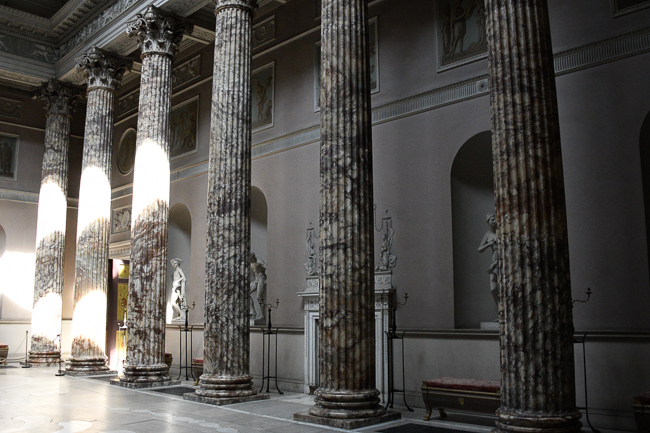
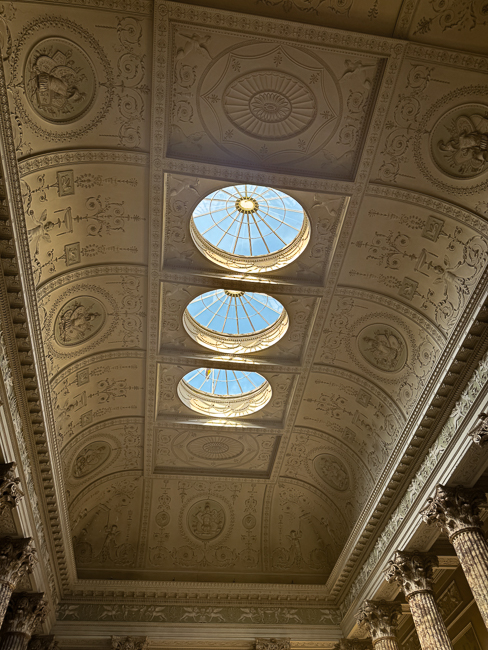
The current house was commissioned in 1759 by Nathaniel Curzon. The house was designed by the Palladian architects James Paine and Matthew Brettingham and was loosely based on an original plan by Andrea Palladio for the never-built Villa Mocenigo. Curzon put architect Robert Adam in charge of construction after seeing some of his garden temples.
*
*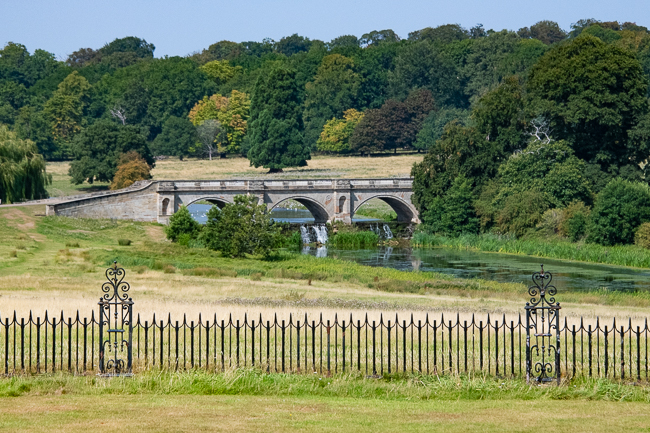
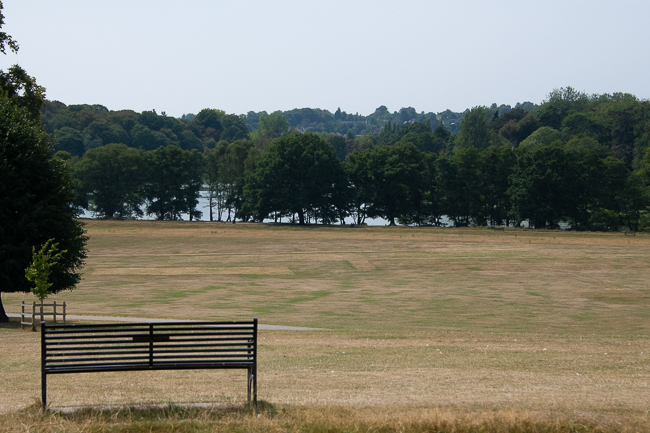
The gardens and grounds, as they appear today, are largely the concept of Robert Adam.
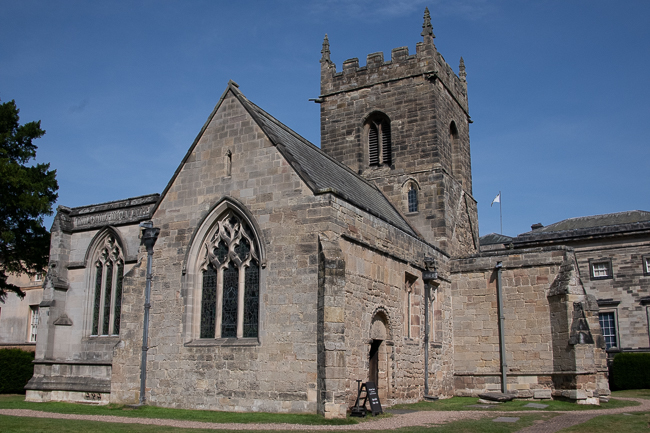
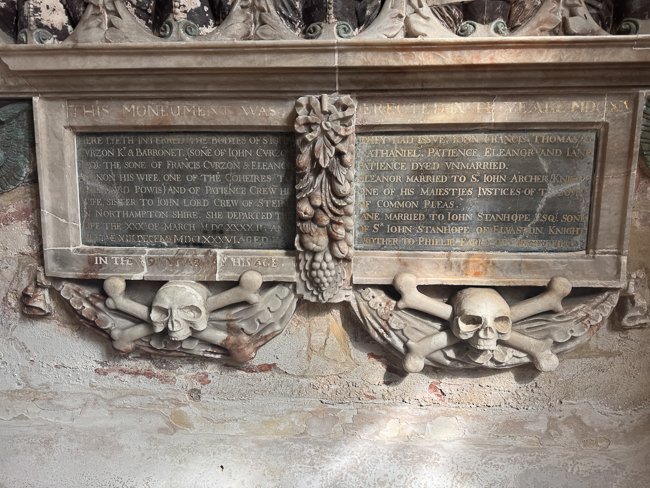
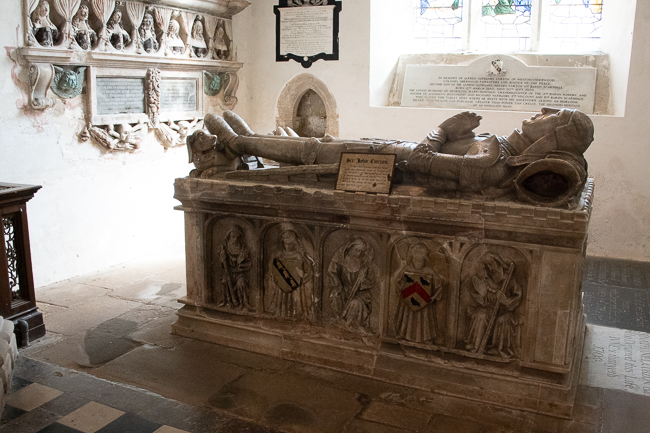
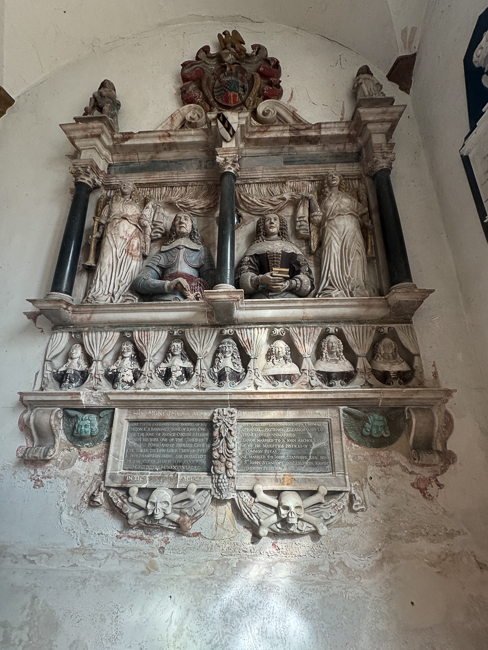
Now, All Saints Church, this is all that remains of the medieval village of Kedleston, which was demolished in 1759 by Nathaniel Curzon.
*
*