May 2026
The Siege of Dubrovnik is key to its modern history.
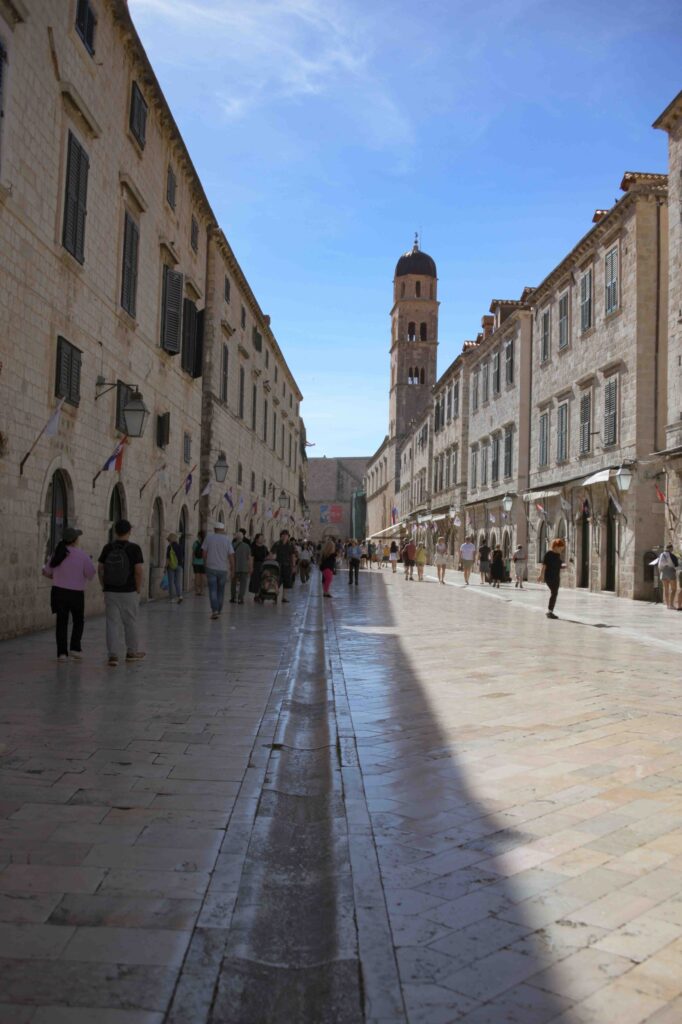
The Human Rights Action Committee explains the horrors of the Siege of Dubrovnik the best:
The attack on Dubrovnik in 1991 was one of the darkest episodes of the wars of the 1990s. A city without military significance, yet of immeasurable cultural and symbolic value, became the target of the Yugoslav People’s Army (JNA), controlled by Serbia and Montenegro.
The siege began on October 1, 1991, and lasted until the end of May 1992. During this time, 116 civilians were killed, along with 194 Croatian defenders and 165 JNA soldiers from Montenegro. A total of 443 people were detained in the Morinj and Bileća camps under inhumane conditions, 33,000 people were banished, more than 2,000 residential buildings were destroyed, and both private and public property were systematically looted.
Dubrovnik was left without electricity and water for 138 days, under naval and air blockade. Internationally, the attack on Dubrovnik was seen as a clash between civilization and barbarism. Although the Hague Tribunal convicted two commanders, many crimes committed in the Dubrovnik theater of war remain unpunished.
During the siege, the Old City was struck by approximately 2,000 projectiles of various calibers, causing significant damage throughout the city. In the Old City, 72 percent of the buildings suffered damage: nine were burned to the ground, and four had roof damage.
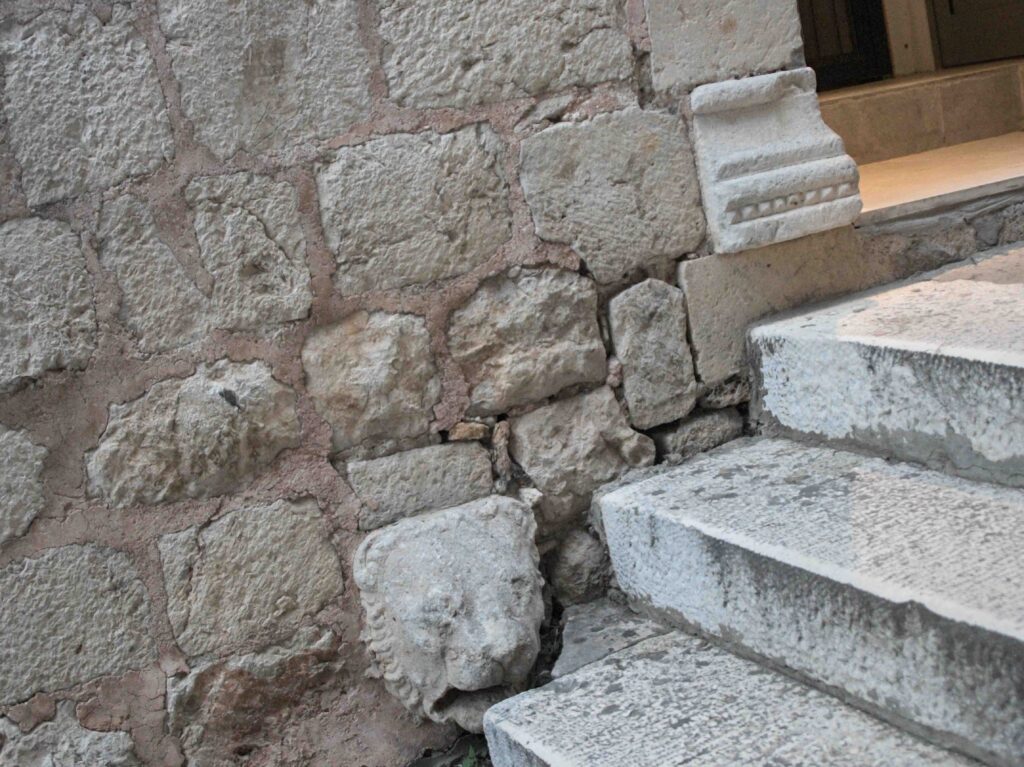
Systematic restoration began in 1992 and lasted until 2000. Even though the State Commission for War Damage Assessment had established that the total damage inflicted by the war was equivalent to $18,663,122, it turned out to be closer to $35 million.
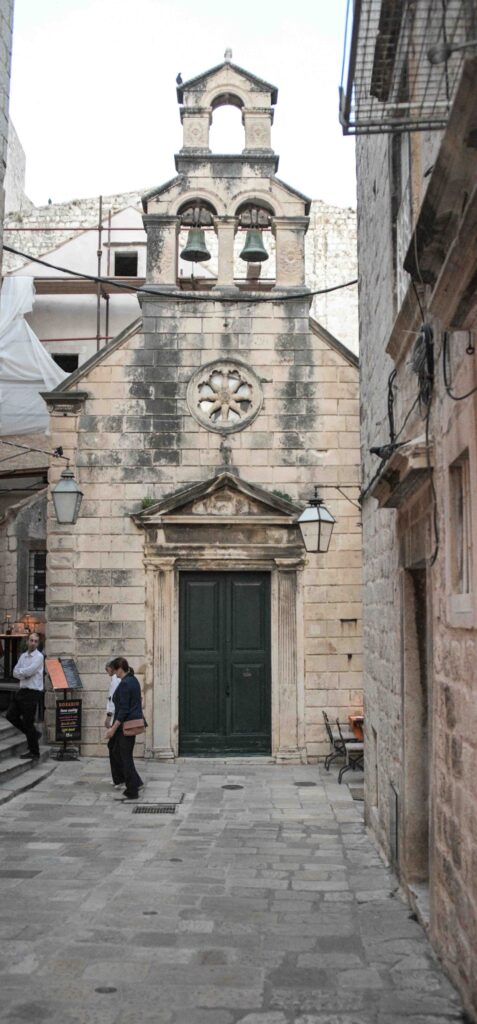
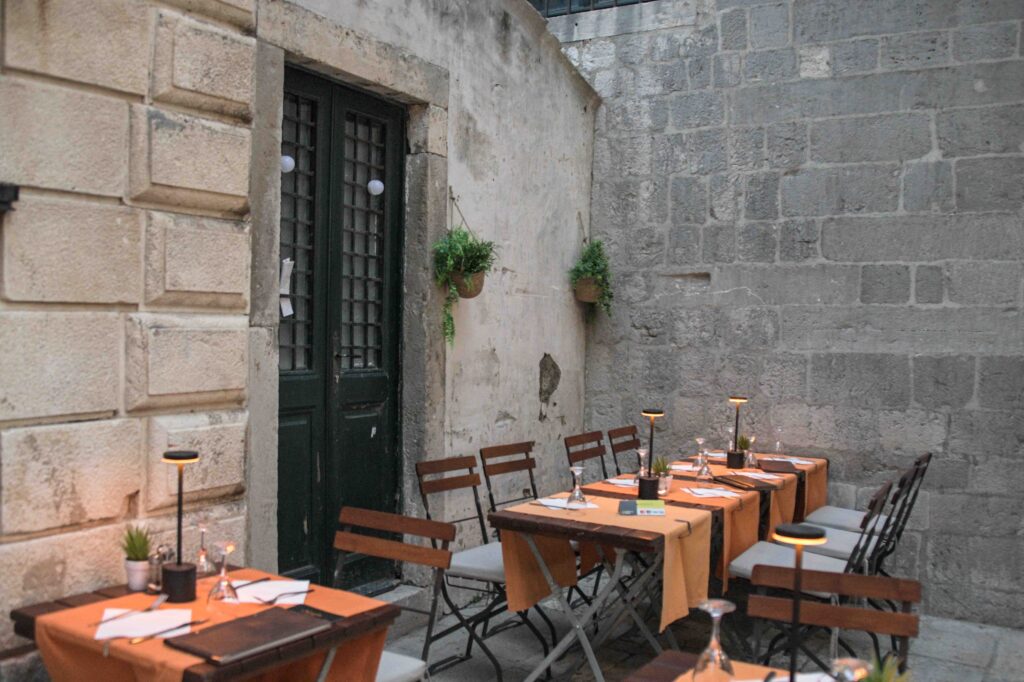
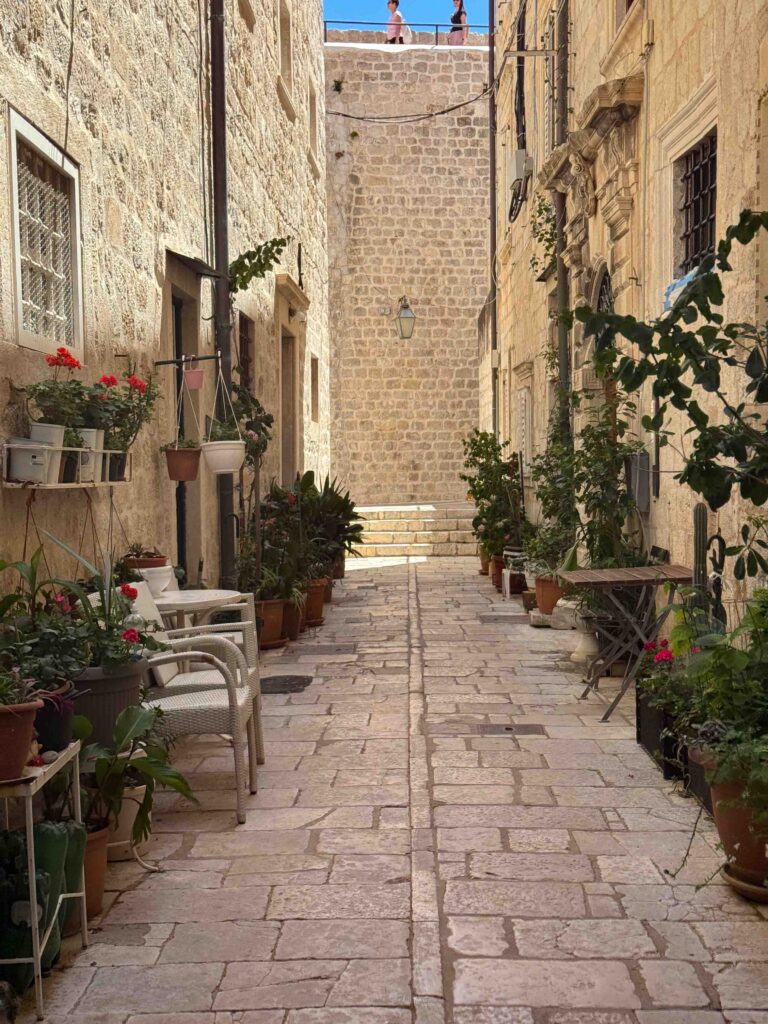
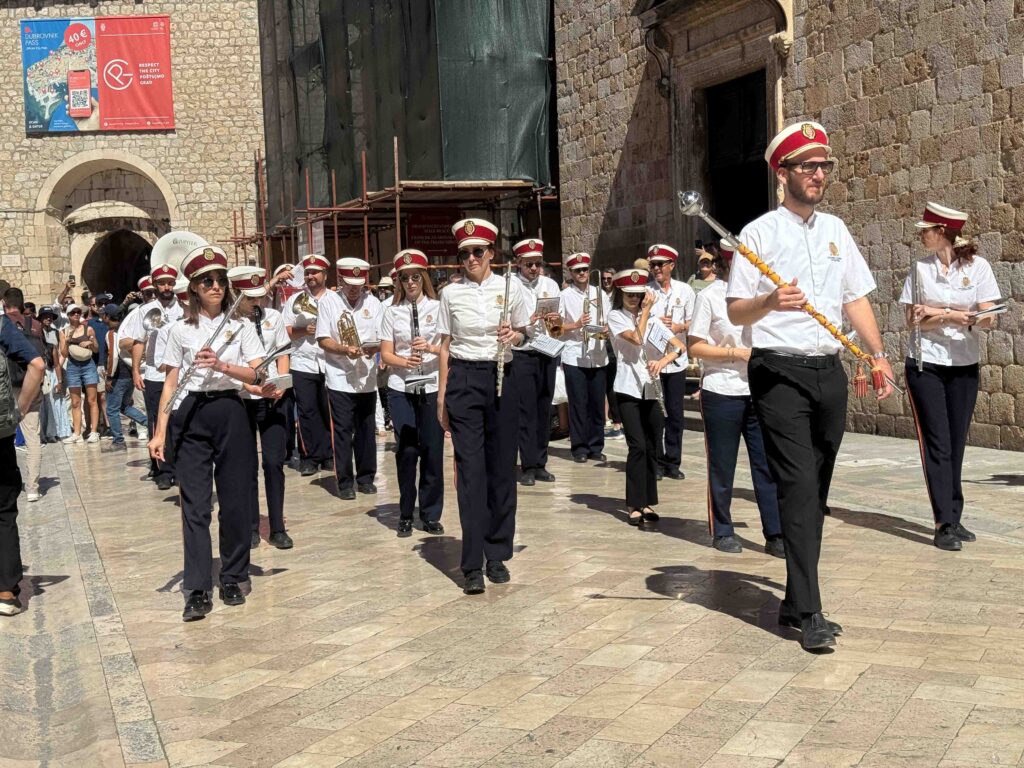
While you consistently see restoration ongoing in the old city, much of it can now be attributed to maintenance rather than restoration, but it is important to look at the city and understand the wrath it incurred.
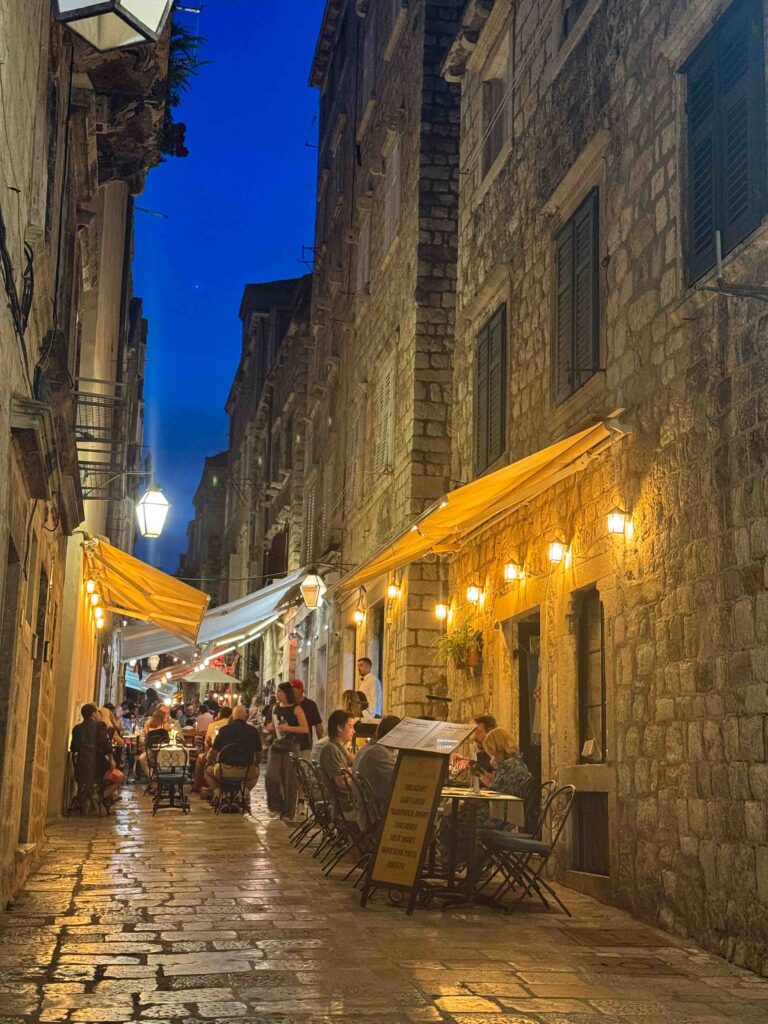
*
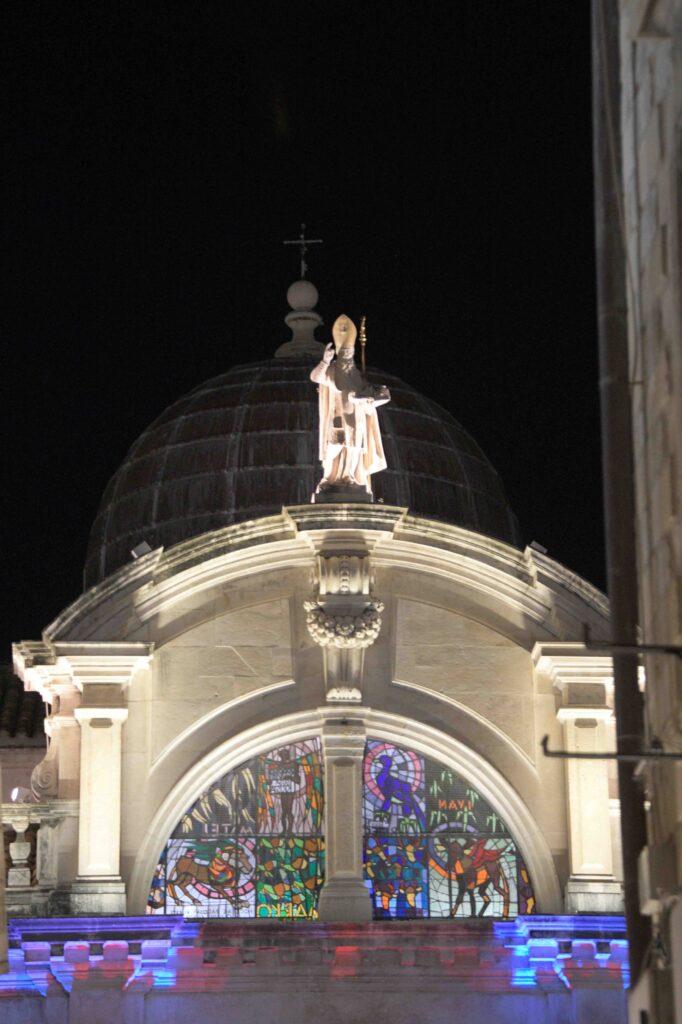
Onofrio’s Fountains
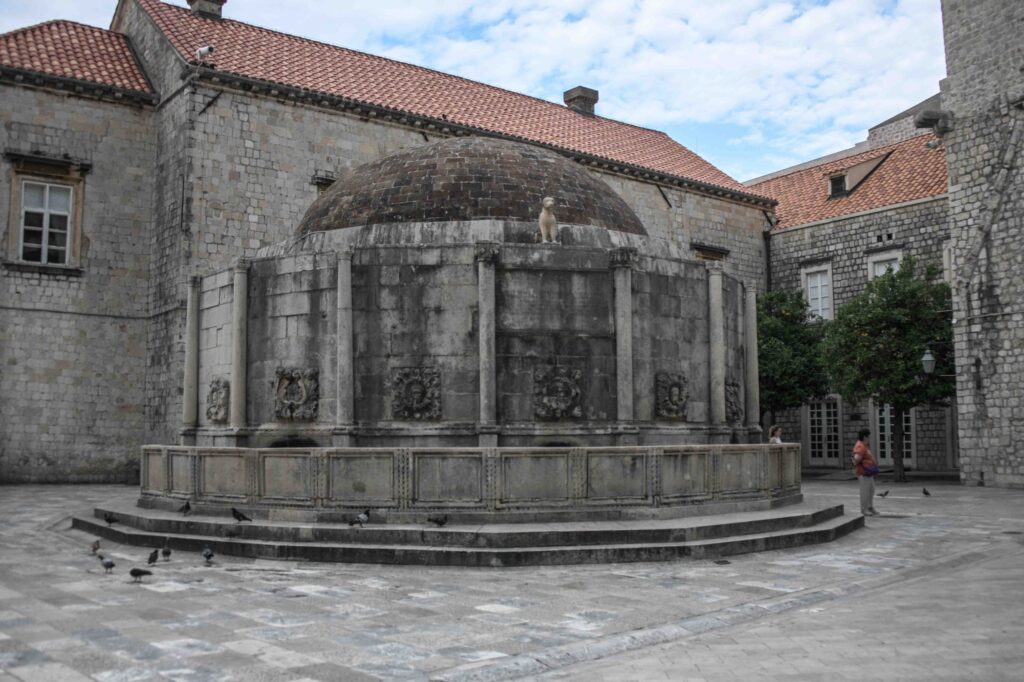
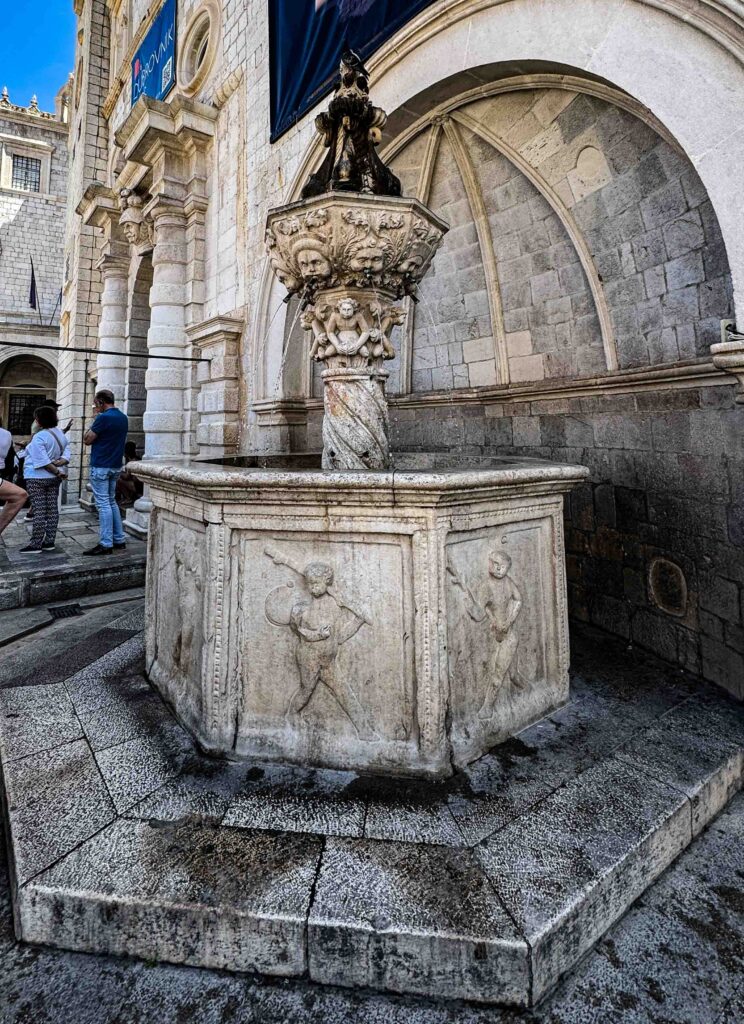
Large Onofrio’s Fountain was designed in 1438 by Italian architect Onofrio di Giordano della Cava. He hailed from Napoli and got a job in the town to design the town’s waterworks, which were in use by the end of the 19th century.
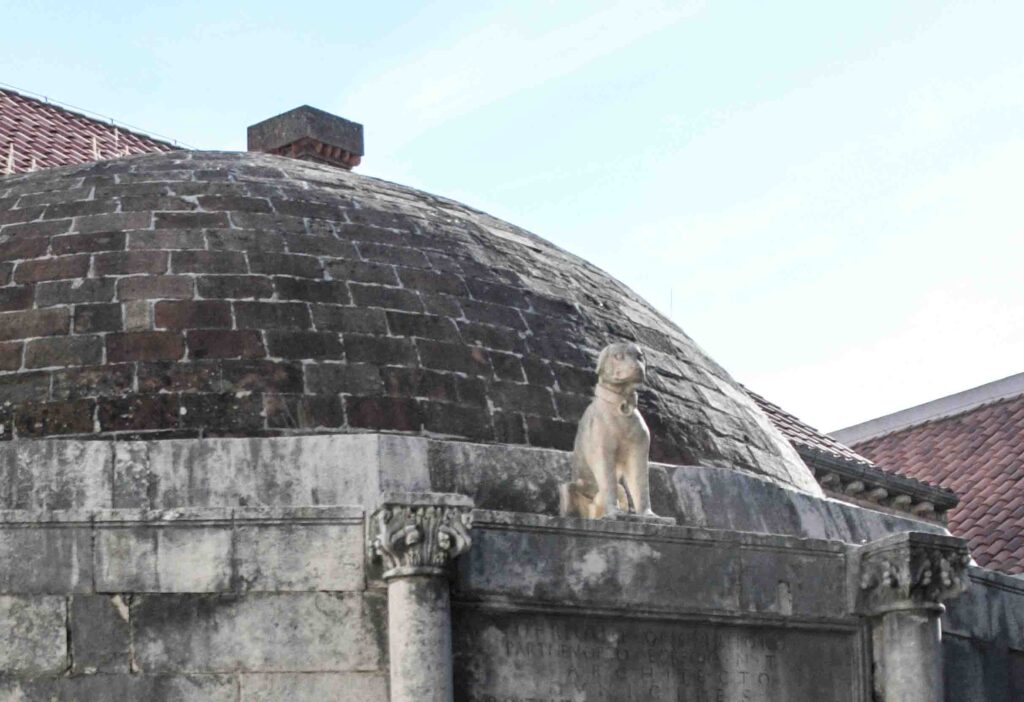
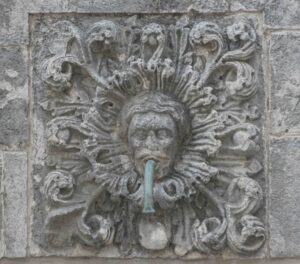
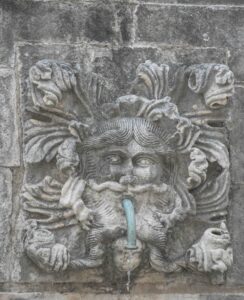
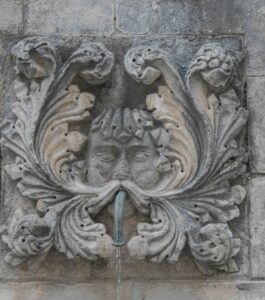
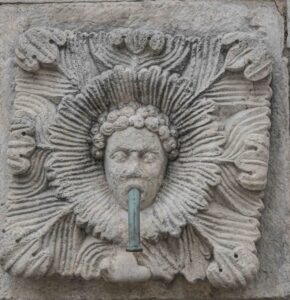
The fountain is adorned with 16 wonderful stone-carved masks (maskerons) and a statue of a dog on top. Locally called “kuchak,” aka fountain dog.
Kuchak represents a guardian and protector of the Republic’s values. It was removed in the 19th century because it was falling apart and replaced with a replica in 2016. Historically, a dog sat atop the fountain from the beginning of the 15th century until the Great Earthquake (Velika Trešnja) in 1667, which damaged Dubrovnik’s Old Town.
I was in love with the maskerons.
*
The Bell Tower and its Jacquemarts
Originally constructed in 1444, damaged in the 1600 earthquake, and demolished in 1928, it was entirely rebuilt to the original design in 1929. It was damaged again in the 1979 earthquake and restored in 1987–1988.
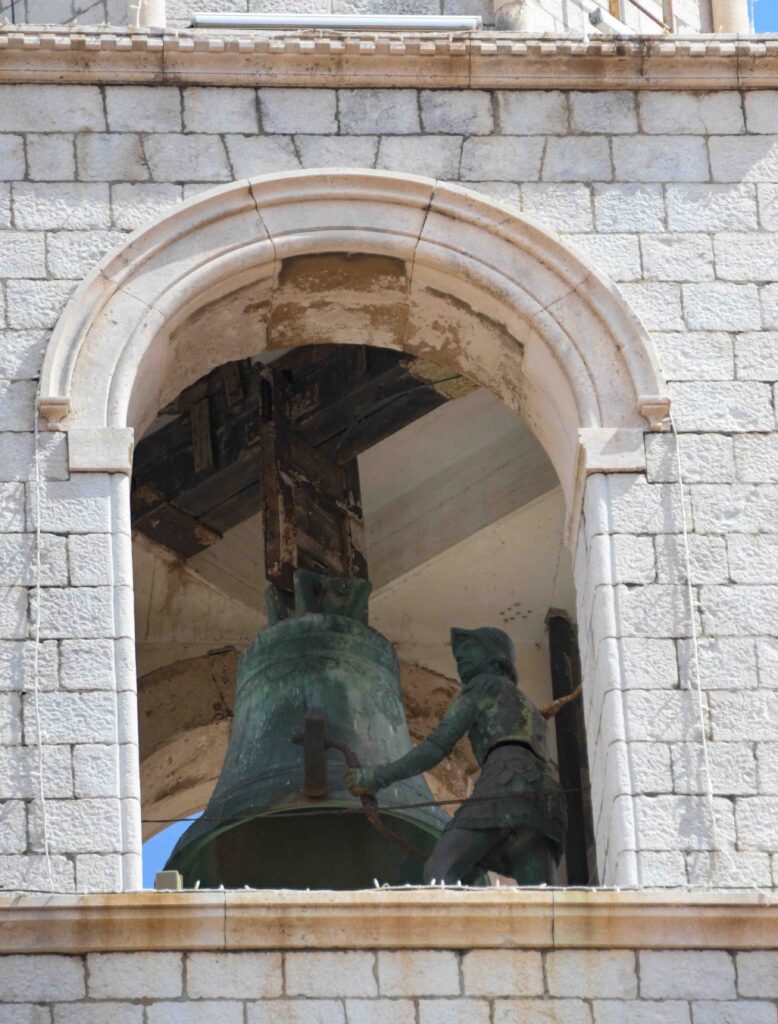
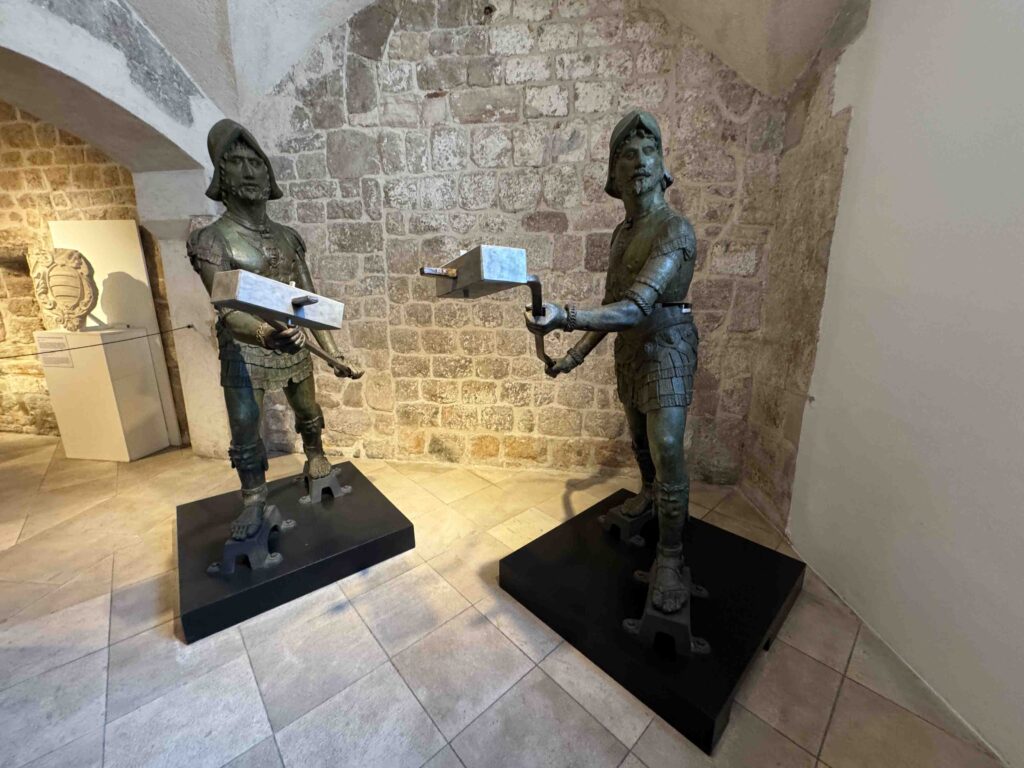
The two bronze jacquemarts which strike the bell are known as Maro and Baro, or the Zelenci (green ones), due to their green patina. The present Zelenci are replicas.
Franciscan friary
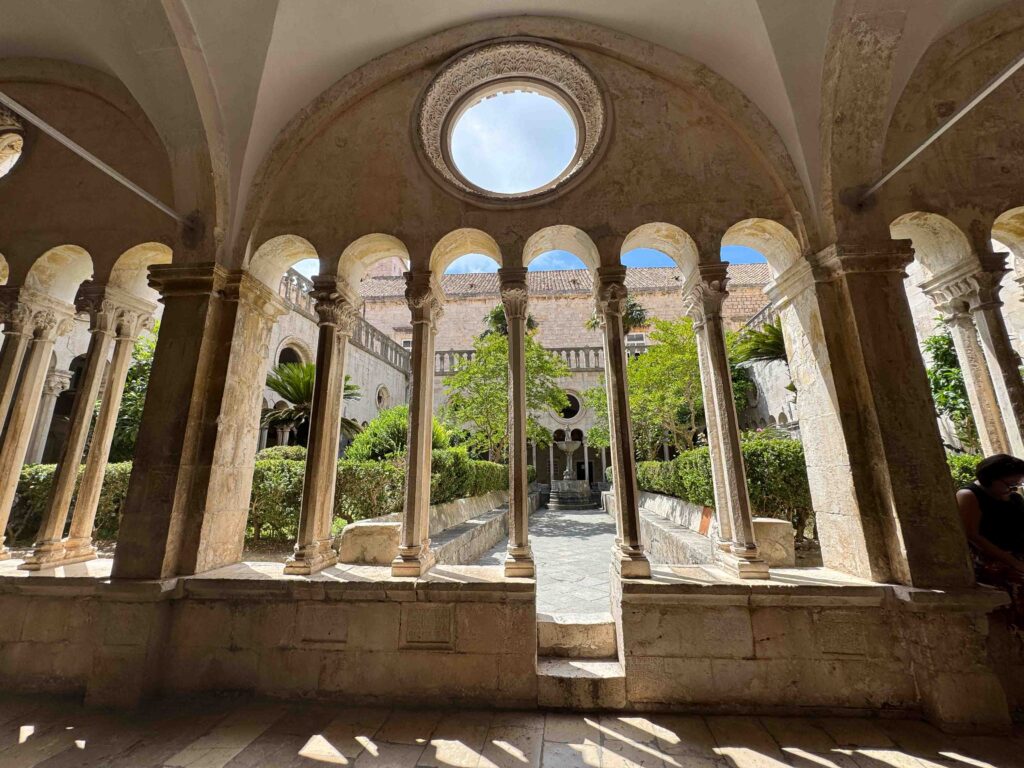
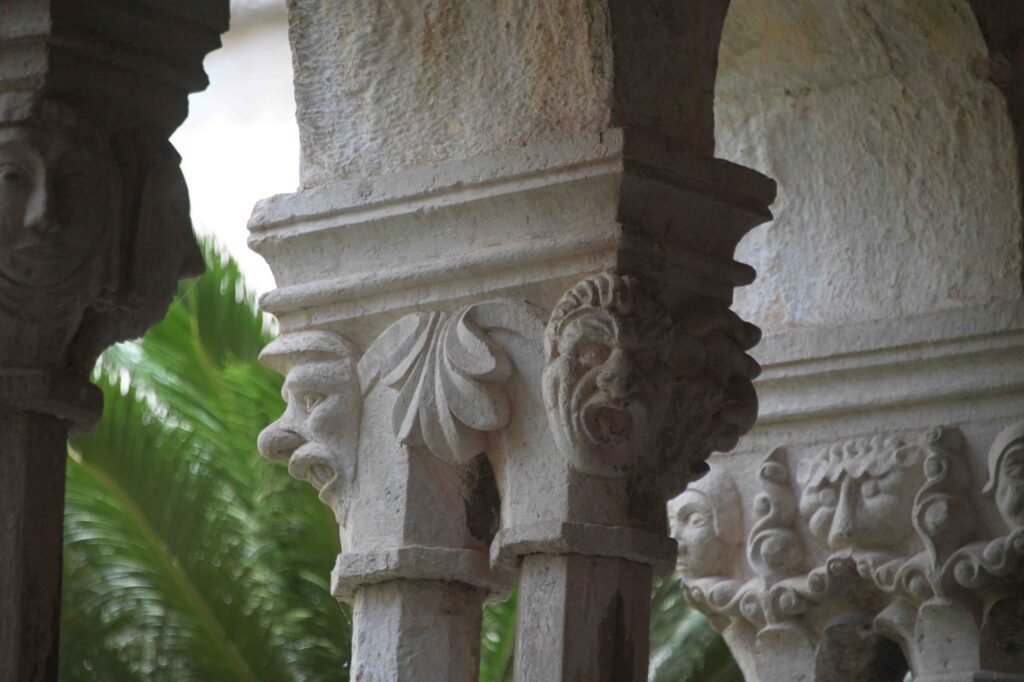
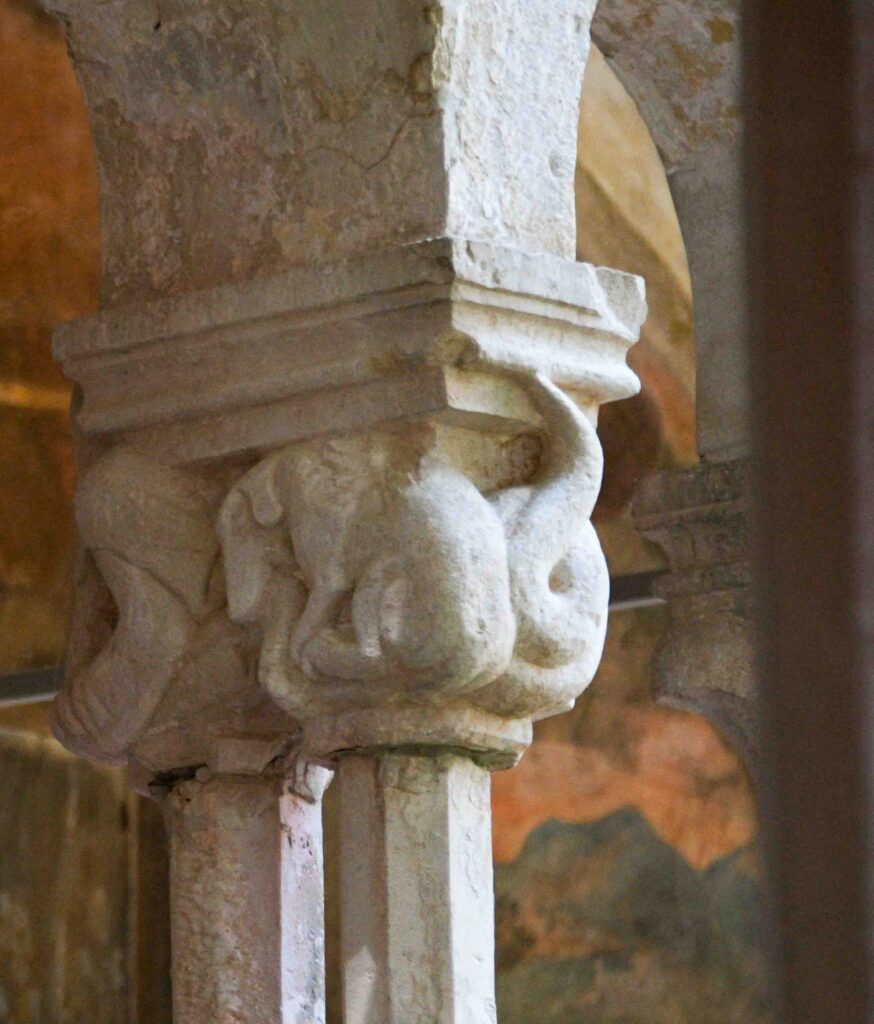
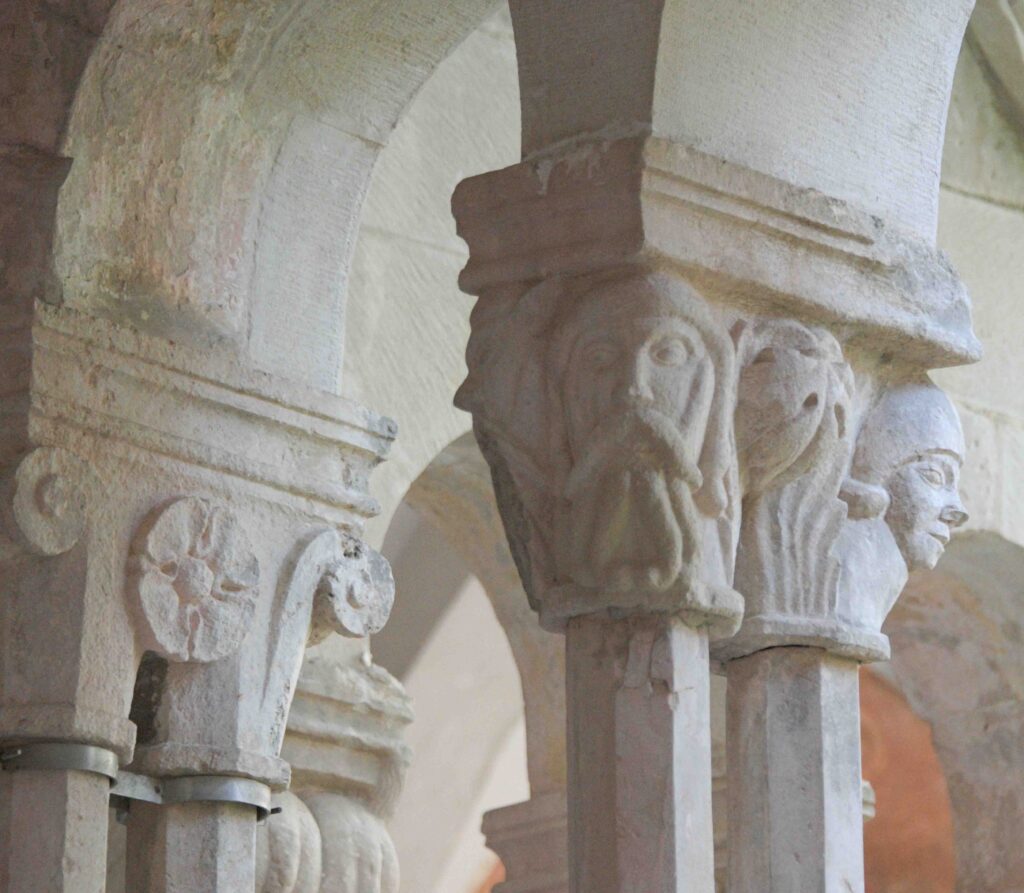
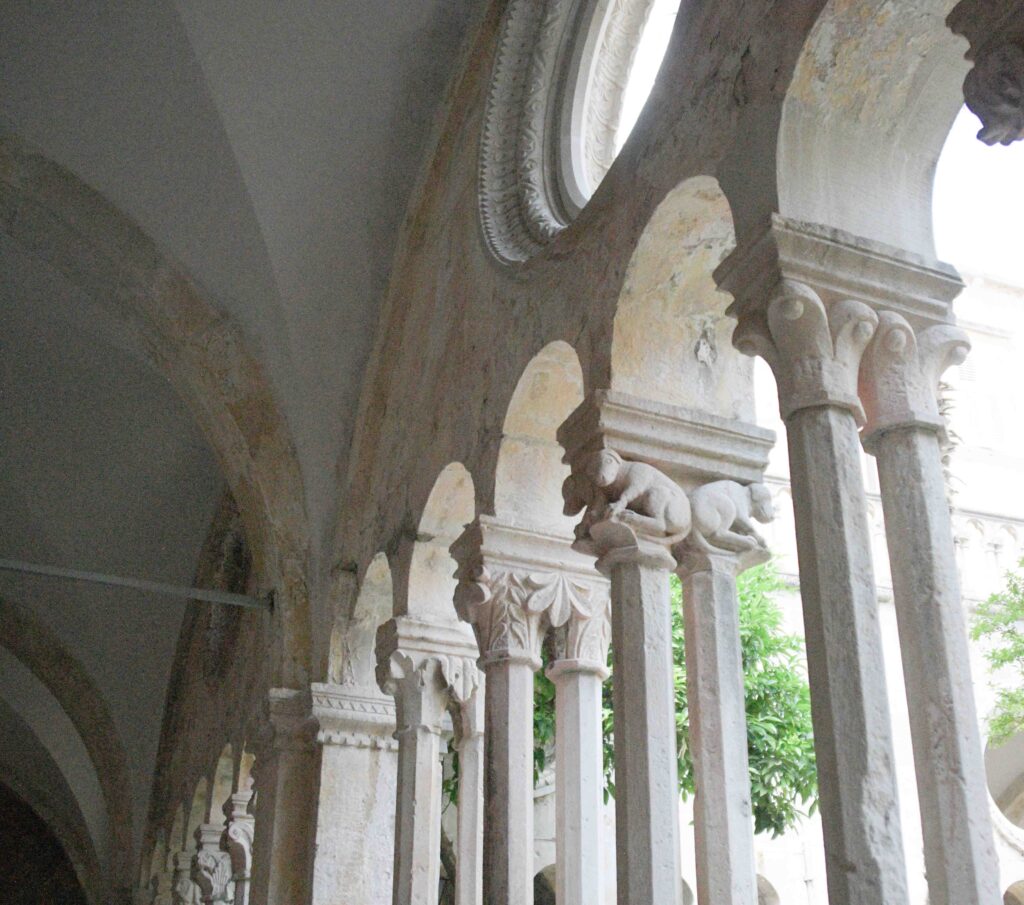
The Franciscan friary is covered in scaffolding, but inside is this stunning cloister.
The friary was built in 1360 in the late Romanesque style. The cloister was built in Romanesque-Gothic style with arches, 120 columns, 12 massive pilasters, and a promenade. The capitals on the colonnade of double-ornamented hexaphoras, all different, depict various geometric, plant, human, and animal-like figures.
For once, I did not take photos of every single hexaphora.
*
*
*
*
The Dubrovnik Cable Car
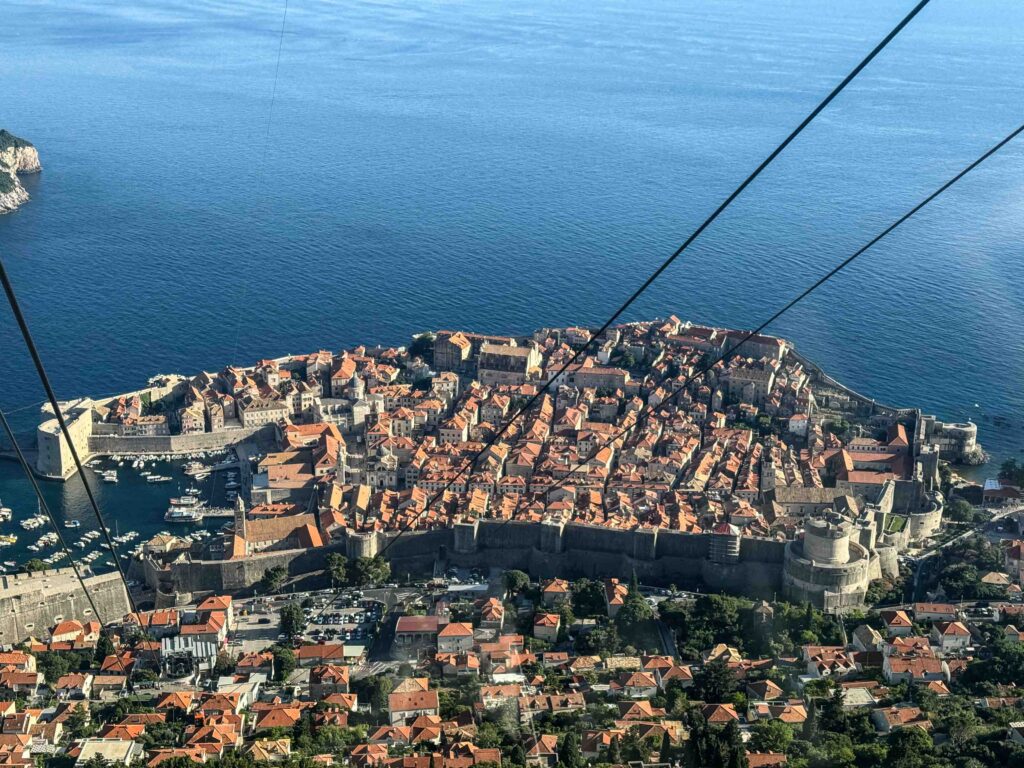
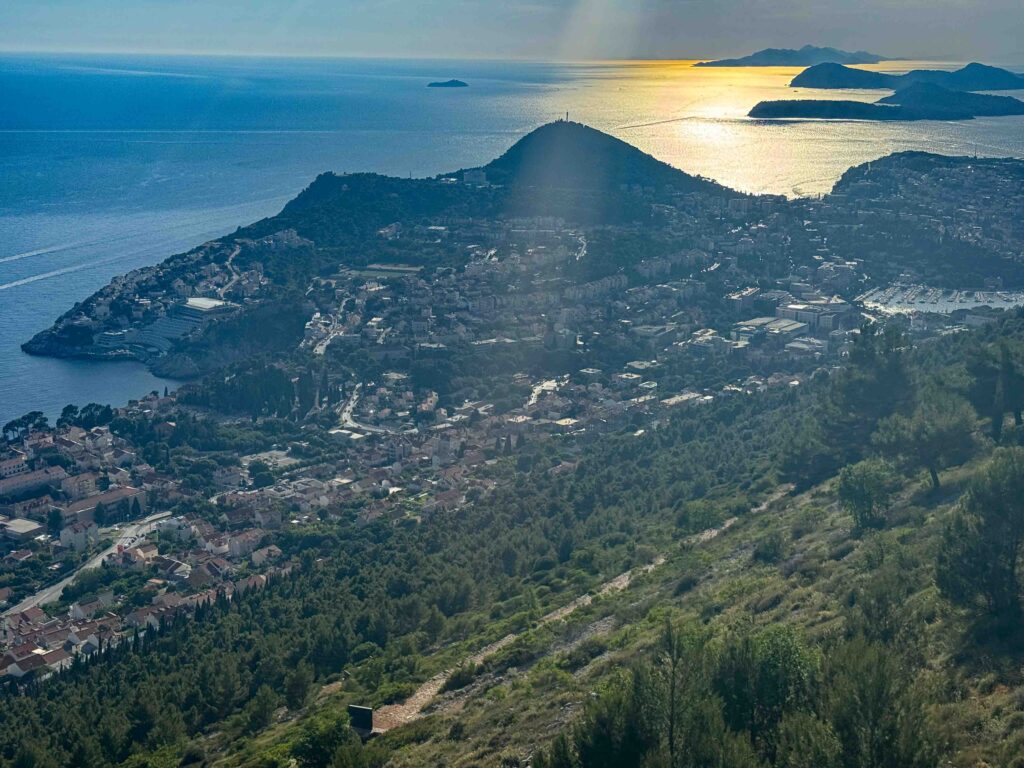
The original Dubrovnik Cable Car was established in 1969. Unfortunately, the original cable car ceased operations in 1991 due to heavy bombing during the Croatian War. It is a great way to get a bird ’s-eye view of the area.
*
Dubrovnik, like so many cities in today’s world, has a tourism problem. One that has created the typical conundrum by making housing expensive and yet bringing in much-needed dollars. They know they have a problem. UNESCO warned in 2016 that the city’s medieval stone walls could be delisted if it did not better manage its tourism.
There is now a fixed maximum of 11,200 people allowed within the city walls. In 2019, 9,000-9,500 cruise visitors arrived daily during peak season, in addition to those arriving by air or land. It’s a system that appears to be working somewhat, as the 2025 numbers were 10,500 due to fewer cruise arrivals.
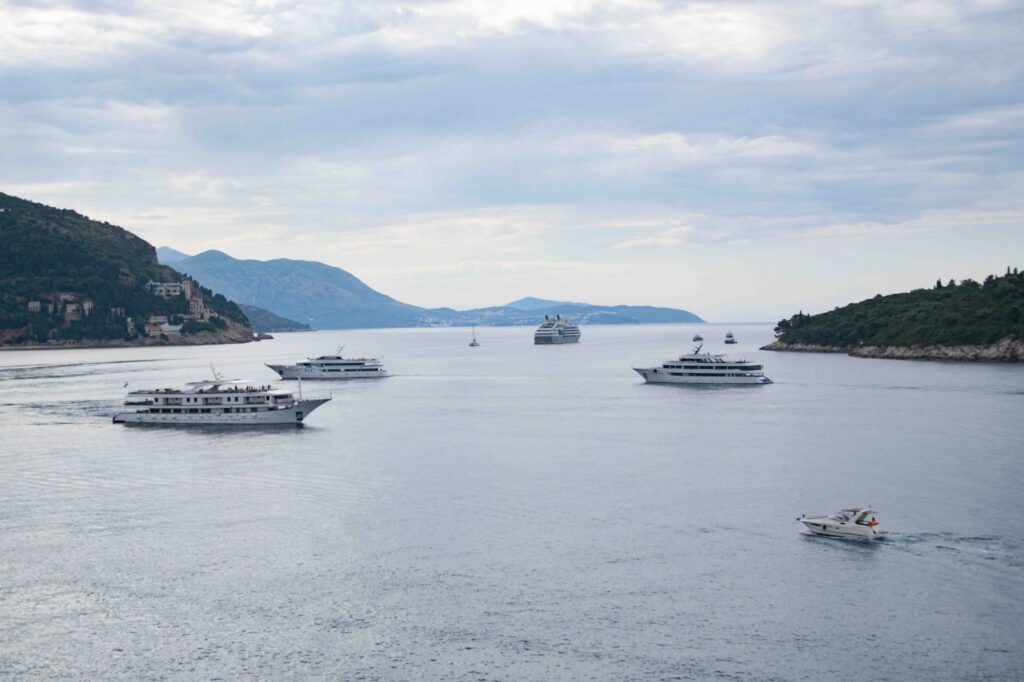
The photo shows the number of cruise ships, which I caught on camera, not nearly as many as were actually out in the water, preparing to dock in the morning. It makes the city overwhelming to visit, to be honest, and it was only May.