July 21
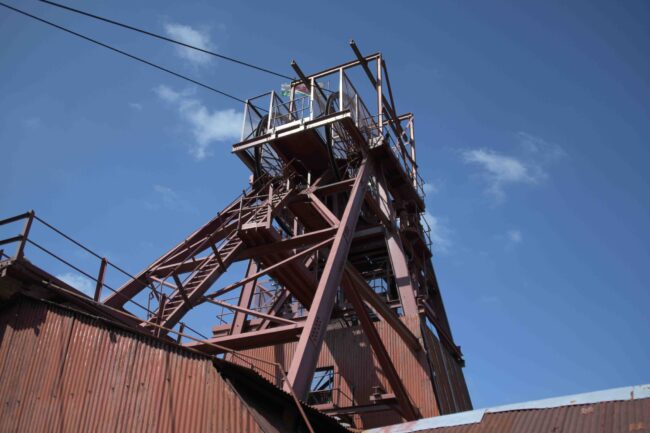
The Big Pit Coal Mine
Big Pit is part of the Blaenavon Industrial Landscape, a UNESCO World Heritage Site.
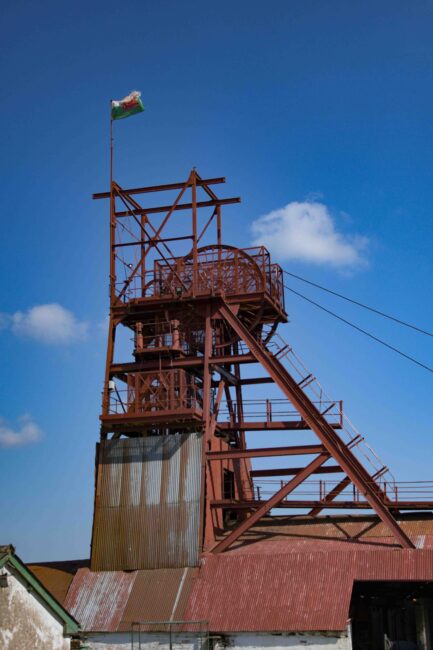
Big Pit is part of a network of coal workings established in Blaenavon in the first half of the nineteenth century by the Blaenavon Iron and Coal Company as part of the development of the Blaenavon Ironworks, which means it has some of the oldest large-scale industrial coal mining developments in the South Wales Coalfield. The mine was the most important of all the collieries located in Blaenavon.
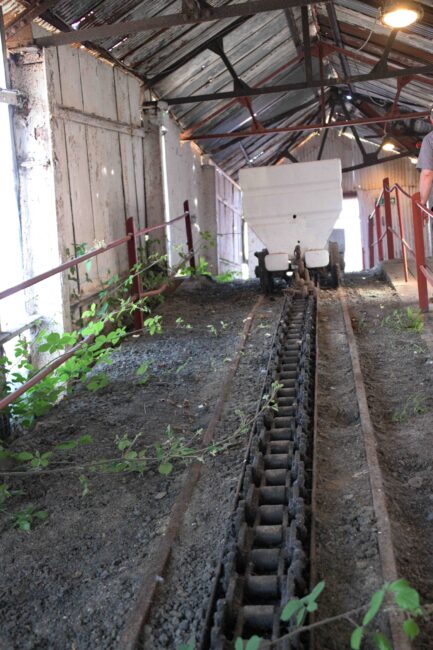
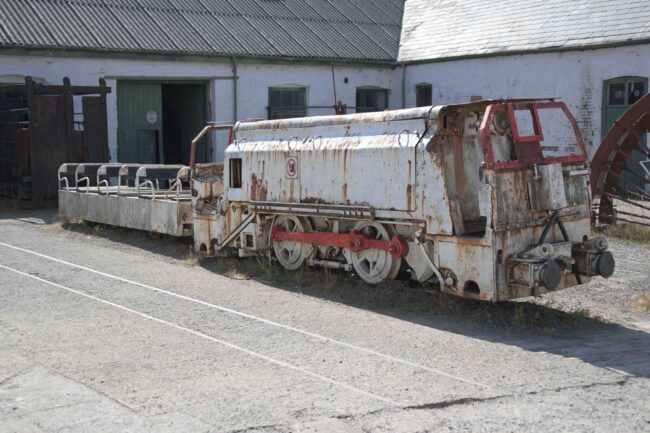
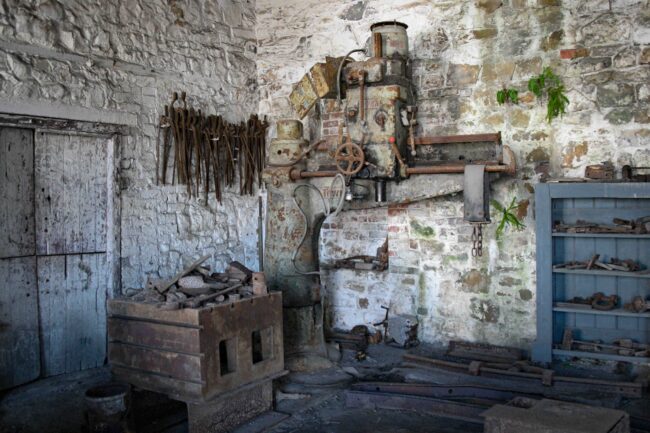
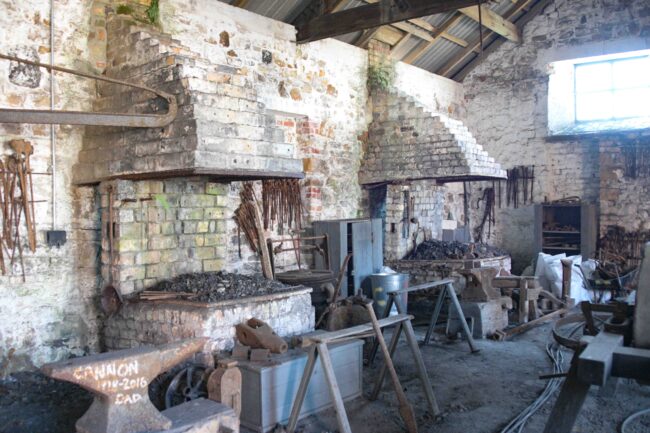
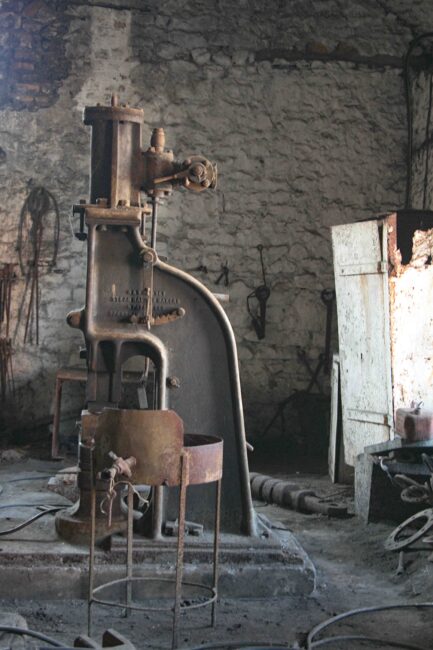
I am a nut about industrial plants, so I was snapping photos right and left.
The coal industry in Wales played an important role in the Industrial Revolution in Wales. Coal mining in Wales expanded in the 18th century to provide fuel for the blast furnaces of the iron and copper industries that were expanding in southern Wales.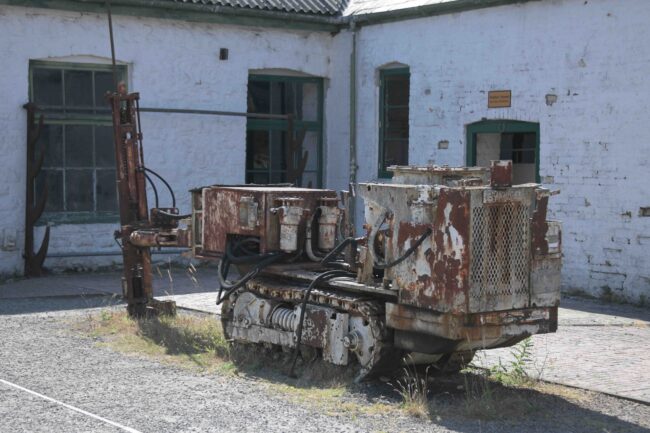
The industry had reached large proportions by the end of that century, and then further expanded to supply steam coal for the steam vessels that were beginning to trade around the world.

The Cardiff Coal Exchange set the world price for steam coal, and Cardiff became a major coal-exporting port.
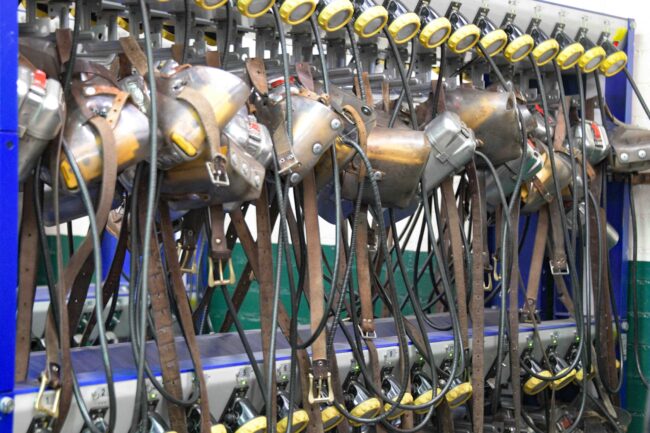
The South Wales Coalfield was at its peak in 1913 and was one of the largest coalfields in the world.
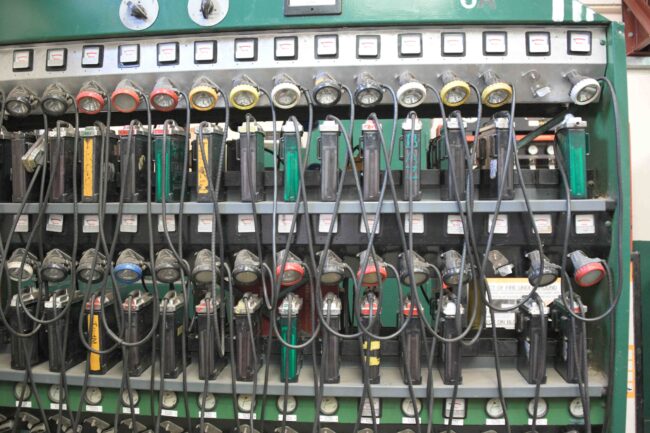
1920 was the beginning of the end for the South Wales coal industry. The mines had been run by the government during the war, but afterward were taken back into private ownership, and wage agreements were abandoned. At the same time, a global recession his leading to a decline in demand and thus a decline in prices. Wages plummeted, miners were laid off, and unemployment in Wales rose to 25% at certain times during the depression.
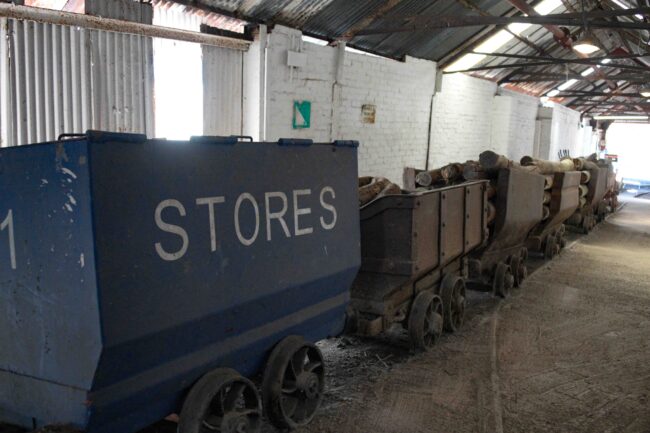
Between 1921 and 1936, 241 mines in South Wales closed, and the number of miners fell from 270,000 to 130,000.
Rearmament and the Second World War dramatically increased the demand for coal, and wages gradually rose. The government took control of mines in 1942 to boost production, and full nationalization under a National Coal Board followed.
The recession of the 1980s was the worst in Britain since the Great Depression of the 1930s. Unemployment tripled, from one million to over three million workers. Then, Acts of Parliament clipped union bargaining powers and restricted the legality of strike action.
Government support for the industry fell away, productivity declined, pits increasingly encountered coal seams that were difficult to exploit, and colliery closures began again. 27 out of the remaining 33 collieries in South Wales were closed, and an embargo on hiring was put in place.
By 2003, the United Kingdom had become a net importer of coal.