August 14, 2025
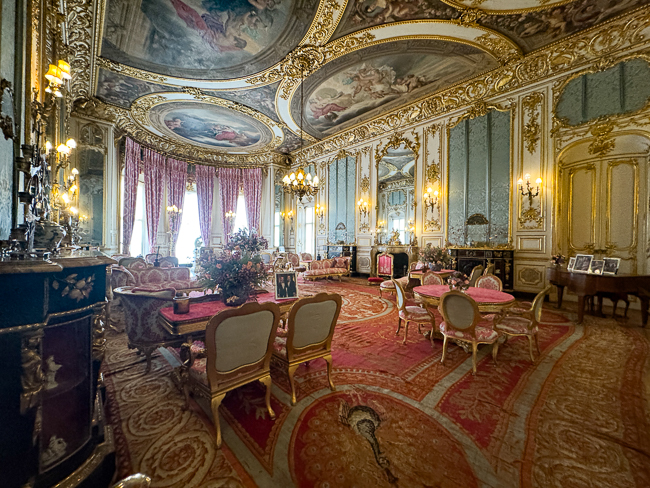
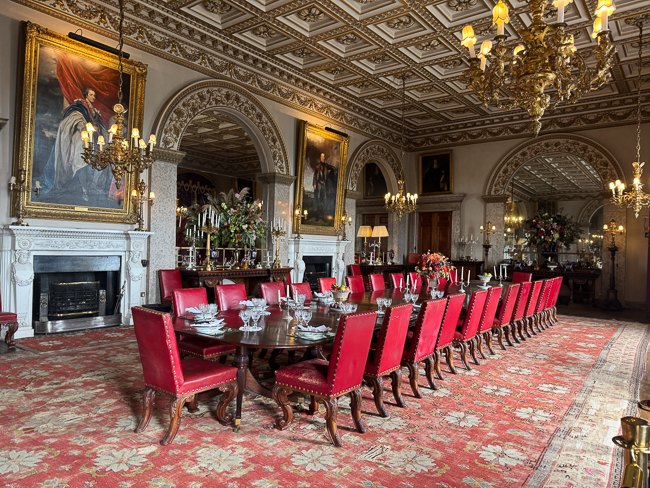
Belvoir Castle
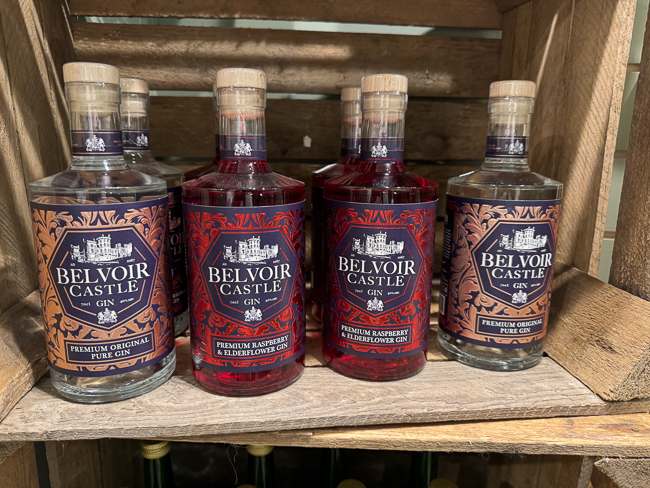
Belvoir Castle is pronounced beaver castle.
Belvoir Castle is considered a faux historic castle. A castle was first built on the site immediately after the Norman Conquest of 1066 and has since been rebuilt at least three times. The final building is a Grade I listed mock castle, dating from the early 19th century.
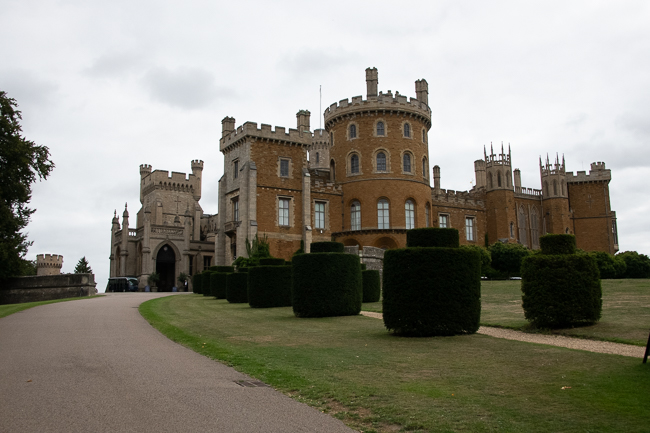
It is the seat of David Manners, 11th Duke of Rutland, whose direct male ancestor inherited it in 1508.
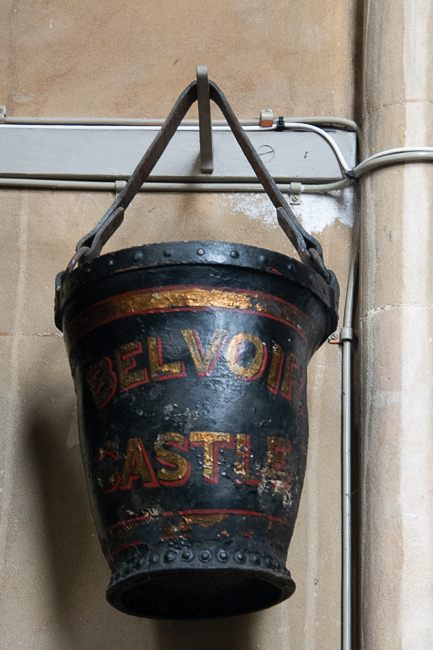
The castle sits in an estate of almost 15,000 acres.
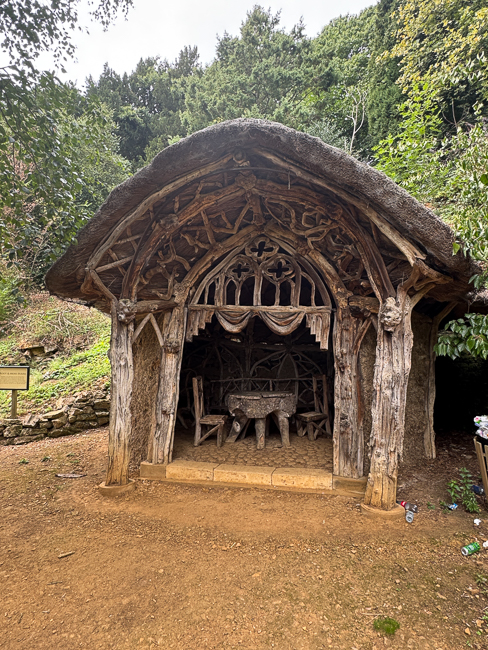
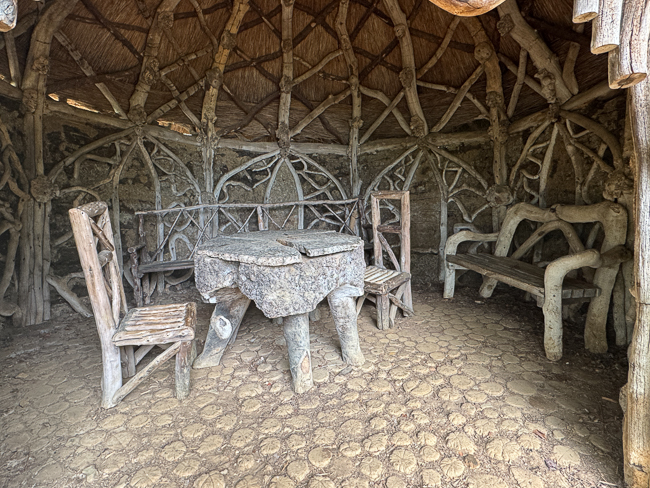
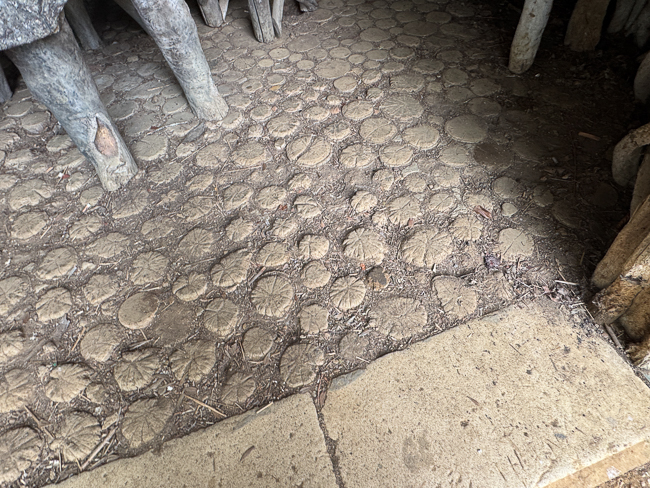
The grounds contain many gardens and lots of wild areas to hike. There is statuary, topiary, a Rose Garden, and a Japanese Woodland. Additionally, in 2013, original Capability Brown designs were discovered in the castle archives, which have are being revitalized. My favorite was the Root and Moss House.
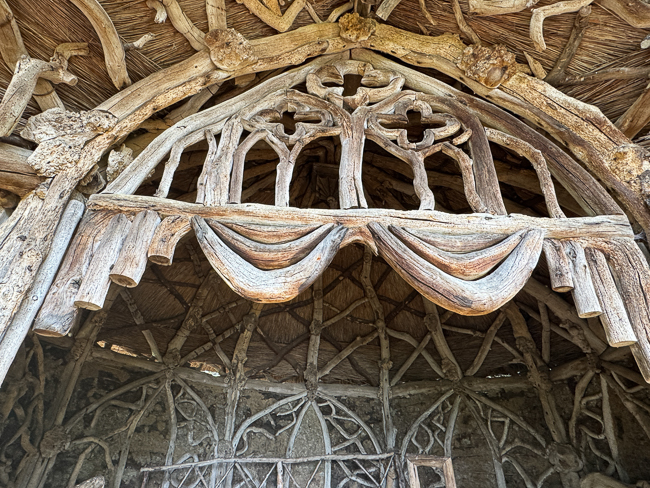
*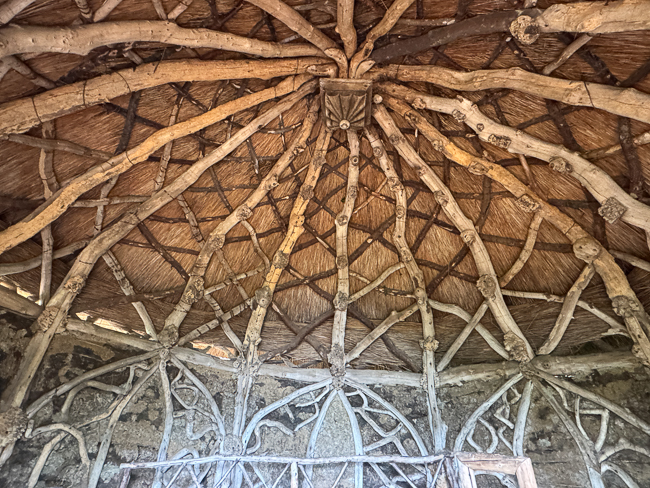 *
*
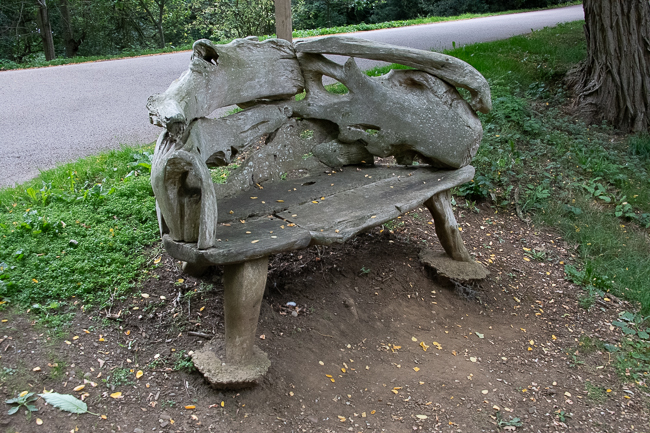
A fun chair I found walking out of the castle grounds.
Woolsthorpe
Belvoir is proud of its association with the Flower of Kent apple tree. That is the tree that purportedly gave Isaac Newton the impetus to consider his theory of gravity.
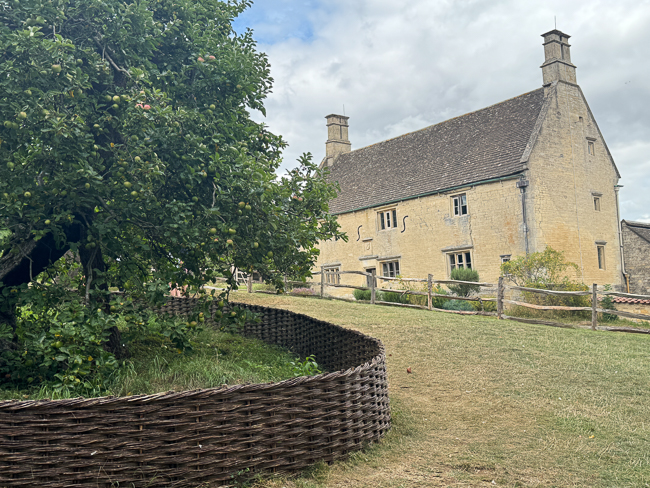
We are all taught that Isaac Newton came up with the law of gravity after seeing an apple fall from a tree in his mother’s garden. Newton himself told the story to several contemporaries, who recorded it for posterity.
At dinner, we all began discussing the word “gravity”. Some research turned this up from the BBC’s Science Focus: Ever since, Newton has been credited with discovering the law, describing how “All celestial bodies whatsoever have an attraction or gravitating power towards their own centres”. But these words are not Newton’s. They were penned by his scientific rival Robert Hooke in 1670, decades before Newton started telling people the apple story. This has led some historians to suspect Newton deliberately made up the story of the apple to back his claim to priority.
While Hooke is best known today for a dull law about springs, he was one of the most brilliant scientists of his time, and made a host of discoveries. He even showed Newton to be wrong on an esoteric point concerning falling bodies. This did not go down well with the pathologically prickly Newton, who seems to have set about showing he had worked on gravity years before Hooke, leading to his claim about being inspired by the apple back in 1666.
No one doubts that Newton made the biggest contribution to understanding gravity, but sadly for Hooke, Newton wanted to have the credit for everything.
Grimsthorpe Castle
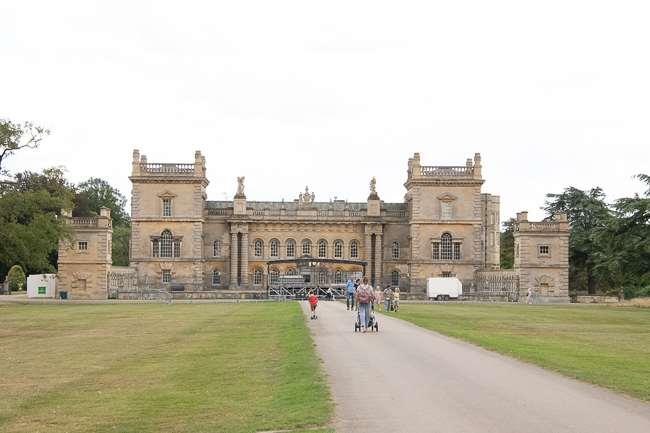
Grimsthorpe Castle sits in a park of rolling pastures, lakes, and woodland landscaped by Capability Brown. While Grimsthorpe is not a castle in the strict sense of the word, it has been the home of the de Eresby family since 1516. The present occupant is Jane Heathcote-Drummond-Willoughby, 28th Baroness Willoughby de Eresby, granddaughter of Nancy Astor, who died at Grimsthorpe in 1964.
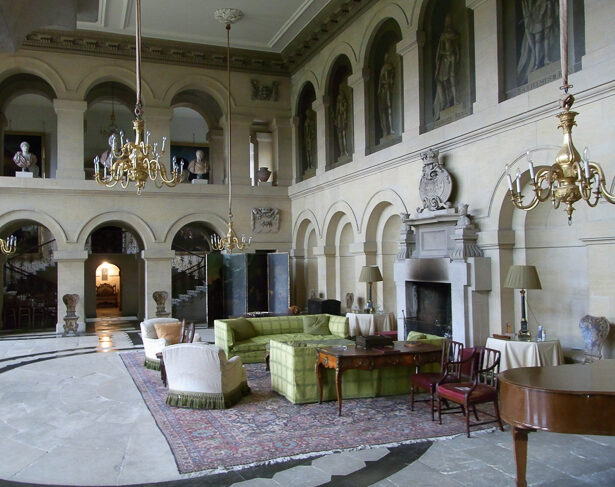
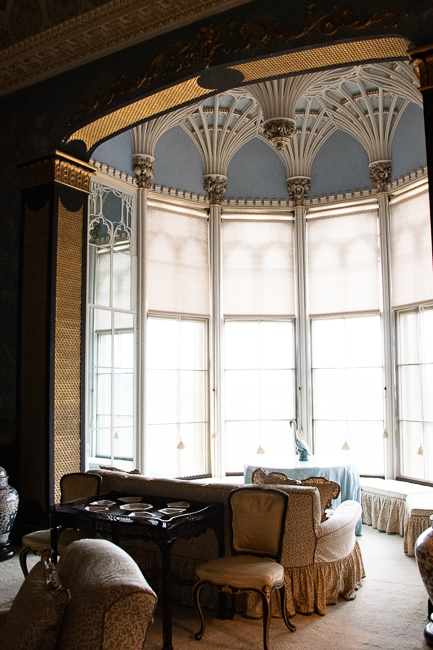
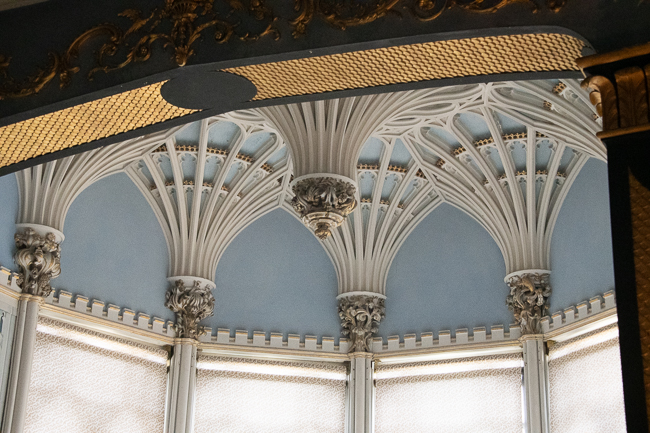
The house is set such that it has very ornate rooms for entertaining and then long, long halls filled with portraits of the family over the years. The room that caught my eye was the Chinese drawing room, which has a gorgeous plaster ceiling and an 18th-century fan-vaulted oriel window.
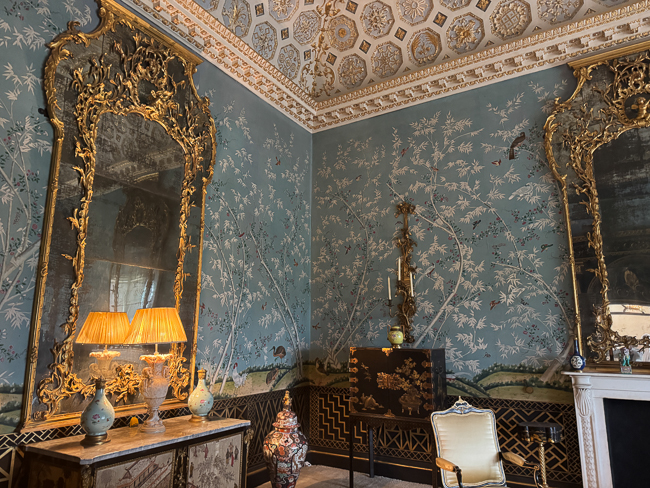
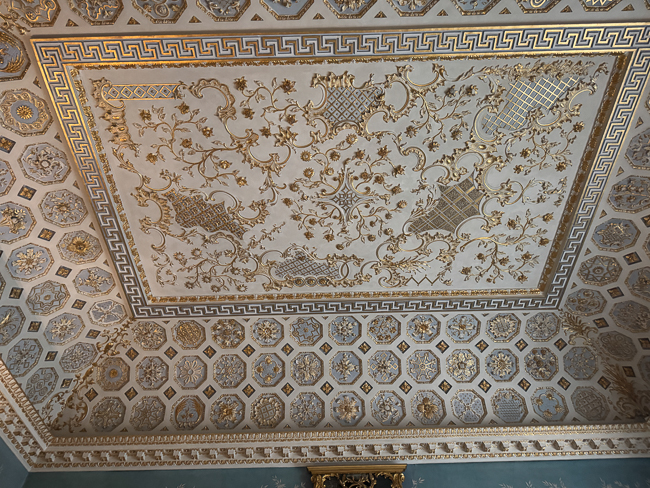
I could have sat in this nook of the Chinese drawing room and read for a lifetime.
*
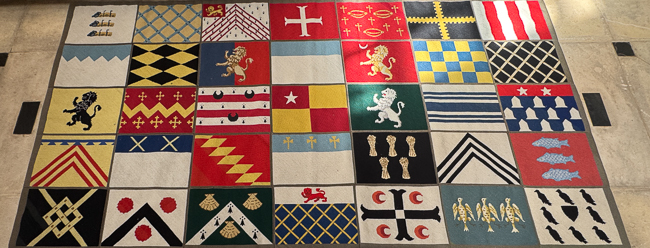
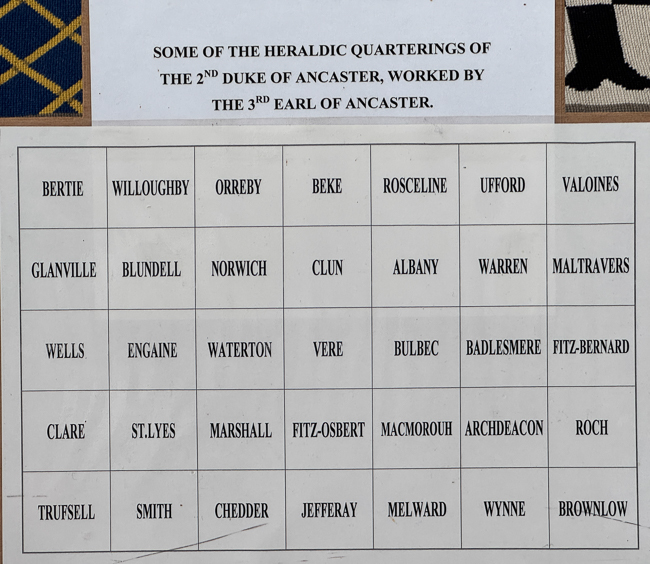
The chapel is really lovely, but this carpet with the family crests throughout the year was rather edifying.
*
*