August 12, 2025
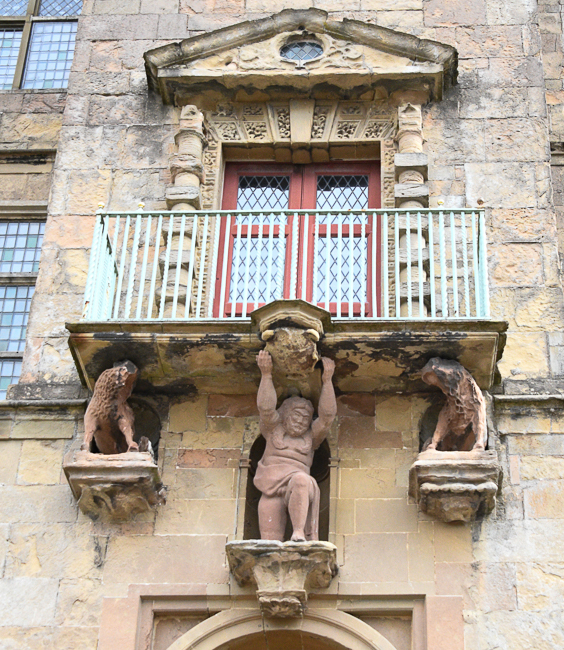
Bolsover Castle
The Peverel family built the original castle in the 12th century. It became Crown property in 1155 when William Peverel the Younger died. When a group of barons led by King Henry II’s sons revolted against the King’s rule, Henry spent £116 on building at the castles of Bolsover. The castle was returned to crown control in 1223.
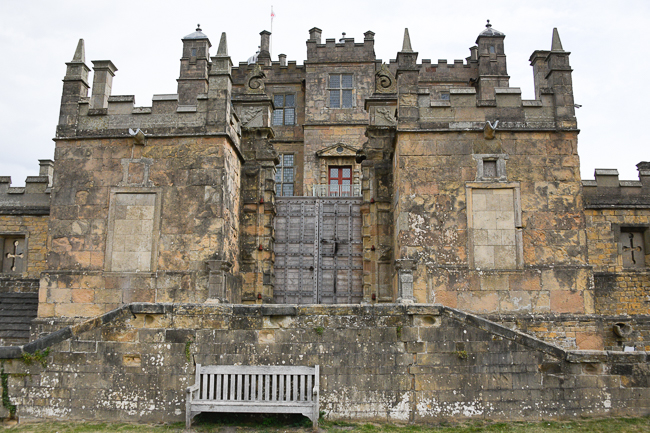
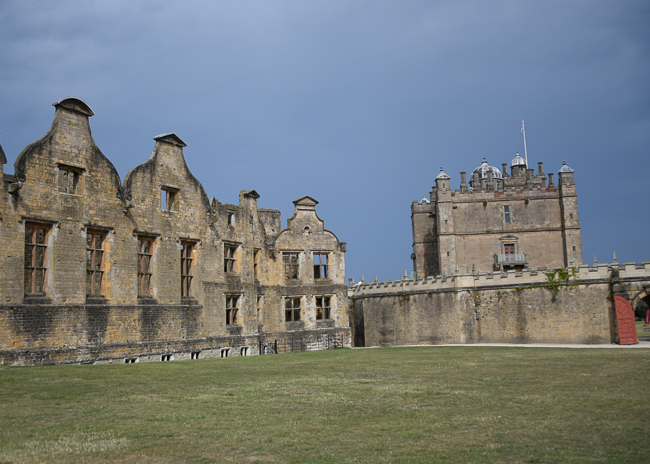
Bolsover Castle was then granted to Francis Talbot, 5th Earl of Shrewsbury, by Edward VI in 1553. By 1883, the castle was uninhabited, and in 1945 it was given to the nation by William Cavendish-Bentinck, 7th Duke of Portland.
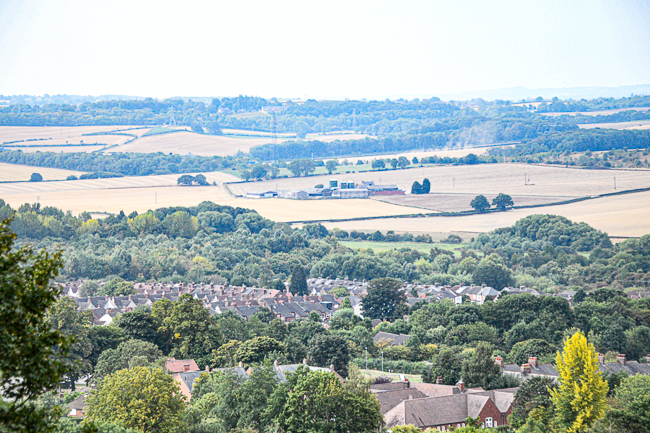
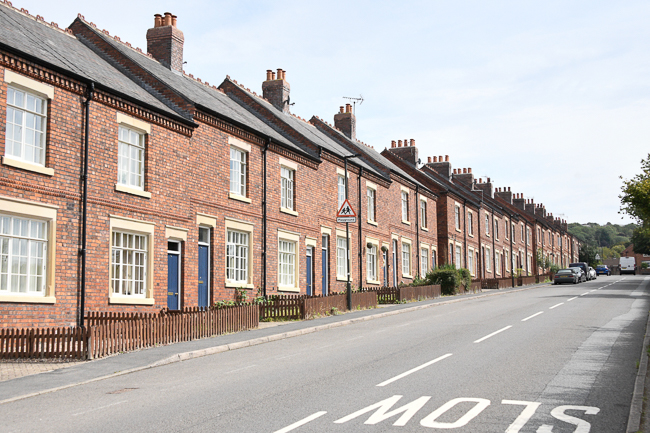
This village near Bolsover Castle was known as ‘the Model Village’. It was created by the paternalistic Bolsover colliery company in the 1890s to house the colliery (coal workers) workforce. The plans were created by Percy Houghton and Emerson Muschamp Bainbridge, the chairman of the company in 1888, and revised by Sir Richard Webster. Building on the homes began in 1891, and by late 1892, fifty of the two hundred houses were occupied.
Sutter Scarsdale
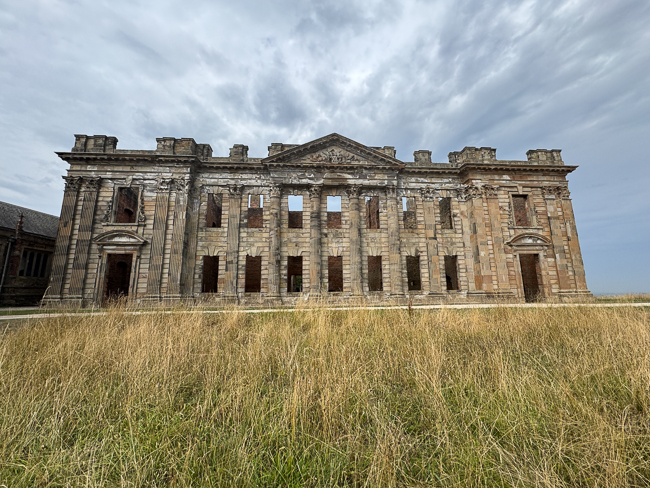
This once stately Georgian house is another lesson in the insanity of trying to trace British families. The original Hall formed part of a Saxon estate owned by Wulfric Spott, who died in 1002 and left the estate to Burton-on-Trent Abbey. In the Domesday Book, the estate was owned by Roger de Poitou. In 1225, the Lordship of Sutton-in-the-Dale had been given by King Henry III to Peter de Hareston, but by 1401 it had been purchased by John Leke of Gotham.
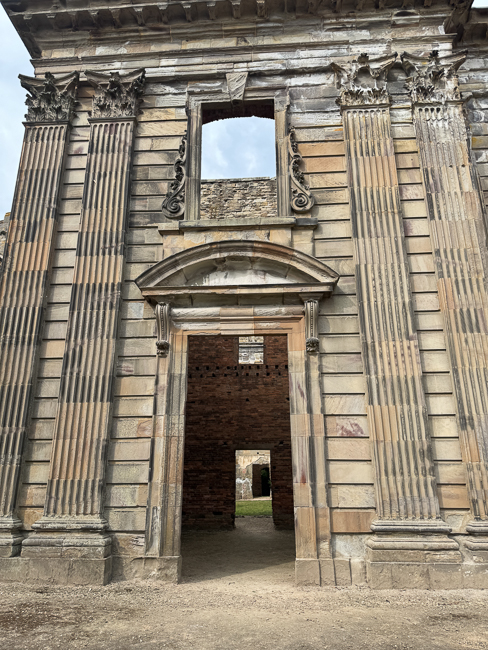
The existing structure is believed to be the fourth or fifth built on the site. In 1724, Nicholas Leke, 4th Earl of Scarsdale, commissioned the building by architect Francis Smith, using parts of the existing structure.