August 2025
Susan and I began this week traveling with a dear old friend of mine, James. It is hard to explain how vast James’ knowledge is when it comes to history, so I will let his bio with a publishing company speak to it. James Hargrave has a PhD in Economic History from the University of Durham and a Diploma in Archive Administration from the University of Wales (Aberystwyth). He specialised for 25 years in cataloguing large collections of papers accumulated by dukes, prime ministers, businesses, etc., but his historical interests stretch from antiquity to railway finance and equipment, Central and Eastern Europe, and the British Empire-Commonwealth, including comparisons between colonisations and empires ancient and modern.
This trip began with our catching a train from Oxford to Derby to meet James. It took me some time to realize Derby is pronounced Darby and that I was going to be continually confused for most of the week over American versus UK English. Susan, having lived here for ten years, is having no such problems.
Derby
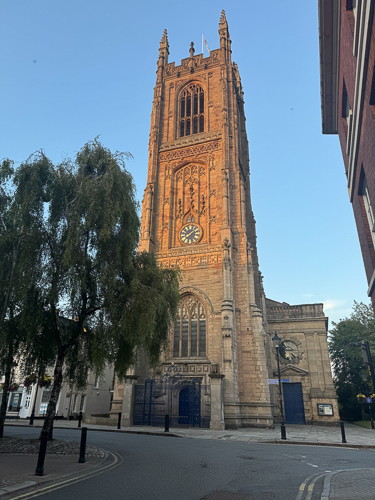
Derby, in Derbyshire, is in the East Midlands of England. The original Derby Cathedral was probably built in about 943 by the Anglo-Saxon King Edmund I, of which no trace survives. The church has seen many iterations, but as it stands today, the tower is original from the 1530s; the rest of the church was rebuilt to a Neo-Classical design in 1725 by the architect James Gibbs.
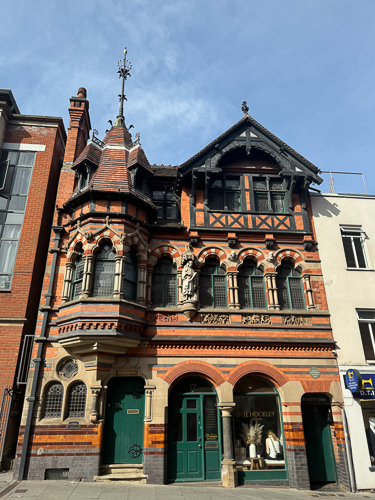
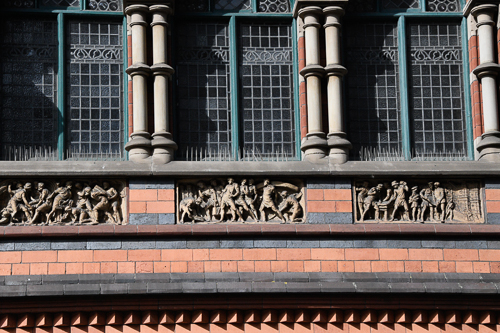
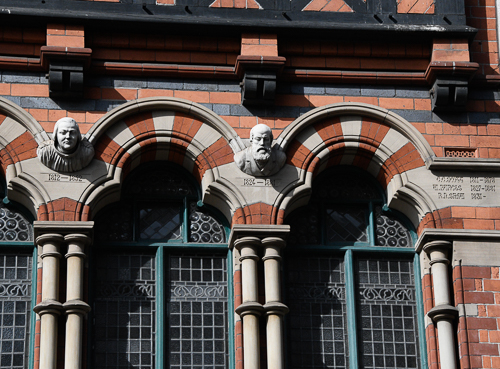
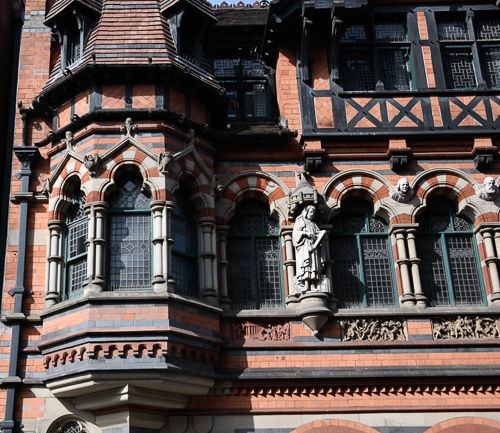
Watson Fothergill was prolific from 1864 to around 1912, designing over 100 buildings. He primarily designed in the Gothic Revival and vernacular Old English styles. His exuberantly ornamented office was a way of showing off his talents.
 *
* *
* *
*
*
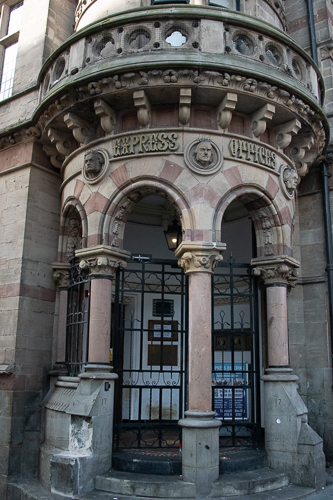
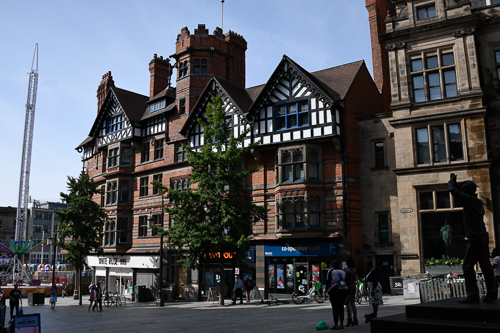
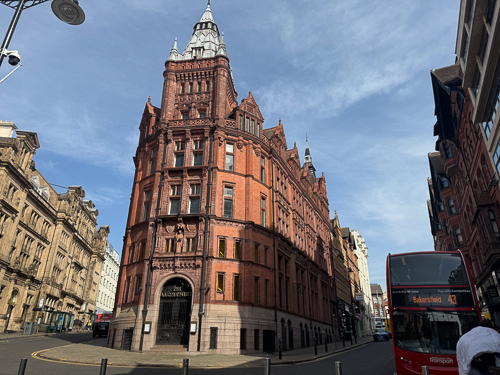
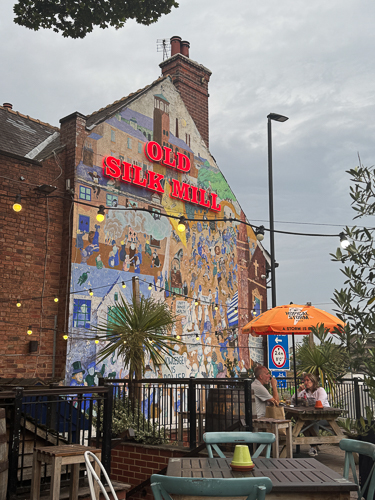
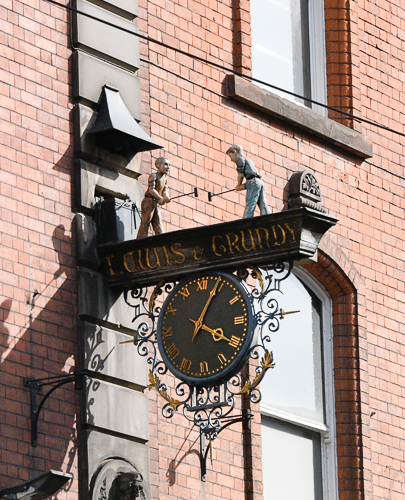
*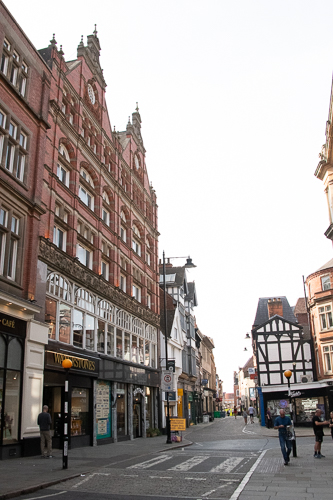 Derby was never bombed during the wars, so much of its architecture survives, spanning many eras.
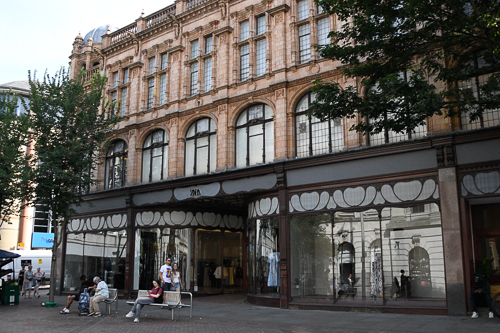 *
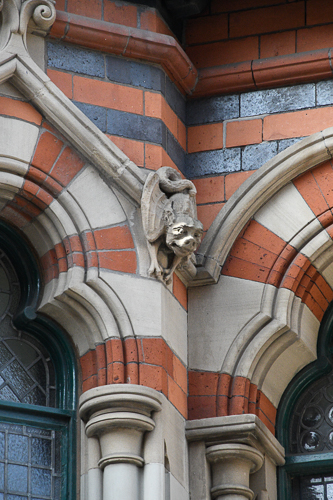
*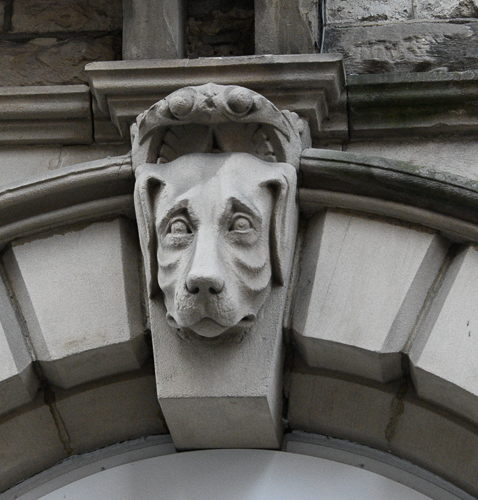 Grotesques are a major part of most every Victorian and medieval building; for some reason, dogs are prolific in Derbyshire.
Town of Ilam
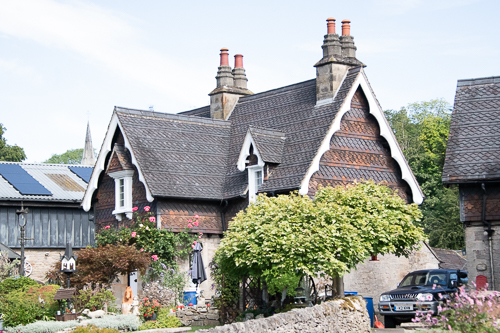 The town of Ilam is in Stratfordshire. It is a town with chalet-style houses and a matching schoolhouse. This concept was started in the 1800s by Jesse Watts-Russell, who inherited a fortune on the death of his father, a wealthy soap manufacturer. What stopped us dead in our tracks when driving through was this tower.
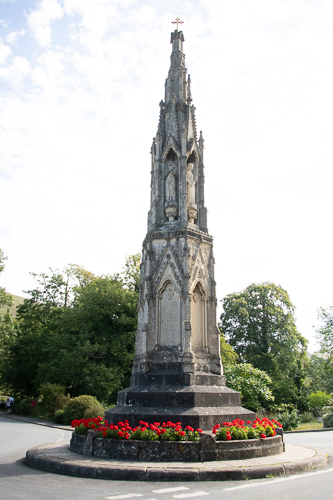
This is the Mary Watts-Russell Memorial Cross and ornate gothic-style obelisk of local limestone in the style of an Eleanor Cross, sitting smack in the middle of the road into town.
Haddon Hall
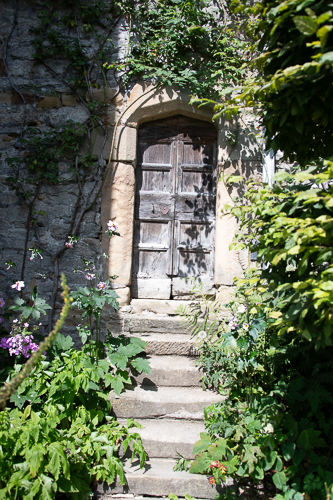
Haddon Hall is a former seat of the Dukes of Rutland and is the home of Lord Edward Manners. This is the first of many houses that require a PhD in English Royalty progression to understand. The Vernon family acquired it through a 12th-century marriage. Four centuries later, in 1563, Dorothy Vernon, the daughter and heiress of Sir George Vernon, married John Manners. Their grandson, also John Manners, inherited the Earldom in 1641 from a distant cousin. His son, another John Manners, was made 1st Duke of Rutland in 1703. In the 20th century, another John Manners, 9th Duke of Rutland, made a life’s work of restoring the hall.
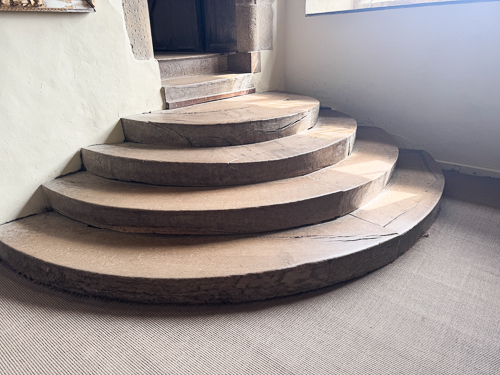
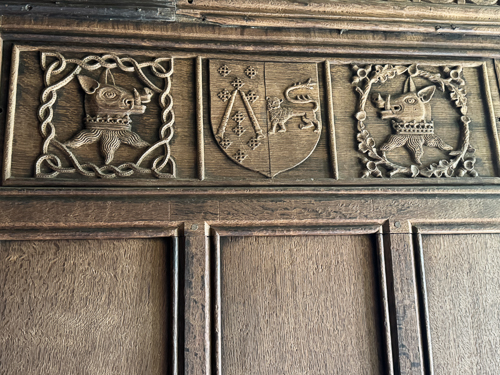
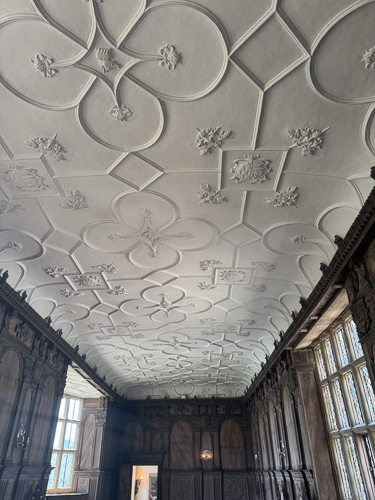
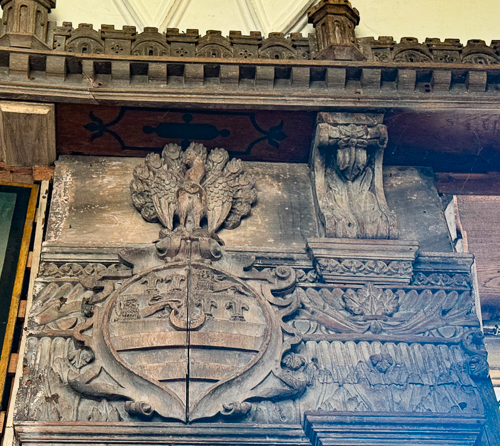
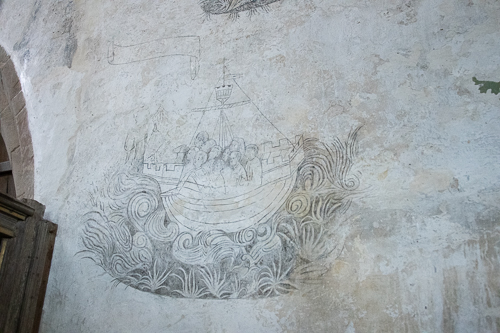
While the house was lovely, it was the chapel that took my breath away. The Chapel St John Nicholas was originally Norman, with later medieval additions. The chapel is noted for its extensive medieval wall paintings featuring scenes from the Bible,
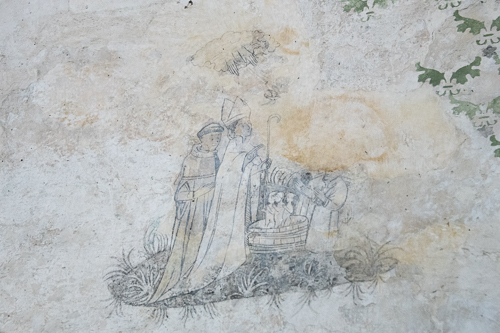
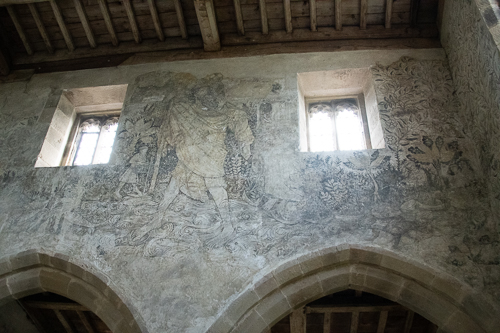
These are frescoes secco, a technique of painting dry plaster. During the Reformation in the 16th century, the frescoes were plastered over and not discovered until the early 20th century.
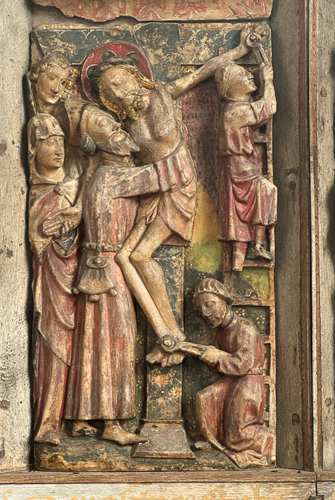
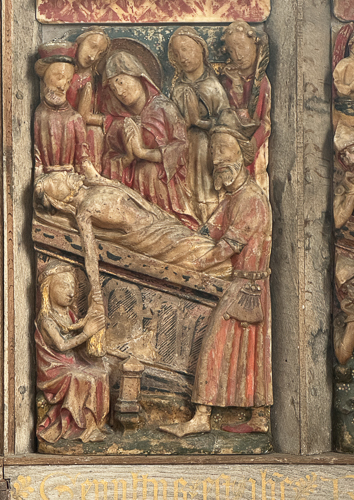
The Reredos is also breathtaking.
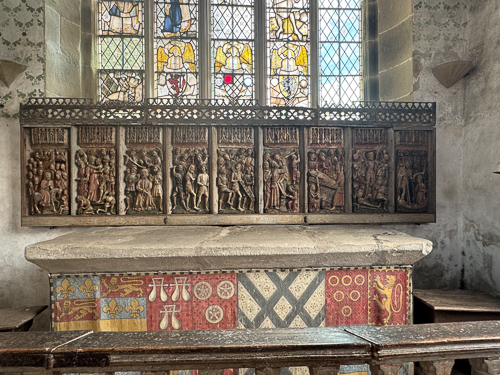
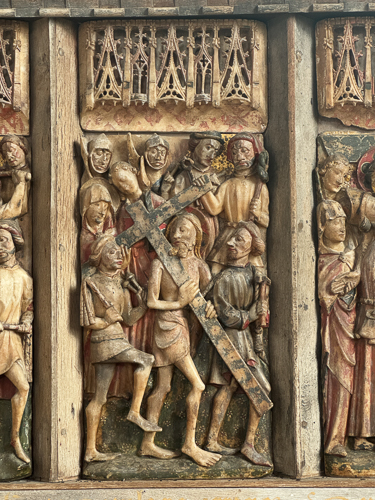
The reredos is Nottingham Alabaster from the 15th century. Nottingham Alabaster refers to an English sculpture industry, mainly of relatively small religious carvings. This raredos shows the Passion and Resurrection of Christ. The 9th Duke of Rutland found these in Reykjavik, Iceland. – The frame was copied and made locally, and below each scene is a Latin inscription taken from a similar frame now in the National Museum of Iceland.
*
*
Chatsworth House
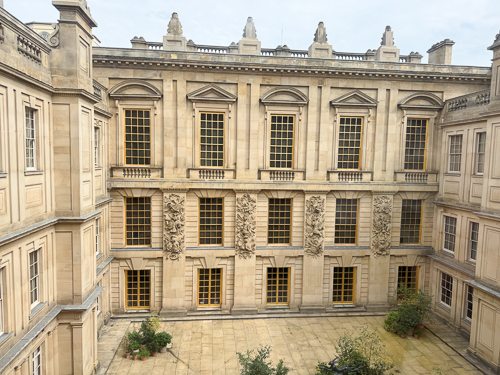
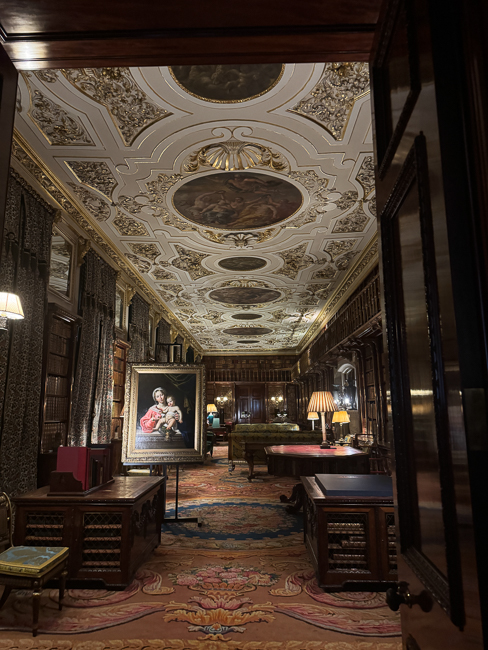
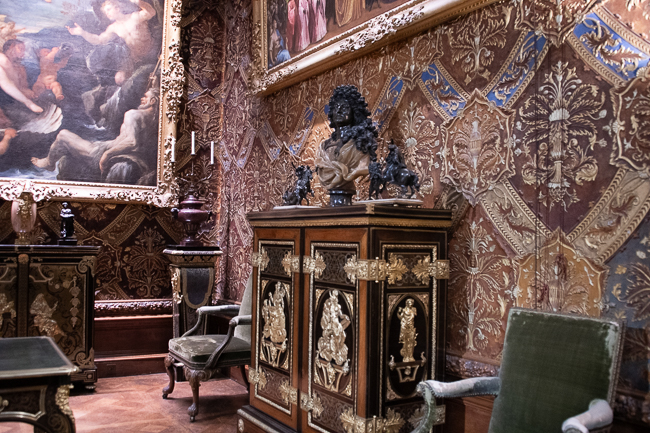
I visited Chatsworth House in October of 2022 and stuck to visiting the garden. This time, I ventured into the house. I don’t even know what to say. It is so over the top as to not find nor possibly deserve words. I will admit that I didn’t take many pictures; I was simply visually overloaded.
 *
*
*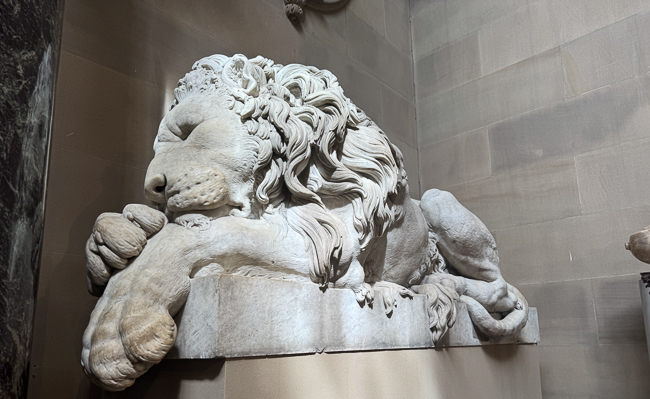
The house has been in the Cavendish family’s possession since 1549. Bess of Hardwick began to build the new Chatsworth House in 1553. William Cavendish, 4th Earl of Devonshire, started rebuilding the house in 1687. The house has a rich history of hosting royalty, which is exactly why it is so over the top.
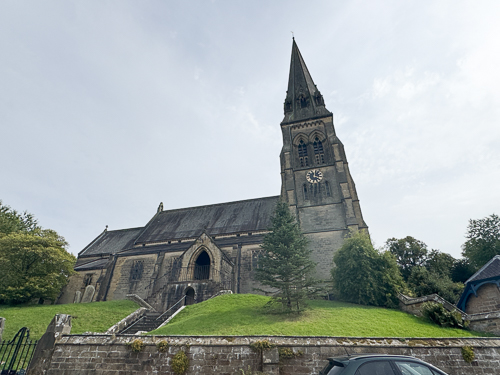
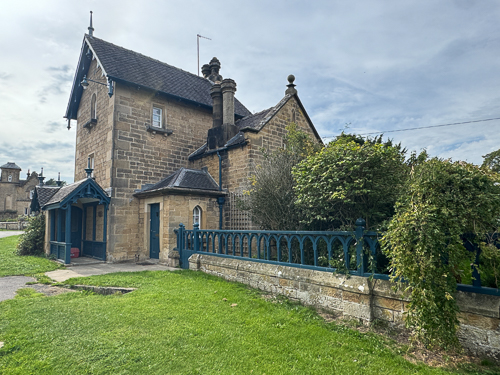
What is delightful near Chatsworth is the community of Edensor. Much of the village is privately owned by the Cavendish family.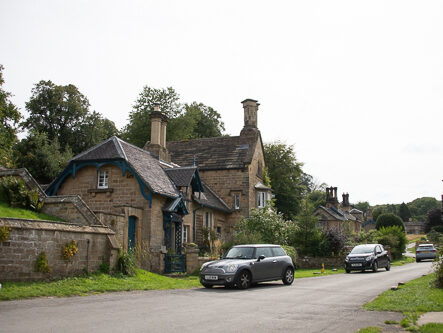 *
*
All of that was JUST day one with James.