July 22, 2025
The day was spent wandering between Le Petit Mont and Gavrinis and visiting sites in between. Gavrinis requires a reservation, and the last we could capture was 6:30 at night. The sun does not set until nearly 10:00 pm at this time of year, so it wasn’t as late as it seemed.
A few vocabulary words:
Cairn: The dry-stone architectural structure covering a burial chamber.
Dolmen: Refers to the burial chamber structure, which is composed of vertical stone slabs (orthostates) supporting one or more covering stone slabs. During the Neolithic Age, this structure was not visible. It was covered by a tumulus.
Tumulus: An artificial mound made of stones or earth.
Neolithic Age: Prehistoric period during which farming and sedentary lifestyle began.
The Kernours Tombs
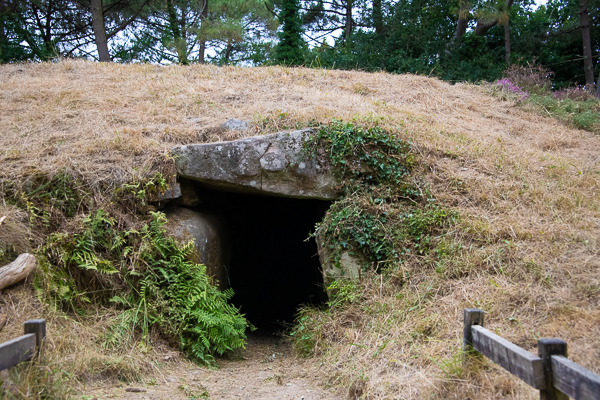
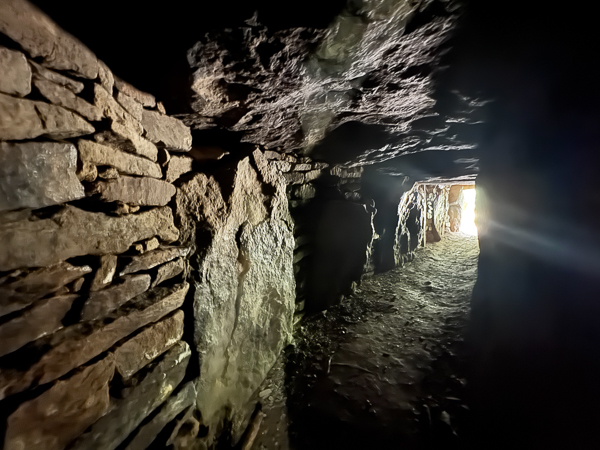
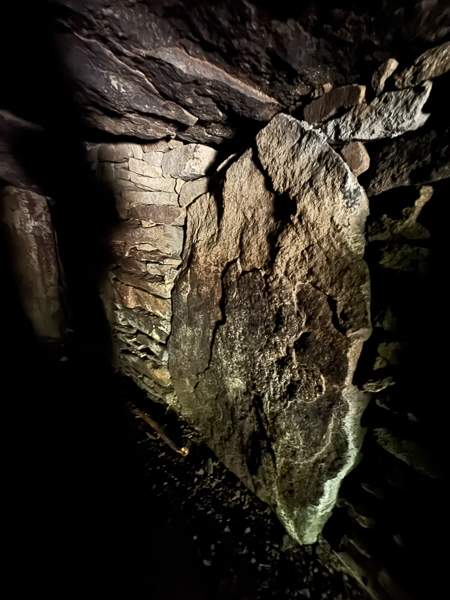
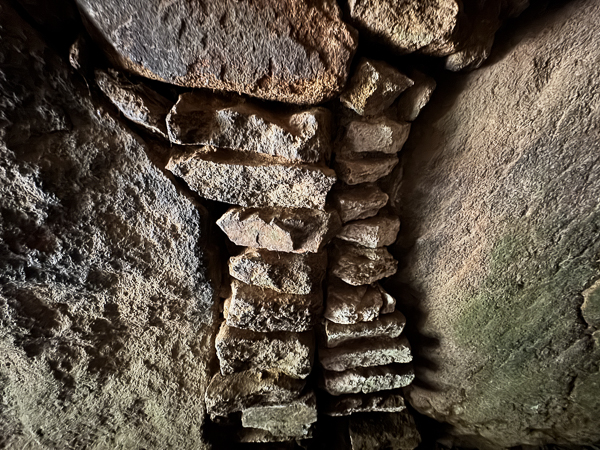
The angled dolmen, which you enter, is rare for this area. The architecture of this type appeared towards the end of the fourth millennium BCE. It is not known how many bodies were laid to rest in the area due to the acidic nature of the soil. The tombs are circular and composed of 36 stones that support 14 tables.
*
*
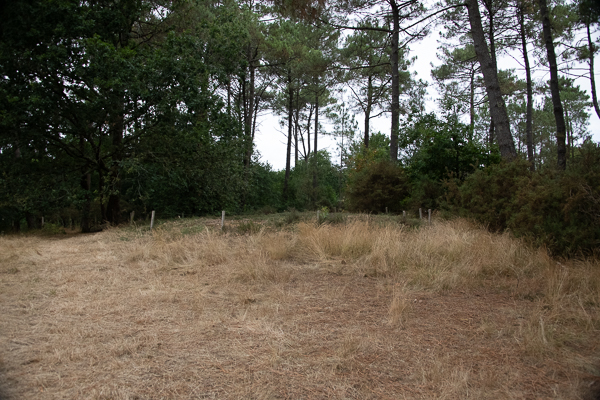
Almost 2,500 years later, Iron Age communities located several graves near the Kernour tombs. These too were circular. The receptacle containing the human remains was placed in the center of a dry set stone circle, and then the entire arrangement was covered with a mound of earth.
Petit Mont
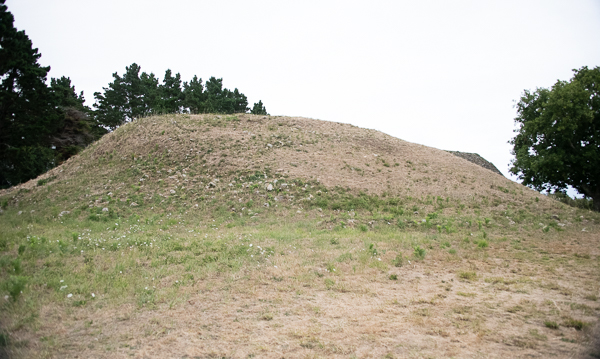
The stepped cairn of le Petit Mont is thought to be one of the most significant chambered tombs in Brittany. The cairn is located on the very tip of the Rhys peninsula. This strategic location made the site vulnerable to the Nazis during World War II, who built a typical bunker into the prehistoric structure, making it part of the Atlantic Wall defences.
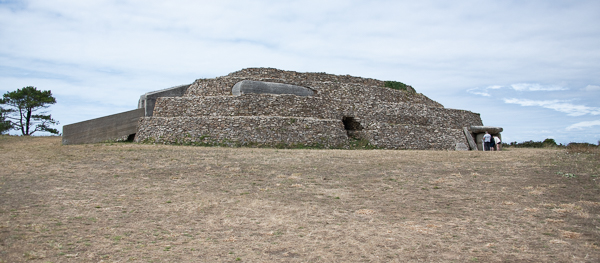
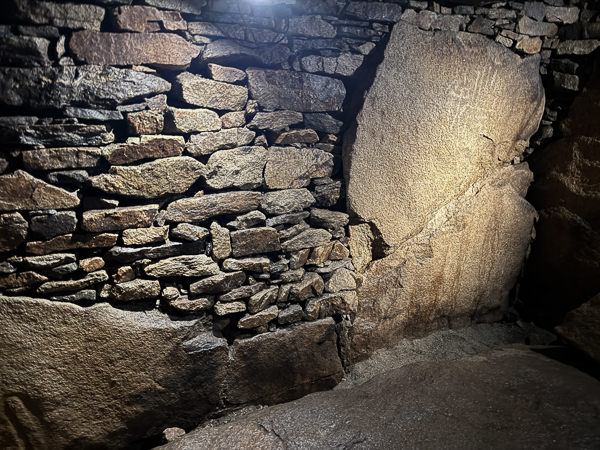
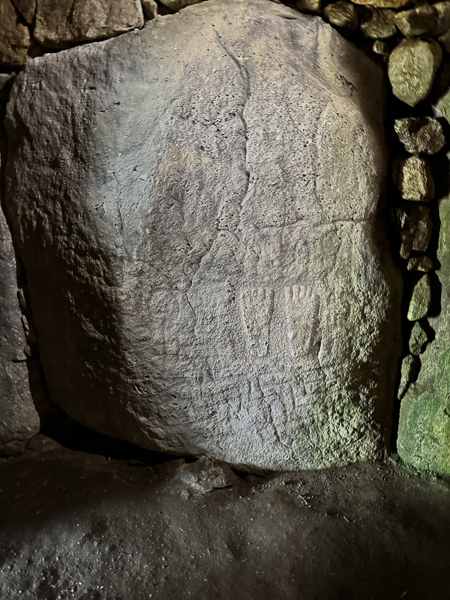
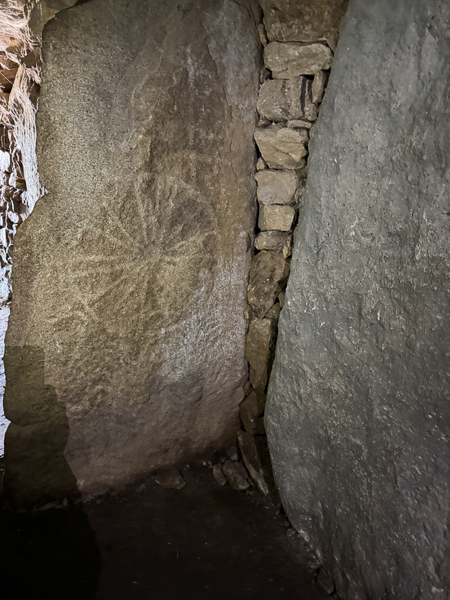
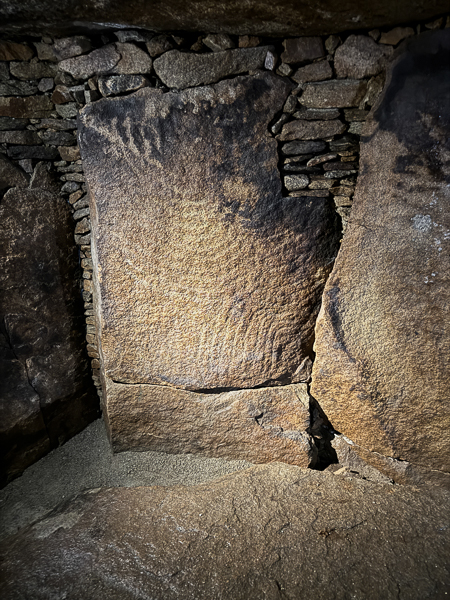
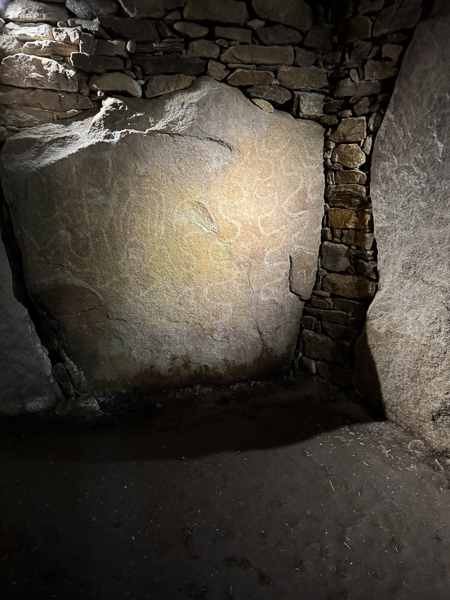
This dolmen dates from c 3900 BCE and was robbed in 1943. A dig in the 1980s led to the discovery of eleven engraved stone slabs. The floor of this burial chamber is made of a single slab of stone.
 *
*  *
*
 Gavrinis
Gavrinis is a small island in the Gulf of Morbihan in Brittany. The name is believed to be derived from the Breton words gavr (goat) and enez (island).
At one end of the island is the Gavrinis tomb, a Neolithic passage tomb built around 4200–4000 BCE, making it one of the world’s oldest surviving buildings.
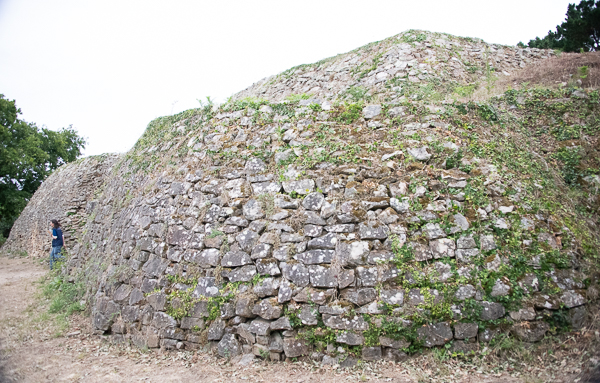
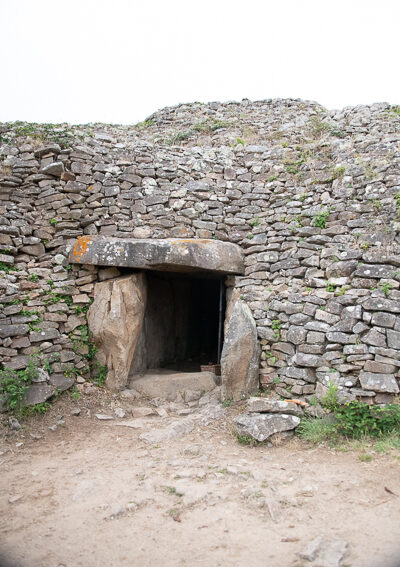
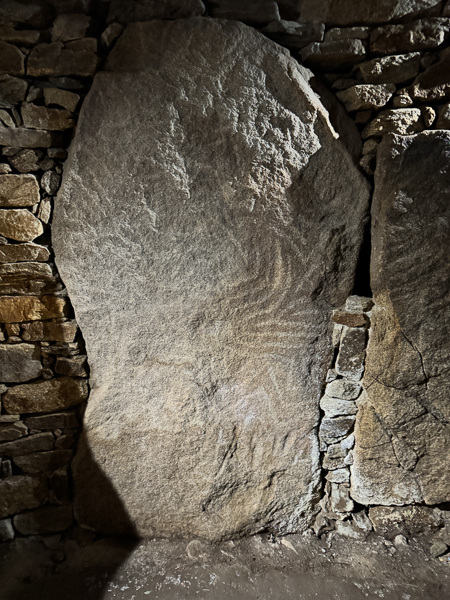
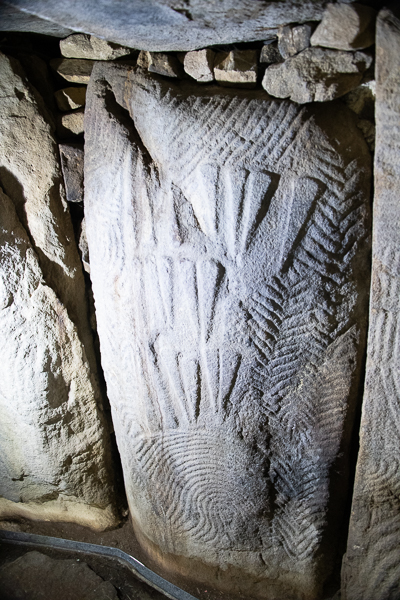
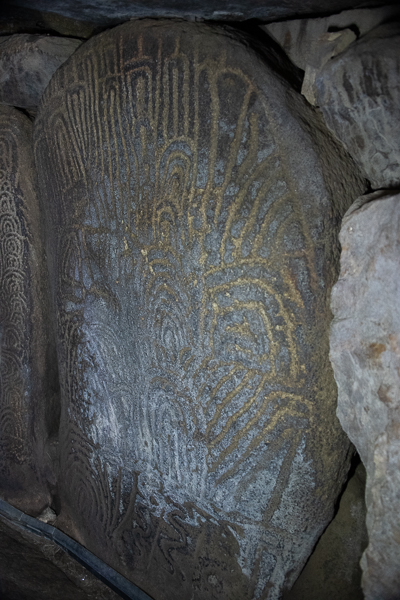
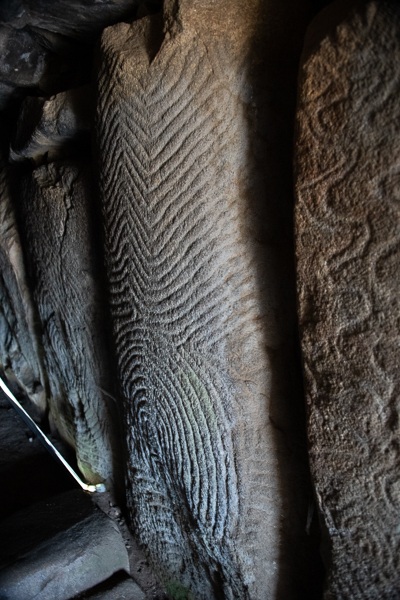
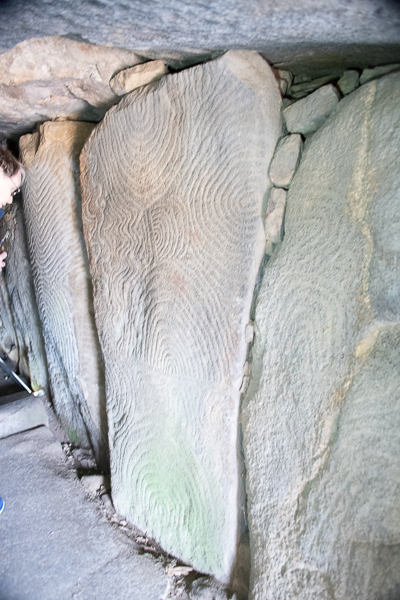
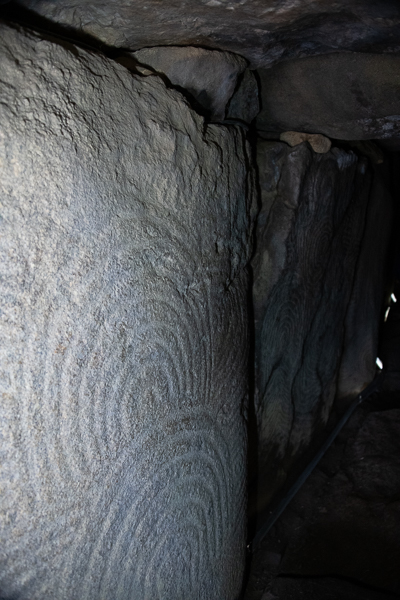
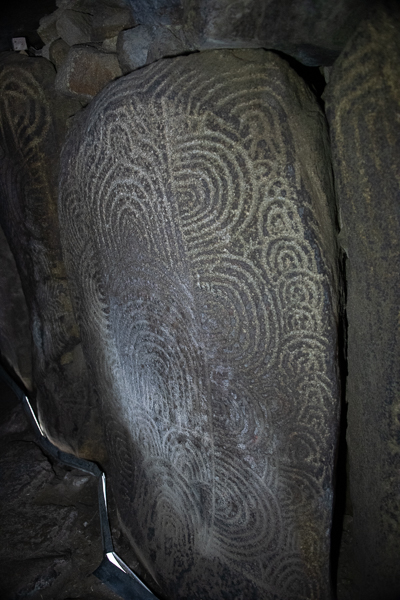
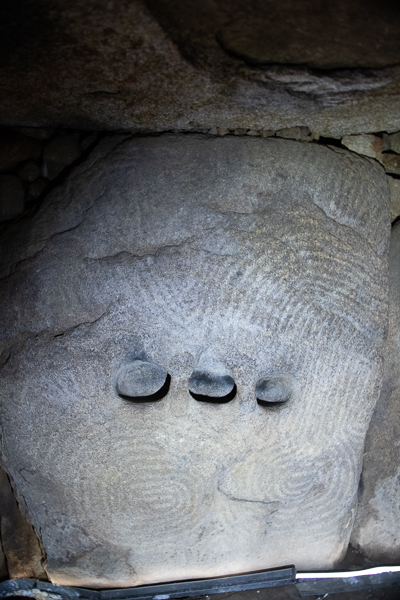
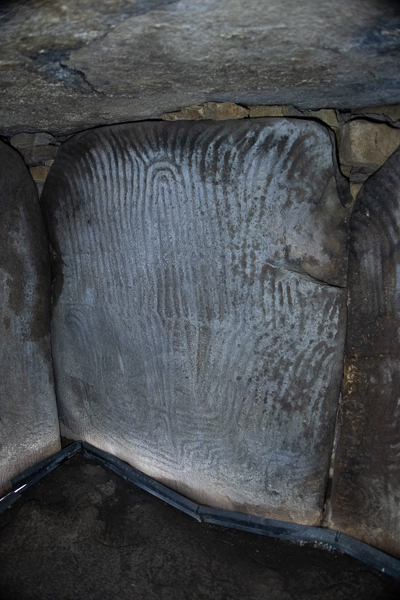
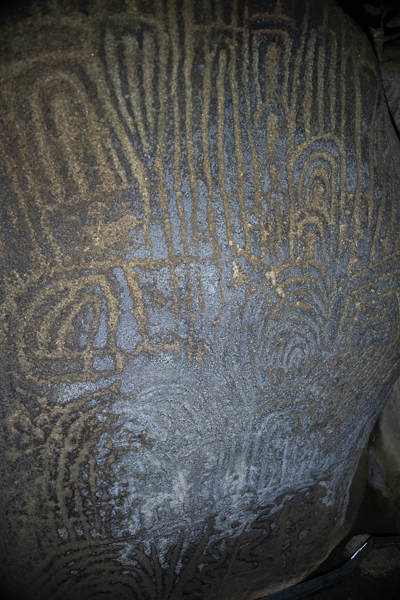
Of the 29 orthostat (squared stone) slabs that form the sides of the passage, 23 are decorated with carved symbols and patterns. Some of the symbols appear to represent non-abstract objects, such as axes and staffs. A common horn-like motif may symbolize cattle, and a shape conventionally referred to as a shield may be a highly stylized representation of a human figure. More abstract motifs include zigzag lines, lozenges, and snake-like lines.
 *
* *
* *
* *
* *
* *
* *
*
Er Lannic
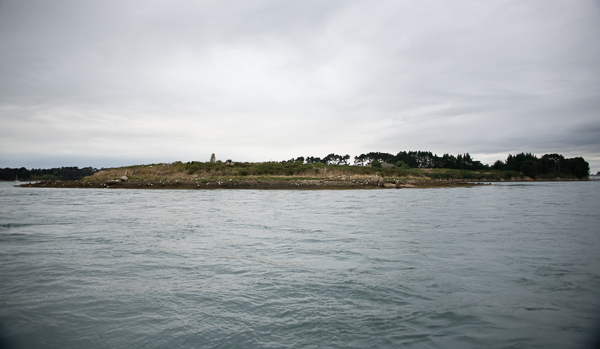
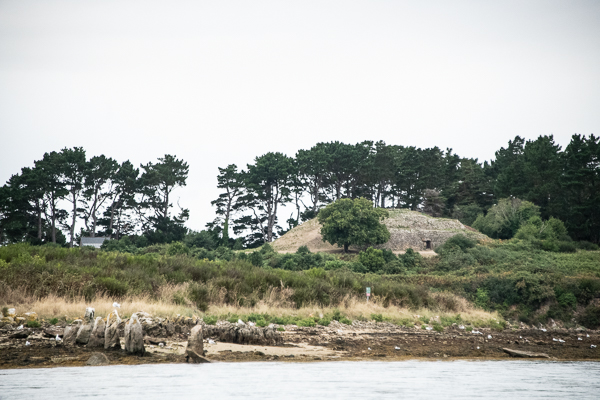
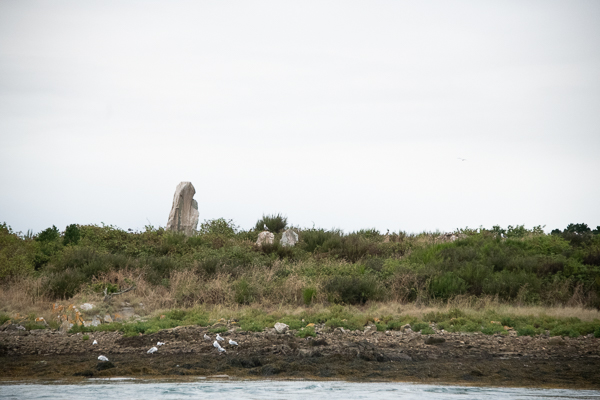
As you leave Gavrinis, you can take a quick boat ride past Er Lannic. Er Lannic is a bird reserve and also the site of two stone circles, one of which is submerged as the water levels when these were built were considerably lower. The change in water happened with the ending of the ice age.