September 2025
The First Arrondissement is also called The Louvre
The Cauldron
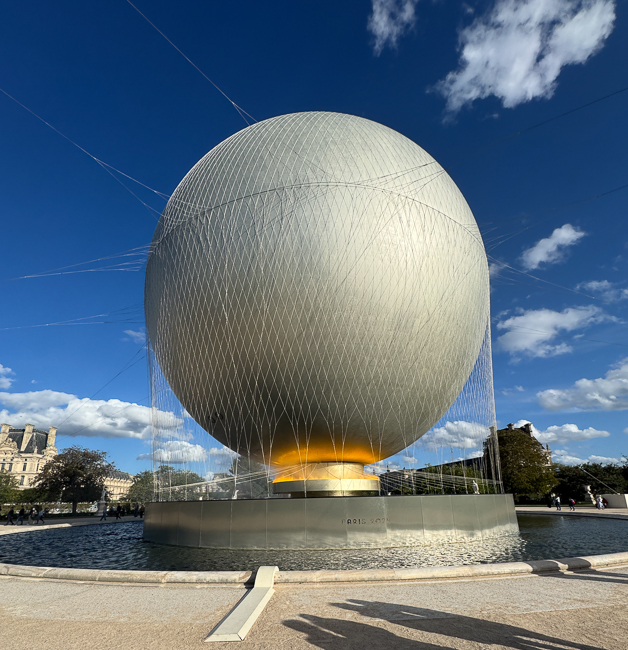
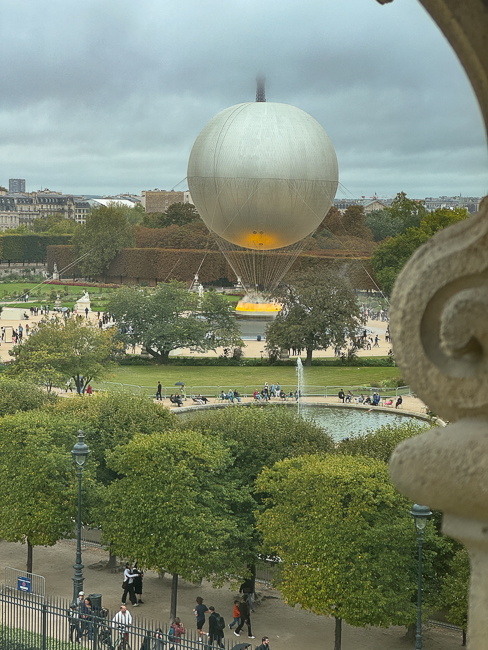
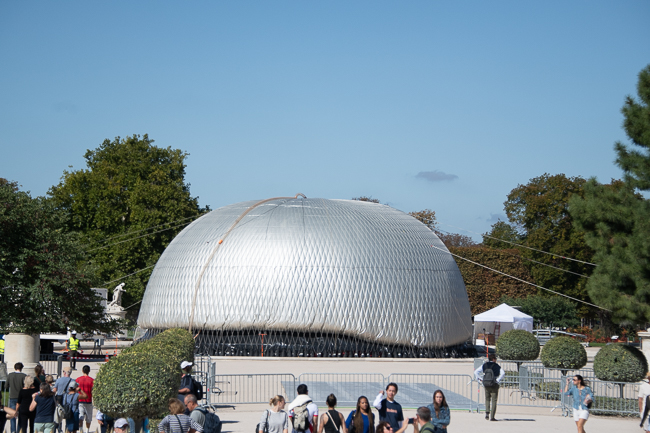
Two years after the Paris 2024 Games, the cauldron, designed by Mathieu Lehanneur, was lit up in the Tuileries Gardens. French President Emmanuel Macron has said it will fly over the Tuilleries each summer until the Los Angeles Olympics.
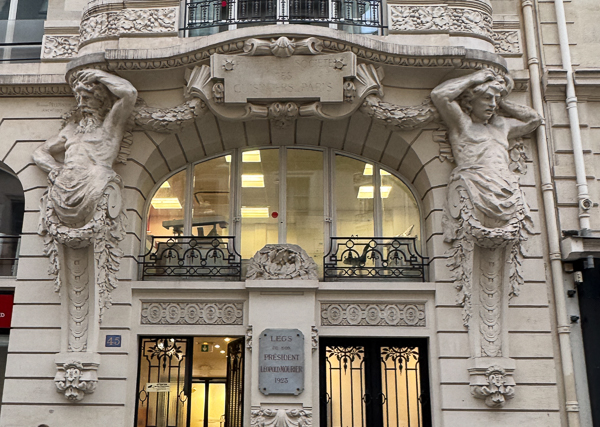
I took a picture of this building because I loved the Caryatids. I then discovered its history. This is 45 Rue La Roch, the home of Les Cuisiniers de France. The building was originally purchased by the renowned chef Leopold Mourier, inventor of the Lobster Thermidor and owner of the famous “Fouquet” restaurant, located on the Champs-Élysées, which remains in existence today.
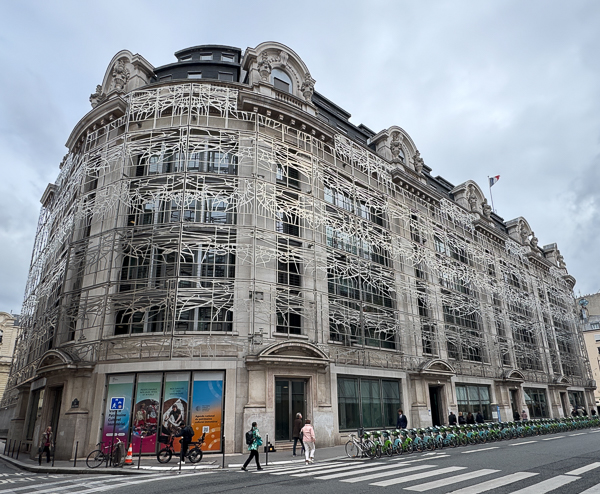
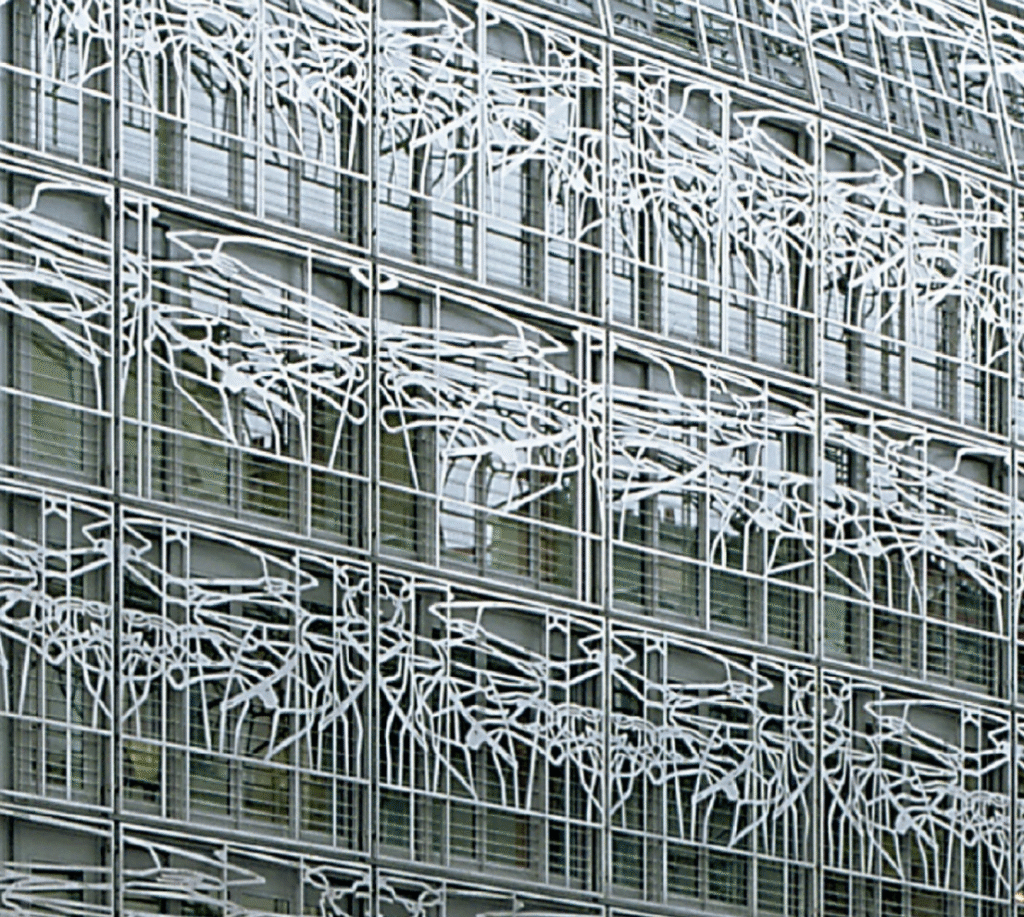
This building underwent a major renovation from 2002 to 2004. The latticework is made up of 12 mm-thick stainless steel panels wrapping around all the facades facing the street. The model drawing for the design of the latticework is based on the frescoes of Giulio Romano at the Te Palace in Mantua, from which six motifs were selected and created by a computer program. Each one of the motifs covers one level, extending over stone, glass, and aluminum. The latticework is formed by 450 laser-cut panels made of an alloy rich in nickel, which resists pollution.
*
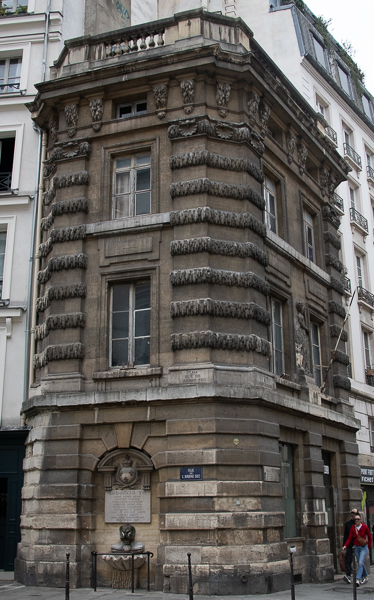
Built in by architect Jacques-Germain Soufflot, this building served to distribute water to the Palais-Royal and the ministers’ hotels. It was powered by the Samaritaine pump located on the Pont-Neuf. There were fountains here until the middle of the 20th century, which were restored in 1965.
This crossroads was situated at the intersection of the main north-south and east-west routes leading to Paris. For several centuries, it was one of the liveliest crossroads in Paris. It owes its name, “trahoir”, formerly “drawer”, to the fact that the fabrics were pulled on the square.
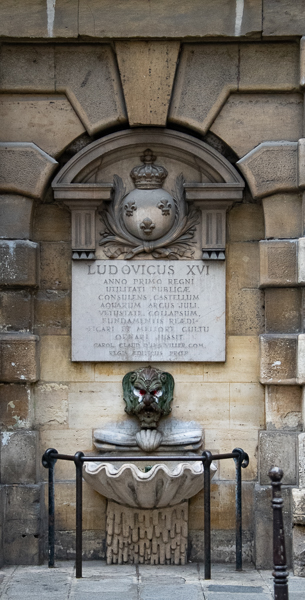
The crossroads also has a very bloody past. Up until 1698, the spot where the Fontaine de la Croix-du-Trahoir now sits was an execution ground. Traitors, counterfeiters, and Lutherans were beheaded or sometimes even burned alive as the public watched. A cross, or croix, once stood next to the fountain where the condemned could say any final prayers they might have. The cross was later destroyed during the French Revolution.
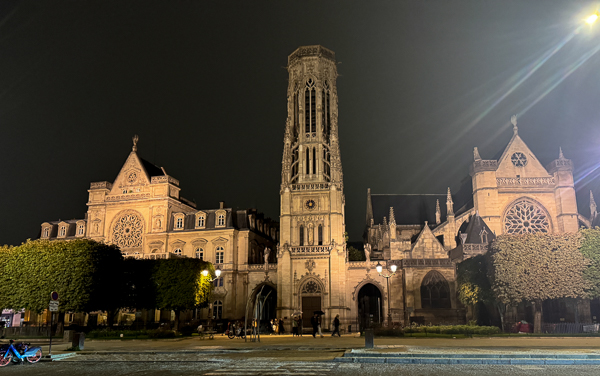
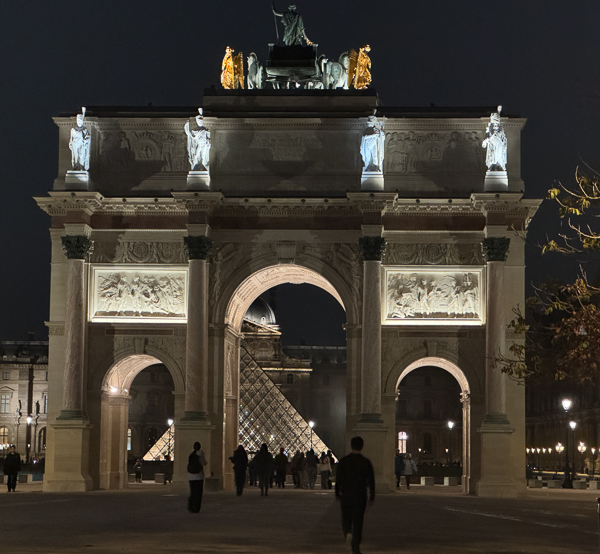
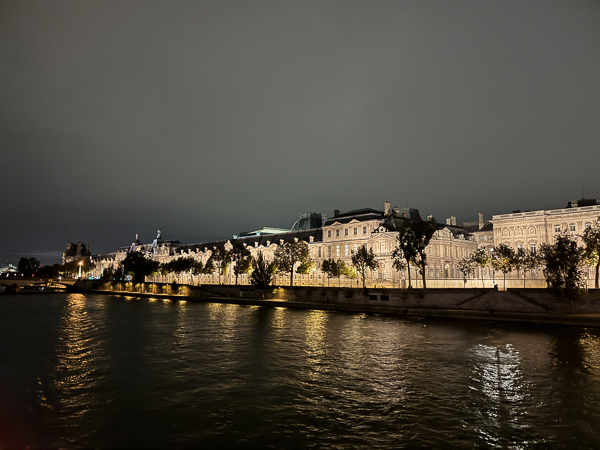
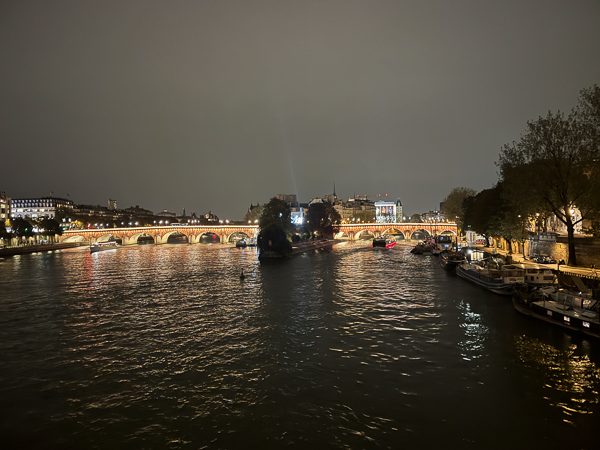
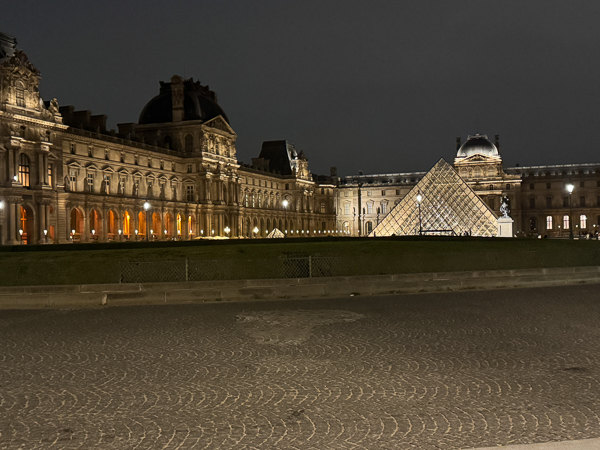
Walking the 1st at night
 *
* *
* *
* *
*