May 13, 026
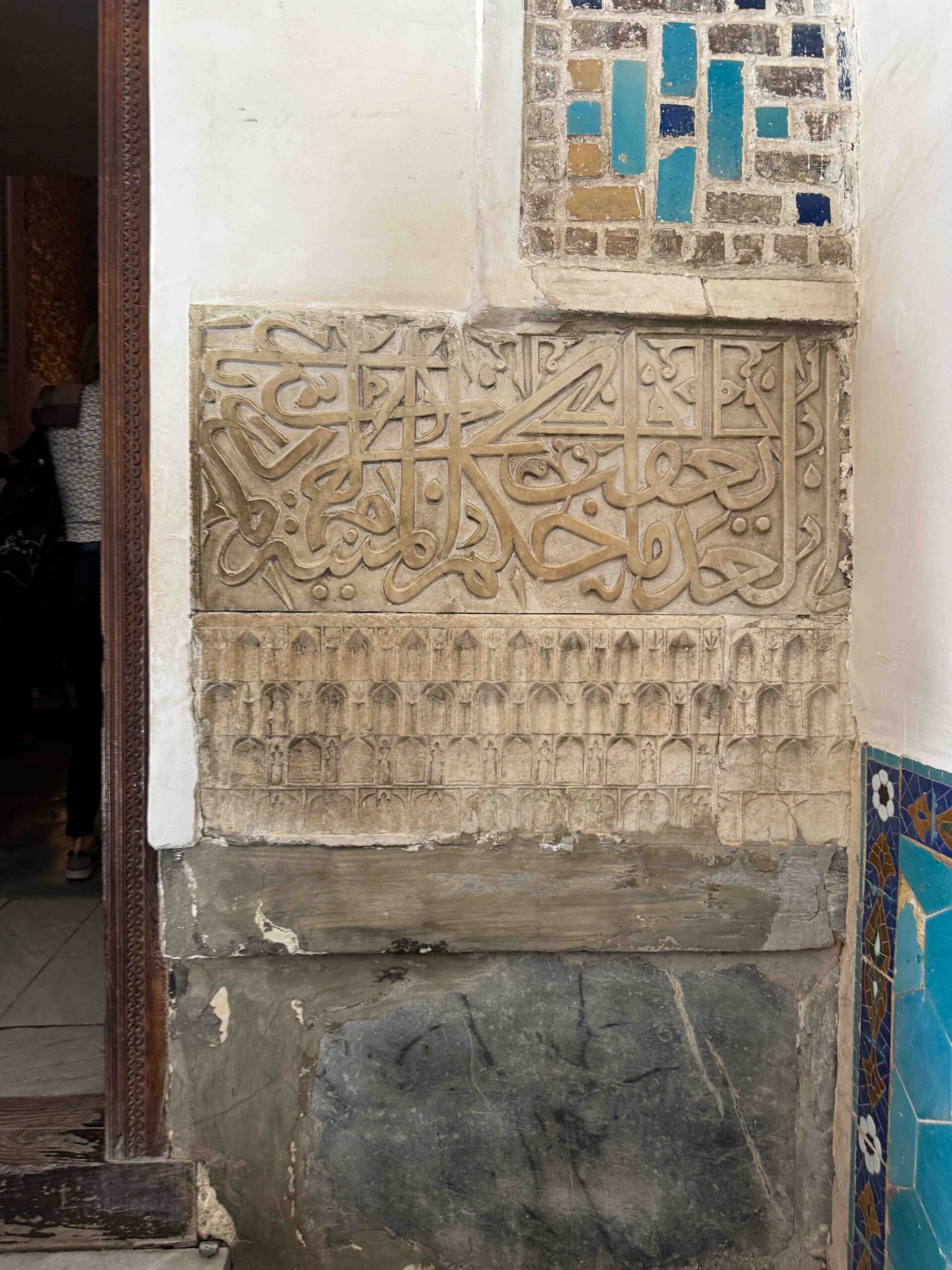
Gur-e-Amir
The Gur-e-Amir Mausoleum is the final resting place of Timur.
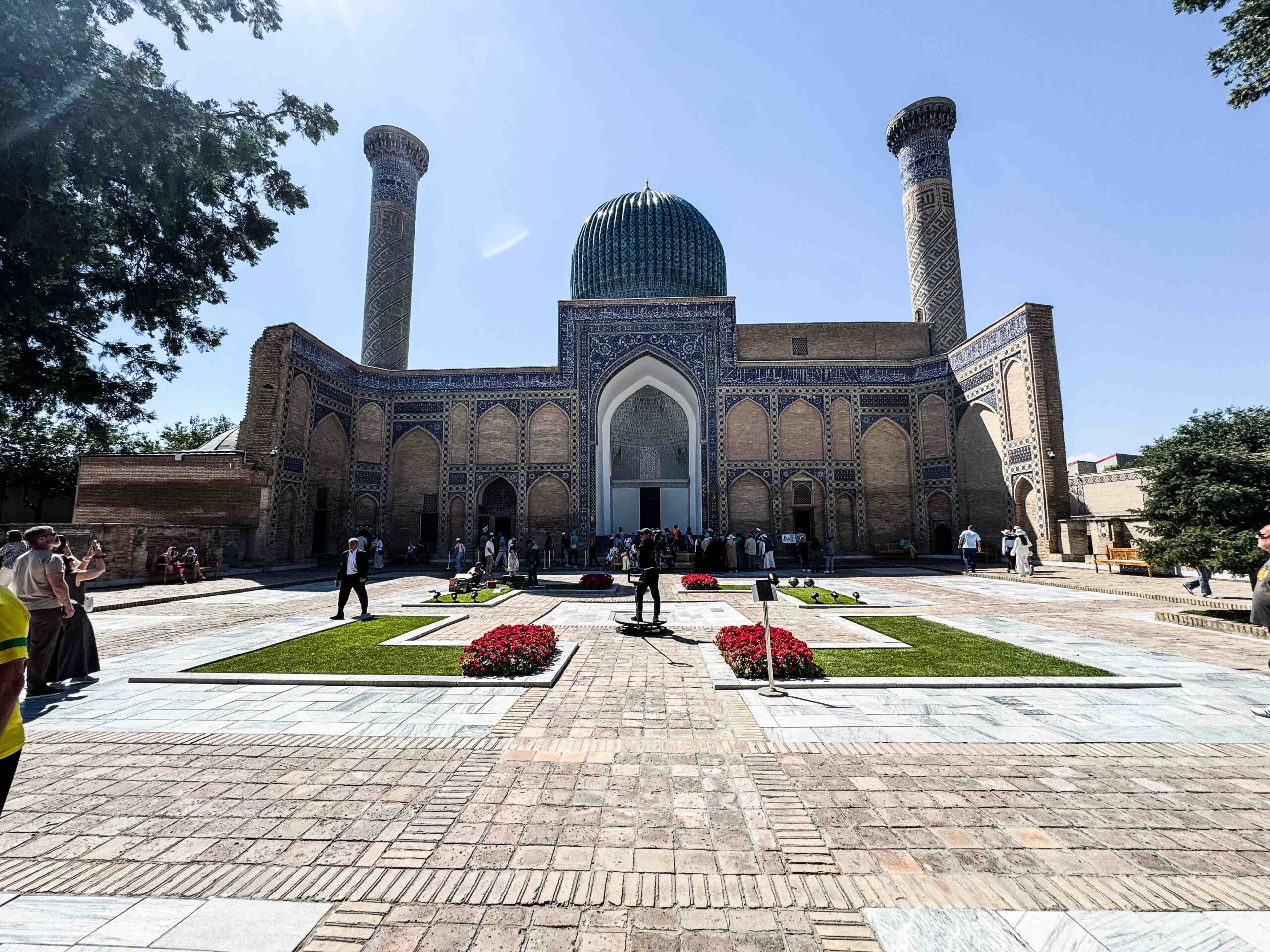
The site of the tomb was originally a khanqah (a Sufi lodge) and madrasa endowed by Timur’s grandson, Muhammad Sultan, Timur’s heir-apparent.
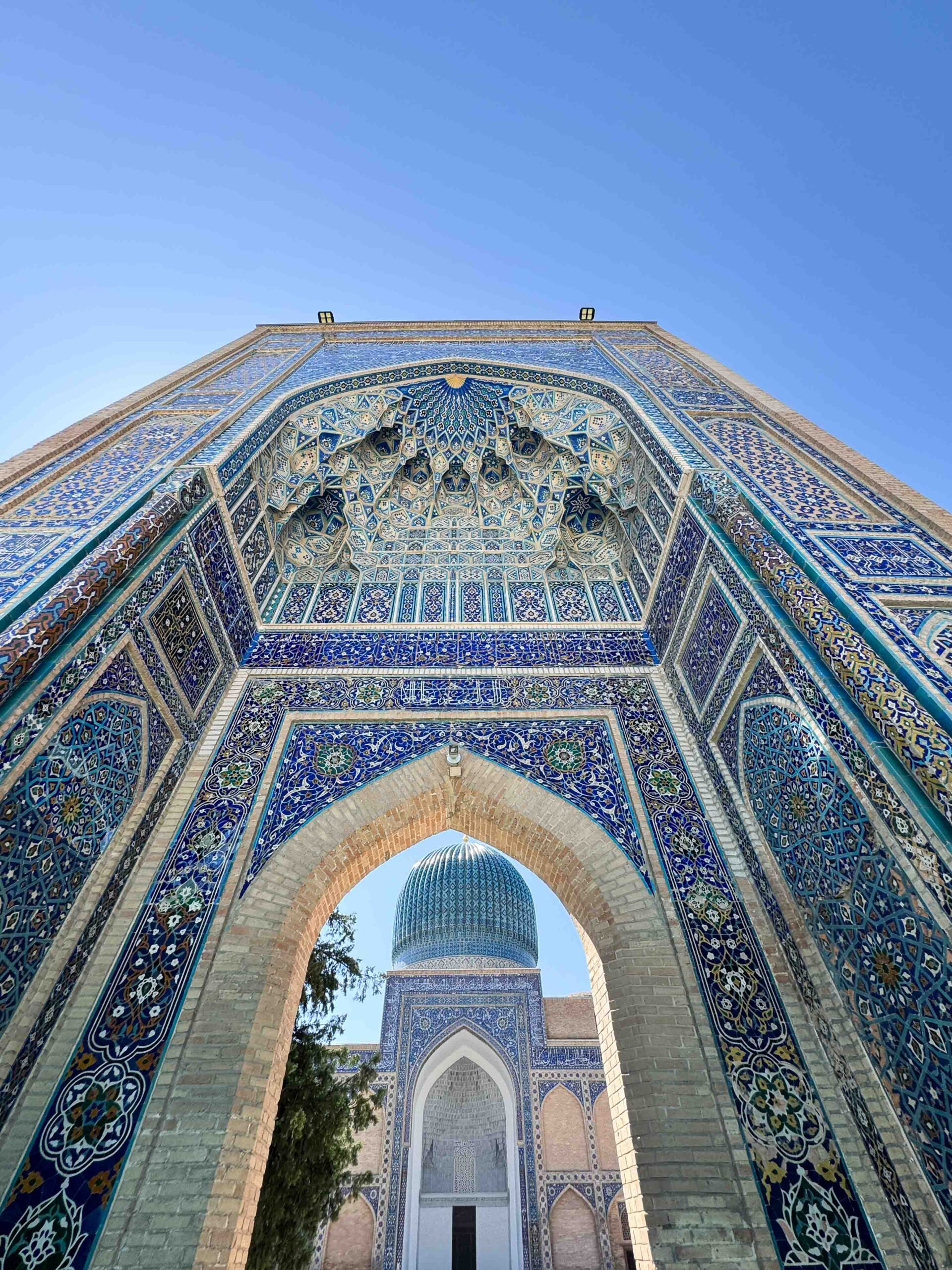
In 1403, Muhammad Sultan died suddenly at age 27. The inconsolable Timur ordered a lengthy period of official mourning and mounted an honor guard to temporarily bury him near the city of Soltaniyeh (now in northwest Iran). Throughout the following year, men worked at Timur’s command to construct a grand tomb for Muhammad Sultan. In 1403, Muhammad Sultan’s body was exhumed and transported for burial in Samarkand, where it was re-interred in the tomb that would—in time—become known as the Gur-e-Amir (Tomb of the Leader).
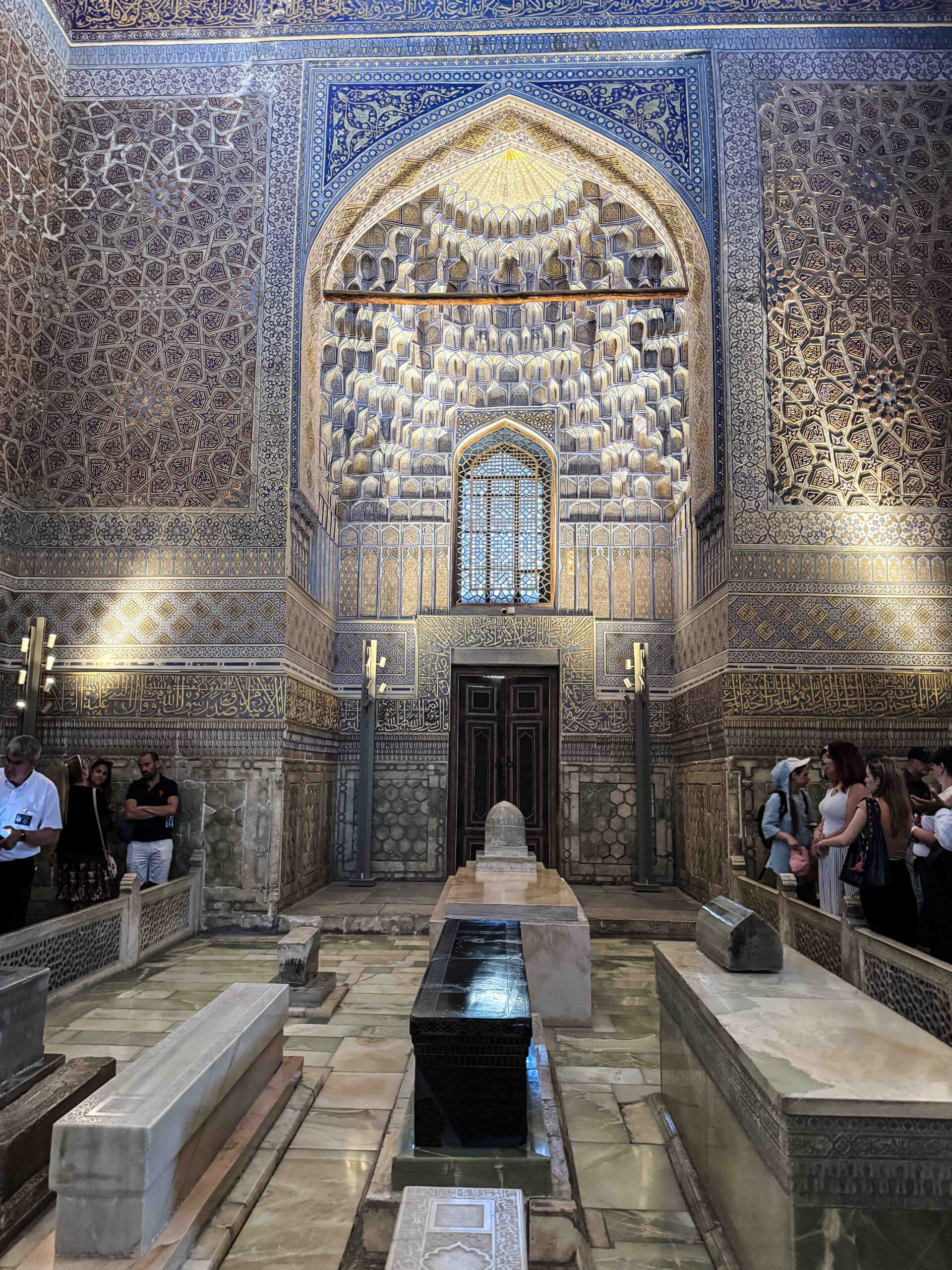
Timur was laid to rest alongside his grandson Muhammad Sultan in the shrine’s central chamber. In time, Timur’s own tomb was boxed in by three more graves—those of his spiritual adviser, Sayyid Baraka (1343-1403); his grandson Ulugh Beg (1394-1449), the famous astronomer king; and one of his sons, Shah Rukh Mirza (1377-1447), the second ruler of the Timurid empire.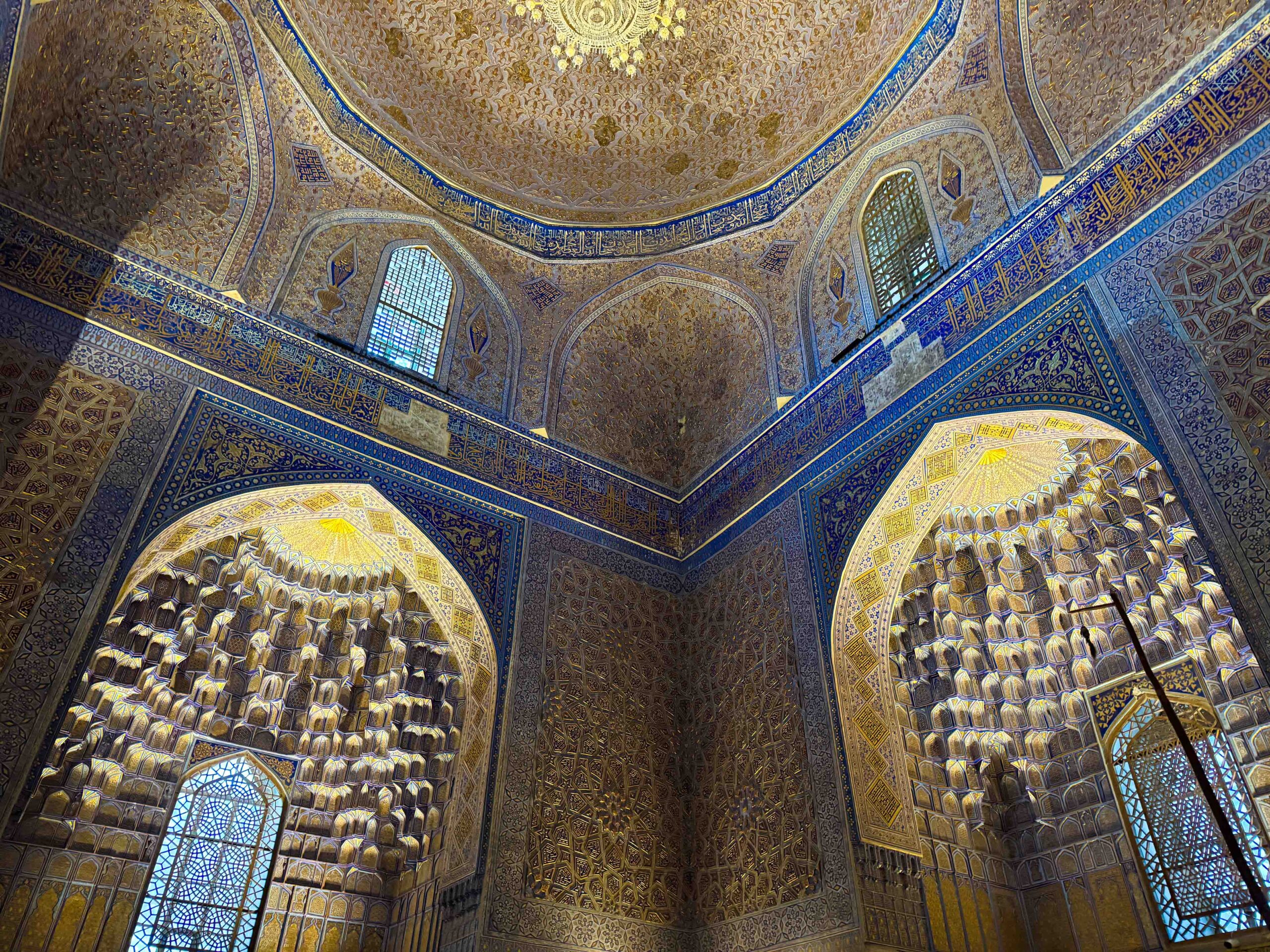
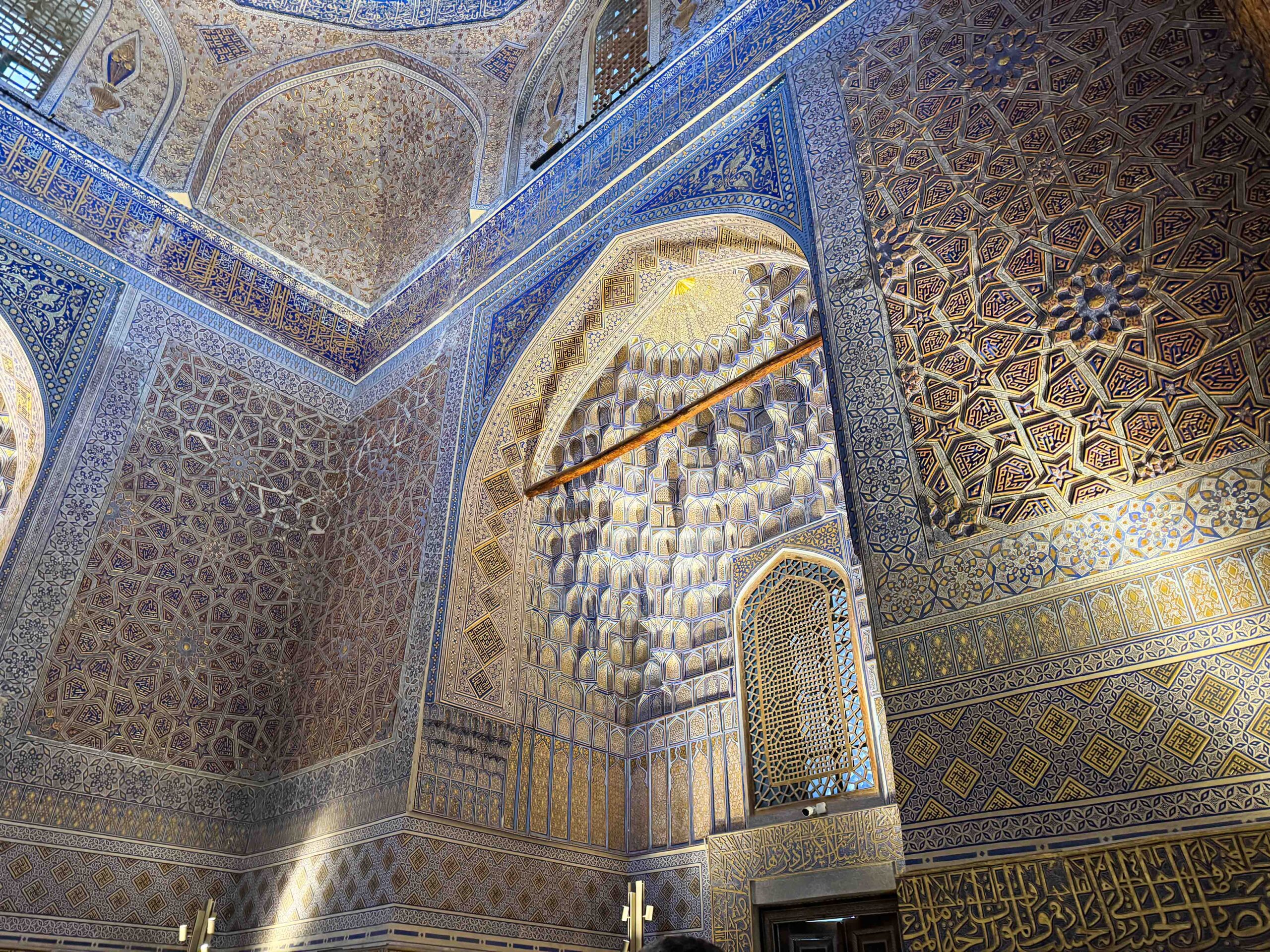
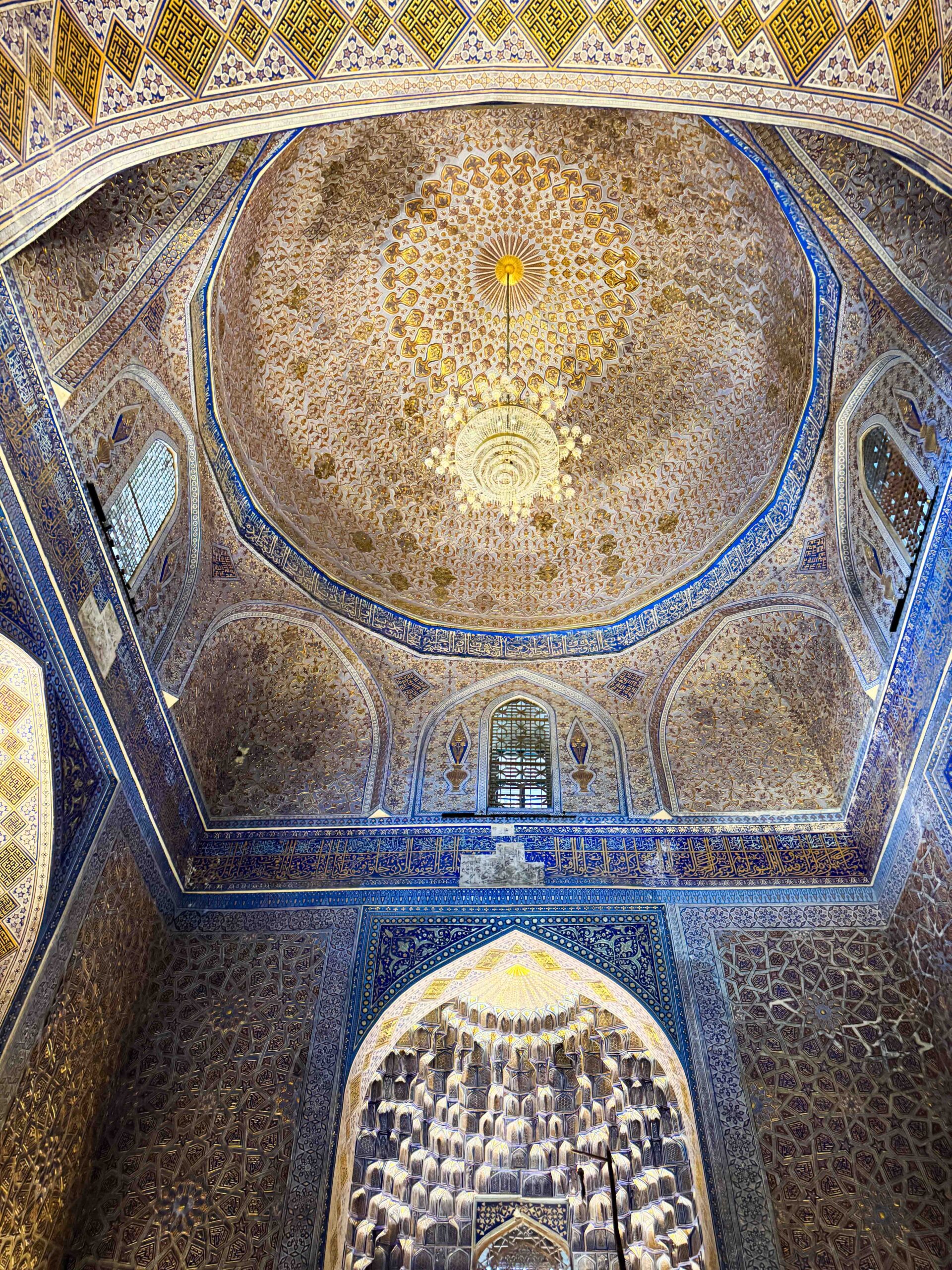
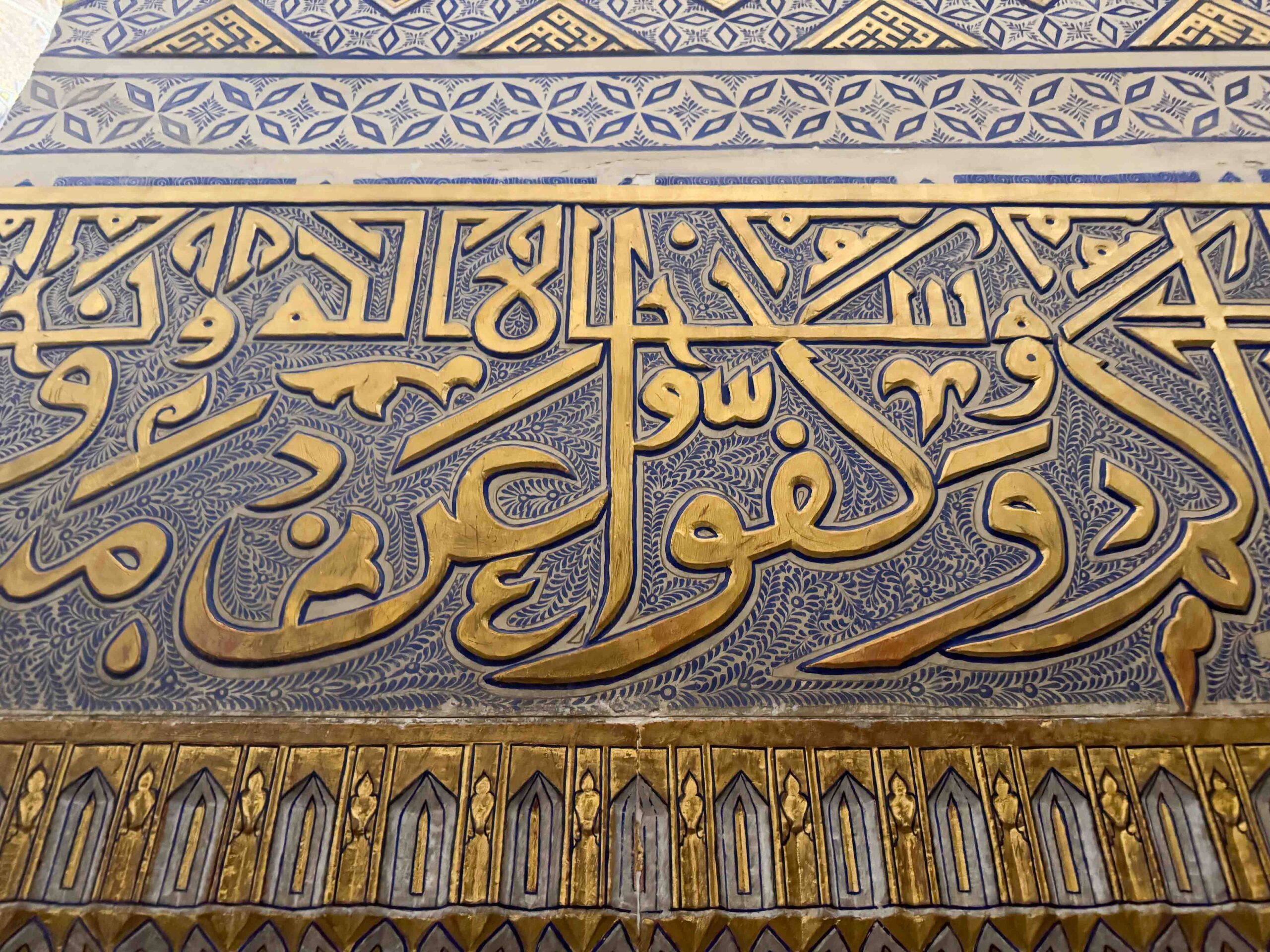
The interior of the tomb chamber is a pièce de résistance of “papier mache” muqarnas vaulting decorated throughout with gilded kundal, a laborious technique involving the application of mortar-like glue covered in polychrome paints and accented with gold plating, lending a three-dimensional effect.
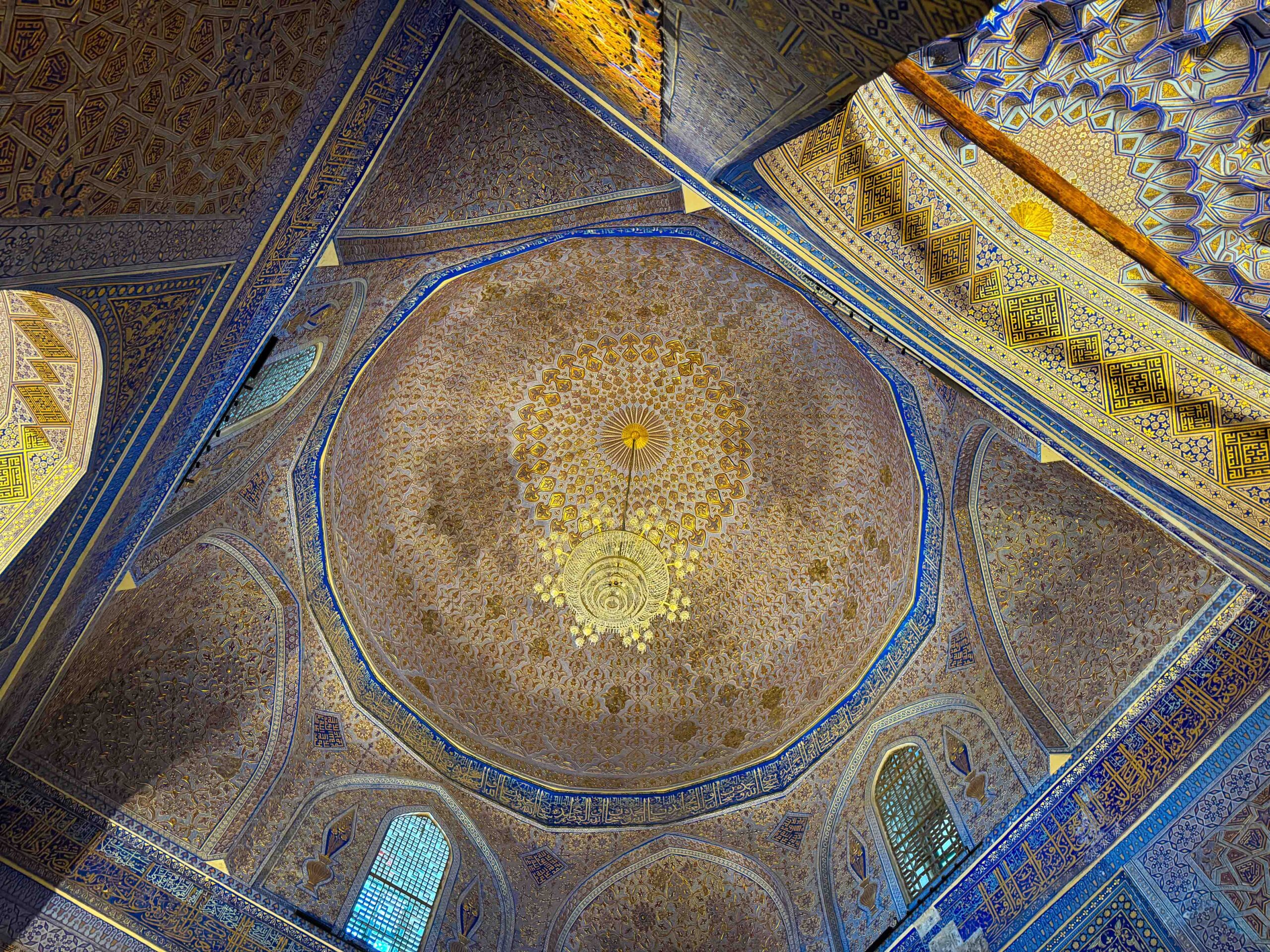
The dome’s height, mounted as it is on a tall cylindrical drum, was only achievable by means of employing a hidden inner dome and extensive cross-bracing to redistribute the outward pressure of the dome, lest it tear the cylindrical drum apart. Such techniques to produce “double shelled domes” were familiar to architects in Iran and other areas conquered by Timur, suggesting Persian conscripts were responsible for the design.
*
*
*
*
The ensemble has suffered badly from neglect over the centuries. After the end of the 17th century, Samarkand suffered a long period of decline. The city lost the status of capital to Bukhara. The great Silk Road bypassed the city, and its great historical monuments stood empty and forgotten. Only after the Second World War did extensive restoration work in Gur-Emir begin.
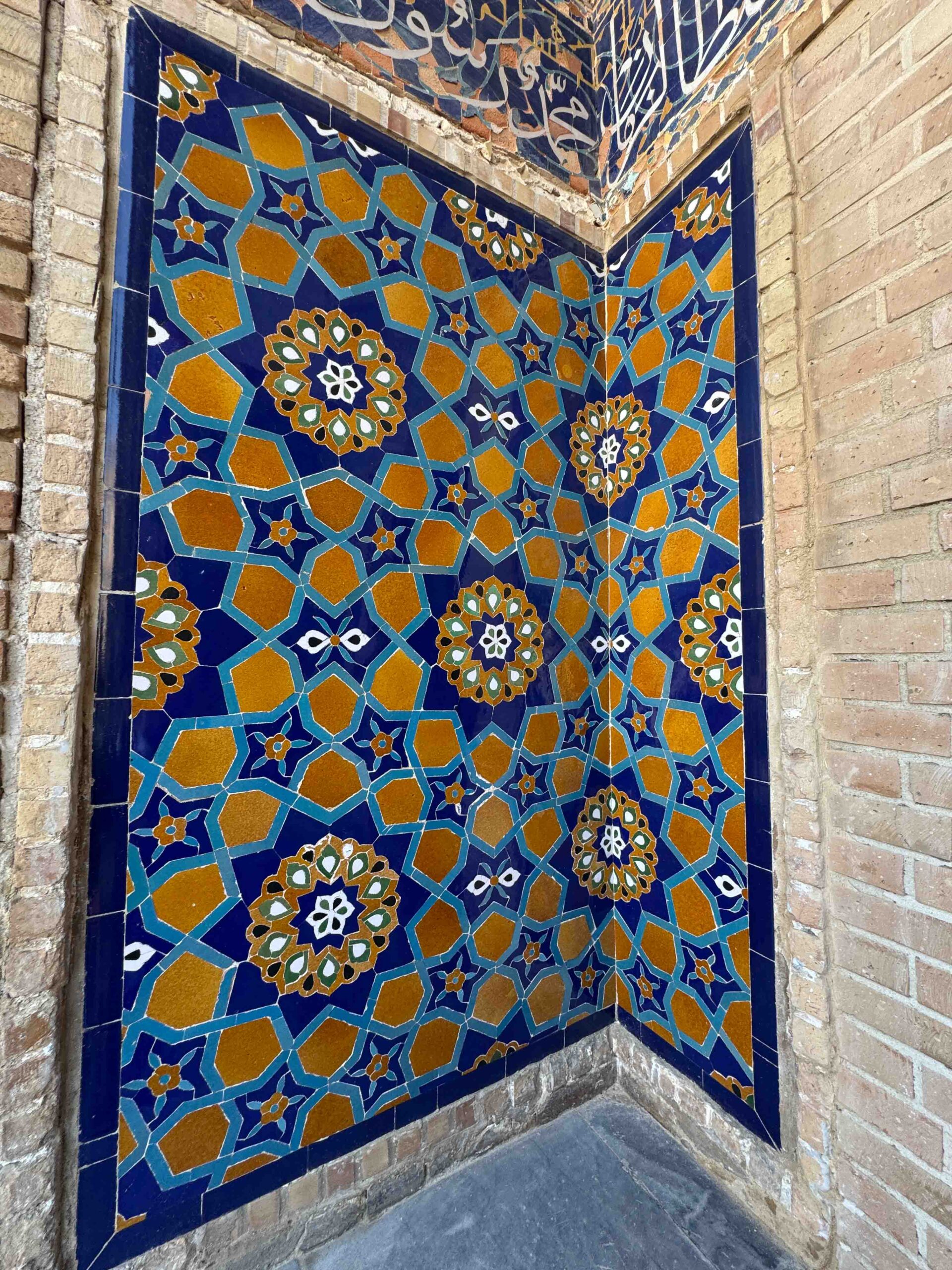
In the 1950s, the dome, main portal, and minarets were refurbished. By that time the maiolica tiles had mostly fallen away. In the 1970s, the interior underwent restoration.
In June 1941, Timur’s tomb was opened shortly before the German invasion of the Soviet Union, under the direction of Soviet scientist and anthropologist Mikhail Mikhaylovich Gerasimov, who was able to reconstruct Timur’s facial features from his skull, and it was also confirmed that he was about 5 1/2 feet tall and would have walked with a pronounced limp.
*