May 14, 2026
If you are a Westerner, your basic astronomy education was Copernicus, Ptolemy, Galileo, and Newton. If you studied further, you would have learned that they were latecomers to the game. While Samos, Eratosthenes, and Hipparchus came before, they were all Greek. My education never included the astronomers of the East, such as Ulugh Beg.
Ulugh Beg was born in 1394 in northwestern Iran. He was the grandson of Timur.
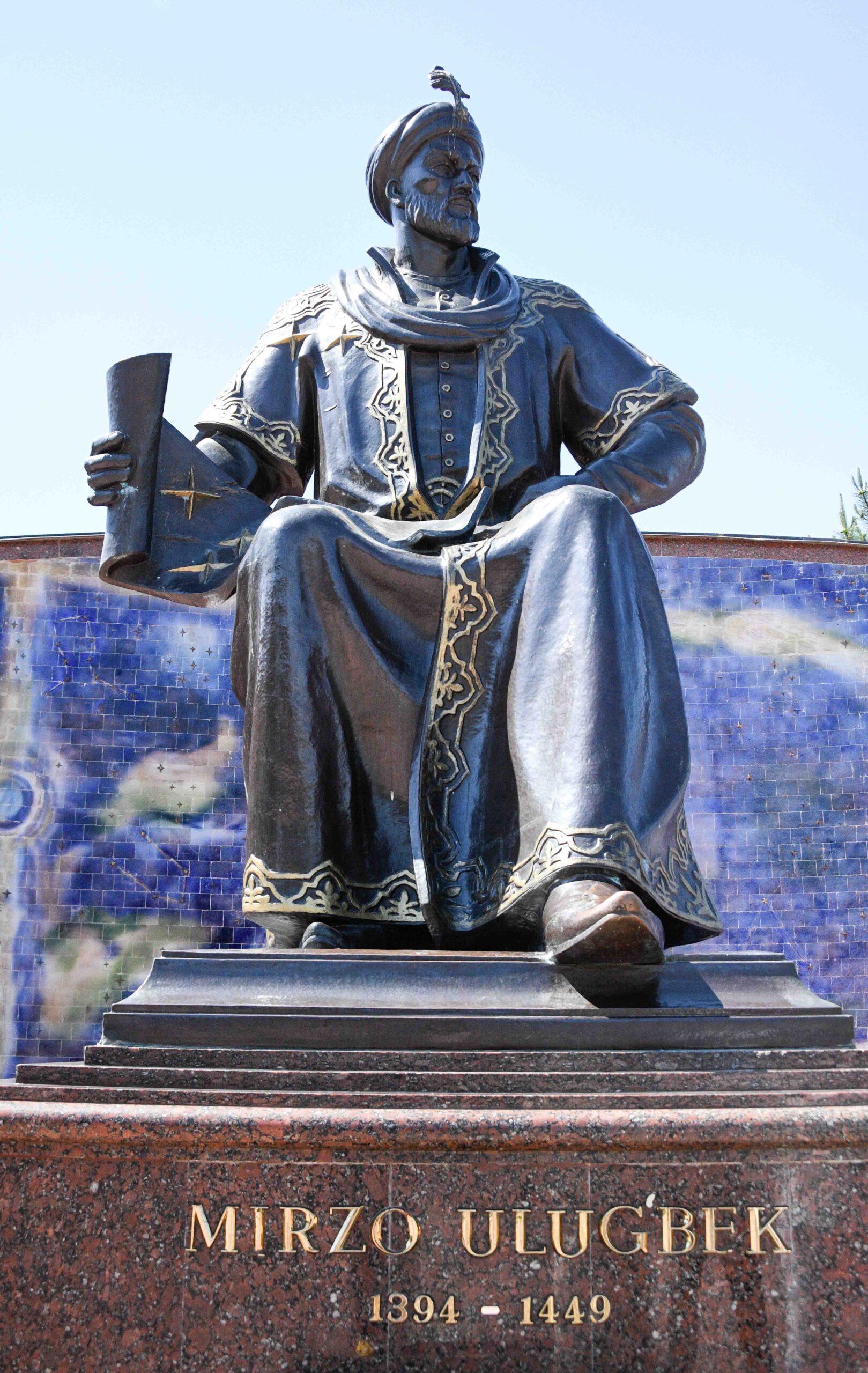
As a child, Ulugh Beg accompanied his grandfather on his various military campaigns, giving him the chance to travel widely.
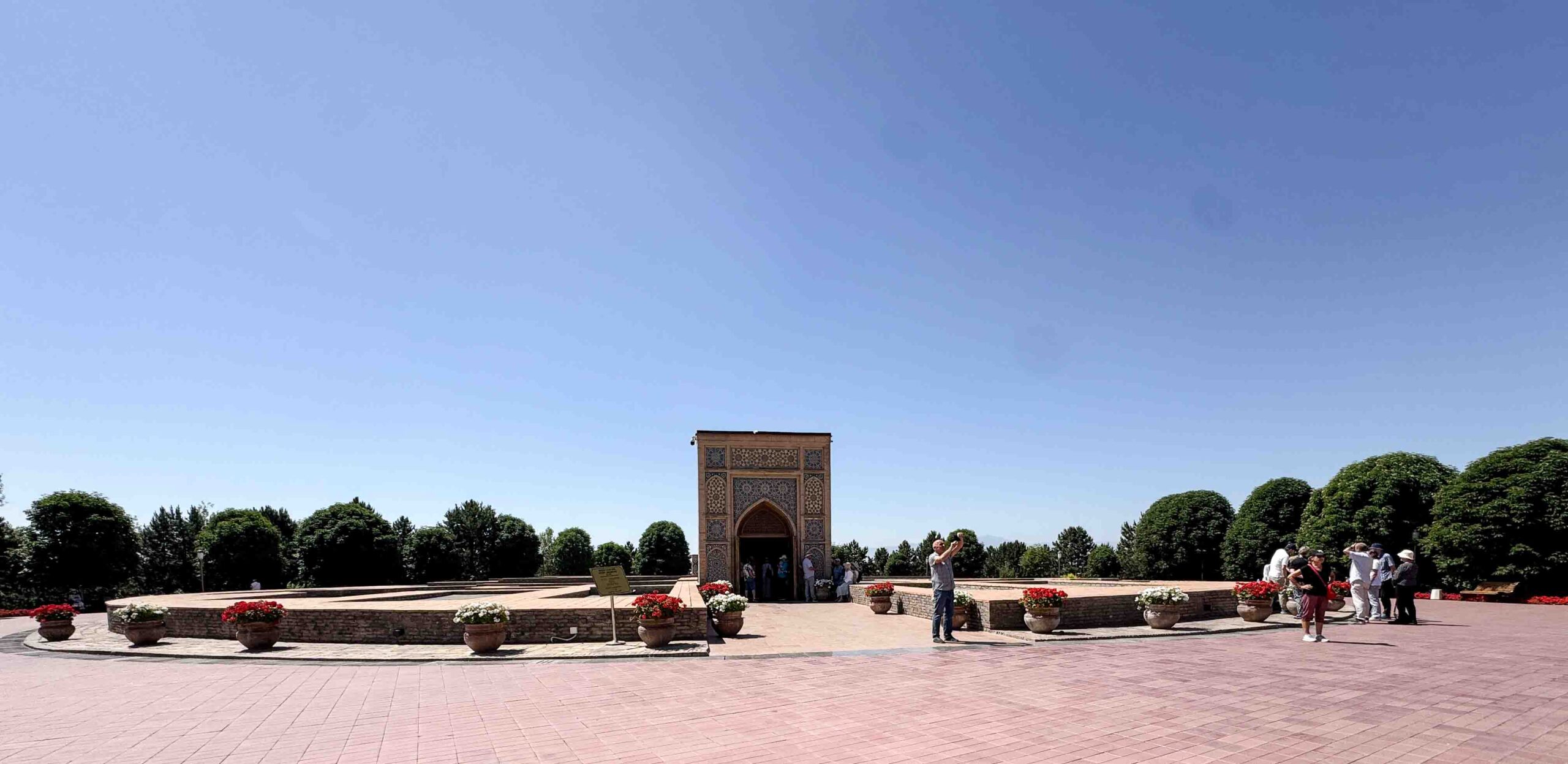
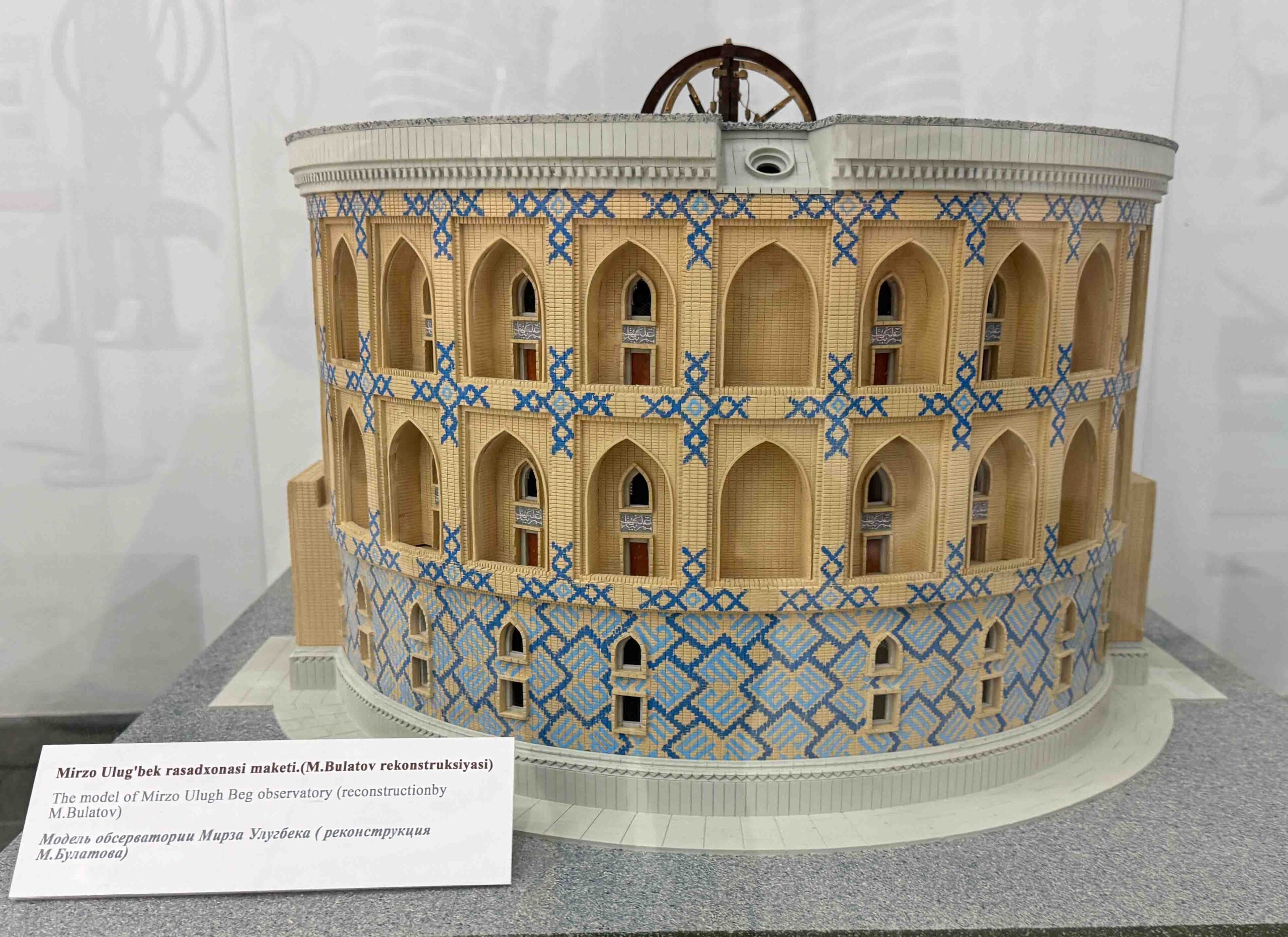
The Ulugh Beg Observatory is often considered to be one of the finest of its kind in the medieval Islamic world. It was constructed during the 15th century, when Samarkand was one of the two most important cities of the Timurid Empire.
The Ulugh Beg Observatory is believed to have been built in the late 1420s, though studies may have begun in Samarkand two decades earlier.
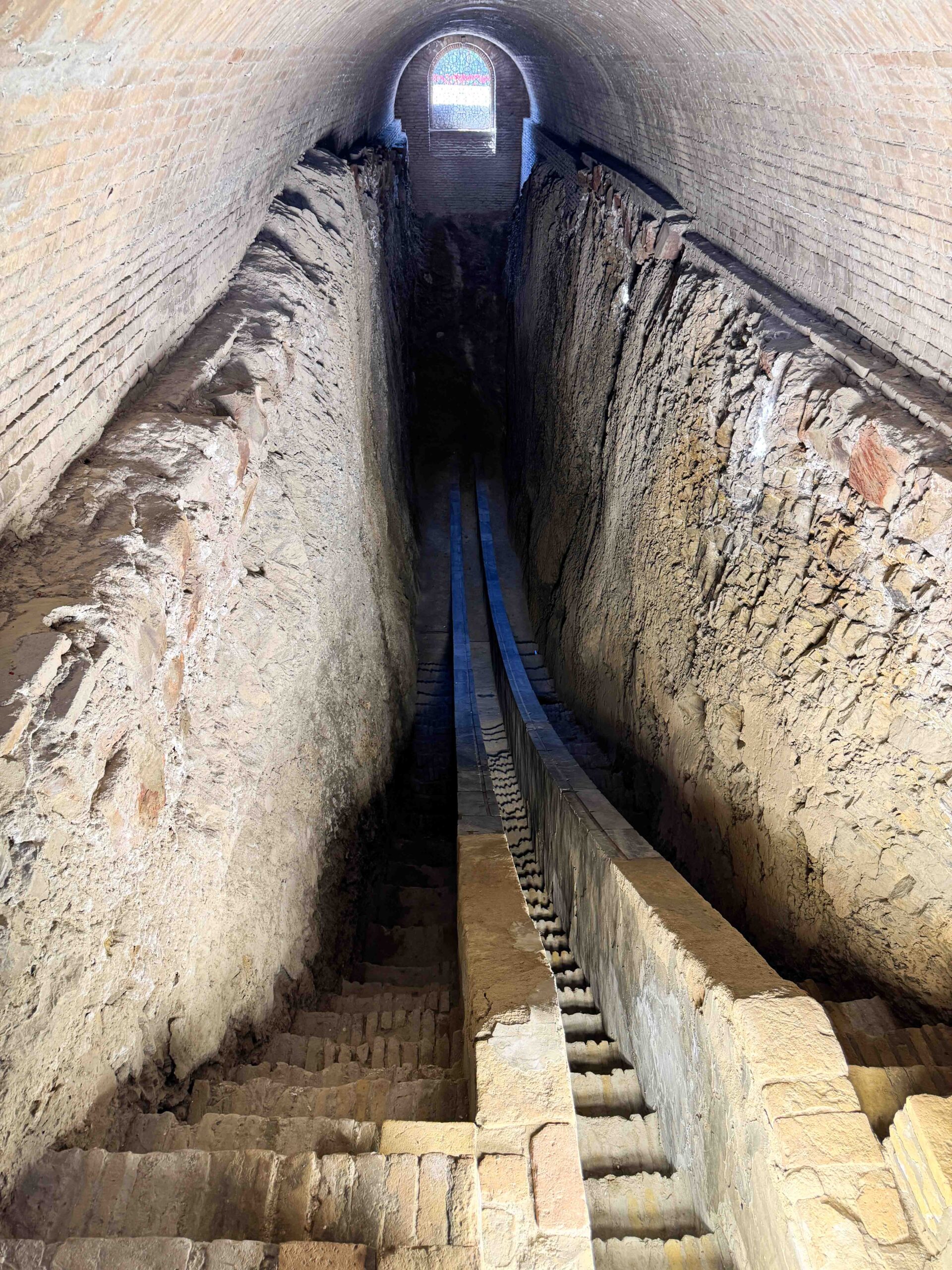
The most remarkable instrument in Ulugh Beg’s observatory was the huge Fakhri sextant, the largest astronomical instrument of that type in the world.
The Fakhri sextant determines basic astronomical constants: the inclination of the ecliptic to the equator, the point of the vernal equinox, the length of the tropical year, and other constants derived from observations of the sun. It was primarily built for solar observations, but also for those of the moon and the planets.
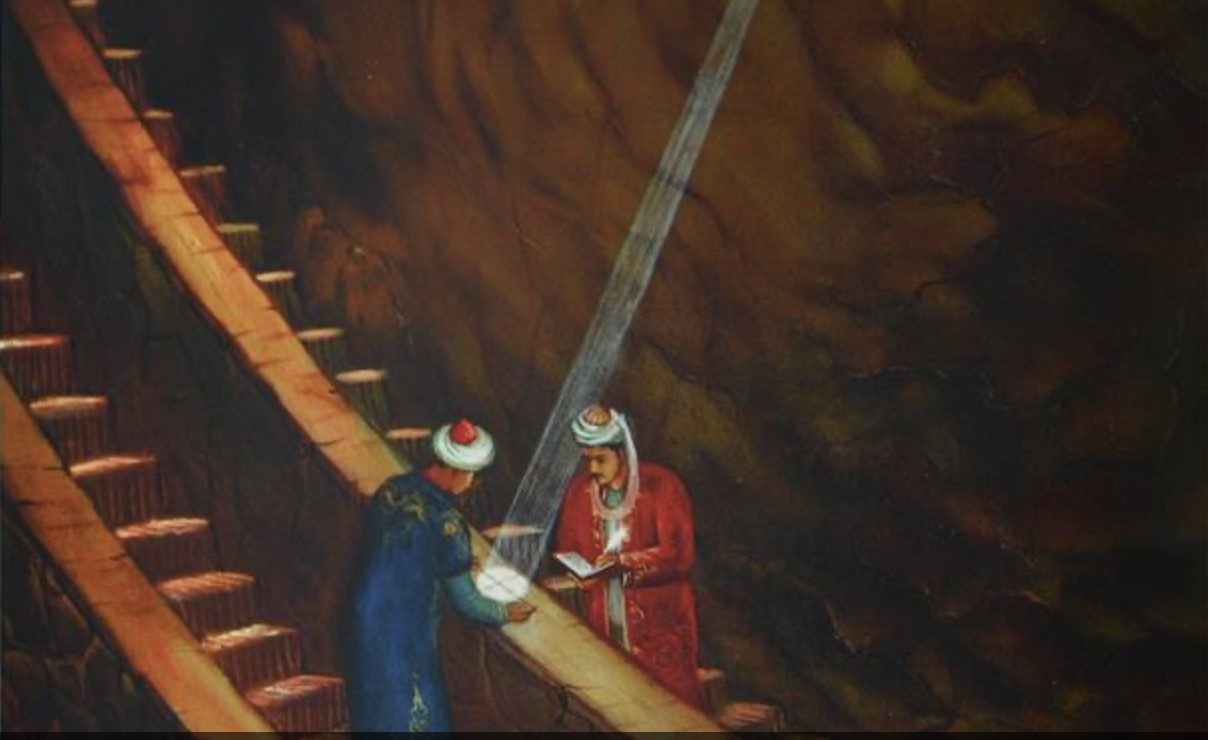
The main reason behind the sextant’s success was the accuracy it gave due to its large size. On the arc of the sextant, divisions of 70.2 cm represented one degree, while marks separated by 11.7mm corresponded to one minute, and marks spaced only 1mm apart represented five seconds. All of which could be observed by the stairway on either side of the sextant.
Ulugh Beg’s results are almost the same as those found through modern technology.
The 1437 star catalog of Ulugh Beg represents the only large‐scale observations of star coordinates made in the Islamic realm in the medieval period. The catalog includes more than a thousand stars
The most important piece of work to be produced by the Ulugh Beg Observatory was a “handbook of astronomical tables, including tables for working out positions of the Sun, Moon, and planets, accompanied by directions for using them.”
Unfortunately for Ulugh Beg and his astronomers, their work did not have the impact on “modern” astronomy that it should have had. The data produced at the Ulugh Beg Observatory reached Europe only several centuries after the sultan’s death. By that time, other astronomers had already replicated their findings.
In 1449, Ulugh Beg’s reign came to an abrupt end with his death at the hands of his son.
The observatory was destroyed, and the astronomers who worked there were sent away. The Ulugh Beg Observatory gradually fell into obscurity, and in time, even its exact location was forgotten. In 1908, the site of the Ulugh Beg Observatory was rediscovered by the Russian archeologist Vassily Vyatkin. By this time, all that remained were its foundations and the underground portion of the Fakhri.