May 2026
The Registan is most likely the most photographed site in Uzbekistan, and is, without a doubt, the most famous in Samarkand.
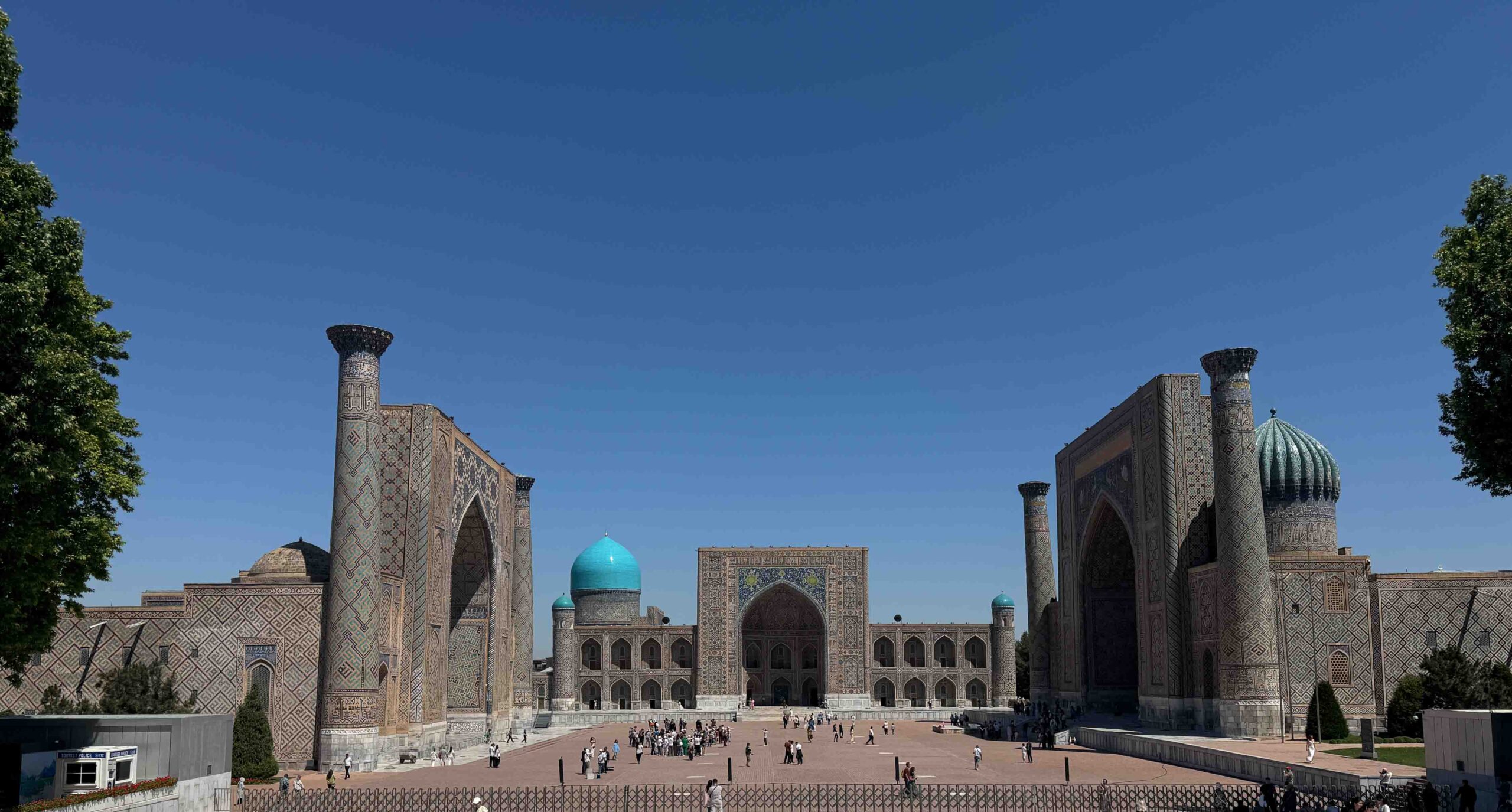
The Registan is a public square. It consists of three madrasas. The Ulugh Beg Madrasa of the Timurid period, the Sherdar Madrasa, and the Tilakari Madrasa, which was built much later.
People also gathered on the Registan to hear royal proclamations, heralded by blasts on enormous copper pipes called dzharchis, and for public executions.
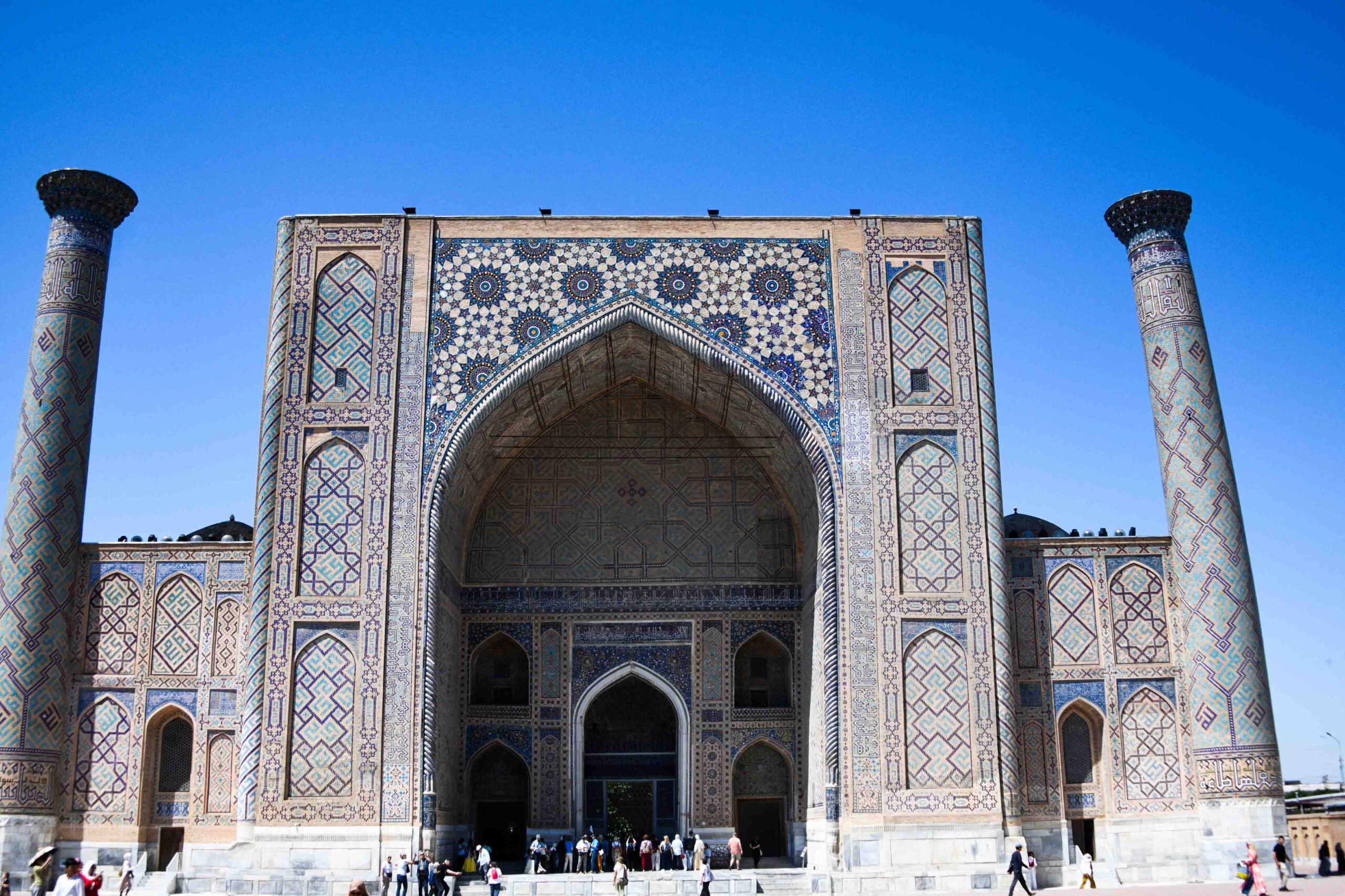
The Ulugh Beg Madrasa was built between 1417 and 1421. It was an important teaching center of the Timurid Empire, training some of the most outstanding scholars of its time, both religious and secular. It is the oldest building in Registan, the only one from the 15th century, and the only survivor of a wider architectural ensemble, which included several mosques, caravanserais, a bazaar, and a khanaqah (inn of Sufis).
Sherdar Madrasa
The Sherdar (The Abode of Lions) Madrasa was constructed between 1619 and 1636.
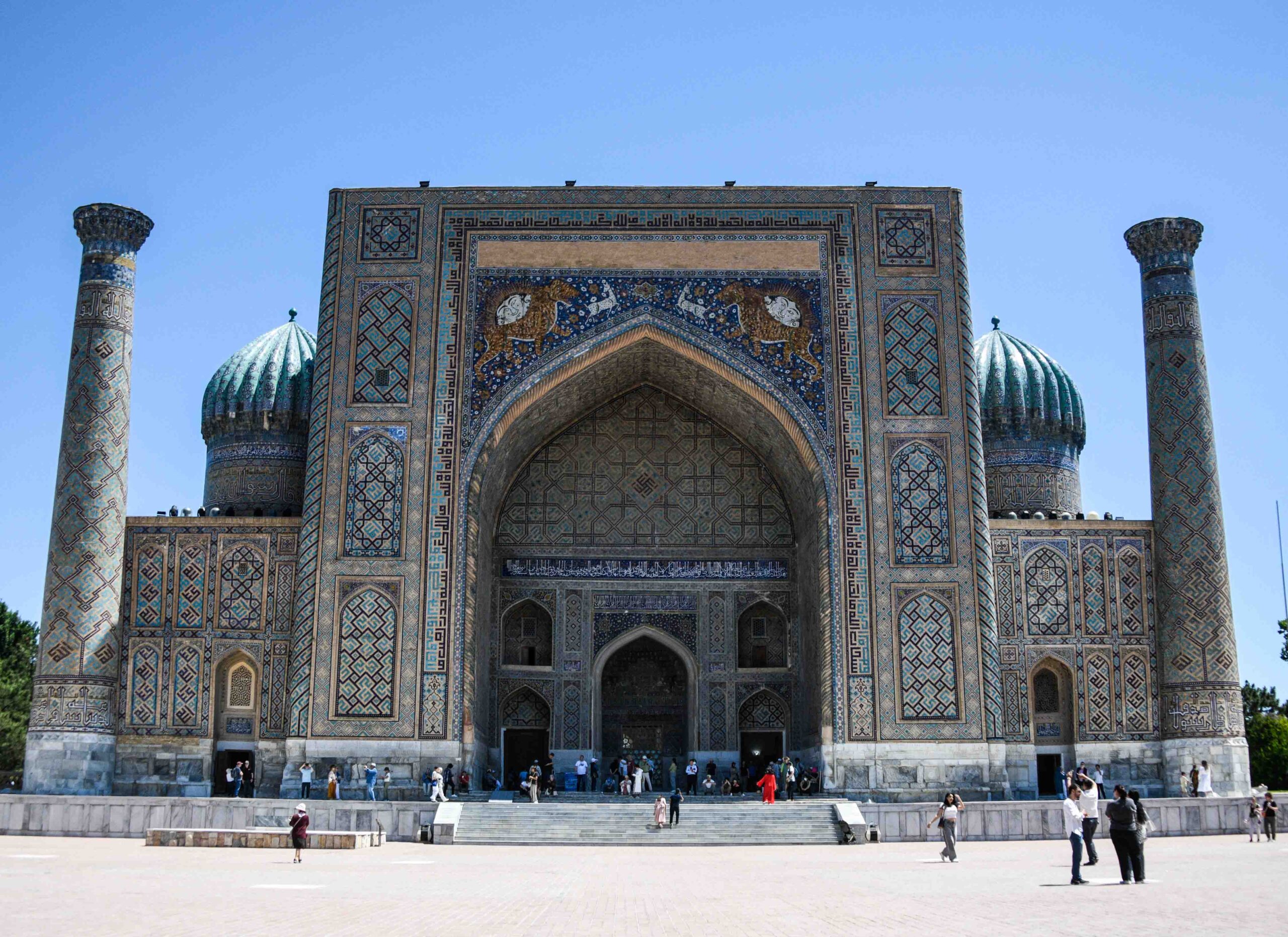
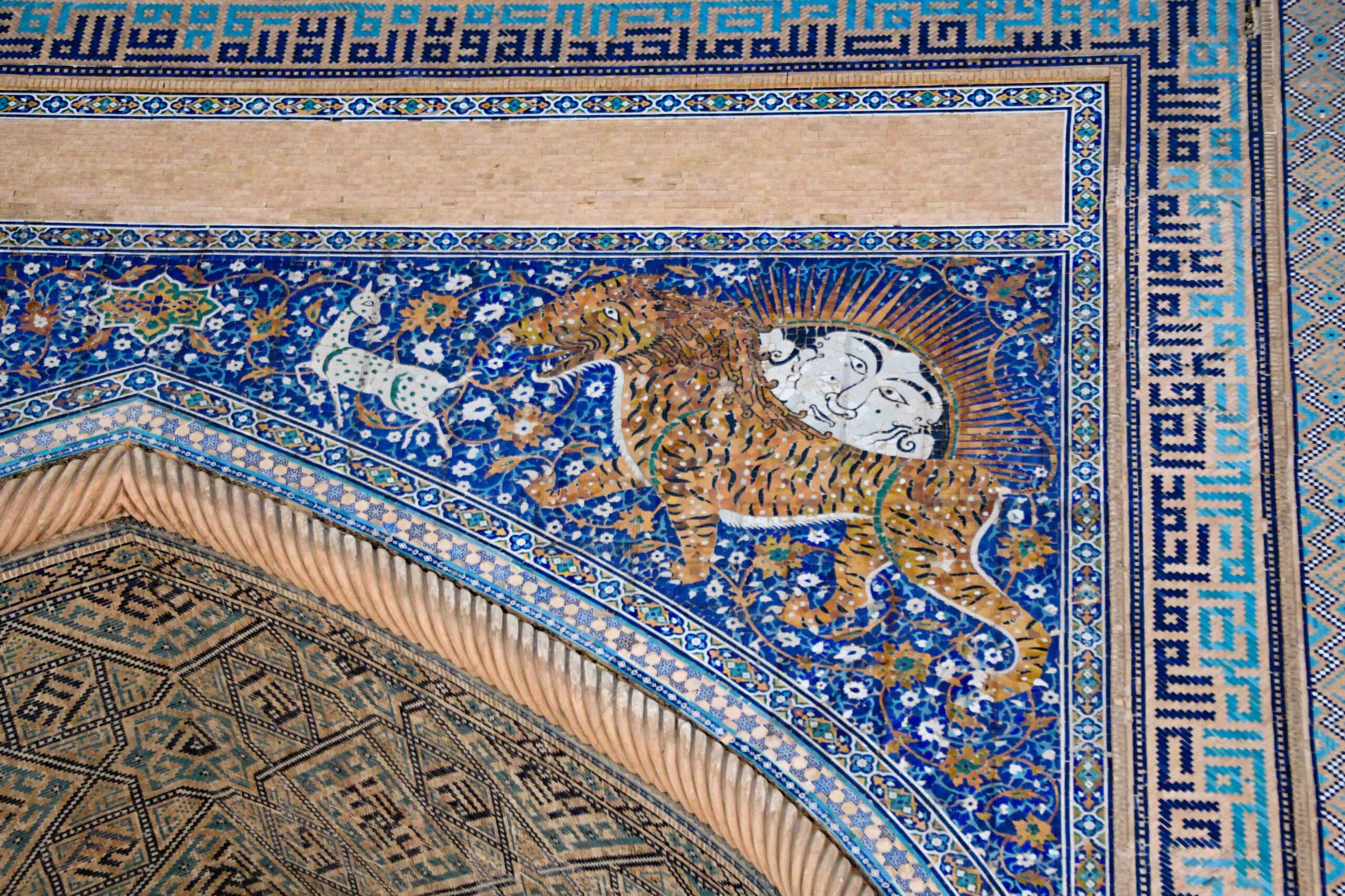
The image of predators hunting deer implies the need for students to chase knowledge, as lions chase their prey, and absorb wisdom, as lions eat captured animals.” The person’s face symbolizes the deity and warns: “‘ You need to remember that you are not immortal, even if you are a predator.”
As the legend says:
“When the city of Samarkand was founded, a leopard— palyang descended from the Zeravshan Mountains. He wandered around the walls, approved the construction, and retired back to the mountains. Since then, residents of Samarkand have been called leopards. Their standards and coats of arms depicted a leopard. Samarkand residents are proud and wayward, do not tolerate lies, and do not seek wealth; their souls lie only in glory and honors. The sages say that the Land of Samarkand has such an effect, and the Samarqandans, wherever you go, are different from other people. Their souls are open to the beautiful; among them, there are many great masters in creating miracles that adorn the world.”
 *
*
Tilakari Madrasa
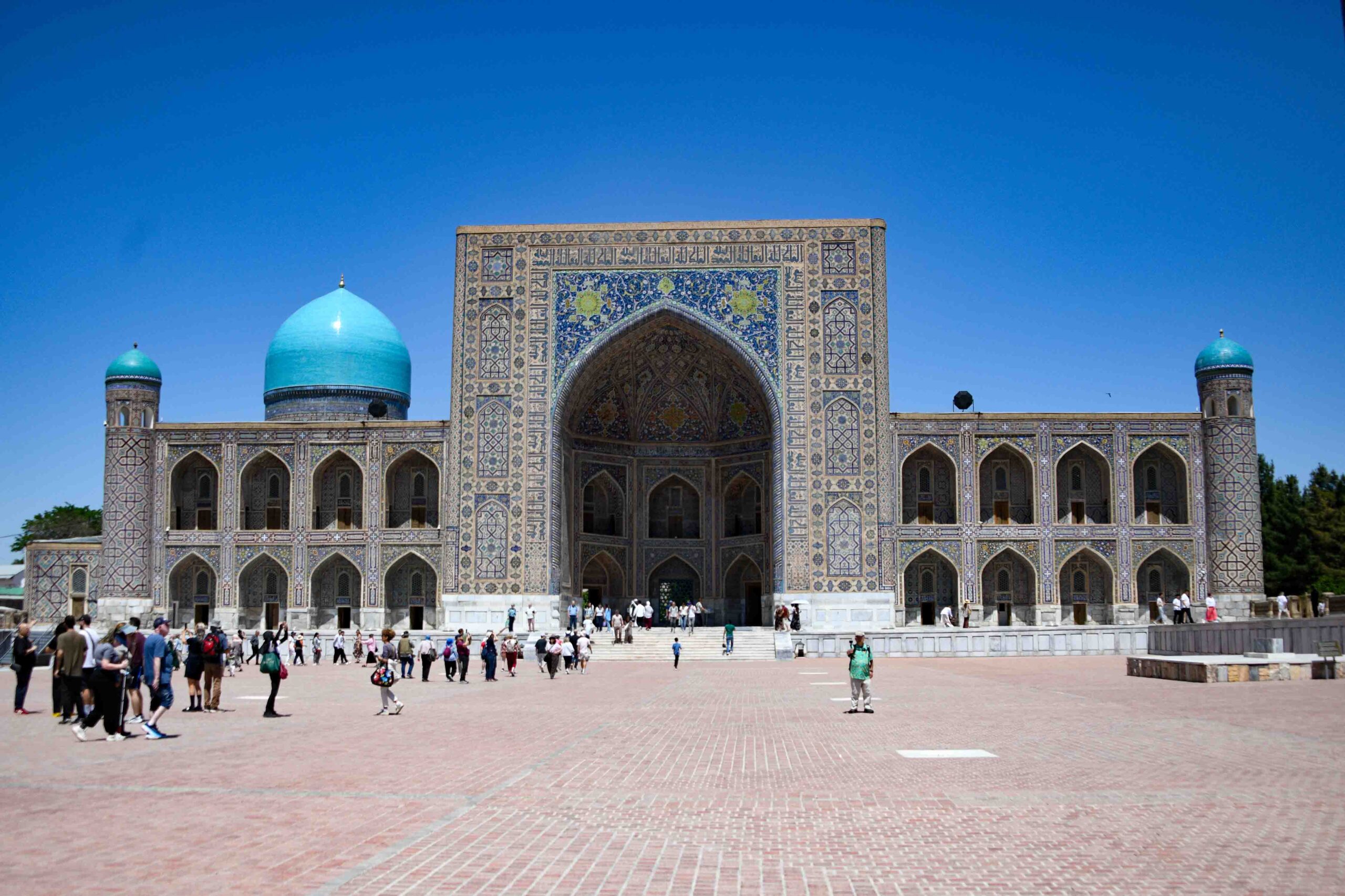
The Tilakari Madrasa is the youngest of the three built between 1646 and 1660. The Tilakari Madrasa is widely regarded as a masterpiece of Timurid architecture, a tradition deeply rooted in the Persianate architectural and artistic legacy that dominated Central Asia during the 14th–17th centuries.
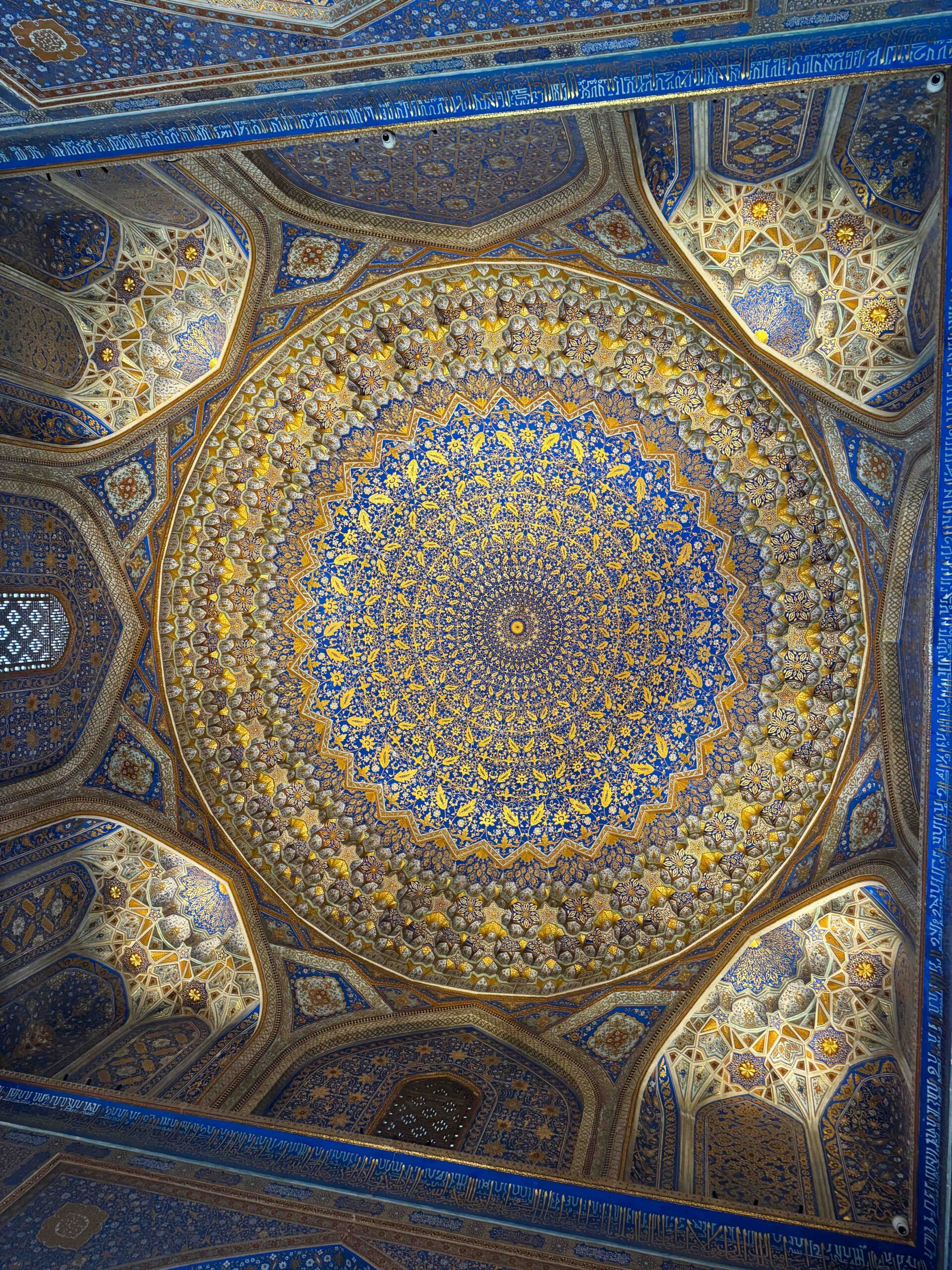
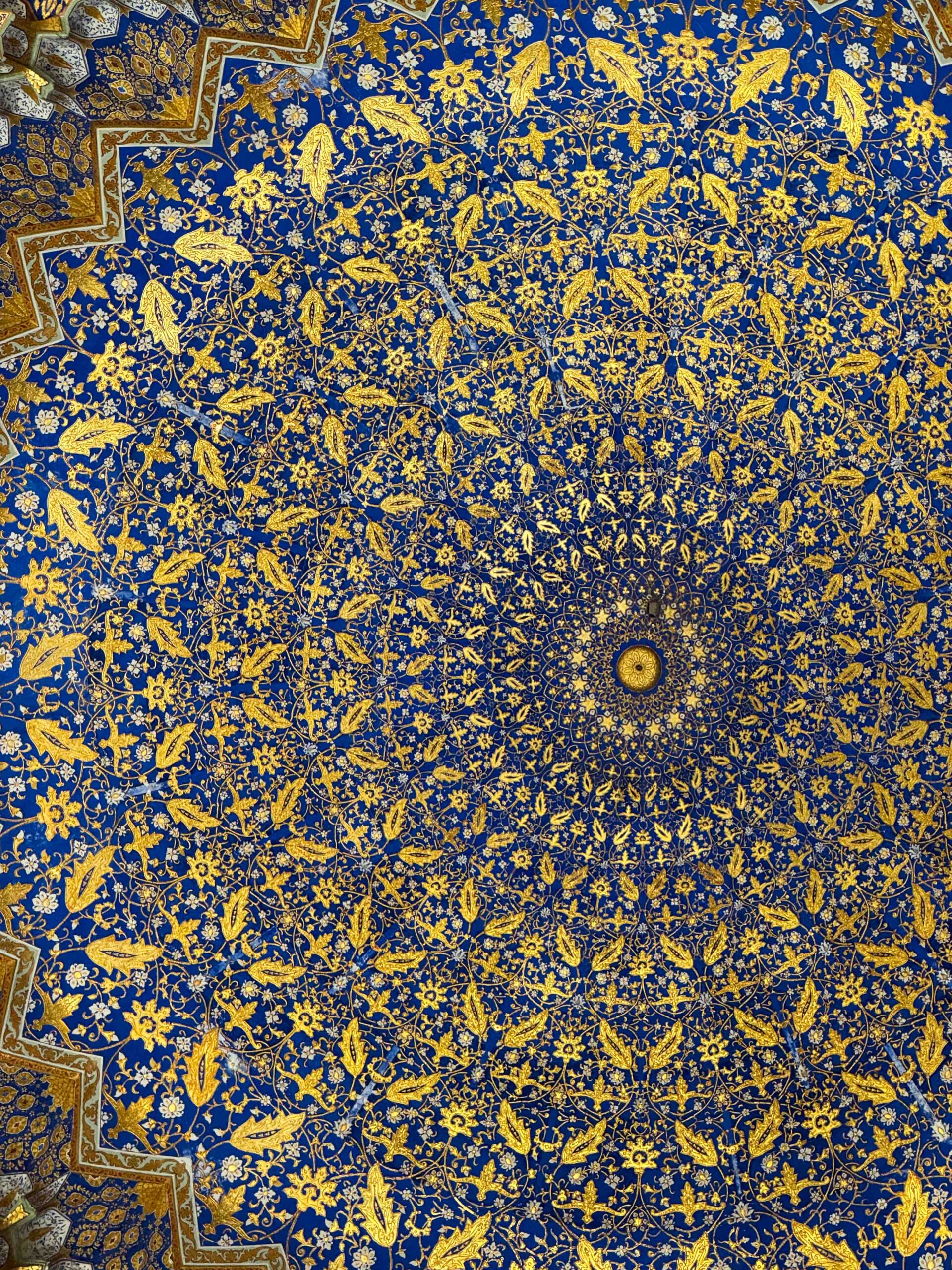
The lavish interior of the Tilakari Madrasa, covered with gilded surfaces and a dense program of floral and geometric patterns, exemplifies the Timurid mastery of decorative arts. Its tilework, calligraphy, and structural composition closely parallel those of major Iranian and Khurasani monuments, reflecting shared workshops, technologies, and artistic conventions across the region.
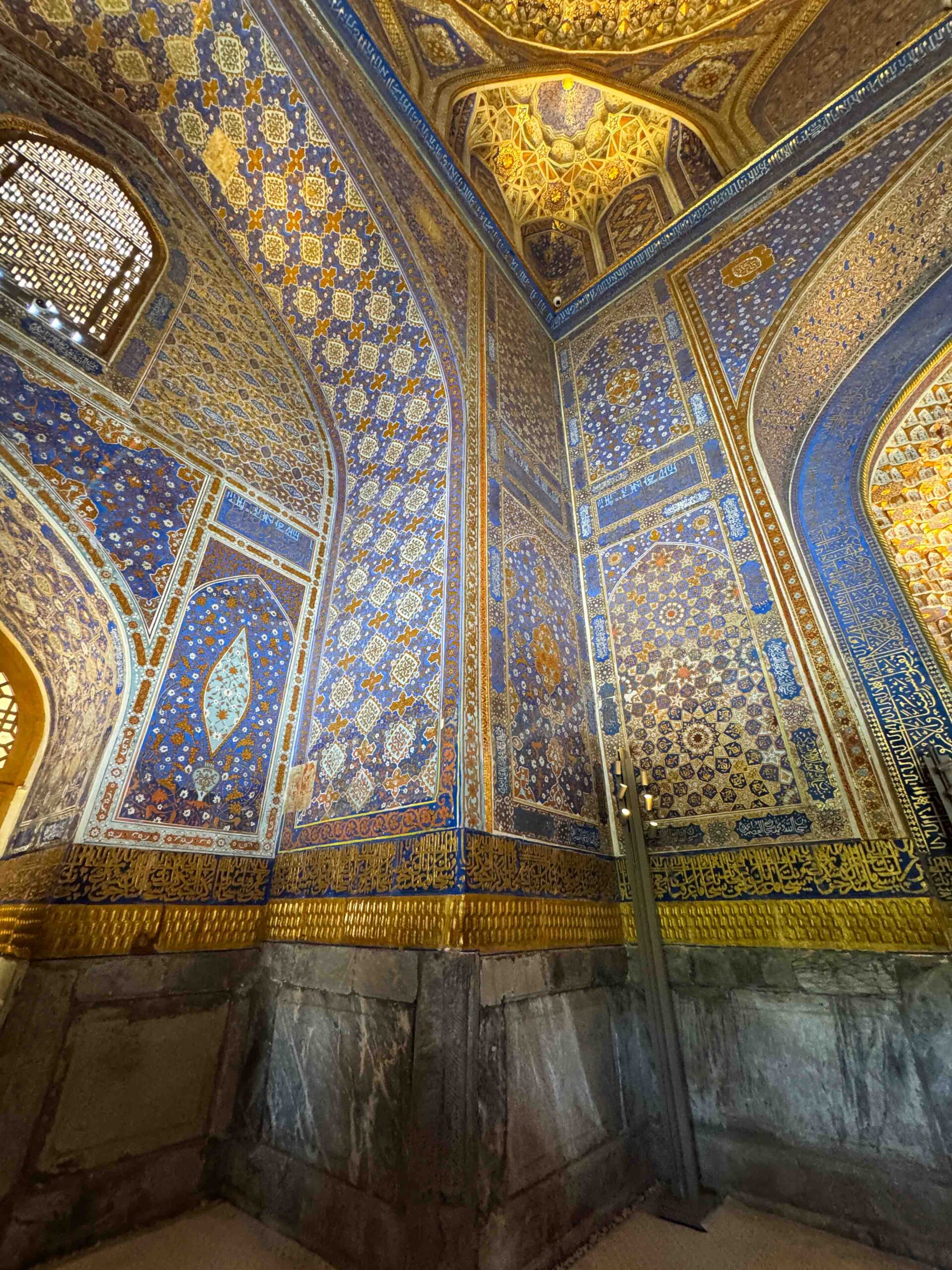
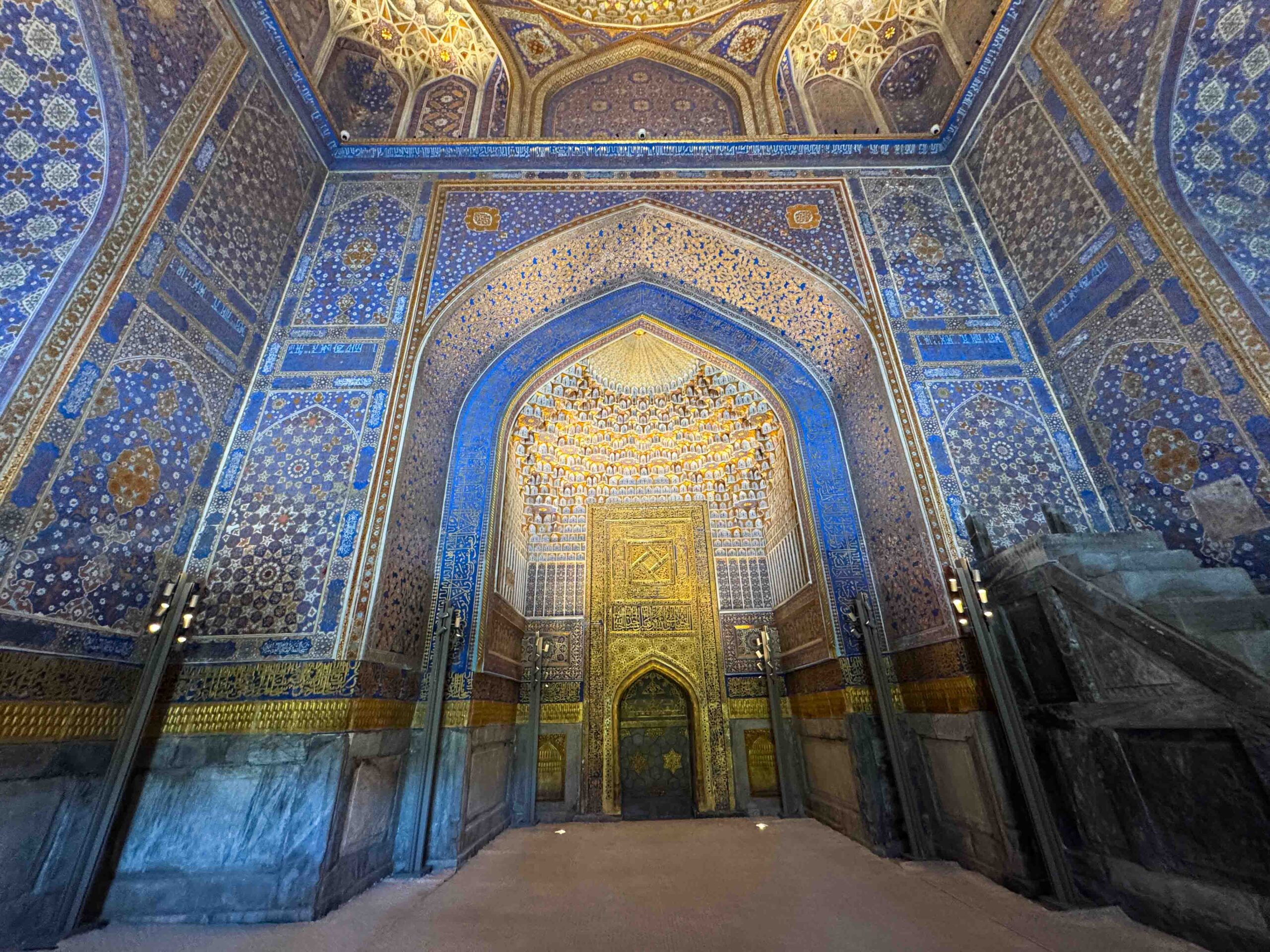 The madrasa’s harmonious proportions, turquoise-and-gold palette, and synthesis of spatial and ornamental design make it one of the finest surviving examples of the Persianate Timurid architectural style, rather than a representative of a pan-Turkic artistic category.
It is absolutely overwhelming to visit this site
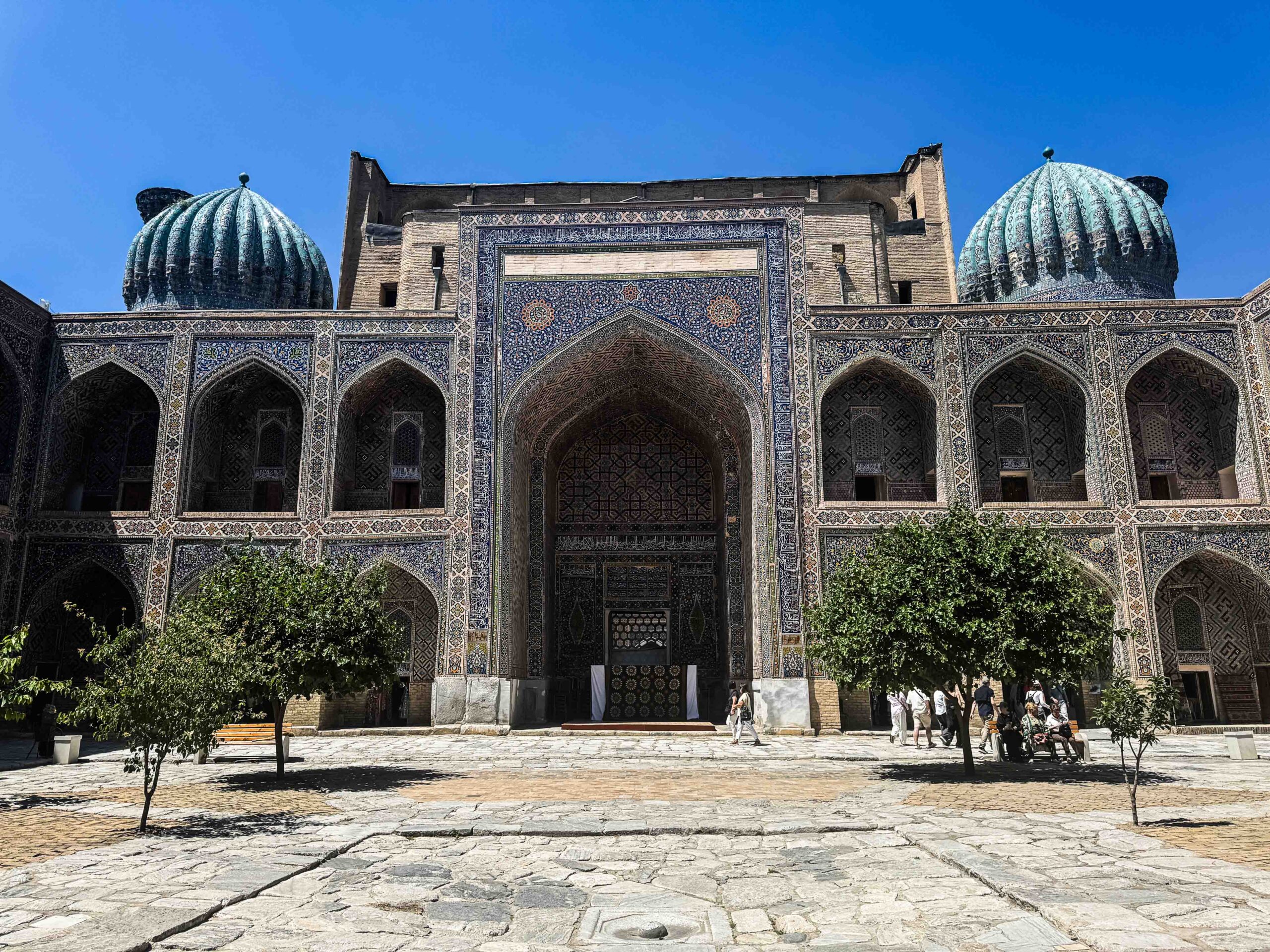
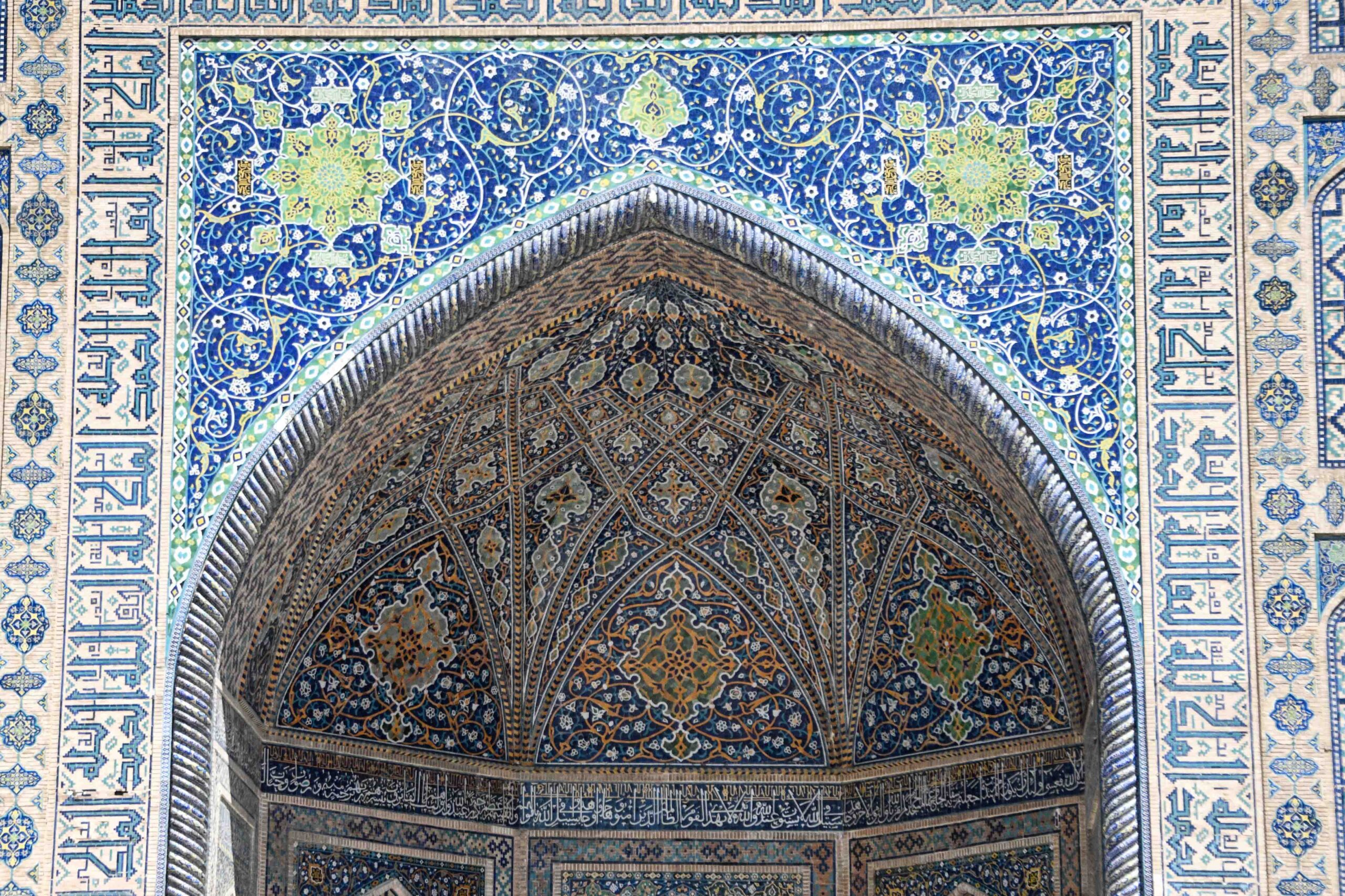
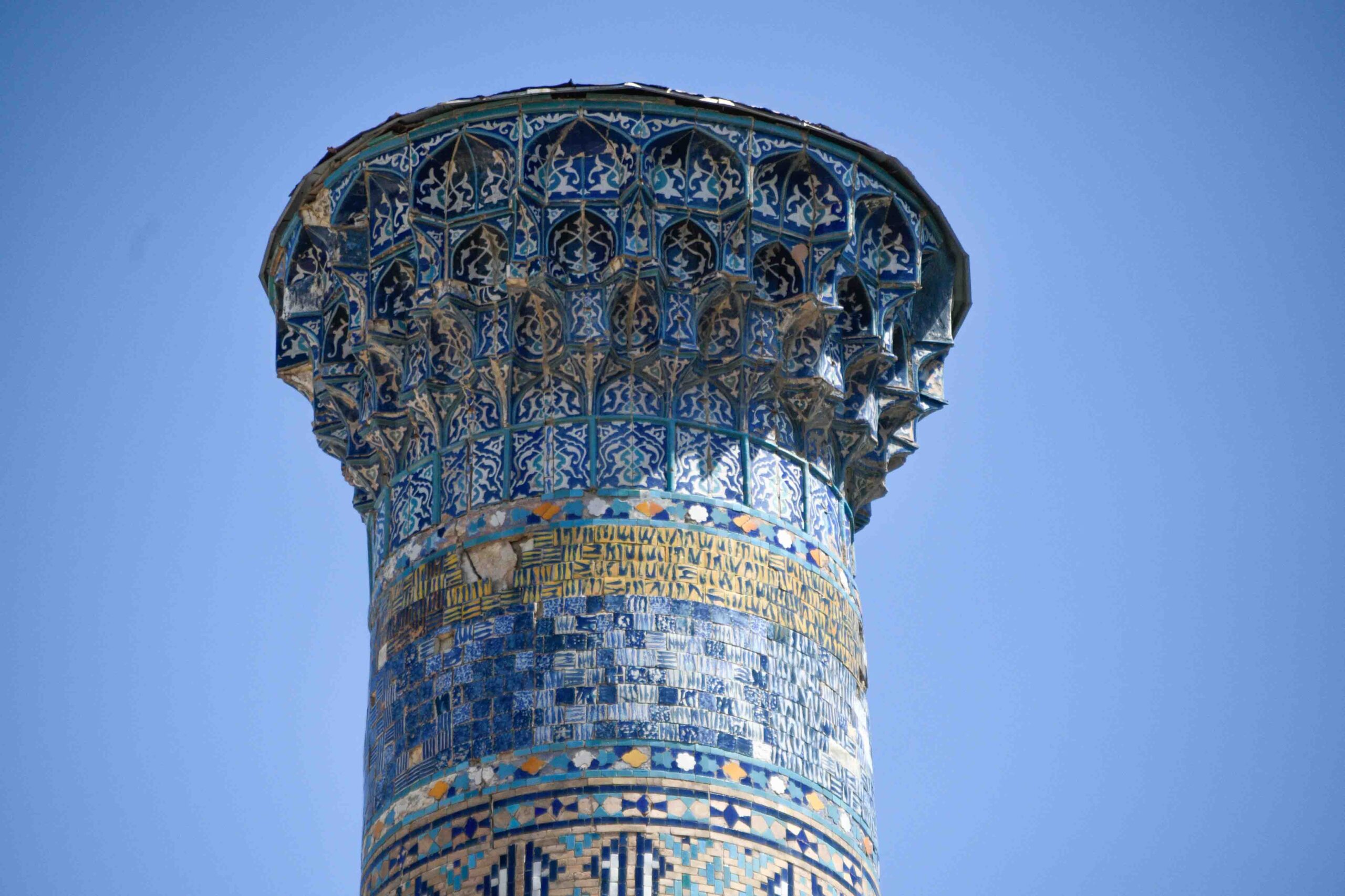
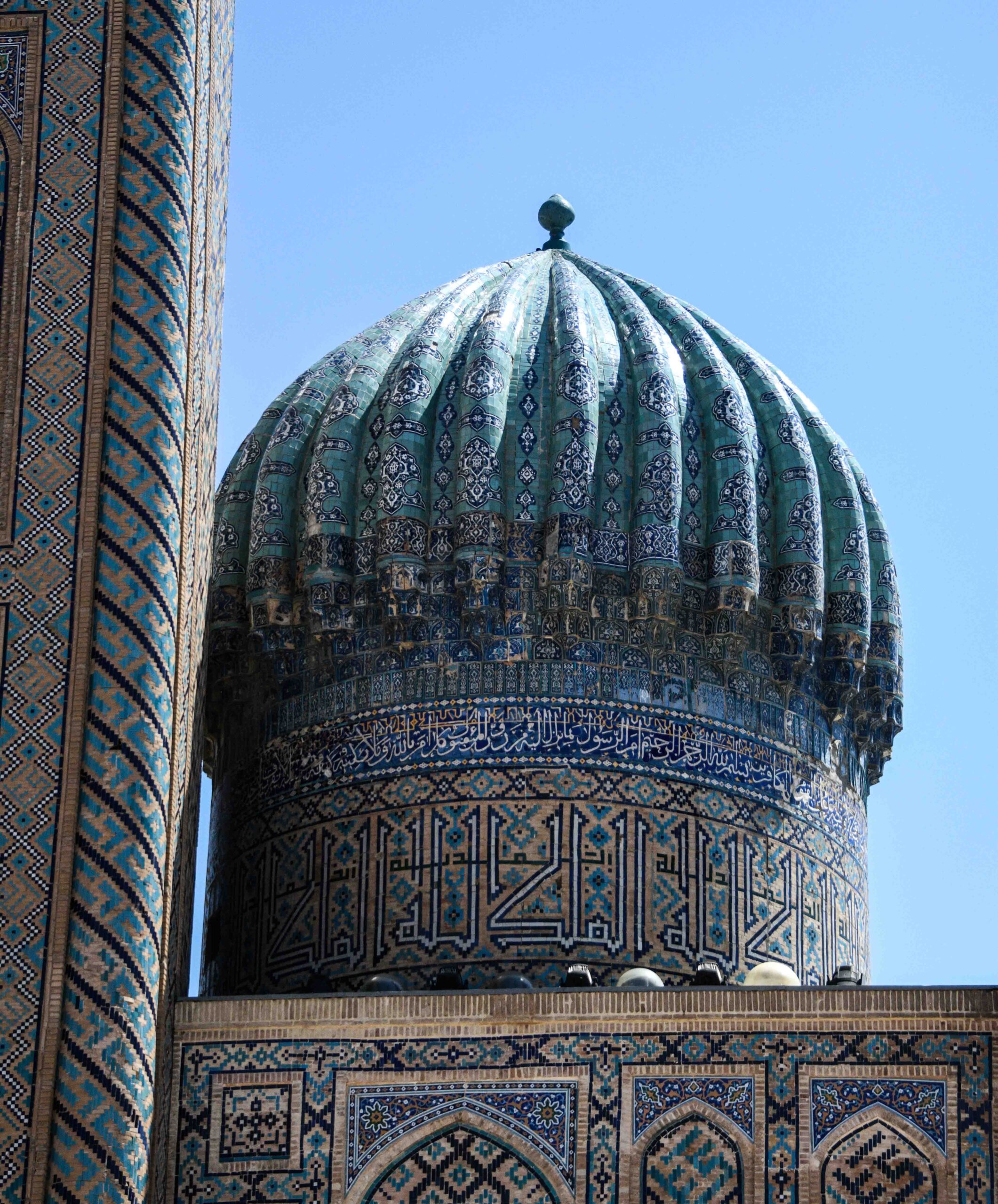
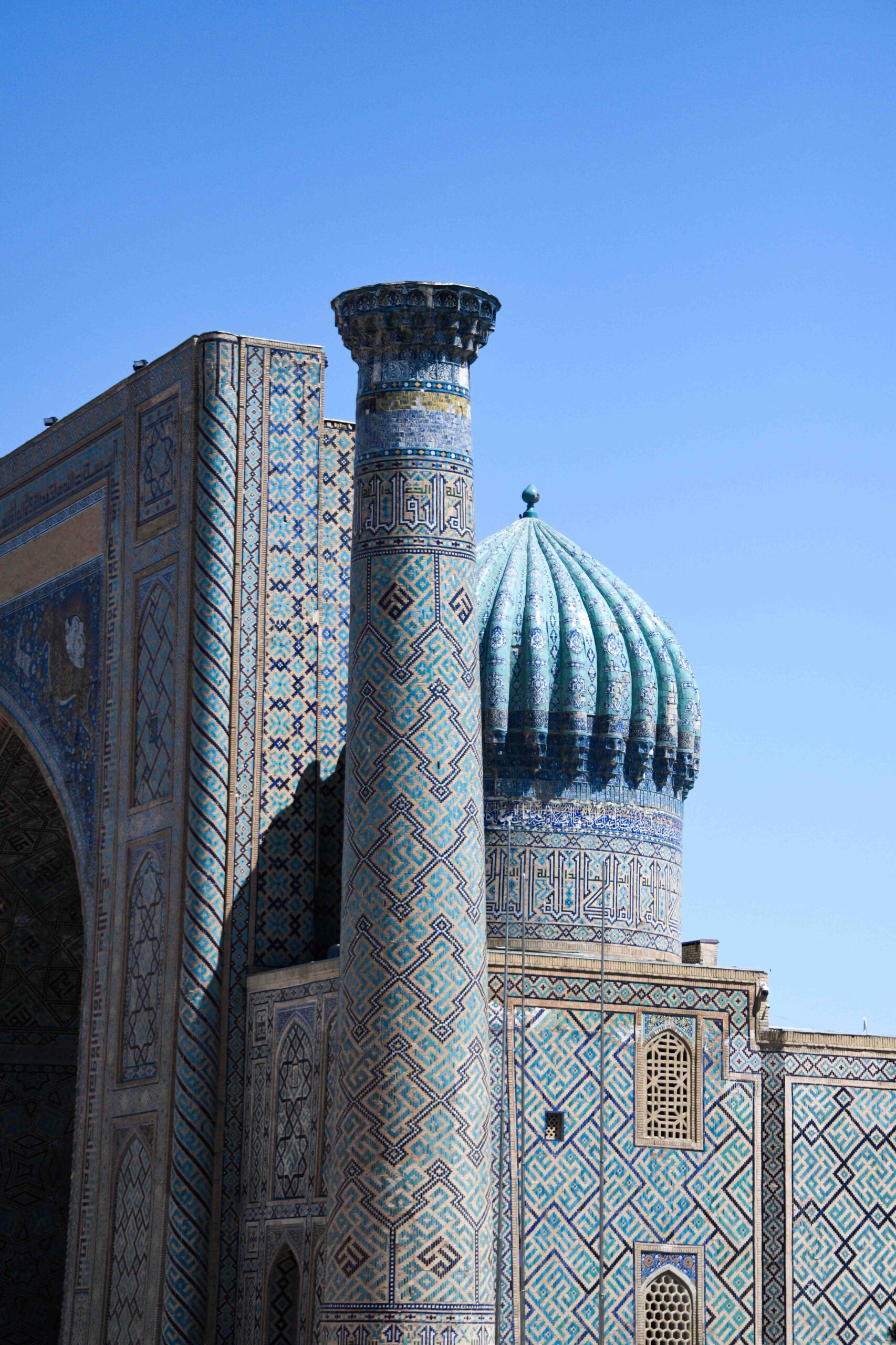
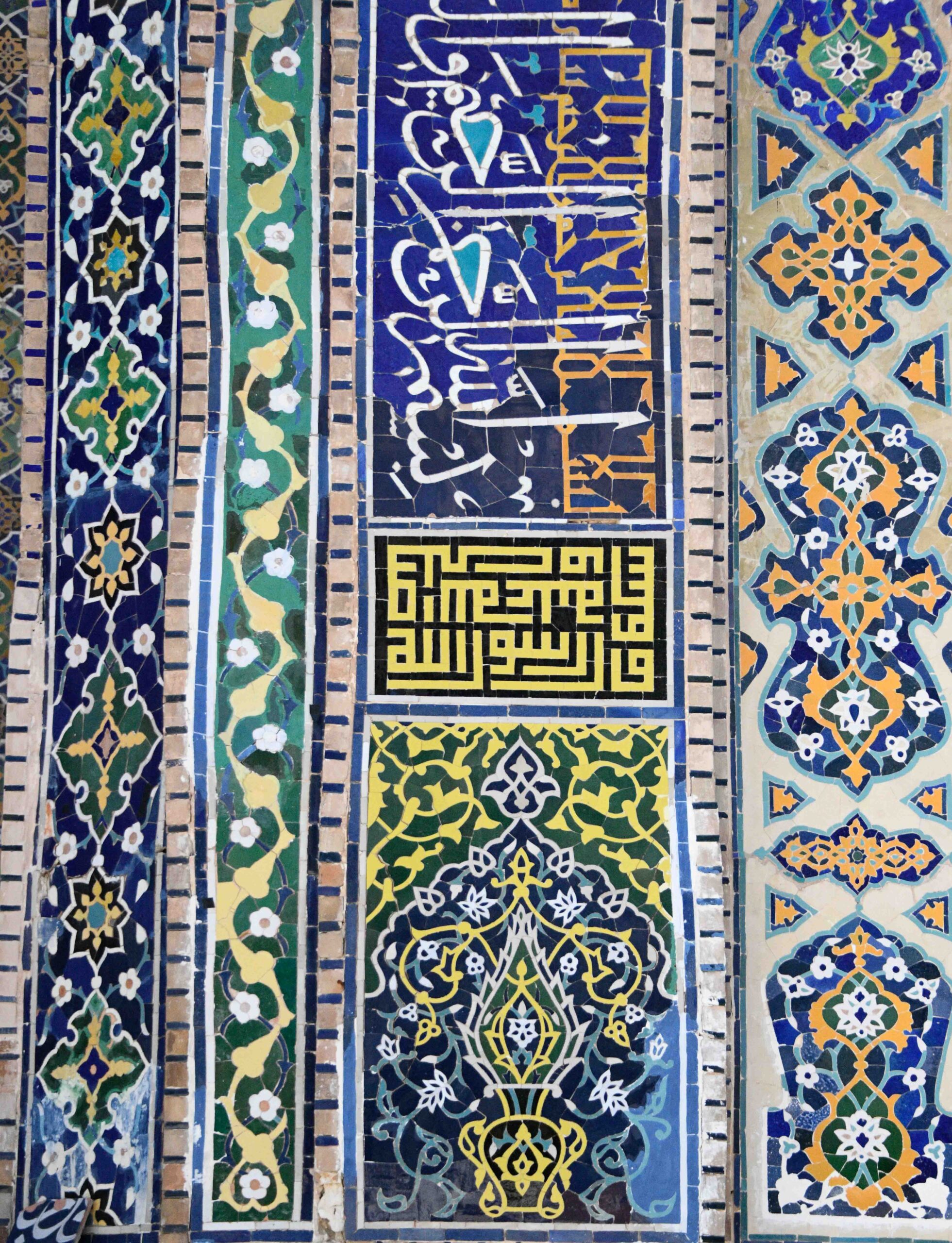
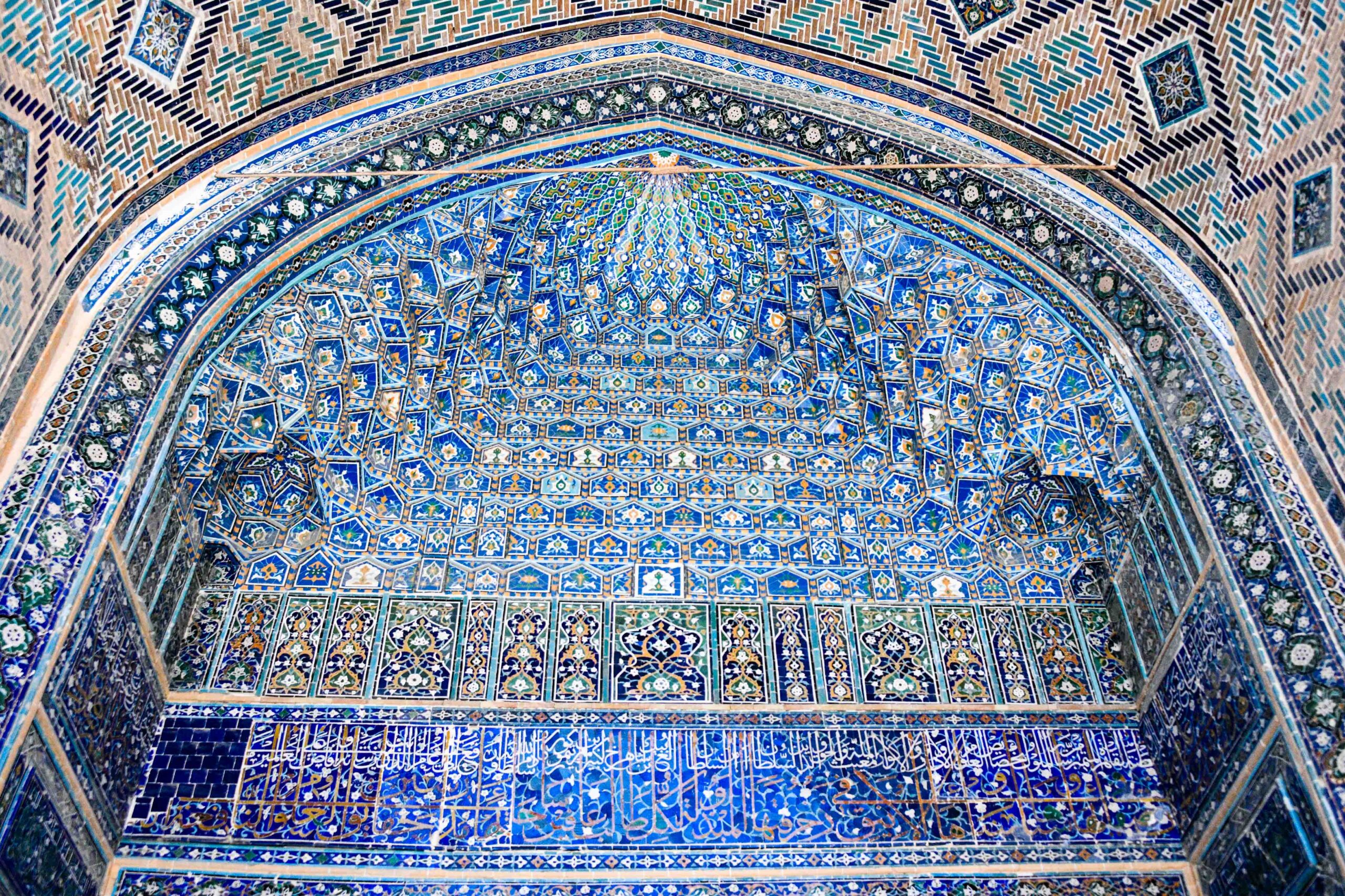
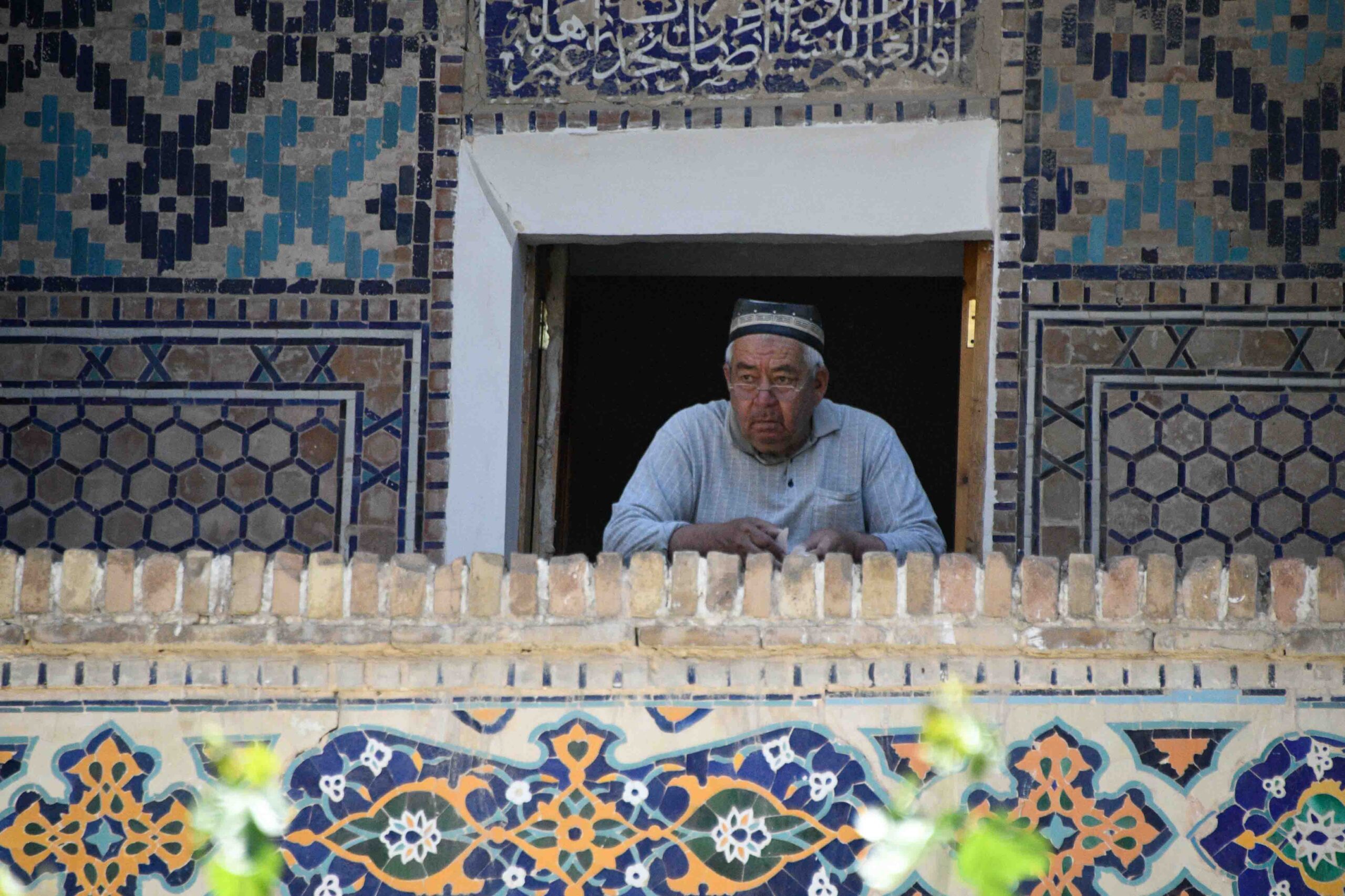
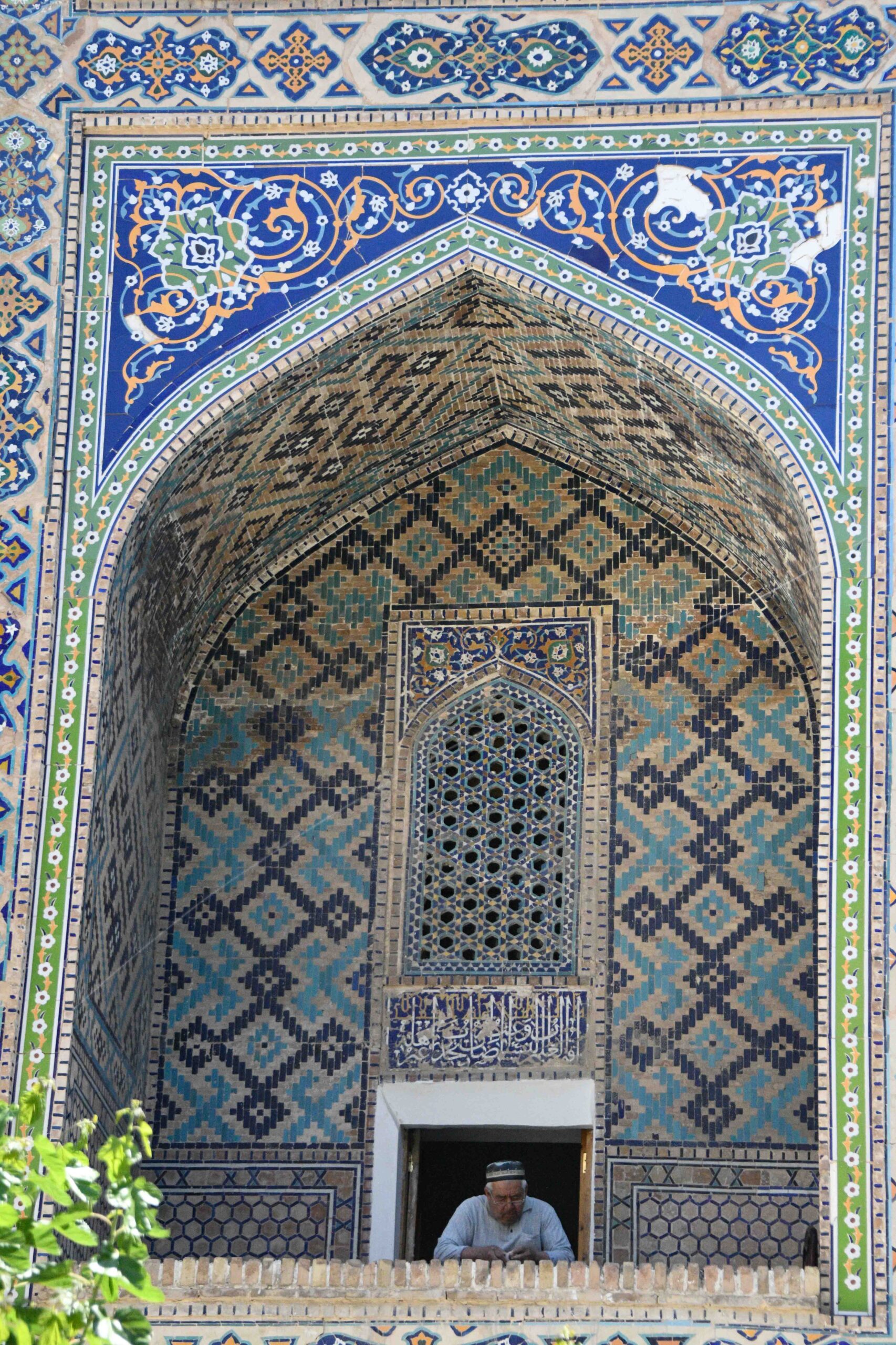
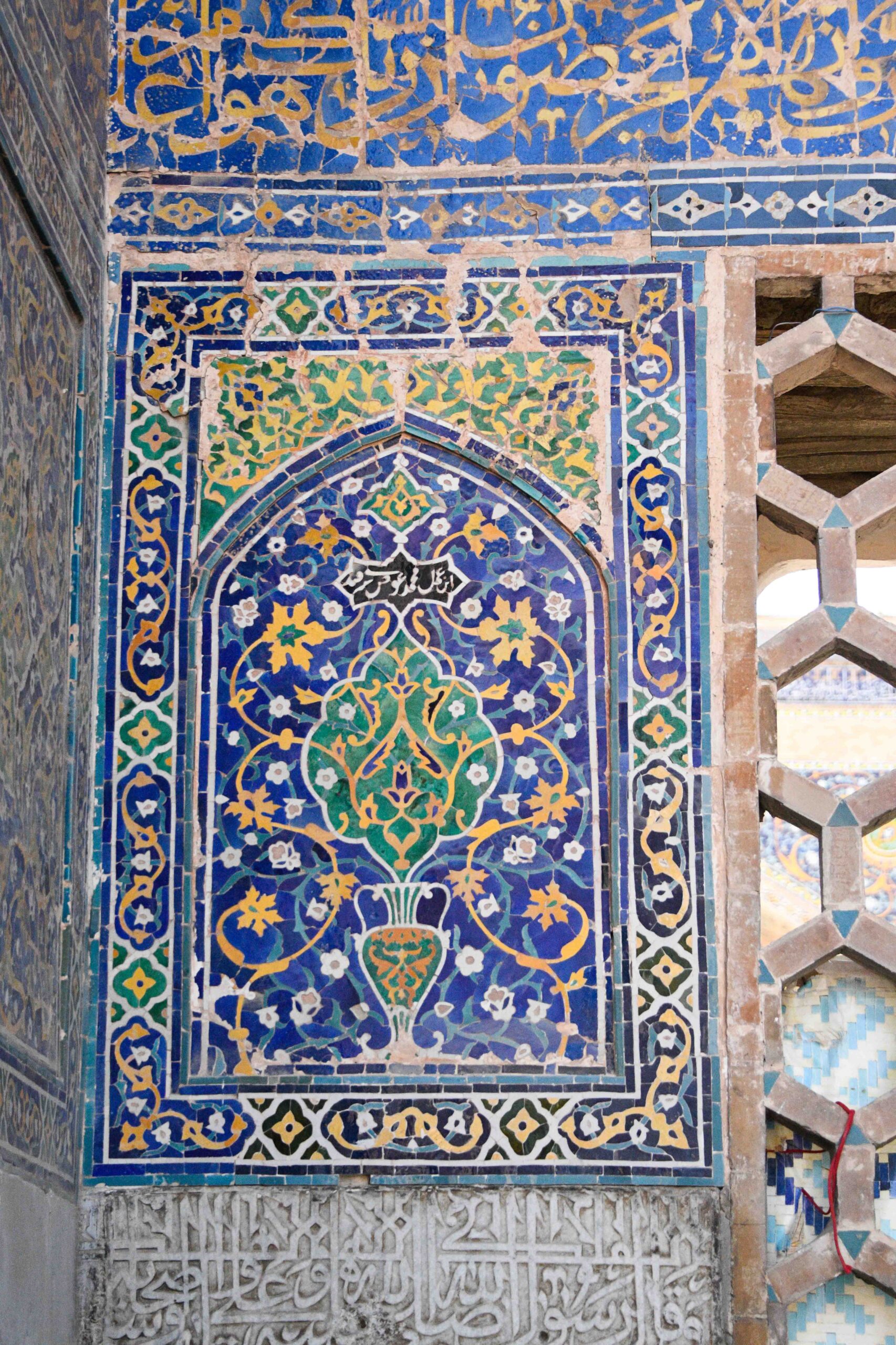
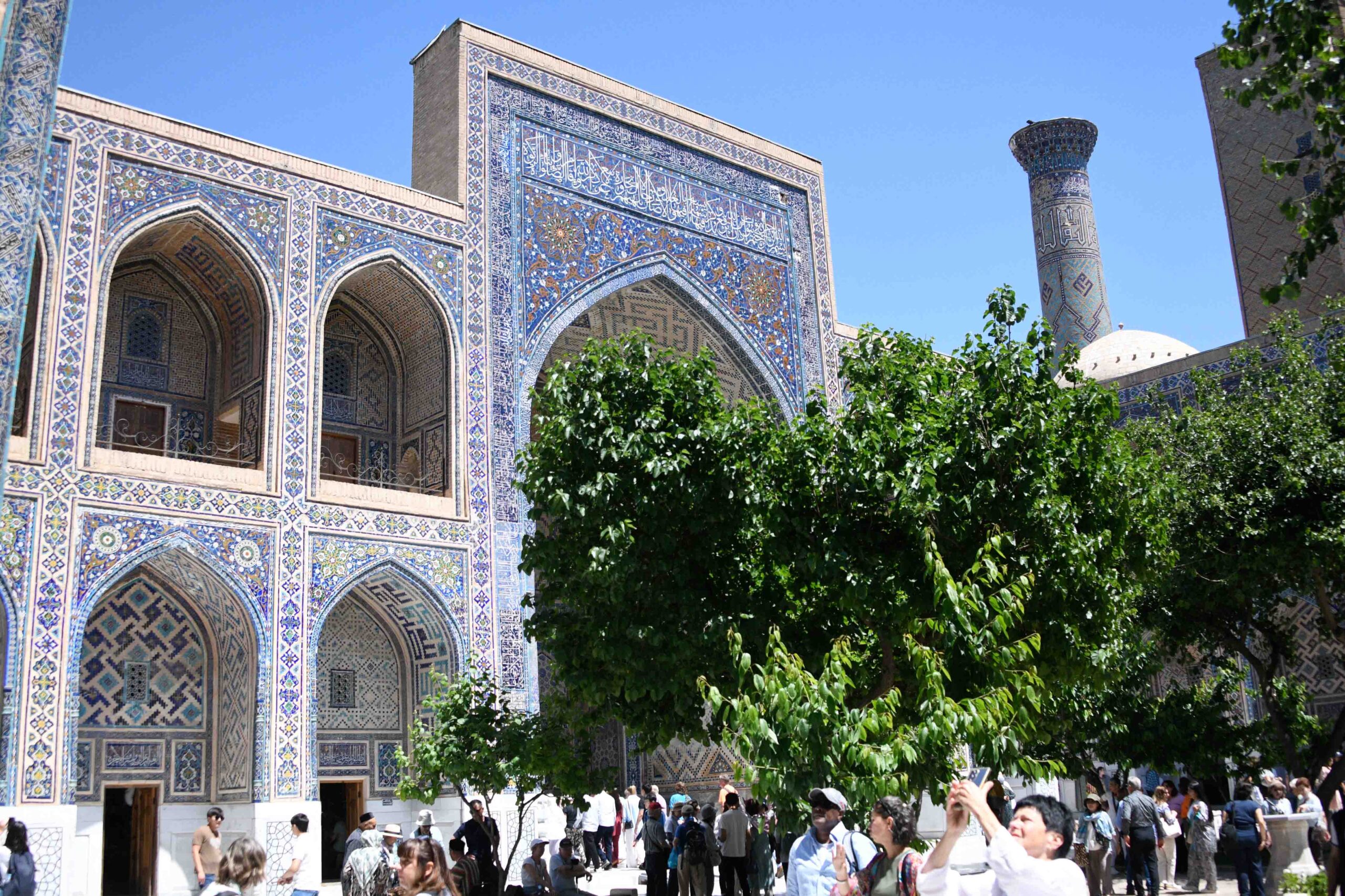
Once you step inside the Madrasas, they conform to a very similar layout. These are all interior shots of the Sherdar Madrasa.
*
*
*
*
*
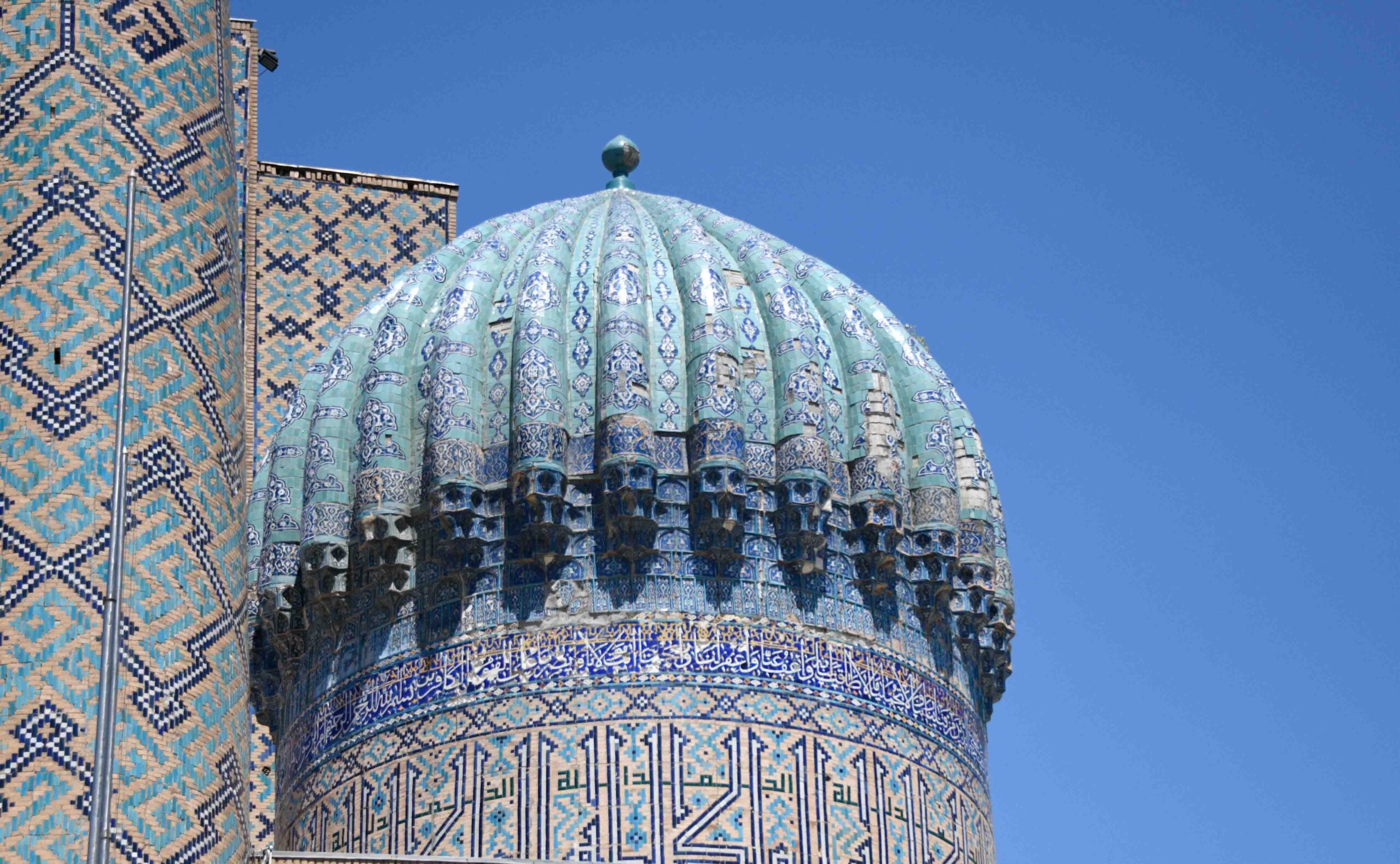
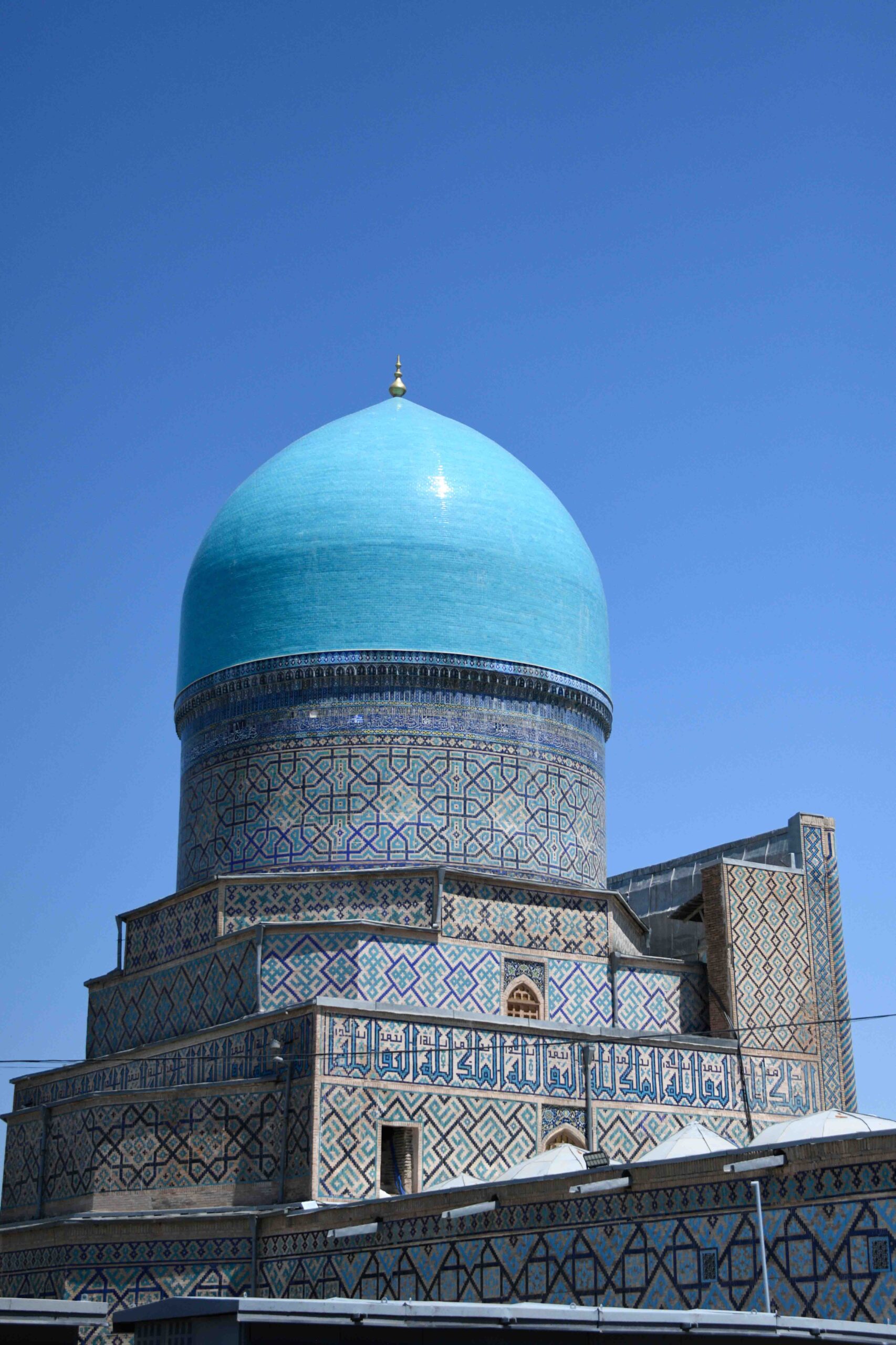
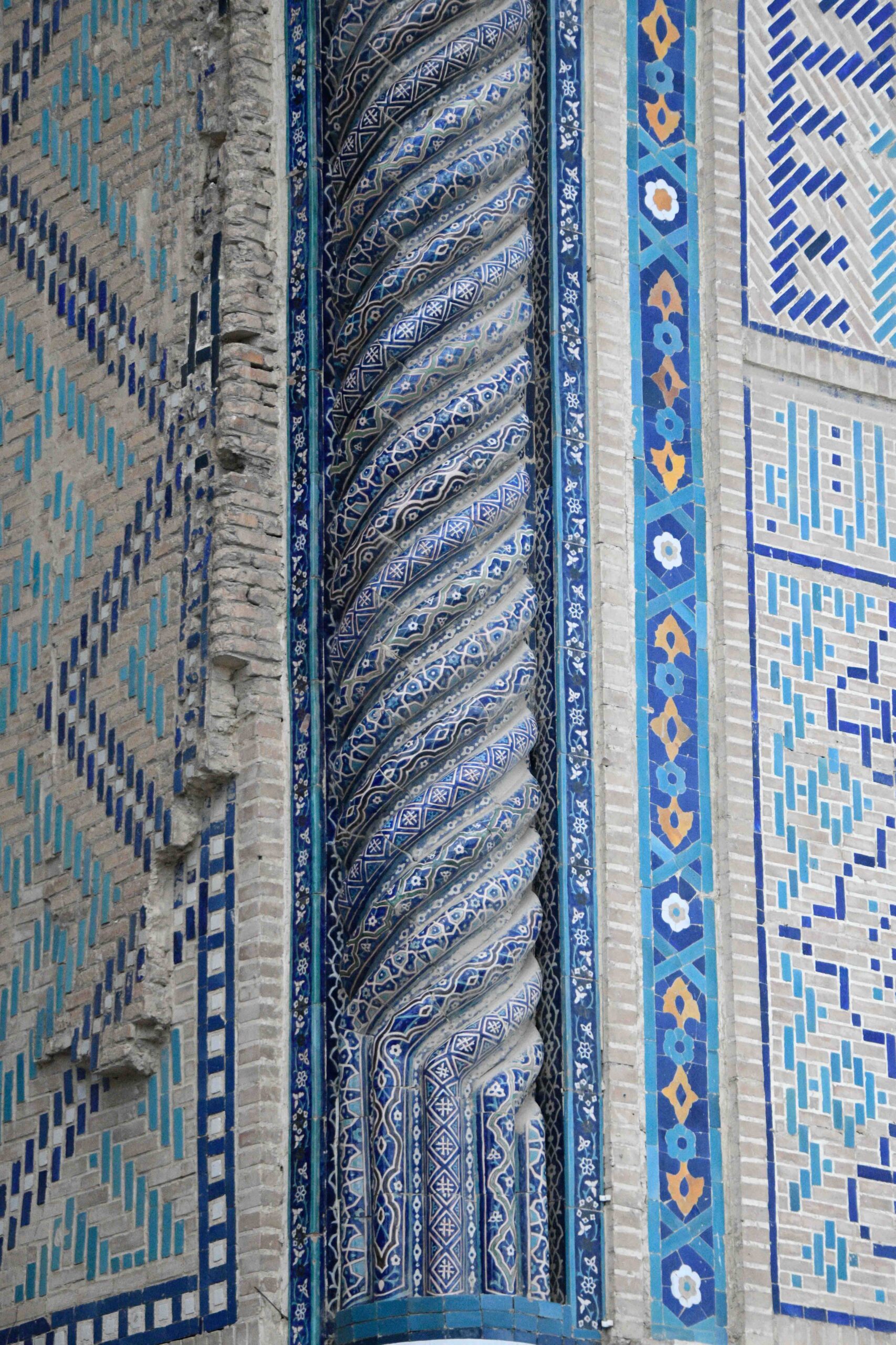
Around and about
*
*
*
*
Mausoleum of Shaybanids
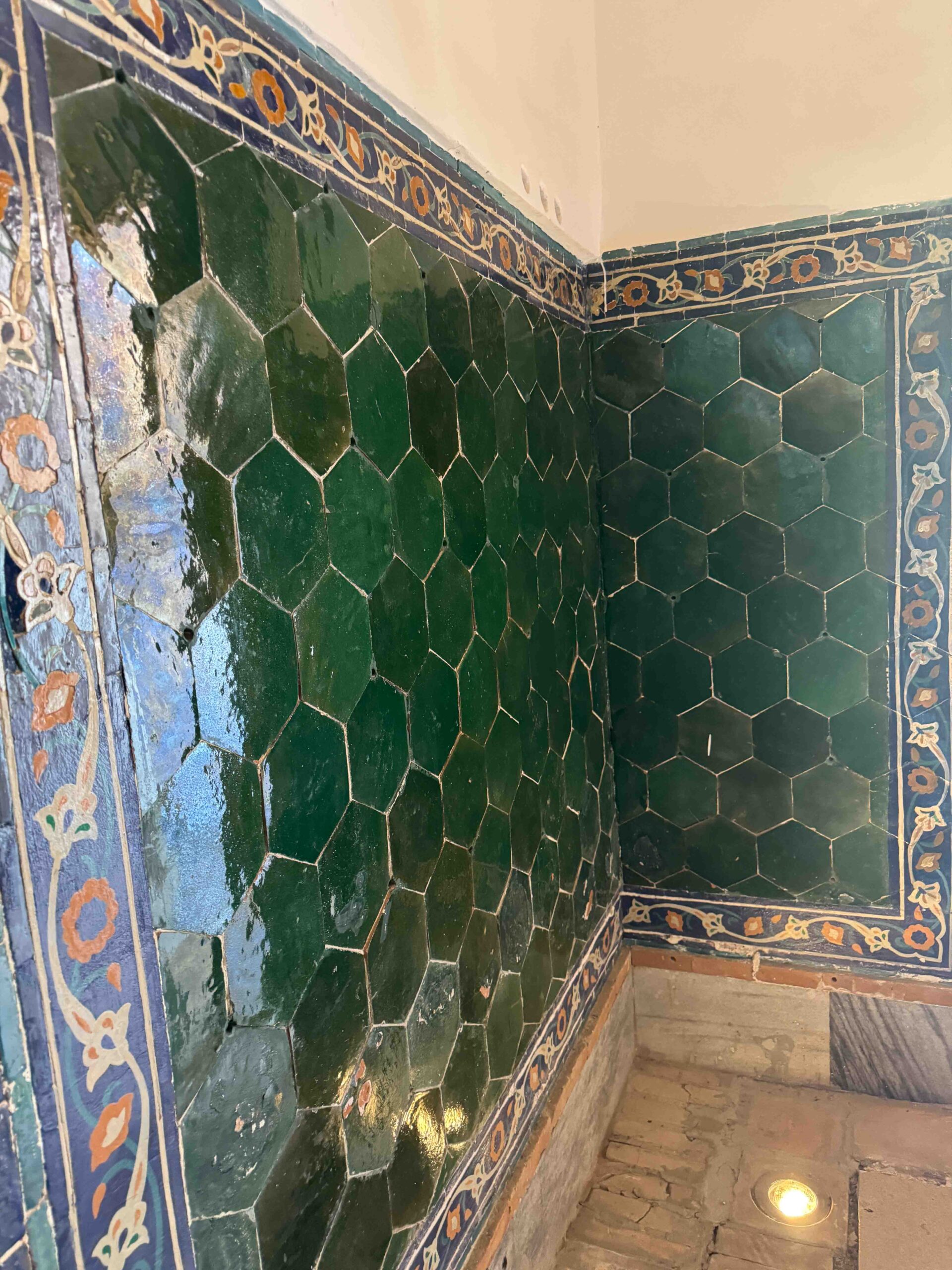
The Mausoleum of Shaybanids is off in a small corner by itself and easy to miss.
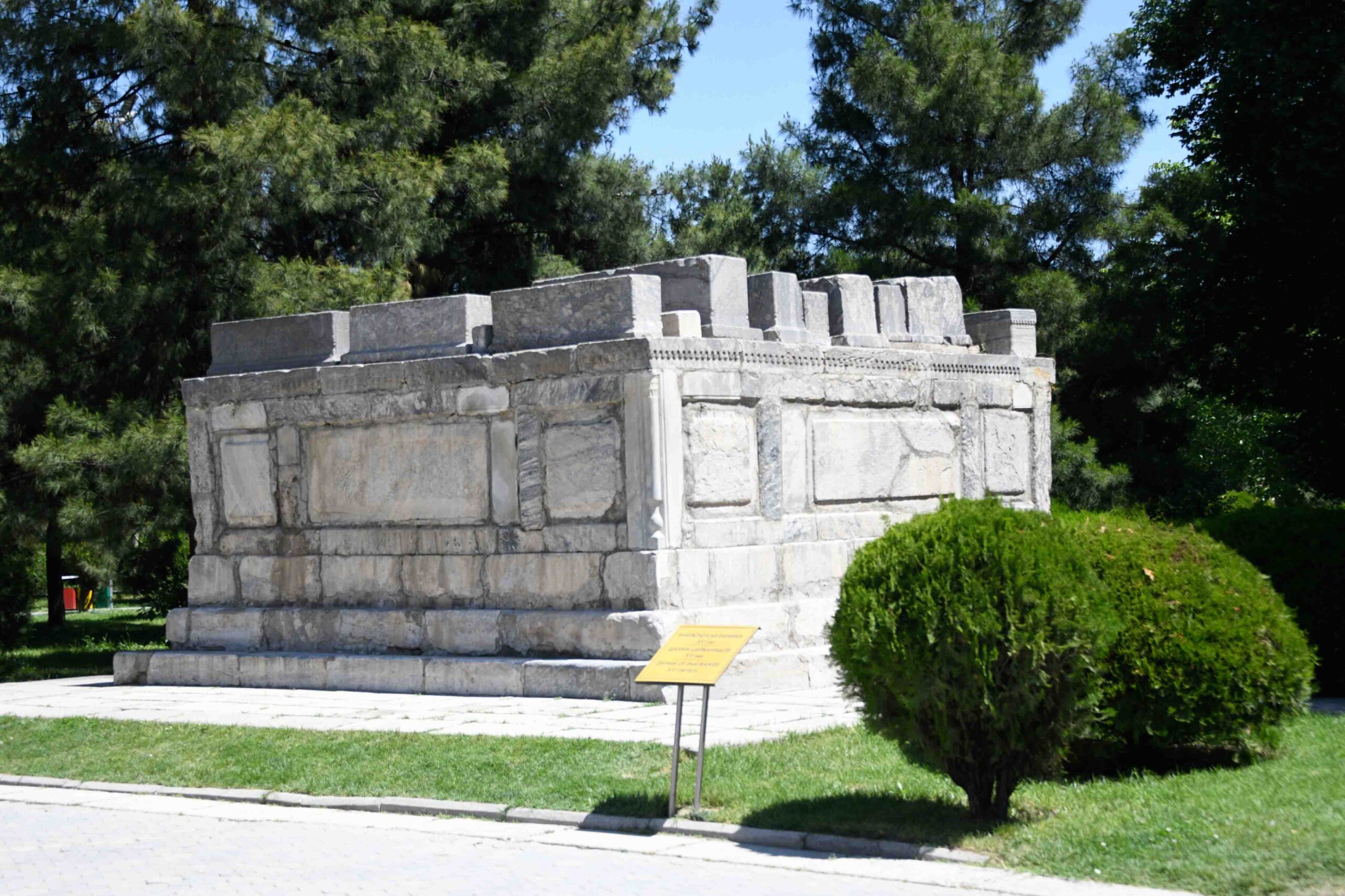
Shaybani’s hut was built in the 16th century and holds the representatives of the Shaybani Uzbek dynasty.