May 2026
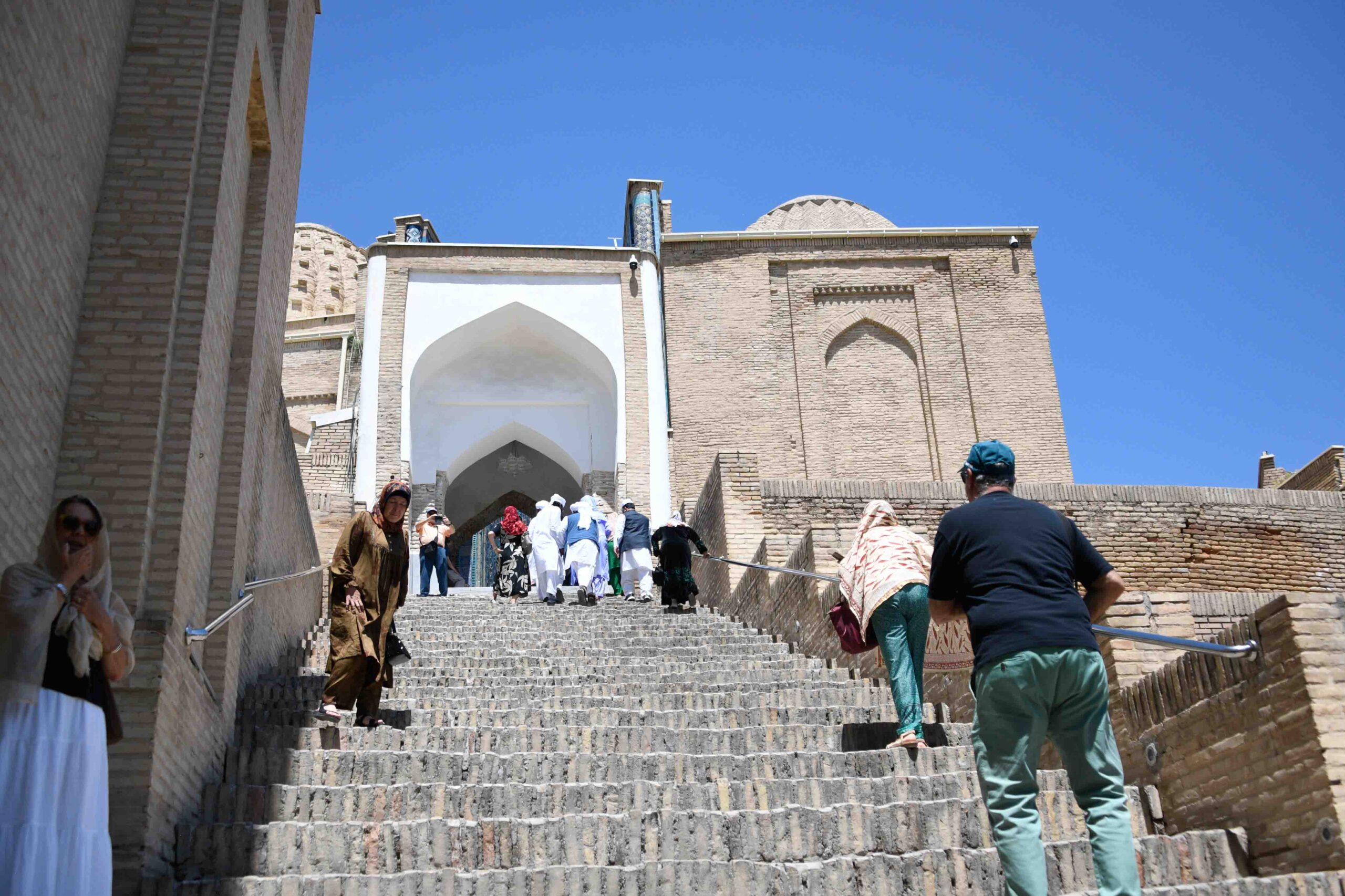
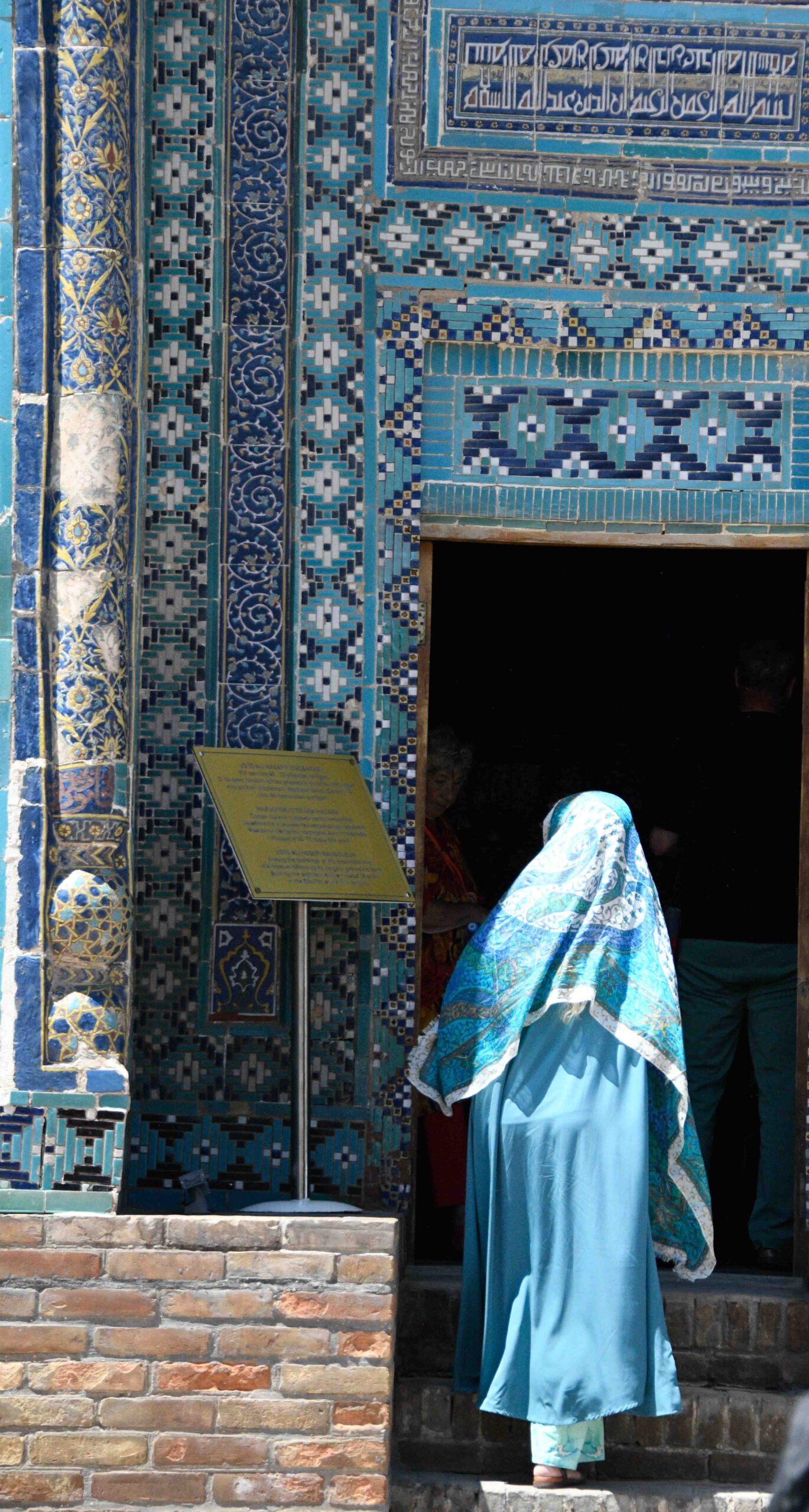
The Shah-i-Zinda Ensemble includes mausoleums and other ritual buildings of the 11th – 15th and 19th centuries. The name Shah-i-Zinda (lit. ‘the Living King‘) is connected with the legend that Qutham ibn Abbas, a cousin of Muhammad, is buried here. He came to Samarkand with the Arab invasion in the 7th century to preach Islam. According to one legend, he was decapitated during prayer, picked up his severed head, and walked to the deep well known as the Garden of Paradise, where he resides to this day.
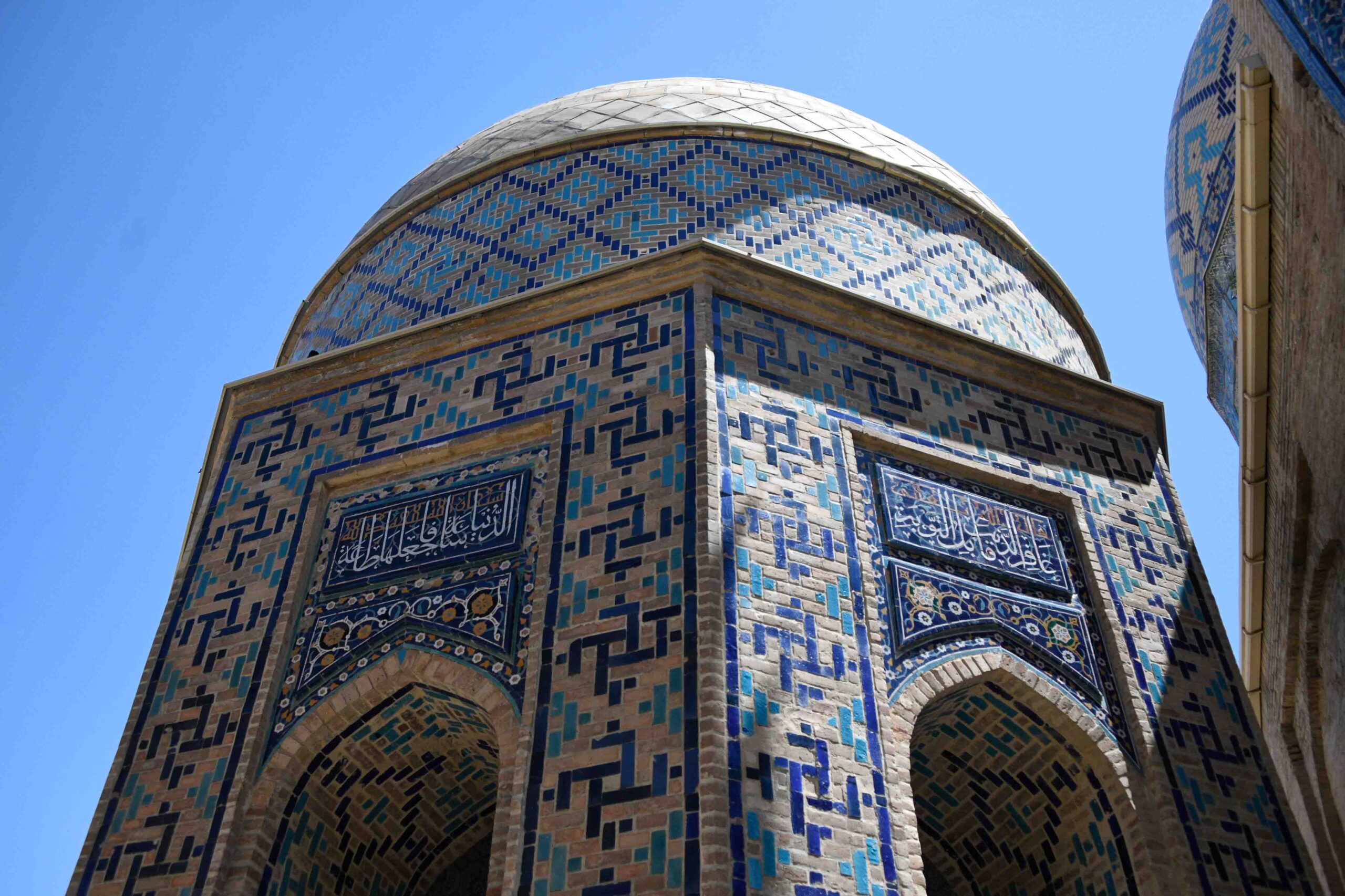
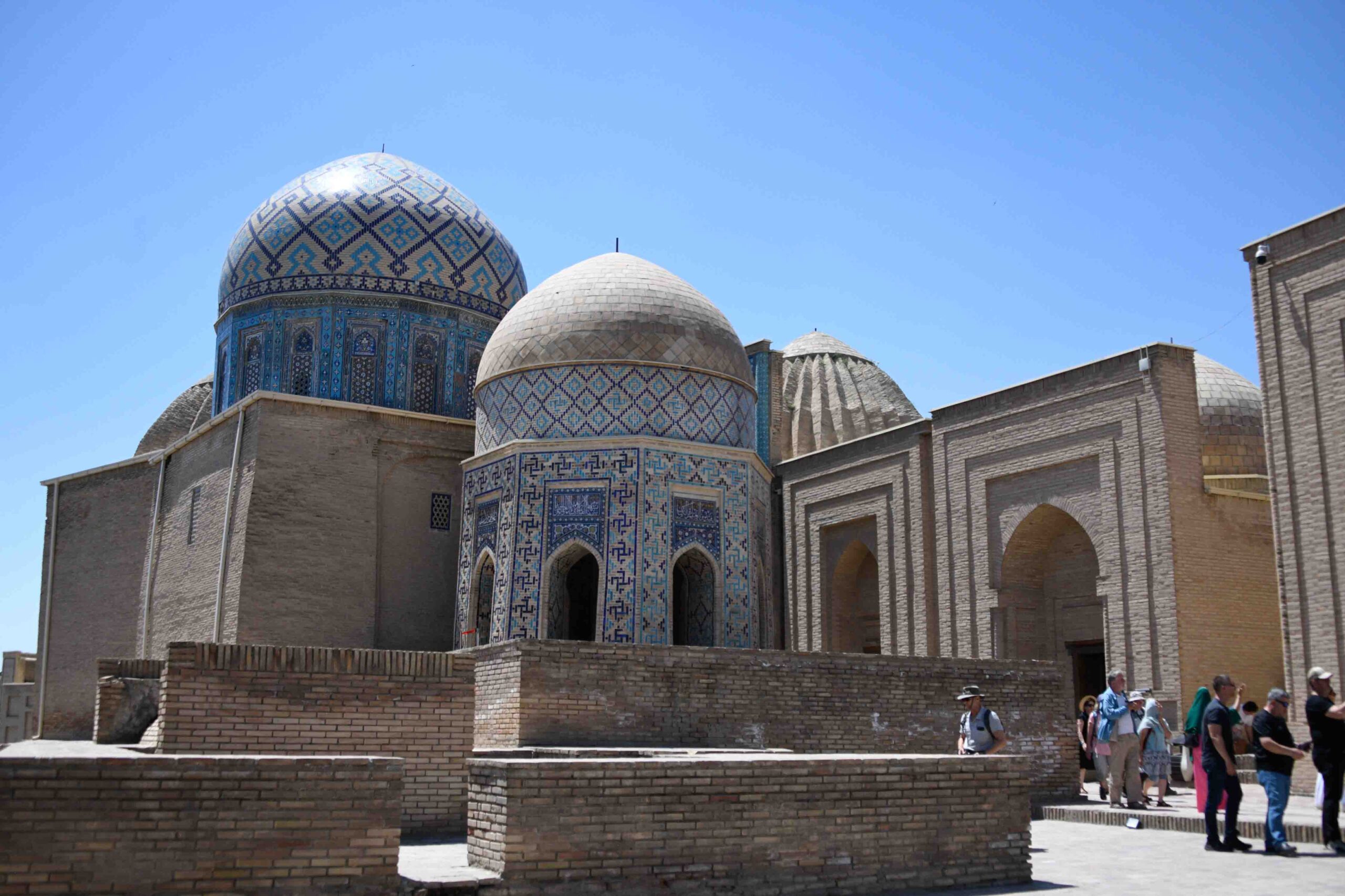
The Shah-i-Zinda complex was formed over eight centuries, from the 11th to the 19th, and now includes more than twenty buildings.
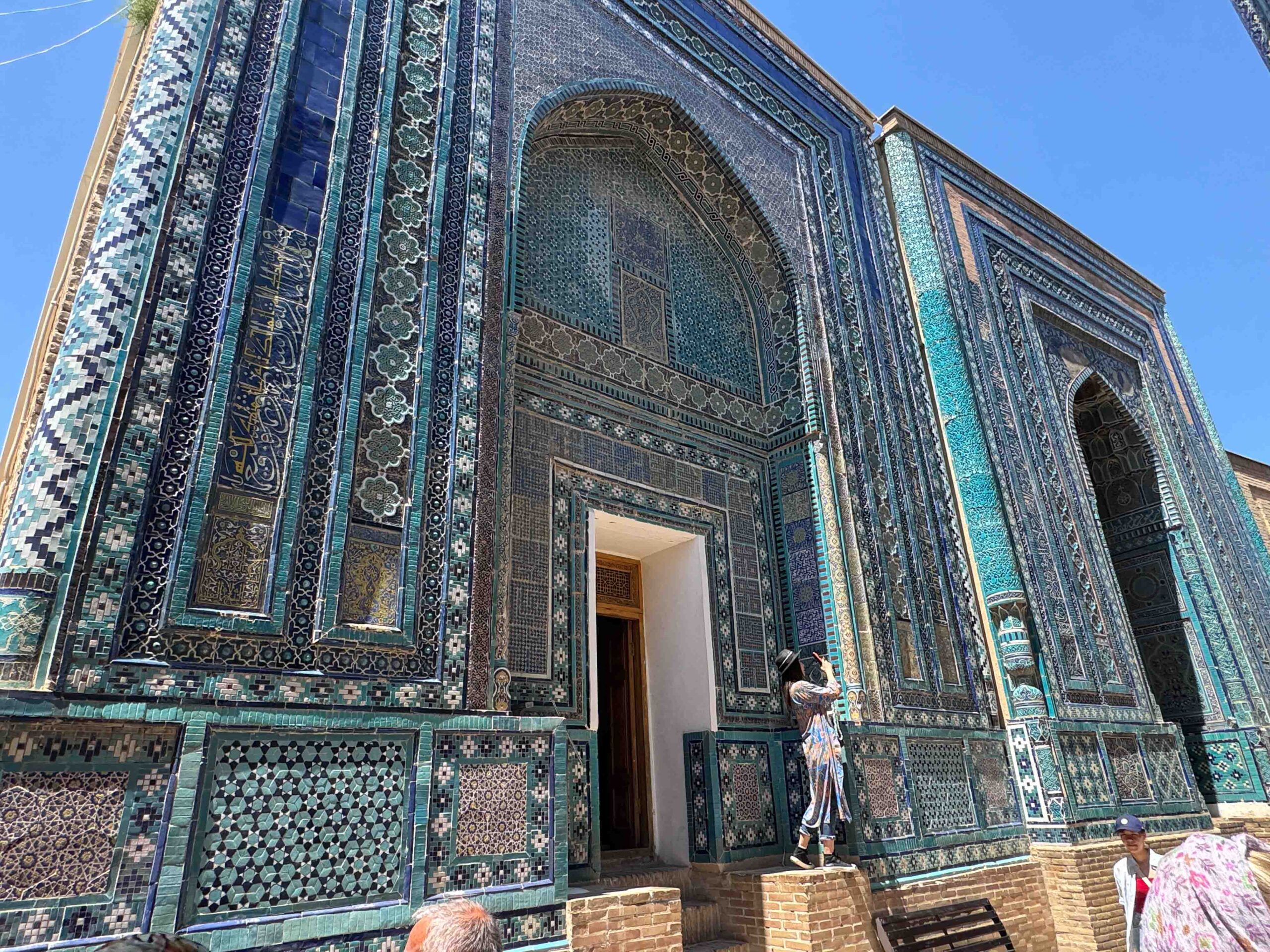
These tombs were meant for Timur’s close circle, although there is only an indirect connection to Timur. Most of its patrons were Timurid princesses, wives, and sisters of the ruler, who built their family tombs around the shrine of Qutham ibn Abbas.
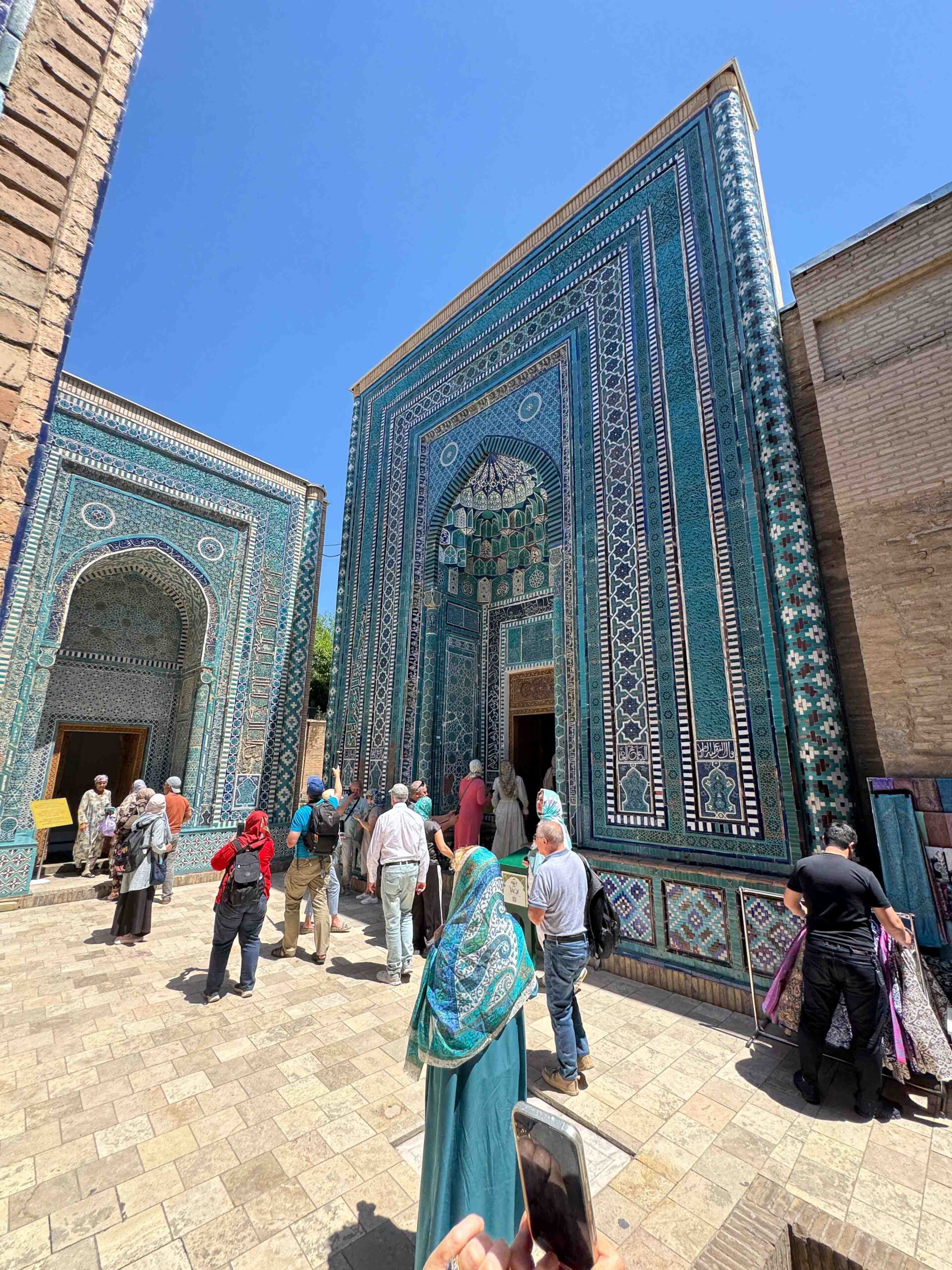
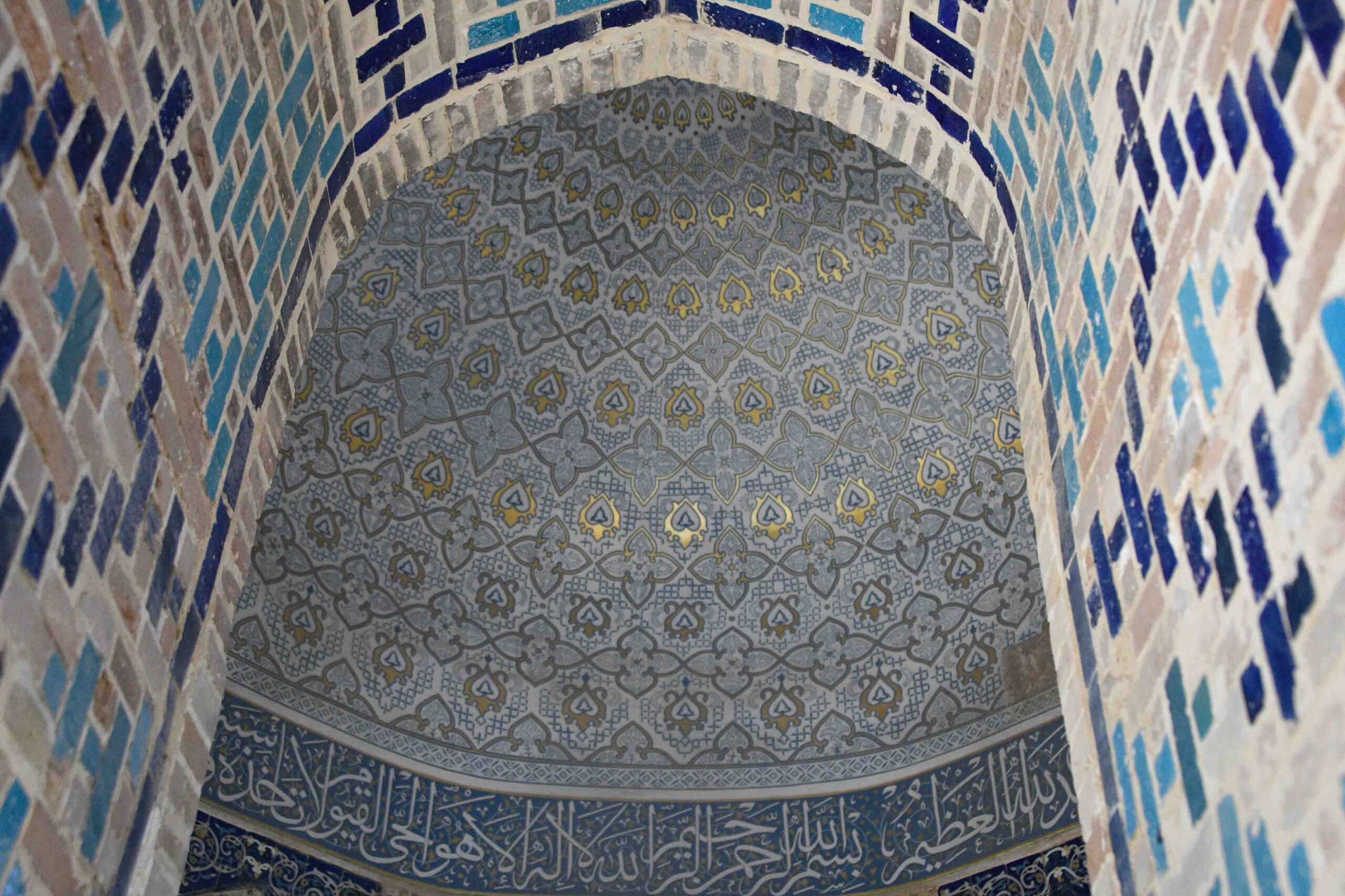
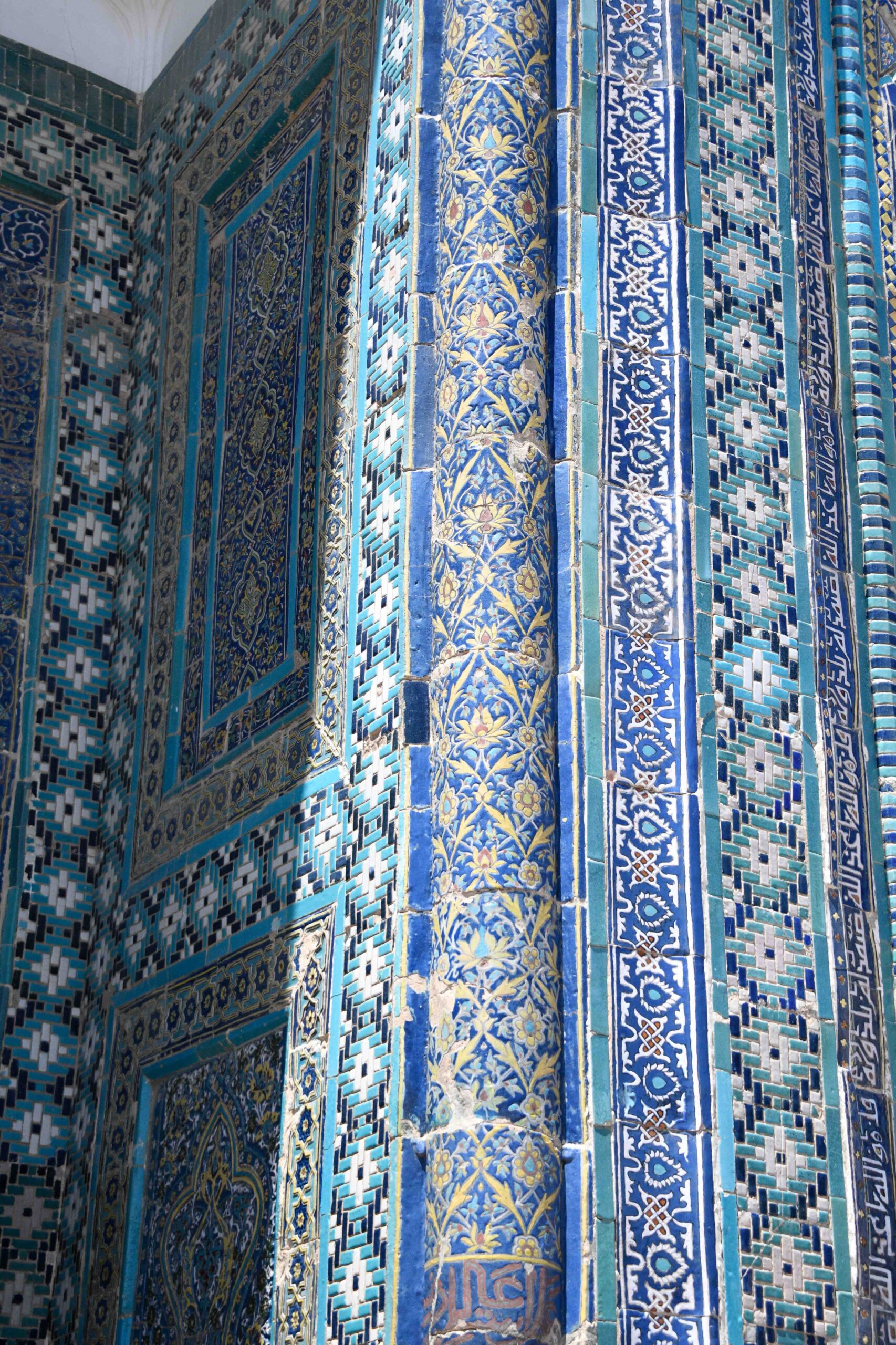
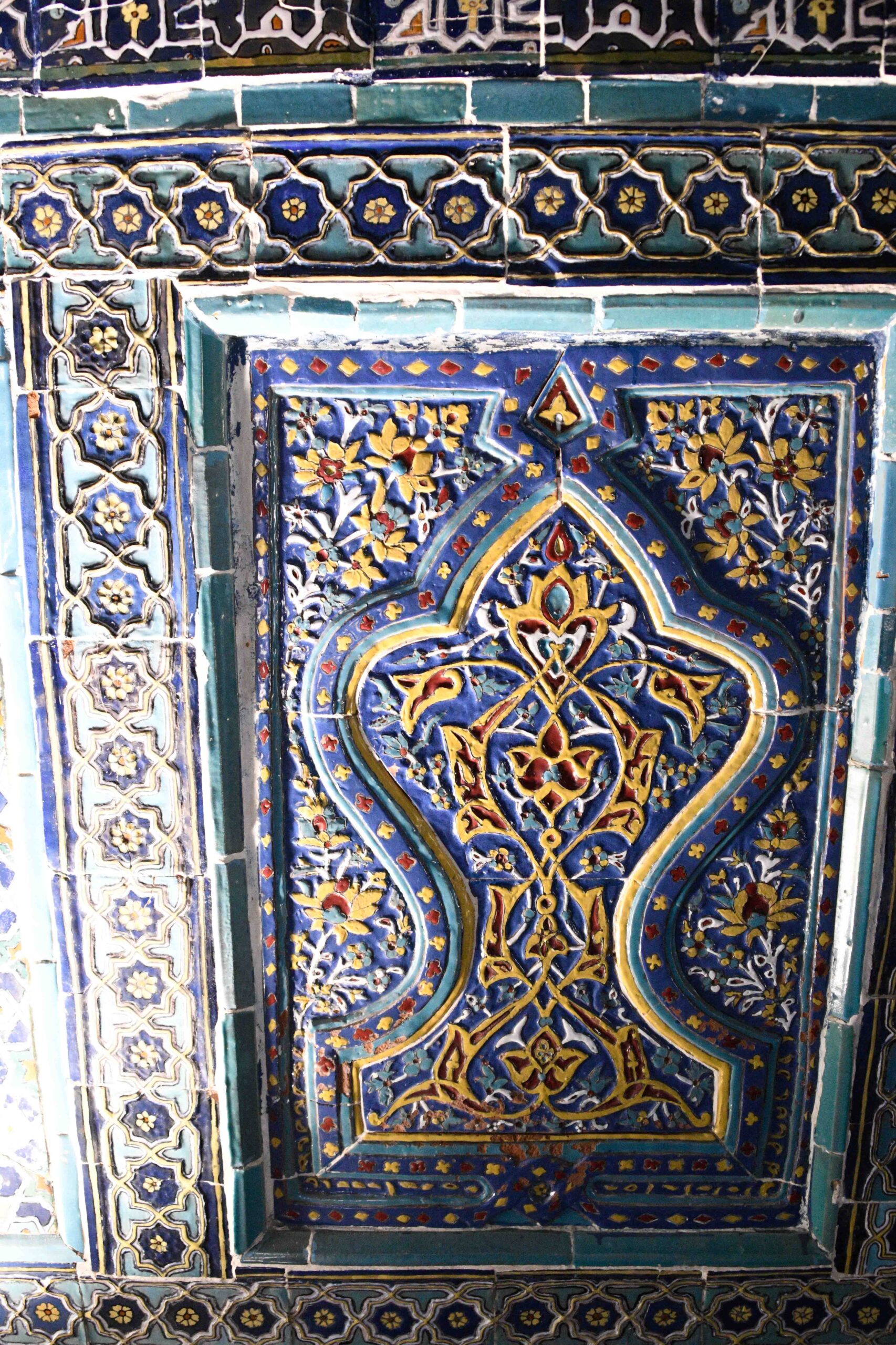
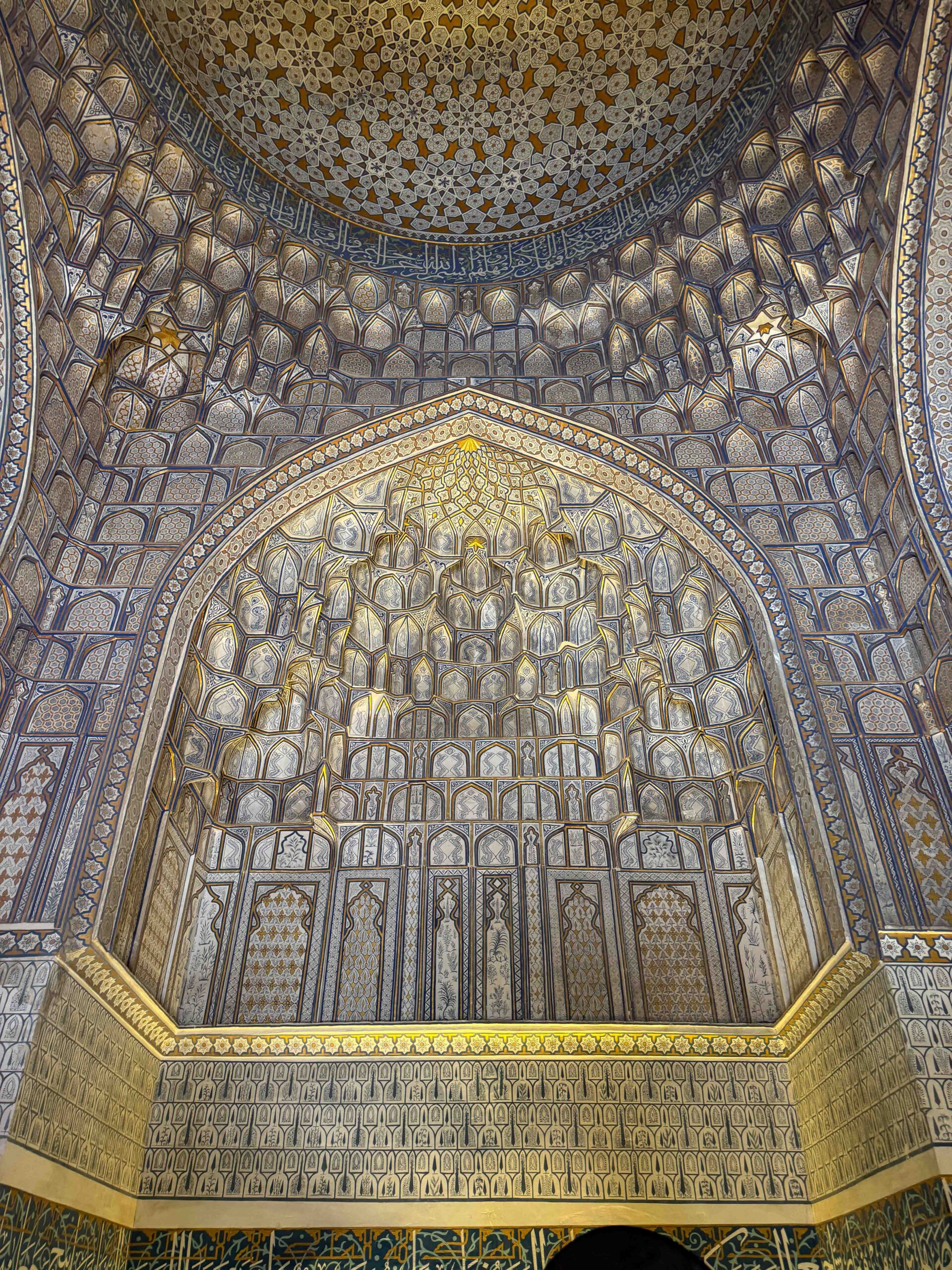
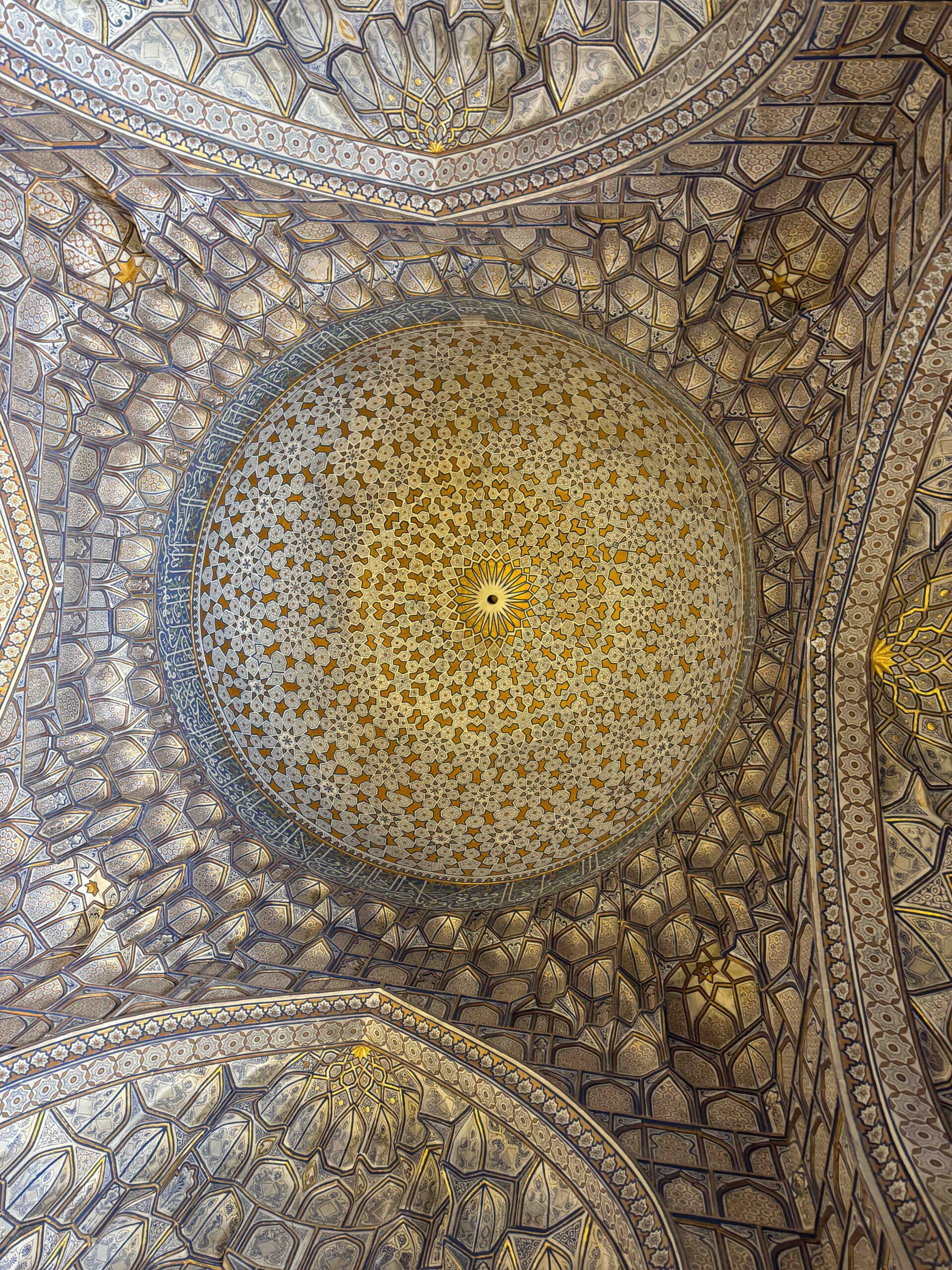
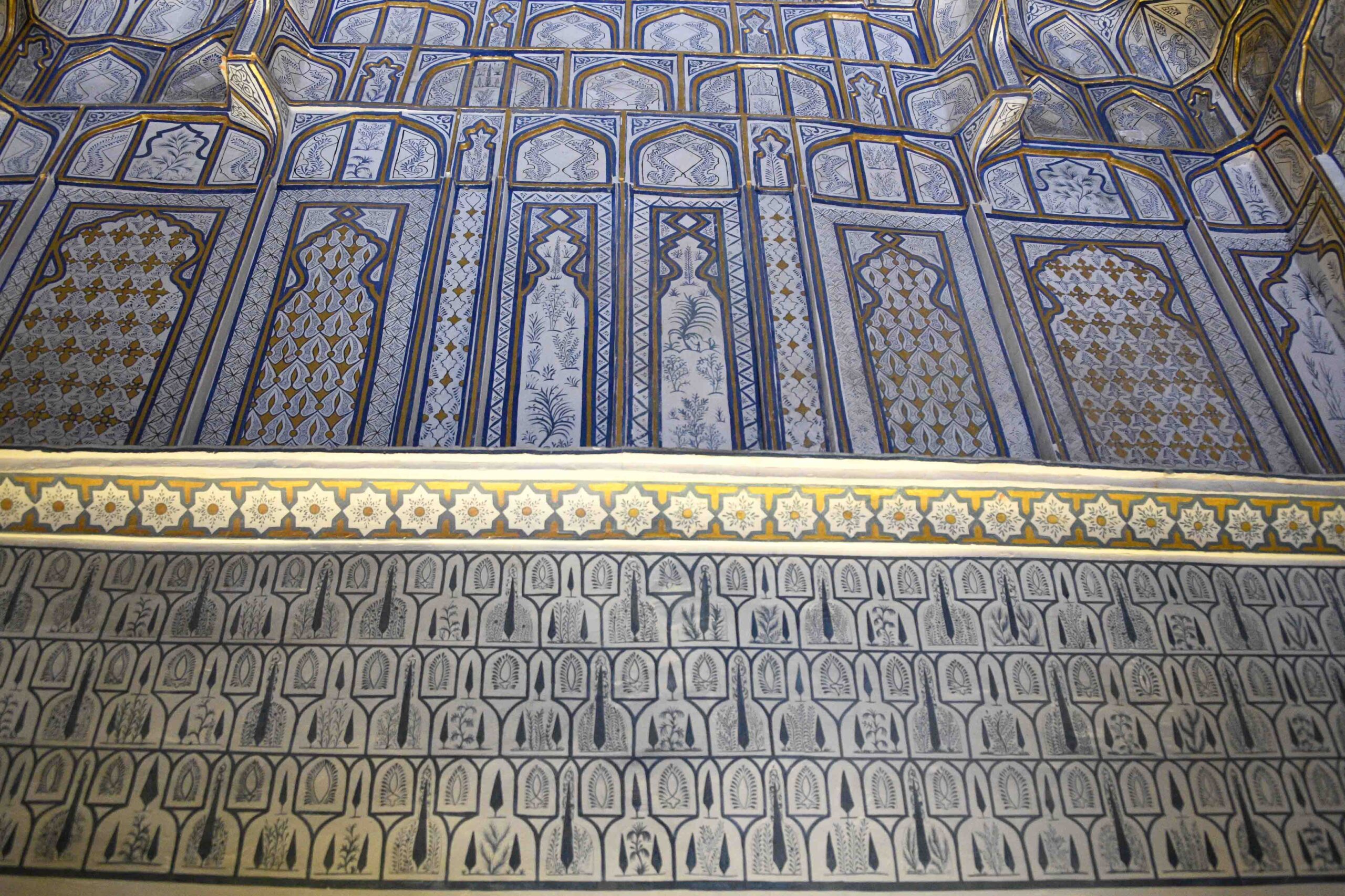
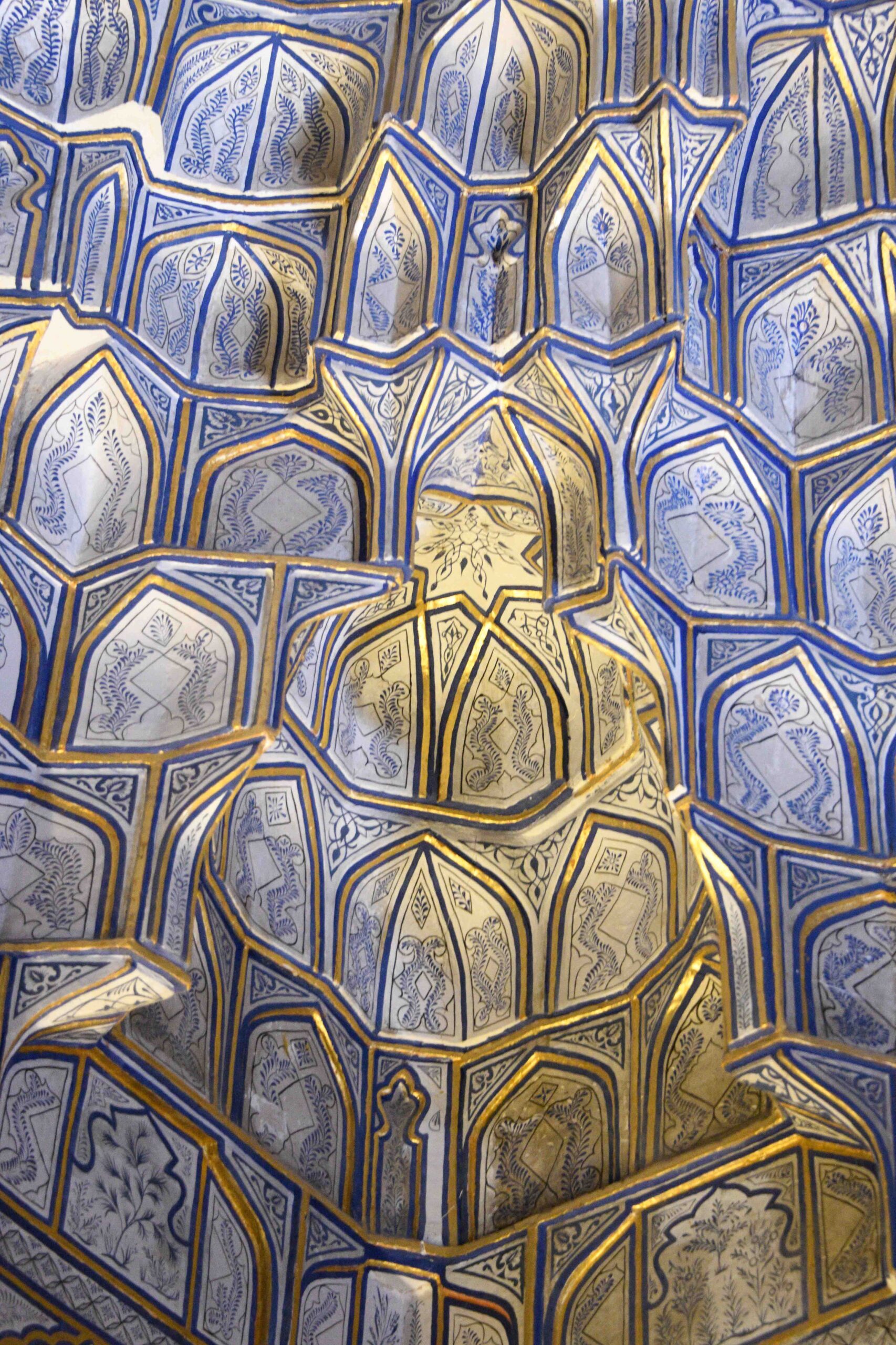
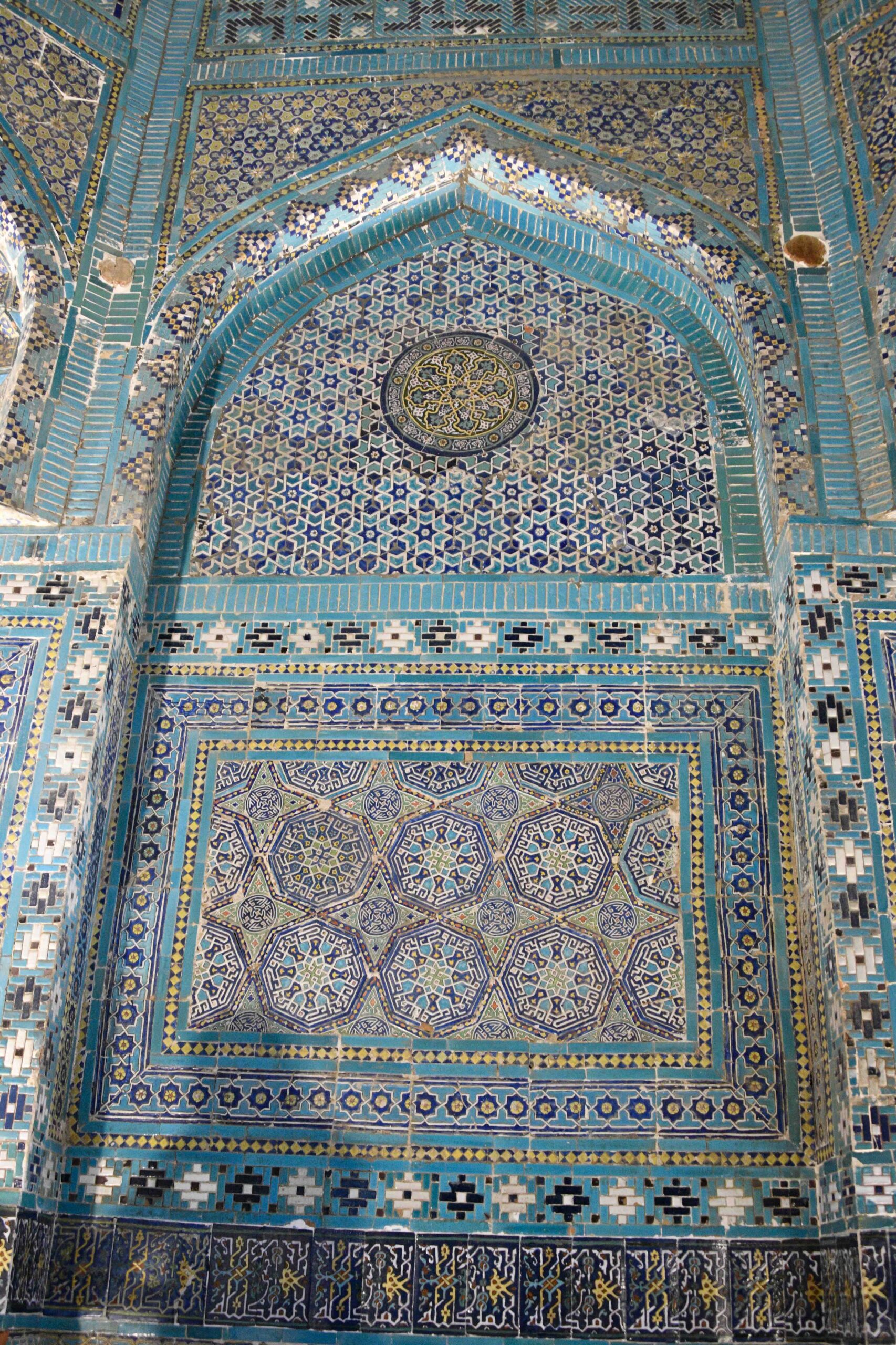
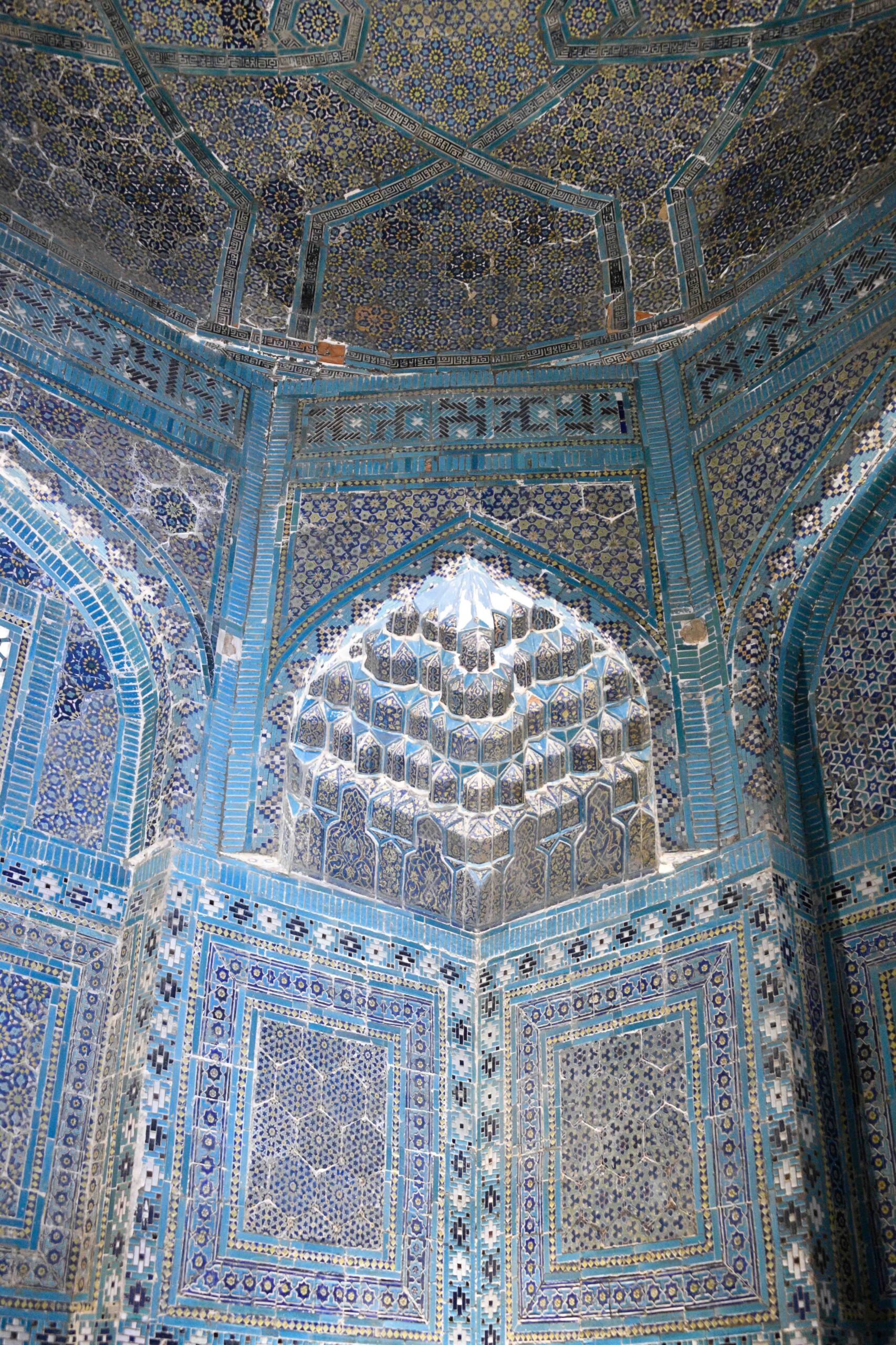
The architectural significance of Shah-i-Zinda lies in its intricate design and masterful construction, reflecting the pinnacle of Timurid artistry. This necropolis showcases a variety of architectural styles that intertwine Islamic and Persian influences.
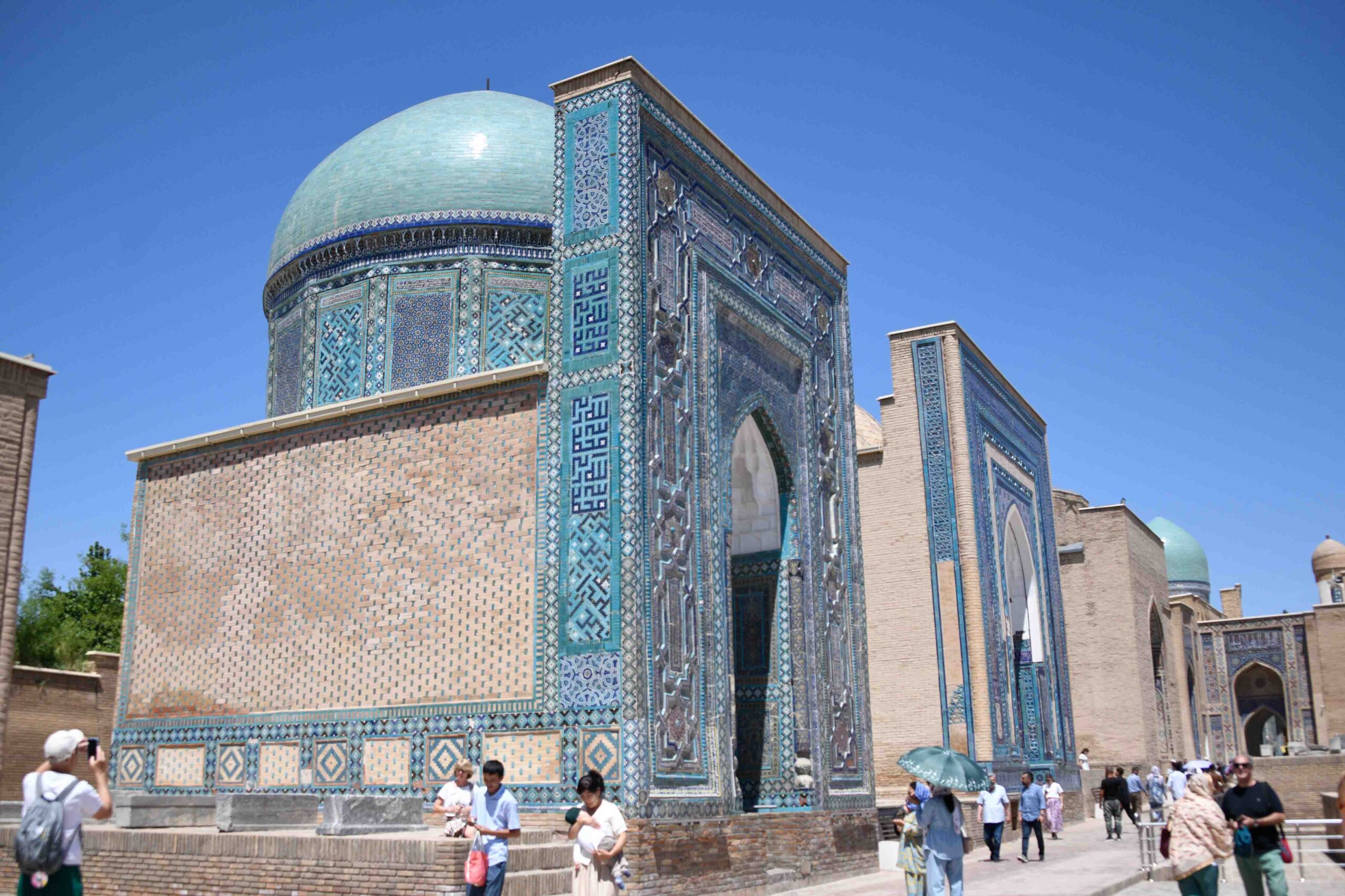
The domes of Shah-i-Zinda are another architectural focal point. Many of the mausoleums feature onion-shaped domes. These domes are not just functional; they serve a symbolic purpose, representing the connection between the earthly realm and the divine. The craftsmanship involved in creating these domes demonstrates the advanced engineering techniques of the time, which enabled their large scale and ornate finishes.
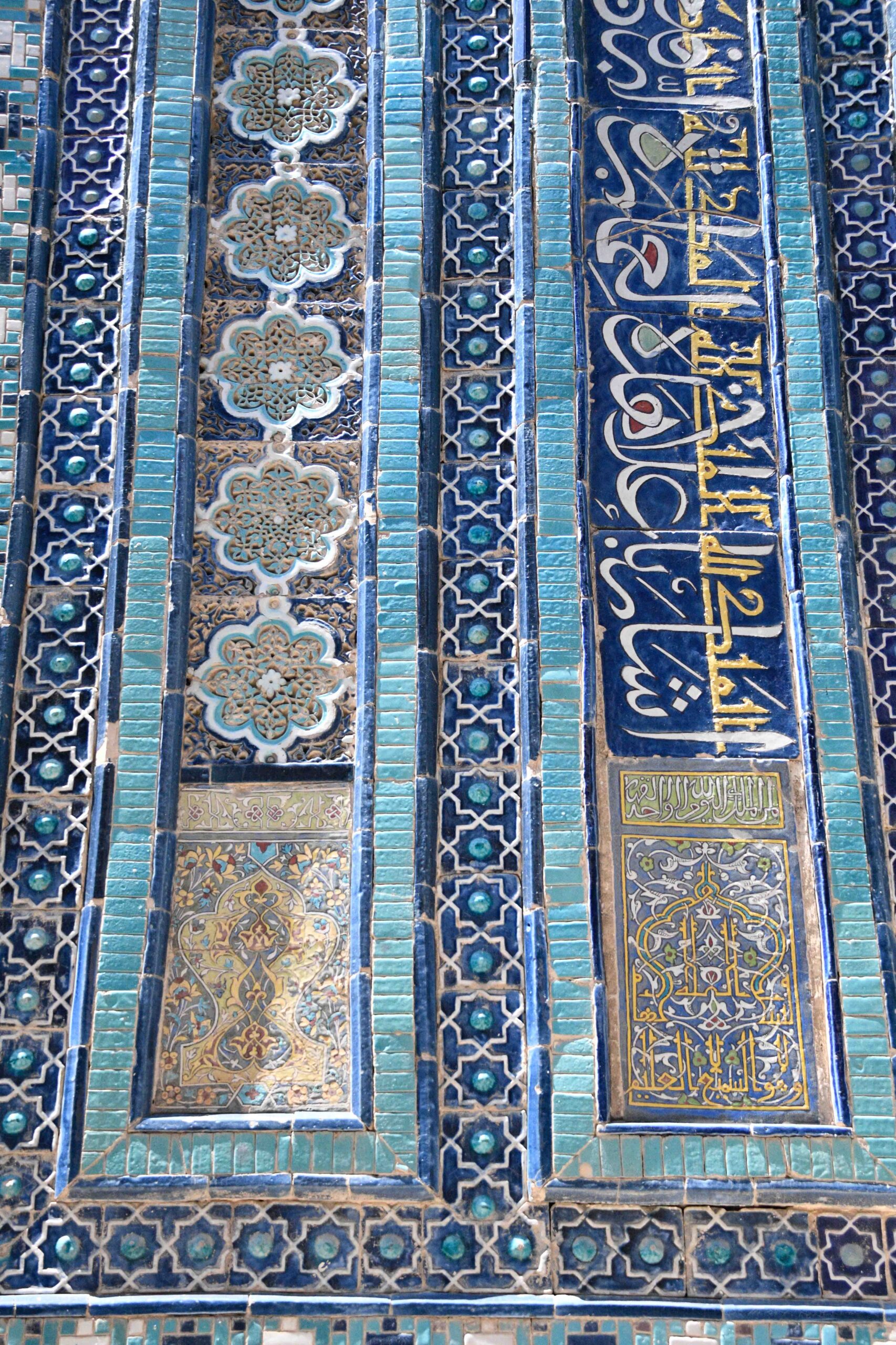
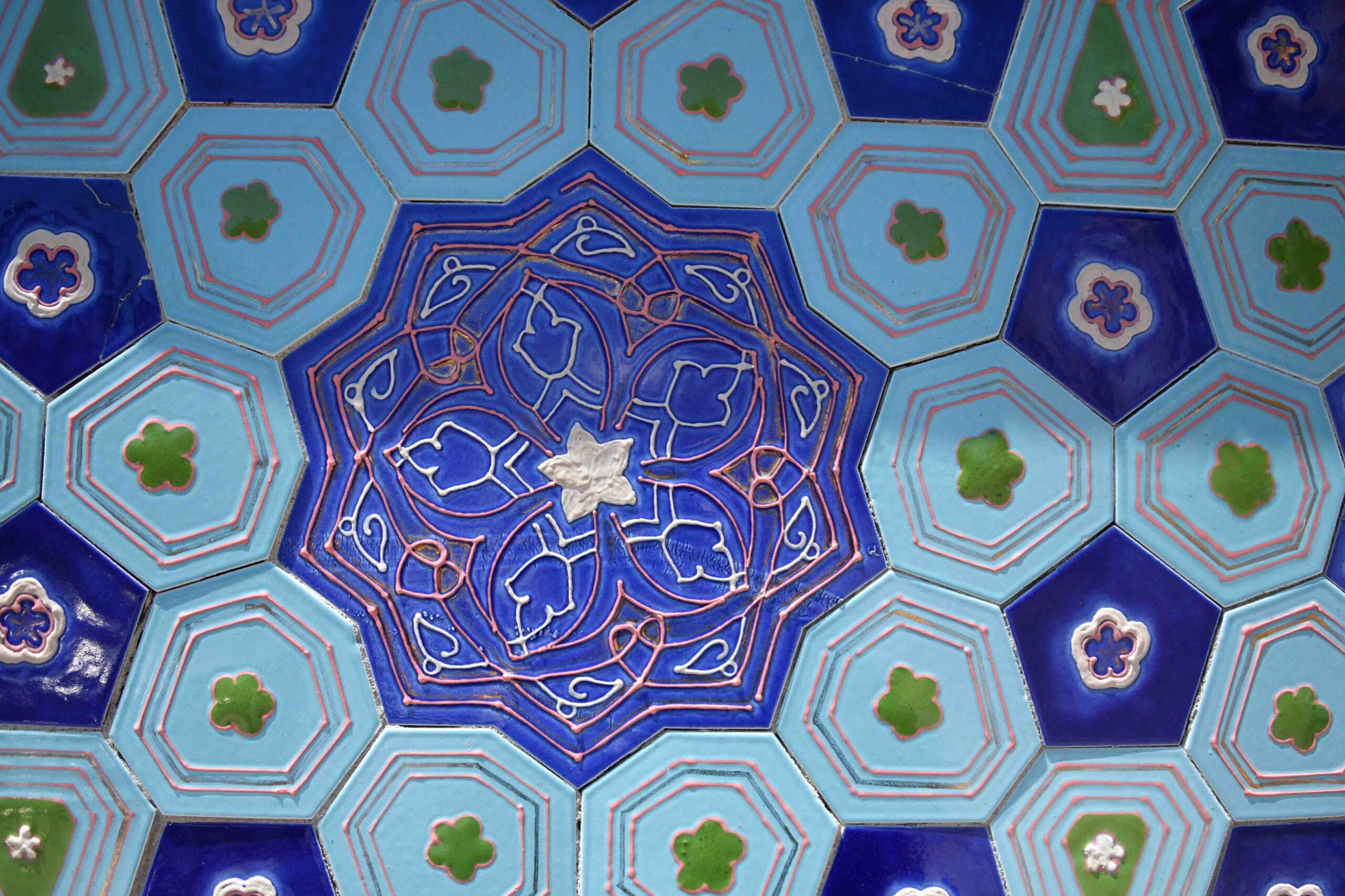
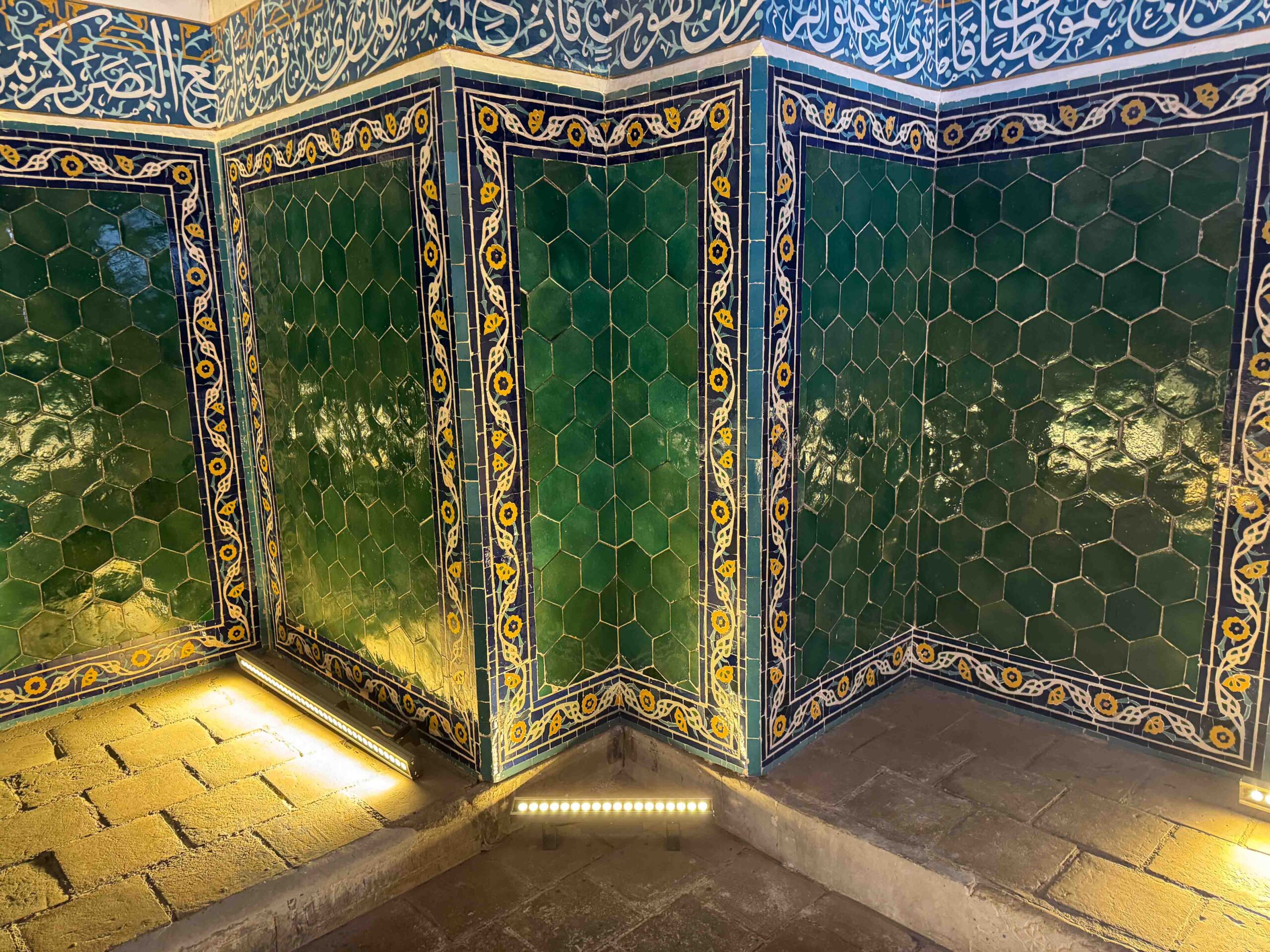
At this point, one becomes overwhelmed with the fact that so much of the beauty of Uzbekistan lies in the blue tiles.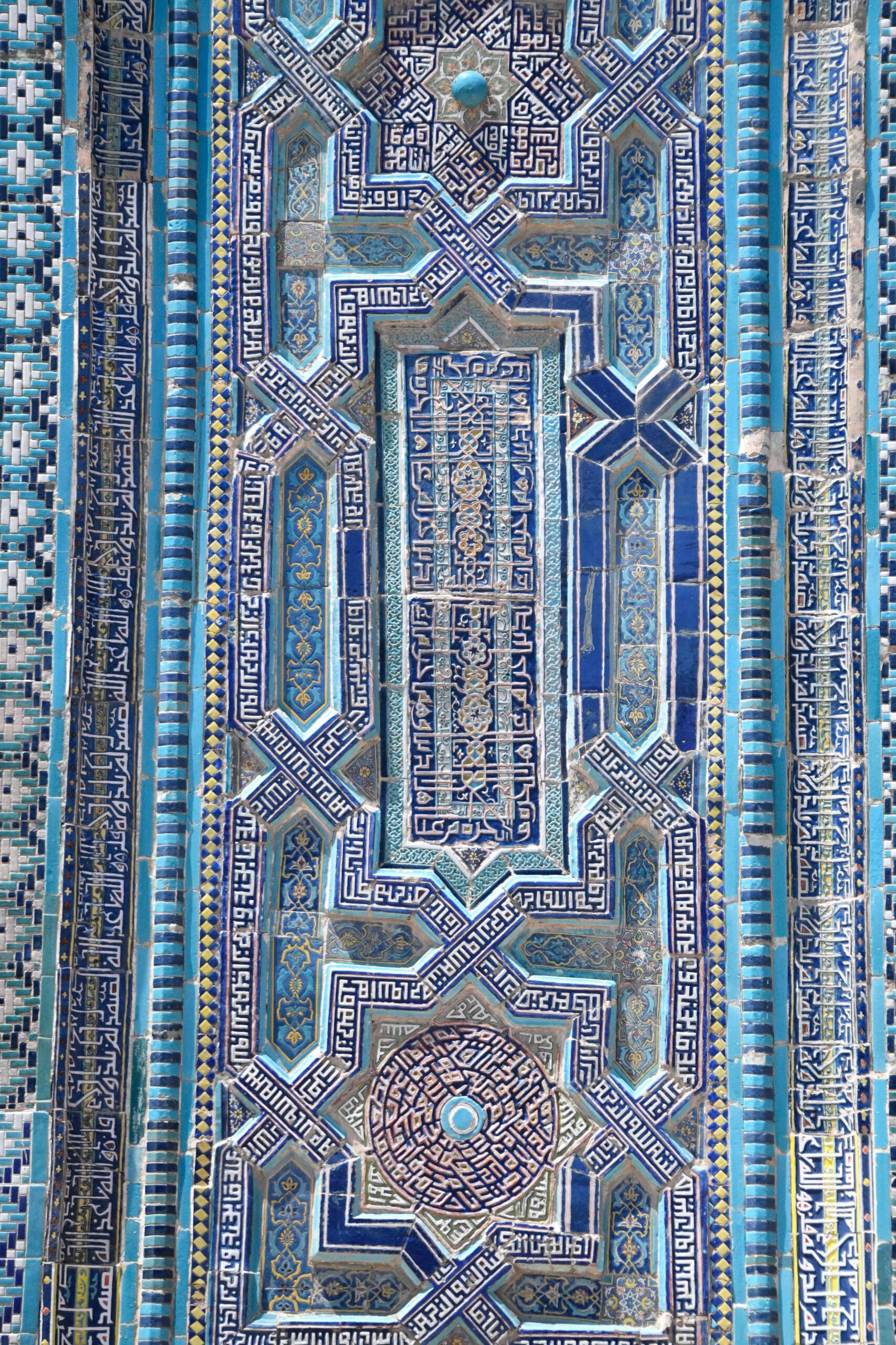
*
*
*
*
*
*
*
*
* *
*
*
*
*
*