September 2025
The 10th
The 10th is called Entrepôt. The arrondissement once contained the central customs warehouse on rue Léon-Jouhaux. This depot processed goods entering the capital and shaped the area’s working-class identity.
The 10th is home to Gare du Nord and Gare de l’Est, so many people pass through the arrondissement even if they don’t stick around. The Canal Saint Martin, however, is a reason to hang around.
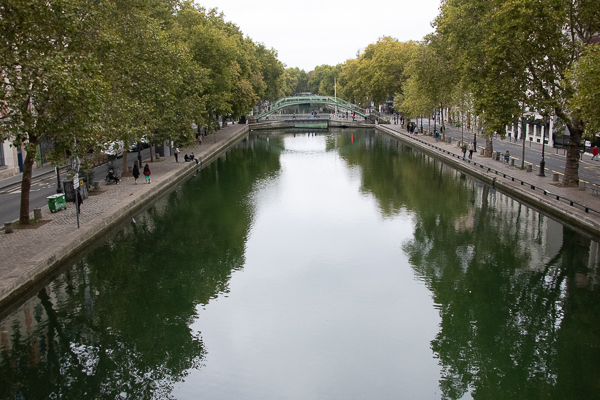
Constructed in the early 19th century under Napoleon Bonaparte’s orders (apparently paid for by a new tax on wine), Canal Saint Martin was initially designed to supply Paris with fresh water and facilitate the transportation of goods. The Canal connects the Canal de l’Ourcq to the river Seine.
Nearly half its length was covered in the mid-19th century to create wide boulevards and public spaces.
The canal is drained and cleaned every 10–15 years, revealing hundreds of tons of discarded objects.
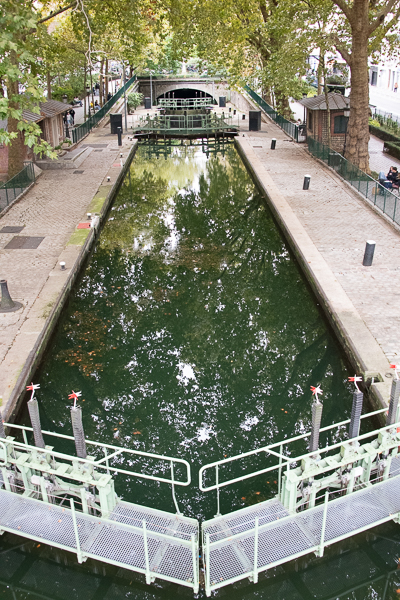
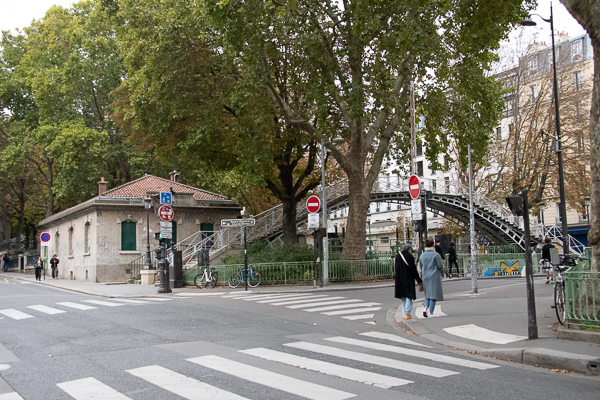
The canal’s 82-foot drop is navigated through a series of nine locks and two swing bridges, which adjust to the gradual slope of the terrain.
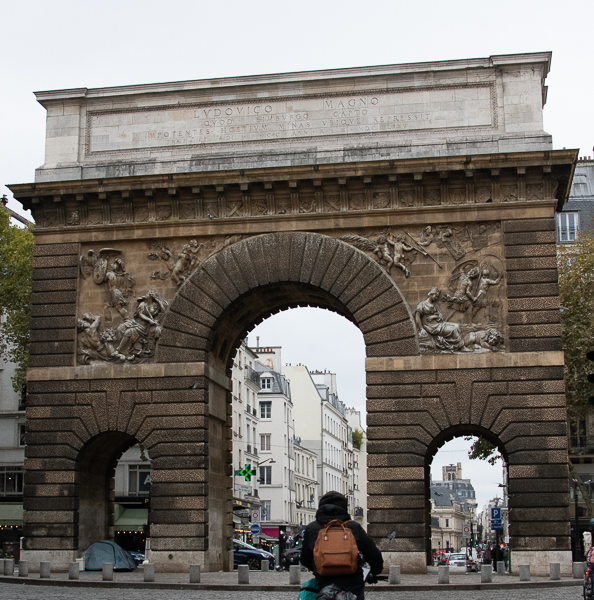
Porte Saint-Martin was designed by architect Pierre Bullet on the order of Louis XIV in honor of his victories on the Rhine and in Franche-Comté. Built in 1674, it replaced a medieval gate in the city walls constructed by Charles V. The gate was restored in 1988.
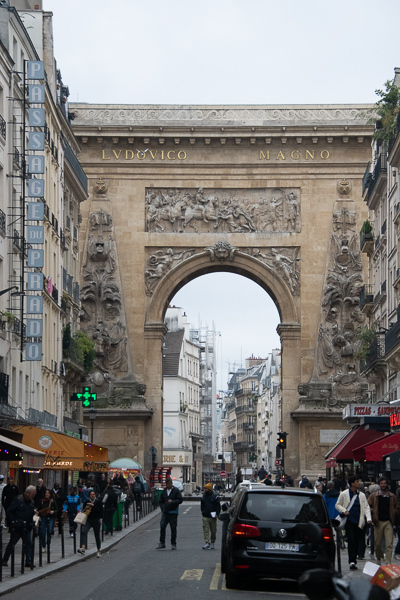
Not far from Porte Saint Martin is Porte Saint Denis. The Porte Saint-Denis was originally a gateway through the Wall of Charles V, which was built between 1356 and 1383 to protect the Right Bank of Paris. The walls were eventually partly torn down in the 1640s to make way for the larger and more fortified Louis XIII Wall. In the 1670s, the remaining walls of Charles V were entirely demolished when Paris spread beyond the confines of its medieval boundaries.
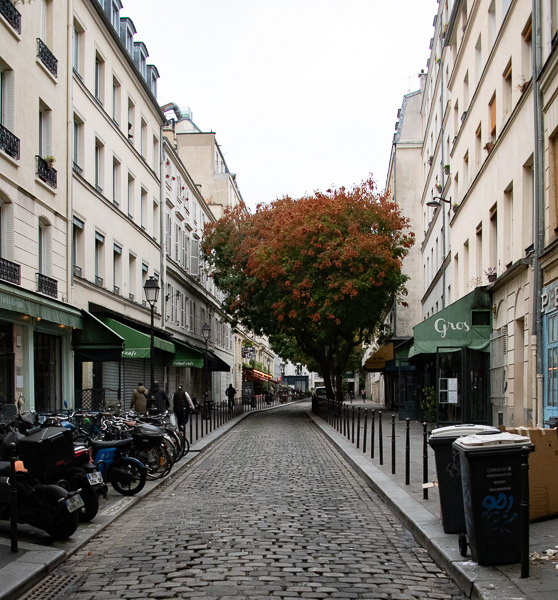
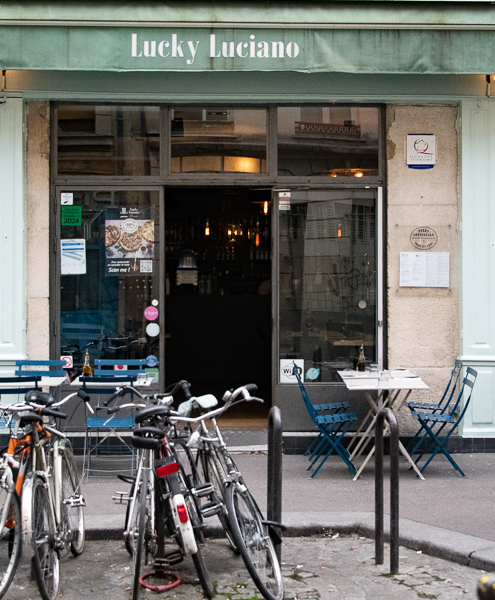
Just down the street from Porte Saint Denis is Cour des Petites Écuries, which translates to the courtyard of the little stables. Constructed in 1769, and by its name, I assume you have figured out that horses were stabled here. Following the industrialisation of Paris, the street was transformed into a street lined with restaurants and pubs. It was morning and quiet when I walked through, but I did get a kick out of this one restaurant.
*
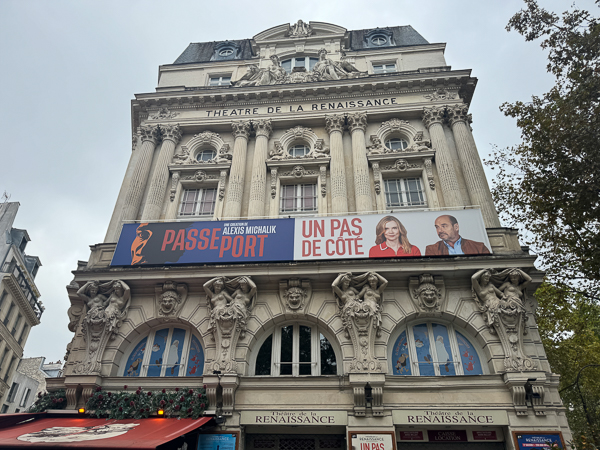
This gorgeous building stopped me in my tracks. Charles de Lalande designed this ‘théâtre à l’italienne’. It opened in 1873 with La Femme de feu by Adolphe Belot. It is still a very active theater.
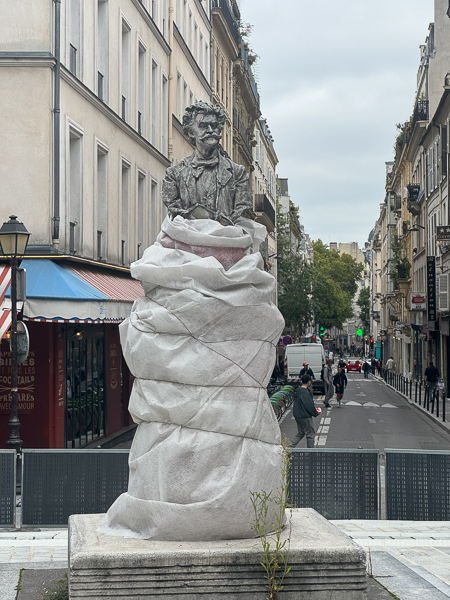
Place Johann Strauss was undergoing major work, but apparently they saw fit to make sure the man could view the work as it occurred.
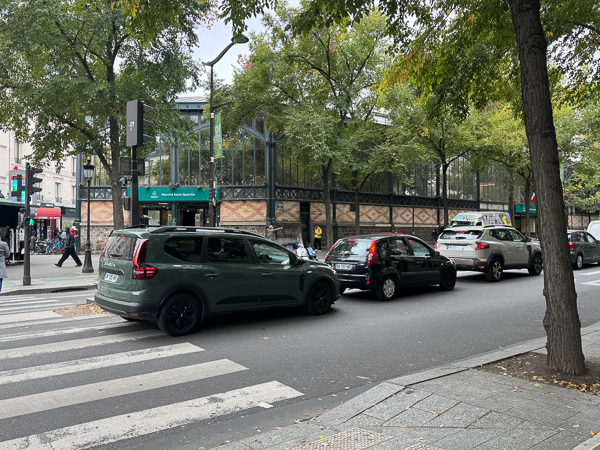
Marche Saint Quentin was built in 1866 to replace another market located further south. It is what one would expect of a covered market, just do not enter if you are hungry, it is filled with delicious aromas and food.
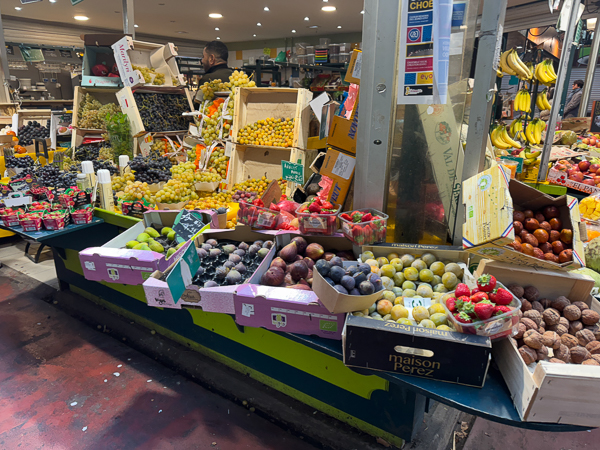
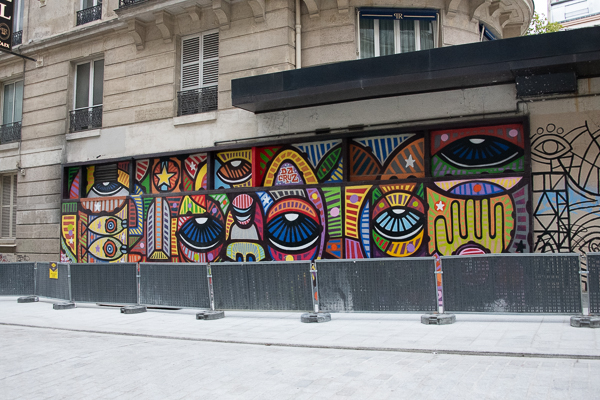
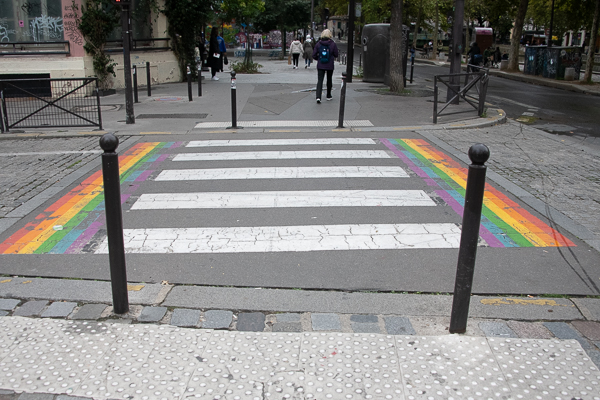
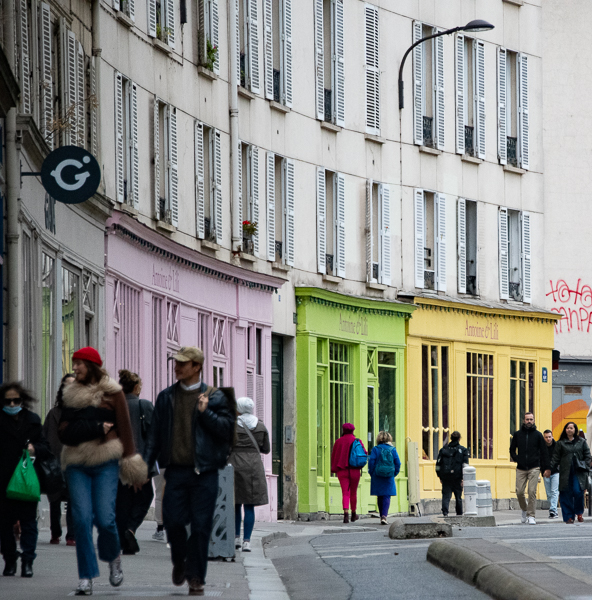
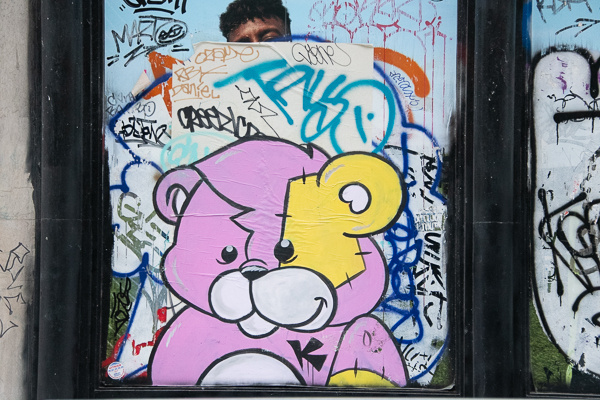
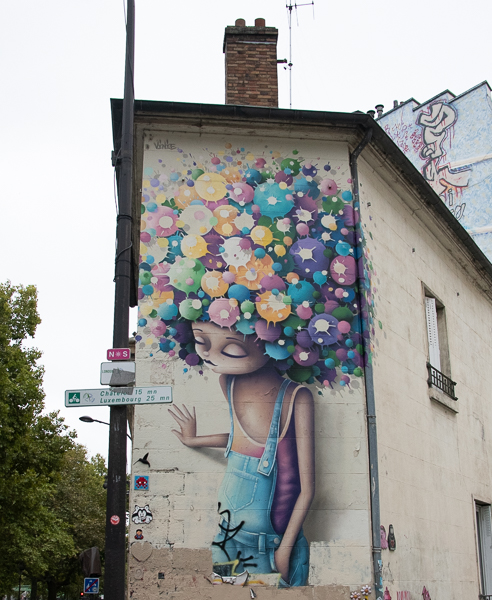
Some random shots around the 10th
*
* *
*
*
The 11th
The 11th called Popincourt. The name comes from Jean de Popincourt, president of the Parliament of Paris in the early 1400s. He built his manor here, and a hamlet grew around it.
The 11th is one of the most densely populated urban districts of any European city. The area is filled with very popular restaurants and nightclubs. On November 13, 2015, the arrondissement was the site (among others) of coordinated Islamic shootings and bombings, particularly at the Bataclan theatre.
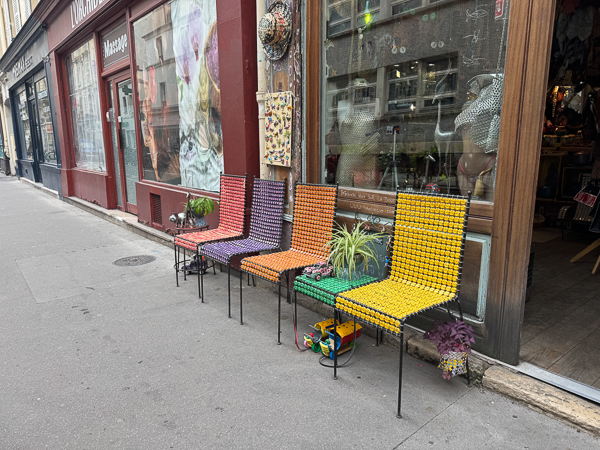
I have already written about the Circus in the 11th. The other two major attractions in the arrondissement are the Place de Bastille and the Place de la République.
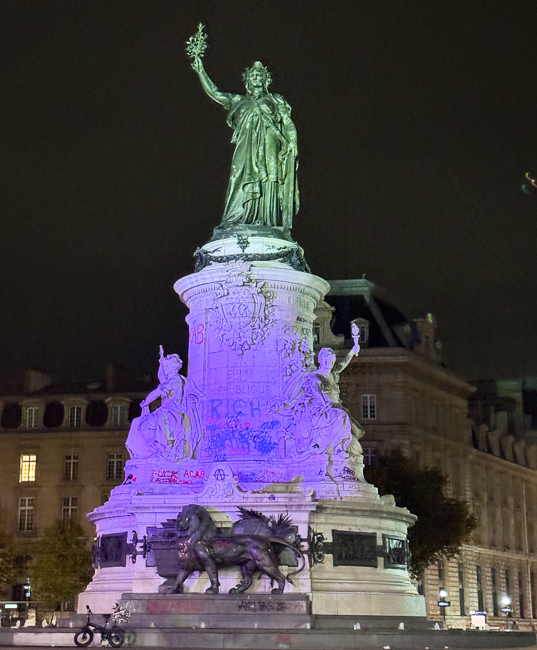
Place de la République was originally called the Place du Château d’Eau, named after a huge fountain designed by Pierre-Simon Girard and built on the site in 1811. In 1867, Gabriel Davioud built this fountain in the square, which (like the first fountain) is decorated with lions. The square took its current shape as part of Baron Hausmann’s vast renovation of Paris.
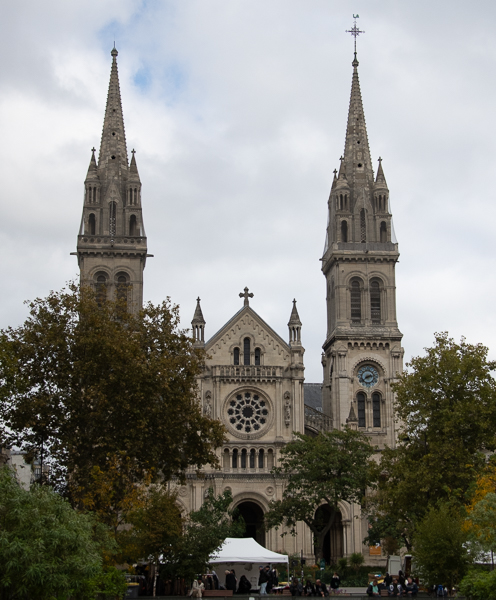
Saint Ambroise Church was designed by the architect Theodore Ballu. who was designated by Napoleon III as the official city architect for religious buildings.
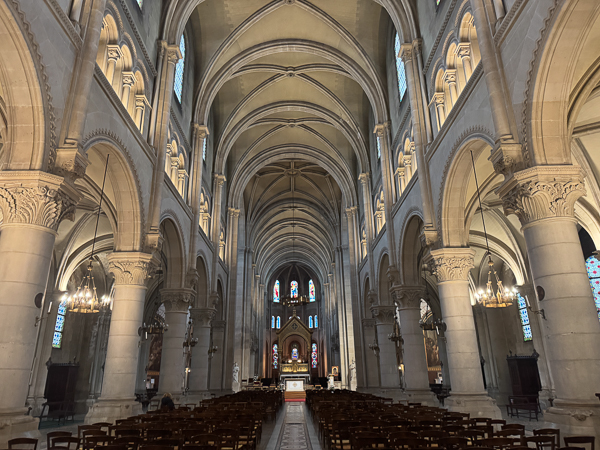
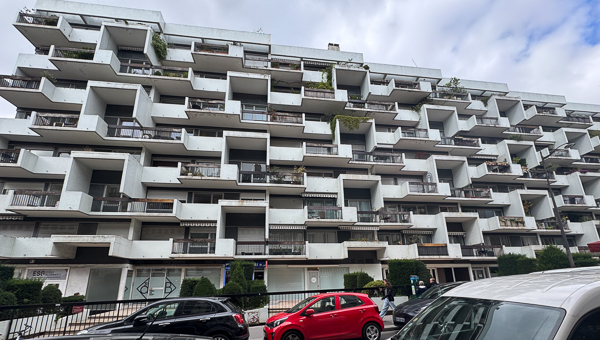
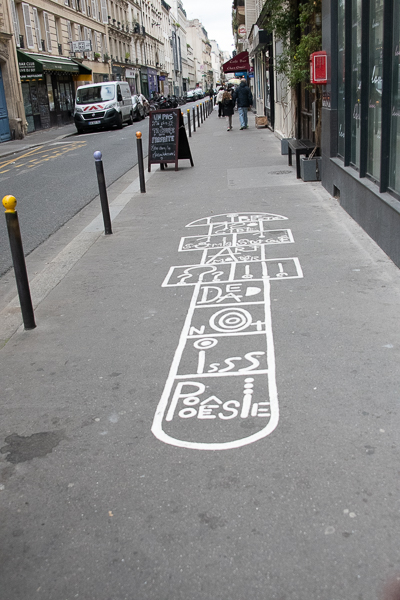
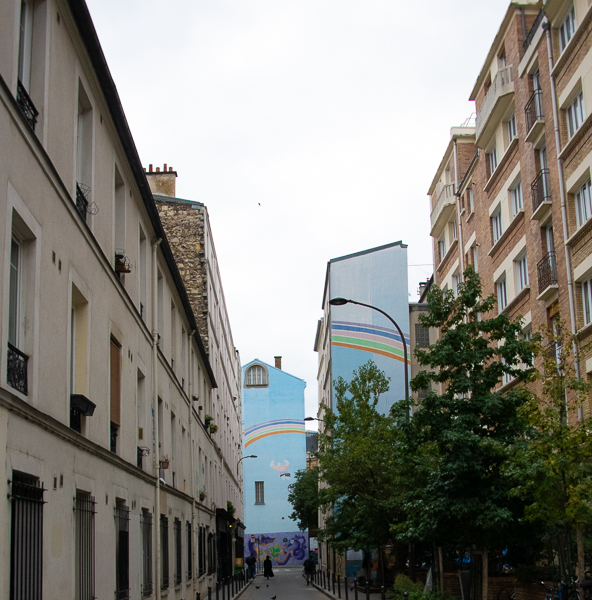
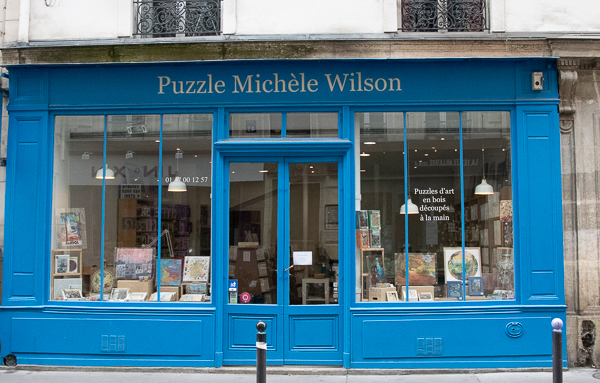
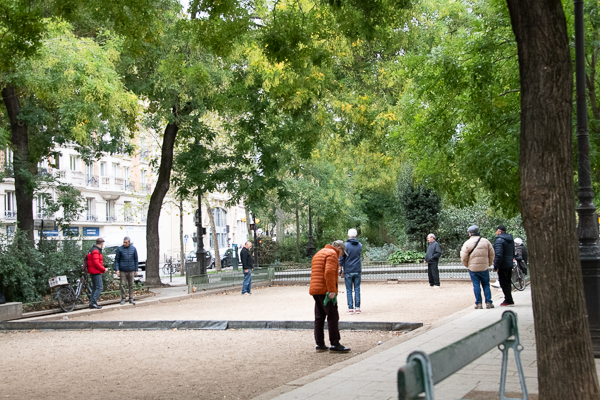
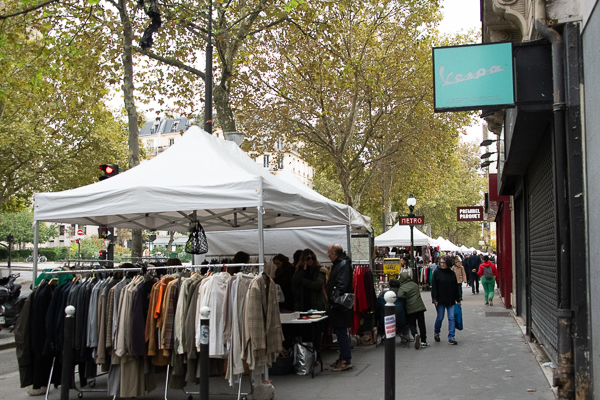
The 11th is huge, and over the years, I have walked some of it. It was Saturday, so I just strolled and found what may be.
* *
*
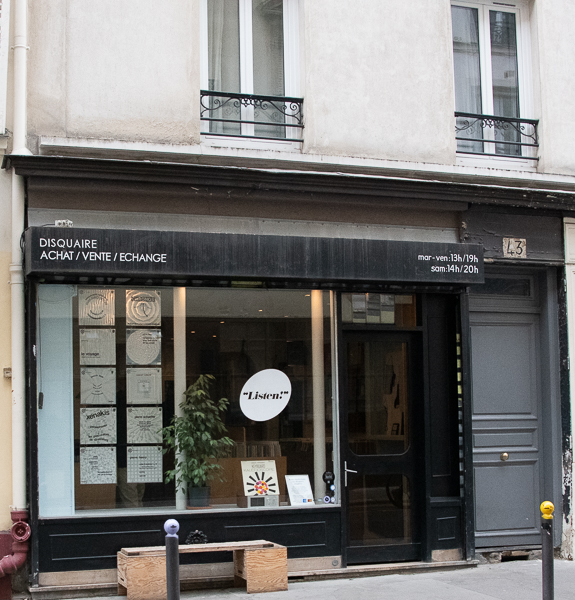
It is interesting to move beyond the tourist areas of Paris and discover the areas of those who live, work, raise their families, shop, and dine in Paris.