July 10 and 11 2025
These finish my quest to see all of the Magnificent Seven cemeteries of London. The 7 are Kensal Green Cemetery, West Norwood Cemetery, Highgate Cemetery, Abney Park Cemetery, Brompton Cemetery, Nunhead Cemetery, and Tower Hamlets Cemetery.
Brompton Cemetery
Brompton Cemetery was opened in 1840 as the West of London Cemetery. Its founder was the architect, inventor, and entrepreneur Stephen Geary (1797-1854), who had previously created cemeteries at Highgate and Nunhead.

I have borrowed this photo from the Cemetery’s website. It is impossible to appreciate the majesty of the design from the ground.
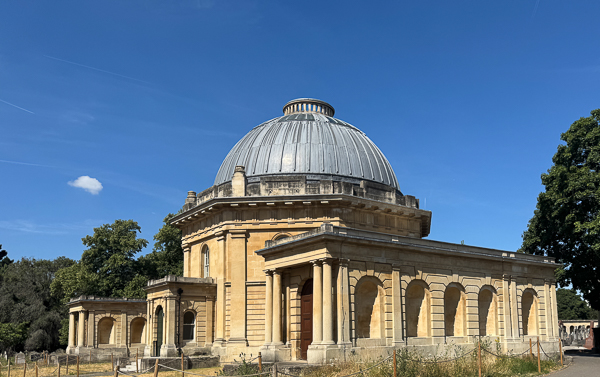
The sandstone chapel dates from 1839.
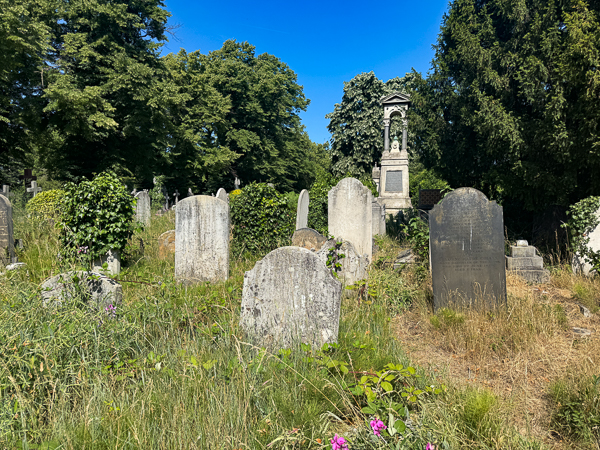
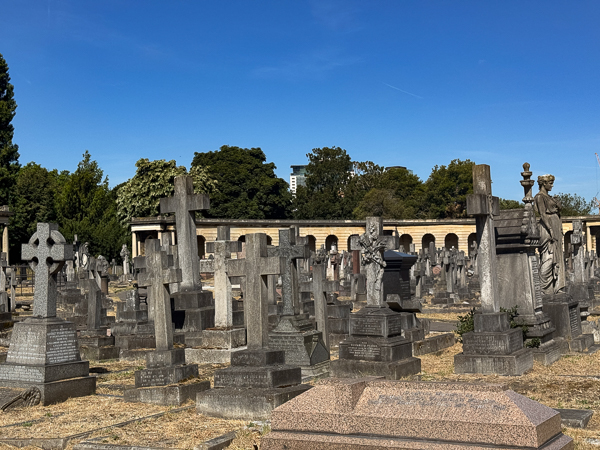
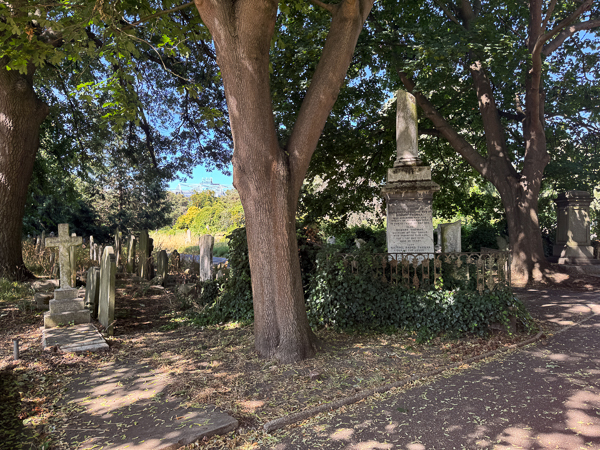
Brompton was closed to burials between 1952 and 1996, except for family and Polish interments. Burials once again take place in Brompton, but the cemetery has been left to go wild, like many of the other Magnificent 7’s, to serve as a local park.
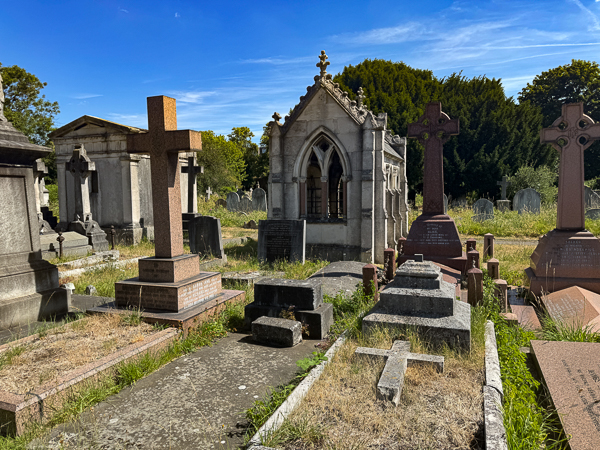 It is said that the author Beatrix Potter would often visit nearby Brompton Cemetery for inspiration. Amongst the internees are Peter Rabbett and the surnames Nutkins and McGregor, although I could find none of them.
*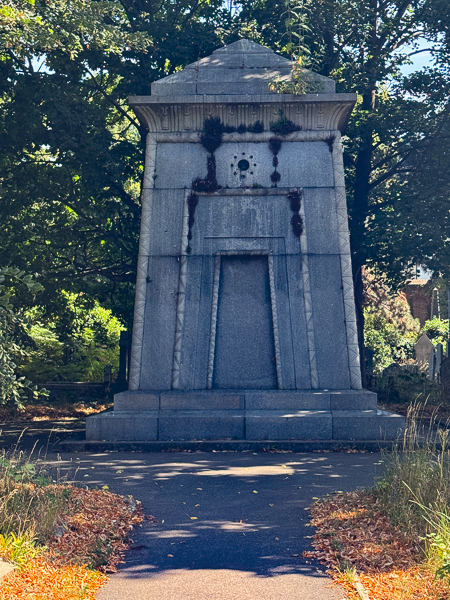
This is the Tomb Of Hannah Courtoy. According to local legend, the tomb contains a working time machine. Before Hannah Courtoy’s death, she was friends with the renowned Egyptologist Joseph Bonomi. Bonomi was convinced that he had discovered the secrets of time travel through studying Egyptian hieroglyphics. Bonomi teamed up with engineer Samuel Warner to create a time machine. The key to the tomb has been lost, and the tomb hasn’t been opened for over 100 years.
West Norwood Cemetery
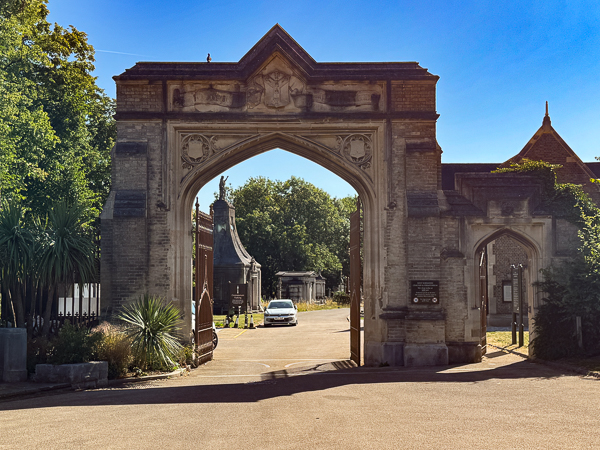
West Norwood was originally called the South Metropolitan Cemetery. It was the second of the Magnificent Seven cemeteries to open, after Kensal Green Cemetery, with its first burial taking place in 1837.
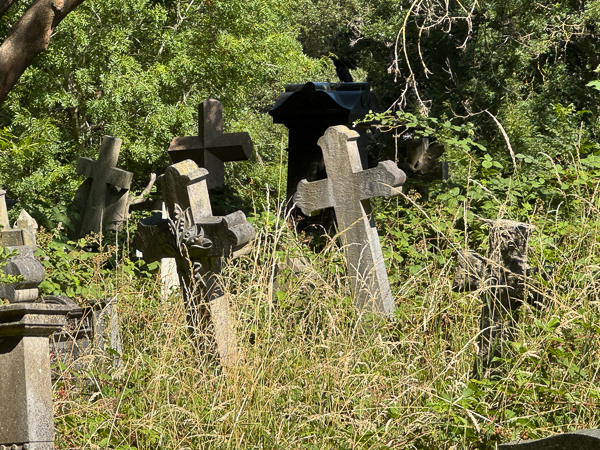
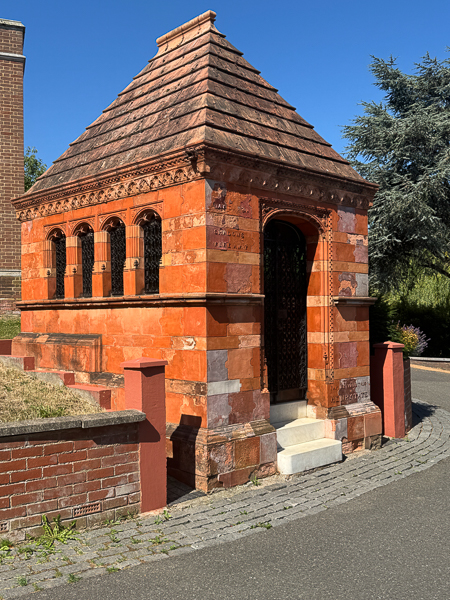
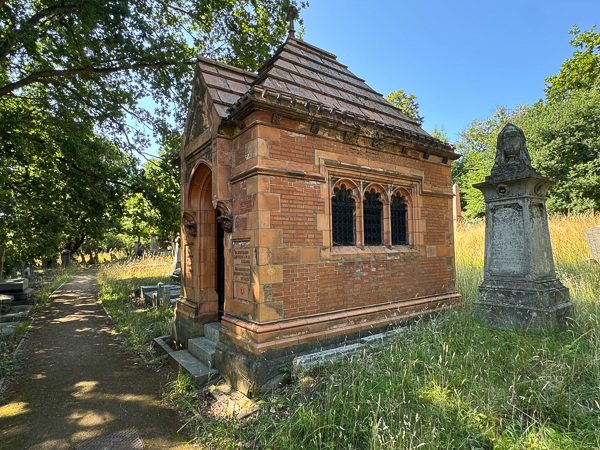
West Norwood was designed by William Tite, who was the architect of the Royal Exchange building in the City of London. It featured a grand entrance arch, two chapels, catacombs, and landscaped gardens, and is thought to be one of the first cemeteries built in the Gothic Revival style.
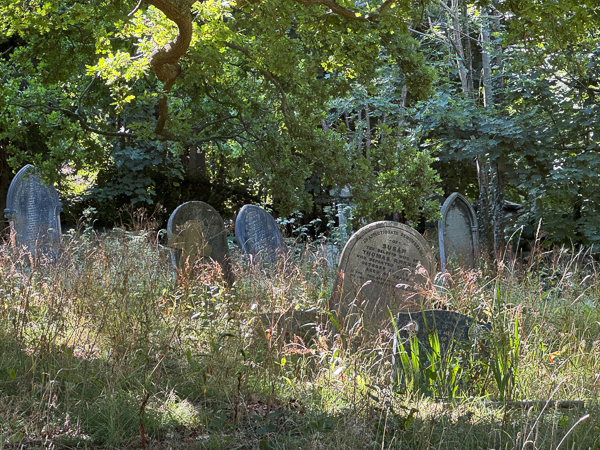
The cemetery was damaged during WWII. Then, space for new burials was largely exhausted by the inter-war years. Deprived of this regular source of income, the cemetery company was unable to properly afford its upkeep or the repair of buildings damaged by wartime bombing. The local Lambeth Council compulsorily purchased the cemetery in 1965.
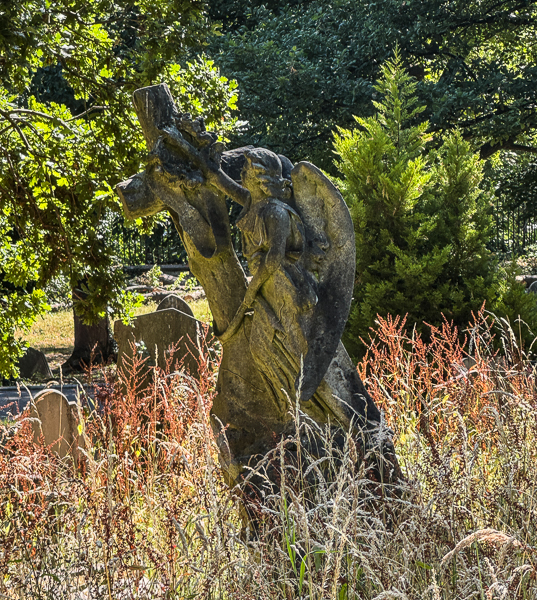
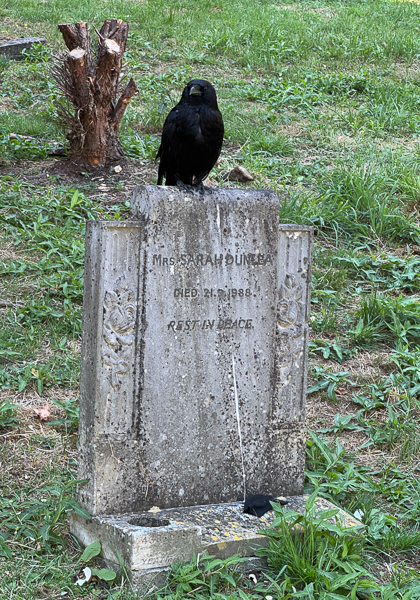
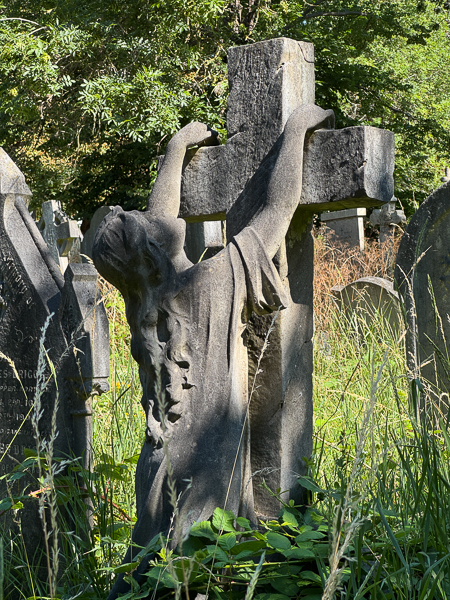
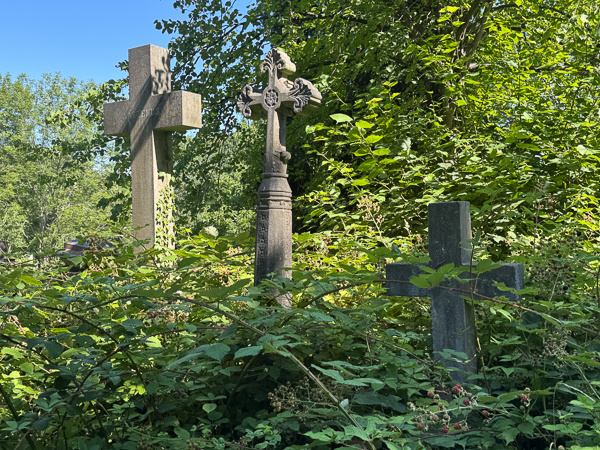
Lambeth changed some of the character of the grounds through “lawn conversion”. They removed at least 10,000 monuments and restarted new burials, reselling existing plots for re-use. In 1995 and 1997, it was found that these moves were illegal. New burials were stopped, and the courts forced the restoration of a handful of the damaged or removed monuments. Importantly, it required Lambeth to publish an index of cleared and resold plots, so that the descendants of historic owners can identify and request restitution of their family’s plot.
*
*