September 2, 2025
The 17th is known as the Batignolles-Moncea, a mouthful for sure.
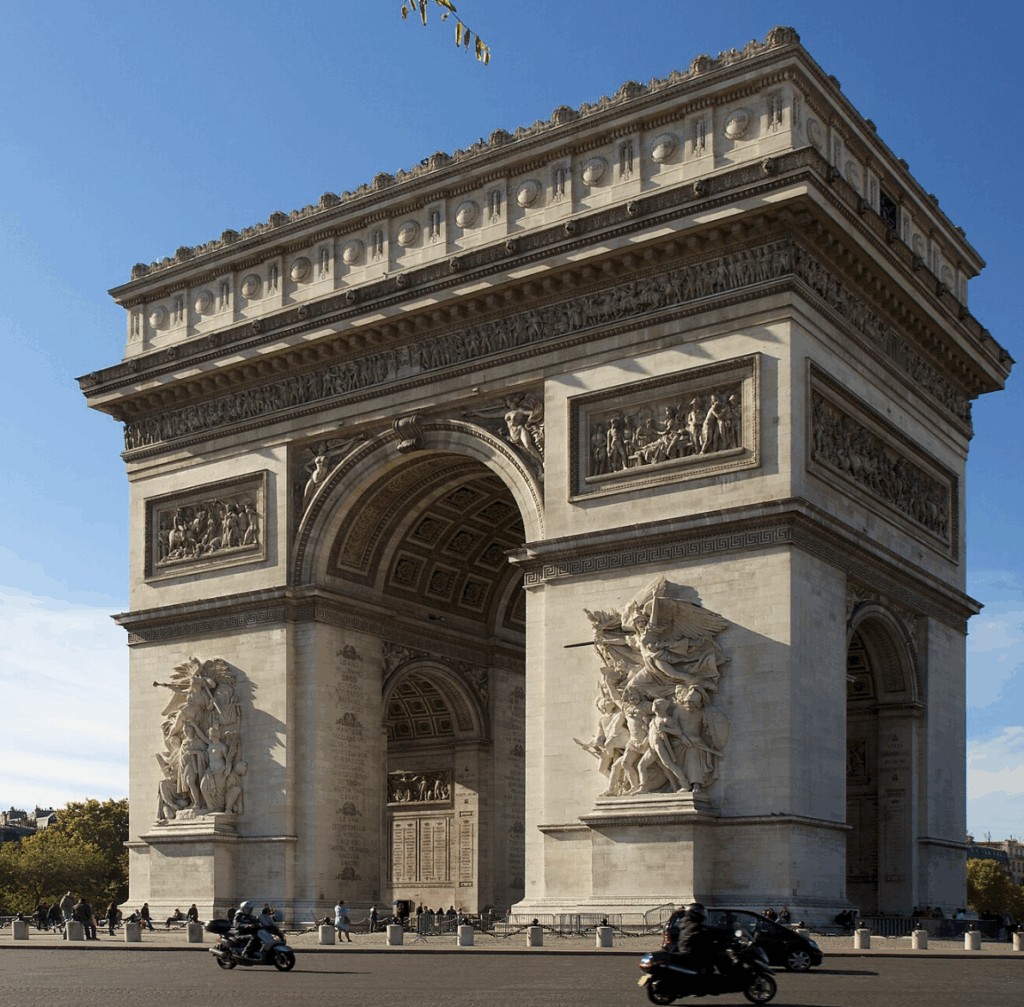
The 17th is anchored by the Arc de Triomphe. The Arc sits on a plaza known as L’Étoile due to the eleven streets that lead off of it, like rays from the sun.
During the second half of the 19th century, Napoleon III ordered his chief city planner, Baron Haussmann, to modernize Paris. And so, in 1854, a massive rebuilding began. Thousands of old buildings were torn down; wide, straight boulevards were plowed through the ancient neighborhoods of Paris. Parks were built, sewers were constructed, and thousands of new five-story buildings were placed side by side along the new thoroughfares. This was also when Paris doubled in size by annexing surrounding towns and villages — including bringing in the rural enclave of Batignolles-Monceau to create the new 17th Arrondissement.
At L’Etoile a number of new wide, straight streets were created, radiating out from the center. Among them were the avenues Wagram, Kleber, Monceau, and Mac-Mahon.
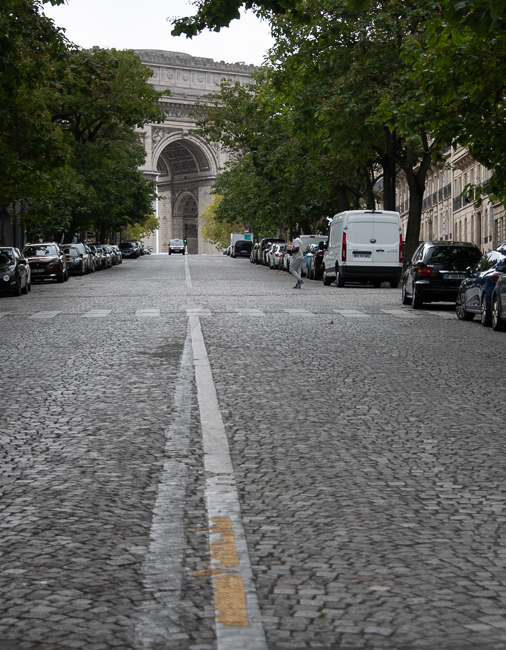
Avenue Carnot was to be the eleventh radial. However, when only the first block of Carnot was completed, Haussmann fell from power (followed soon after by Napoleon III himself) and work was abandoned, so that today the wide Avenue Carnot, with its side boulevards and its 5-story buildings, abruptly halts after one block.
The Seventeenth is primarily a residential area. It is three times the size of the 1st, yet it also has three times the population density.
Cité de Fleurs
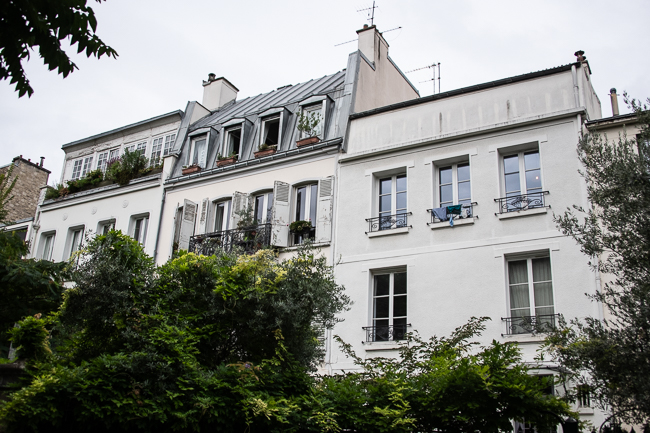
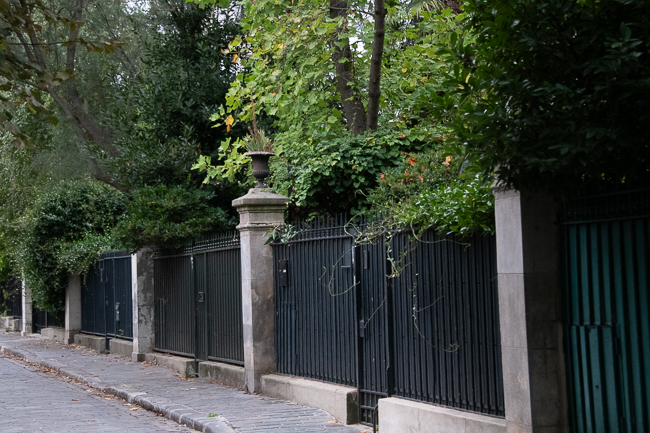
One street that defies the hustle and bustle of such a large population is Cité de Fleurs.
The creation of the Cité des Fleurs was due to two landowners, Jean-Edmé Lhenry and Adolphe Bacqueville de la Vasserie, who opened the 1050-foot-long cobblestoned street in 1847. They combined both of their possessions to create a private housing development.
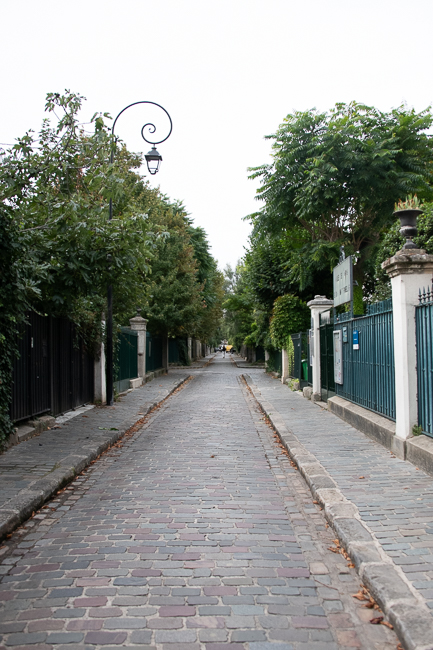
At the time, the street was outside the limits of the Wall of the Ferme générale. It was then included in the commune of Batignolles-Monceau until the latter was annexed by Paris in 1860.
The Banque de France
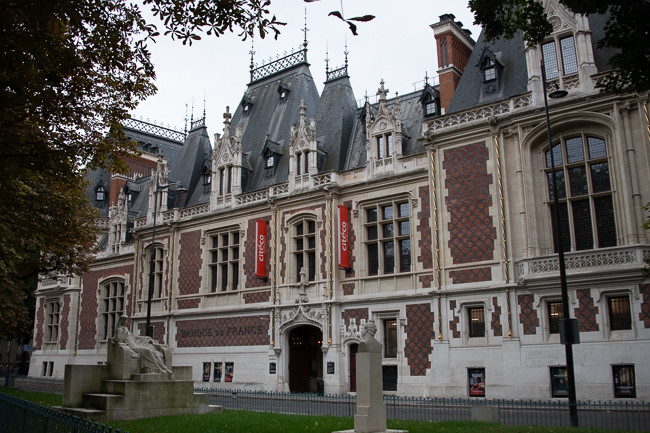
The Banque de France has converted its former branch in Paris’s 17th arrondissement into a museum called the Cité de l’Economie, or Citéco for short.
The building is in the neo-Renaissance style and was completed in 1882. It was built by the architect Jules Février.
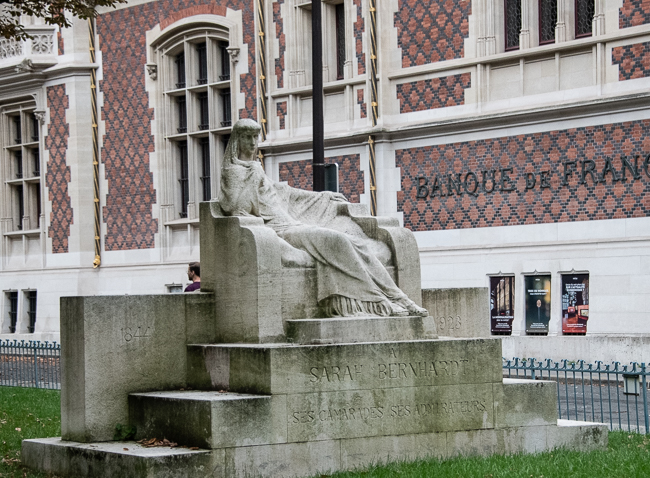
‘The queen of attitude and the princess of gestures’ is how playwright Edmond Rostand characterised the French actress Sarah Bernhardt (1844–1923). She is considered the most portrayed woman ever. So finding a statue of her here in the Jardin de la Lituanie isn’t that unusual, I suppose.
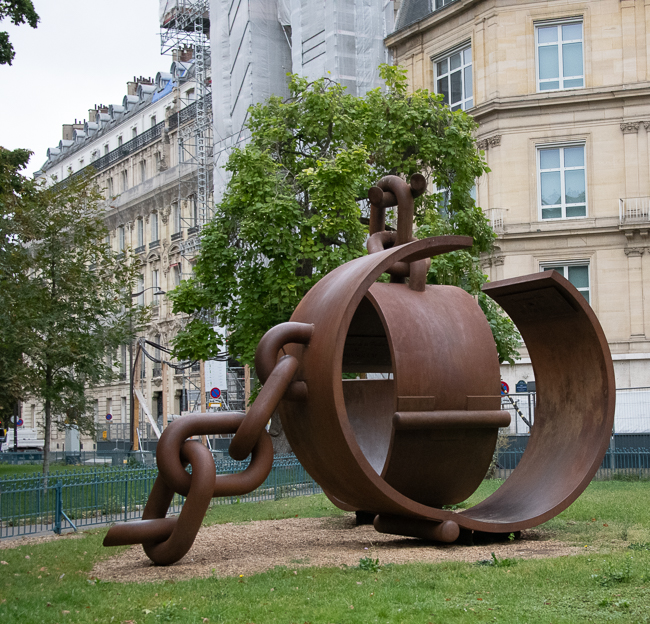
Art on Boulevard Malesherbes – Solitude Garden
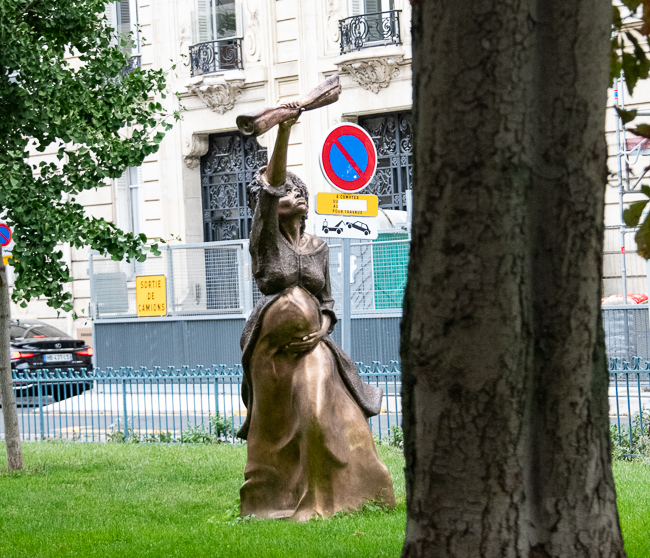
Born in 1772, Solitude is the daughter of an African slave, raped by a sailor on the boat that deported her to the West Indies. She is holding up Louis Delgrès’ proclamation of May 10, 1802, which calls for the fight against the restoration of slavery in Guadeloupe.
The statue, inaugurated on May 10, 2022, is the first statue of a black woman in Paris.
Petite Ceinture
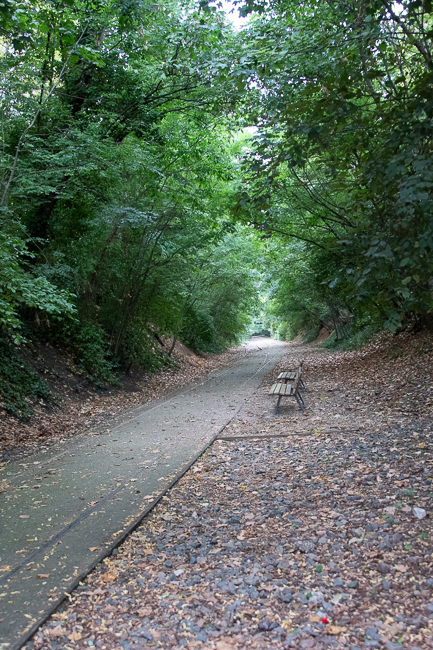
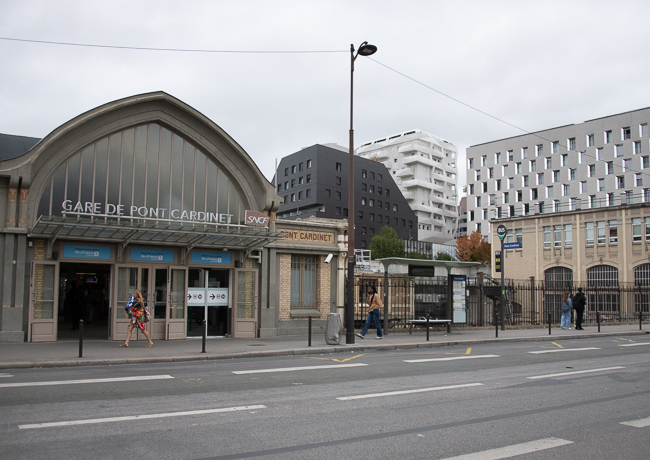
Rail lines are rather prominent in the 17th century, and in several places must be crossed via elevated foot bridges. In 1922, the station Pont Gardinet was rebuilt in concrete, replacing an old wooden structure. The building was gradually abandoned. While it is once again seeing some usage, it is still worse for wear.