September 2025
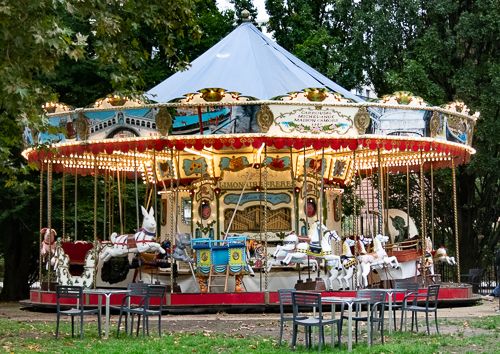
I went to Parc de Bercy to find its vineyard and found oh so much more.
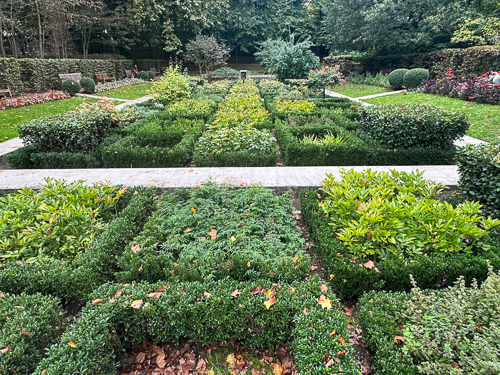
Parc de Bercy is located along the Right Bank in the 12th arrondissement. Development of the park began in 1994 on the site of a former wine depot (the wine warehouses of Bercy, which in the early 20th century was the largest wine market in the world).
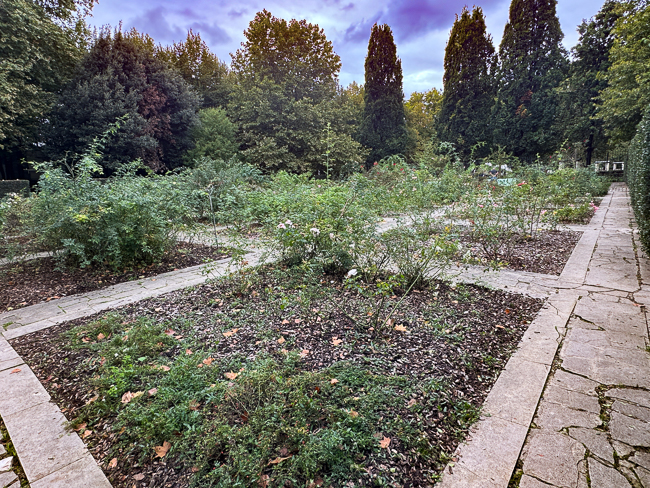
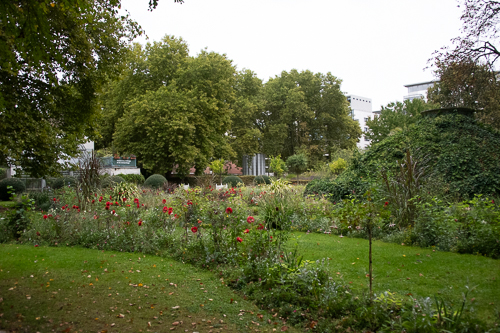
The gardens were designed by architects Bernard Huet, Marylène Ferrand, Jean-Pierre Feugas, and Bernard Le Roy, assisted by landscapers Ian Le Caisne and Philippe Raguin between 1993 and 1997:
*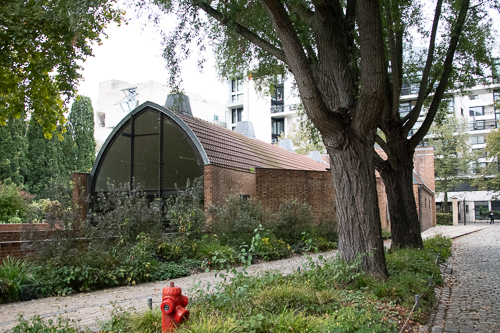
The Chai de Bercy is a storehouse from when the area was a wine warehouse complex. Most of the storehouses were demolished from the 1950s to the 1980s, but this one – formerly used for bottling wines – was restored and repurposed as an exhibit space.
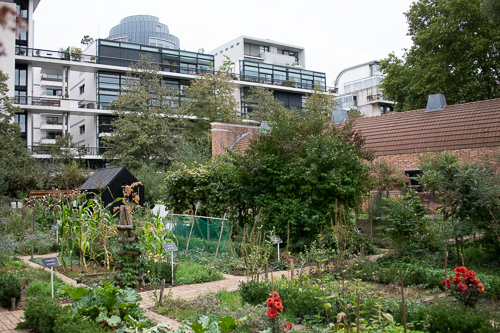
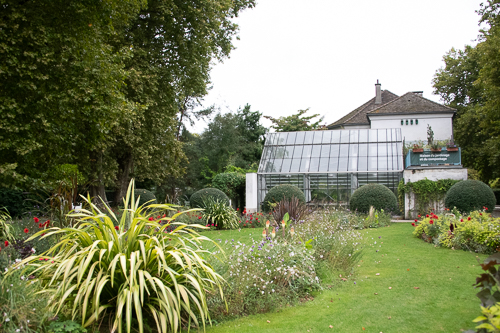
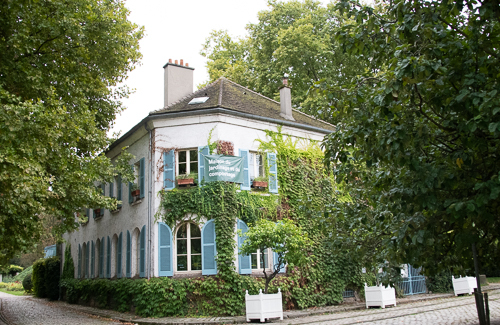 This 19th-century building formerly housed a tax office. It opened in 1977 and is now the Maison du Jardinage (House of Gardening).
 *
* *
*
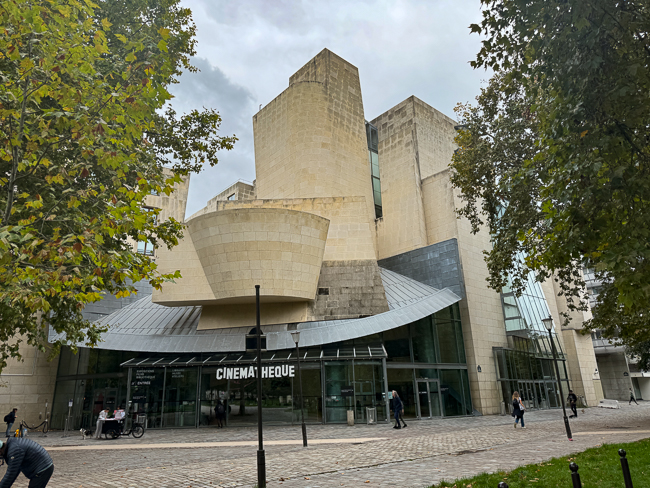
In the northeast of the park stands the Cinémathèque Française (the former American Center), designed by Frank Gehry. After opening in 1994 with shaky funding, the American Center closed in 1996, and for the next nine years, the structure stood empty. Eventually, it would house the Cinémathèque Française. The Cinémathèque Française was established in 1936 and dedicates itself to the preservation of film reels, cameras, props, costumes, and memorabilia.
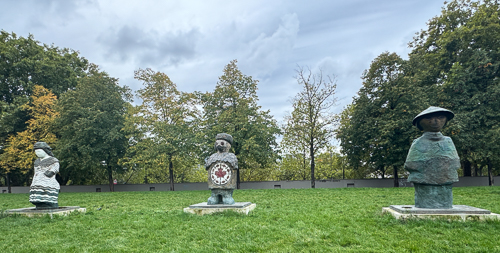
Overlooking the park above the waterfall are 21 sculptures by Rachid Khimoune. Titled “Children of the World,” it was created in 2001 to honor children’s rights.
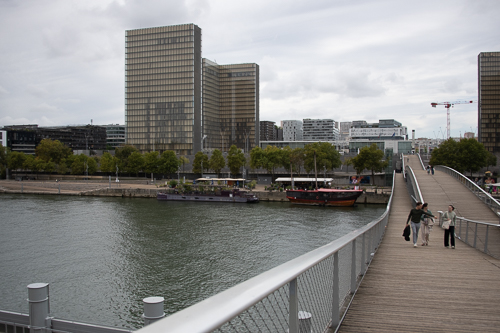
The park is linked directly to the François Mitterrand site of the Bibliothèque nationale de France by the Simone de Beauvoir footbridge.
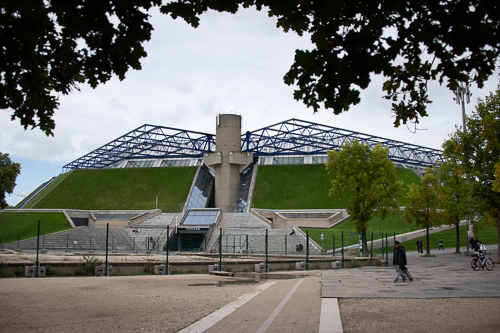
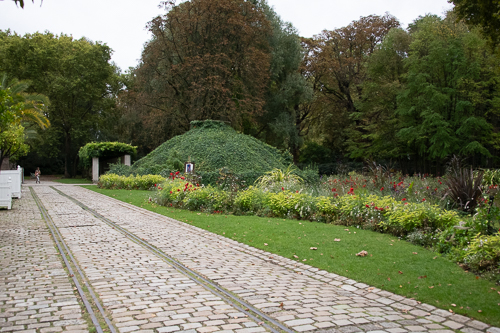
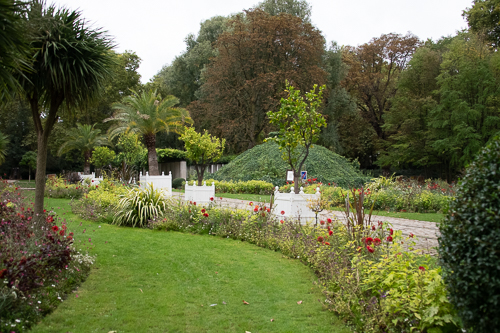
In the park is Palais Omnisports, designed by the architectural firm Andrault-Parat, Jean Prouvé, and Aydin Guvan. The pyramidal arena’s sloping walls are covered with a lawn. It can seat 7,000 to 20,300 people, depending on the event.