August 30, 2025
I had been to Montmartre Cemetery many years ago, so it was a pleasure to return and refresh my memory. I had always liked this cemetery for its calmness and beauty.
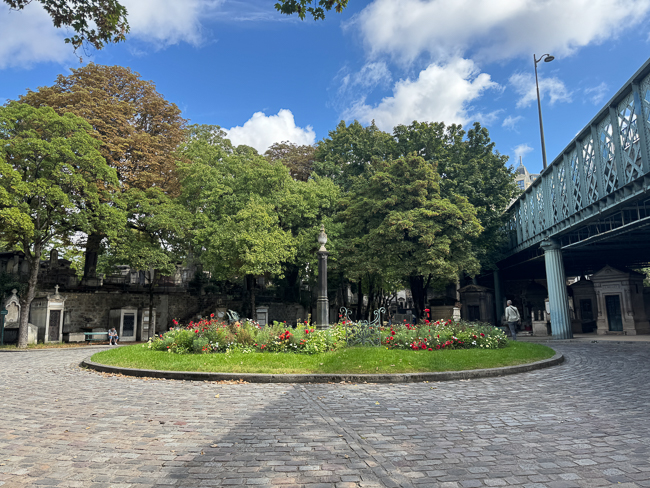
In the mid-18th century, overcrowding in Paris’s cemeteries had created numerous problems, ranging from impossibly high funeral costs to unsanitary living conditions in the surrounding neighborhoods. In the 1780s, the Cimetière des Innocents was officially closed, and citizens were banned from burying corpses within the city limits. During the early 19th century, new cemeteries were constructed outside of Paris: Montmartre in the north, Père Lachaise Cemetery in the east, Passy Cemetery in the west, and Montparnasse Cemetery in the south.
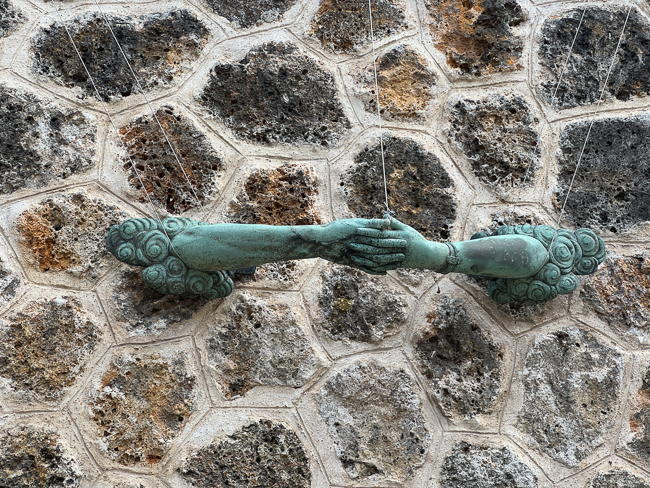
I always say that cemeteries are more than gardens. They are history books and sculpture gardens. The sculpture is never more so than in Paris.
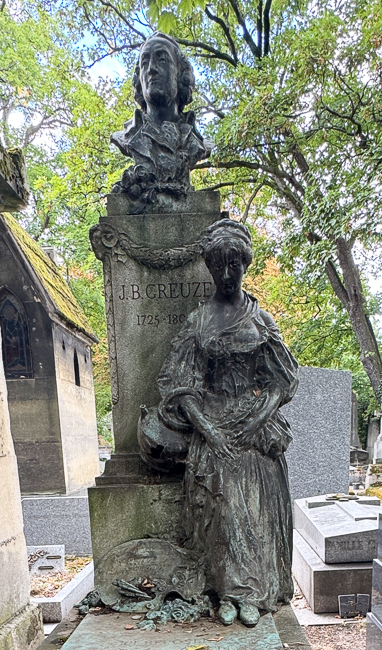
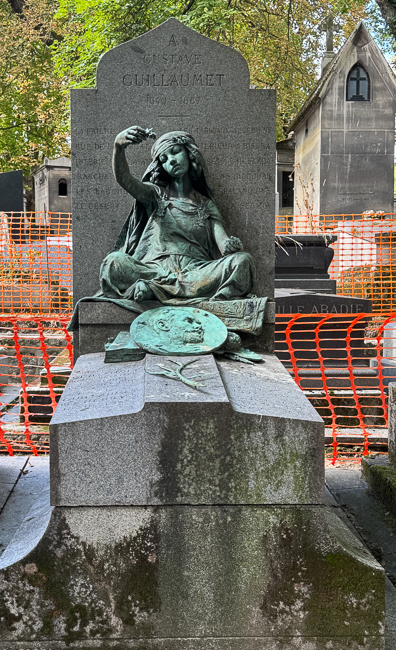
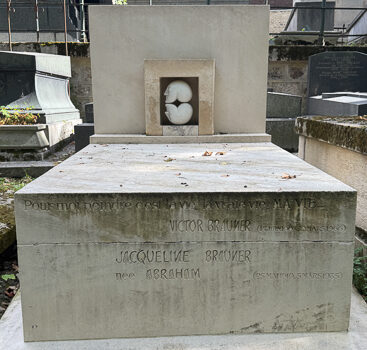
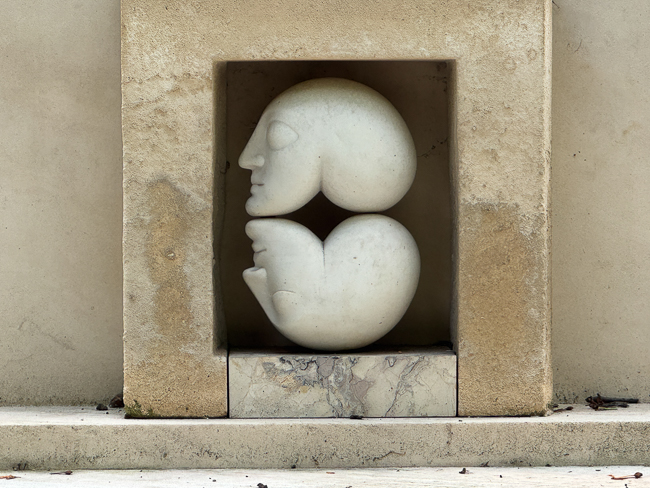
The grave of Victor Brauner (June 1903 – March 1966) was a Romanian painter and sculptor of the surrealist movement, and his wife
*
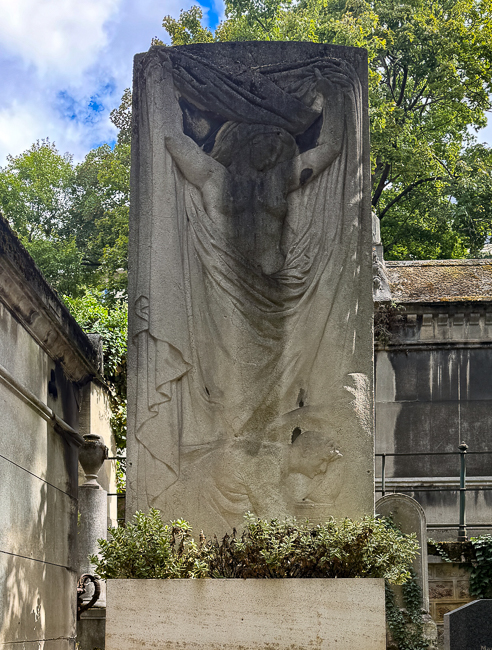
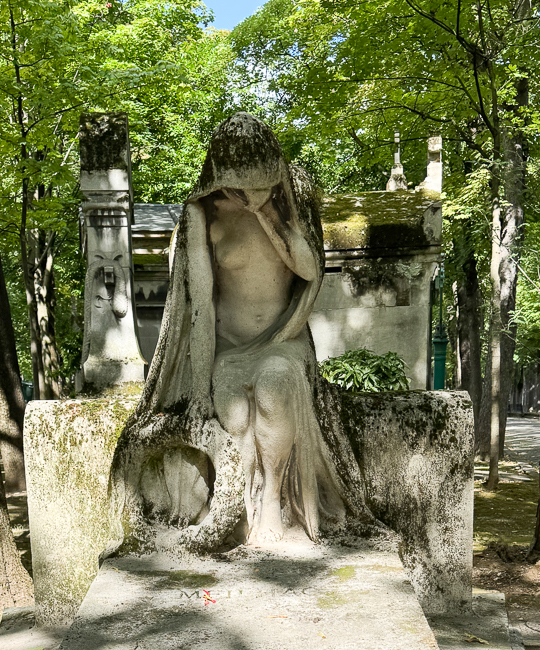
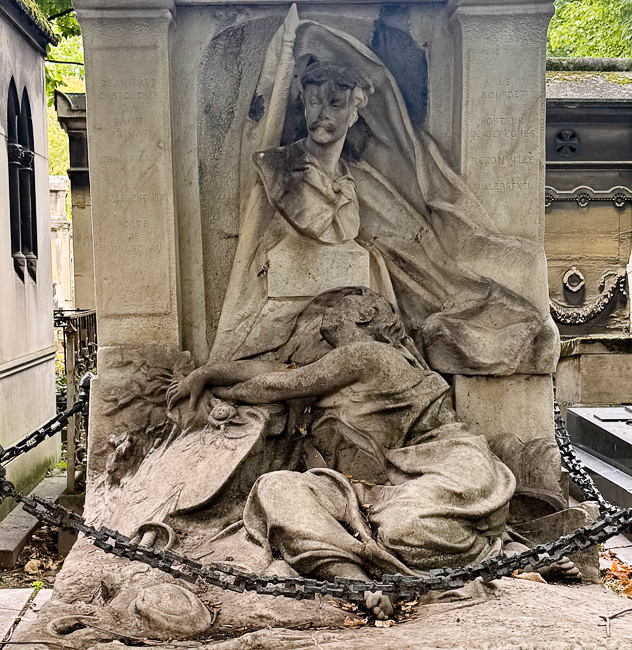
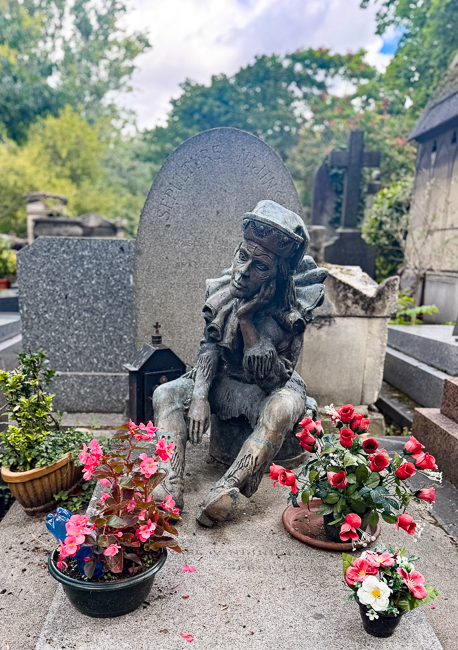
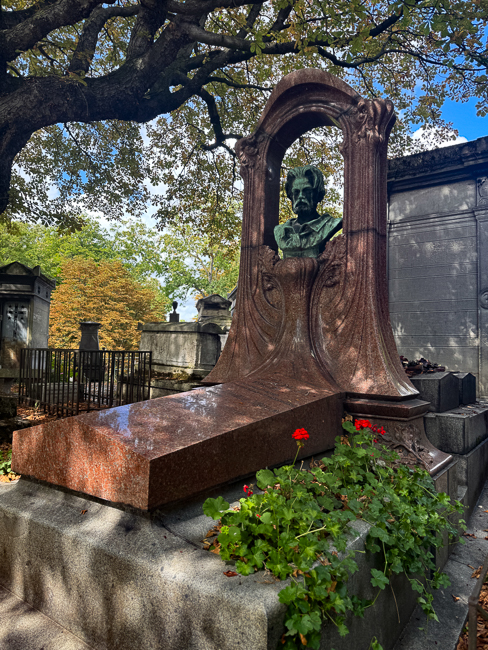
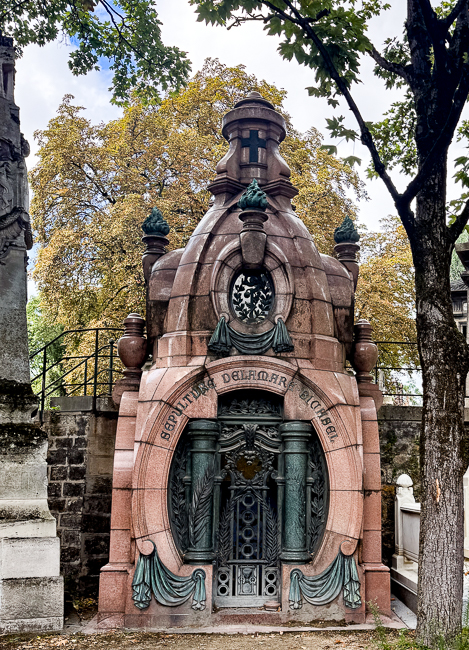
There are some graves with lovely sculptures, and yet I have no idea who they are.
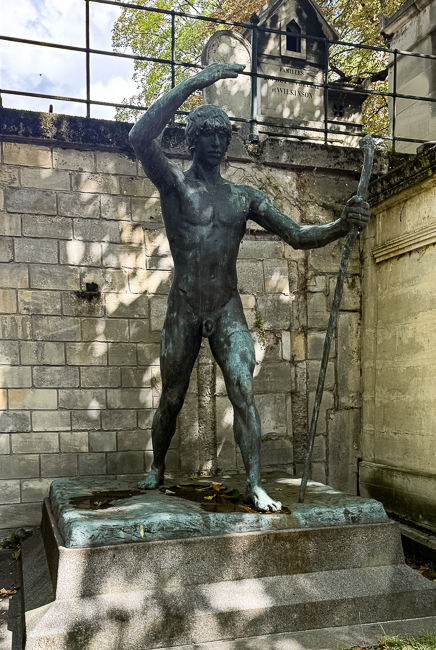
The sculpture is a replica of the first character of the group “The Children of Cain” installed on the terrace of the Tuileries. The replica was acquired by Otto Preis during his lifetime, and it was by his will that it was placed on his grave. This lover of Paris and French art came to live in the capital when he was only 24 years old. He was gifted in drawing, as shown by the cartoons he made for Nina Ricci, with whom he worked until the end of his life.
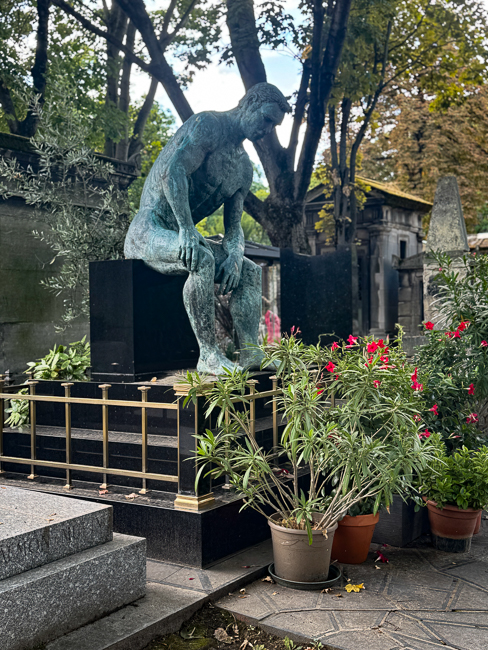
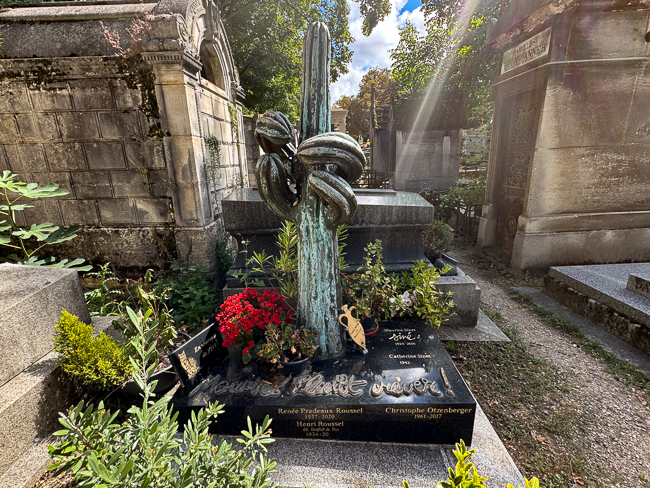
In 1941, Jean Bauchet was the athletic partner of the singer Odette Moulin. The Germans, interested in this type of show, asked him to tour Germany. He accepted on the condition that he could take a ham with him to feed himself, in which he had hidden a radio set to inform the Allies.
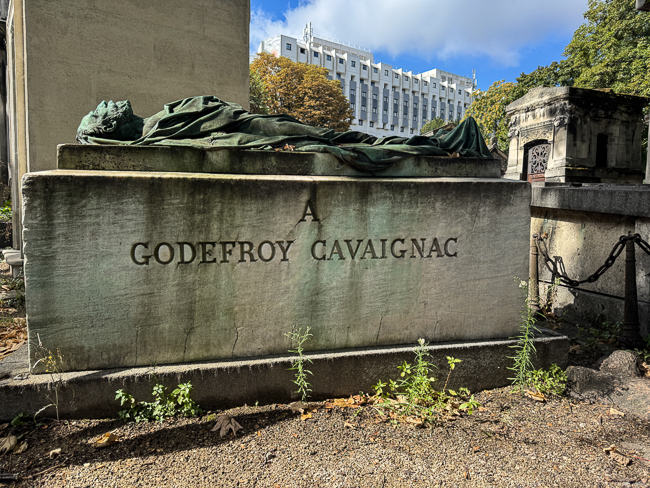
*
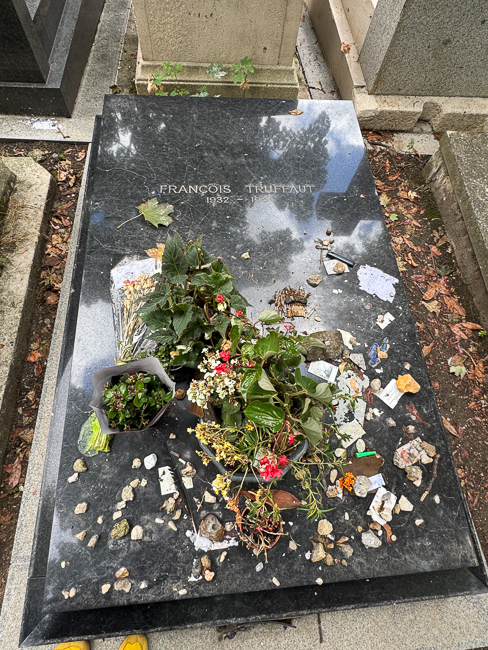
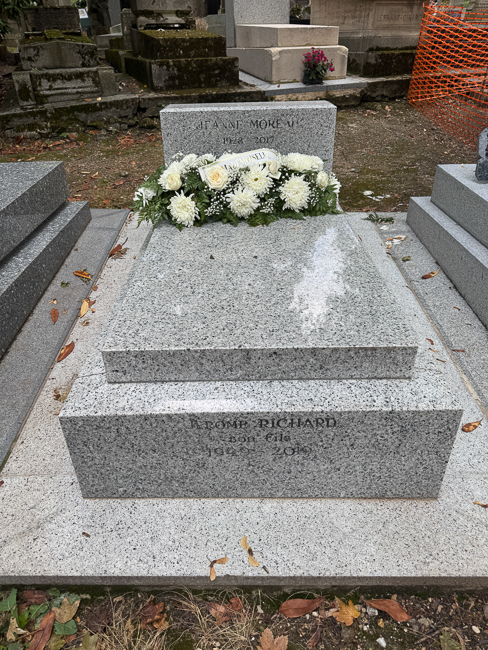
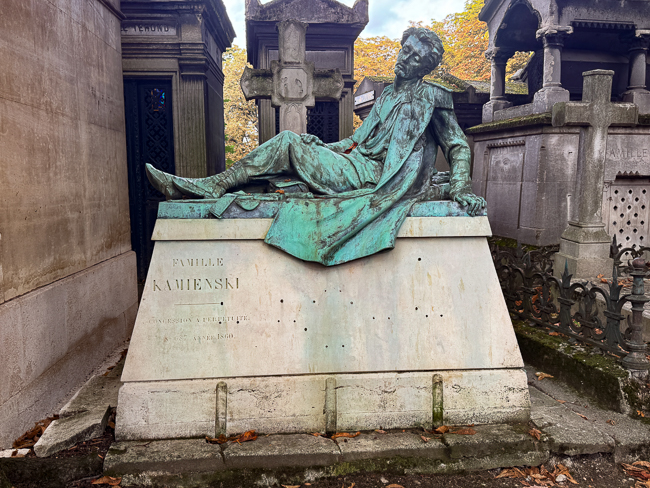
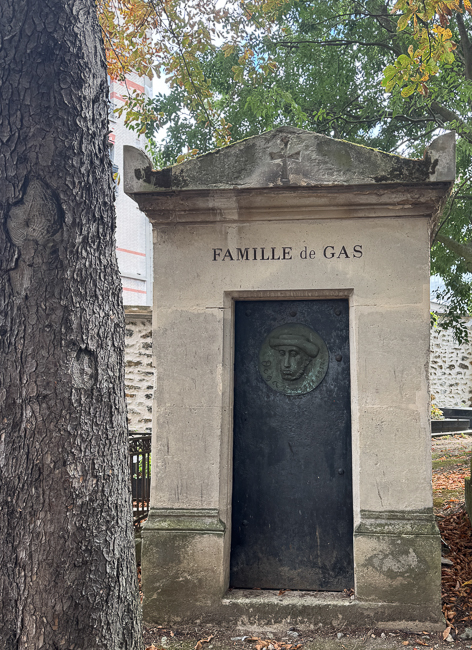
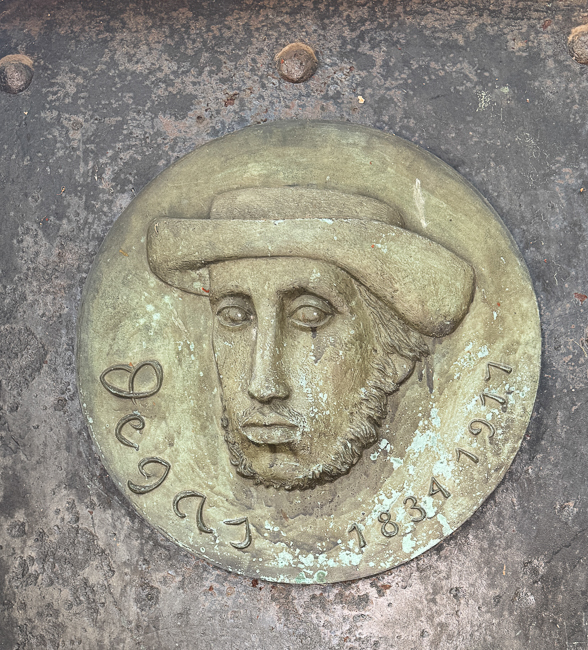
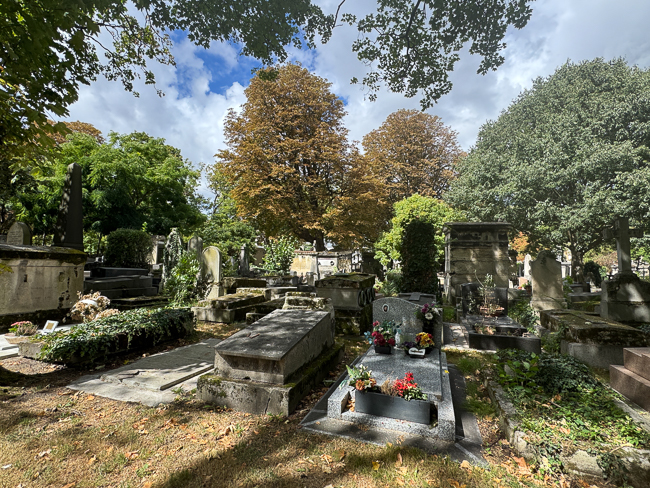
The Montmartre Cemetery opened on the 1st of January 1825. It was initially known as the Cemetery of the Large Quarries, referencing the cemetery’s location in an abandoned gypsum quarry. The quarry had previously been used during the French Revolution as a mass grave.
*
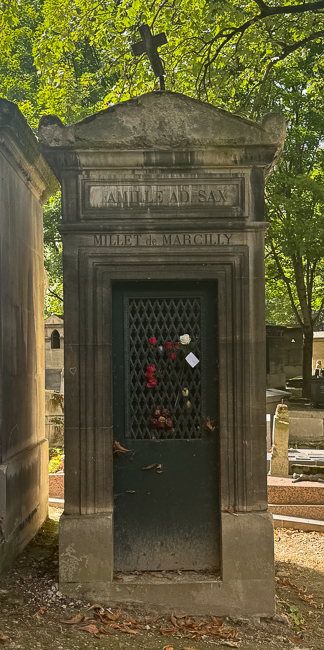
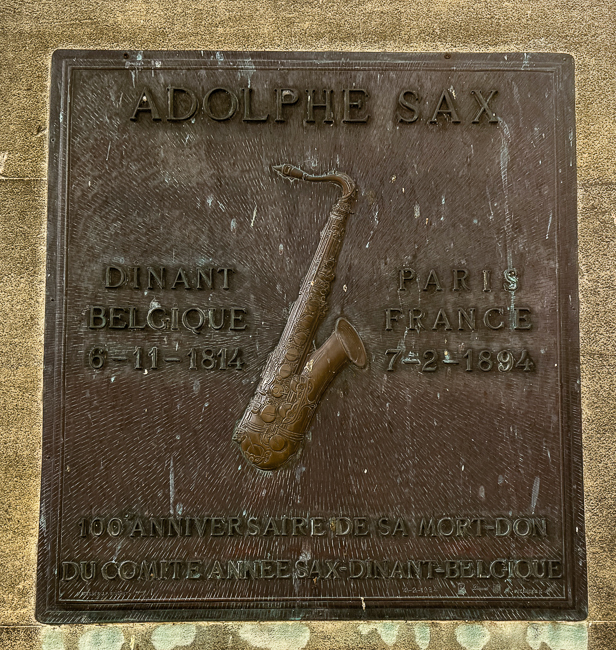
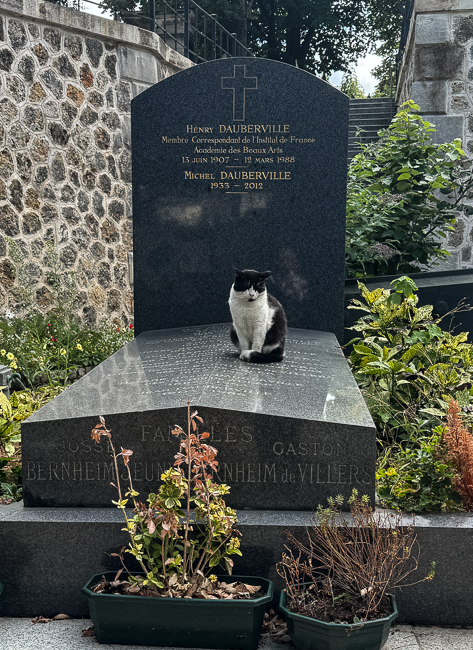
Montmartre Cemetery, worth as much time as you can give it, contains over 20,000 tombs and is home to 50 stray cats!