September 2025
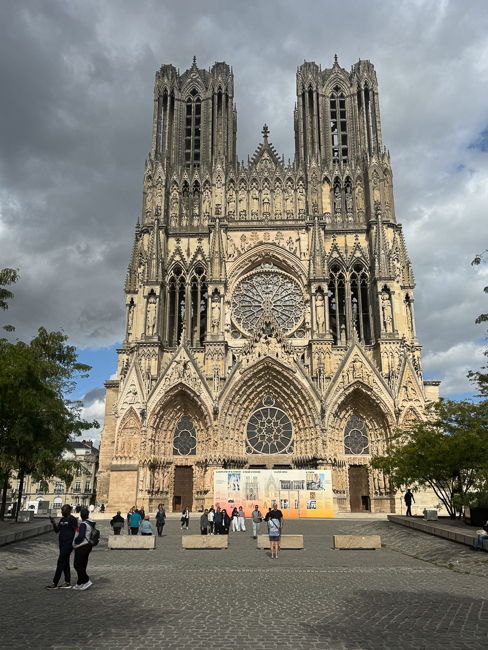
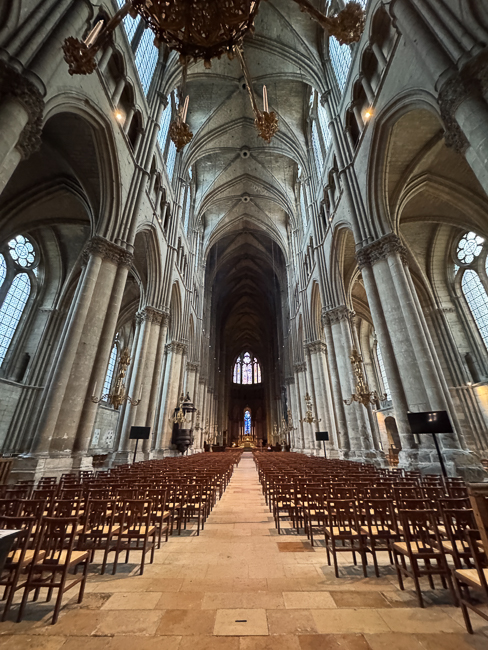
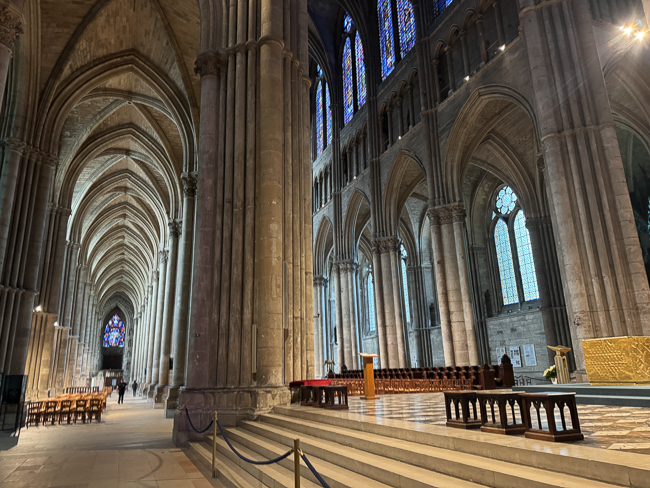
The cathedral was dedicated to the Virgin Mary and was the traditional location for the coronation of the kings of France. It became a UNESCO World Heritage Site in 1991.
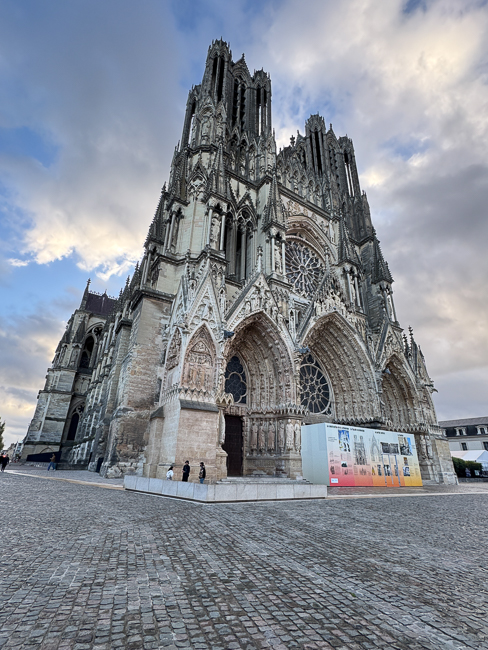
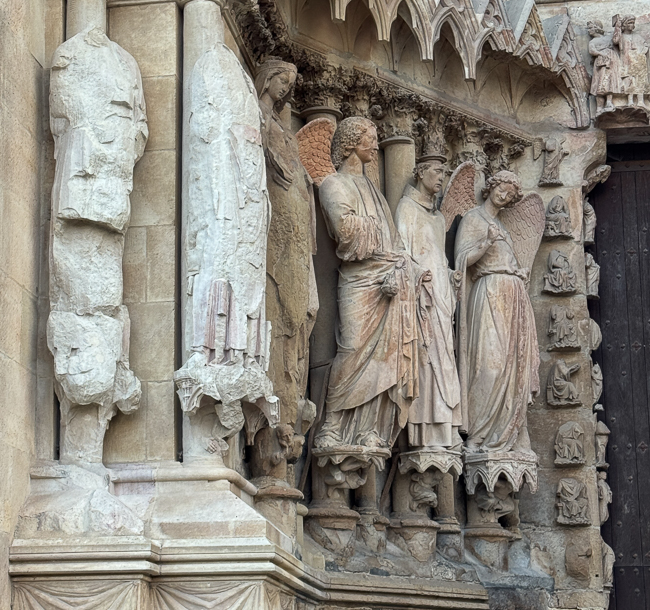
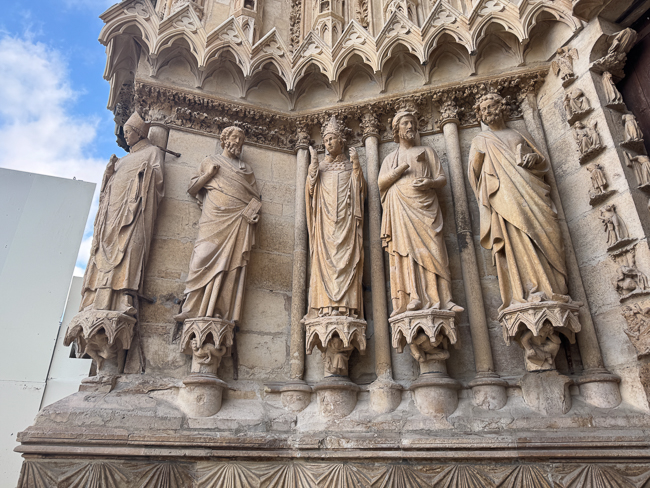
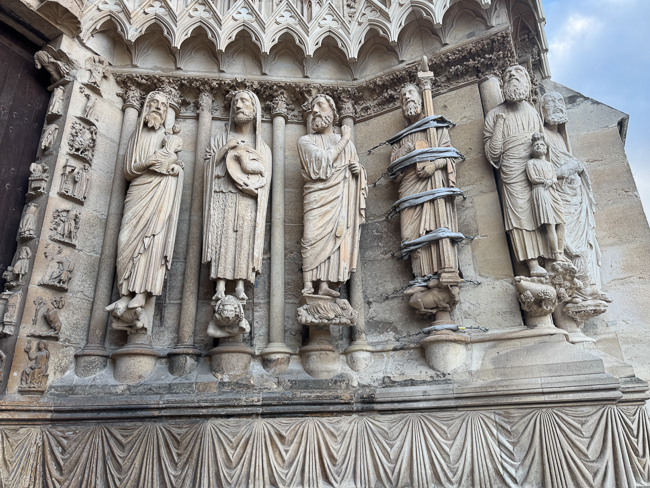
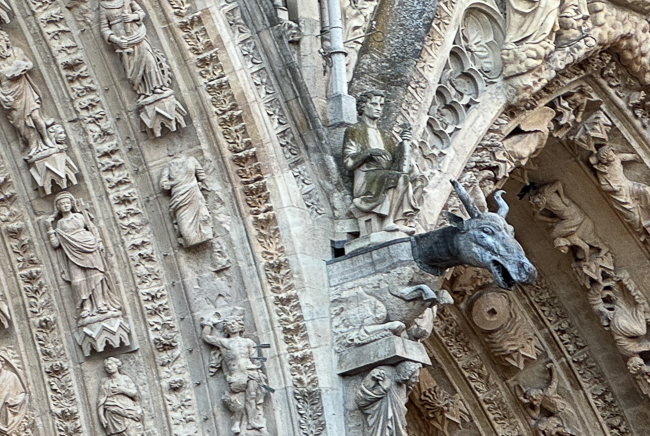
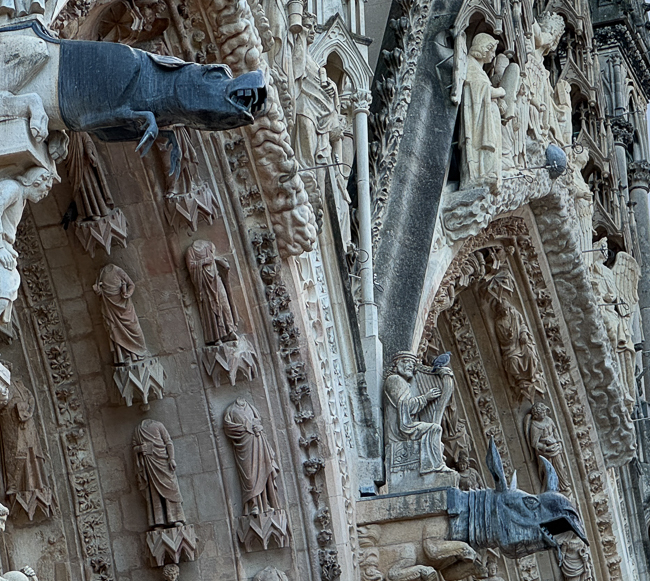
The cathedral is considered to be one of the most important works of Gothic architecture, and the Sculptors were pioneers of the Gothic style. The most striking aspect of the cathedral is its façade. Carved between 1236 and 1245, the “Smiling Angel” embodies this style.
*
*
Reims was the site of 25 coronations of the kings of France, from Louis VIII in 1223 to Charles X in 1825.
After Henry V of England defeated Charles VI’s army at the Battle of Agincourt in 1415, most of northern France, including Reims, fell to the English. They held Reims and the cathedral until 1429, when it was captured by Joan of Arc, allowing the dauphin Charles to be crowned king on July 17, 1429.
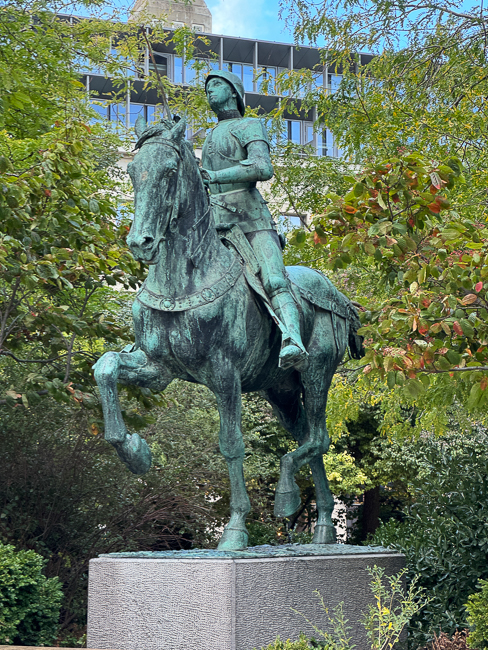
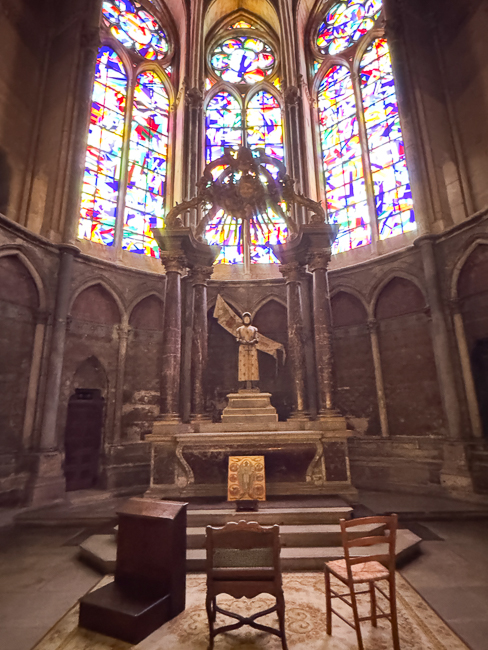
For this, Joan of Arc is memorialized at the Cathedral with two statues: an equestrian statue outside the church and another within the church.
*
*
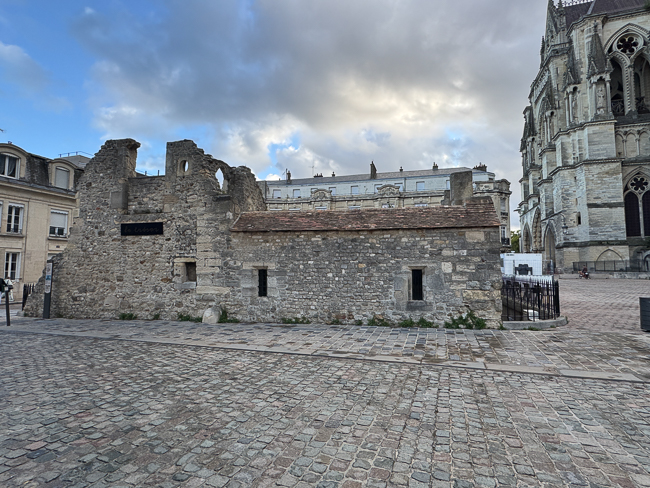
On the site of the Cathedral sits this 12th-century building that once housed the Paymaster General, a high-ranking dignitary who was responsible for religious spending and watching over the church’s treasure, such as its relics, liturgical items, and vestments.
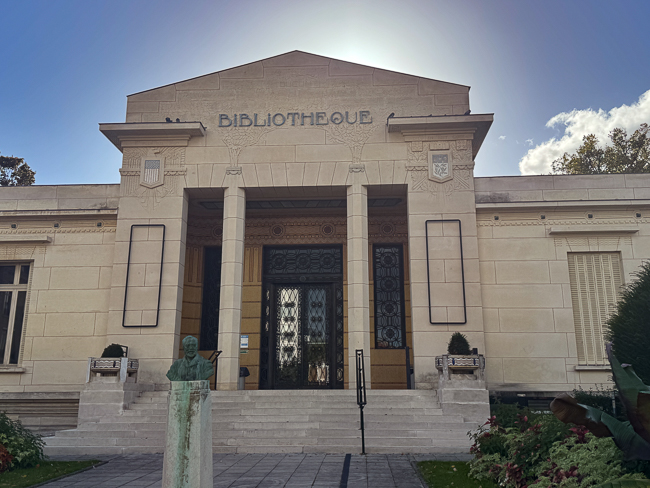
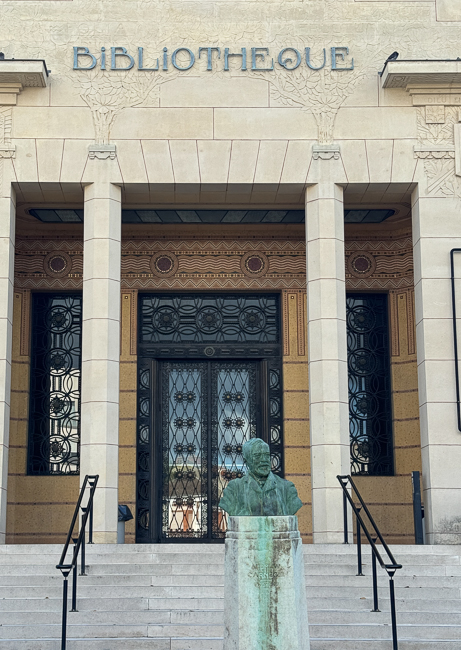
This lovely Deco building, designed by French architect Max Sainsaulieu, was built with monies supplied by Andrew Carnegie after World War I.
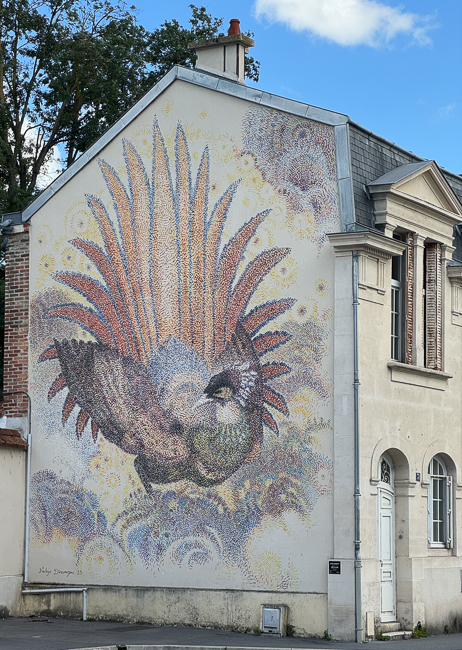
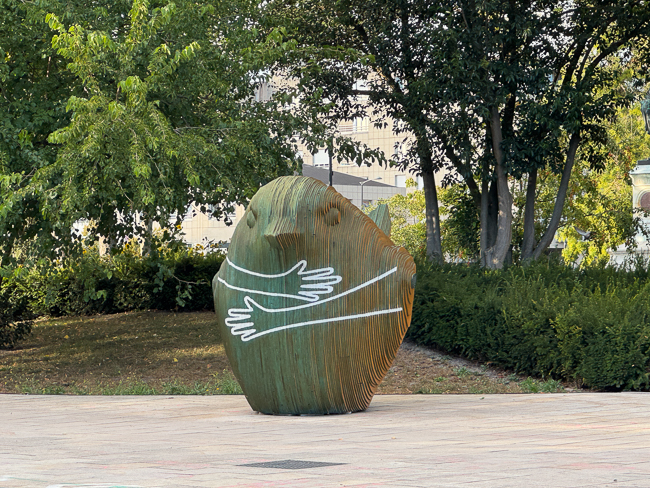
Some fun street art in Reims
 *
*
Visiting Wineries
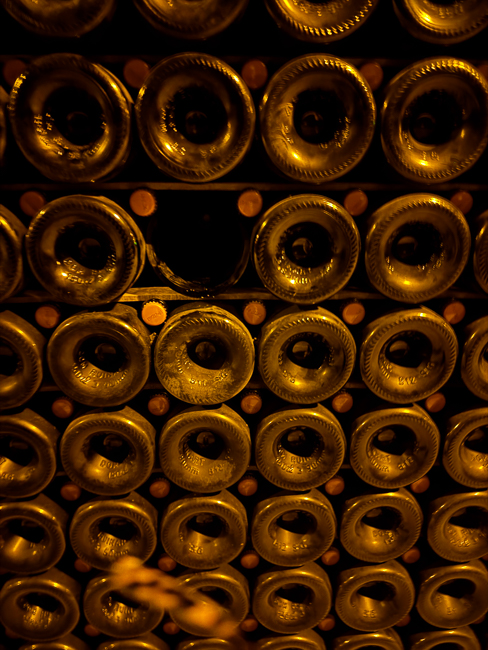
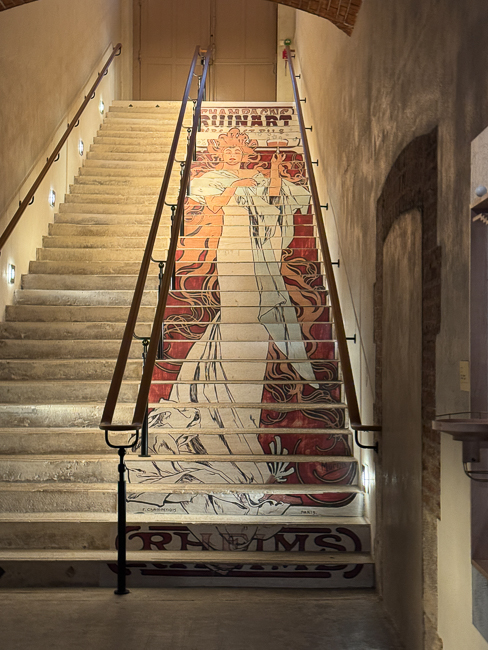
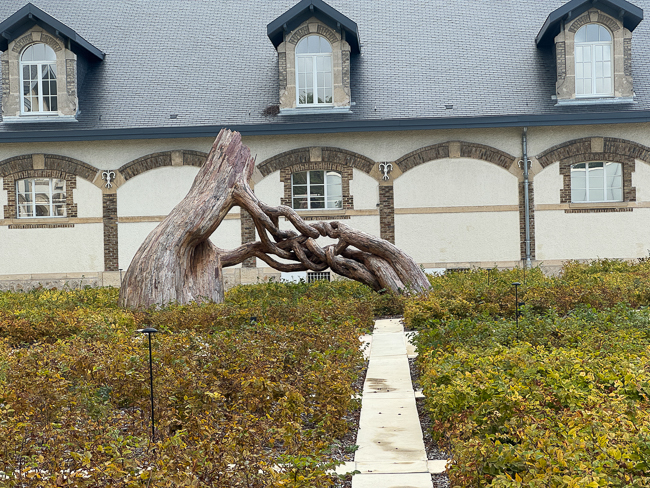
Most go to Reims to do some champagne tasting. I was with three friends and we managed to visit Maison Ruinart, owned by LVMH and Taittinger. The photos are of Ruinart as the process and their cellars are similar.
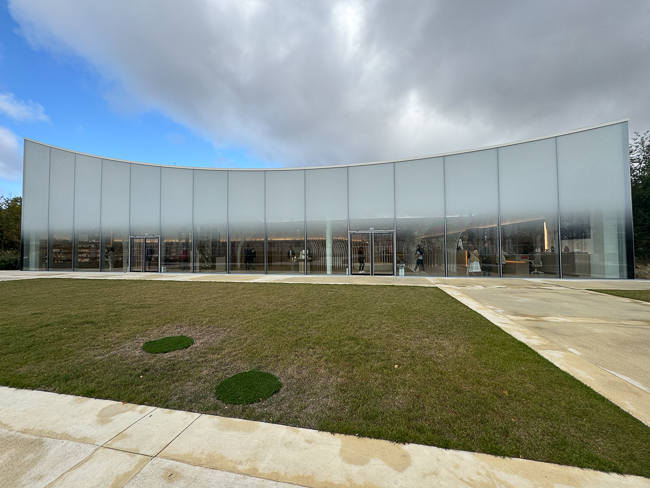
In anticipation of their 300-year anniversary in 2026, Ruinart had architect Sou Fujimoto design this new tasting room. The gardens are also filled with a considerable amount of Modern art. The relationship between the artists and the winery is evident throughout the tour.
*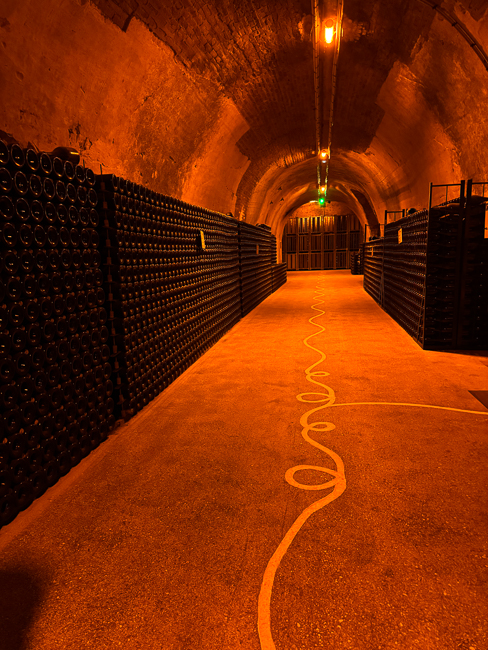
Underneath Reims are miles of complex tunnels, hidden rooms, and vast subterranean caves, some dating as far back as the Roman occupation. Dug into the solid chalk that underlies the region, they are used for maturing countless bottles of champagne in the cool, underground air.
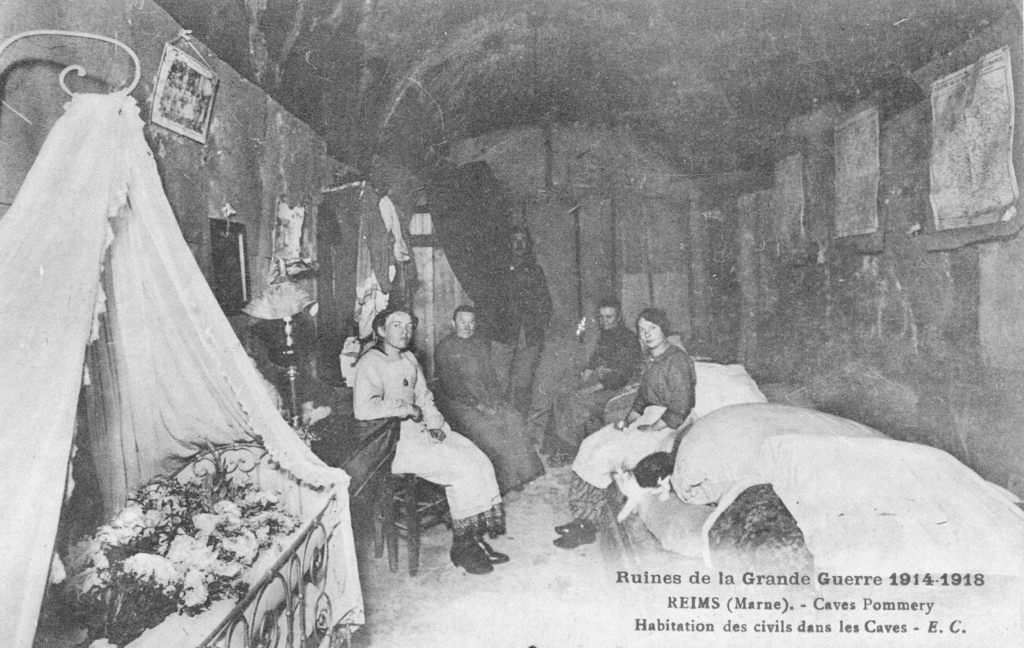
During World War I, however, they served a very different purpose. These tunnels were transformed into small cities. During the war, the people of Champagne made schools, hospitals, and sleeping quarters, where the citizens lived for years, hiding from the horrors above them.
The German army descended on Reims on September 4th, 1914. The citizens fought mightily, and eventually the Germans retreated. However, they took up new positions on the hilltops of the Champagne vineyards overlooking the city; if Reims could not be taken, the German high command decided to destroy it.
German artillery began to pulverize the historic city, entrenched in a front line that would barely move for the next four years. On one day alone, nearly 3,000 shells would fall on the town.
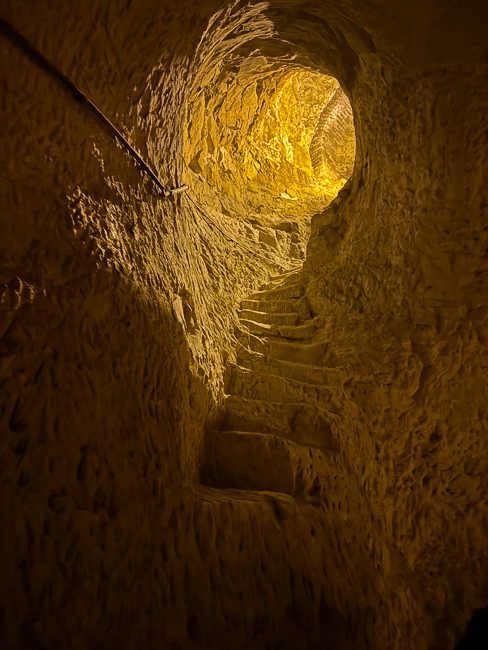
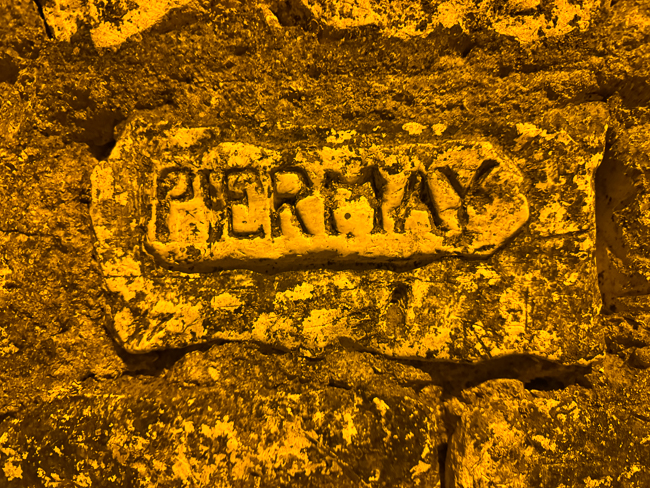
In the Middle Ages, chalk was mined for blocks to construct the buildings of Reims.
So why does chalk soil make such great wines? Some 80 million years ago, the Champagne area was a warm, shallow sea. Once the area dried up, it consisted of a very pure limetone comprised of more than 90% calcium carbonate. It is this chalk that gives champagne its finesse, lightness, and minerality. It also acts as a sponge, draining away excess water when it rains and, conversely, during heatwaves, it draws up water stored in the depths by capillary action.