2026
My Thoughts
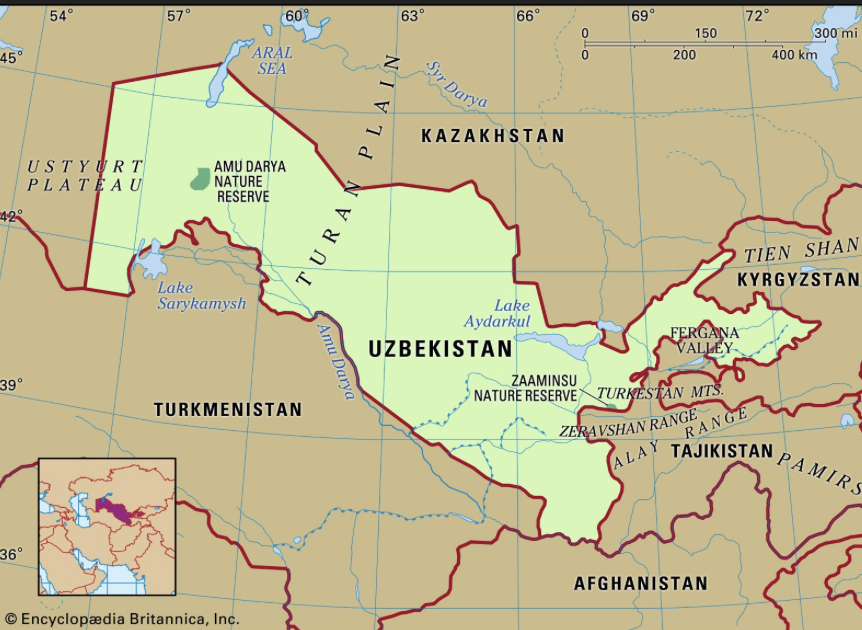
This has been a fascinating trip. Uzbekistan is anxious to expand its tourism, and yet it isn’t quite ready. Service is spotty at best, although everyone is absolutely delightful despite the fact.
Some of the hotels we stayed in were absolutely 5-star, but it is the little things that haven’t been ironed out, and I saw no sign of anyone taking charge to iron them out. We had electric curtains in one hotel, which is brilliant due to the hot sun. They closed automatically if you left the room. However, mine would not open back up without a considerable dance of switches. I finally began asking the front desk to send someone up to open them. Each time they agreed there was a problem, but not once did someone mention they would call maintenance, and I doubt the switch will ever be fixed.
We rode the bullet train, which was excellent. We flew internally on Uzbekistan Airlines, and while I felt safe, the stewards were there to hand you water and not one iota more, and this included making sure people were obeying the cabin safety rules.
I do not want this to sound like it isn’t a country worth visiting; however, if you expect luxury and smooth sailing, you might want to wait a few years before visiting.
A Quick History
The land that is now Uzbekistan was once at the heart of the ancient Silk Road trade route connecting China with the Middle East and Rome.
The country came under Russian control in the 19th Century, and emerged as an independent state when Soviet rule ended in 1991.
Under authoritarian President Islam Karimov, who ruled from 1989 until his death in 2016, Uzbekistan was reliant on exports of cotton, gas, and gold to maintain its rigid, state-controlled economy.
His successor, Shavkat Mirziyoyev, has made efforts to break Uzbekistan out of its international isolation and economic stagnation, but has yet to initiate any serious political liberalization.
The Government
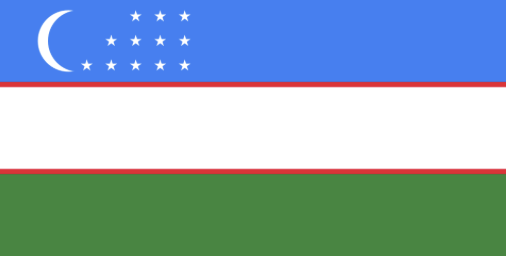
The country’s political system is highly authoritarian, and its human rights record is widely decried.
There is no legal political opposition, and the media is tightly controlled by the state. A UN report has described the use of torture as “systematic”.
The Republic of Uzbekistan is a presidential constitutional republic, whereby the President of Uzbekistan is both head of state and head of government. Executive power is exercised by the government. Legislative power is vested in the two chambers of the Supreme Assembly, the Senate and the Legislative Chamber. The judicial branch is composed of the Supreme Court, the Constitutional Court, and the Higher Economic Court, which exercises judicial power.
The government of Uzbekistan has instead tightened its grip since its independence on September 1, 1991, cracking down increasingly on opposition groups. Although the names have changed, the institutions of government remain similar to those that existed before the breakup of the Soviet Union. The government has justified its restraint of public assembly, opposition parties, and the media by emphasizing the need for stability and a gradual approach to change during the transitional period, citing the conflict and chaos in other former republics such as Tajikistan.
The Economy
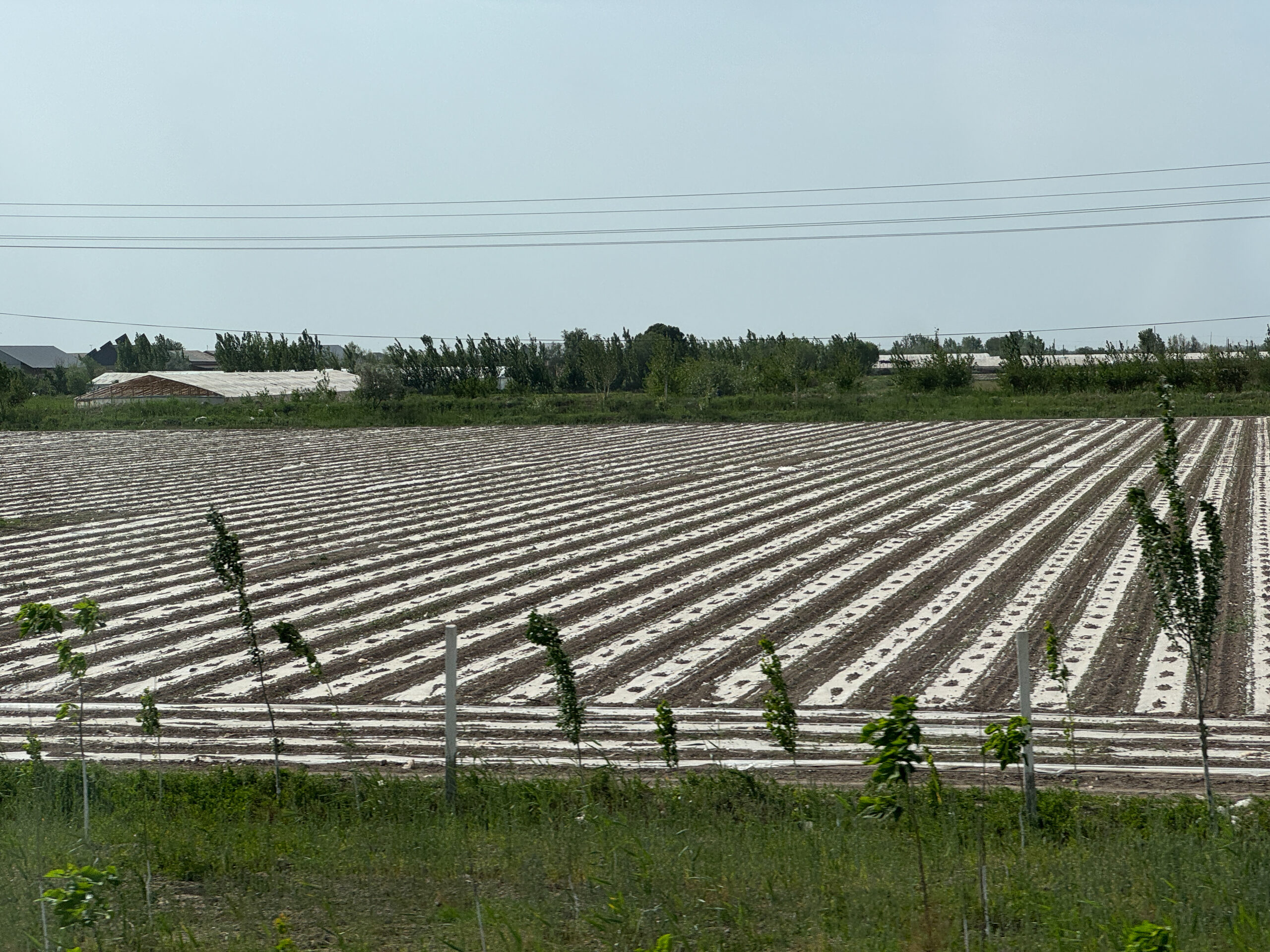
Uzbekistan has rich reserves of gold, oil, natural gas, coal, silver, and copper. All potential for a base for economic development. But it is still mostly an agricultural economy. The country was the principal source of cotton for the Soviet Union’s textile industry. Today, it is the world’s fifth-largest cotton producer and second-largest cotton exporter.
Economic reform has been slow, and poverty and unemployment are widespread.
Ethnic Makeup
Uzbeks make up about 70 percent of the population, but it is an ethnically diverse country with a sizeable Russian, Tajik, Kazakh, Karakalpak, Korean, Jewish, Armenian, and Tarter amongst the most prevalent.
Modern Uzbeks come not only from the Turkic-Mongol nomads but also from other Turkic and Persian people living along their border.