June 8, 2026
The Musée des Plans-Reliefs is a museum within The Invalides. Most people go to the Invalides and see Napoleon’s tomb and a lot of canons. I was there specifically to see these marvels of art.
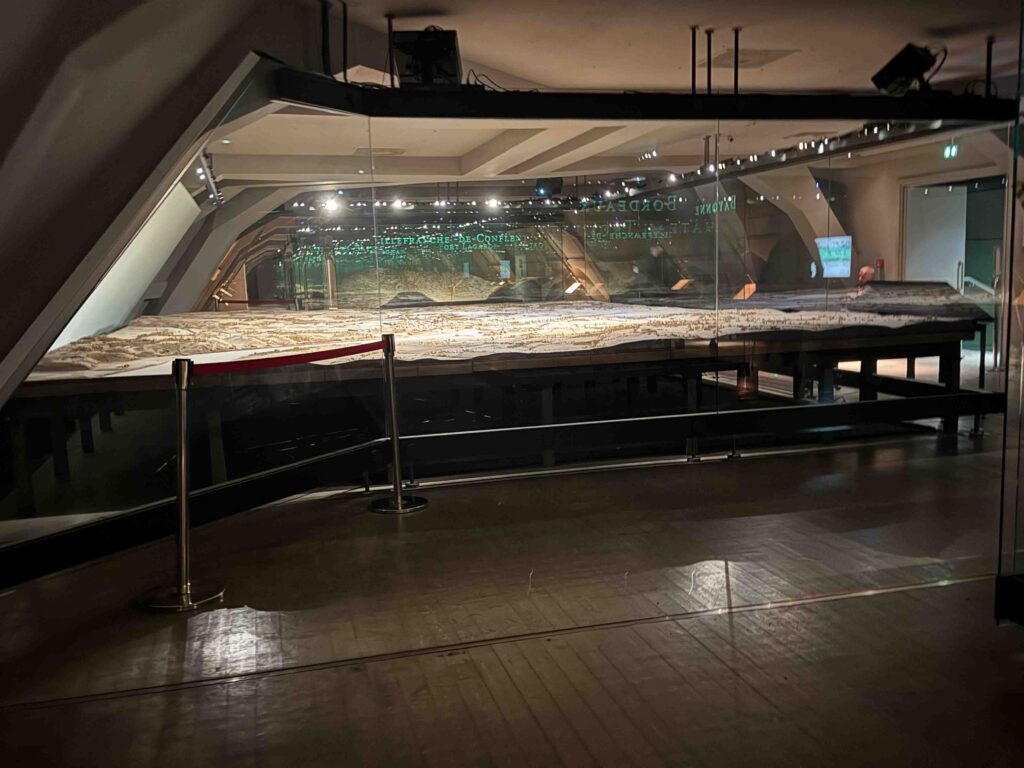
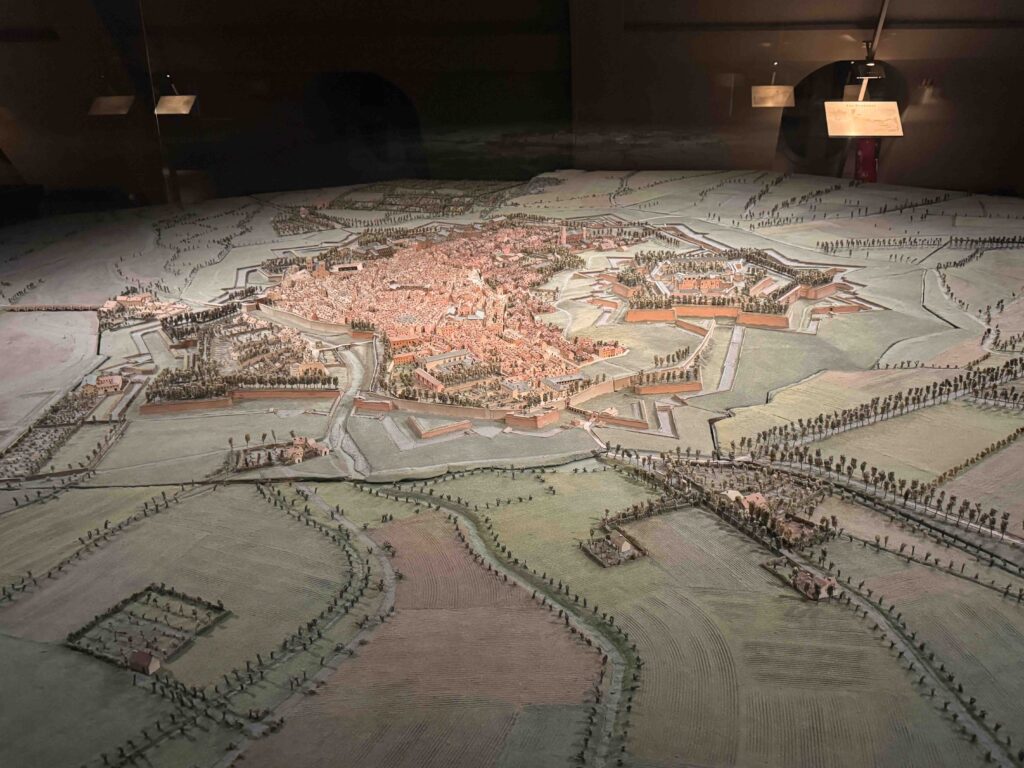
Of the 150 models created, about 100 are housed at the museum, with only a portion on display in a dark room on the top floor of Les Invalides. It is said some are as big as a Paris apartment. The one above, the largest on the floor, was certainly the size of my kitchen.
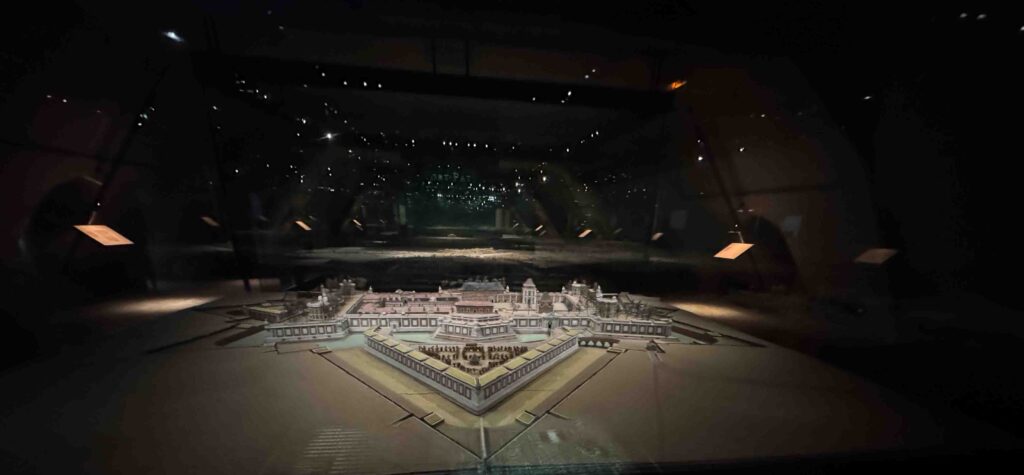
The project of building miniature versions of key fortifications began under the rule of Louis XIV, the Sun King, and continued under Louis XV. One hundred fifty sites were reproduced, usually created on-site by the Corps de Fortifications, then moved into the collection upon completion.
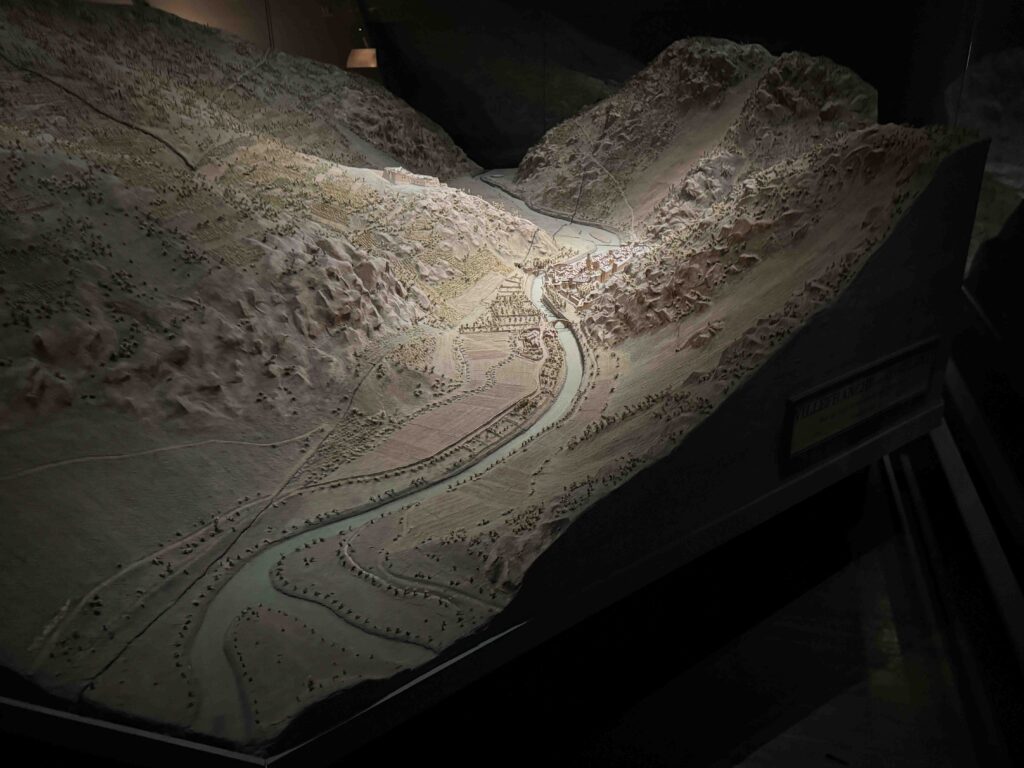
They were primarily built of plaster, papier-mâché, and wood at a scale of 1:600 (1 inch to 50 feet), with key monuments often slightly scaled up. Each model was built onto custom interlocking tables, which allowed them to be transported and reassembled for the king.
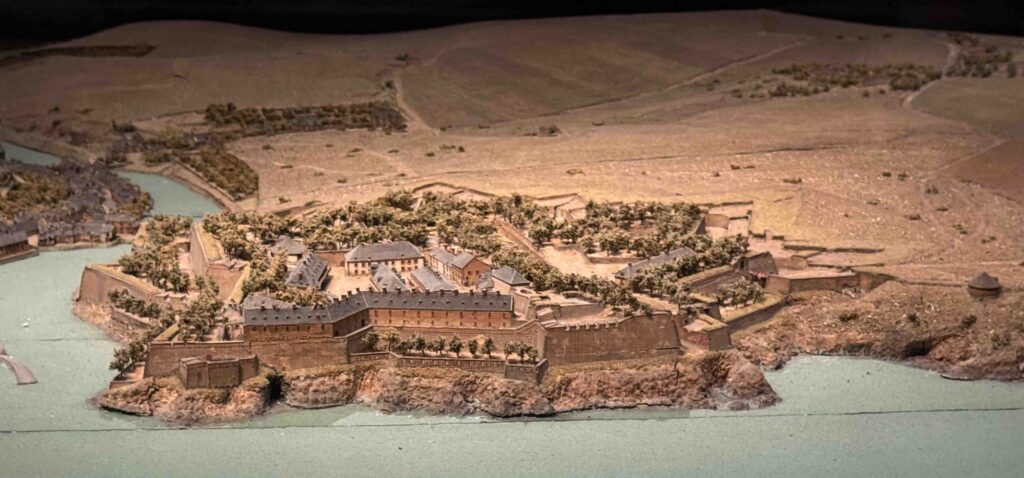
Louis XIV housed and displayed the collection at the Louvre. By the time the Louvre was repurposed in 1774, the models had largely fallen into disuse and were nearly discarded.
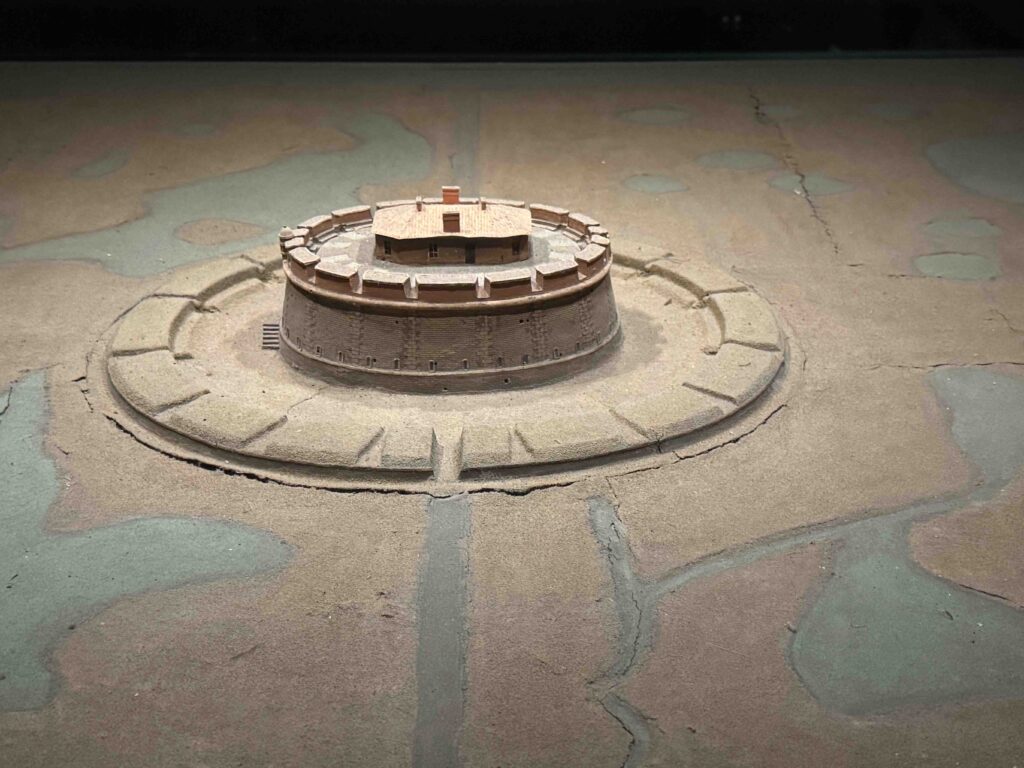
This was the first I photographed, as it took me so long to wrap my head around the scale of these models, and this one was small and therefore easily photographed.
Fortunately, in 1777, the collection was moved into its present home at the Hôtel des Invalides on the orders of Louis XVI. It was an appropriate site as the Invalides was originally built by the Sun King as a home for disabled soldiers who fought in the wars he planned with these very models. Twenty years were dedicated to the preservation and reconstruction of the aging miniatures.
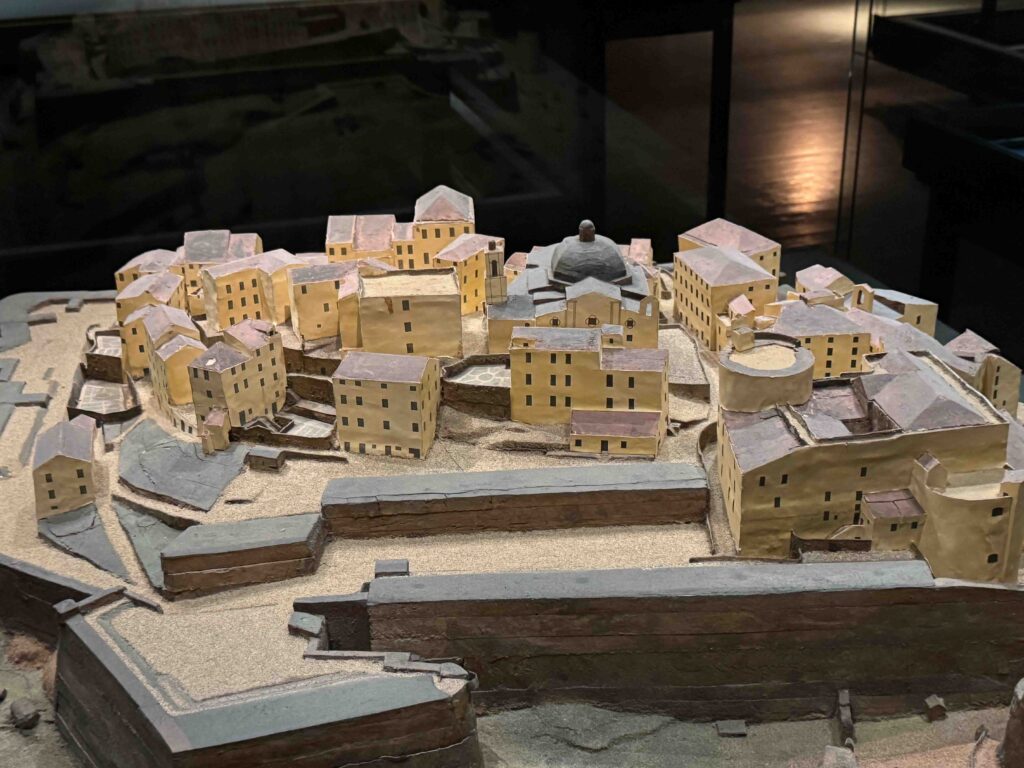
The last models were made in 1870, as France stopped building new major fortifications and photographic technology came into being. The collection was declared a historical monument in 1927 and officially established as a museum in 1943.
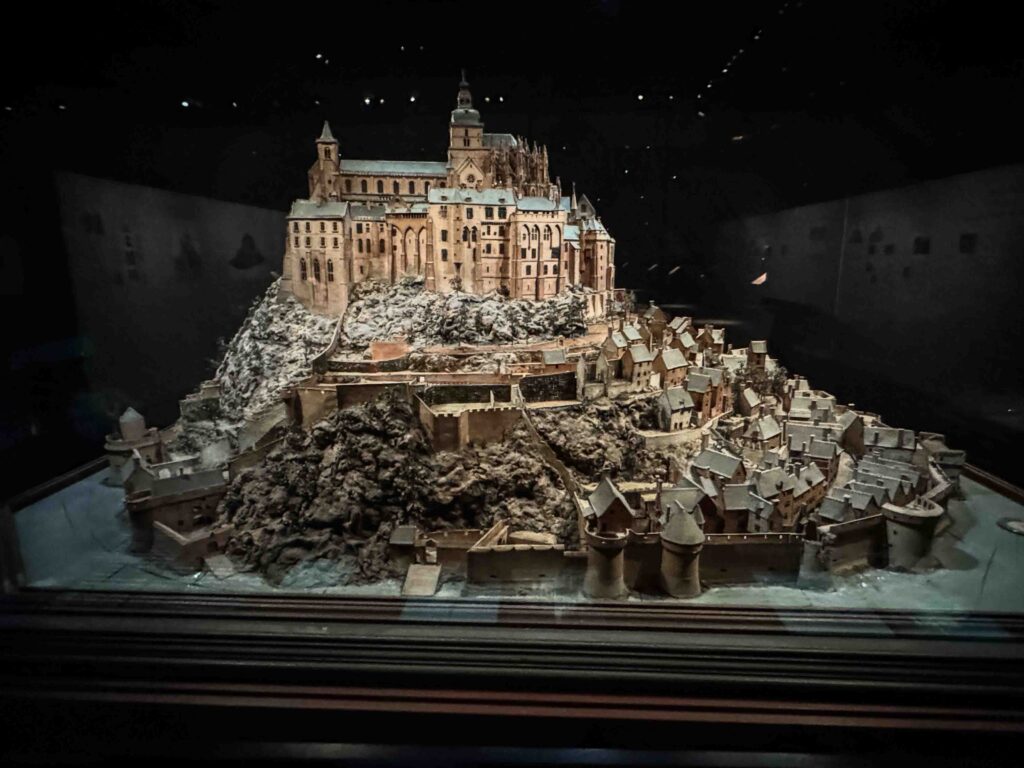
I took oodles of photos of Mont Saint Michel, simply because it was on a scale that was comprehensible.
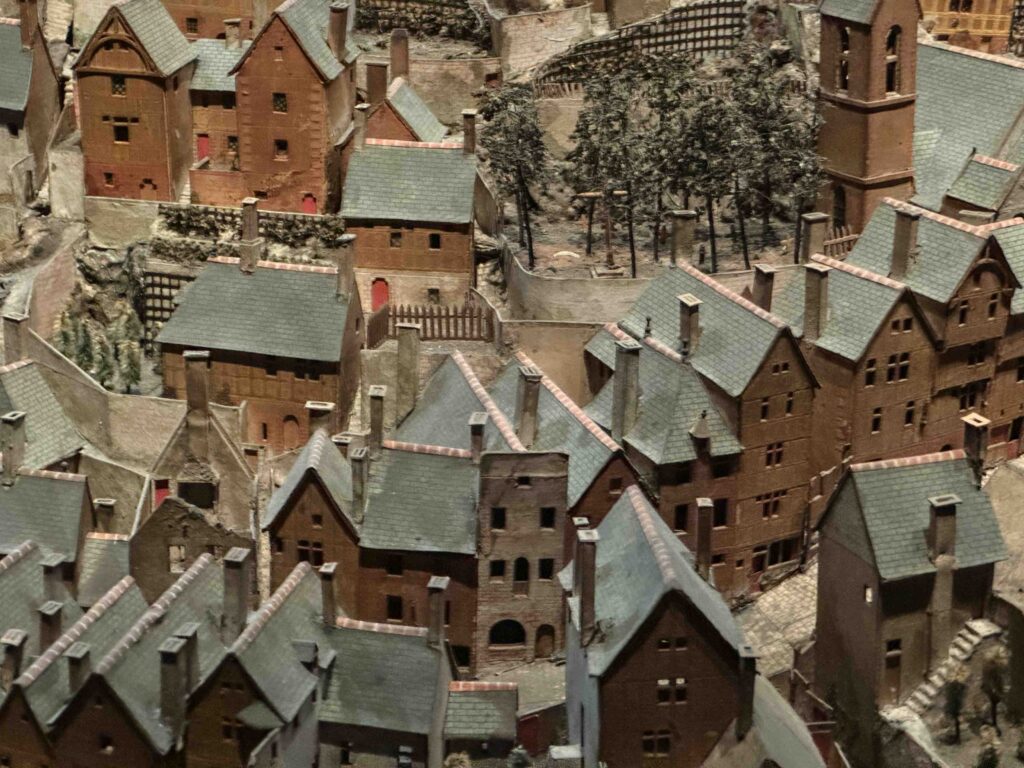
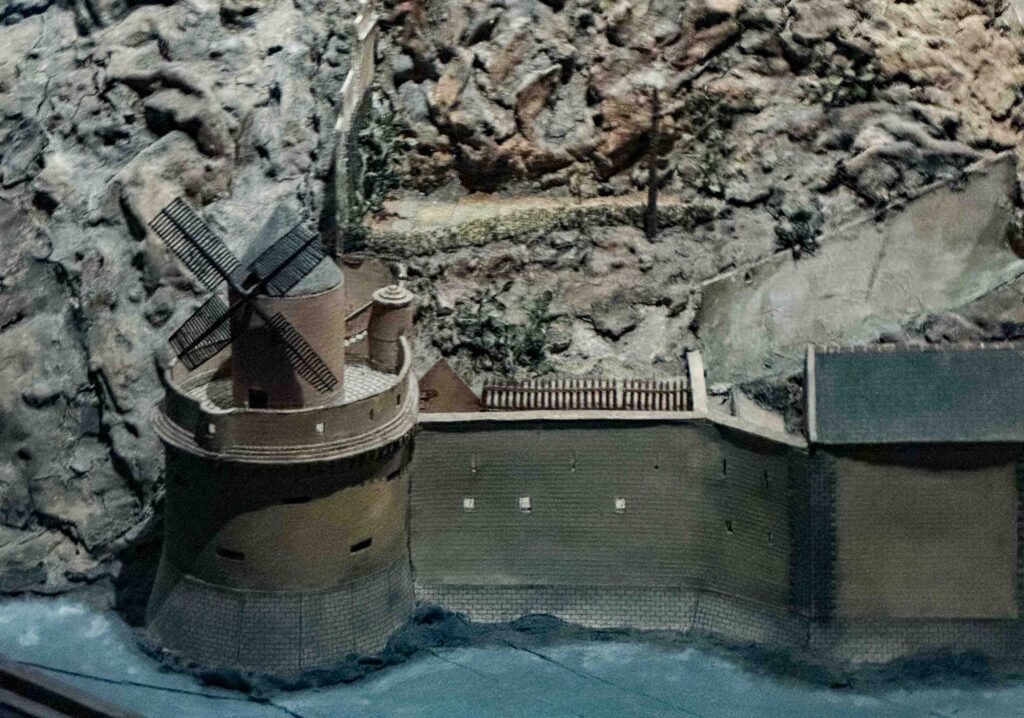
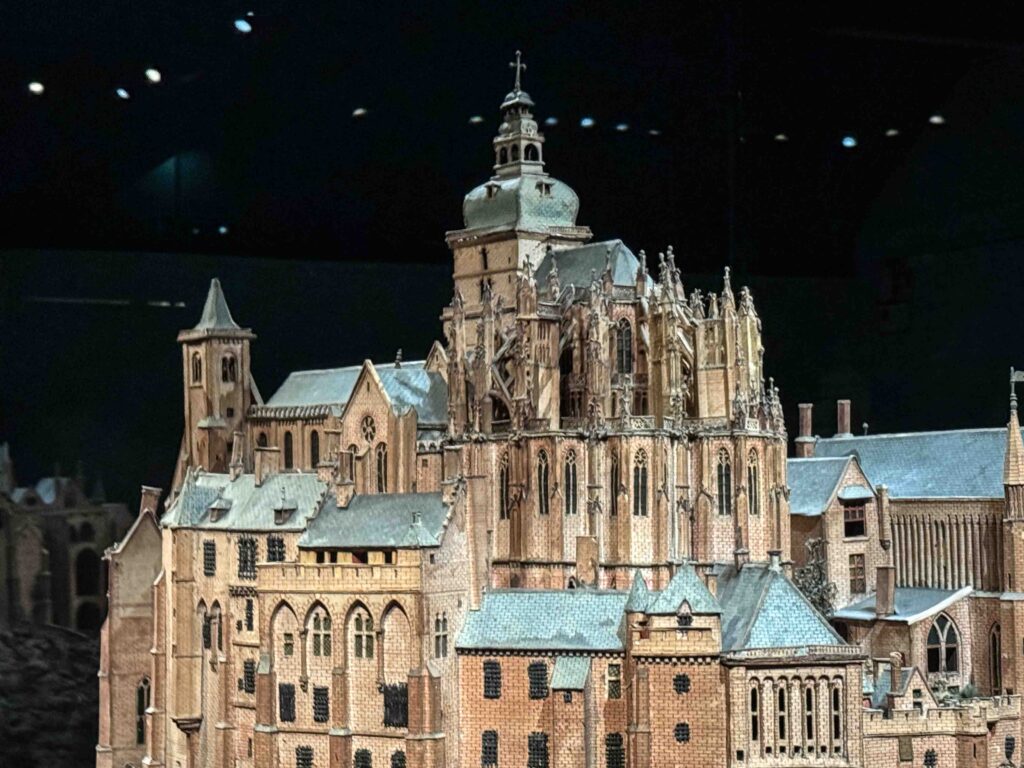
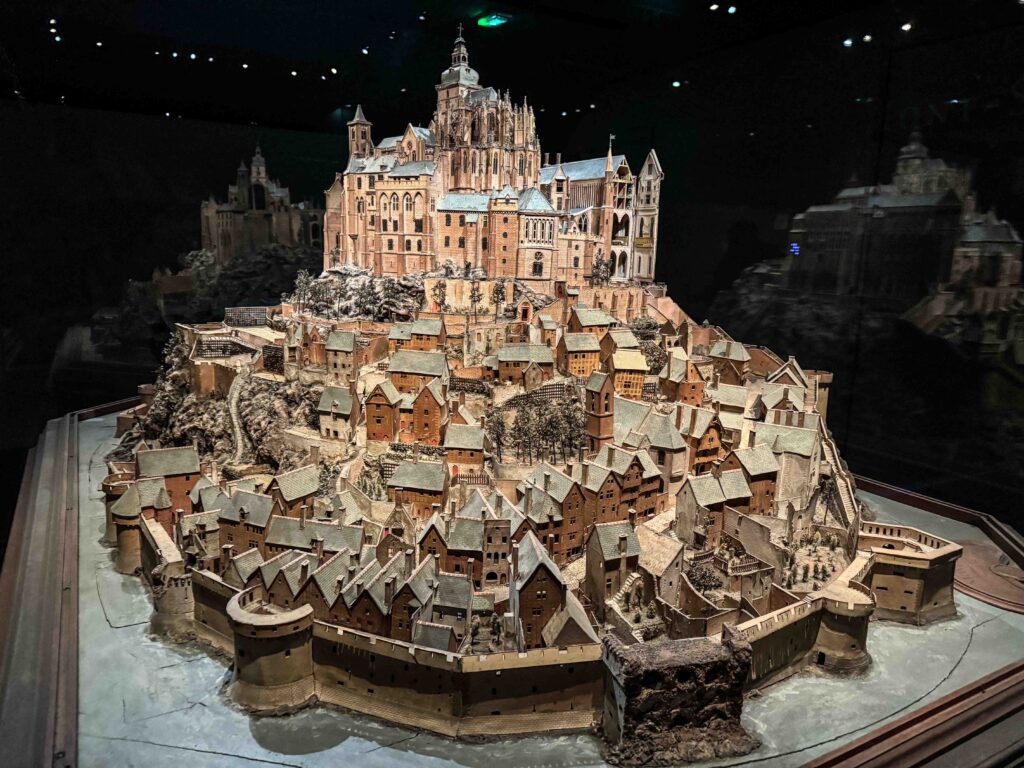
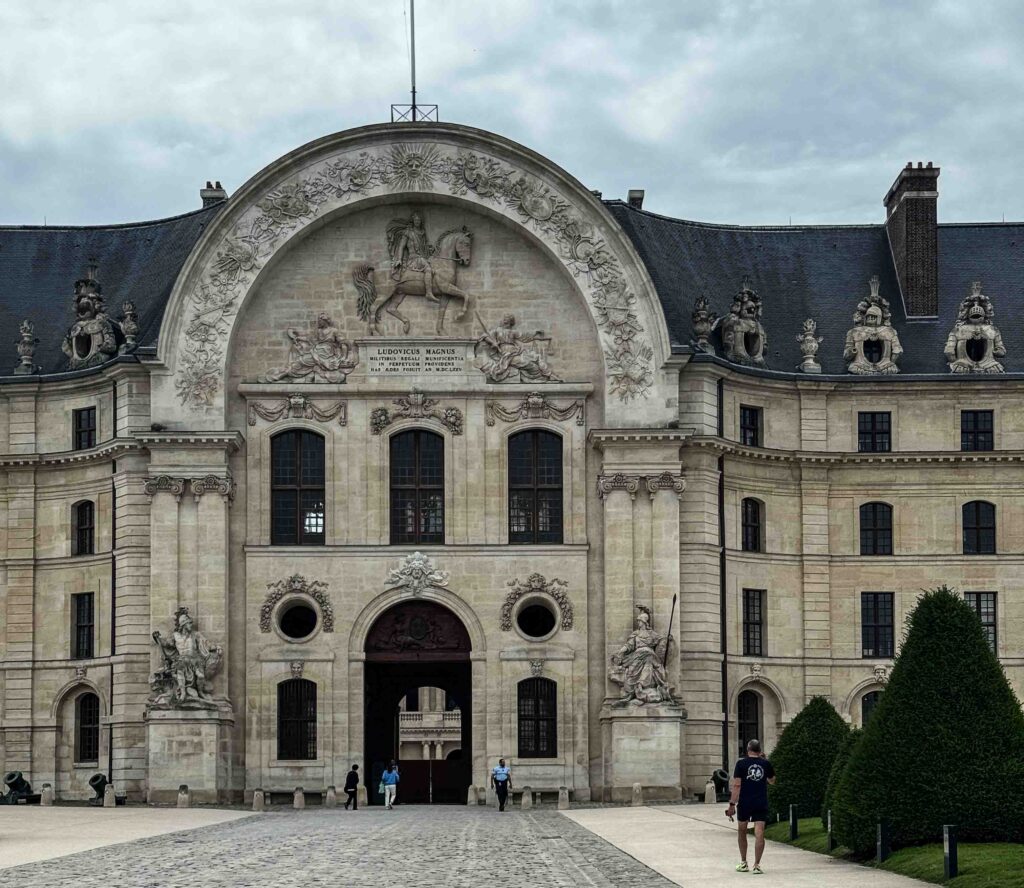
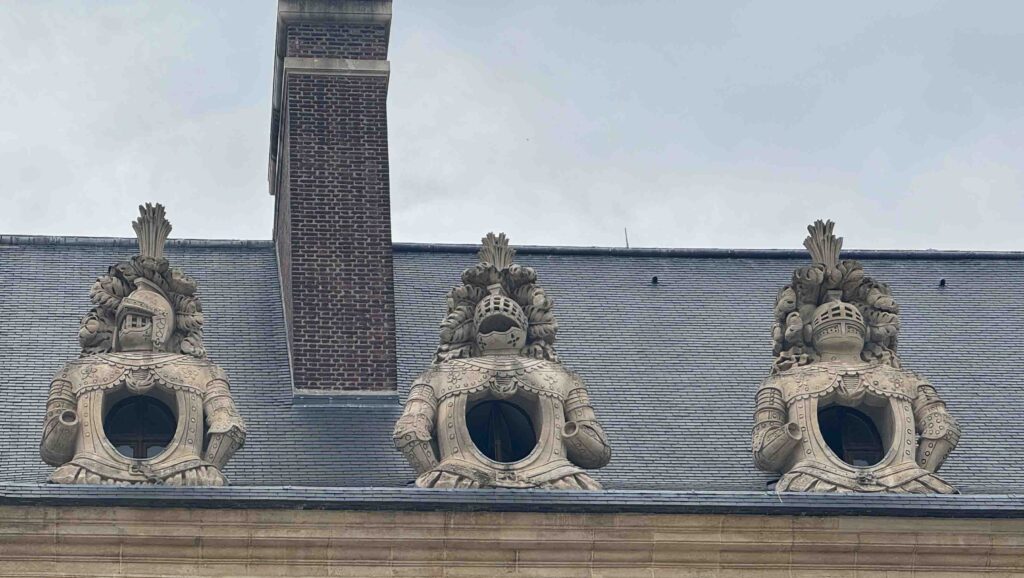
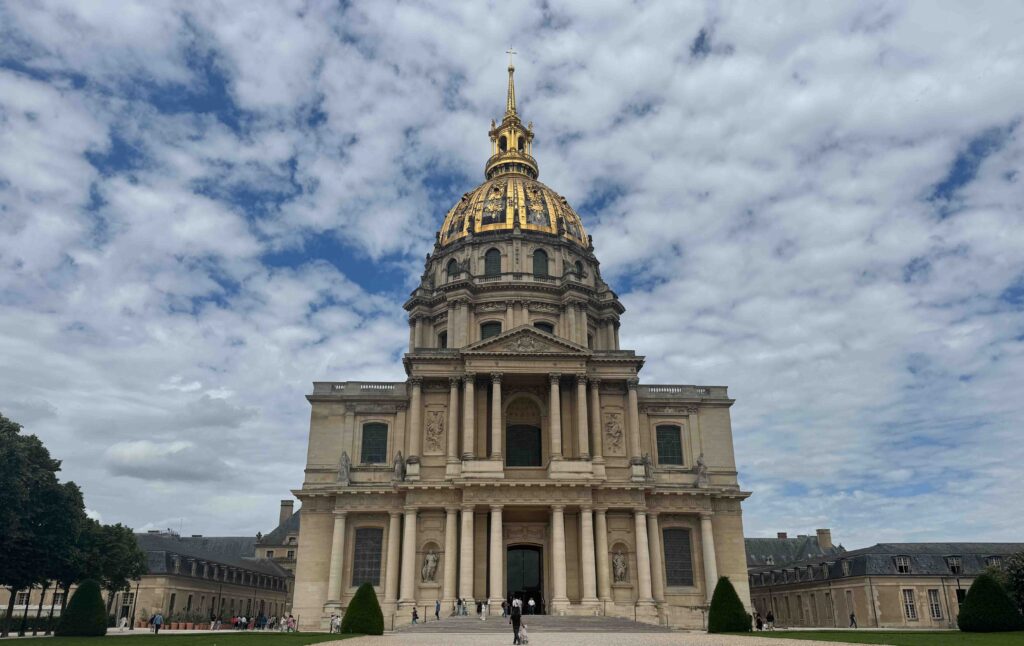
The Invalides is so massive as it takes many visits to appreciate its glory and beauty. Here are a few shots I took as I wandered the complex.
*
Just as I was leaving, this caught my eye. In the 1920s and 30s, French automaker André Citroën set out to prove that the automobile wasn’t just for city streets and countryside drives.
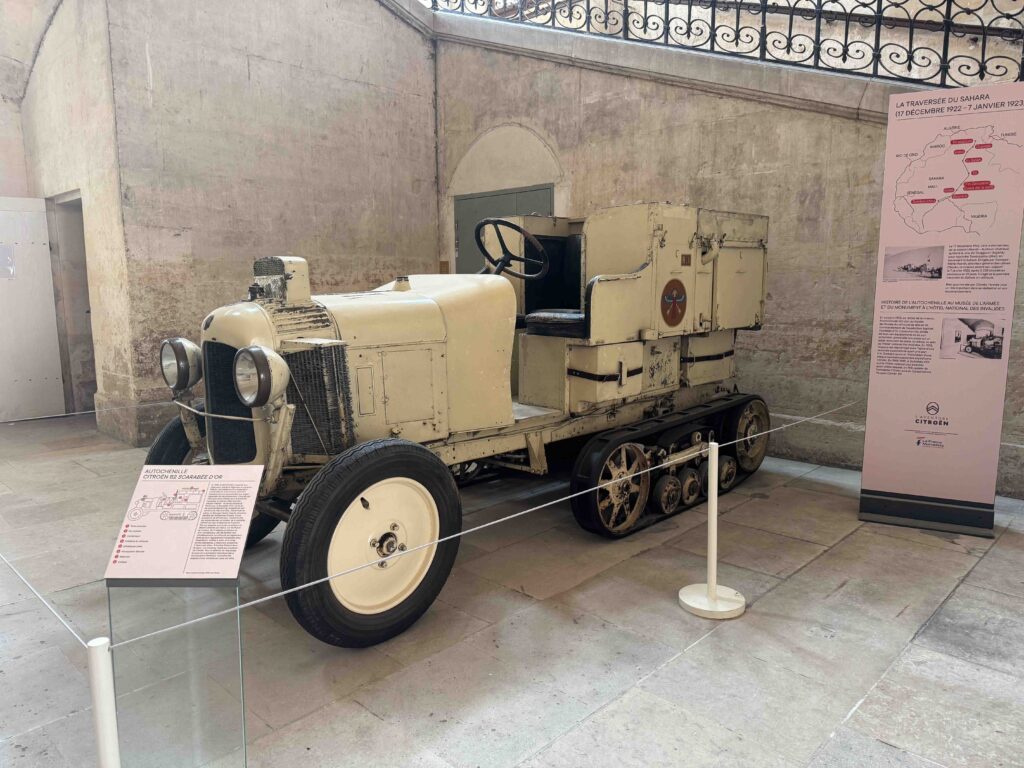
In December 1922, five Citroën half-tracks fitted with Adolphe Kégresse’s track system left Touggourt, Algeria. Their mission: to cross the vast Sahara Desert. In just 21 days, Citroën’s machines rolled across the dunes, proving his point. He successfully completed three treks across various deserts of Africa. And all this time, I just thought they were funny French cars.