May 26, 2026
I have always been fascinated with burial sites, and this was truly amazing.
The site has been developing almost continually since prehistoric times. It is a complex archaeological site with several phases of development. It began in the Bronze Age with tumuli or mounds.
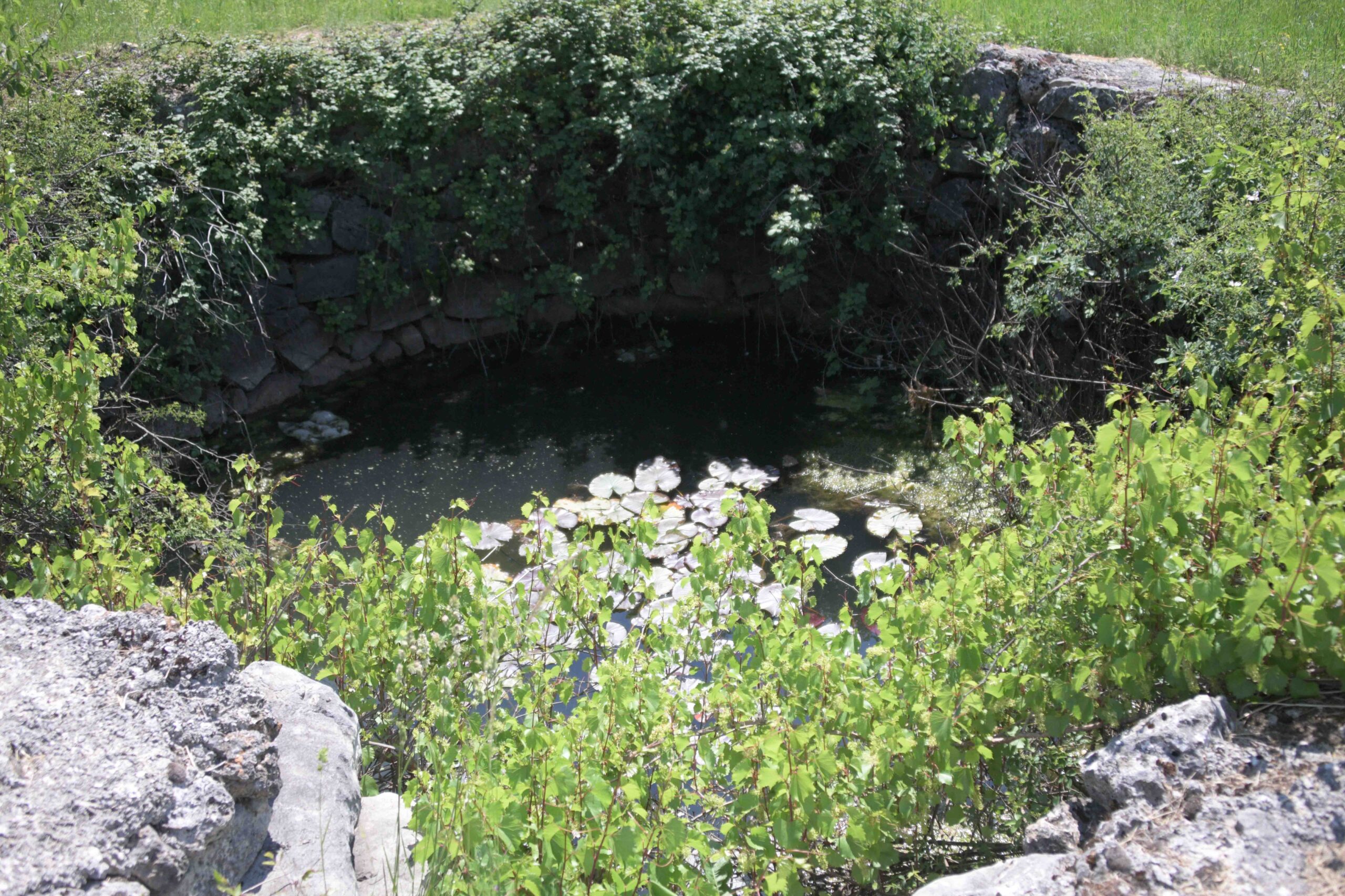
Water retention in a nearby sinkhole certainly contributed to the creation of the sites precisely there.
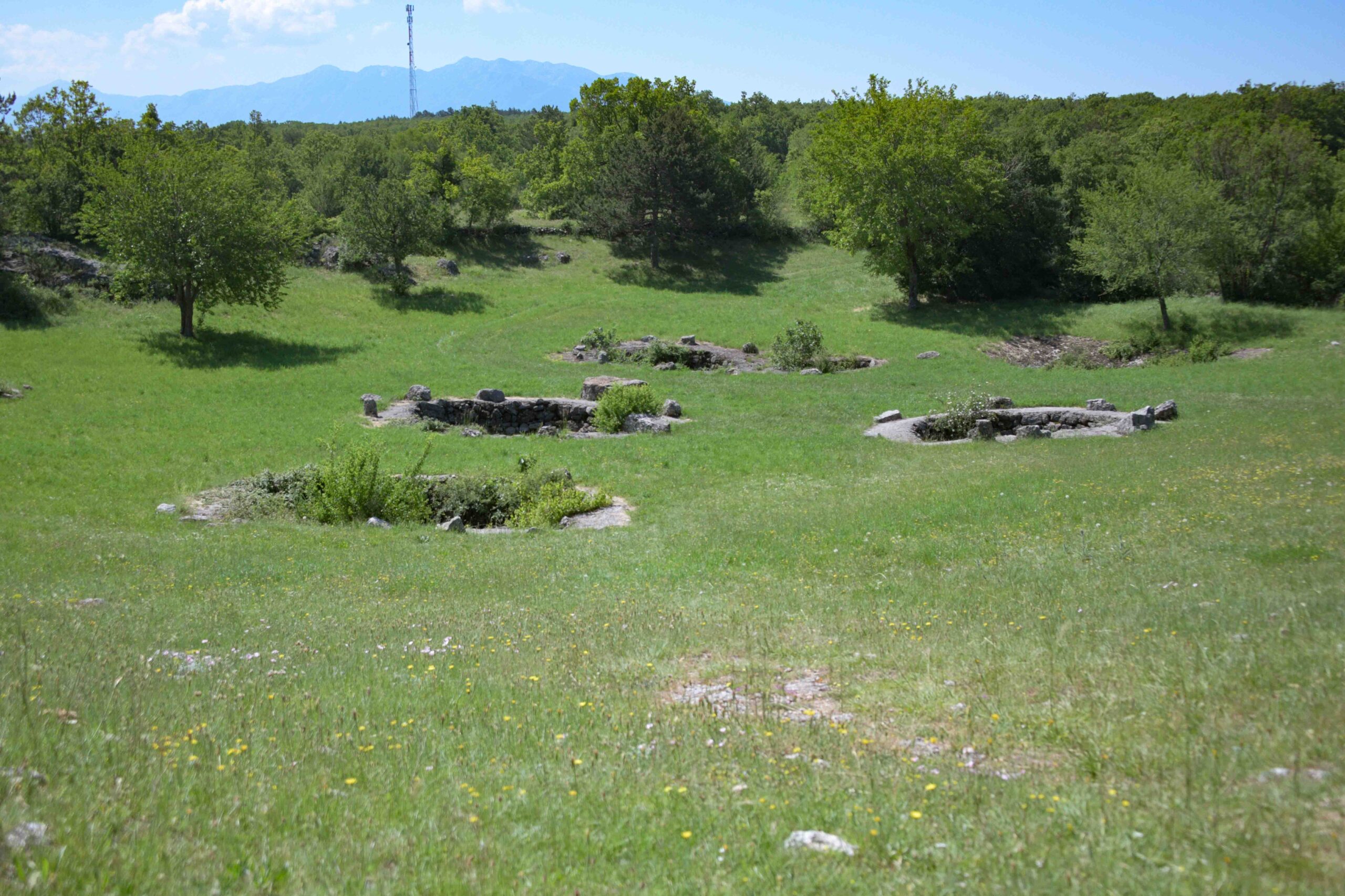
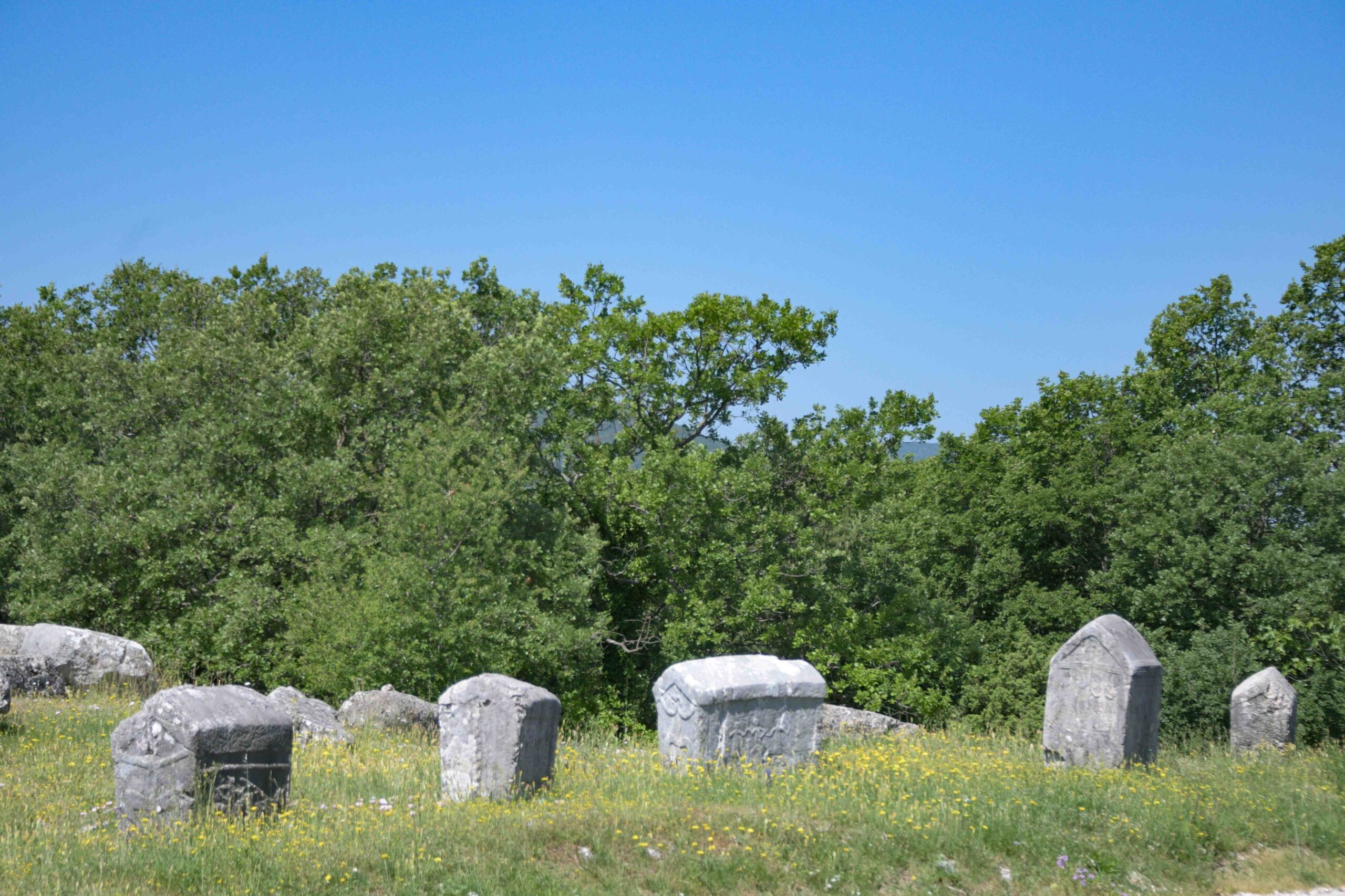
Then there is the medieval cemetery with stećci that developed throughout the 14th and 15th centuries on top of and around the tumuli.
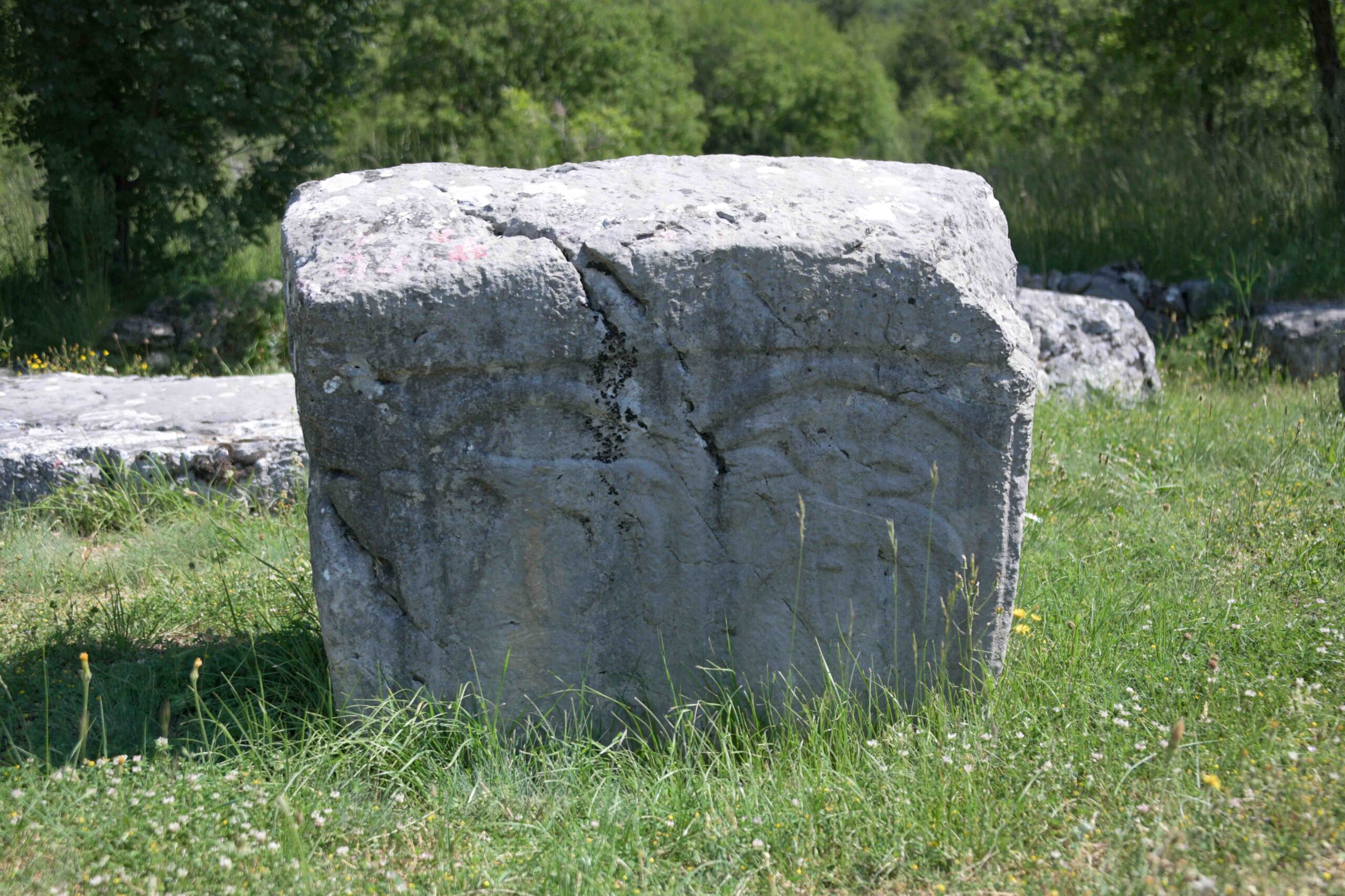
The Romans built a road in the area connecting Salona (the capital of the Roman province of Dalmatia) and Narona (in the Neretva Delta). Placing the graves along the road is a custom going back to antiquity.
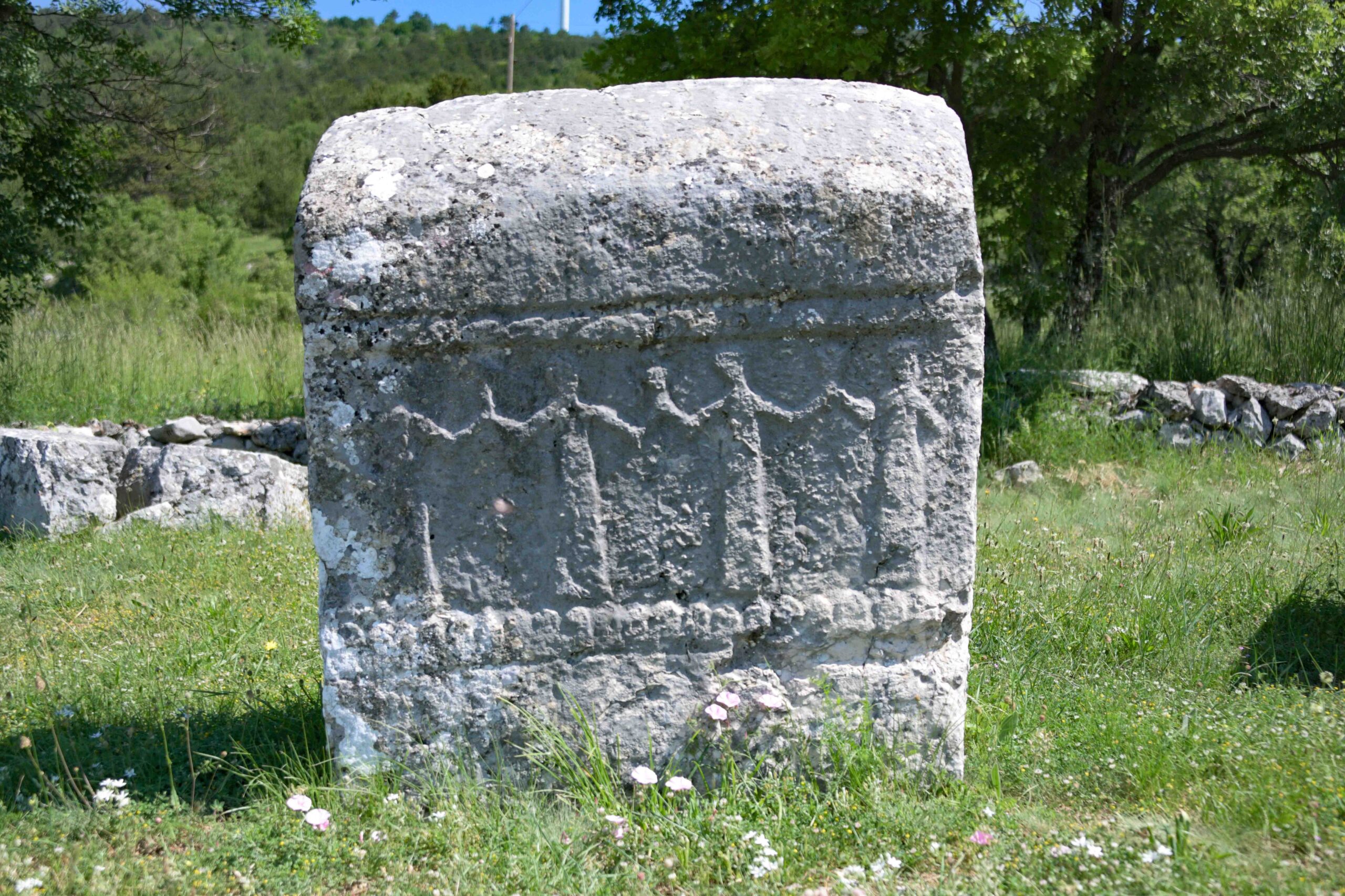
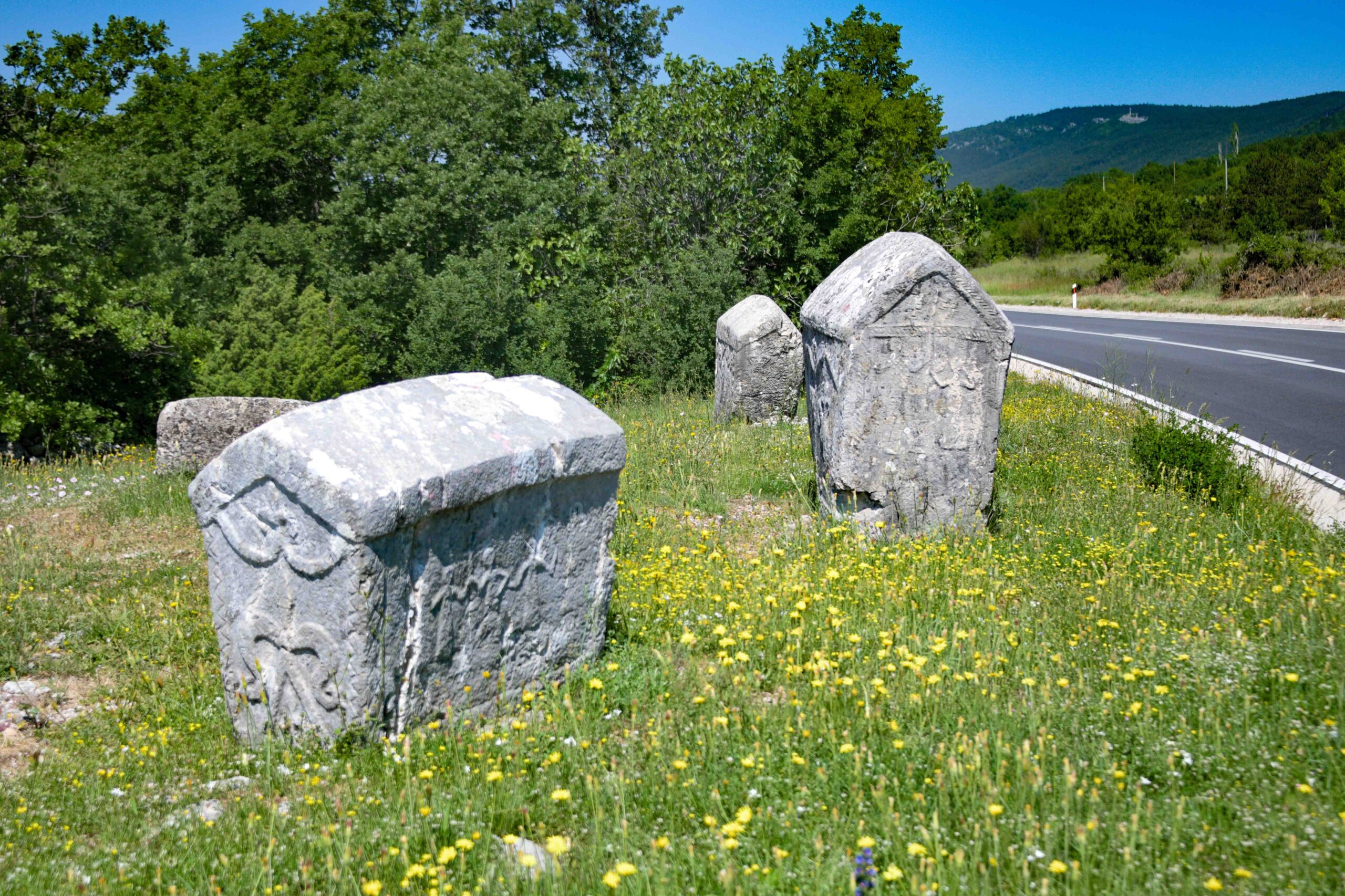
The area consists of 102 stećci of all basic types: slabs, chests, and gabled-roof tombstones. Decorative motifs found consist of crosses of all forms, anthropomorphic lilies, hunting scenes, scenes of people dancing, jousting scenes, various vegetal motifs, crescents, stars, and half-spheres.
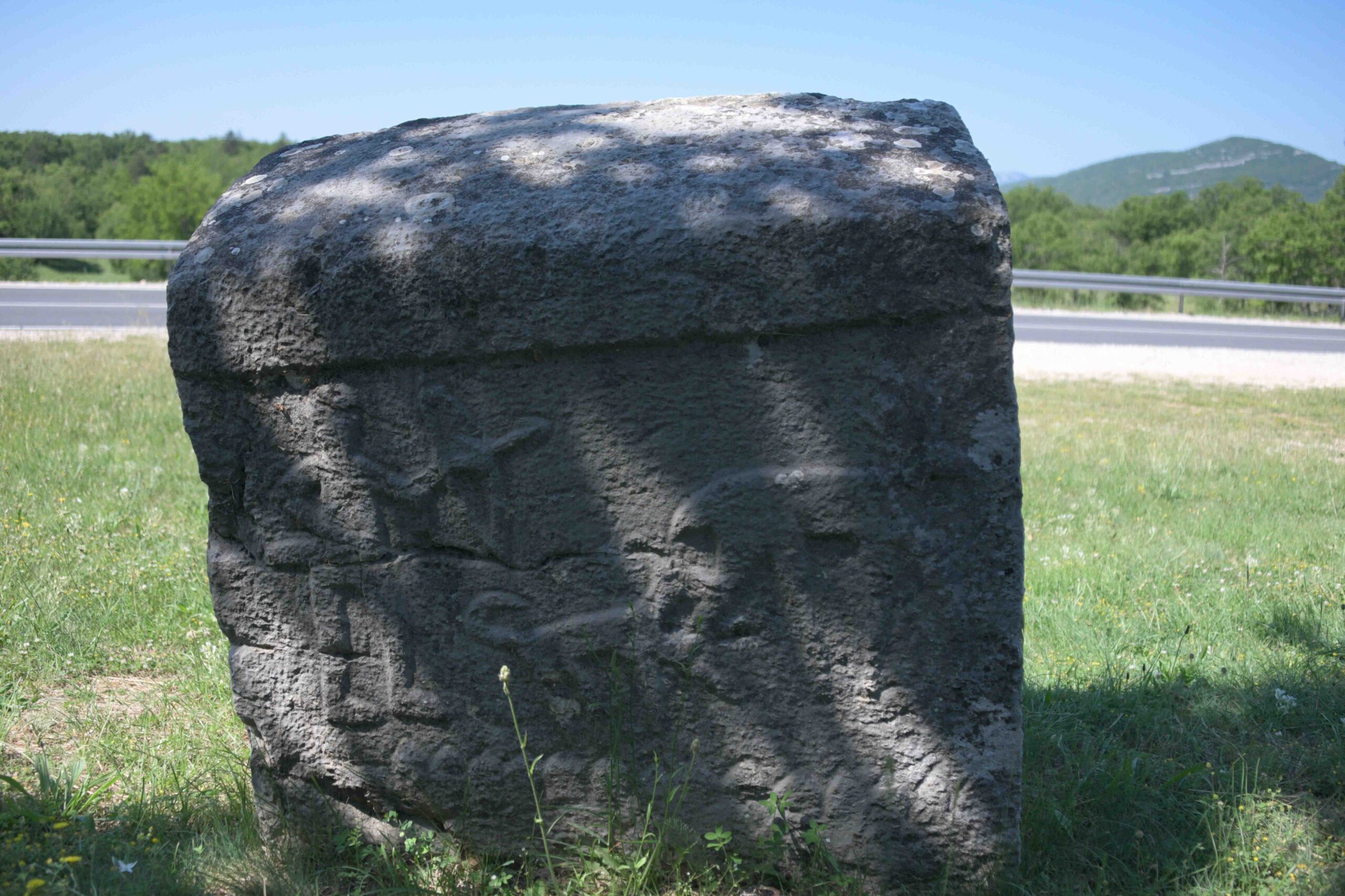
Two stećci have partially preserved inscriptions in Cyrillic script mentioning the spouses Jerko and Vladna Kustražić.
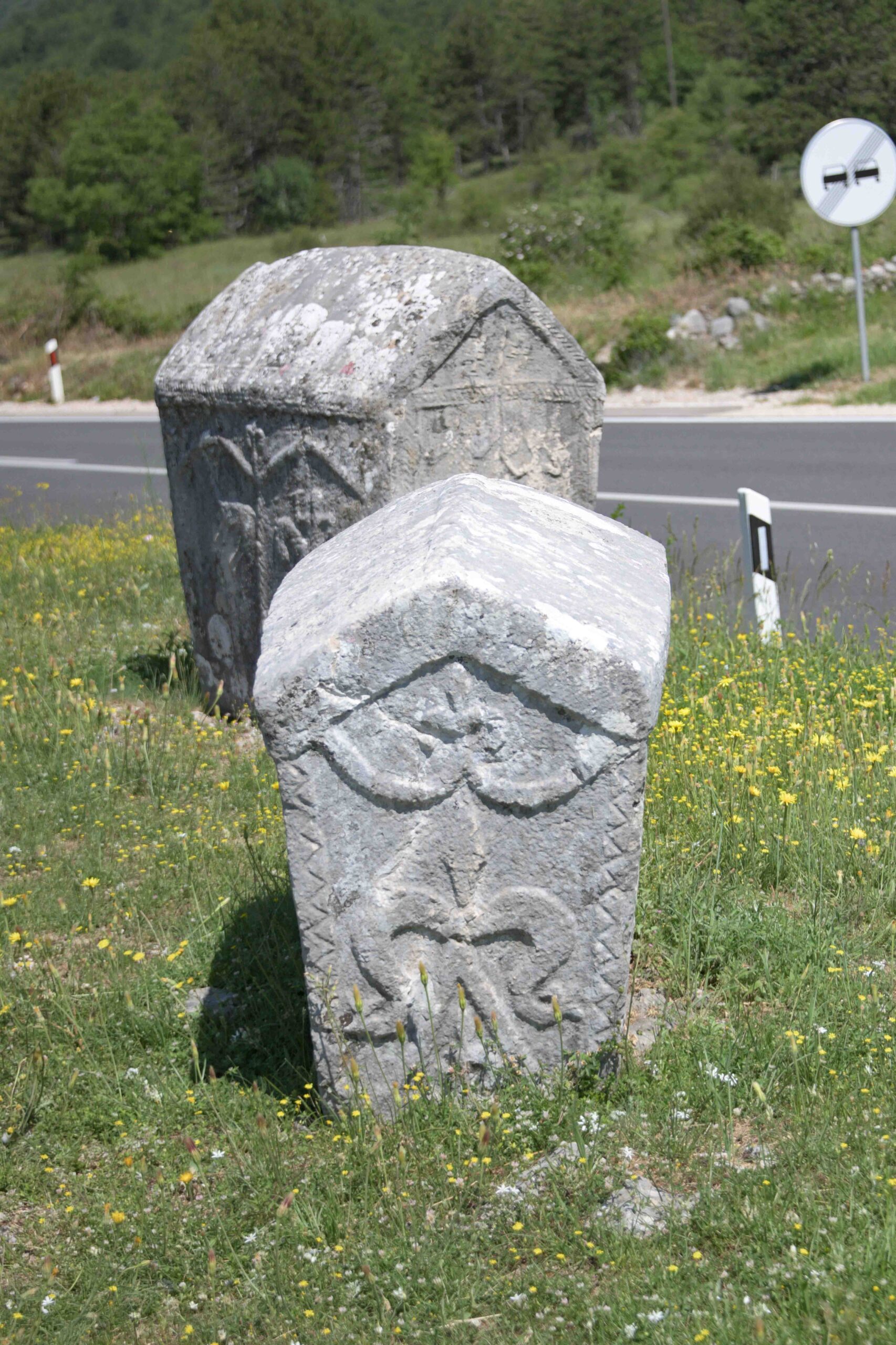
The site was a stunning piece of history on the sides of what is now just a country road.