May 10, 2026
Bukhara is the seventh-largest city in Uzbekistan by population, with 280,187 residents in January 2020.
After its capture by Alexander the Great (330 BCE), the Greco-Bactrian state was established here. Then, states such as the Kushan, the Hephthalite Empire, the Turkic Khaganate, the Arab Caliphate, the Samanids, the Karakhanids, the Kara Khitai, and the Khorezmshahs were formed here. A mind-spinning history.
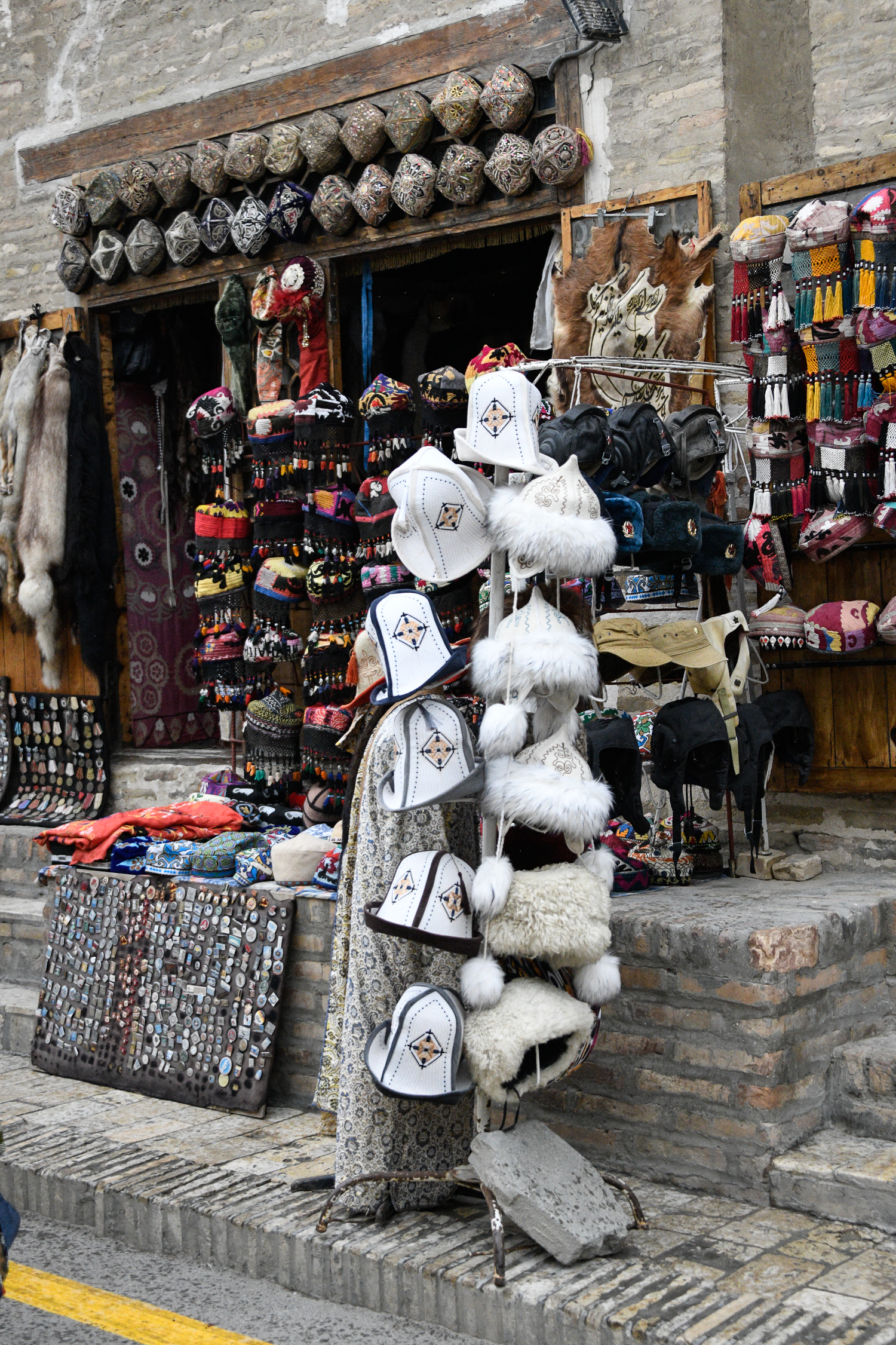
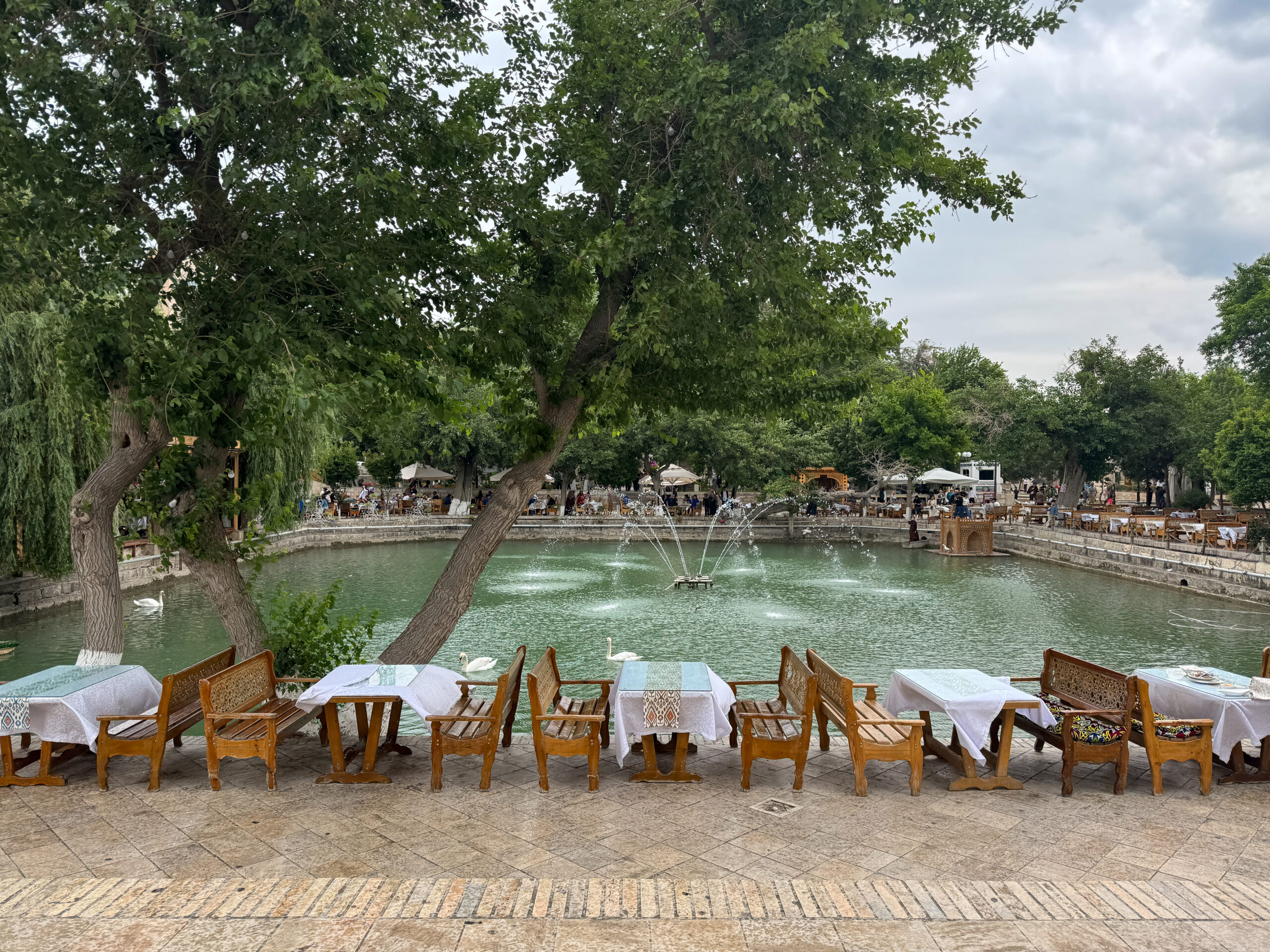
We spent the morning in the old portion of Bukhara. There have been restoration efforts to repair ruined buildings; however, the old center apparently hasn’t changed much. However, for some reason, it feels a lot like Disneyland. There are perfect shops selling lovely things everywhere. There is a water fountain in the middle surrounded by trees and tables for enjoying, and it all feels just a tad too perfect in the middle of an unbelievably historic sight.
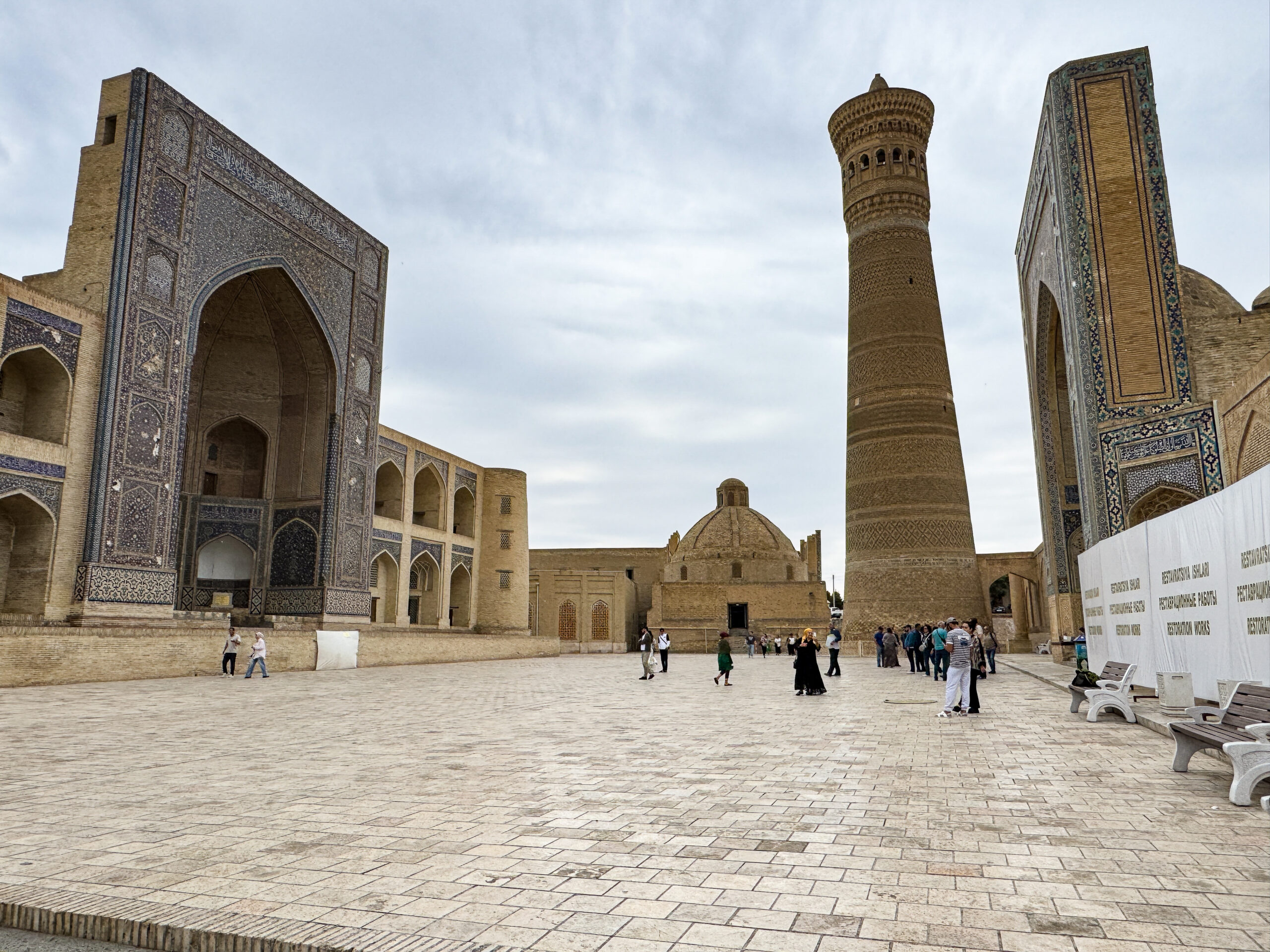
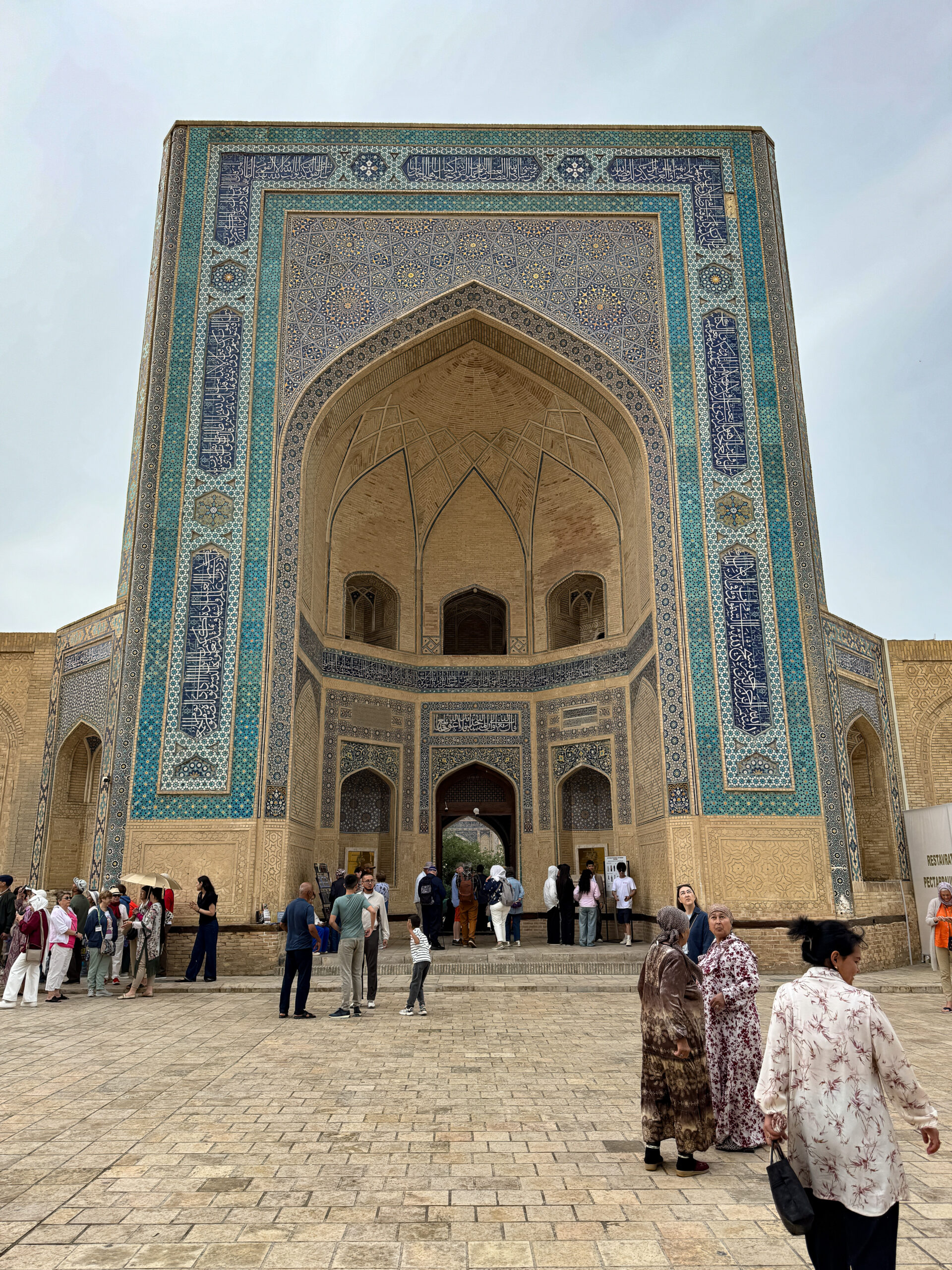
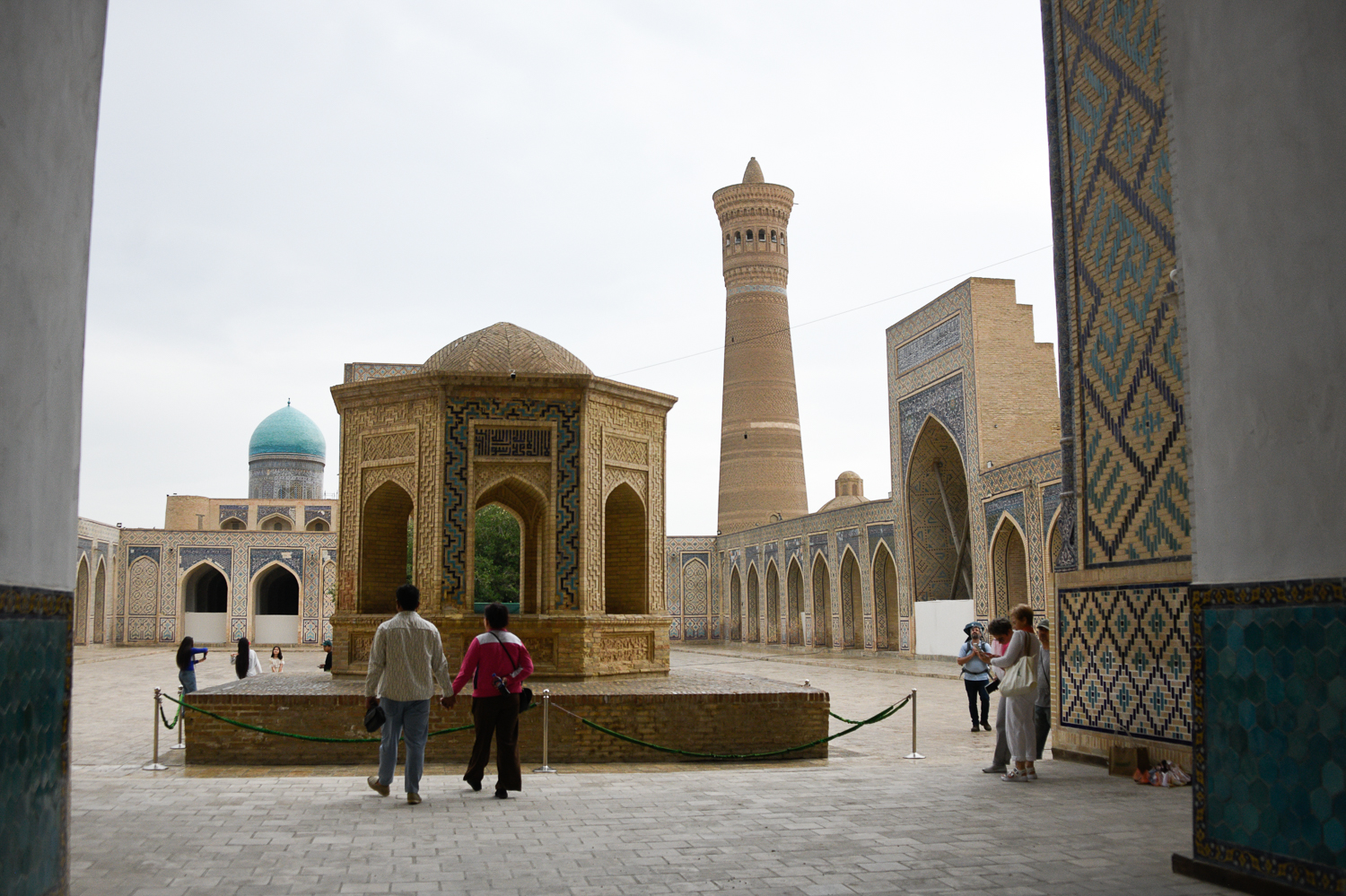
Constructed between the 12th and 16th centuries, the above ensemble includes the vast Kalan Mosque (1514), on the right, which is capable of holding 10,000 worshippers.
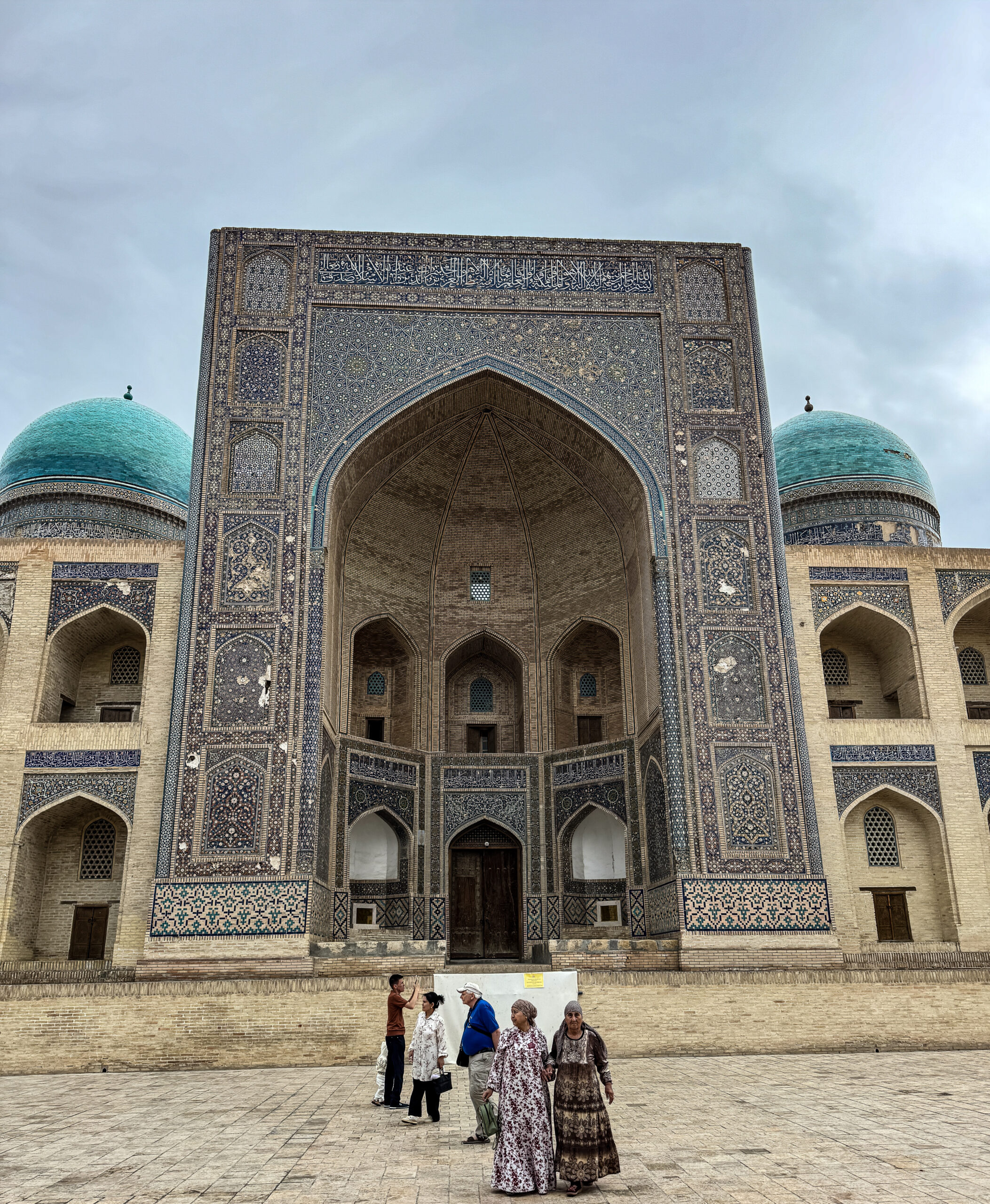
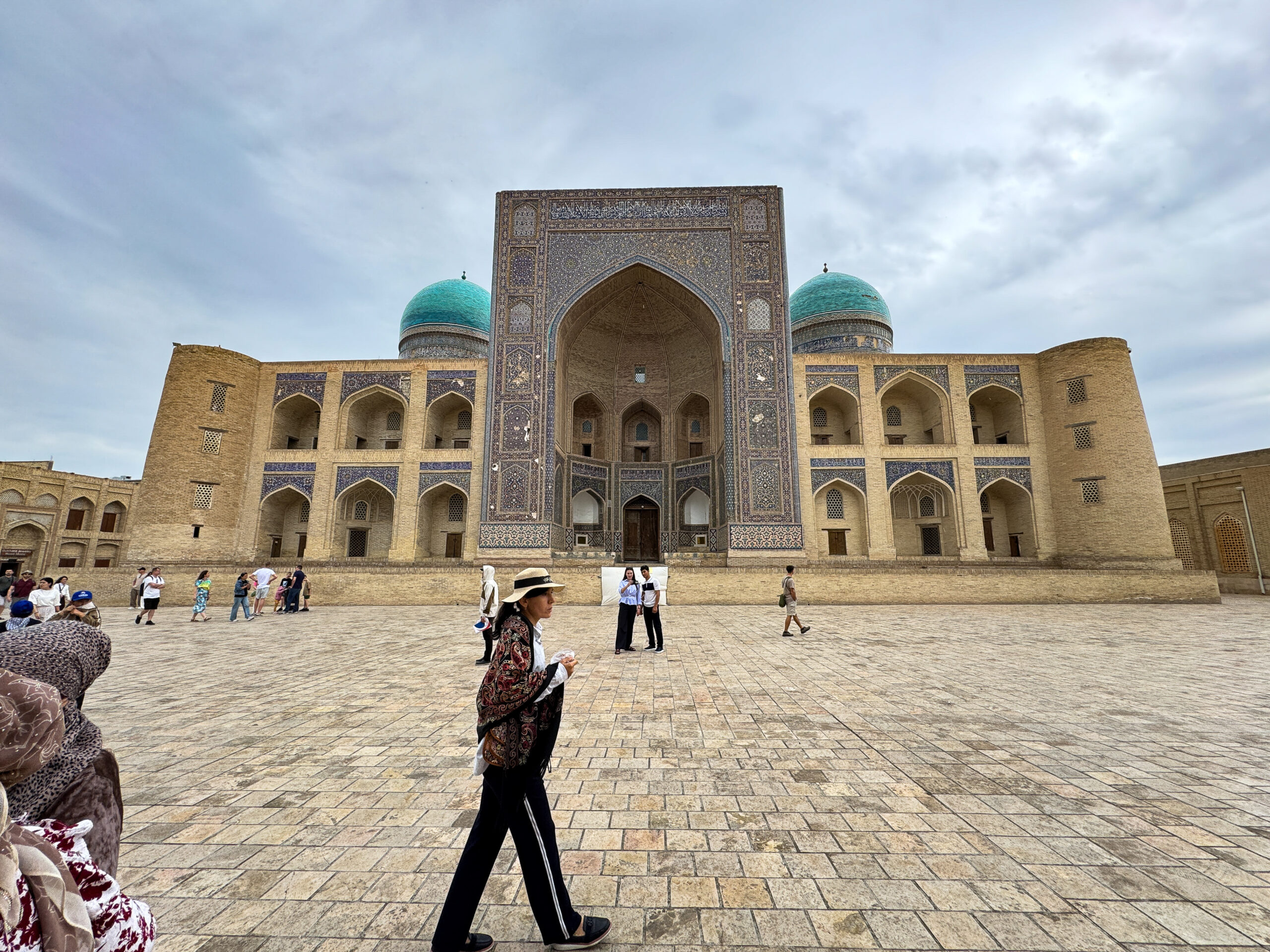
Across the square, the Mir-i Arab Madrasa was established in 1536 and is still an active religious school. However, it is being restored and is off limits to visitors. Between them stands the Kalan Minaret, a 150-foot-tall tower built in 1127. Legend has it that this was one of the only structures spared by Genghis Khan during his invasion of Bukhara in 1220.
 *
*
Uzbekistan is a secular country. There are 16 religious groups in the country. Islam is recognized as the main faith. 90 percent of the population is Muslim, mostly Sunni of the Hanbali branch. In Uzbekistan, religion is considered part of traditional culture rather than a world religion, thus making the country a secular state.
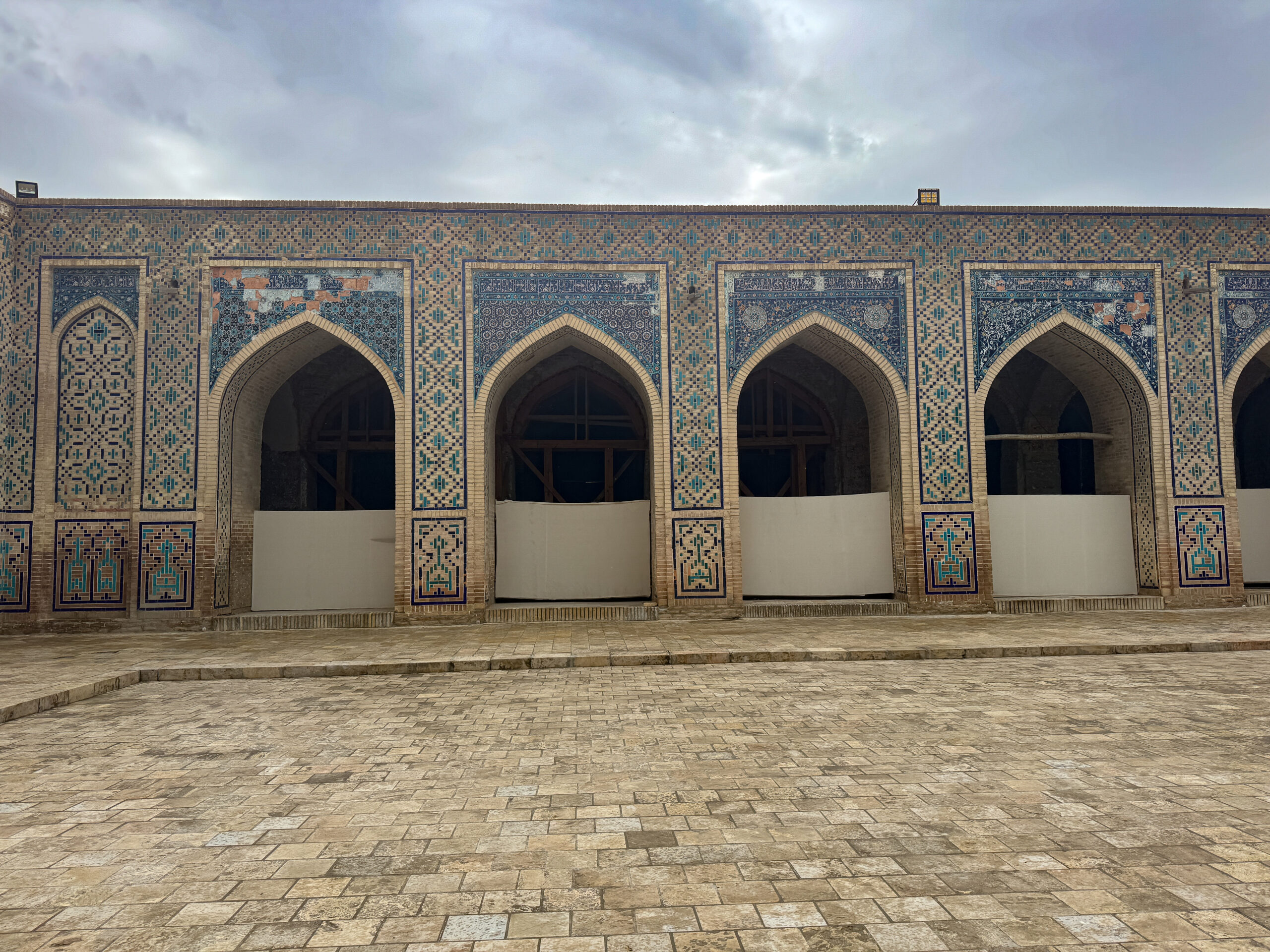
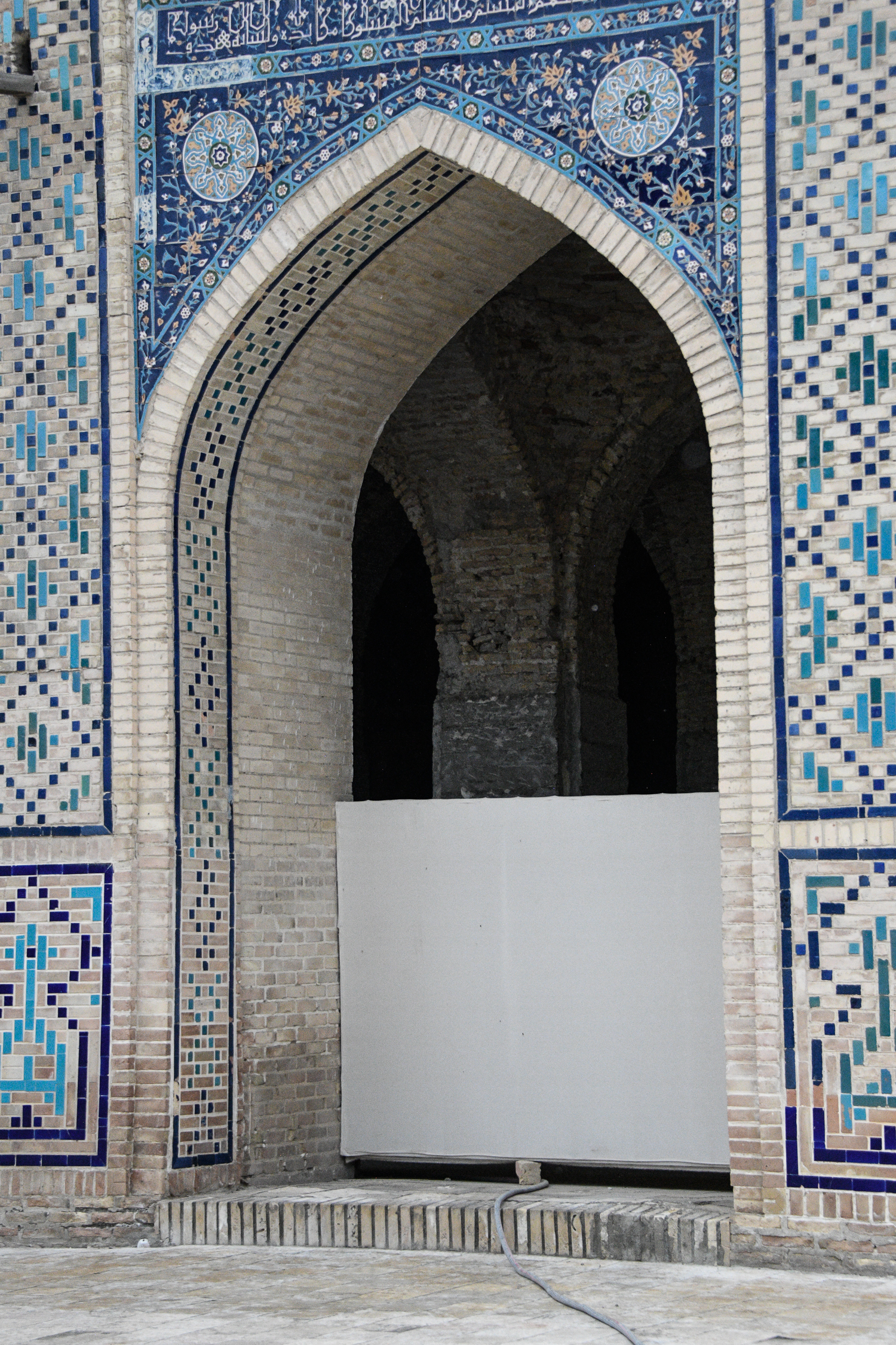
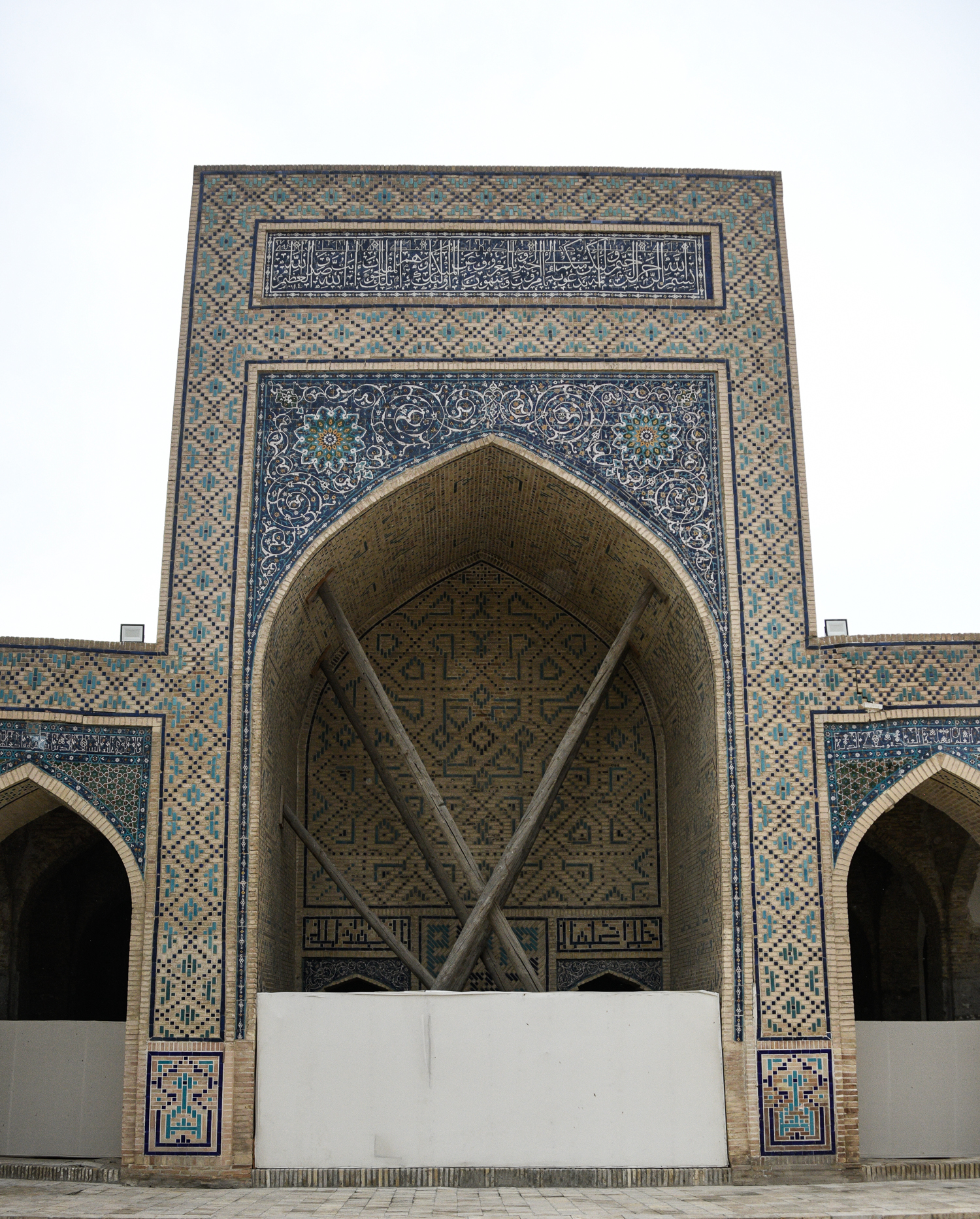
*
*
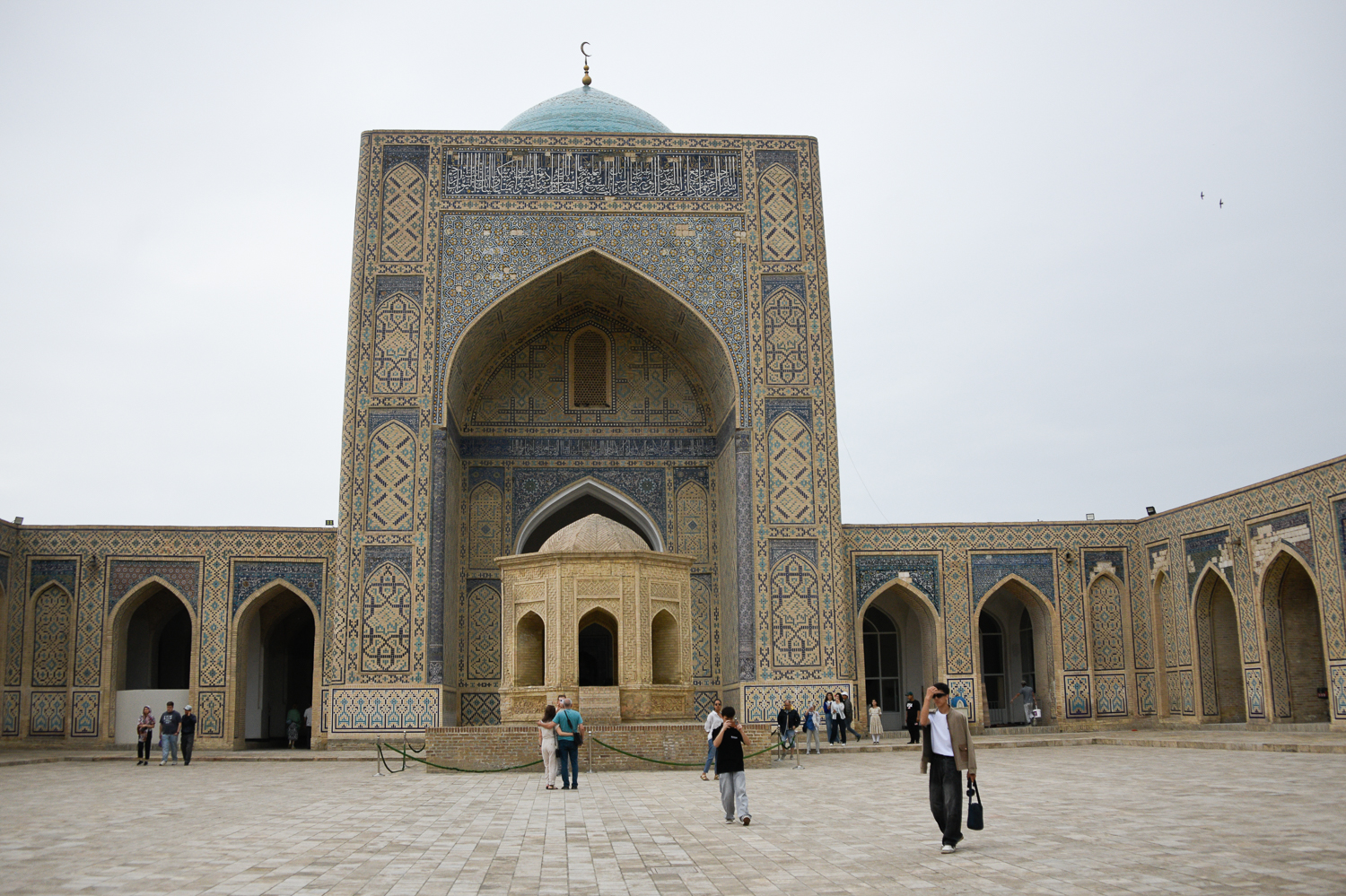
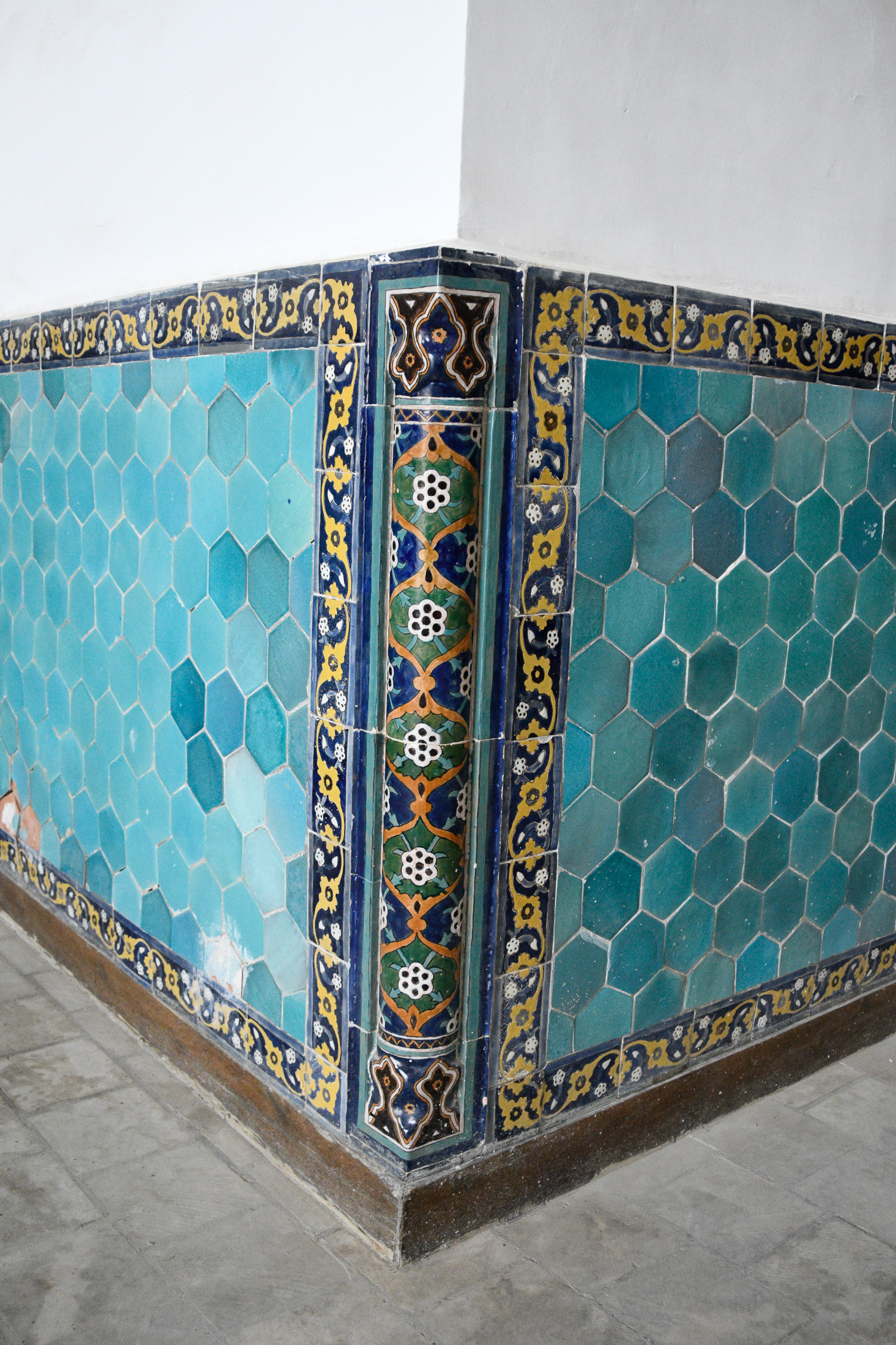
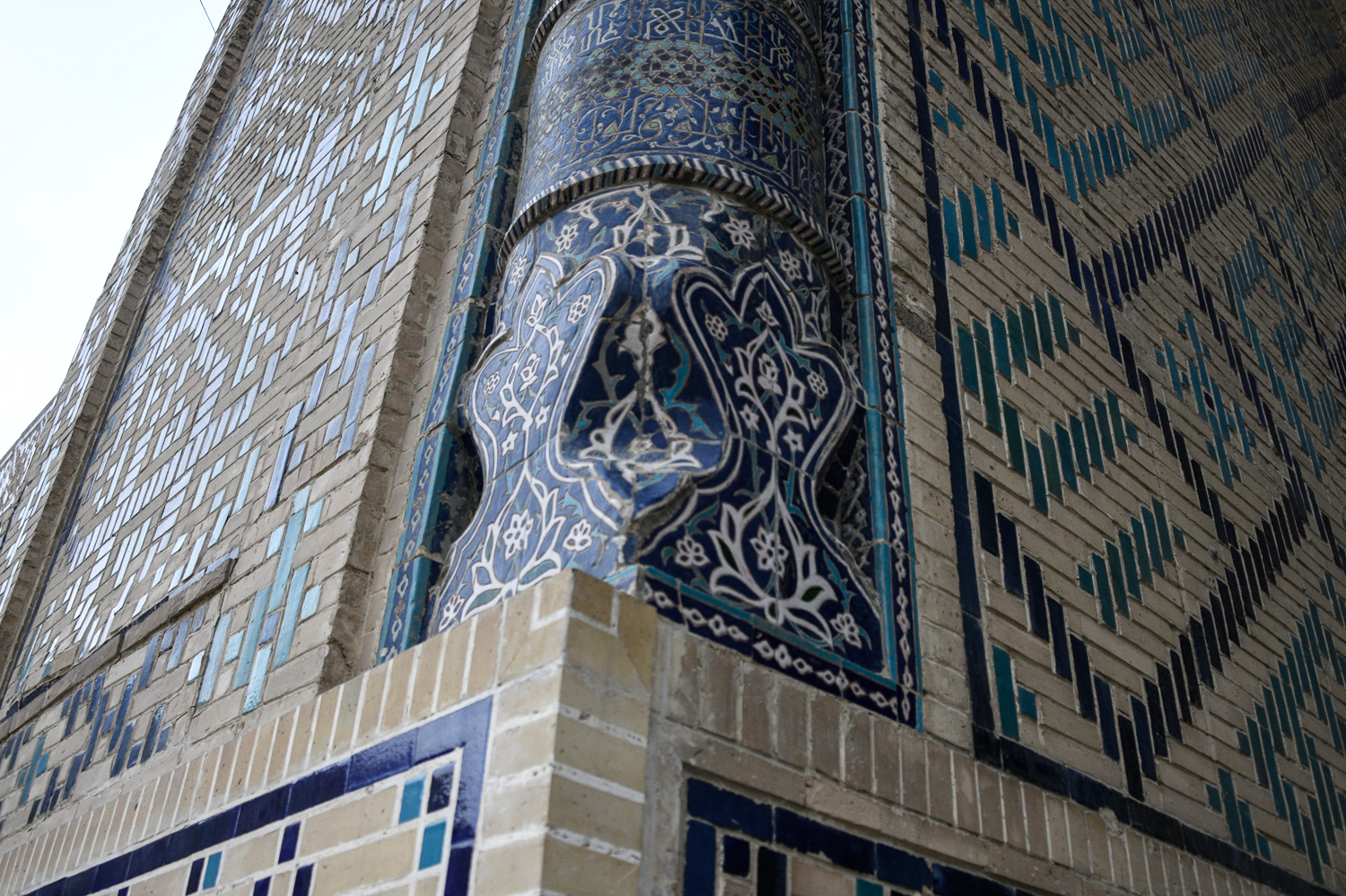
*
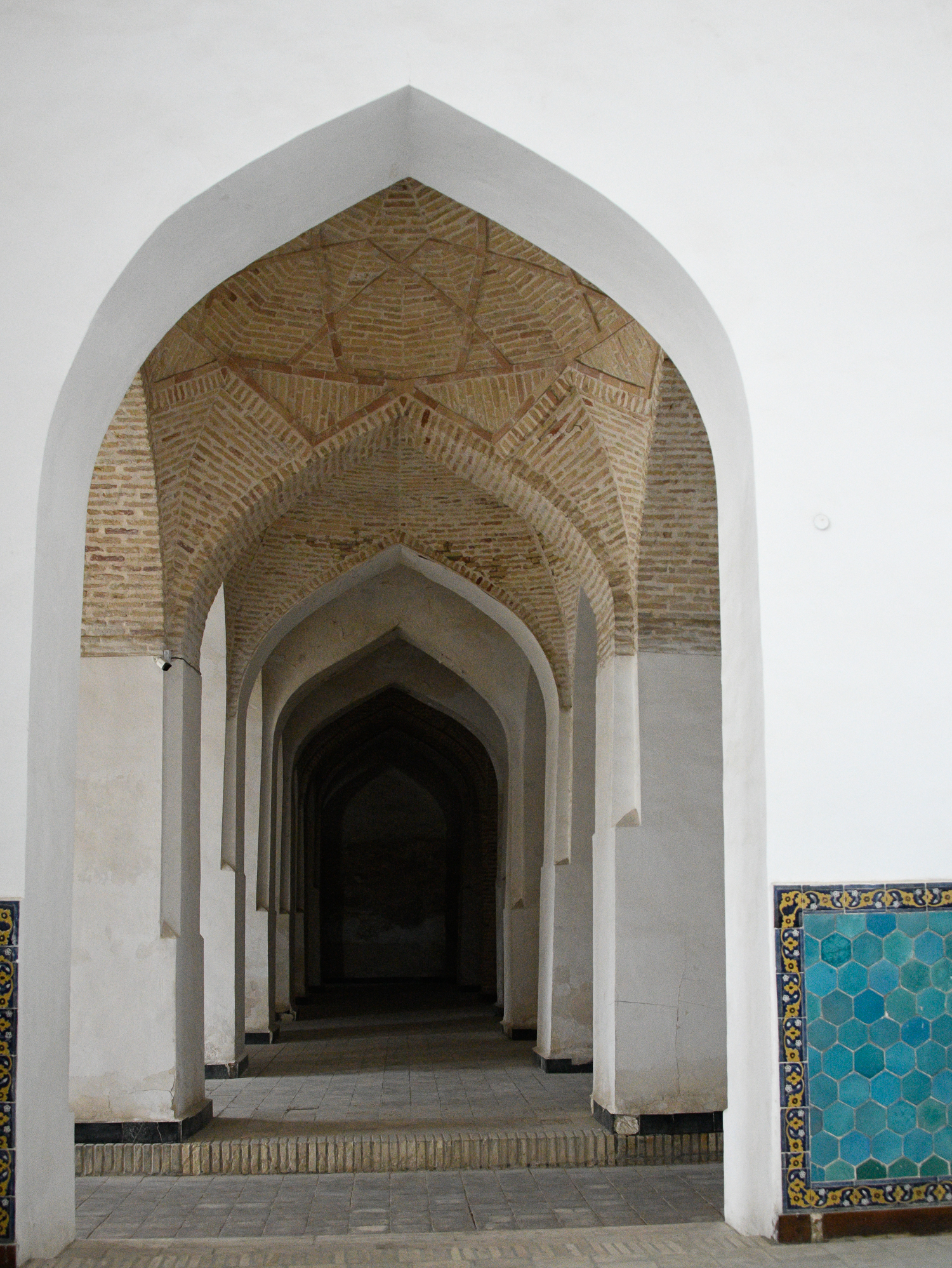
*
*
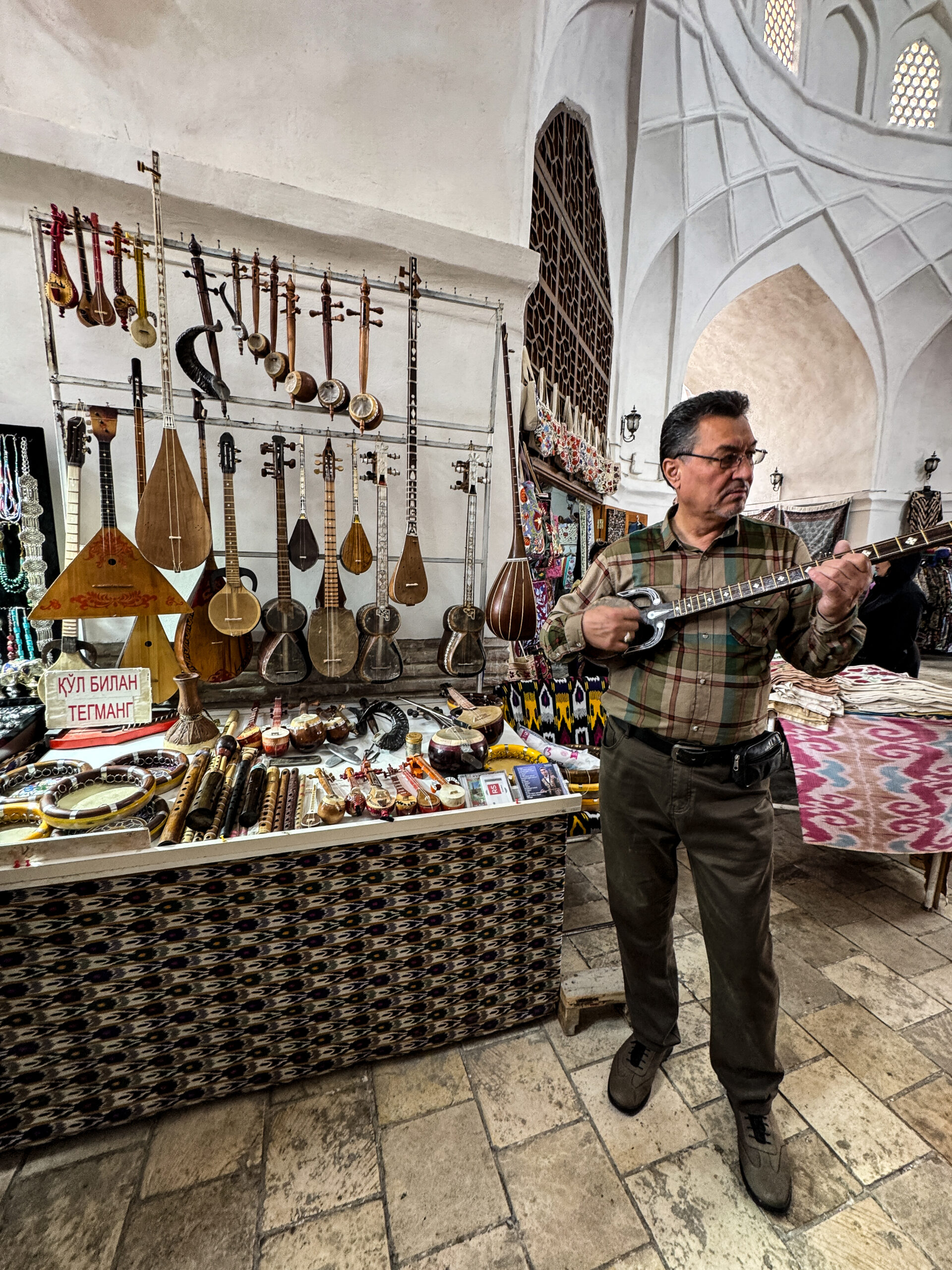
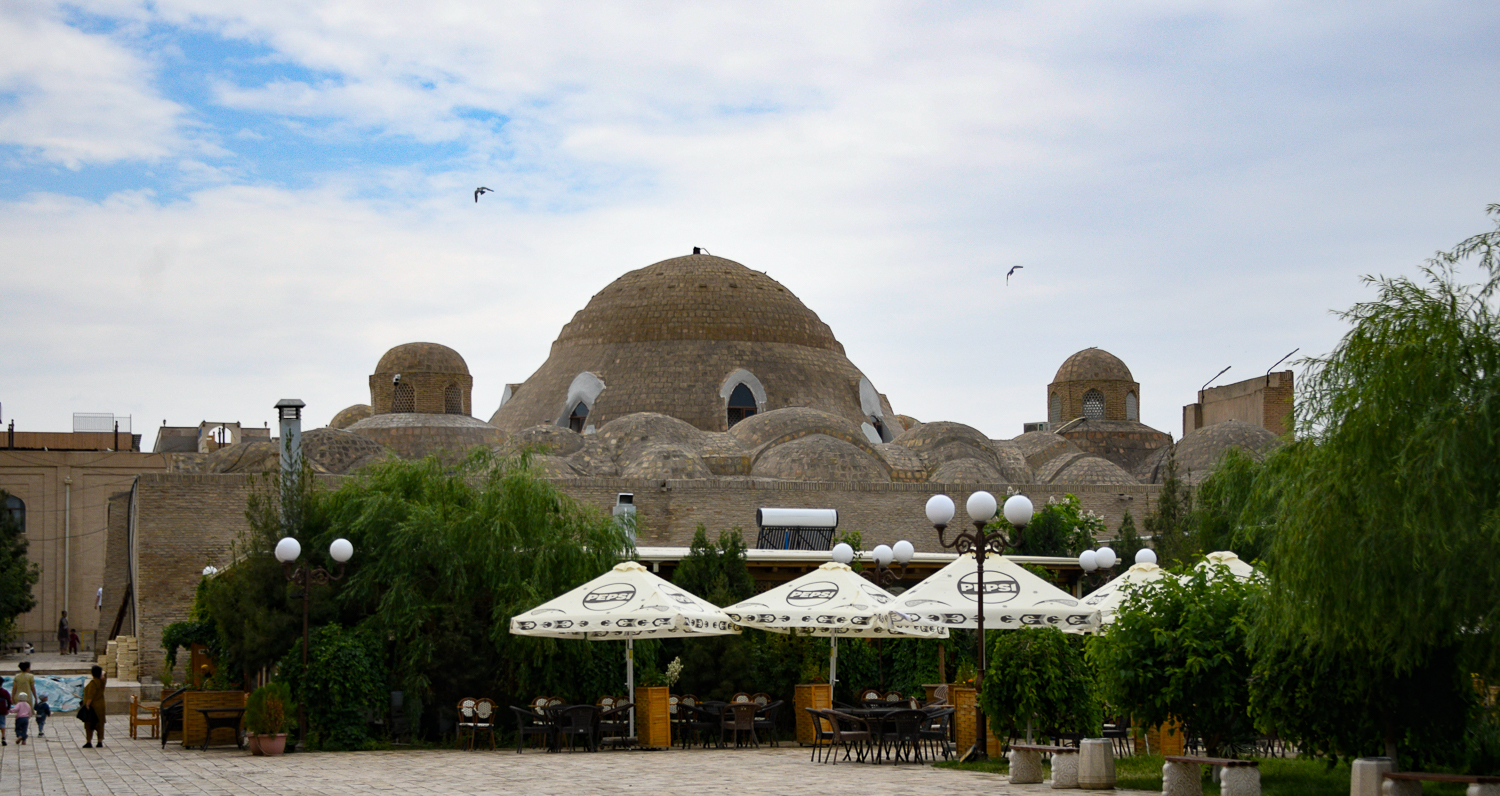
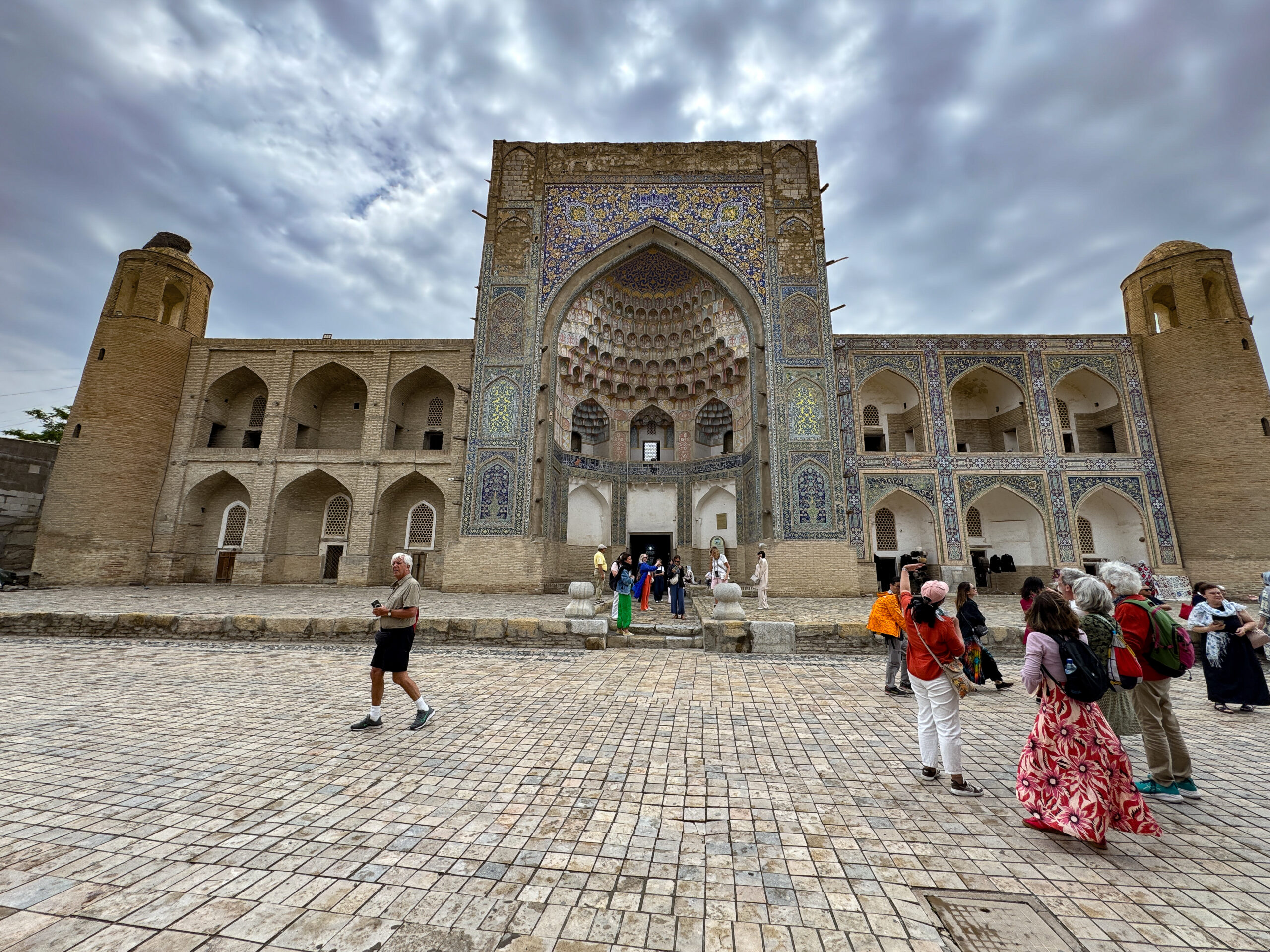
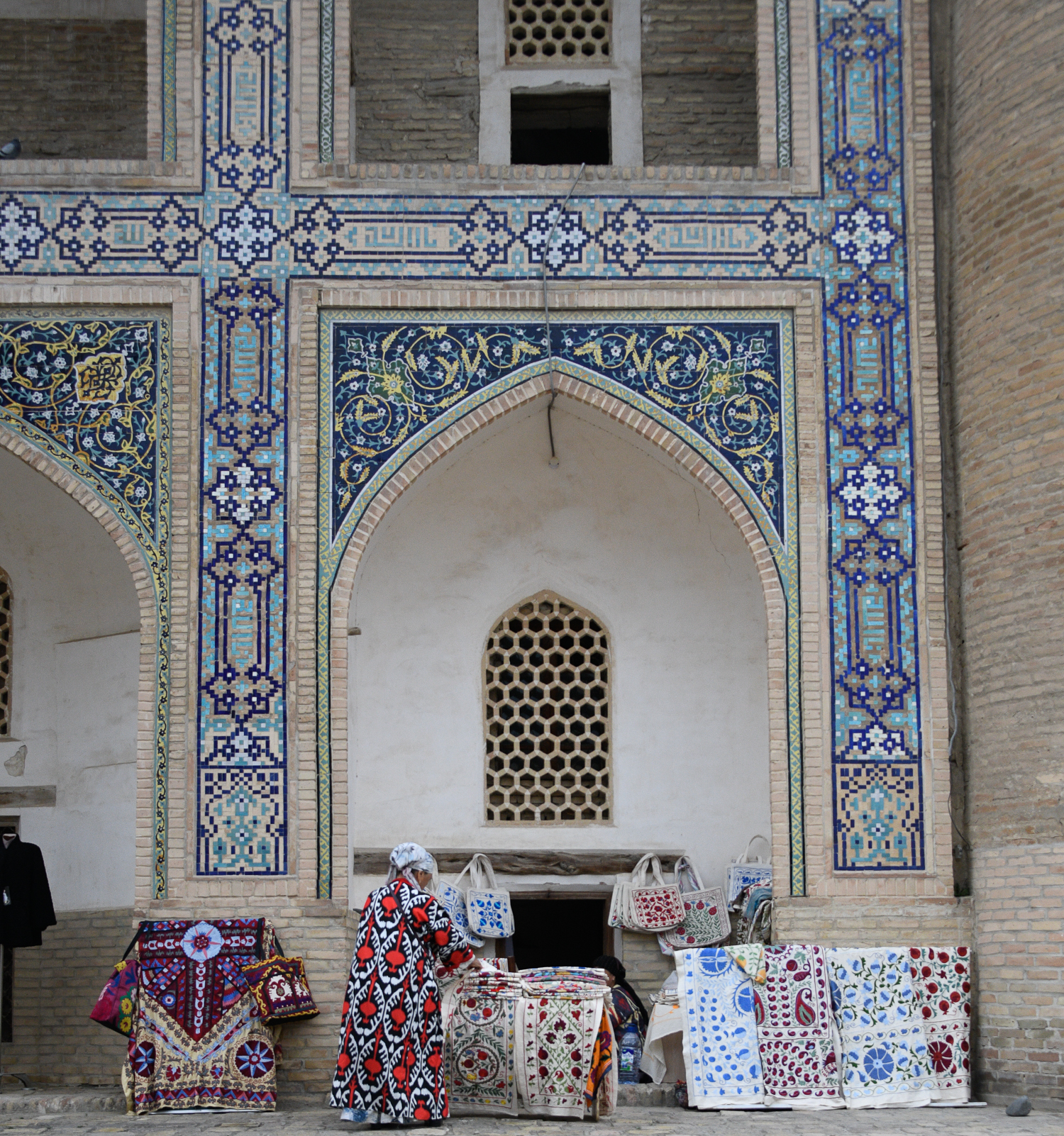
The Trading Domes
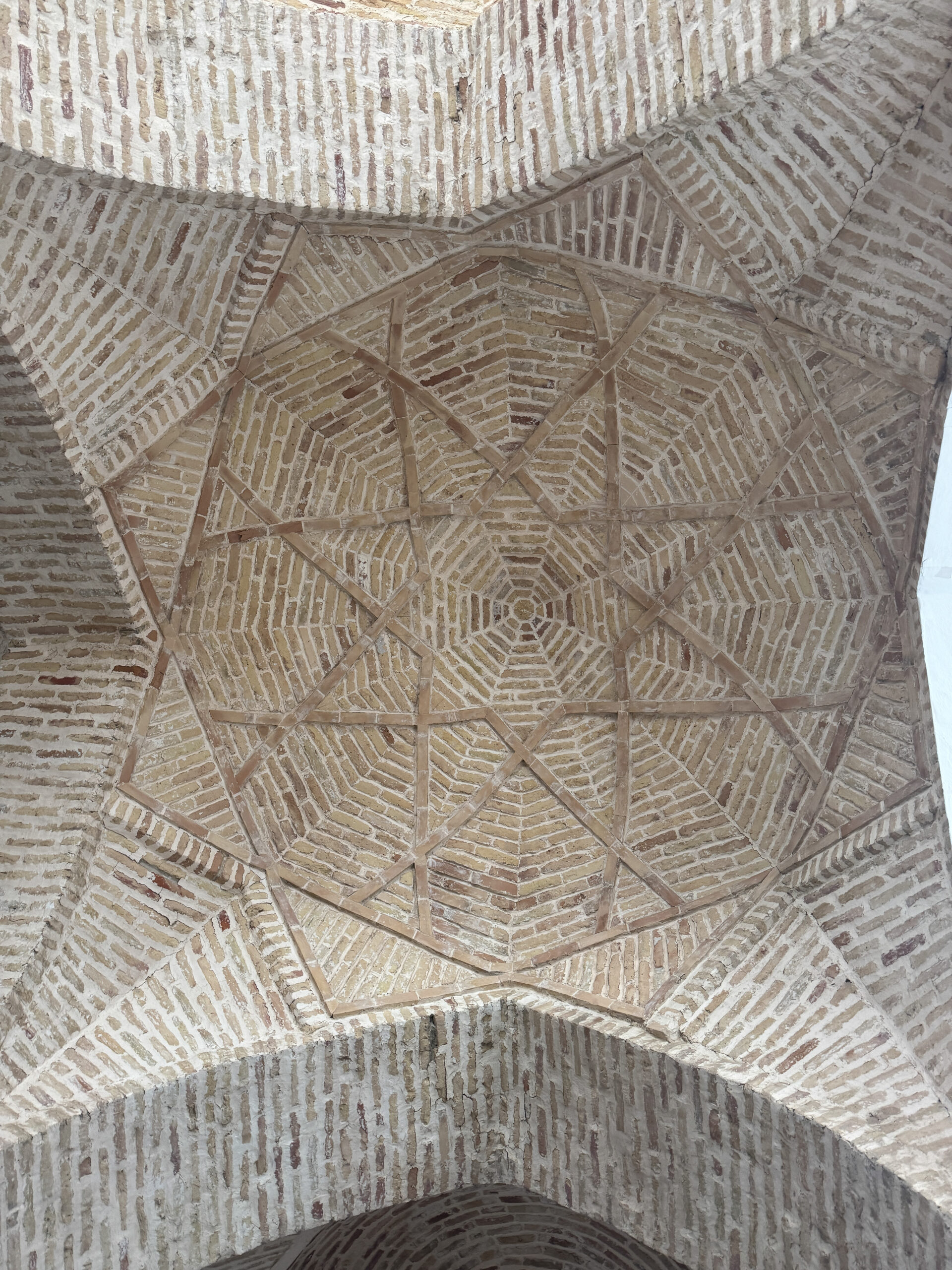
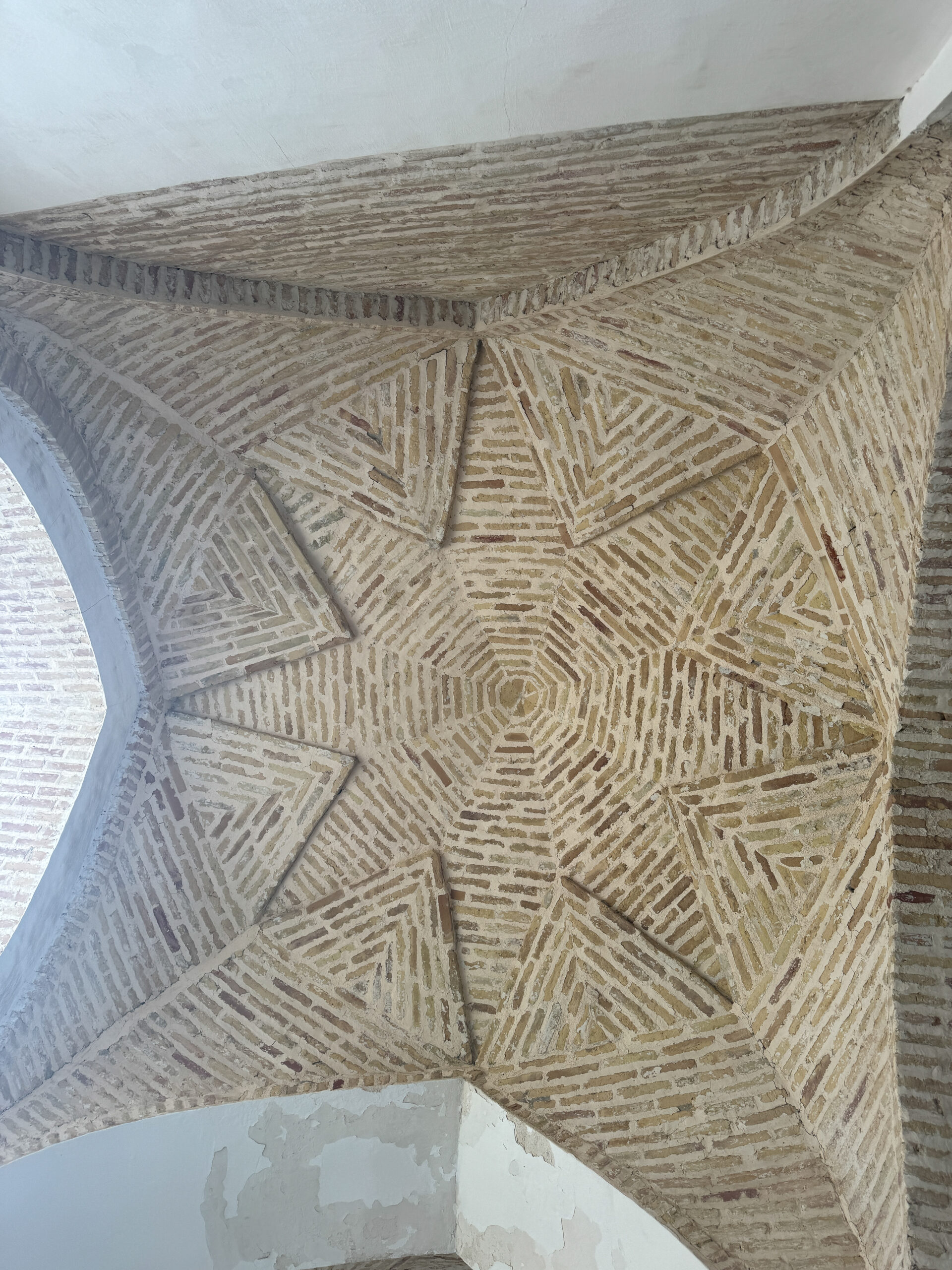
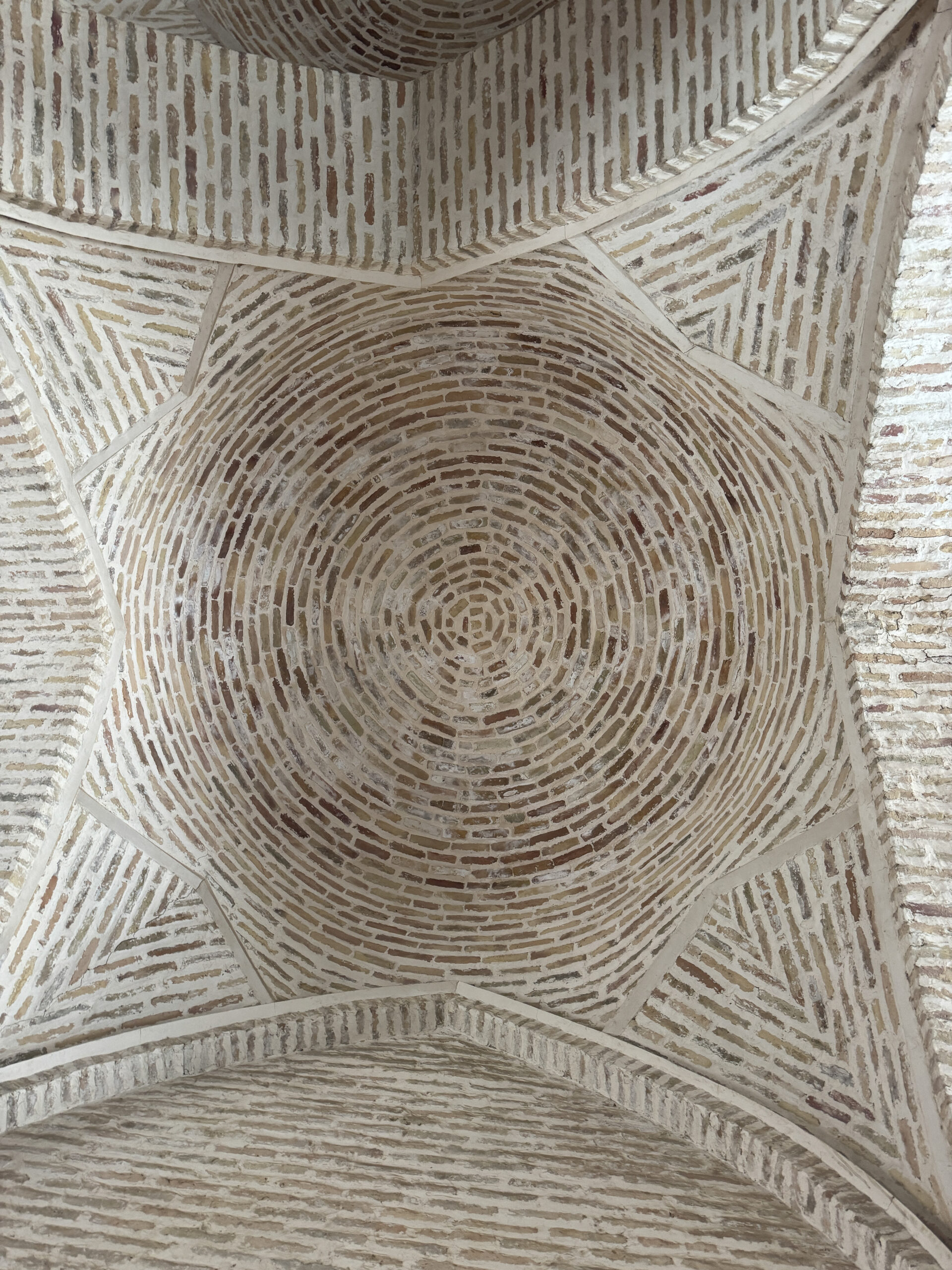
The trading domes were built in the 16th Century by the Shaybanid Dynasty. This ancient bazaar survived for more than 2,000 years through a couple of reigns, from the Mongolian Genghis Khan to the Soviet communist era after World War II.
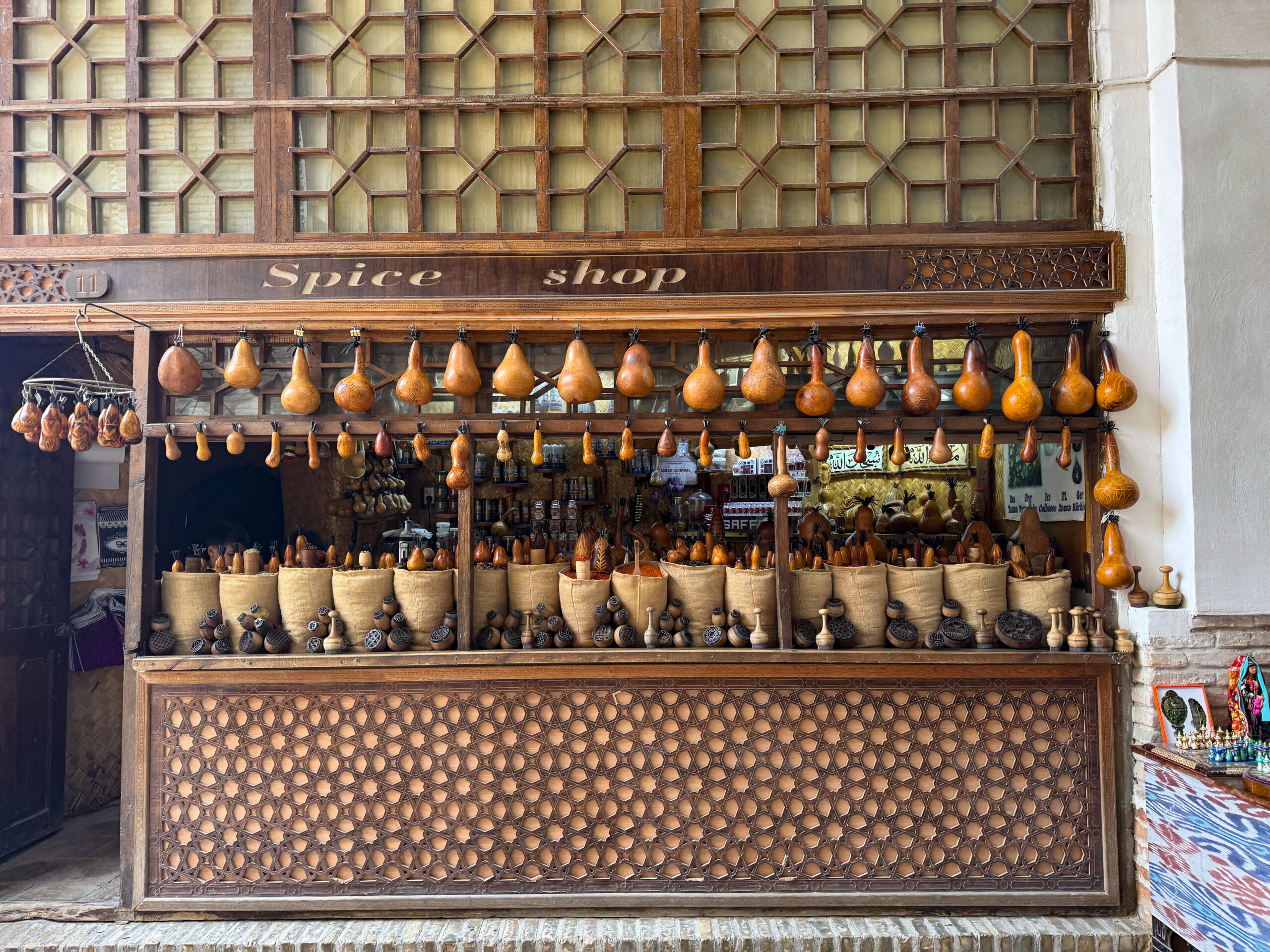
We visited the Toqi Zargaron (traditionally the jewelers’ dome), which once housed more than 30 merchants specializing in gold and silver. It is now filled with Soviet memorabilia, spice stalls, and carpets. It is a very, very touristy area.
*
The Bukhara region has been inhabited for at least five millennia, and the city has existed for half that time. Located on the Silk Road, the city has long served as a center of trade, scholarship, culture, and religion.
Along with Samarkand, Bukhara was the epicenter of Persian culture in medieval Central Asia until the fall of the Timurid dynasty.
The influence of Bukhara in the wider Islamic world began to diminish from the arrival of another Turkic dynasty, the Uzbeks, in the 16th Century. Agha Mohammad Khan Qajar was the last Persian emperor who attempted to retake the city just before his assassination, and by the 19th century, the city had become a peripheral city in the Persian and the Islamic world, being ruled by local Emirs of Bukhara, who were the last Persianate princes before the fall of the city to the Red Army.
Bukhara was the last capital of the Emirate of Bukhara and was besieged by the Red Army during the Russian Civil War.
The Bukharan People’s Soviet Republic existed from 1920 to 1924, when the city was integrated into the Uzbek Soviet Socialist Republic.
The historic center of Bukhara, which contains numerous mosques and madrassas, has been listed by UNESCO as a World Heritage Site.