June 4 2026
Today threatened to rain, so two museums seemed the best way to tackle the day. Both are small and, while popular with some, not well known.
Musee Curie
The museum is free, but if you plan to visit, check the dates and hours it is open. Also, it is extremely small, so if possible, figure out a time you don’t think will be too bad. I visited around 2:00, and while it wasn’t crowded, it wasn’t empty either. In fact, I was surprised at how popular it was.
One advantage of this small museum is that the information is in French and English.
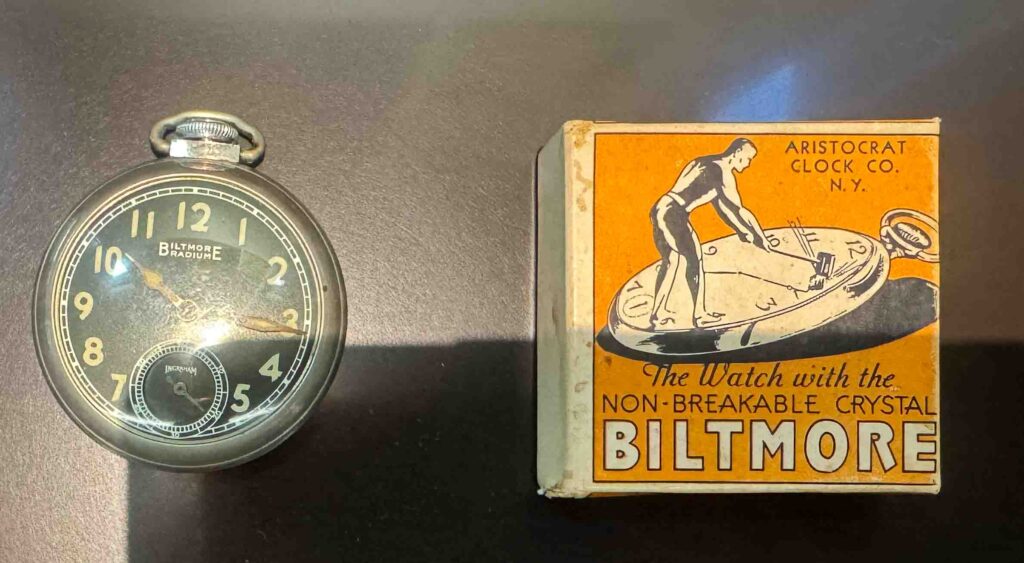
The radium fad, or radium craze, of the early 20th century was an early form of radioactive quackery that led to the widespread marketing of radium-infused products as beneficial to health. Many “radium products” contained no actual radium, in part because it was prohibitively expensive, which, as we know now, turned out to be a blessing.
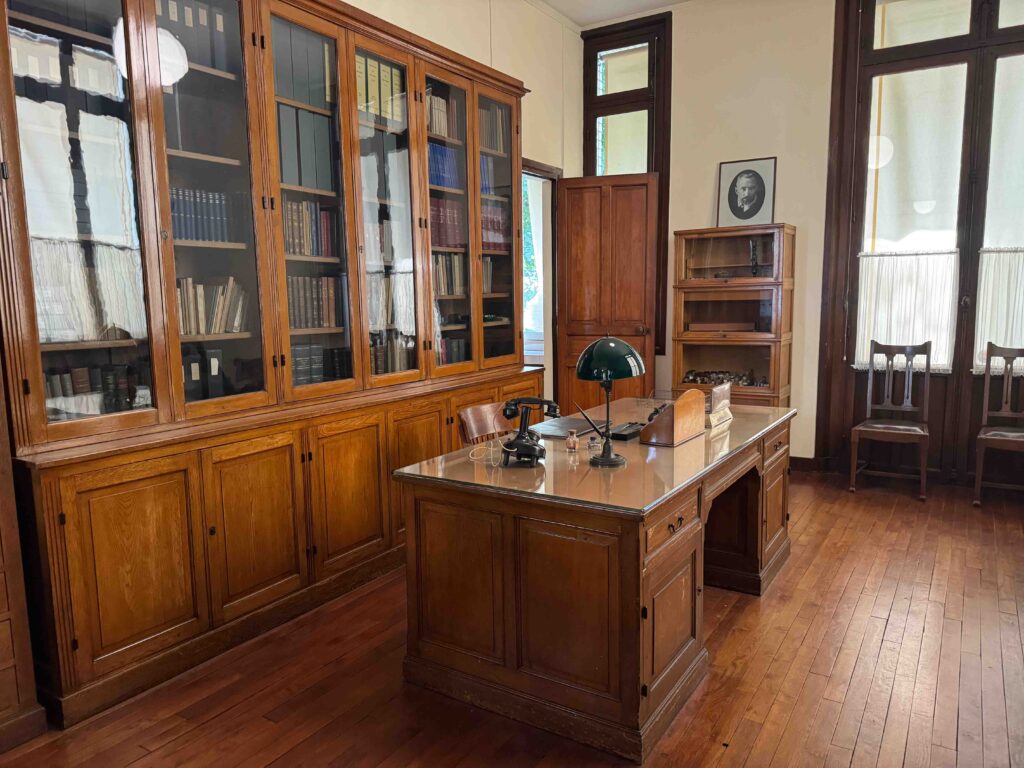
Where do I begin? I, like so many other Americans, knew of Marie Curie, but I had no idea how accomplished and driven she was, or how accomplished her family was as well.
She was the first woman to win a Nobel Prize, the first person to win it twice, and the only person to win it in two different scientific fields. Marie and her husband Pierre were the first married couple to win the Nobel Prize, launching the Curie family legacy of five Nobel Prizes. (the others were one by their daughter and one by her son-in-law). In 1906, she was the first woman to become a professor at the University of Paris. Pierre died in a street accident in Paris that same year.
Under her direction, the world’s first studies were conducted on the treatment of neoplasms using radioactive isotopes. During World War I, she developed mobile radiography units to provide X-ray services to field hospitals.
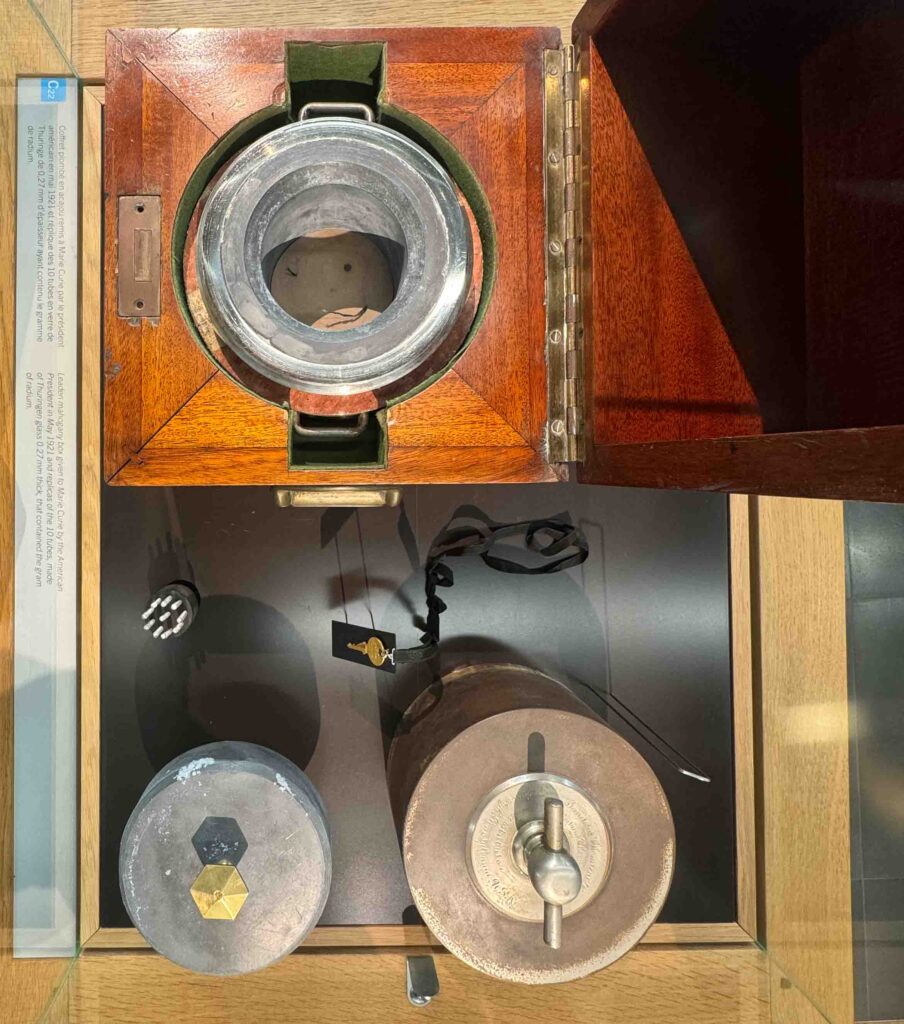
By the end of World War I, Marie Curie was probably the most famous woman in the world. She had, however, decided not to patent radium or its medical applications. As the price of radium escalated, she lacked sufficient supplies to undertake the radiochemical investigations she wanted to conduct.
On May 20, 1921, Marie Curie visited the White House to receive the gift of a gram of radium from President Harding. Incidentally, the hazardous source itself was not brought to the ceremony.
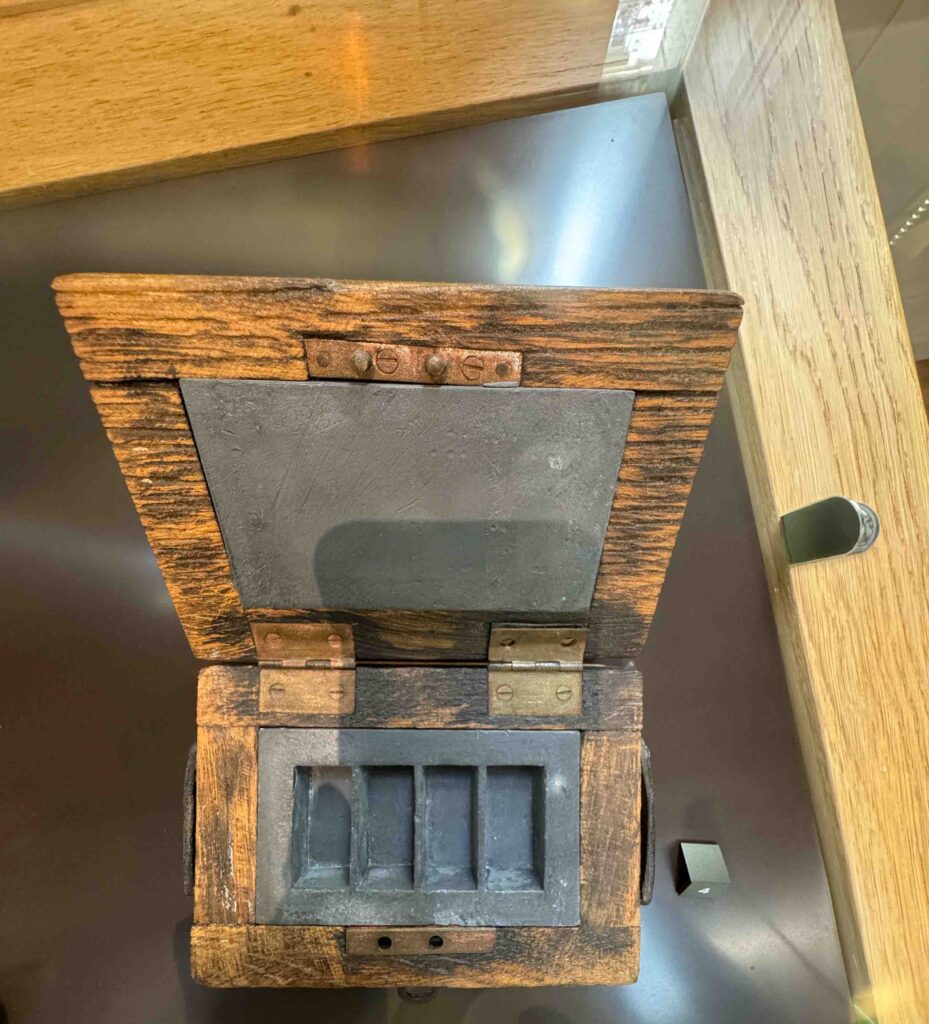
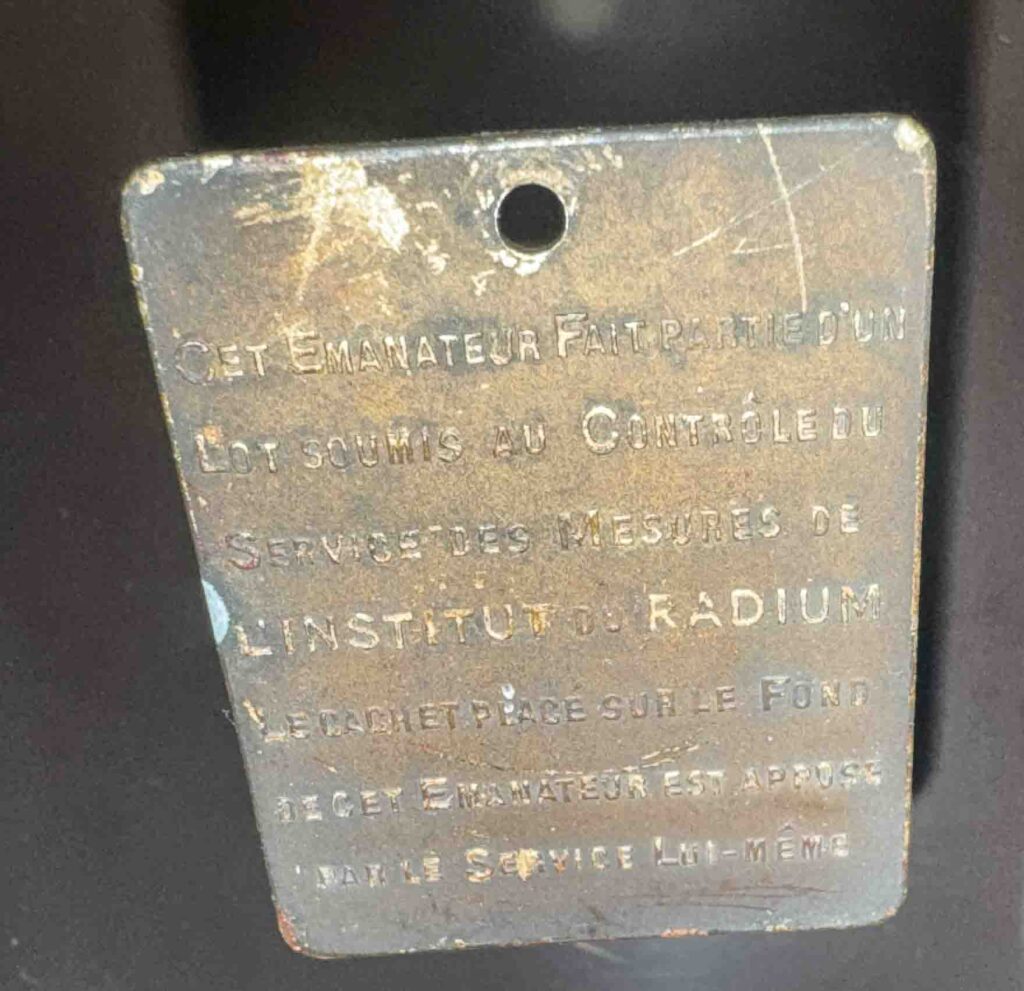
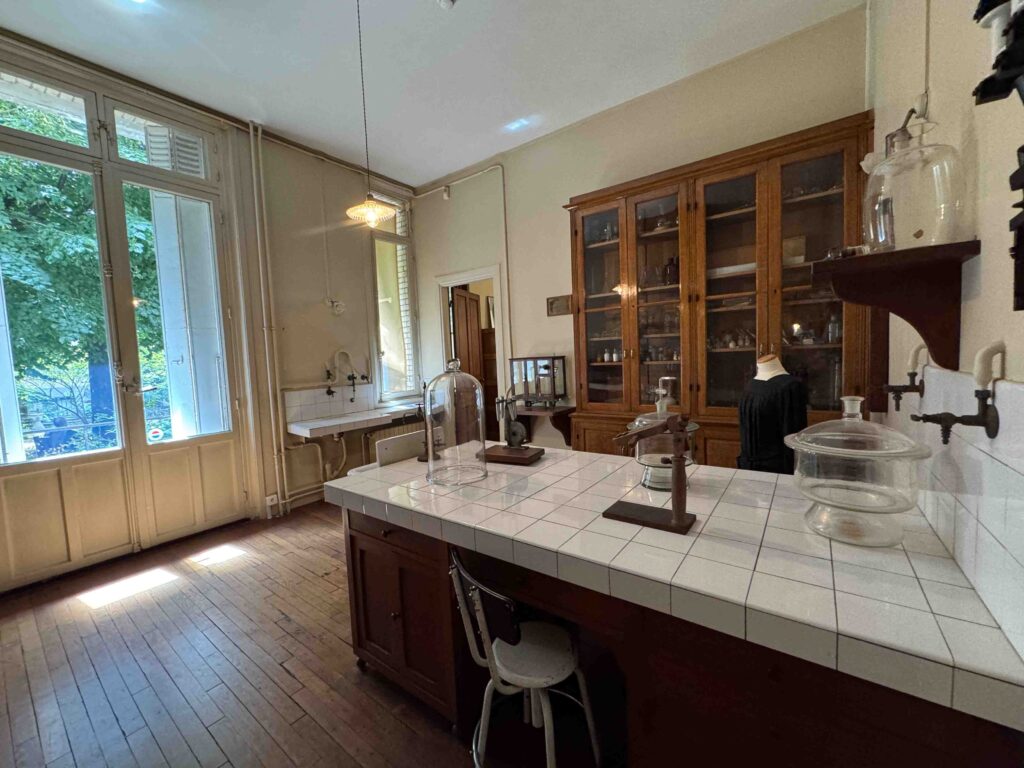
The museum is definitely worth a visit. I came away far better educated about an amazing woman.
Musée de la Préfecture de Police or the Paris Police Museum
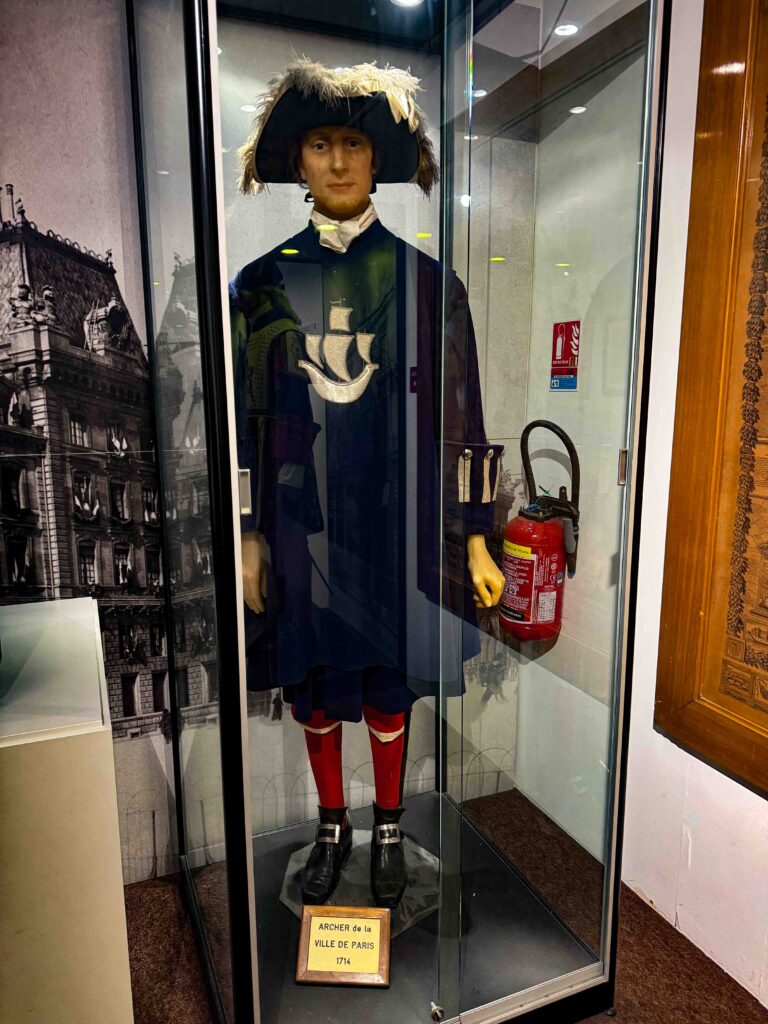
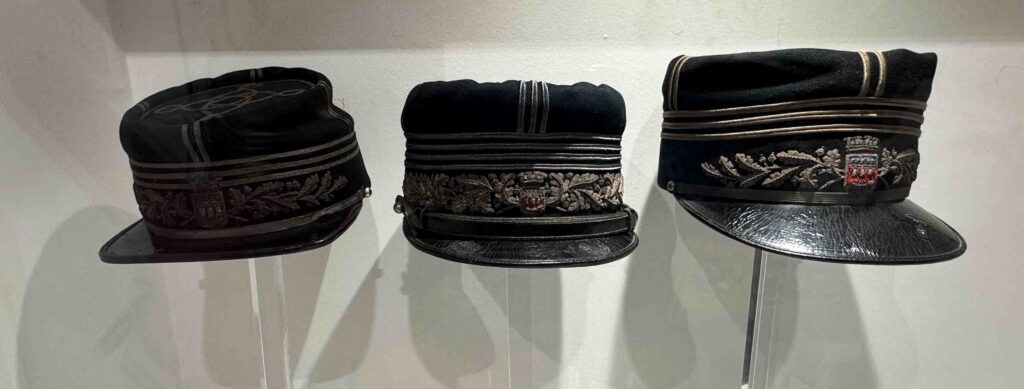
Like police departments all over the world, Paris’ has evolved over time.
This museum on the second floor of a working police station in the 5th arrondissement presents that evolution and role of the Parisian police. Sadly, none of the tags are in English, so I admit, I missed a lot.
The museum was assembled for the 1900 Exposition Universelle, where Prefect Louis Lépine first showcased a collection highlighting the human side of the Parisian police. His aim was to connect the police with the public.
King Louis XIV created the office of Police Lieutenant in 1667. After the revolution, Napoleon restored order by creating the post of Prefect of Police.
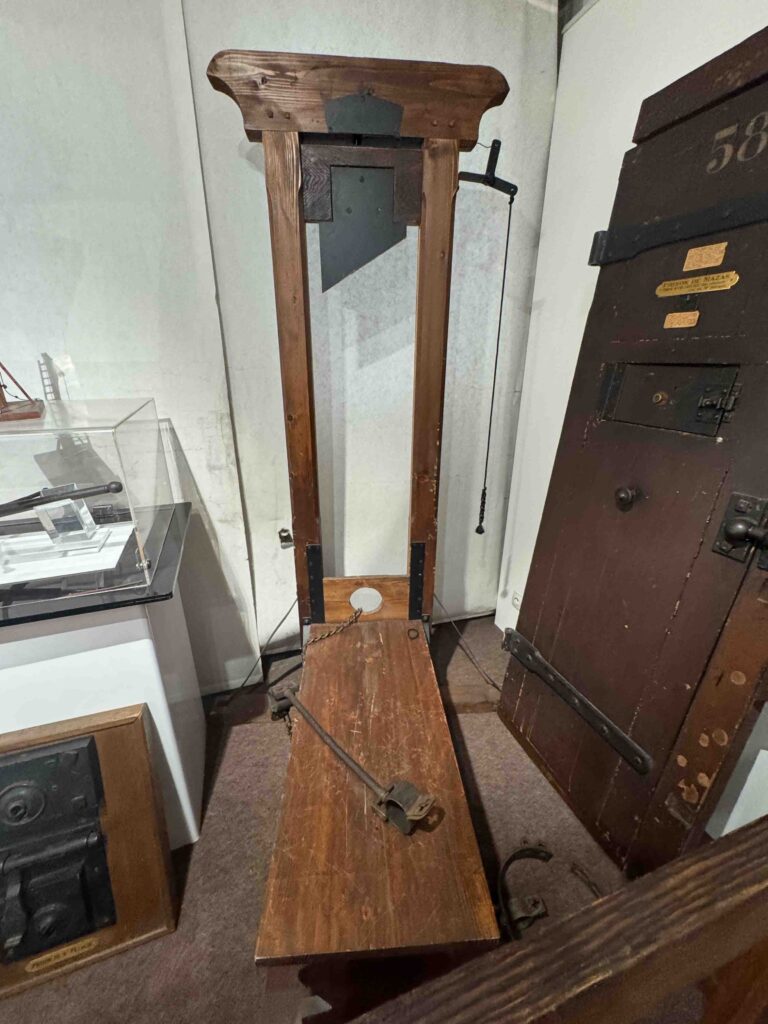
While the above guillotine is a replica, the blade below is not.
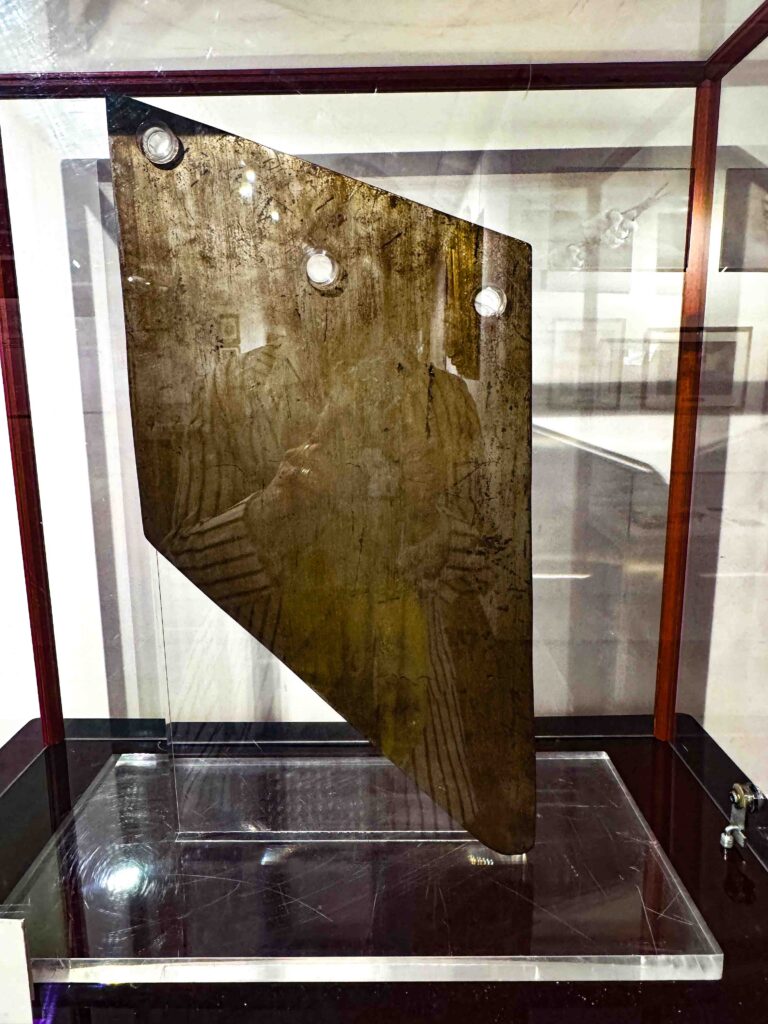
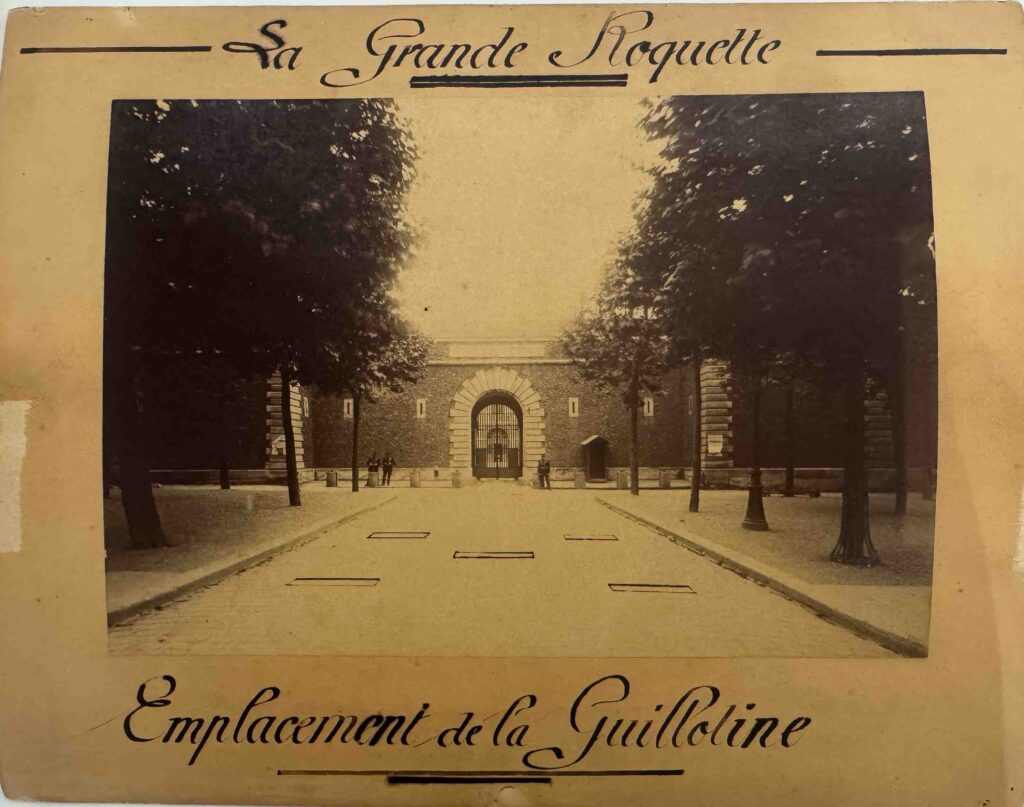
*
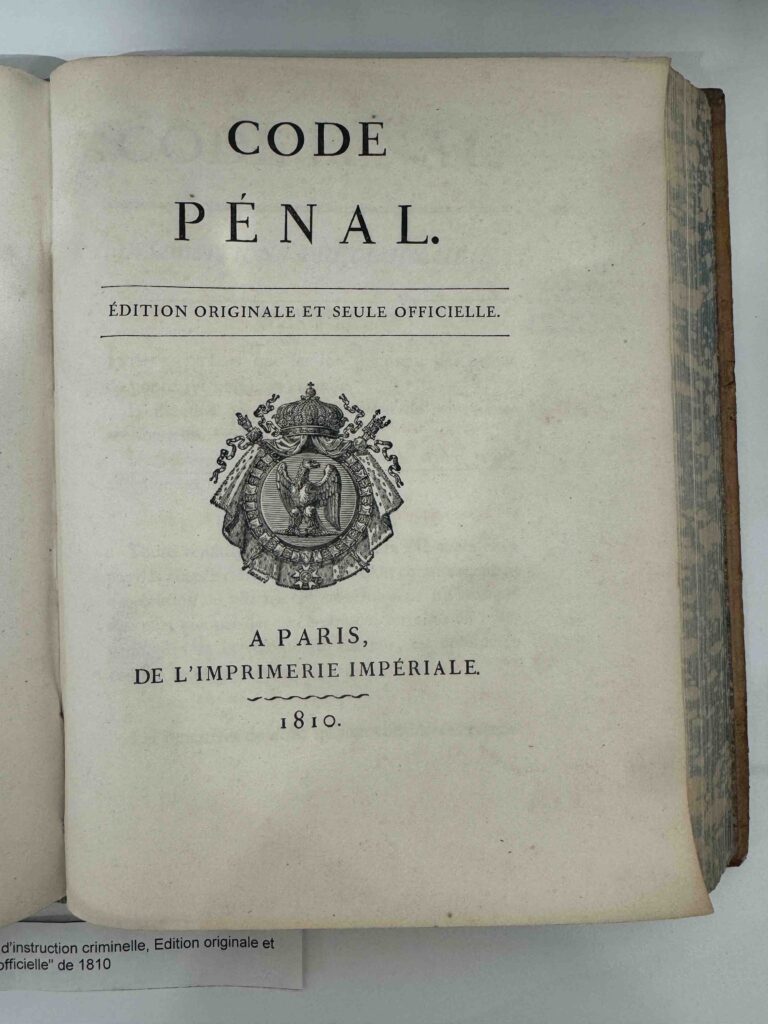
*
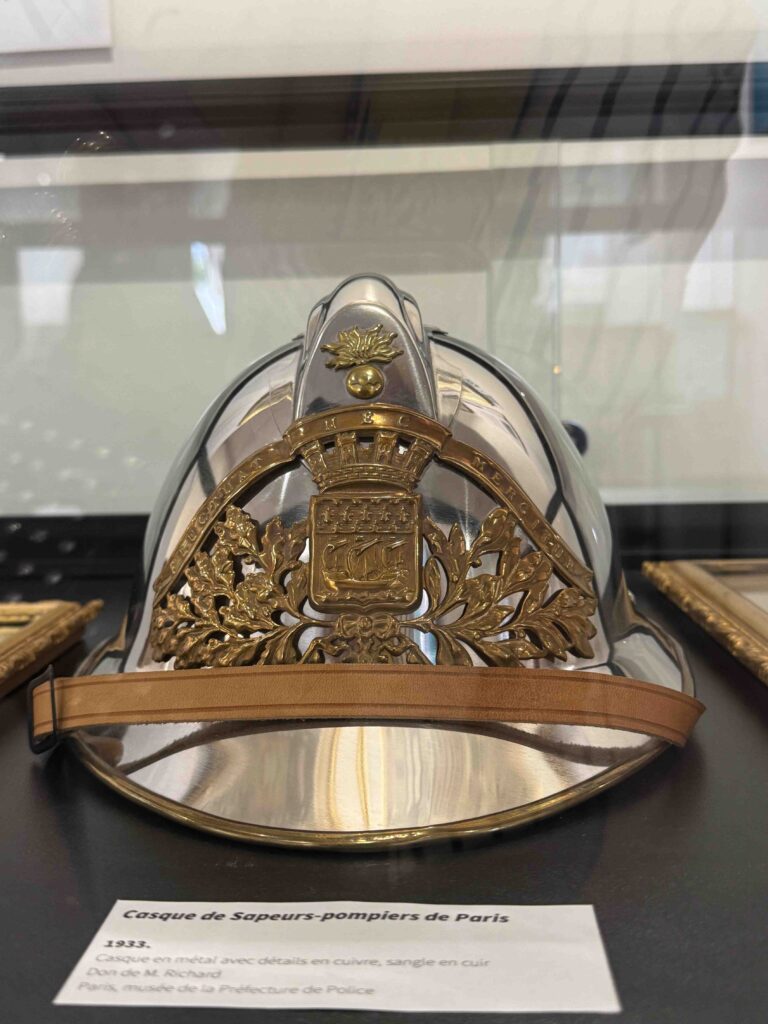
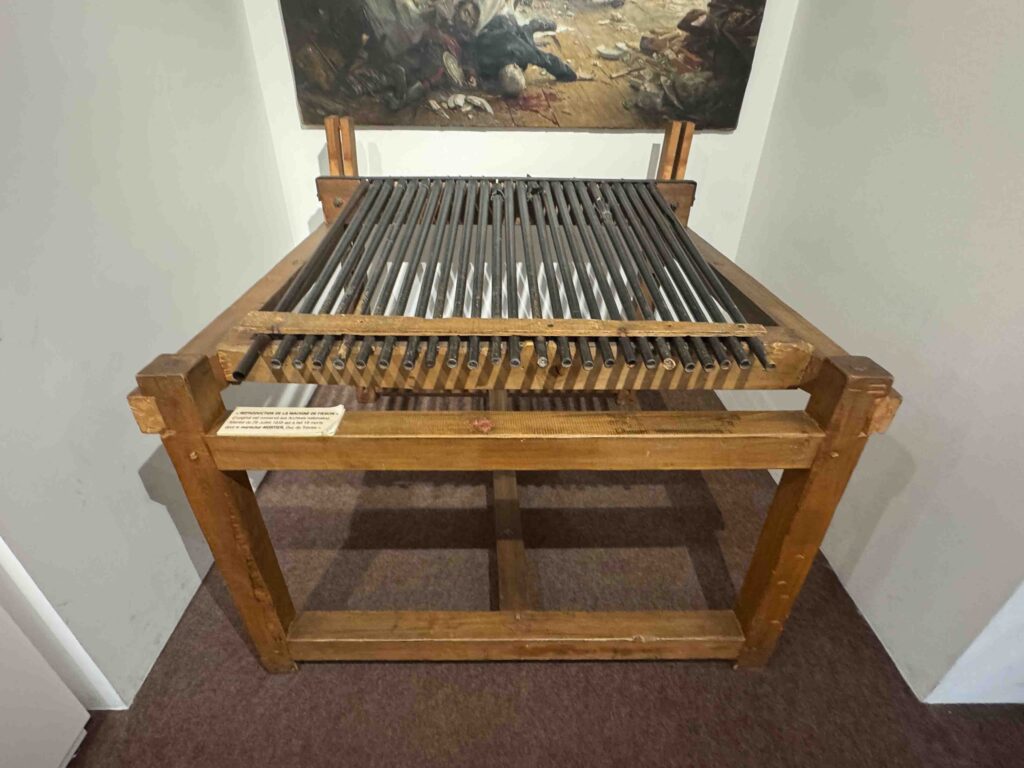
The “infernal machine” (machine infernale) was a volley gun used by Giuseppe Marco Fieschi in a 1835 assassination attempt on King Louis Philippe I of France.
The device consists of 25 gun barrels mounted on a wooden frame, designed to fire simultaneously.
French artillery officers, who inspected the machine after the assassination attempt, speculated that if Fieschi had known more about designing weaponry, he would have been successful in his assassination attempt of the king and his staff. Had he constructed it so that the gunfire diverged and crossed as opposed to the parallel and converging implementation, the attack might have killed up to 200 additional people and “literally torn the King and his staff to pieces.”
Fieshi was badly wounded, and the misfiring and the damage done that caused those wounds can easily be seen on several of the barrels.
Fieschi was guillotined on February 19, 1836.
The Paris Police Museum is free to the public, but it is a hit with school kids, so plan accordingly.
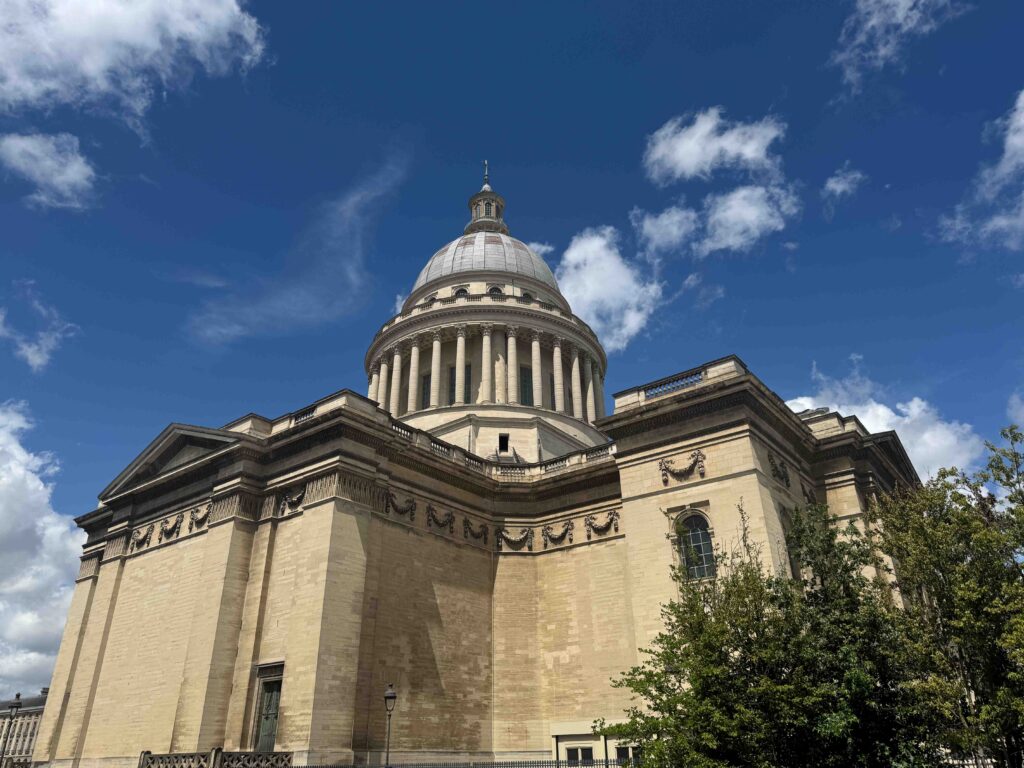
As you can see by the blue sky, the day was gorgeous; however, after I had visited the museums, it began to pour.
I rarely do restaurant recommendations, because a) restaurants come and go, and b) that isn’t what this site is about. However, a perfect restaurant somewhere between these two museums is Tram Cafe at 47 Rue de la Montagne Ste Geneviève, 75005