June 2026
Boulogne-Billancourt
Albert Kahn was a fascinating man. He was a French banker and philanthropist, known for initiating The Archives of the Planet, a vast photographic project.
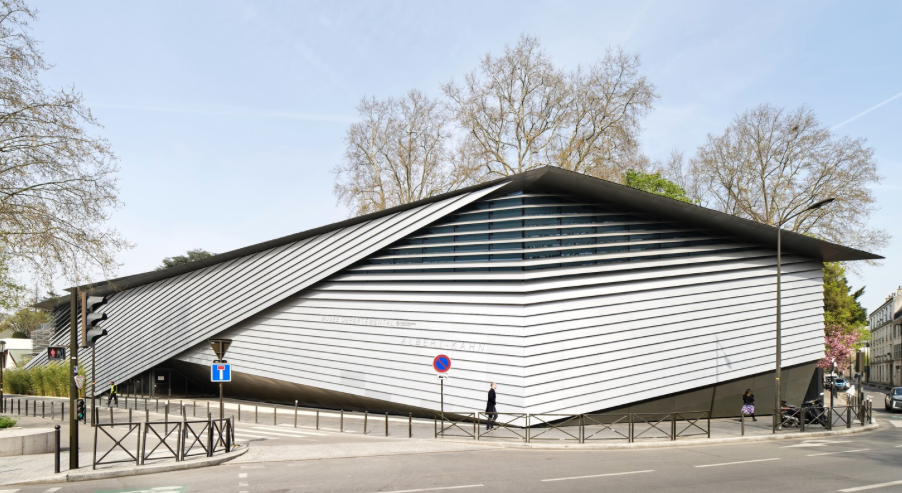
In 1909, Kahn traveled with his chauffeur and photographer, Alfred Dutertre, to Japan on business and returned with many photographs of the journey. This prompted him to begin a project to collect a photographic record of the entire Earth. He appointed Jean Brunhes as the project director and sent photographers to every continent to record images. Importantly, the photographs were taken using the first practical medium for color photography, autochrome plates, and early cinematography. Between 1909 and 1931, they collected 72,000 color photographs and 183,000 meters of film, creating the Archives of the Planet.
Kahn’s photographers began documenting France in 1914, just days before the outbreak of World War I, and by liaising with the military, they recorded both the devastation of war and the struggle to continue everyday life and agricultural work.
You begin with a wander through a wall of many of the photographs, about 3 X 5 behind glass on a long curved wall. I didn’t take pictures because I was too busy guessing where many had been taken. A statement by the museum is that the photographs show that so much has changed, and so little has changed. It is truly remarkable as I walked and recognized so many places that, in fact, have not changed. Others I would recognize, but marveled at the change.
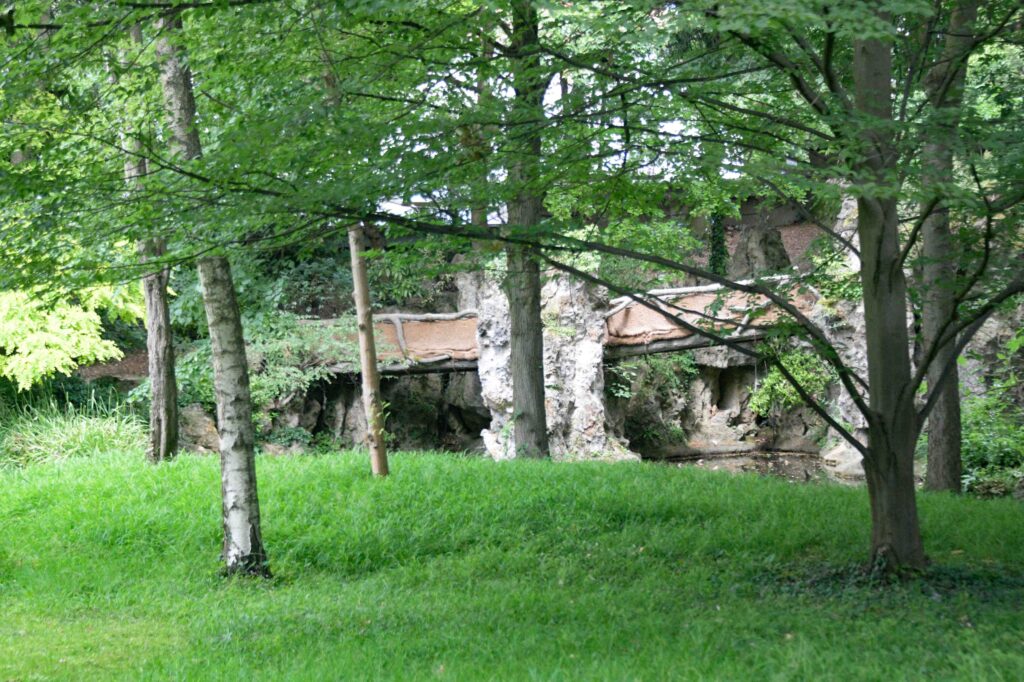
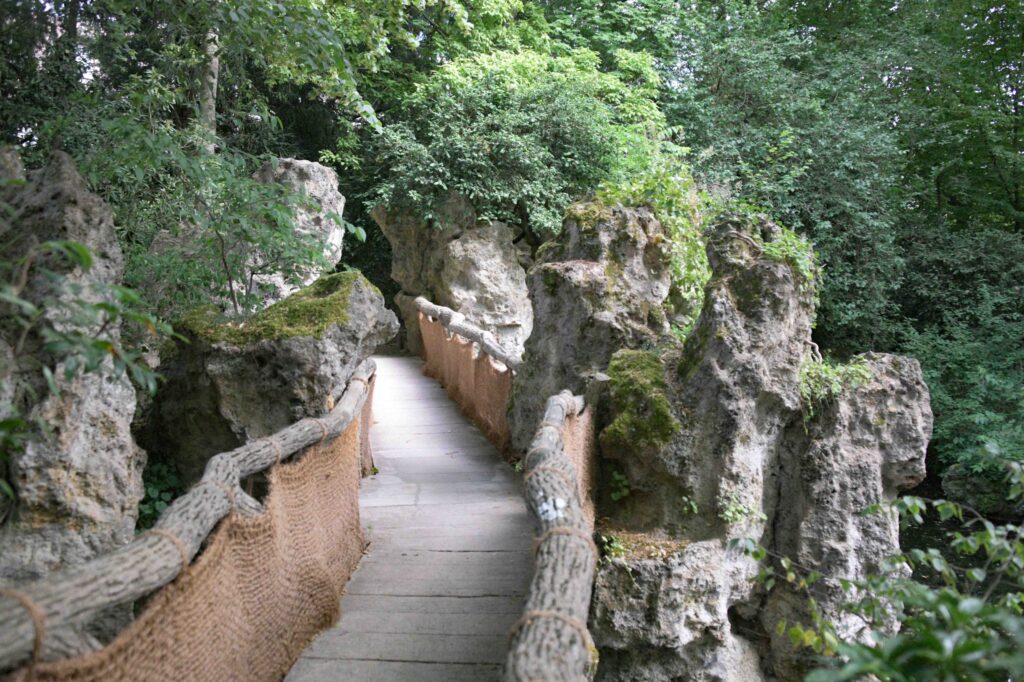
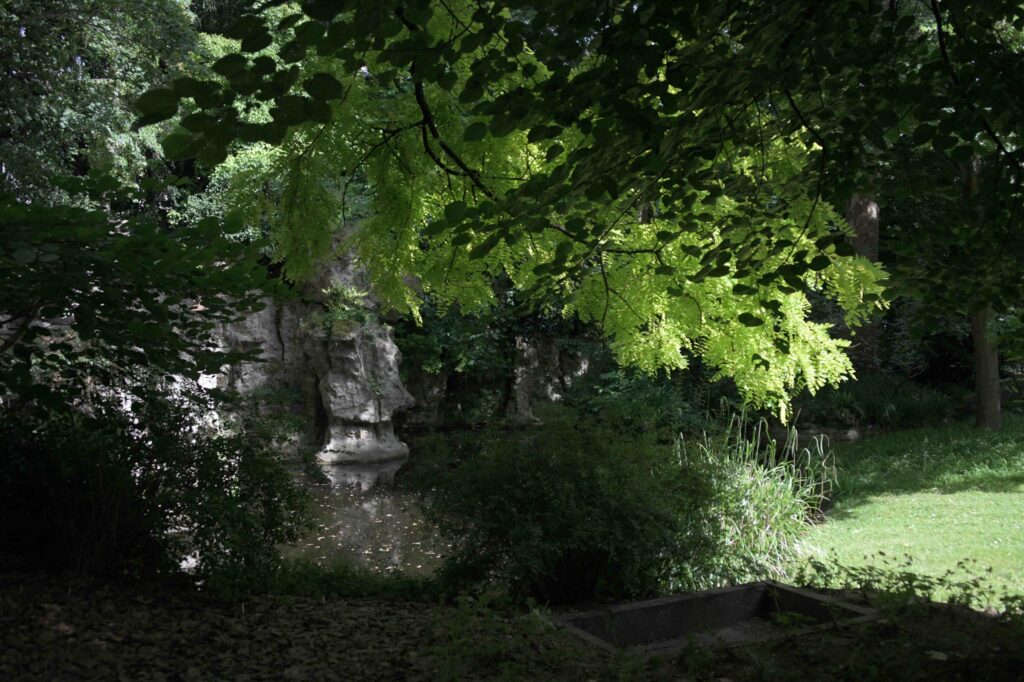
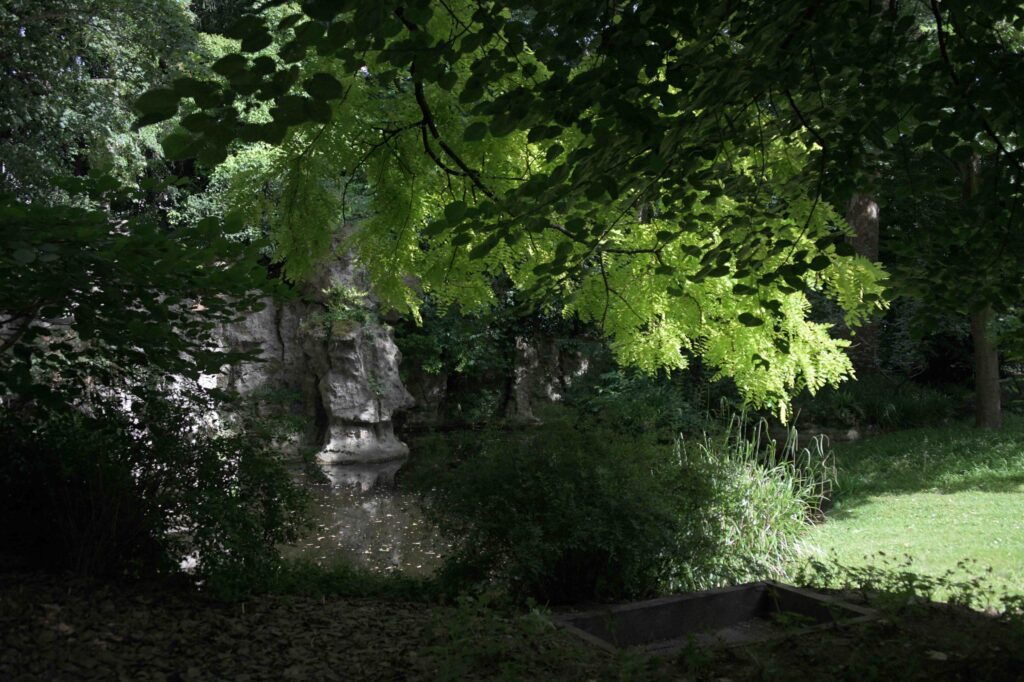
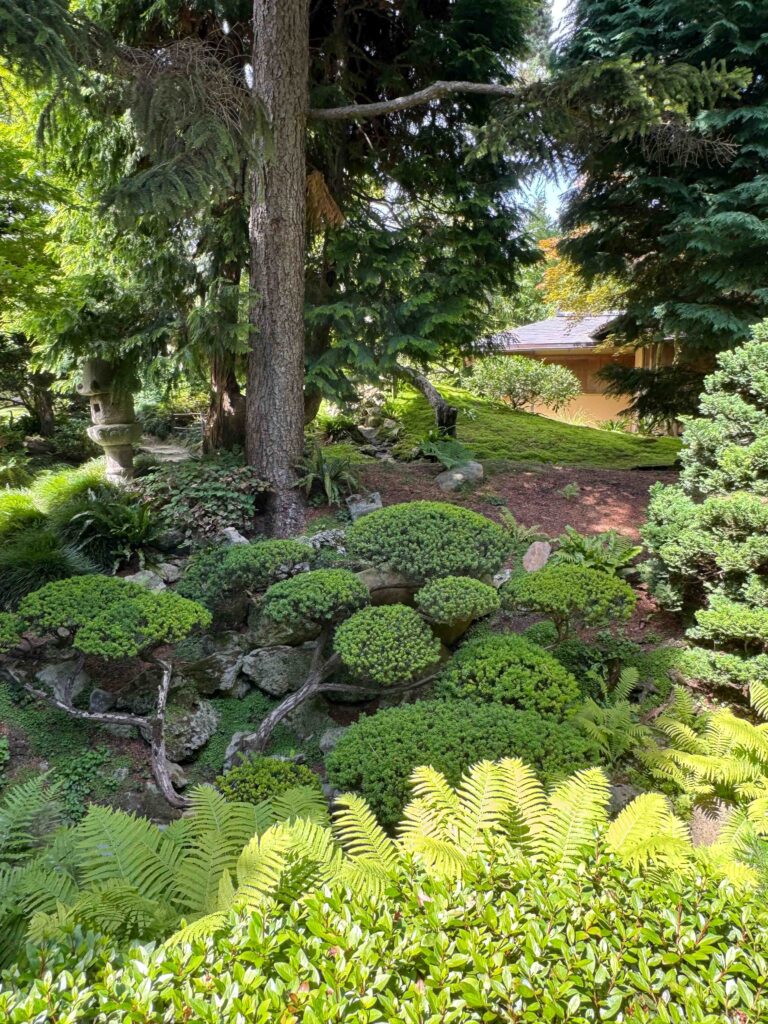
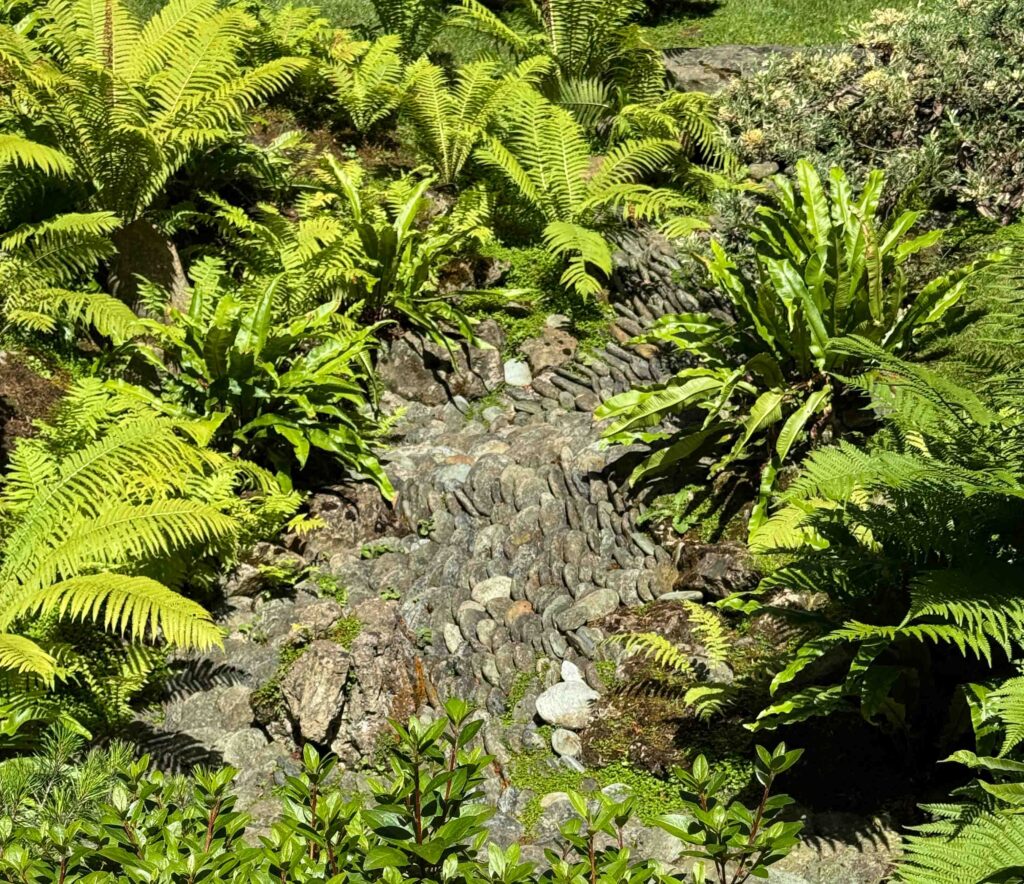
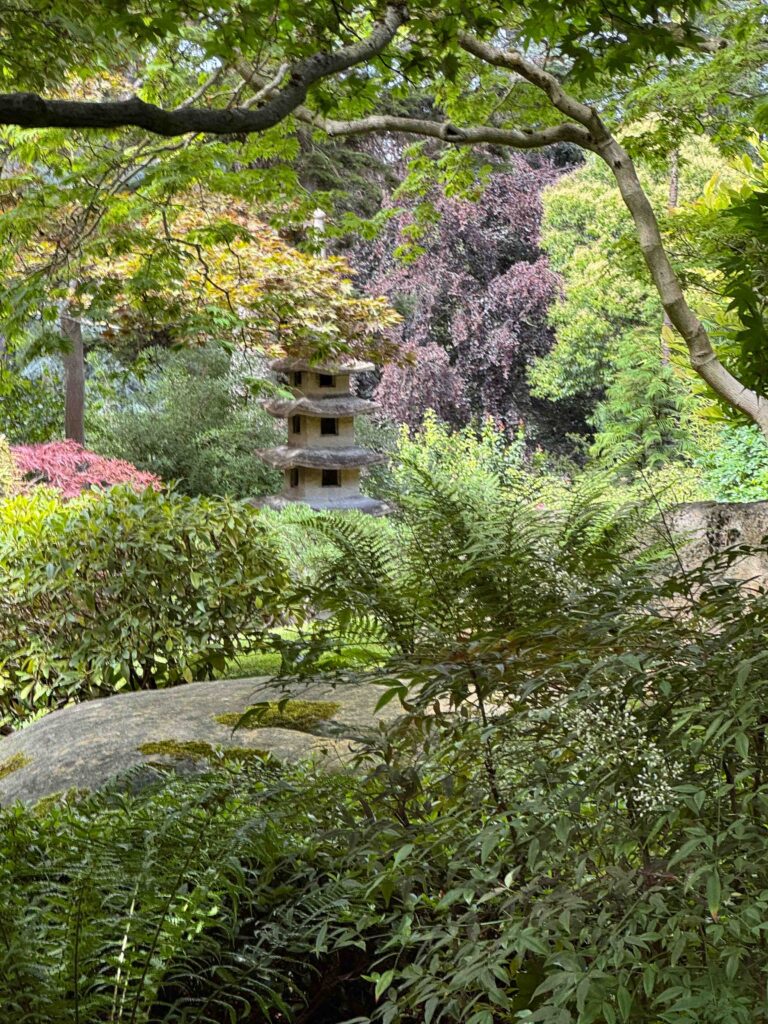
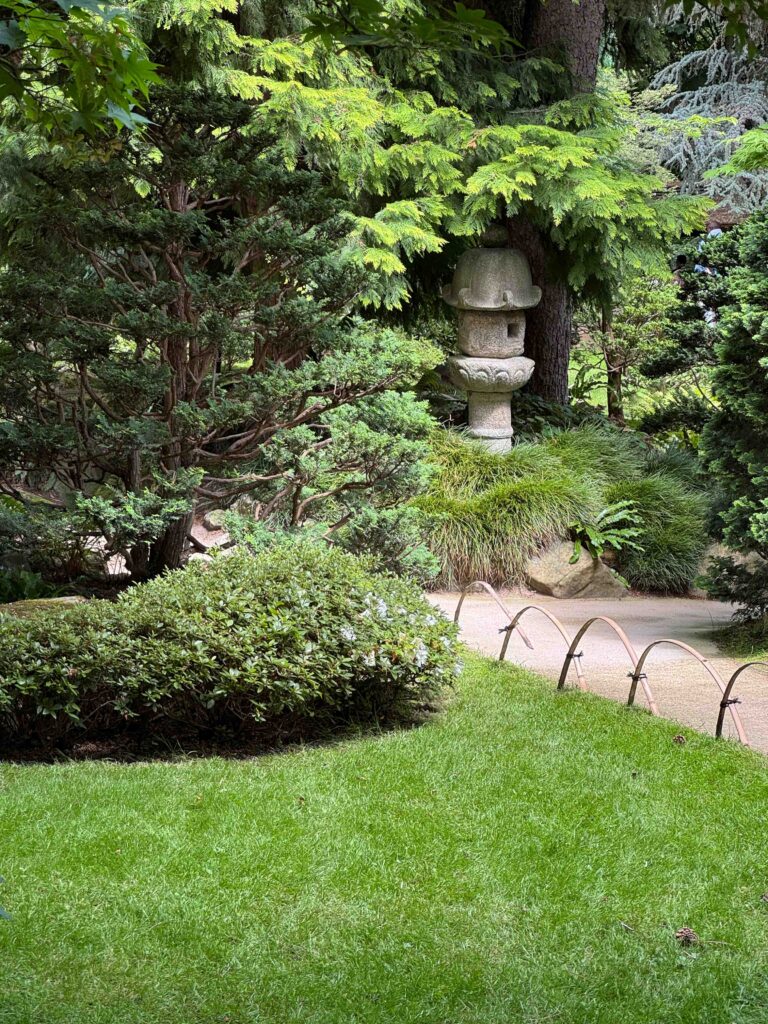
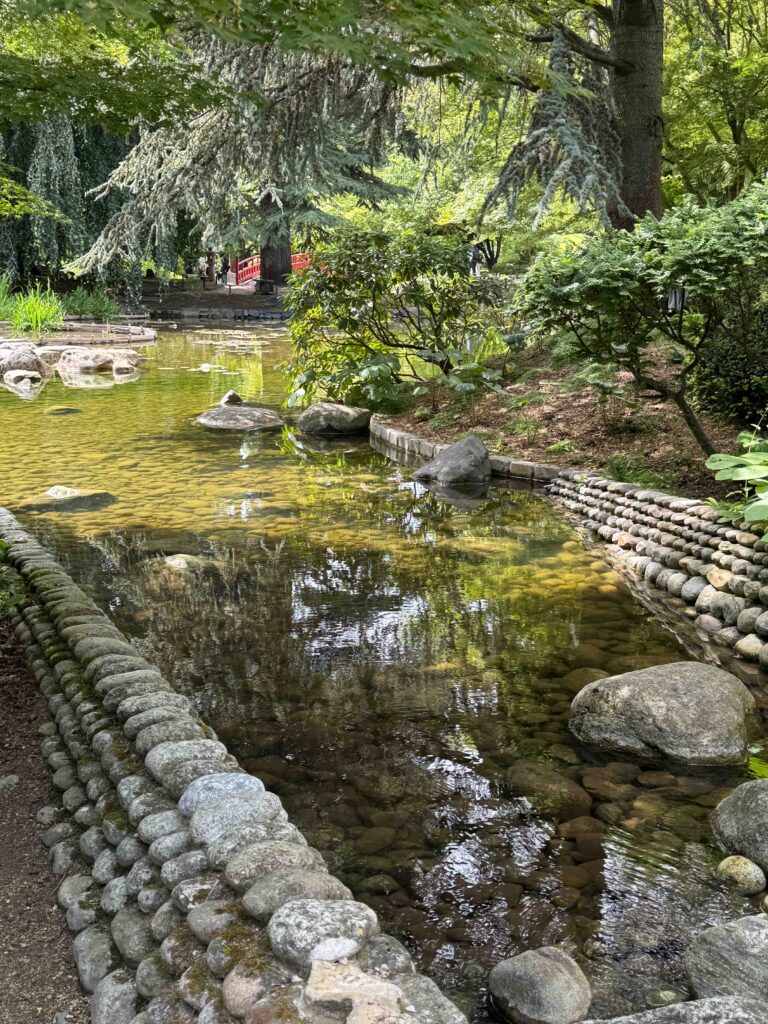
My main goal was to visit the garden; I had no idea the museum would actually be the highlight. The history of the garden also has a fascinating history.
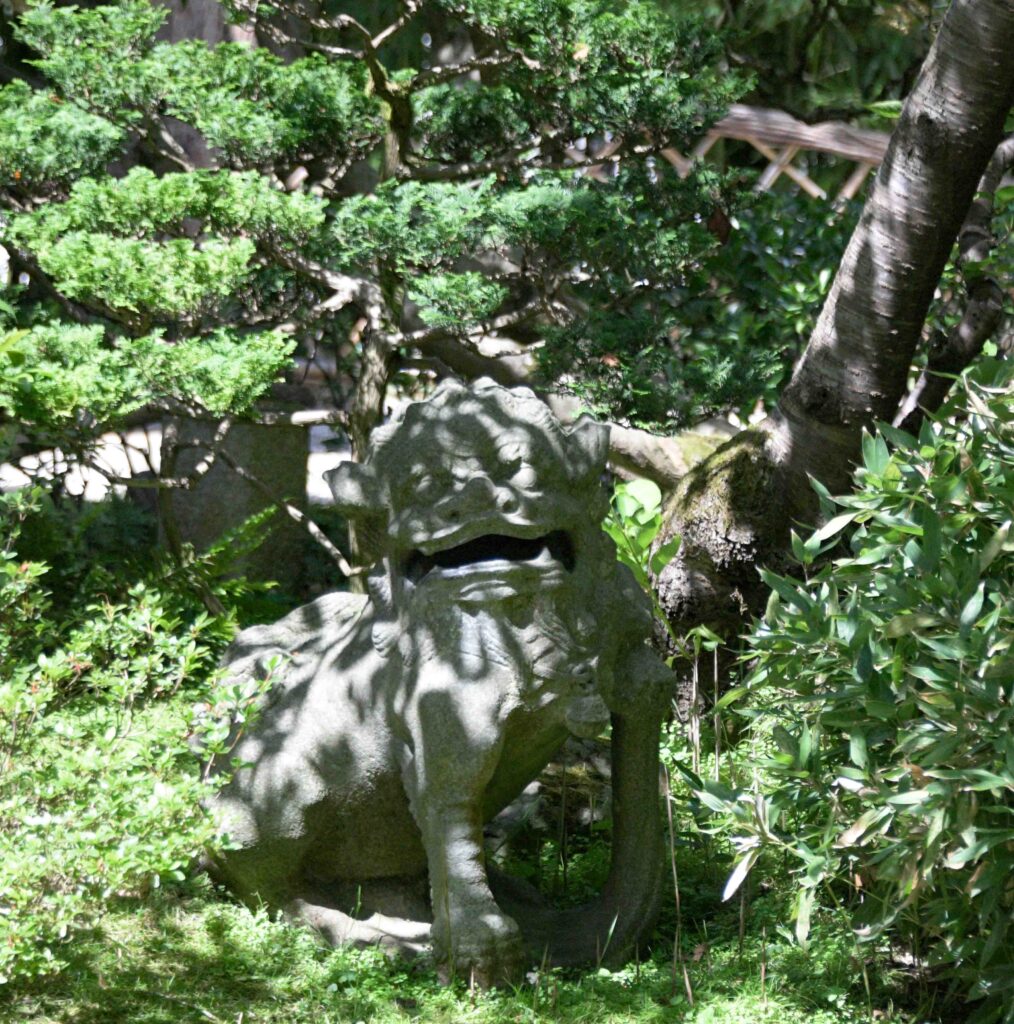
At the end of the 19th century, Albert Kahn, then in full professional ascendancy, moved to a verdant residential neighborhood in Boulogne-sur-Seine, where the Rothschild family already lived.
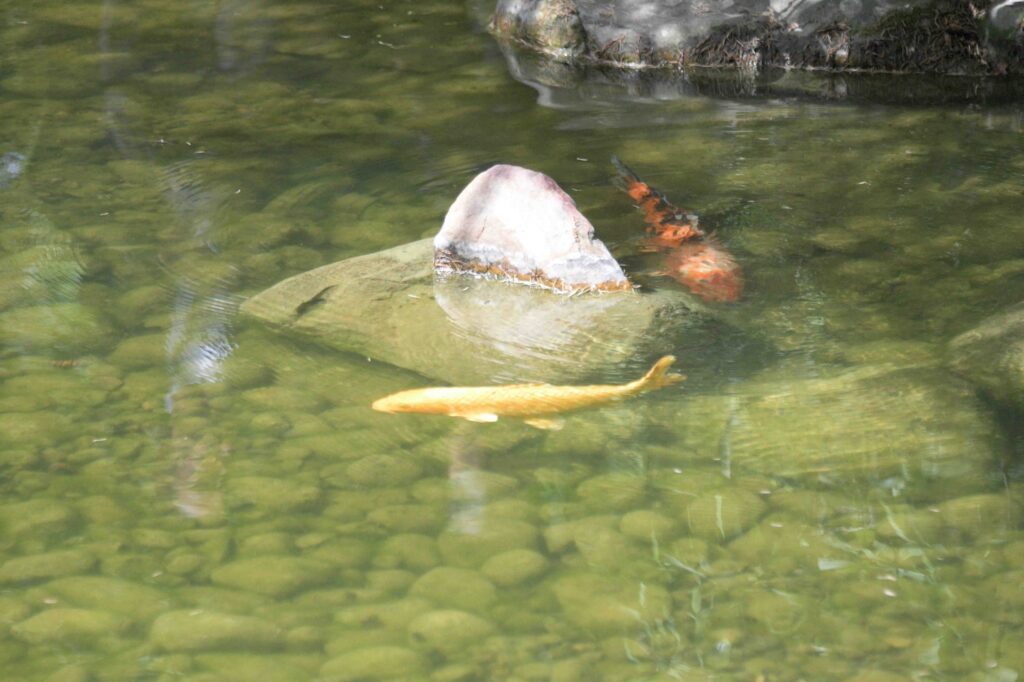
In 1895, he bought the townhouse he had been renting for two years and whose surroundings he had landscaped upon his arrival. From 1895 to 1920, he patiently acquired neighboring parcels, thereby creating a 10-acre property to cultivate a garden reflecting his ideal: a harmonious world.
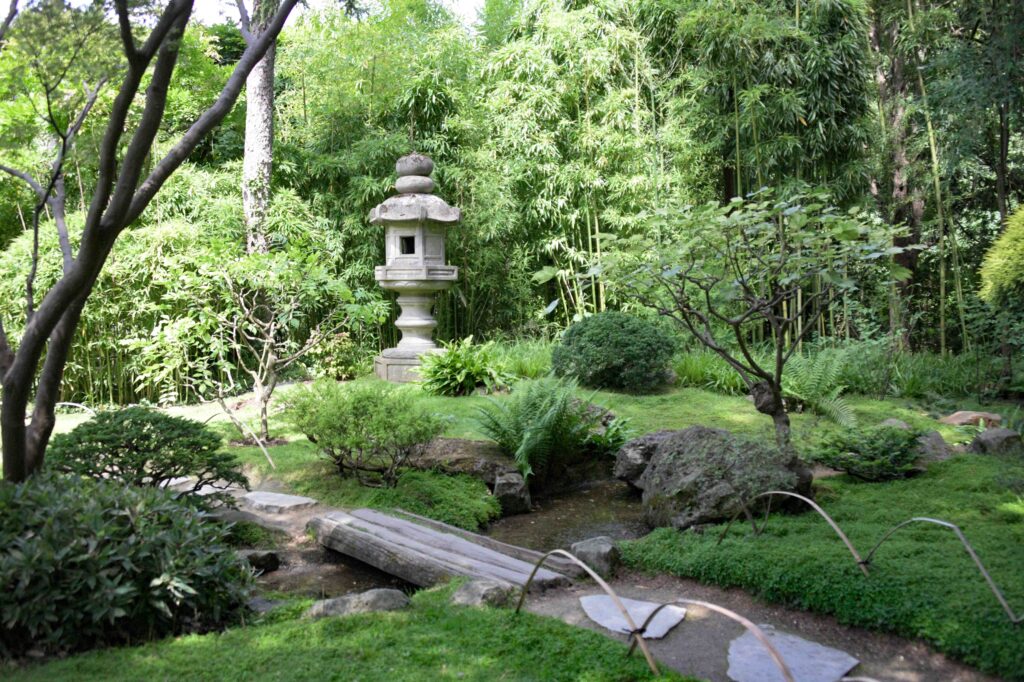
Kahn went bankrupt in the stock market crash of 1929. The gardens and collections of images were bought by the Department of the Seine, which allowed the ruined patron to keep living in his home until his death on November 13, 1940.
*
*  *
* 
*
There is also a rose garden
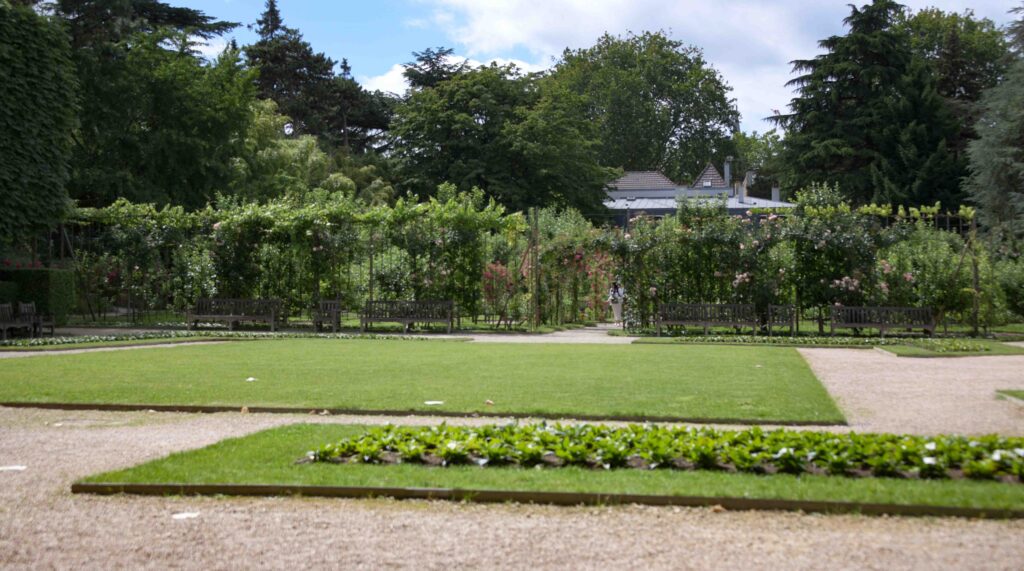
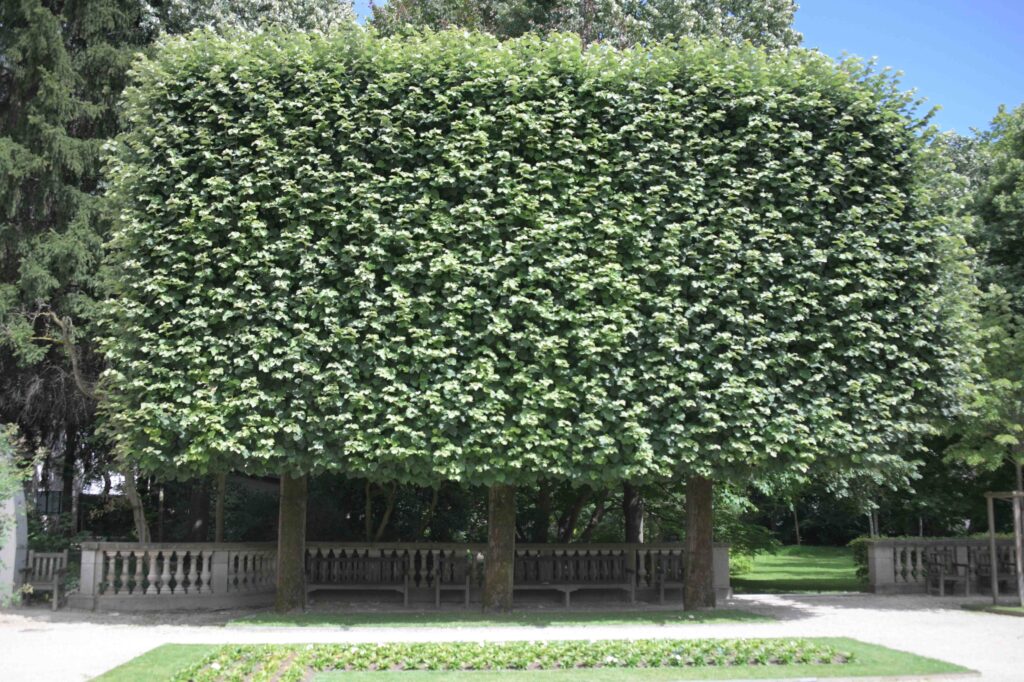
And a great English Garden to just sit on a bench and take it all in.
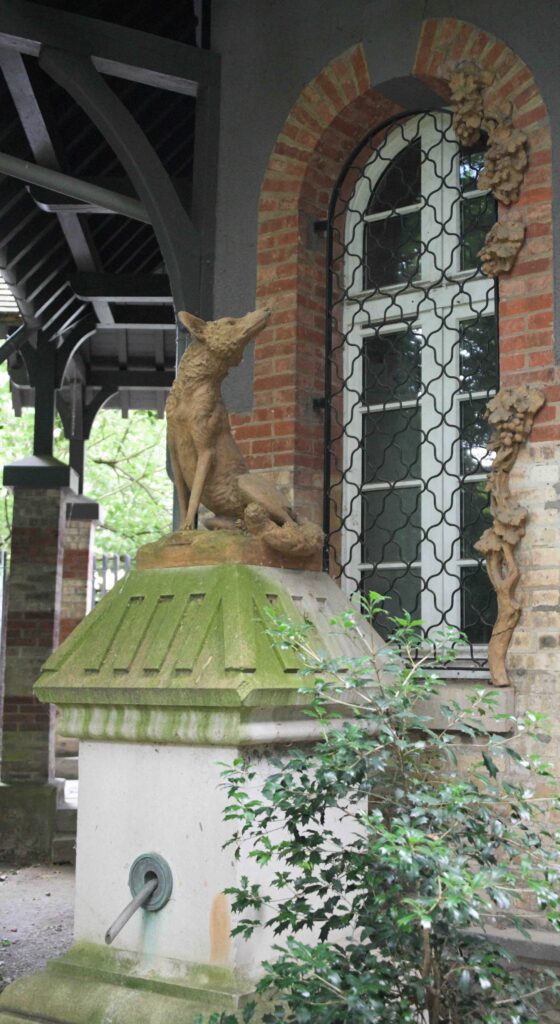
In front of what I assume was one of the original buildings, there was this fox staring at a grapevine. It is from an Aesop fable. The story goes that the fox tries to eat the grapes but cannot reach them. Rather than admit defeat, he states they are undesirable. The expression “sour grapes” originated from this fable.