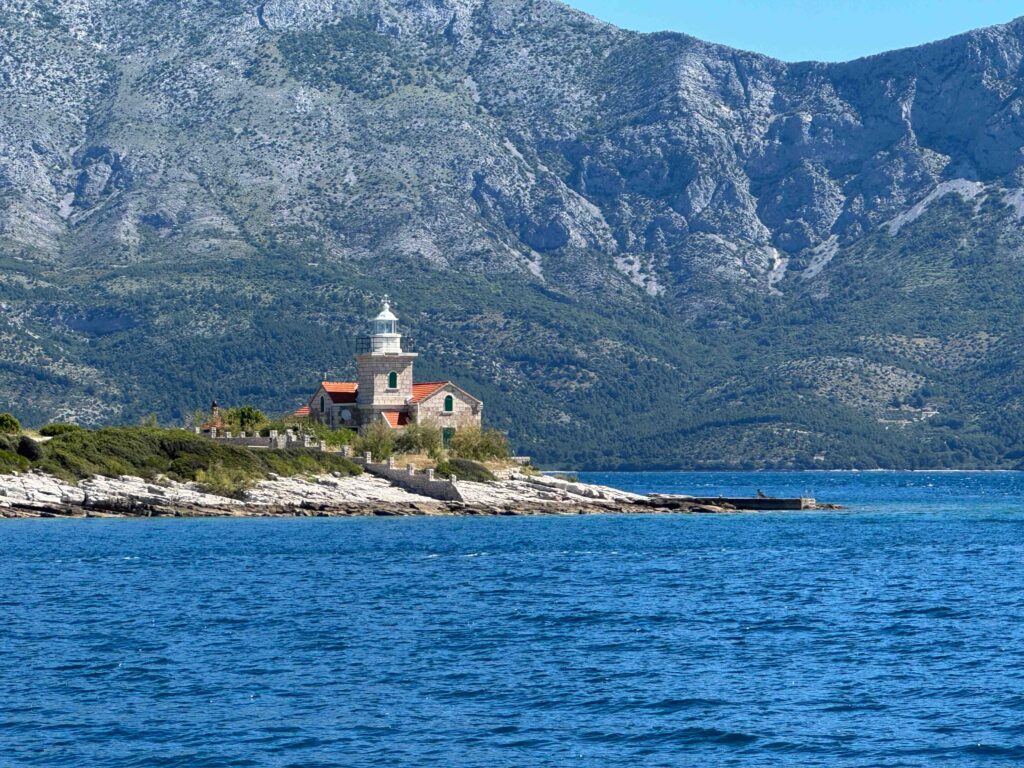
May 2026
A visit to the vacation island of Hvar would normally take people to the beach or the pool. It should have for me as well as it was in the high 80s. However, this visit was to visit Stari Grad Plain.
If you thought you had learned about the history of Croatia by reading my blog, here is a new one. The Greeks were here too. They were at Stari Grad.
There are about 120 known archaeological sites across the Plain, making it one of the most important archaeological locations in Croatia. It is also a World Heritage Site.
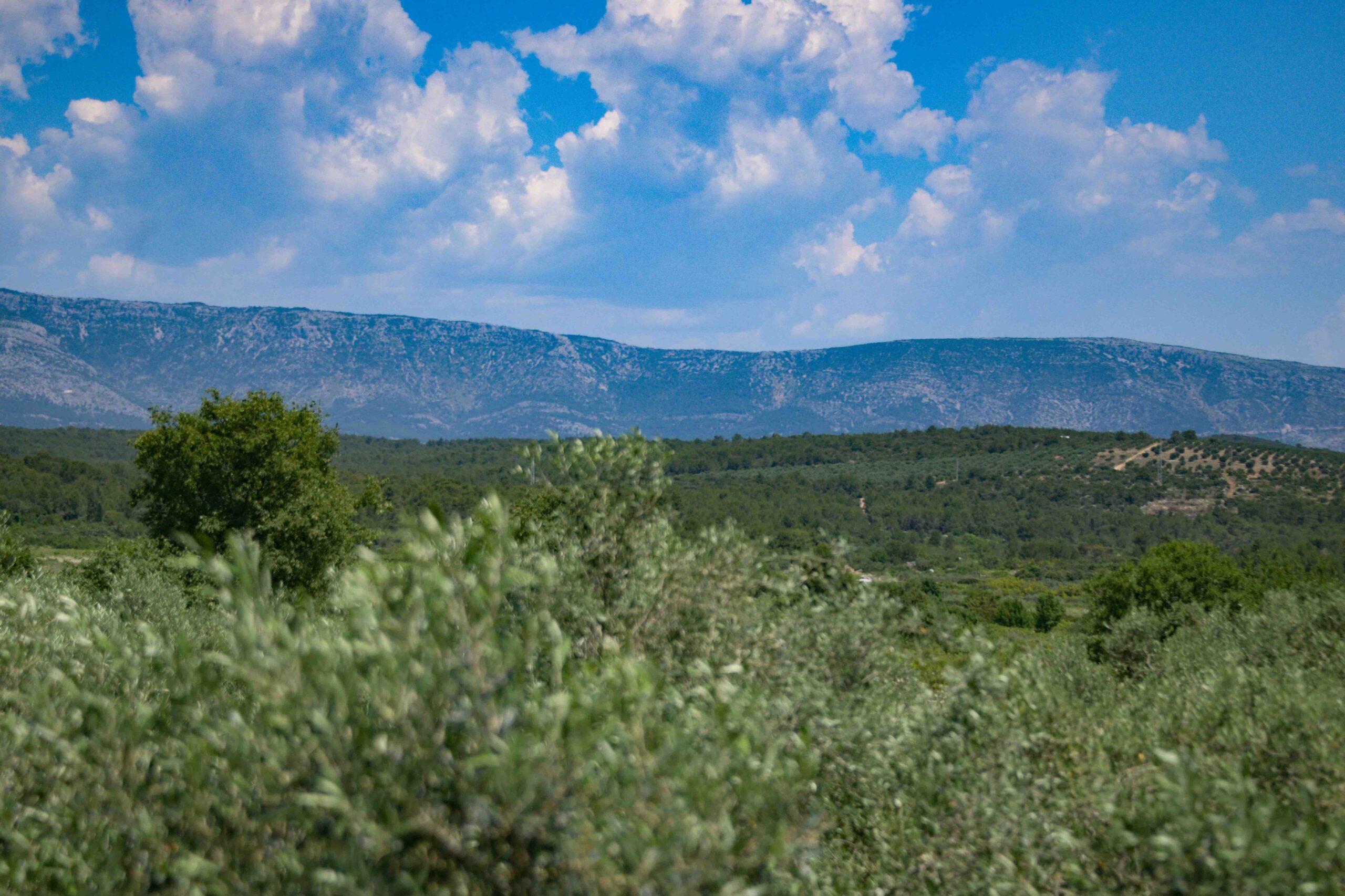
The Stari Grad Plain is an agricultural area established by ancient Greek colonists in the 4th century BCE and remains in use. The plain is the largest agricultural area on any of the Adriatic islands, and is remarkably fertile due to the soil deposited during the ice age.
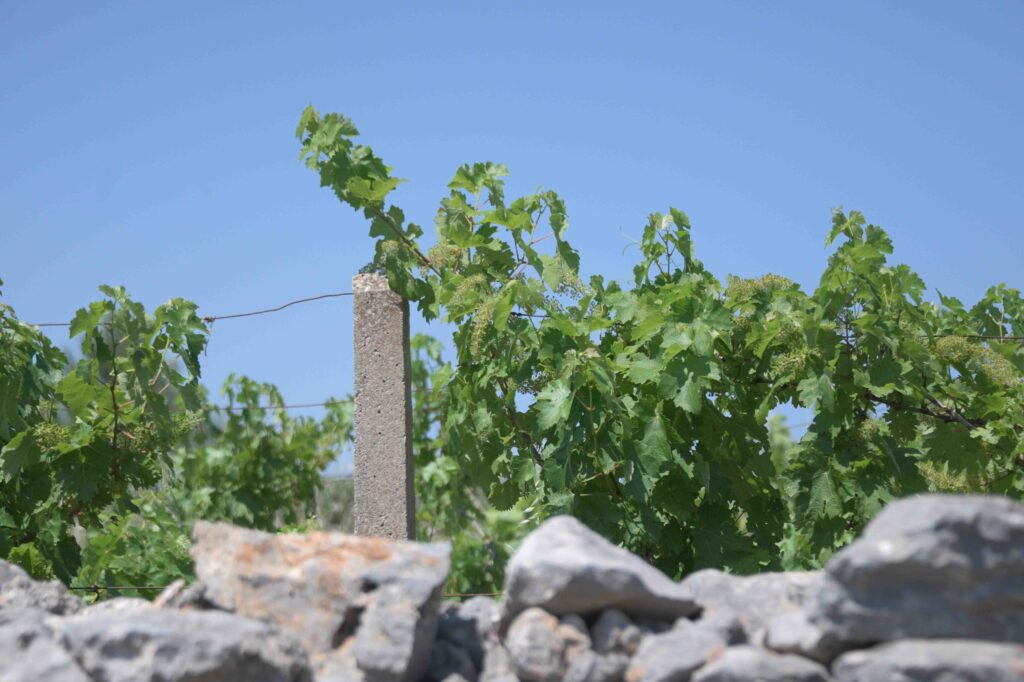
Grape Vines and Olive Trees are the predominant crops.
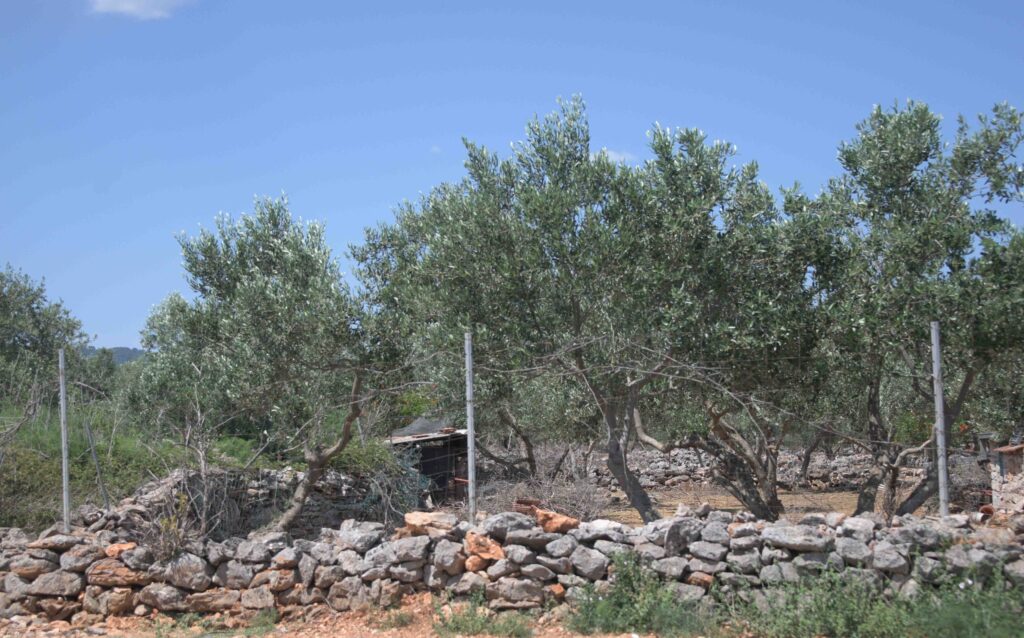
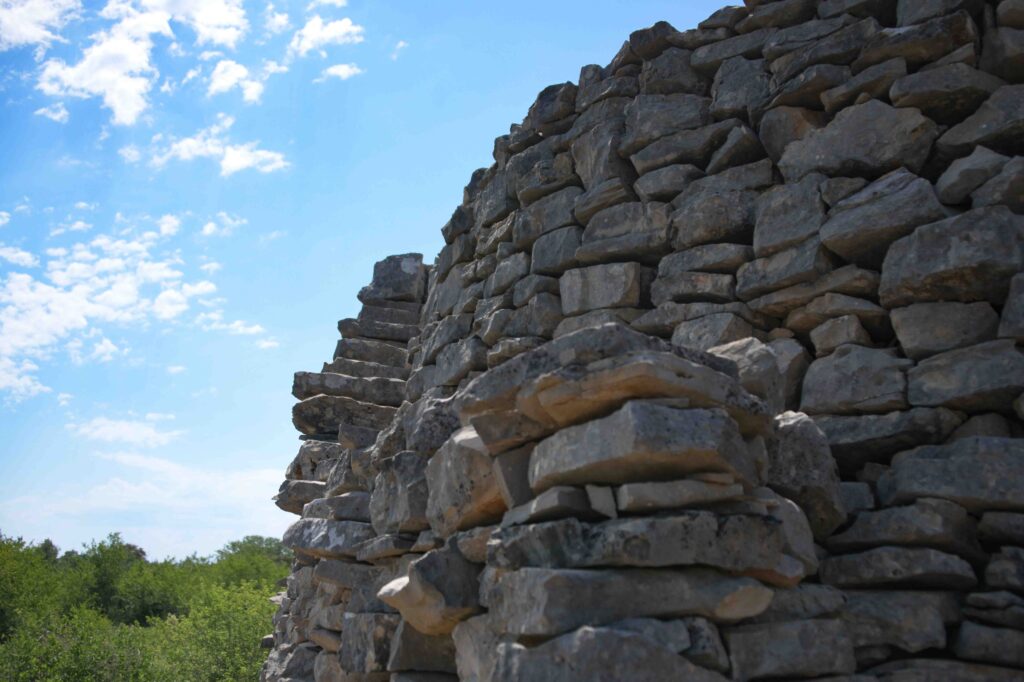
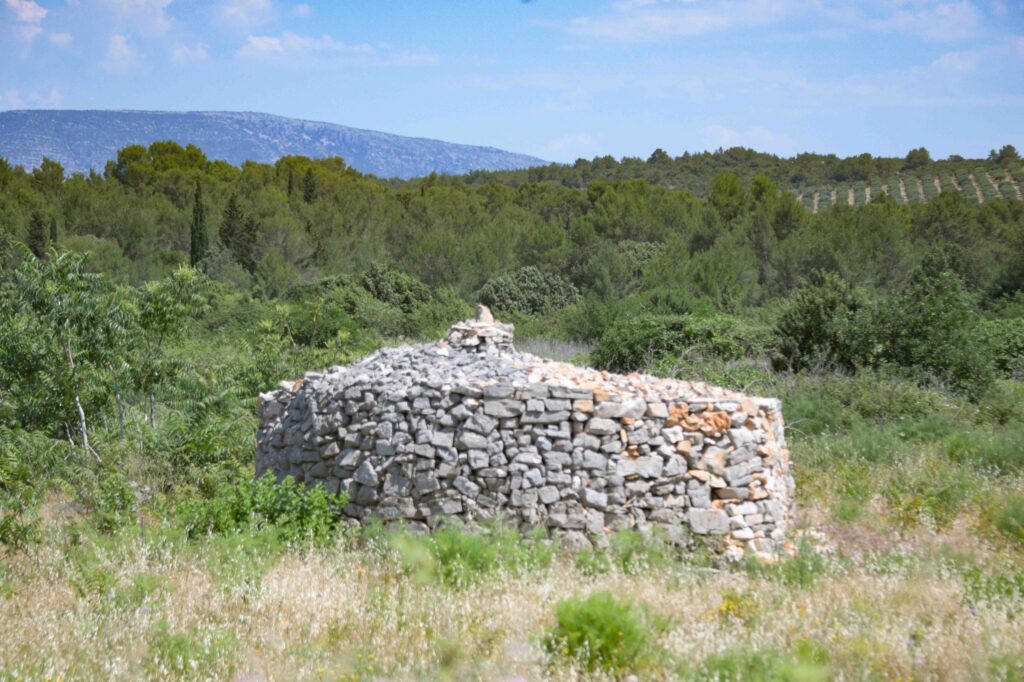
The Greek colonists divided the plain into 75 land parcels (called chora), each measuring roughly 16 hectares, bordered by dry stone walls. These walls may have been secondarily used to surveil the plain or to travel quickly across the landscape. The original field layout has been respected by the continuous maintenance of the boundary walls by succeeding generations. Agricultural activity in the chora has been uninterrupted for 24 centuries.
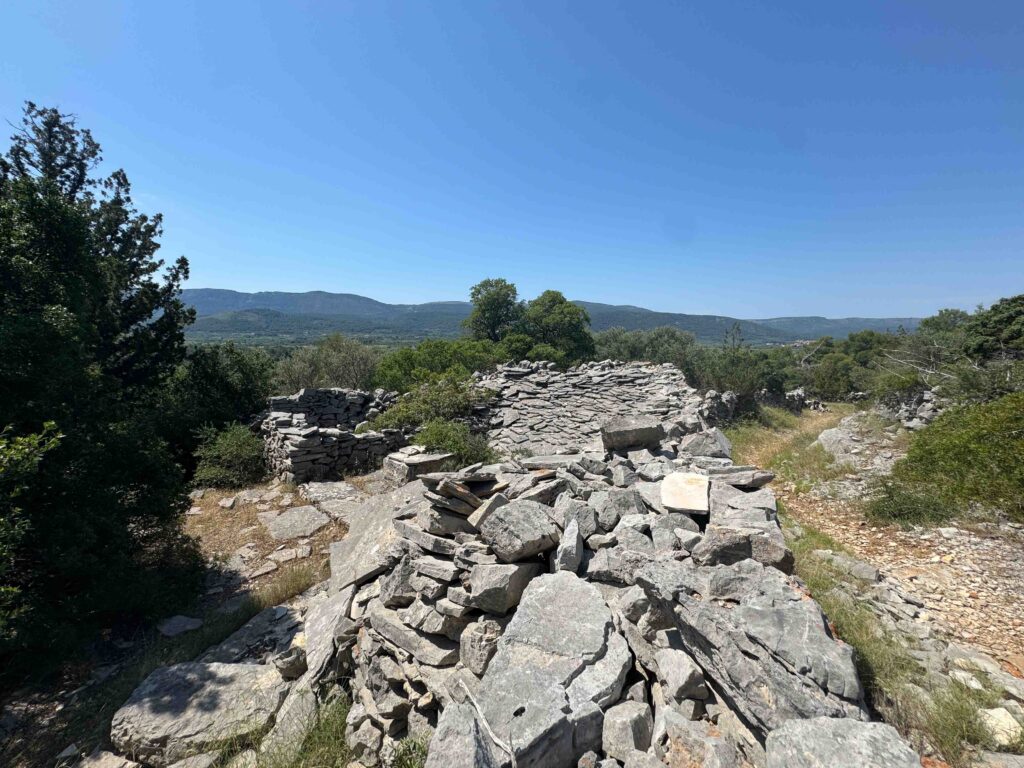
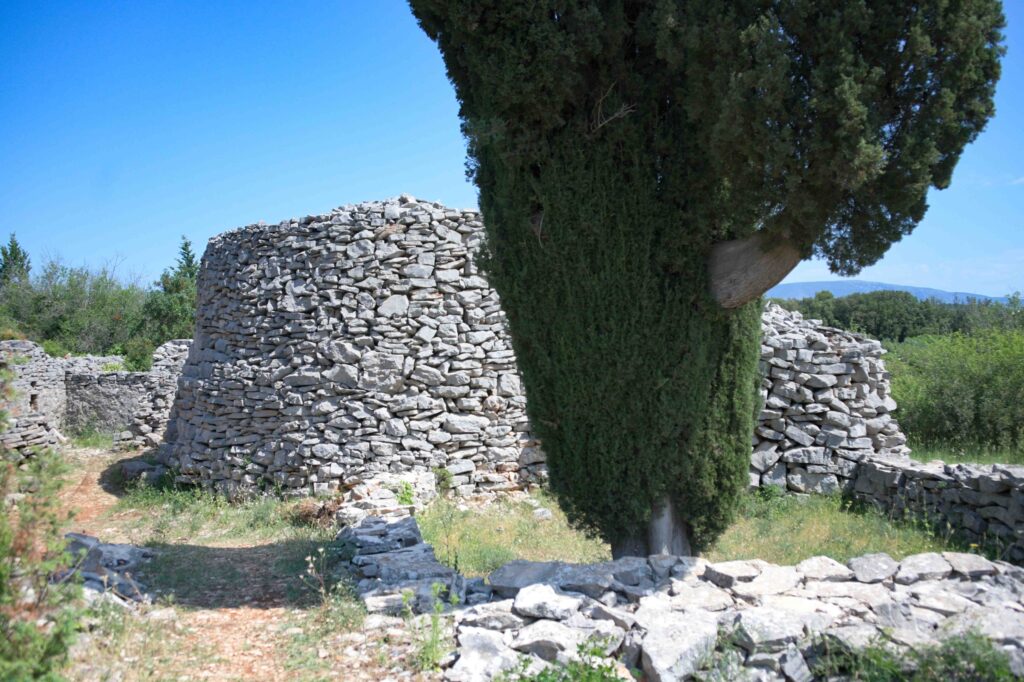
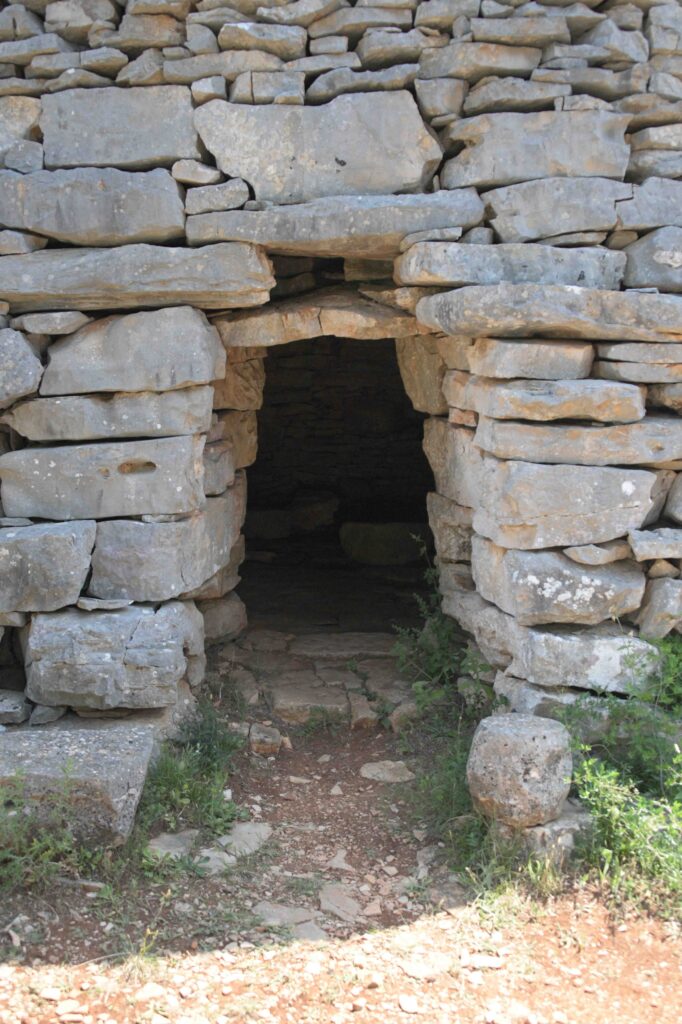
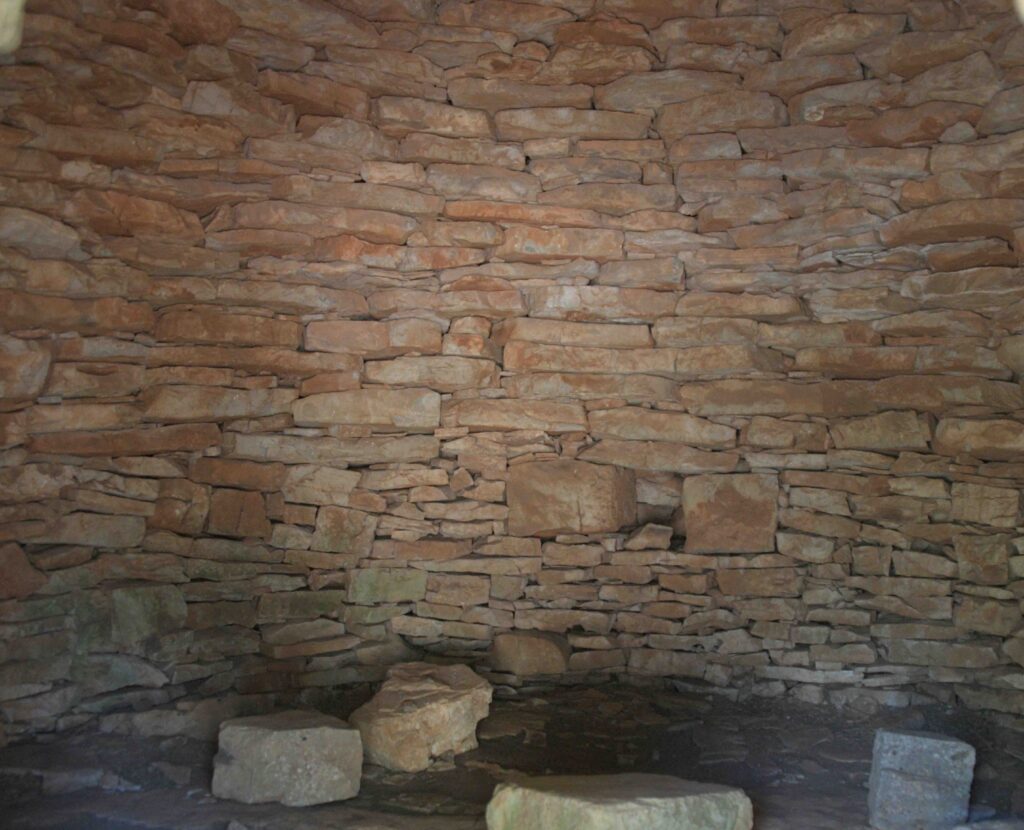
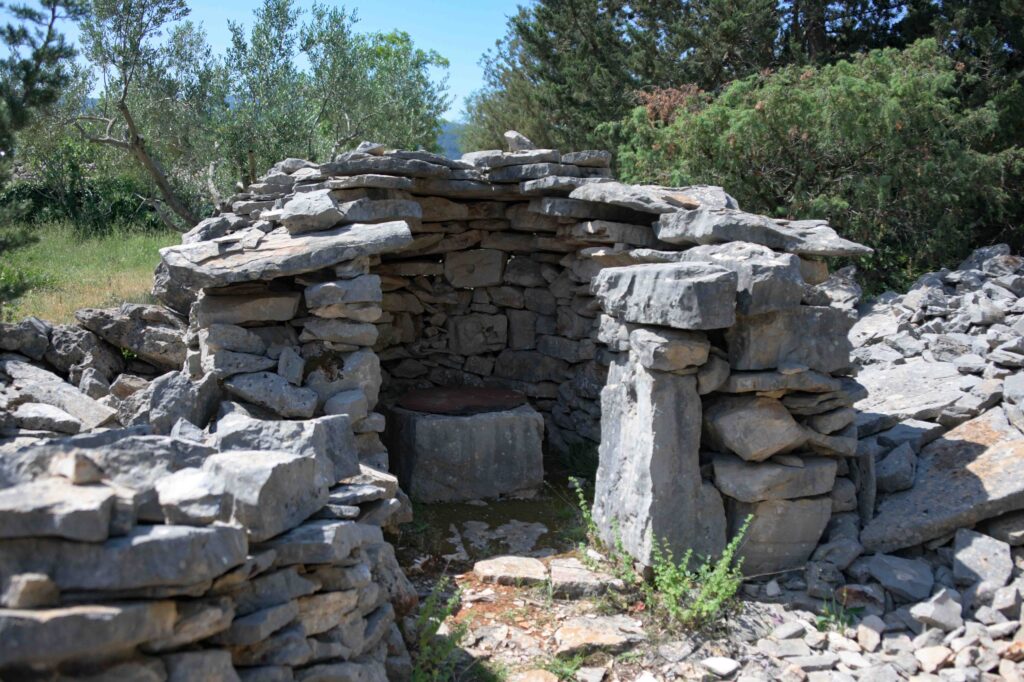
In addition to the chora, the Greeks built small stone huts called trims, where tools were kept , and people could take refuge from bad weather.
*

By the mid-2nd century BCE, it was a Roman colony, and during that time, it was a trading center for grapes and fishing
Water in Stari Grad
Life could not have existed in this area without water. The only water surface that never dries up is the Dracevica pond. ‘
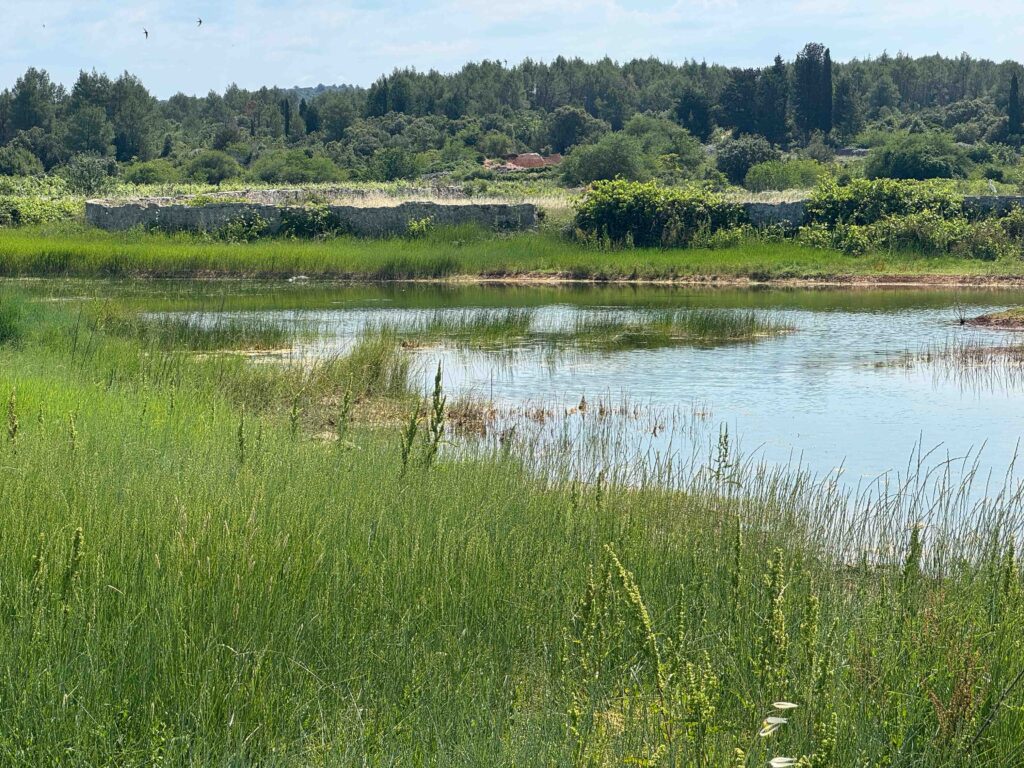
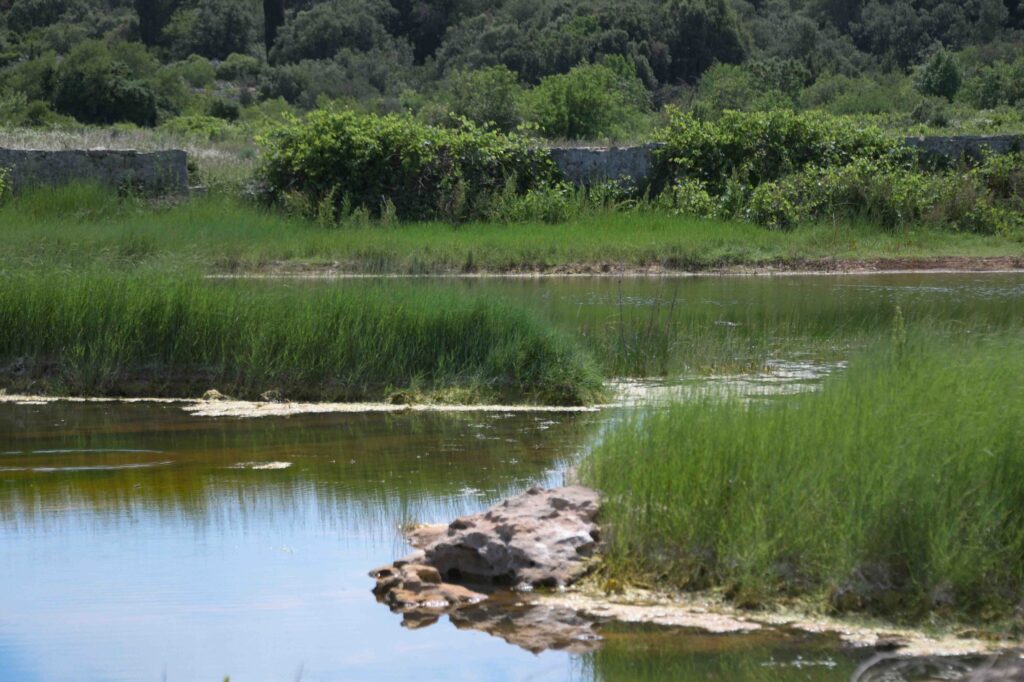
The Dracevica site is considered the only open Neolithic settlement of the Havar culture in the late 19th century. Neolithic stone tools and weapons were found near the pond.
Maslinovik
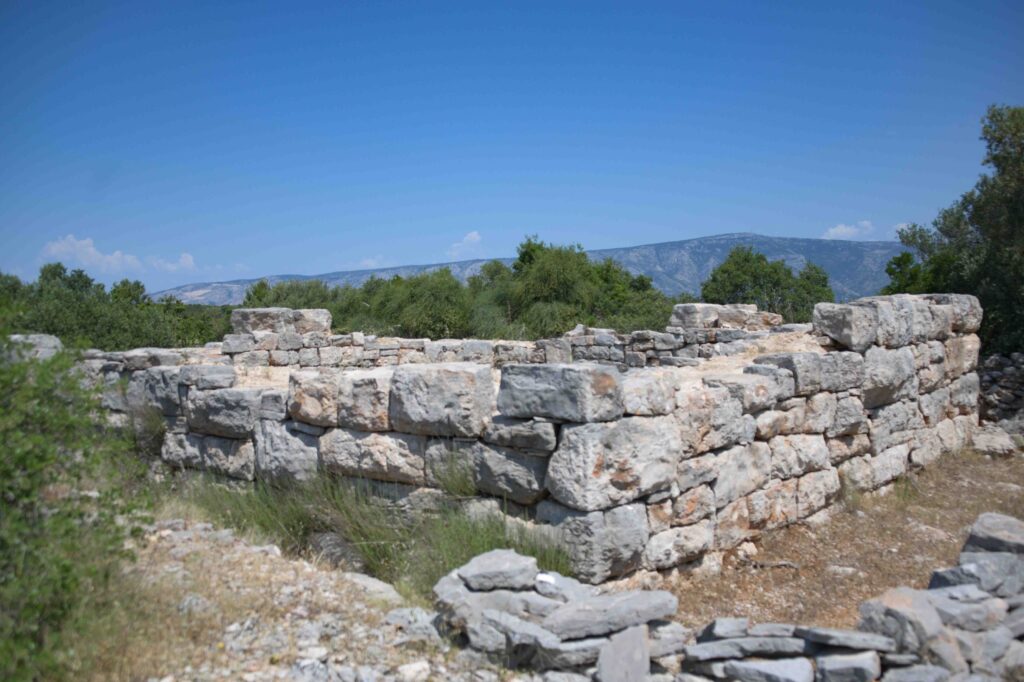
The watchtower (Maslinovik) is located on a hill on the north side of the Stari Grad Plain. It was built in the 4th century BCE by the ancient Greek settlers as an observatory. Together with a second watchtower, it formed a defense system for the area. Presently, only the lower segments are preserved.
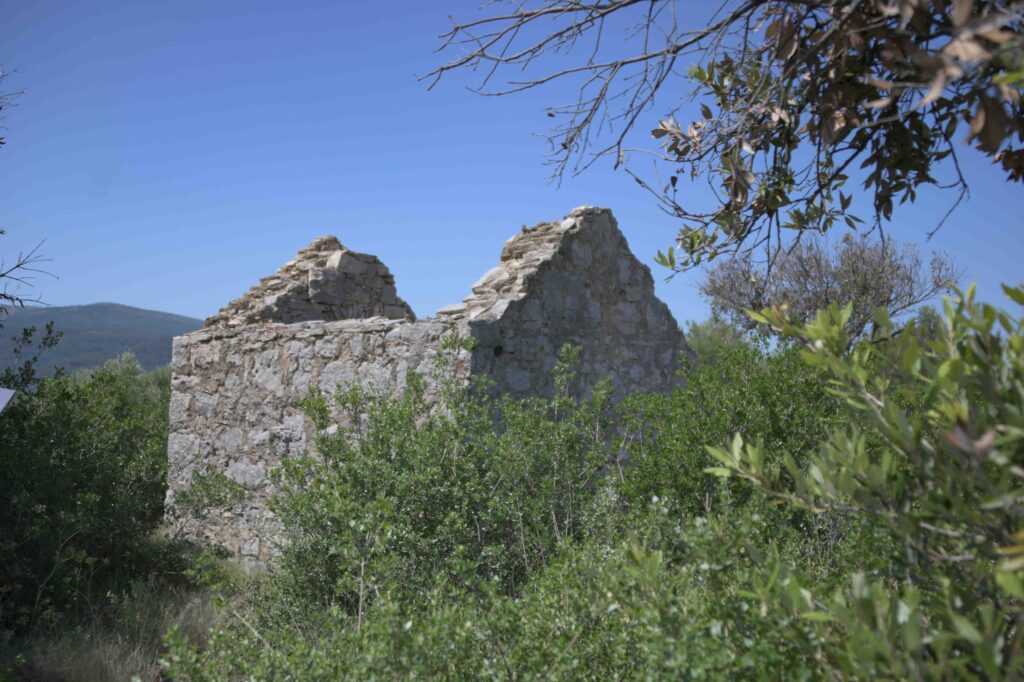
A shepherd’s settlement was built on the southern side of the tower in the second half of the 19th century. Two huts have been preserved near the tower. One of them was used as a livestock shelter, while the other housed a cannon during the Austro-Hungarian administration. The remains of a lime kiln are also on the site.
*
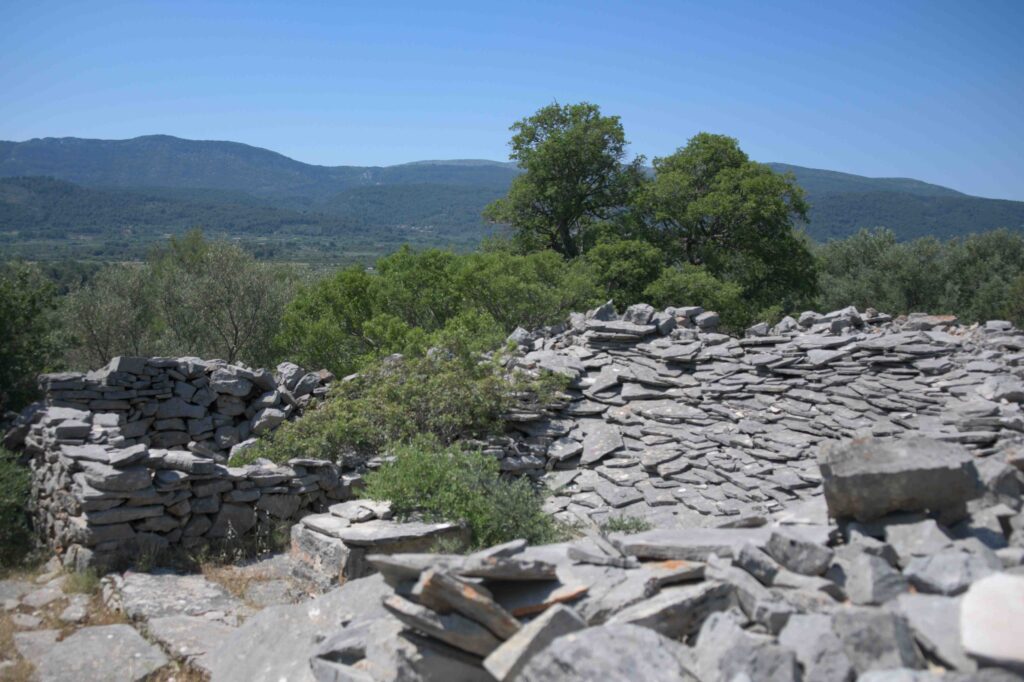
It was a quick, long hike up for me, and when I returned, the car said it was 104 degrees Fahrenheit. I can not imagine how hard it was to be a soldier in those days.