May 2026
Zeljava Airfield
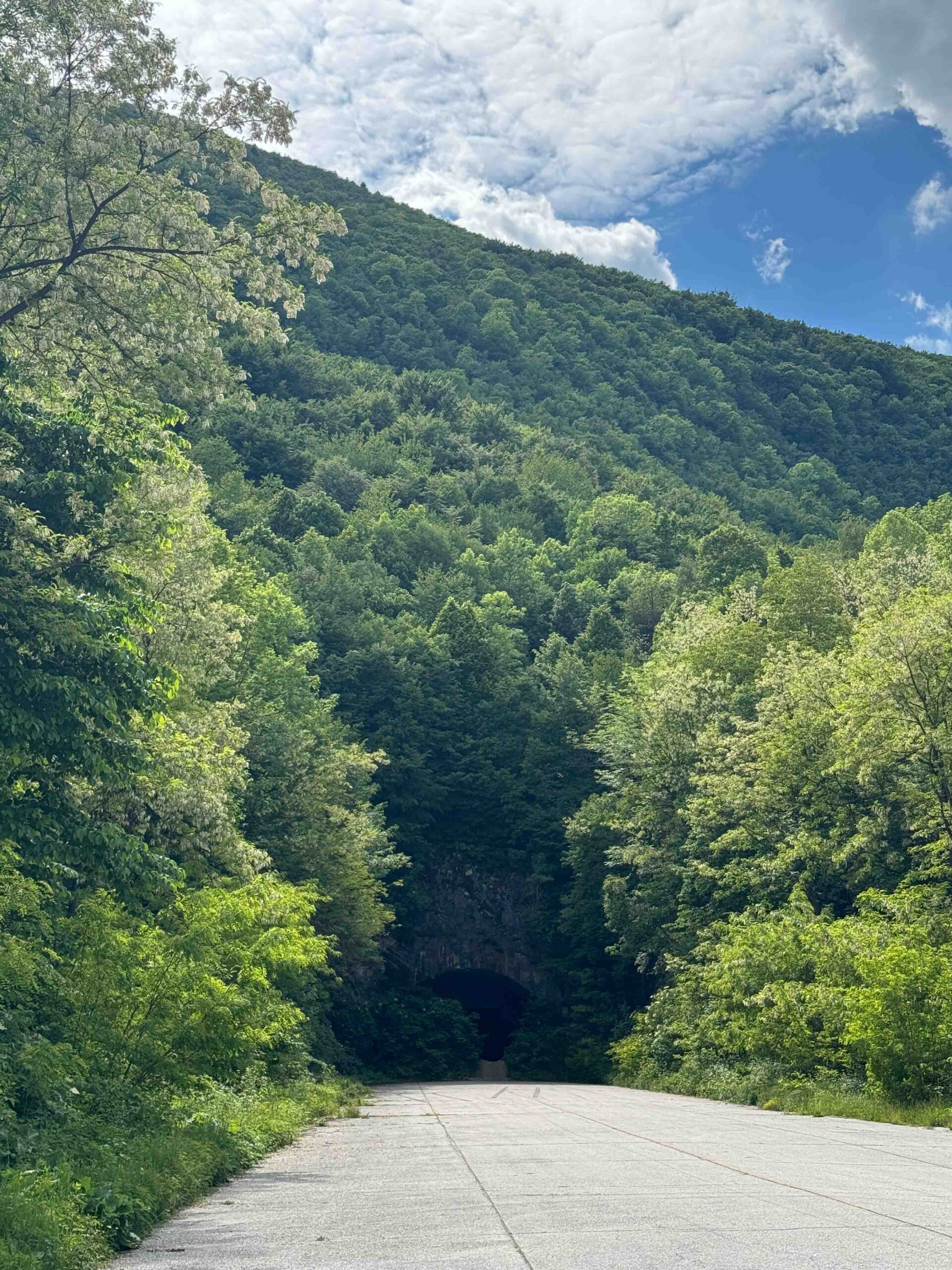
Off the beaten path between Plivice and Zadar is the abandoned Zeljava Airbase.
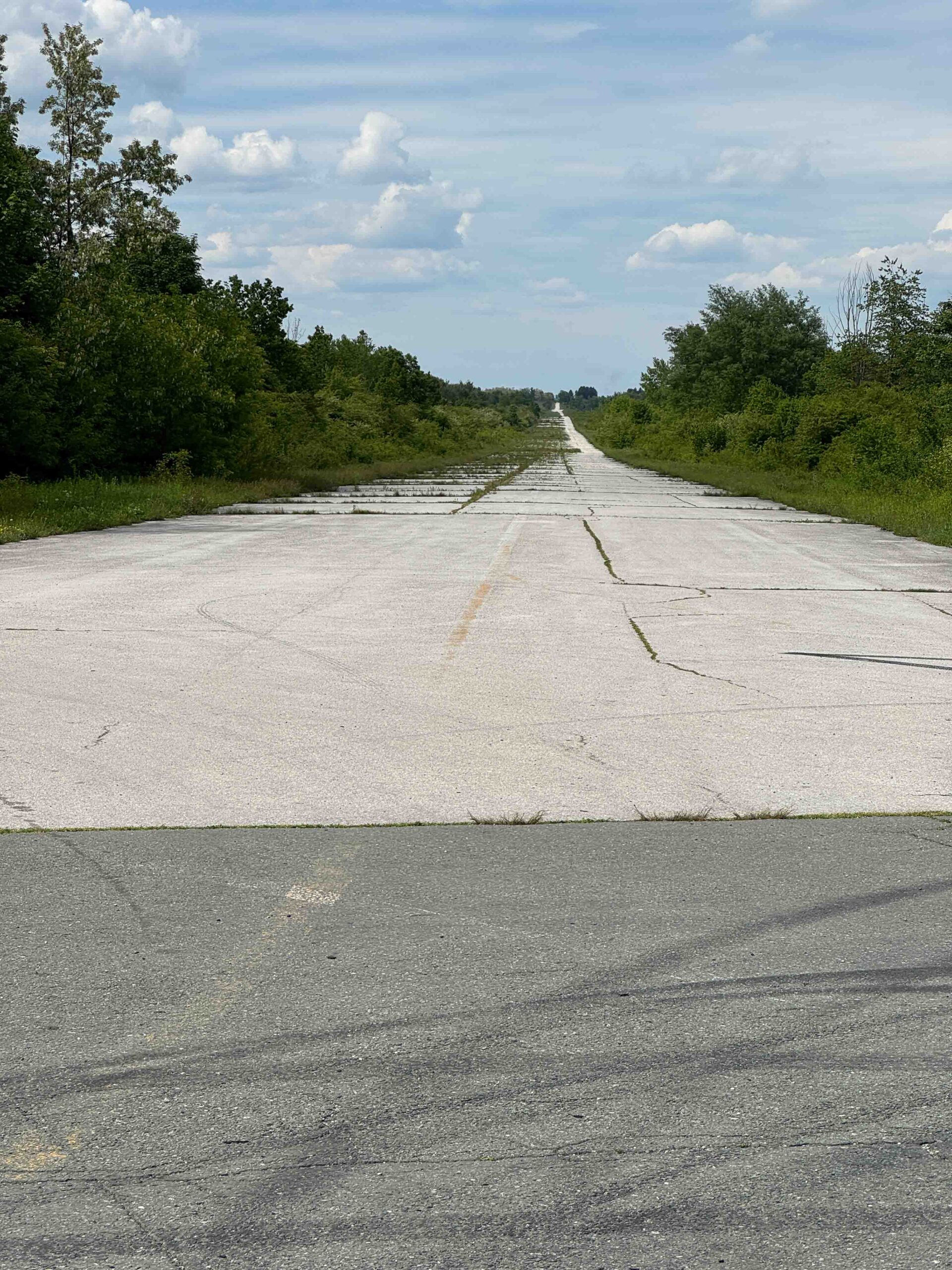
Željava Air Base was the largest underground airport and military airbase in the former Yugoslavia, and one of the largest in Europe.
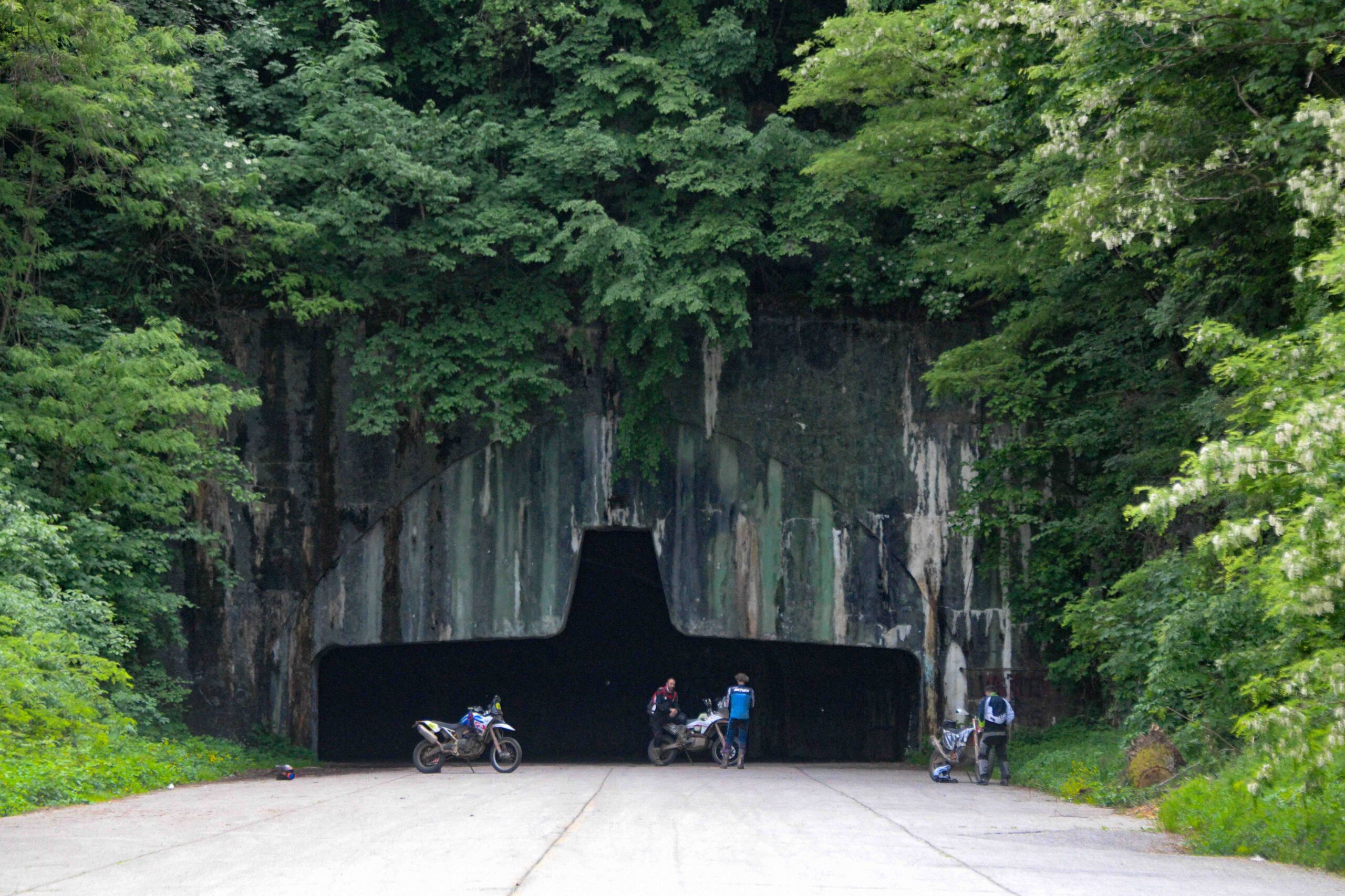
Built during the Cold War in the 1960s, Željava was a top-secret project of the Yugoslav People’s Army, strategically placed in the heart of the Dinaric Alps, hidden from the prying eyes of potential enemies. Declassified records of CIA spy satellites show that the agency had been monitoring the facility’s construction from orbit for years.
Officially called Obejkat 505, the site is located on the western border of Bosnia, adjacent to Croatia. Initially constructed to accommodate a long-range radar early-warning system similar to NORAD, it also served as a strategic command center for national defense.
The complex was built to withstand a nuclear attack with an impact of max strength of 20 kilotons, almost equal to the bomb dropped on Nagasaki. It was built to accommodate two hunter squadrons and up to one thousand personnel, including military commanders. Its primary function was to bolster the country’s defense capabilities.
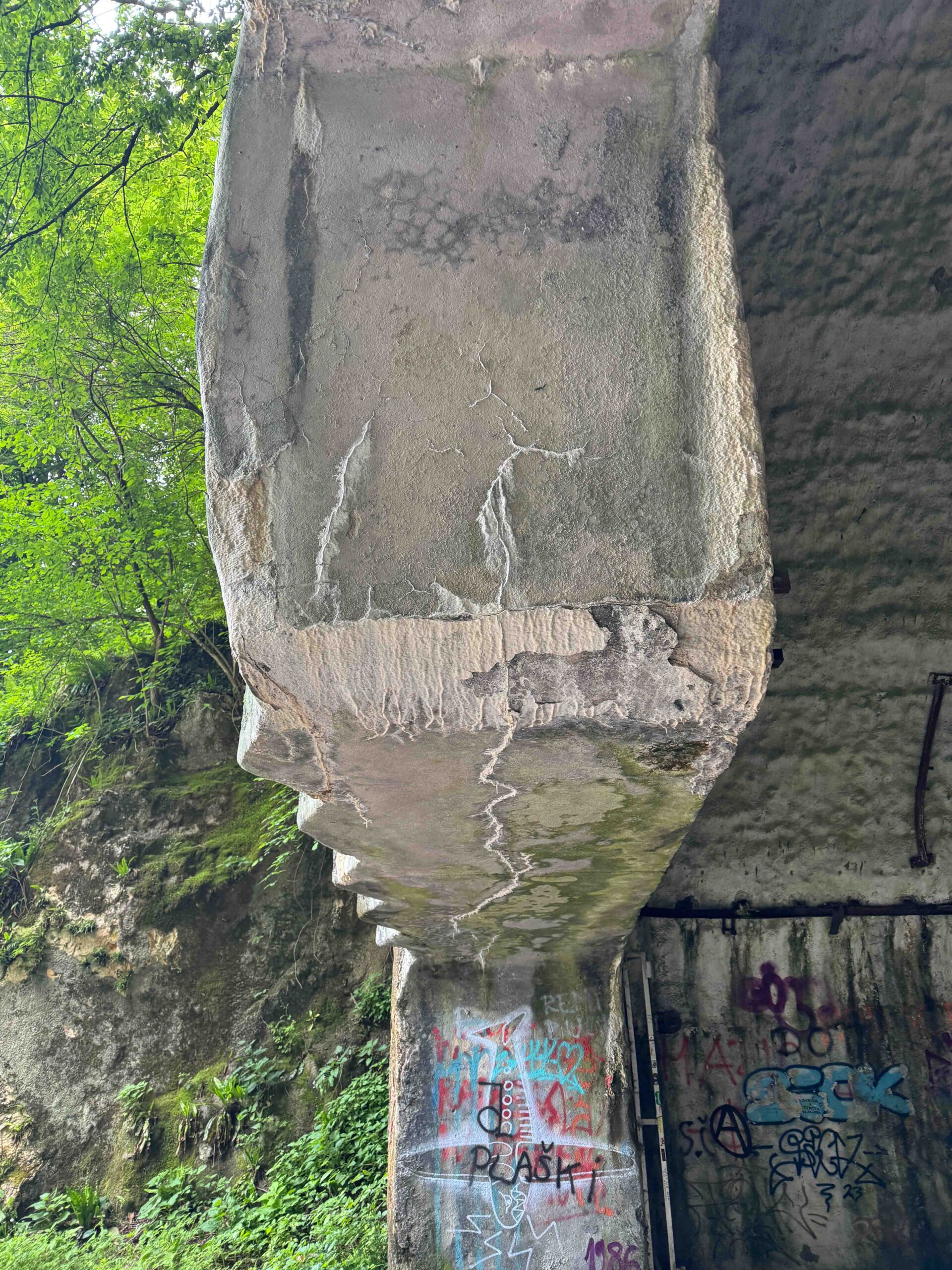
Construction of the base was conducted in utmost secrecy between 1957 and 1965, at a cost of 6 billion dollars, three times the combined yearly military budgets of Yugoslavia’s two largest successor states, Serbia and Croatia. The secret airbase was positioned at the center of a dense sprawling network of military installations, with five auxiliary airfields nearby as well as numerous radar and air defense outposts. The airbase was used extensively in 1991, during the Yugoslav war.
In 1992, during the Bosnian War, the complex was heavily bombed by the Serbian army, rendering it unusable.
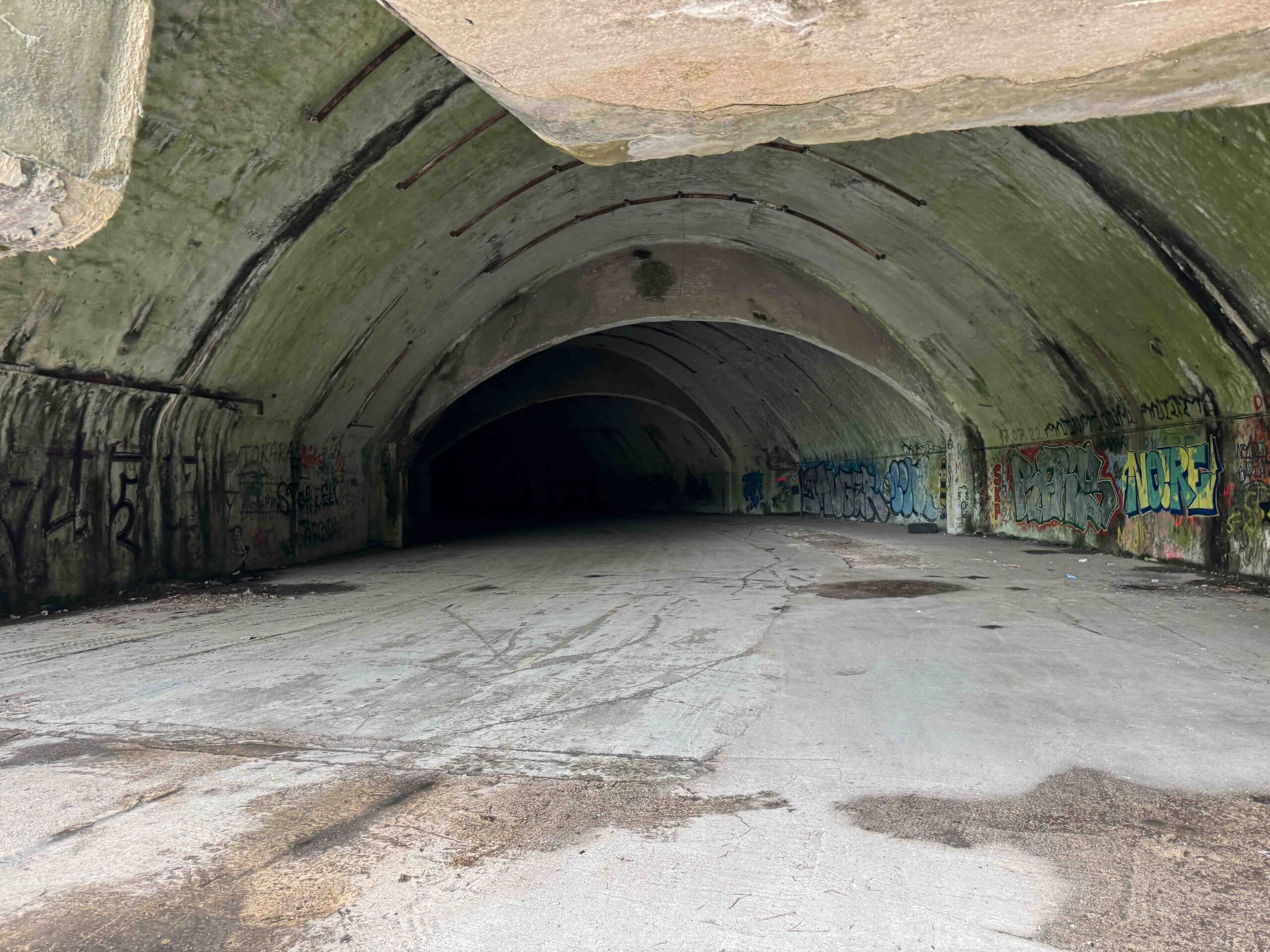
The complex of underground tunnels and galleries was divided by 56 armored doors, and it had 4 entrances. The dimensions and the weight of the doors were truly impressive; three doors were nearly 2 feet thick and weighed 100 tons.
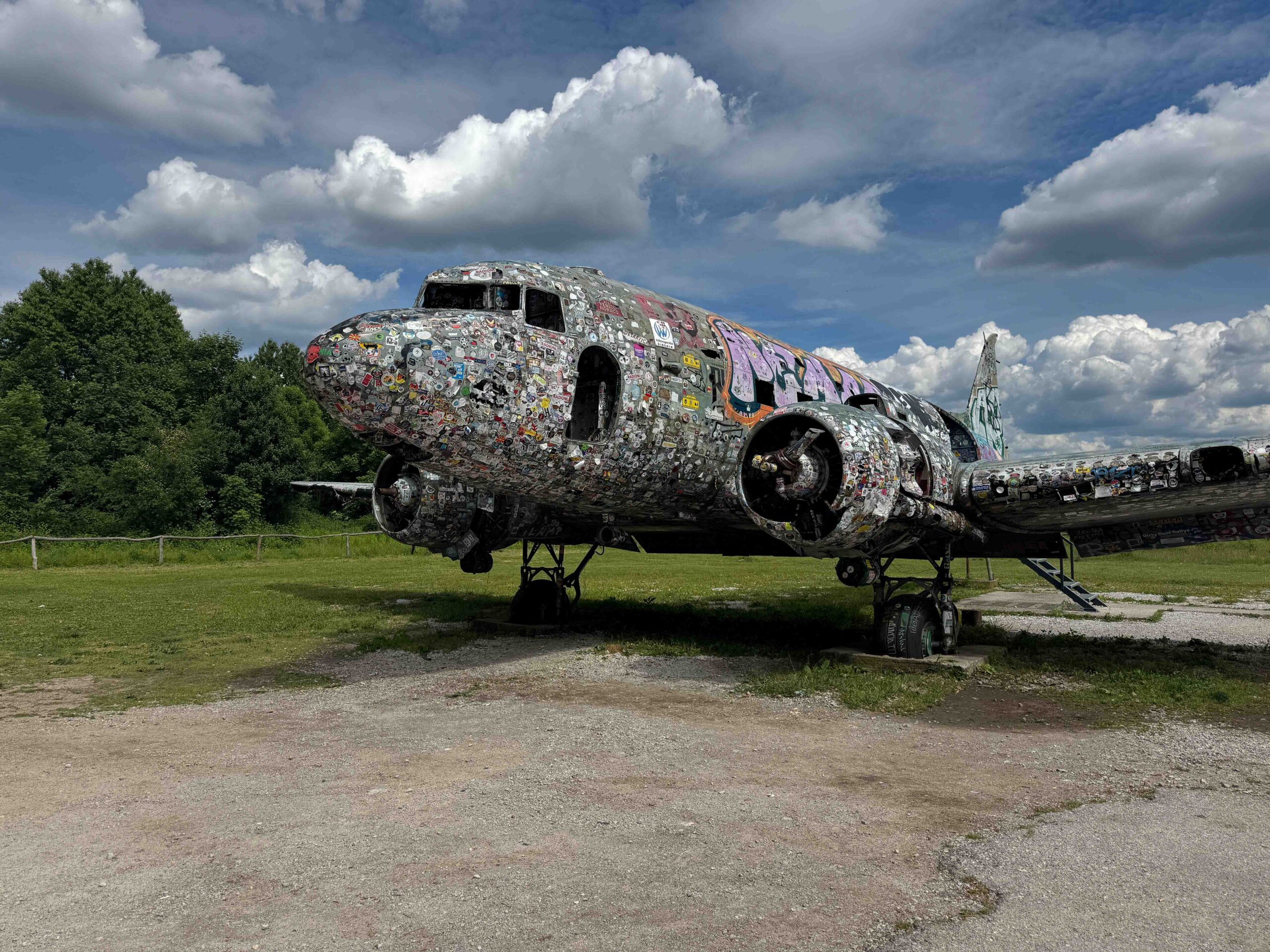
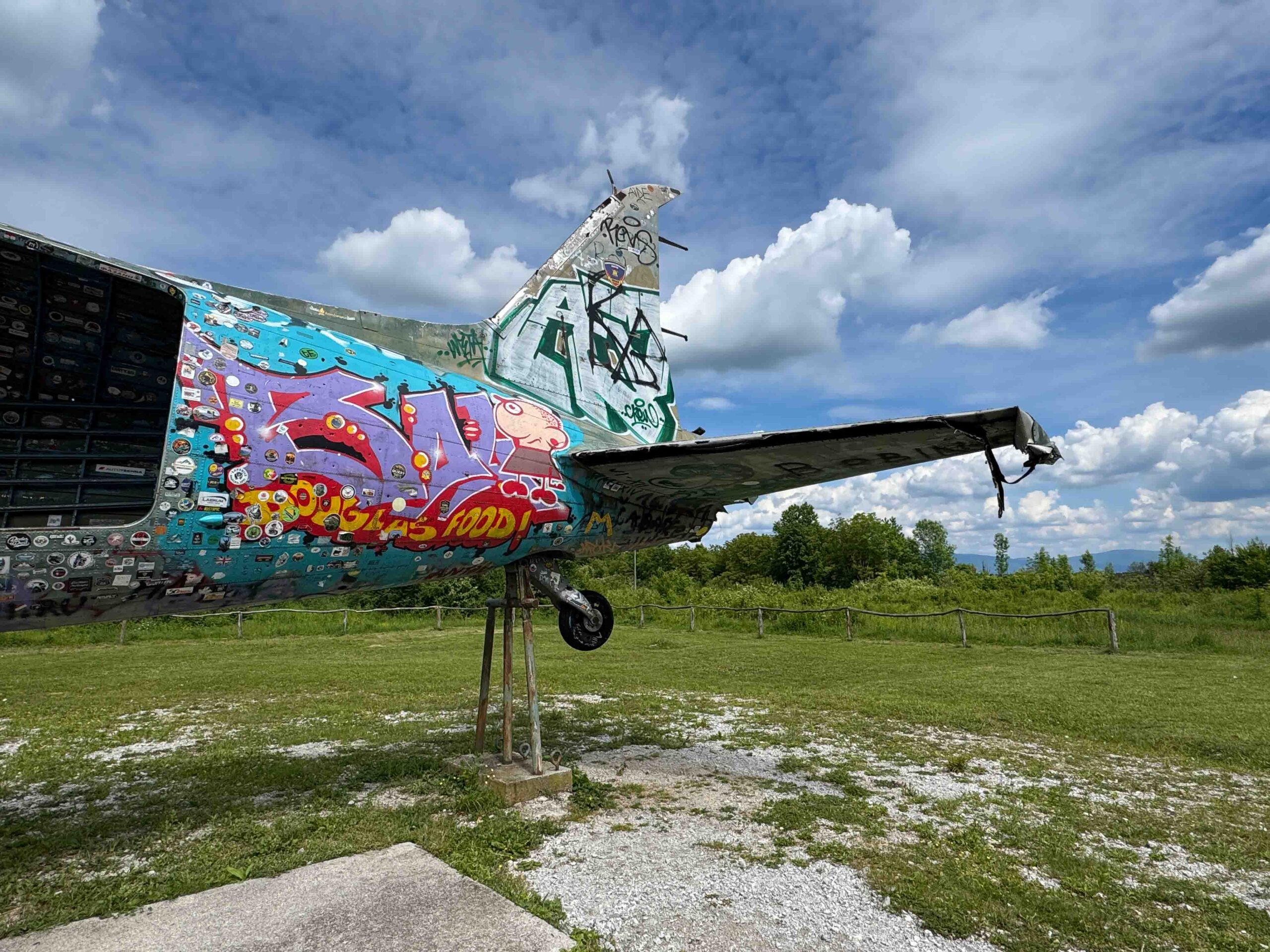
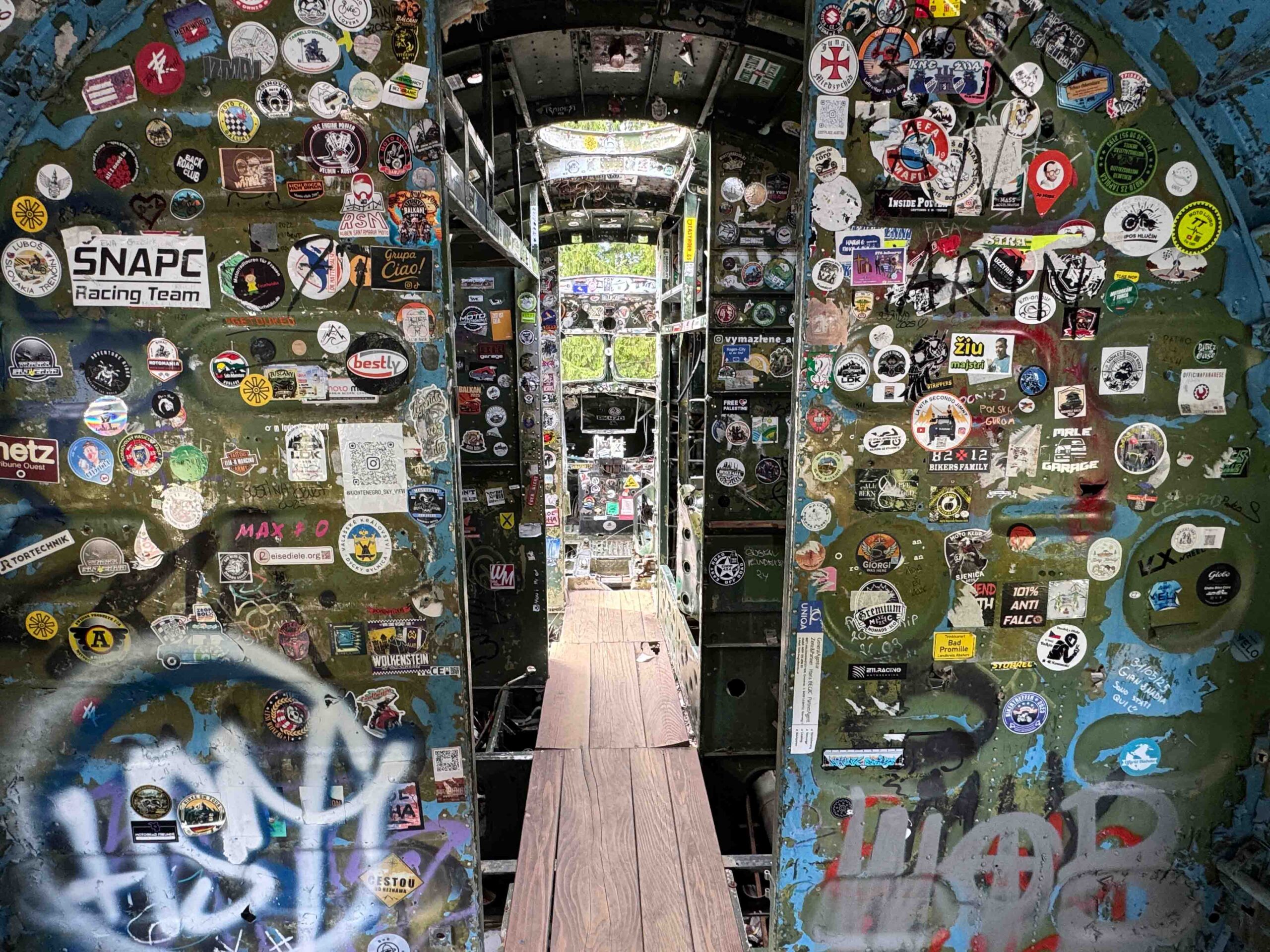
Up the road, but still part of the airbase, is this stripped and abandoned C-40. Some local entrepreneurs have set up a biker bar and t-shirt stand right next to the plane.
At this time in history, the airbase lies on the border of Croatia and the Bosnian Federation, with the line dividing the countries running through the middle of the property. There is still a large number of unexploded landmines and other munitions around. However, we stuck to walking on the paved areas and avoided going off piste.
The European Union and Croatia are now in a project to demine the area. The police force of the Bosnian Federation uses the airbase area to train its K9 corps in explosive detection and retrieval.