May 21. 2026
Zadar sits on the Adriatic Sea and is the oldest continuously inhabited city in Croatia.
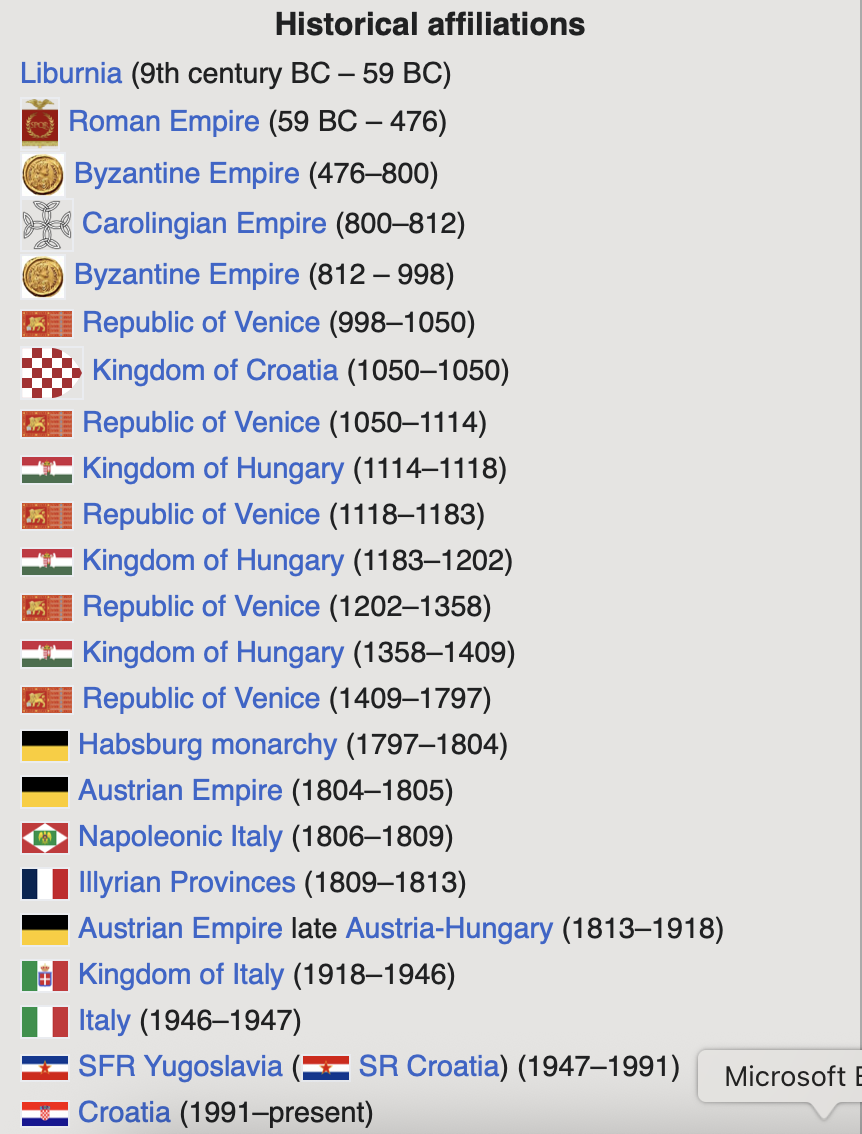
Since I have arrived in Croatia, I have been desperately, and unsuccessfully, trying to wrap my head around its history. At least for Zadar, Wikipedia was kind enough to provide a chart.
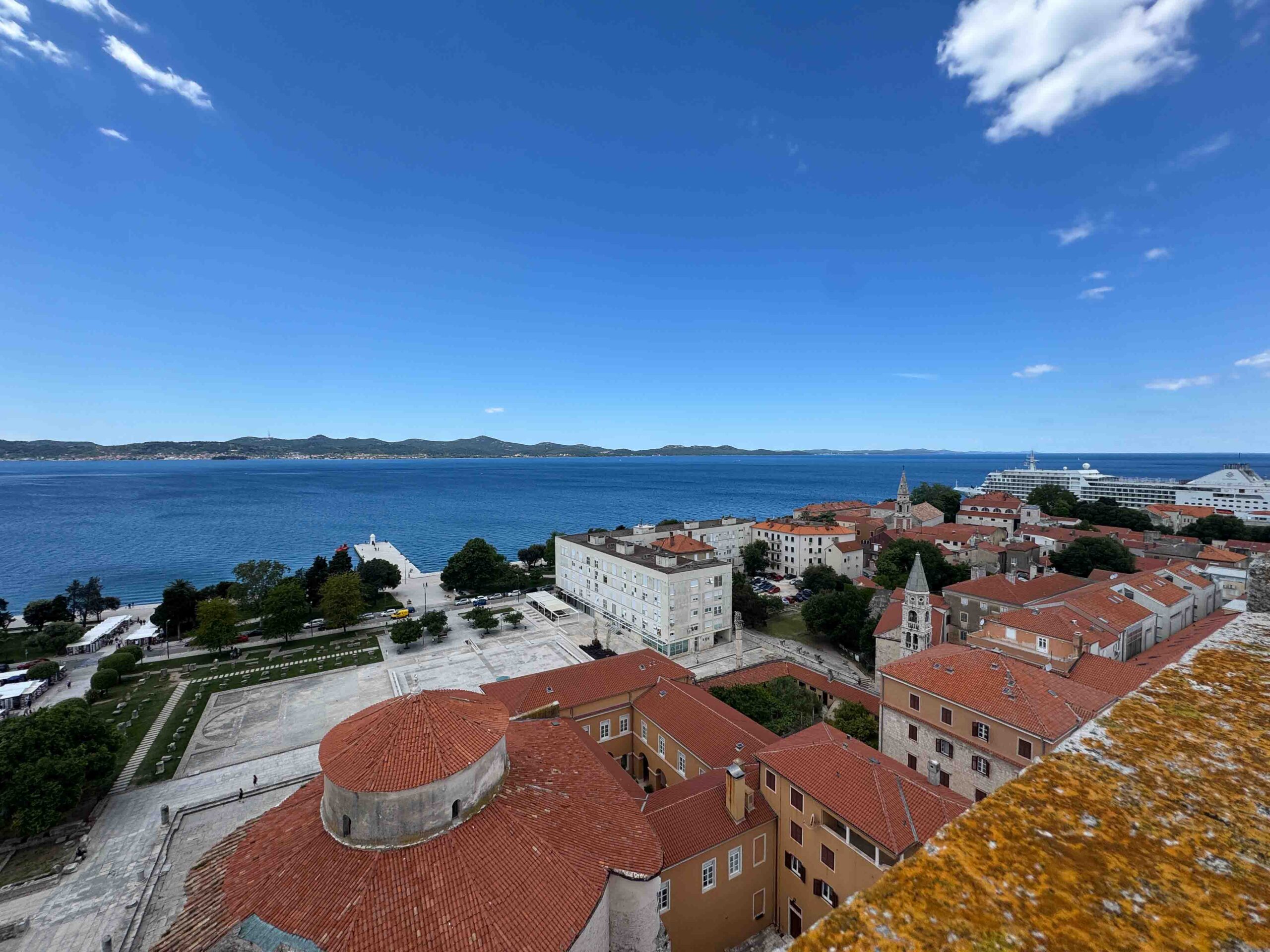
Zadar is situated in northern Dalmatia, facing the islands of Ugljan and Pašman (part of the Zadar Archipelago), which it is separated from by the narrow Zadar Strait.
 *
*
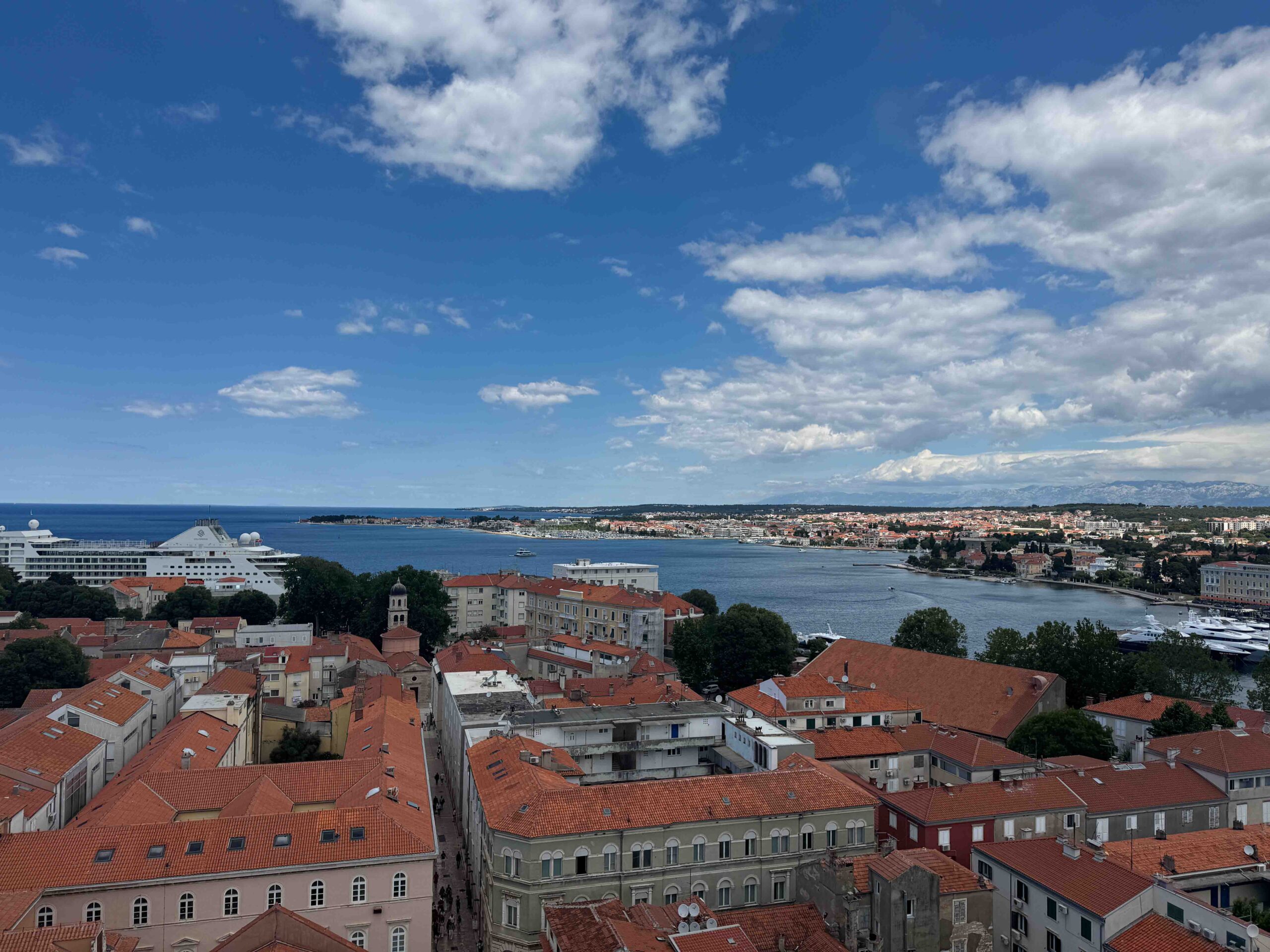
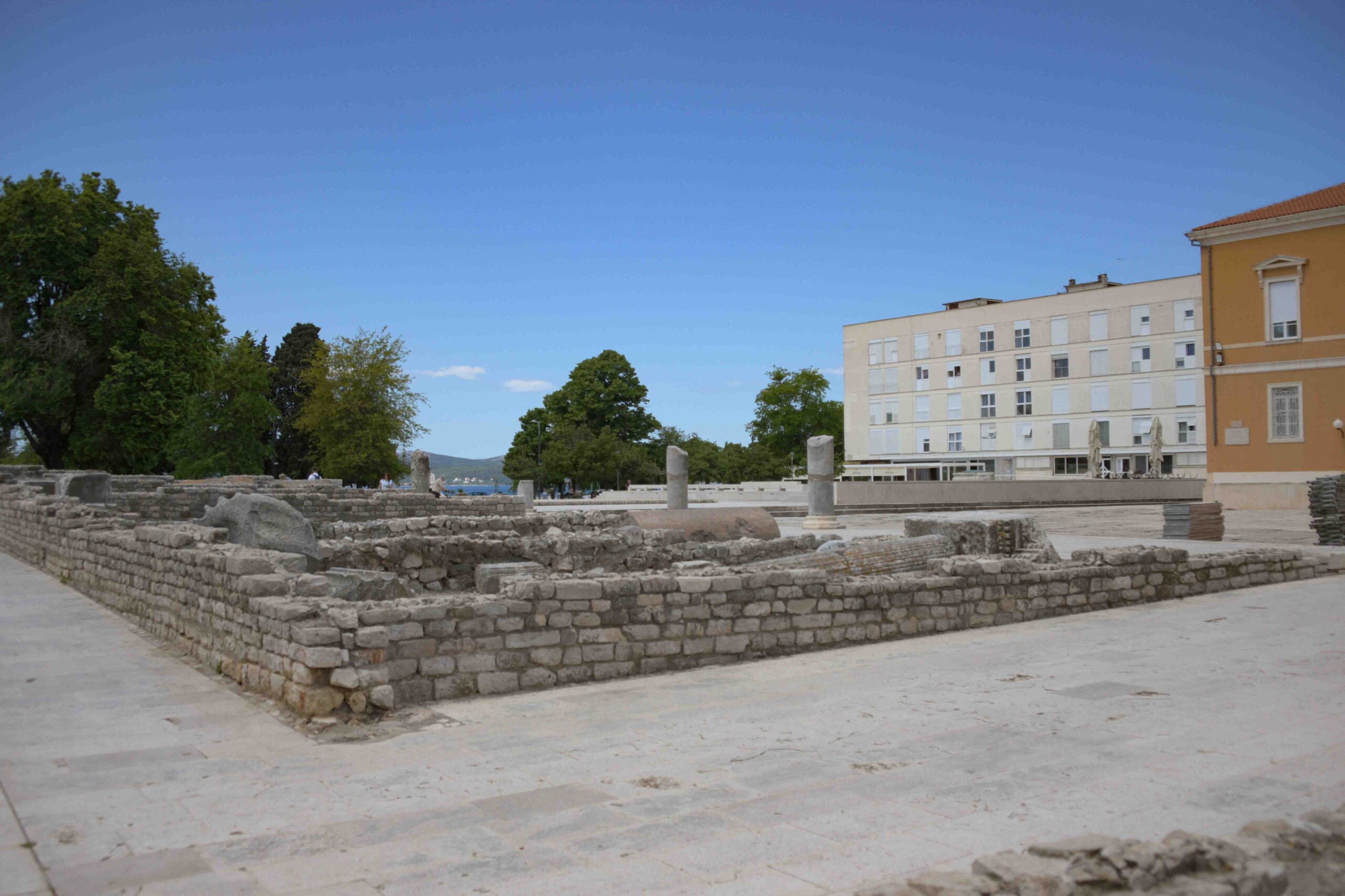
Zadar developed its urban structure in Roman times; during the time of Julius Caesar and Emperor Augustus, the town was fortified, and the city walls with towers and gates were built. On the western side of the town were the forum, the basilica, and the temple, while outside the town were the amphitheater and cemeteries.
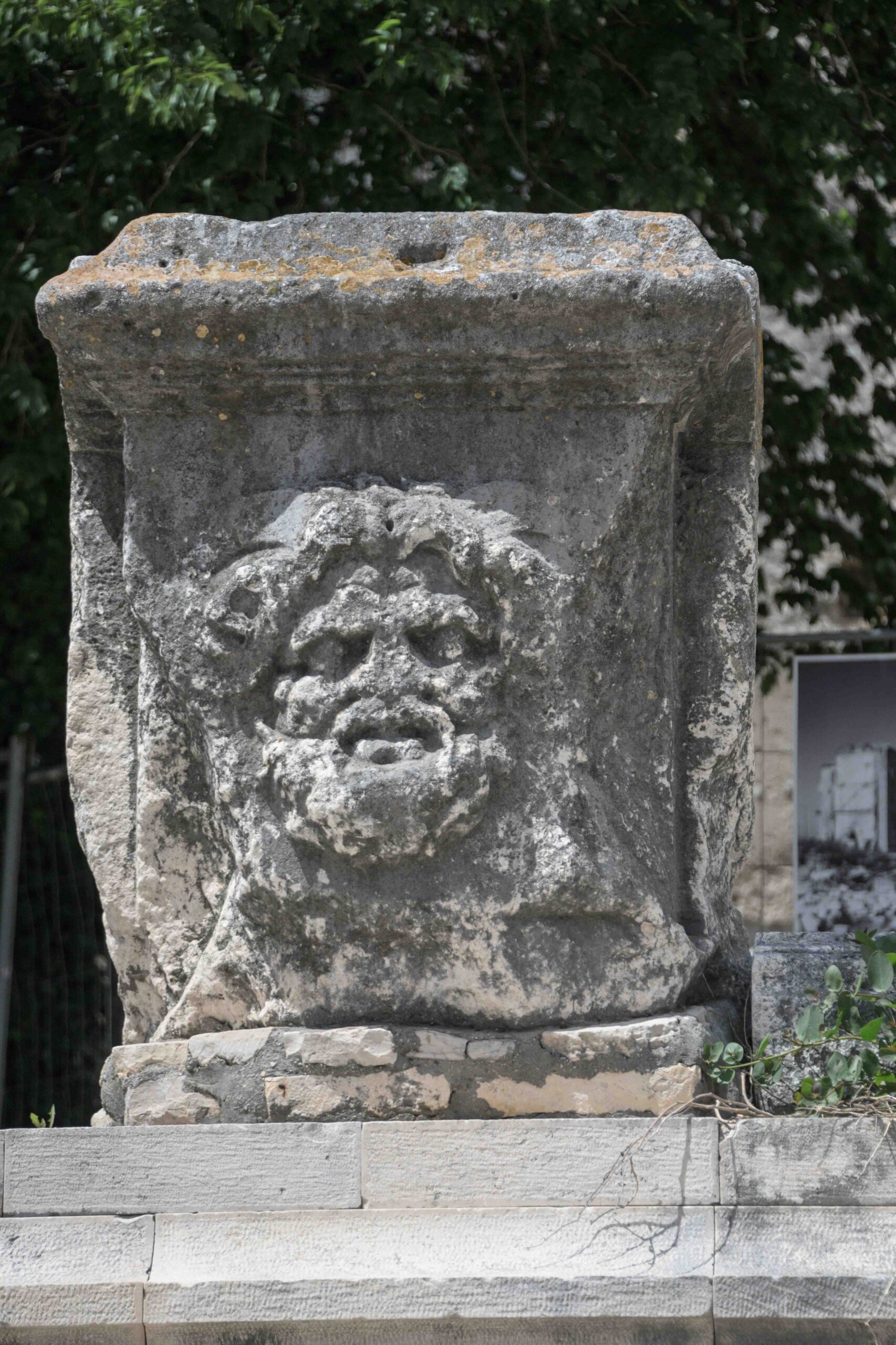
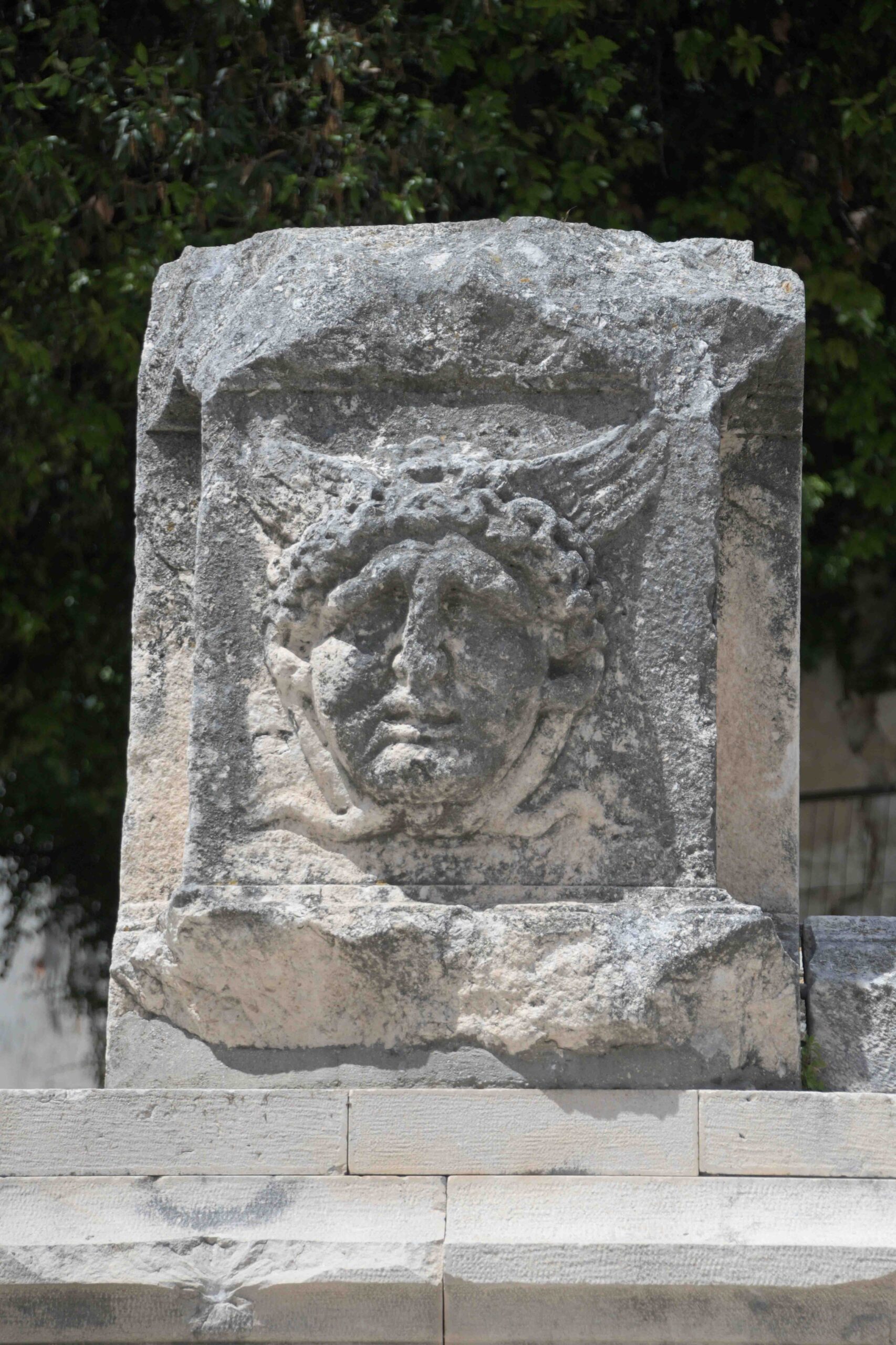
The Walls of Uprising
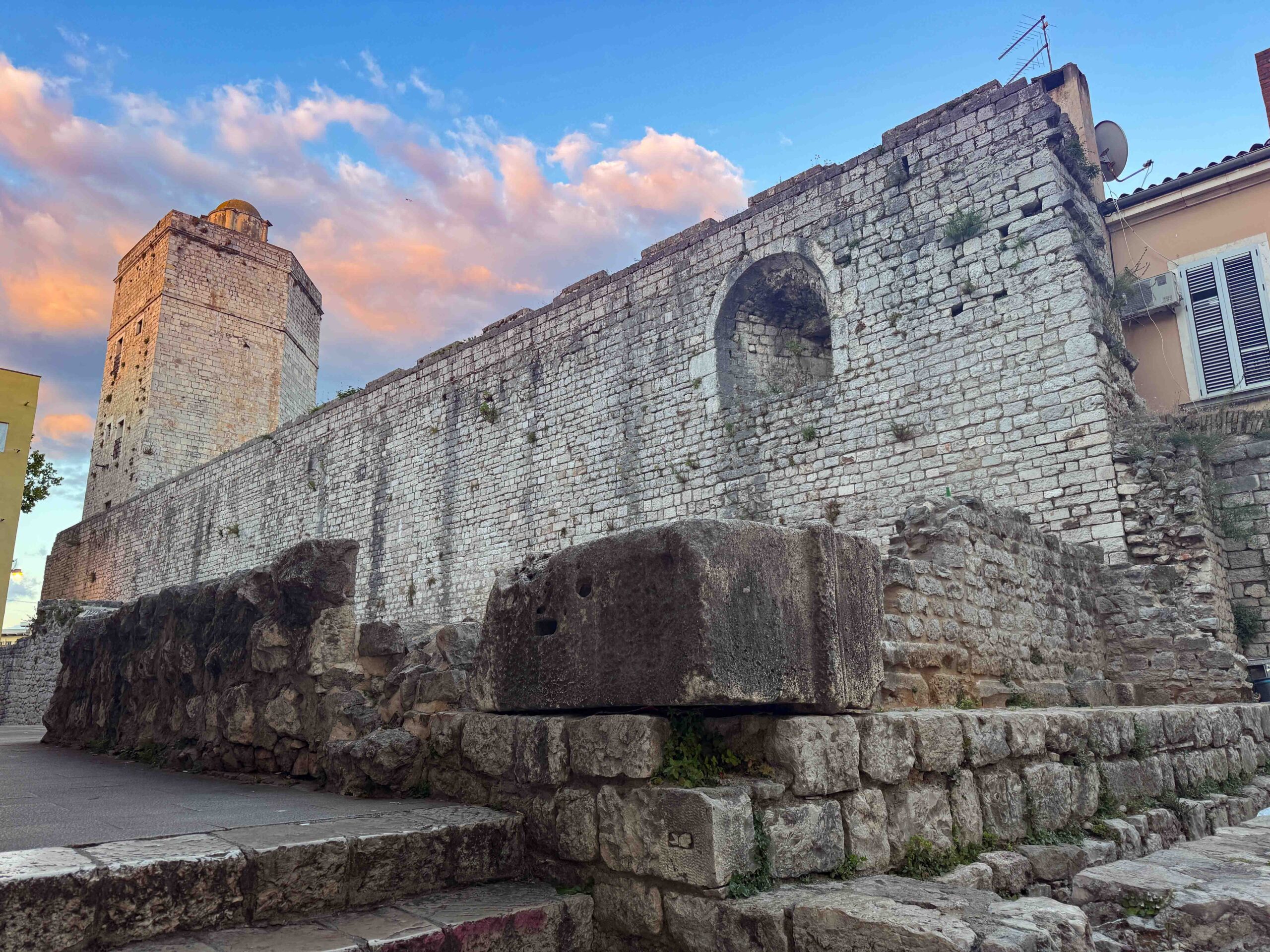
The Walls of Zadar Uprisings are named after the eleven uprisings that Zadar’s citizens mounted against the Venetian Republic authorities between the 14th and 16th centuries.
Construction of the city walls began in the 12th and 13th centuries under Hungarian-Croatian kings. The early walls enclosed the Roman-era core of the peninsula and established the basic perimeter that survives today.
The most dramatic phase of construction occurred in the 16th century, when the Republic of Venice — facing the expansion of the Ottoman Empire — undertook a massive program of military modernization across its Adriatic territories.
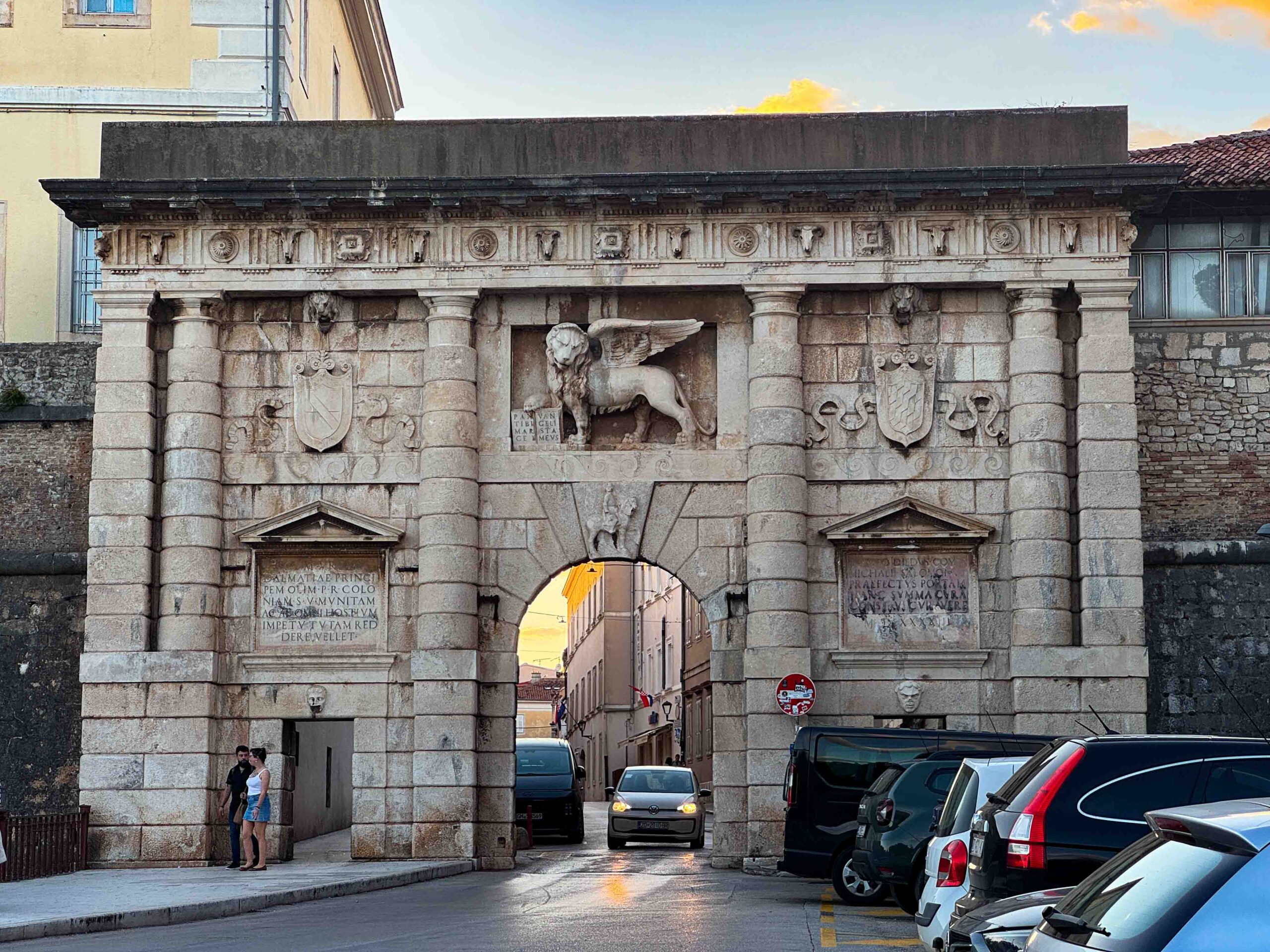
The Land Gate (Porta Terraferma in Italian, Kopnena vrata in Croatian) is just gorgeous. Built in 1543 as the main landward entrance to the city, it remains one of the finest Renaissance monuments in all of Dalmatia.
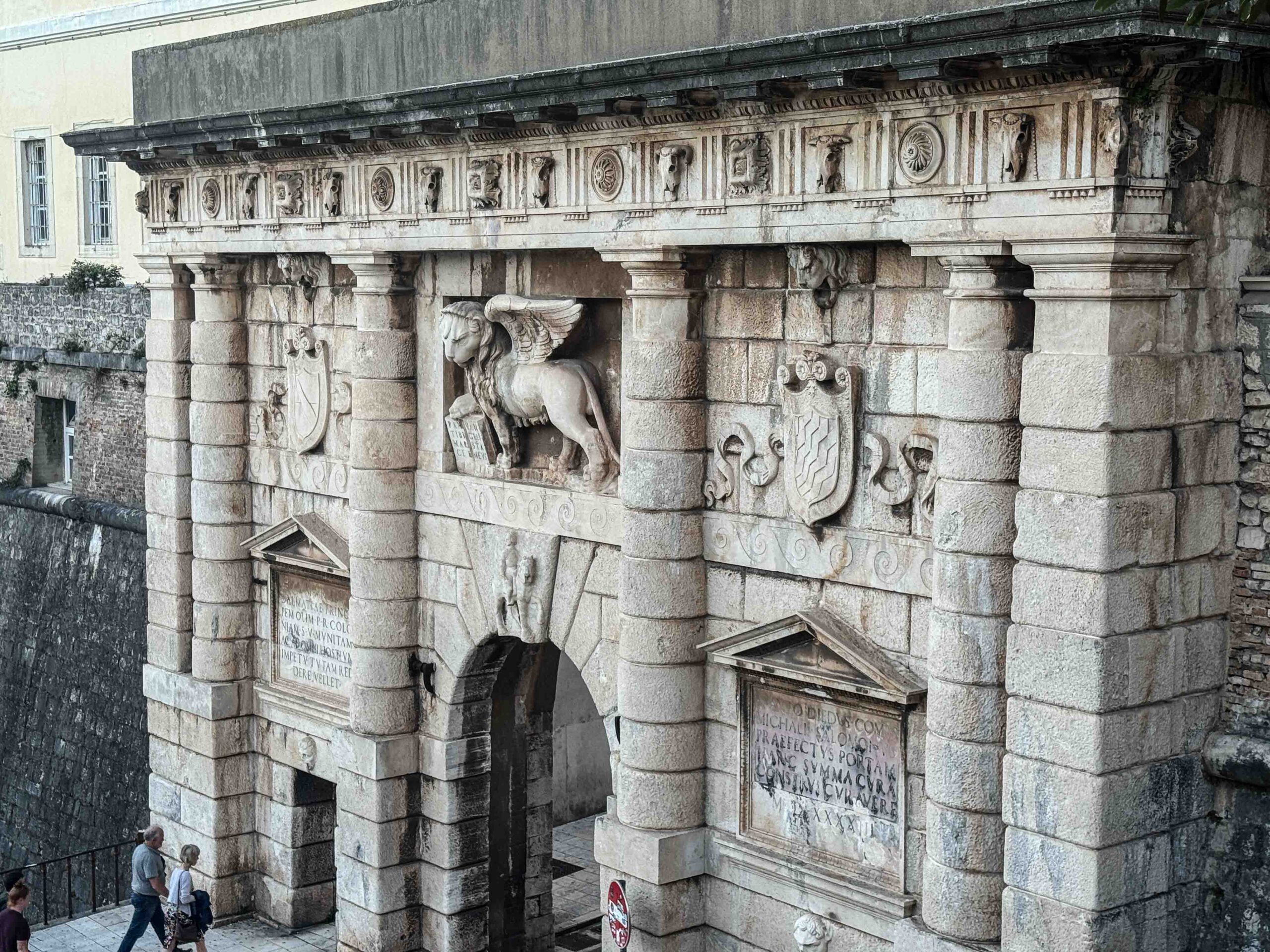
*
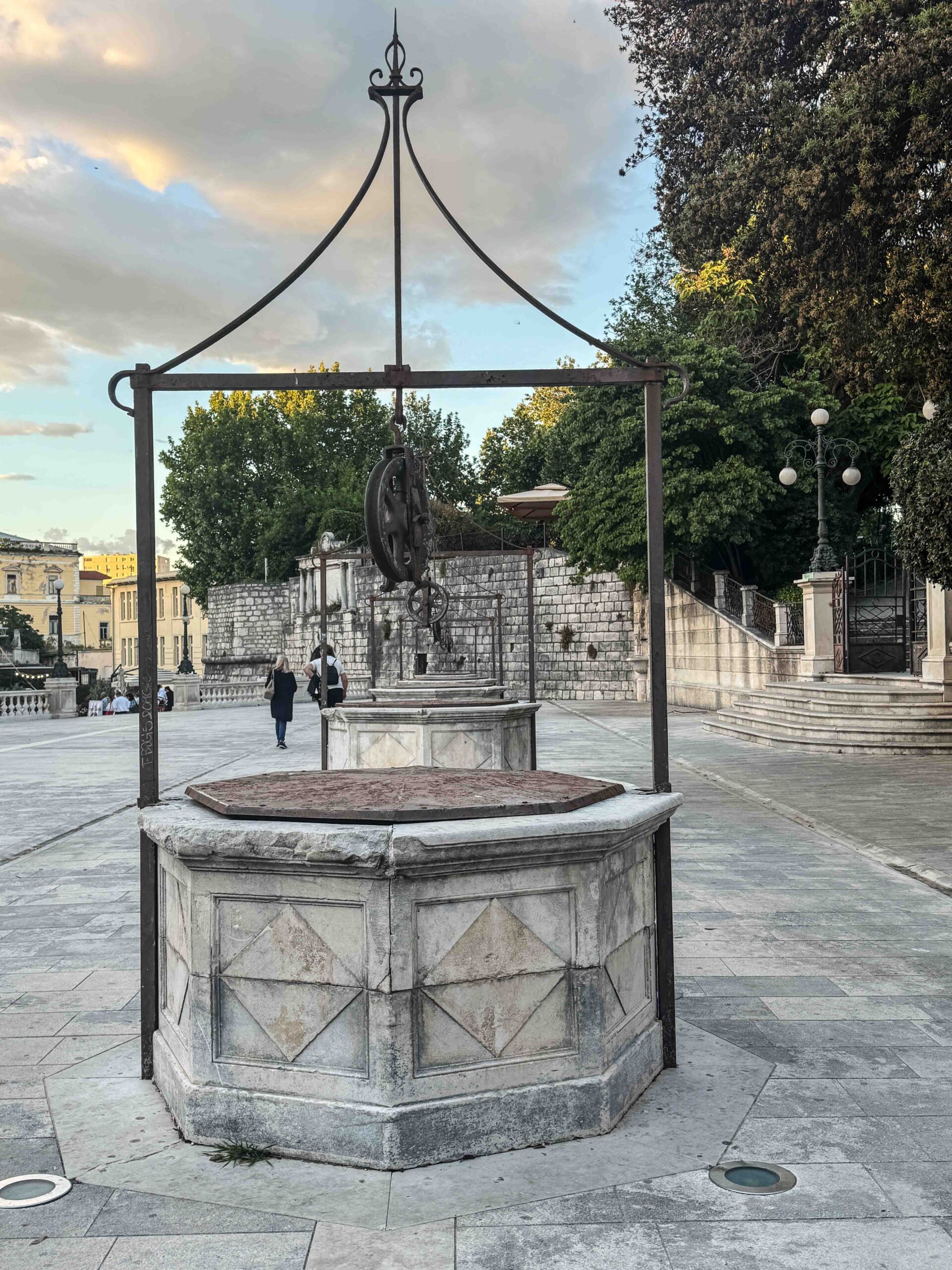
Just inside the Land Gate lies Five Wells Square, sunk into a former moat in 1574. During a period of constant Ottoman threat, the Venetian authorities built these wells to ensure a secure drinking water supply for the city in the event of a siege.
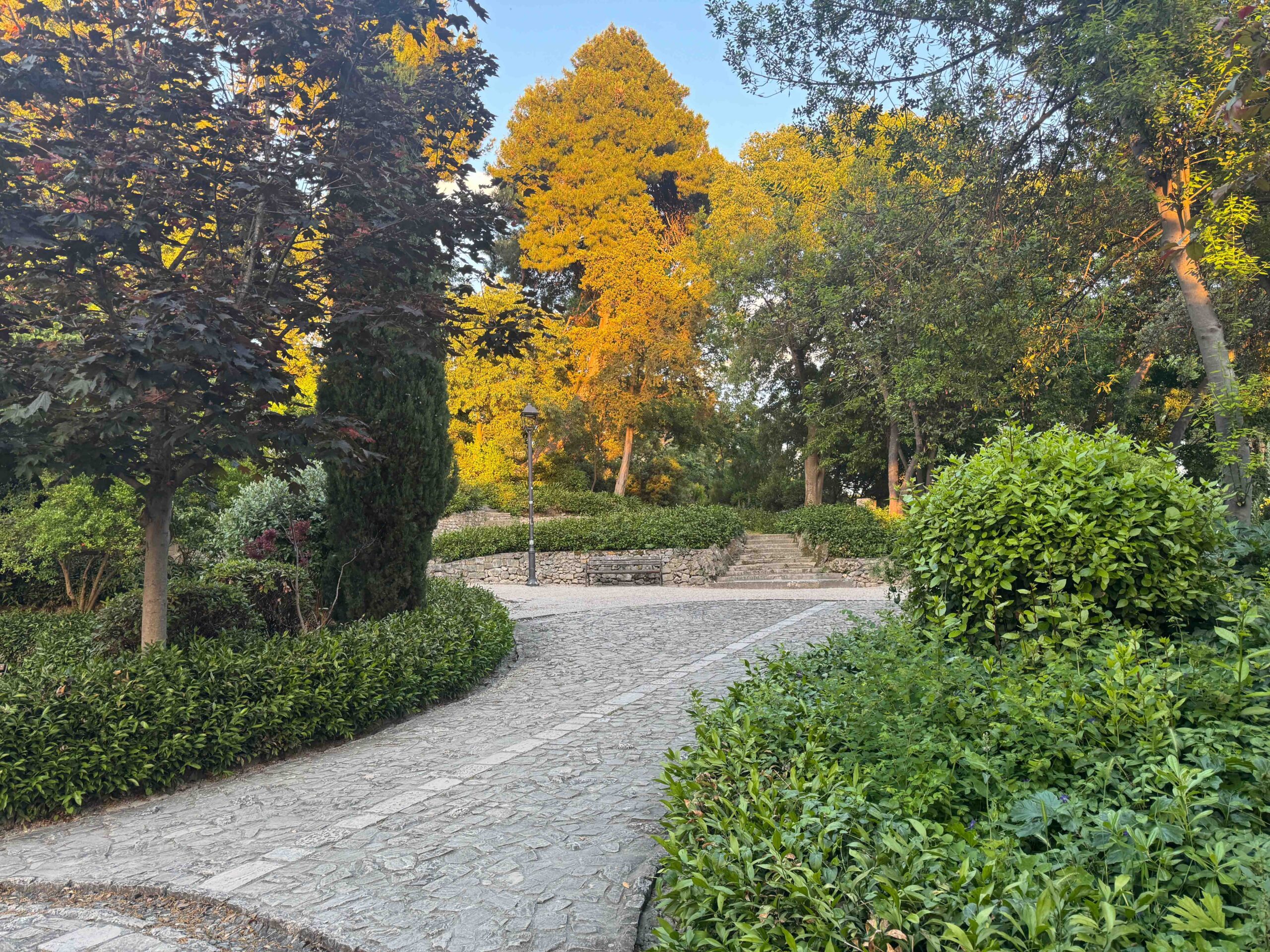
Above Five Wells Square is the Grimani bastion — the largest and most important bastion in Zadar’s defensive system. Construction of this Renaissance fortification began in 1537, following the design of architect Michele Sanmicheli (the same architect who designed the Land Gate).
Today, the Grimani bastion has been transformed into the Queen Jelena Madijevka Park, Zadar’s oldest public park, founded in 1829 by Austrian commander Baron Franz Ludwig von Welden, a botanist and admirer of Dalmatian flora.
Cathedral of St. Anastasia
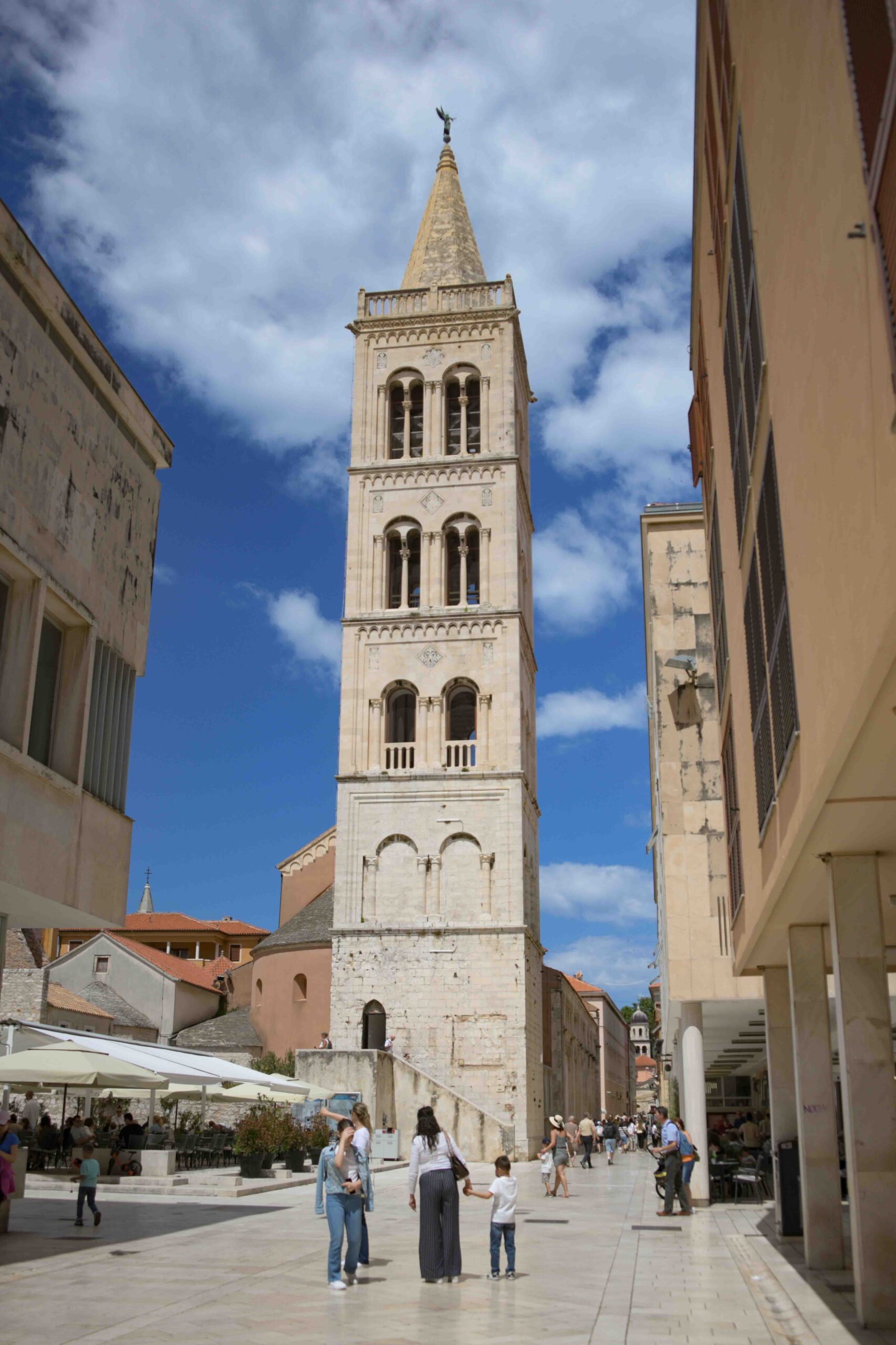
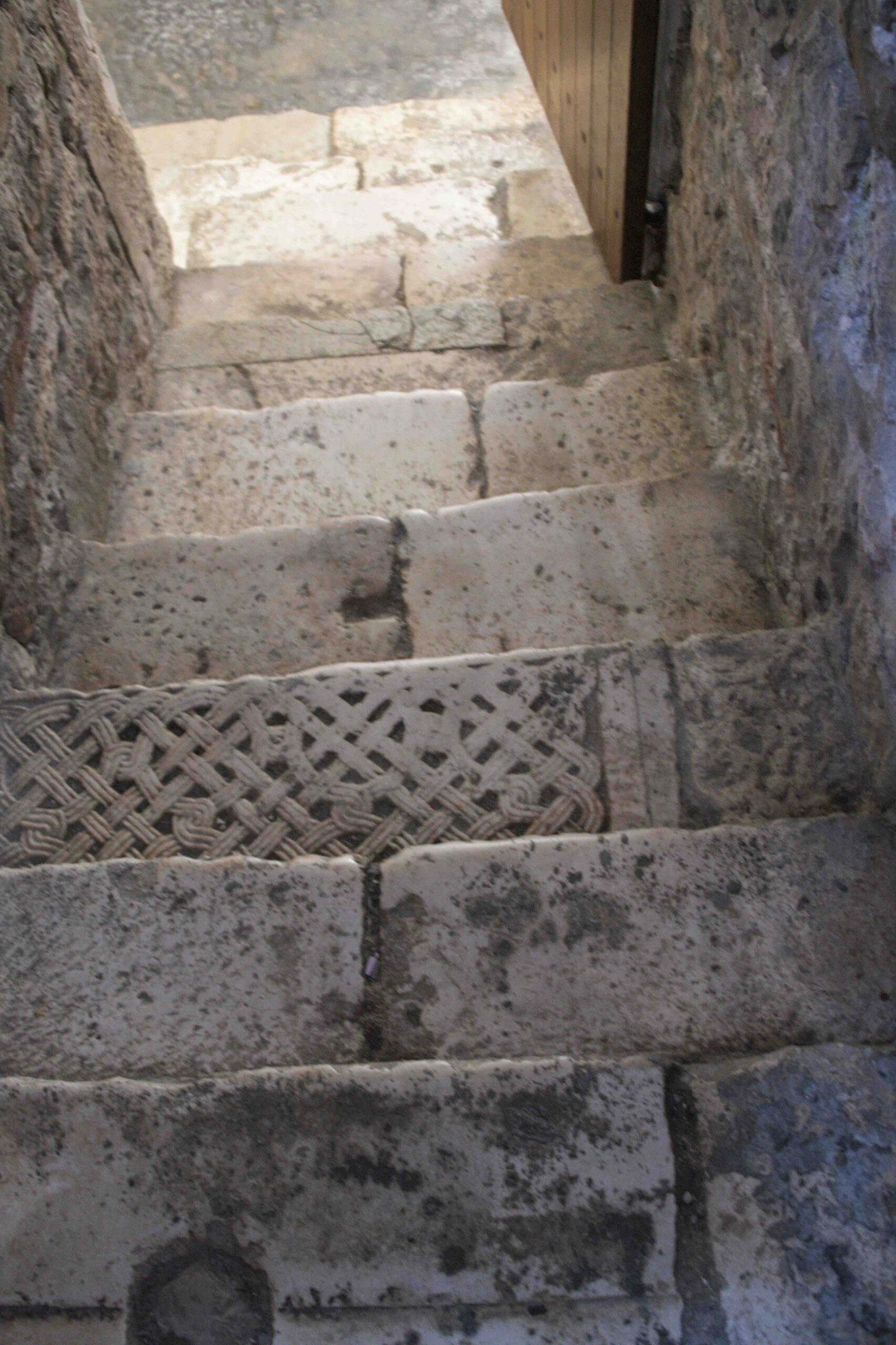
The bell tower was built in two stages. The ground floor and first floor were built in 1452 during the reign of Archbishop Vallaresso, while the upper floors date from 1890 to 1894 under the English architect and art historian Thomas Graham Jackson.
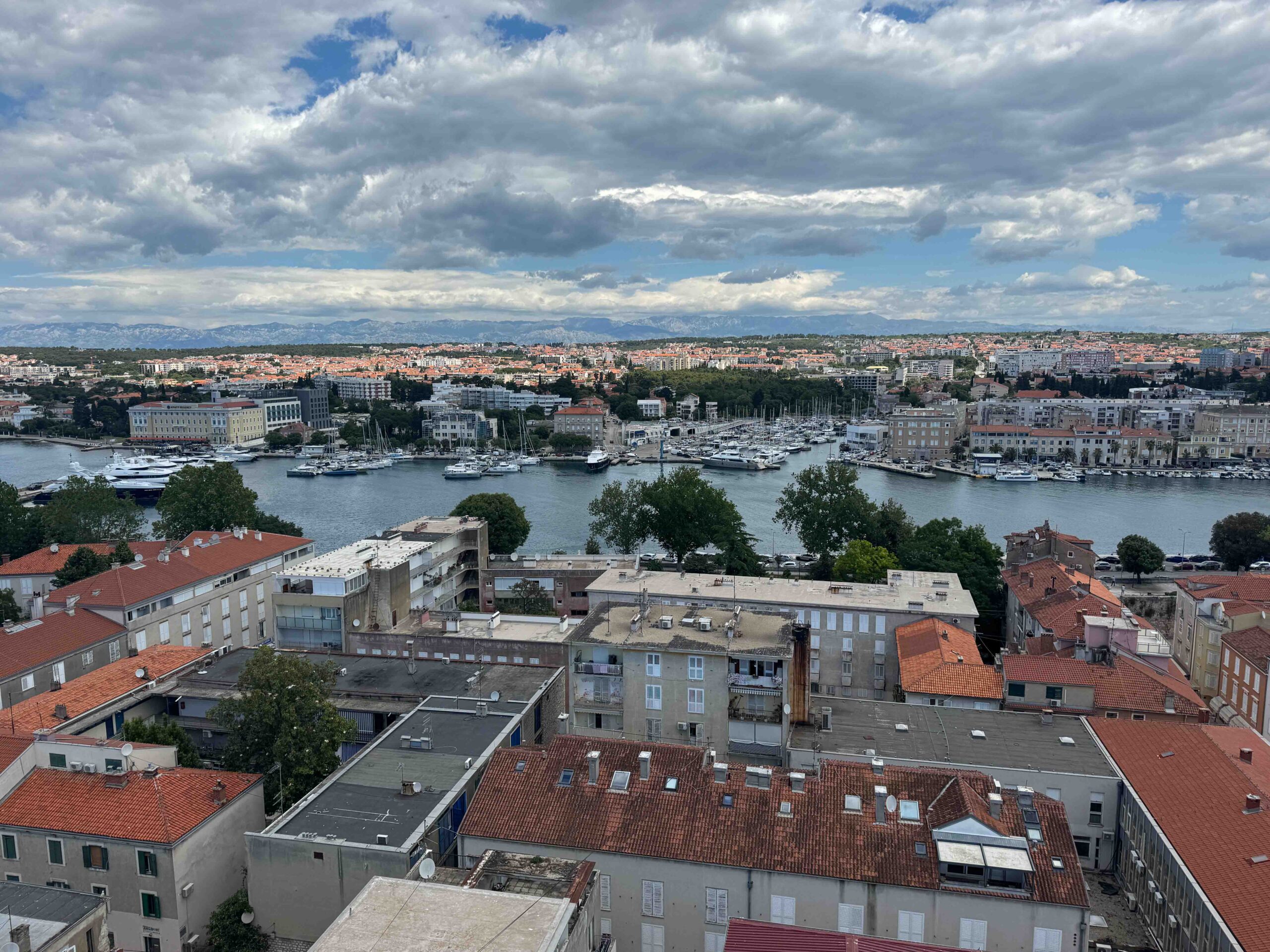
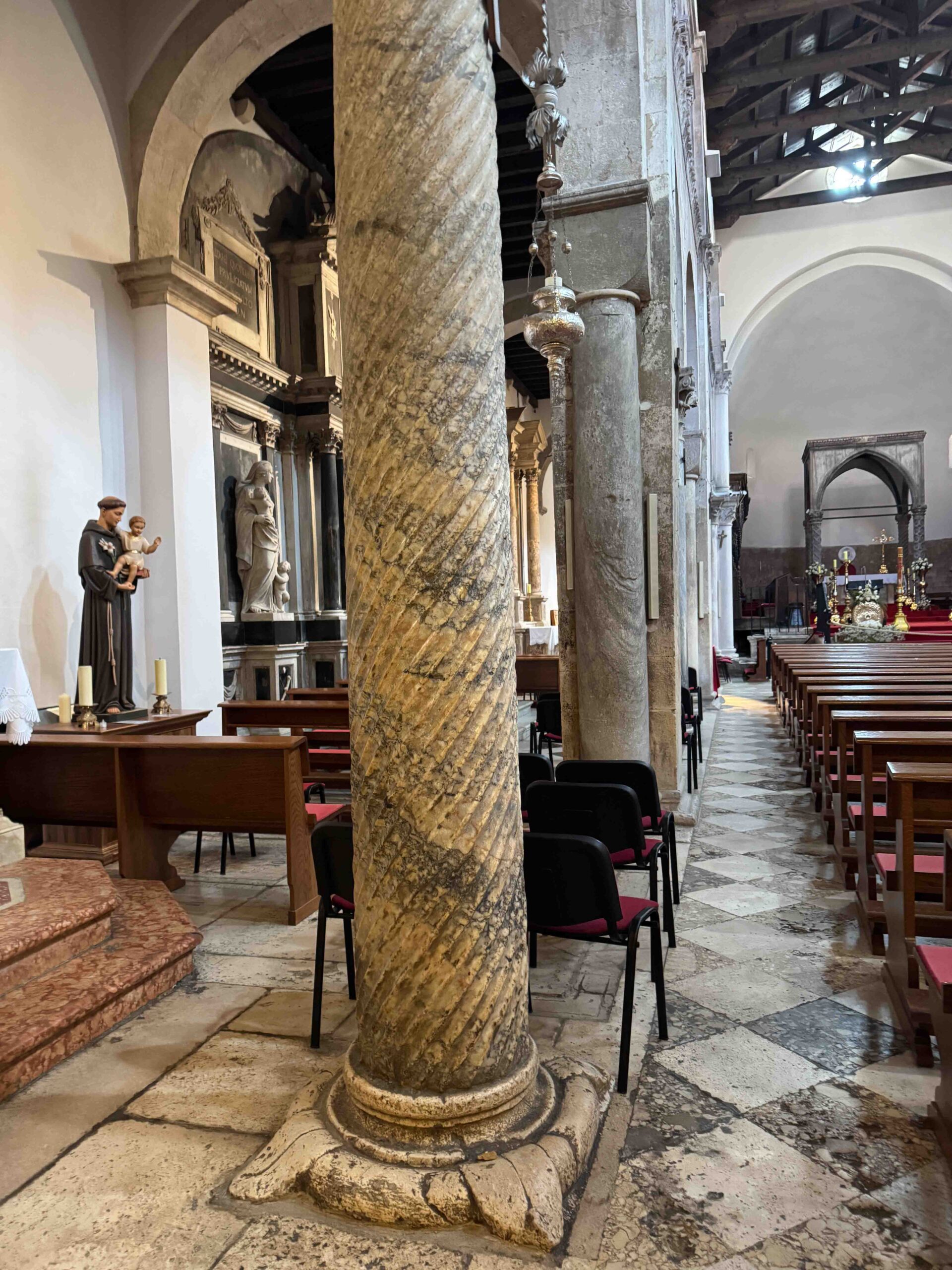
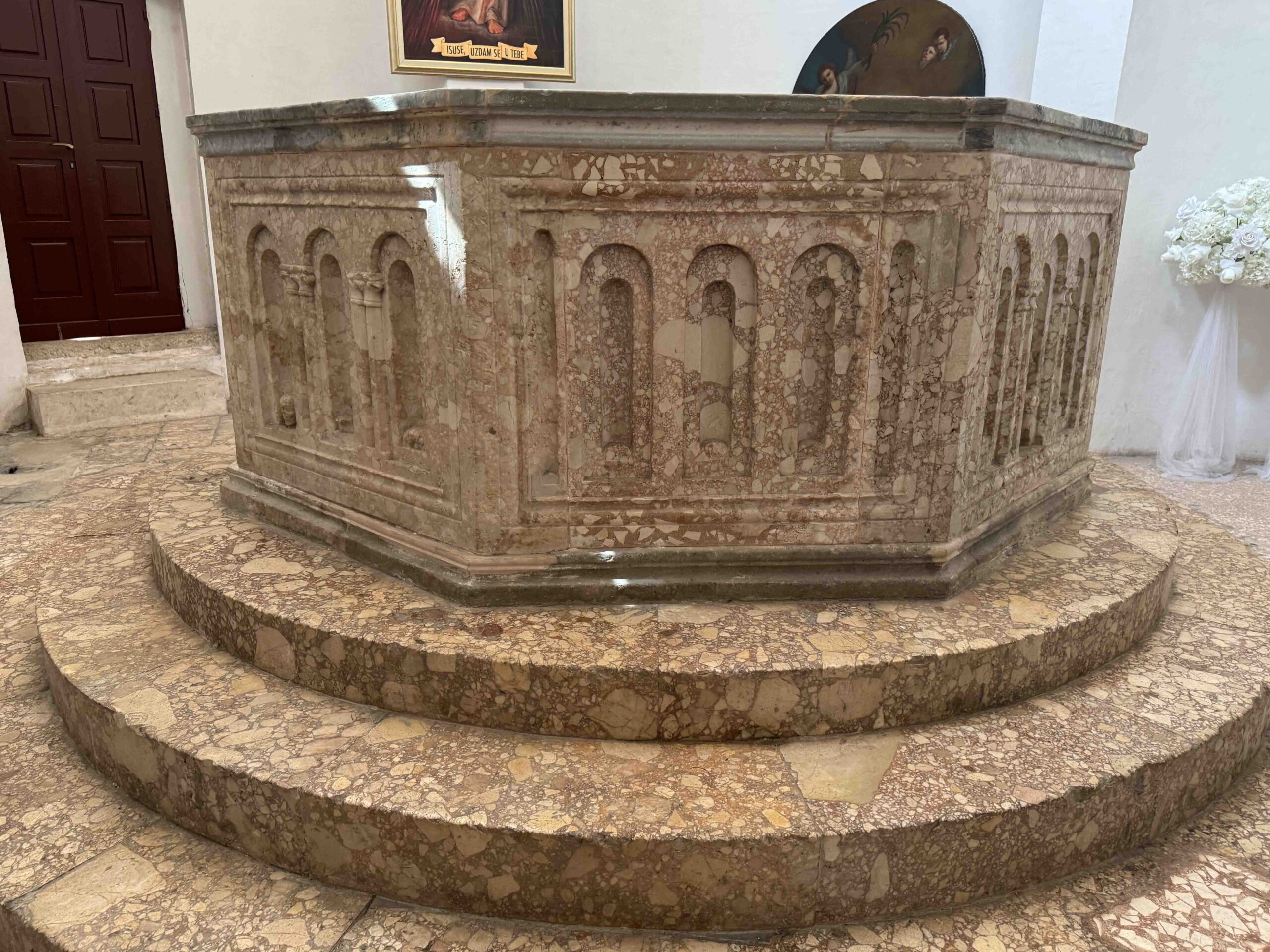
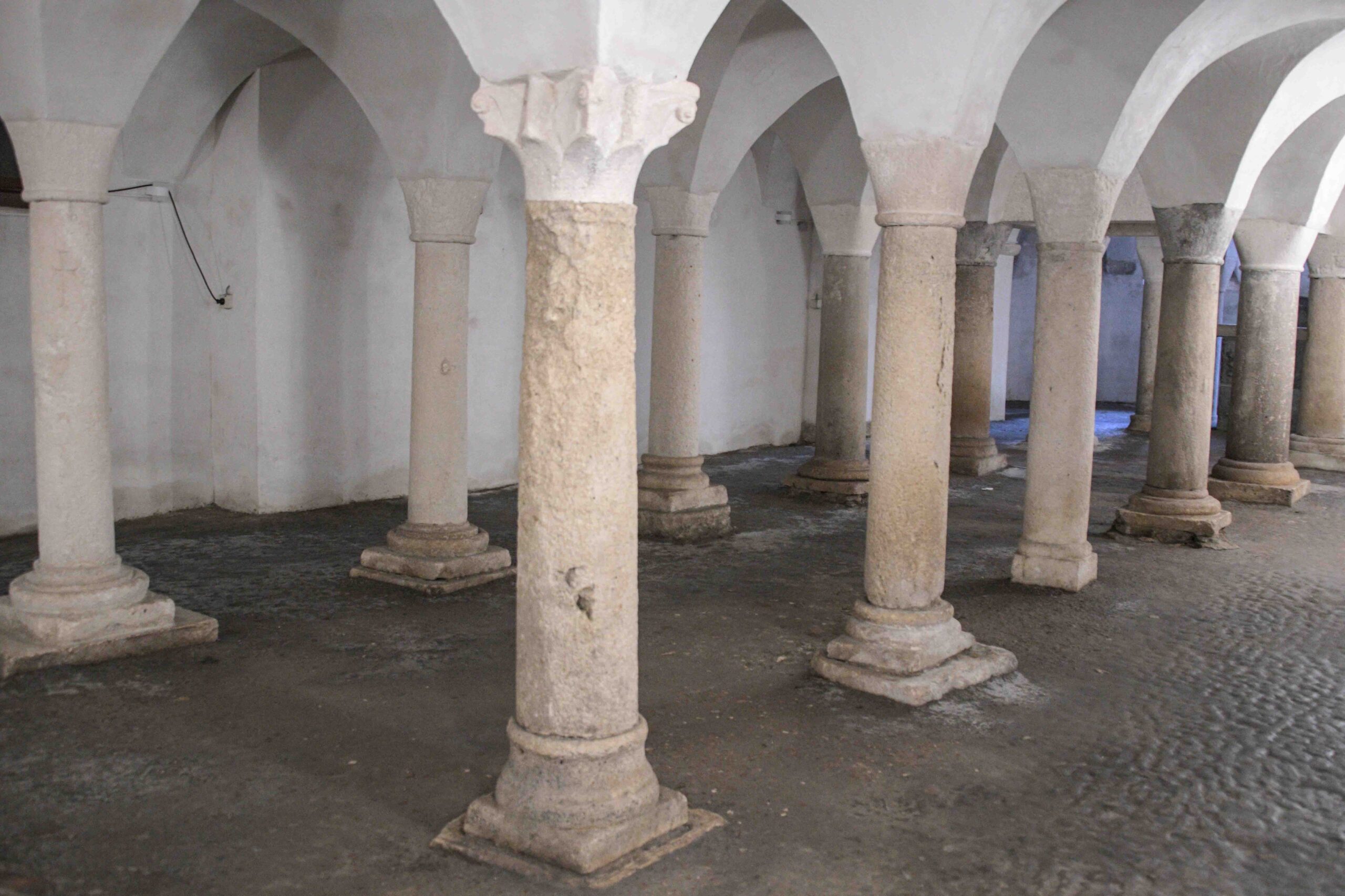
The Cathedral of St. Anastasia is a Roman Catholic cathedral and the largest church in all of Dalmatia (the coastal region of Croatia).
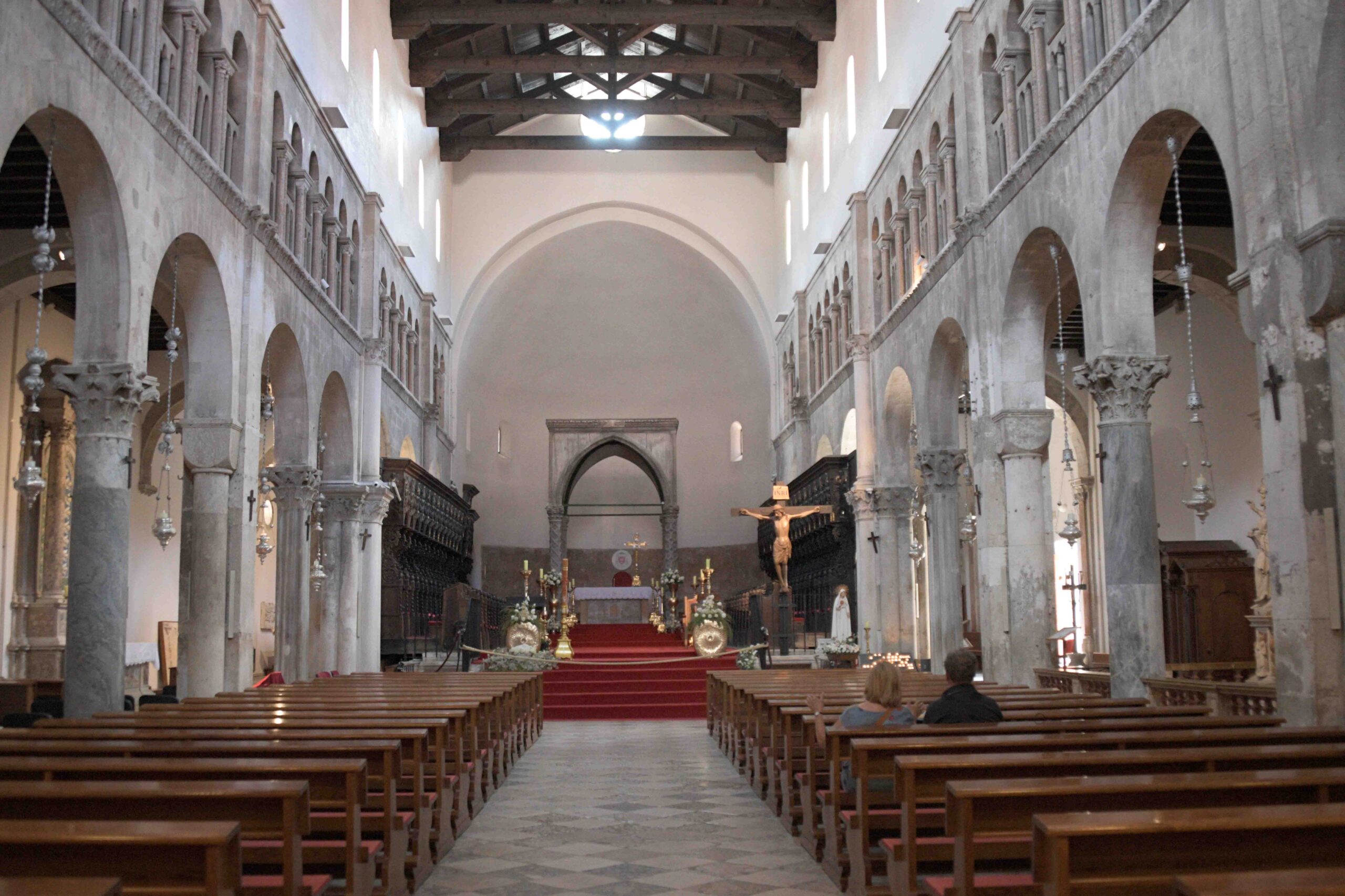
The church’s origins date back to a Christian basilica built in the 4th and 5th centuries, while much of the three-nave building now standing was constructed in the Romanesque style during the 12th and 13th centuries.
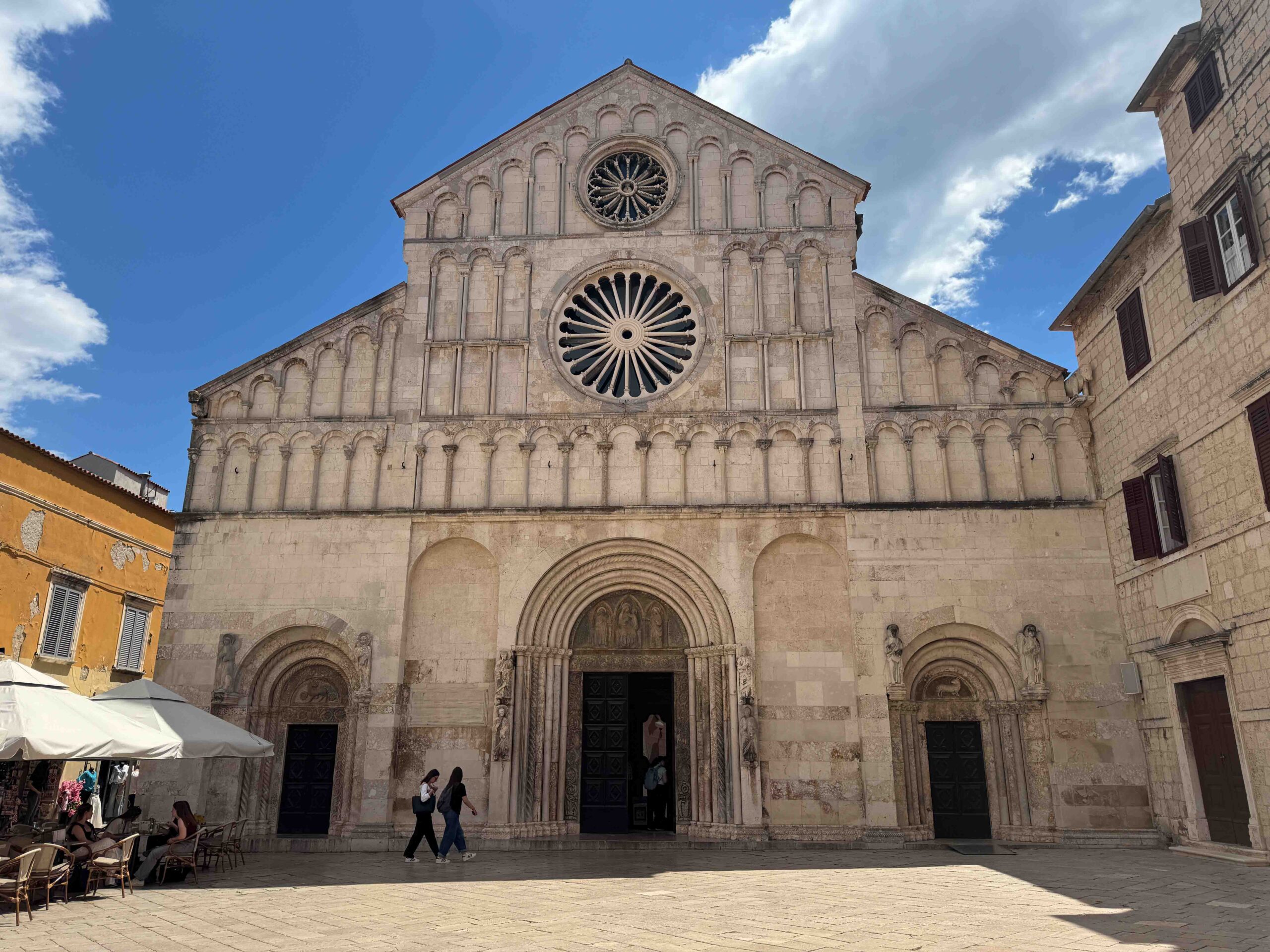
The façade, completed in 1324, has two orders: the lower and more massive one has three portals, the upper one culminates in a triangular pediment, and is decorated with four orders of Lombard bands. These include a large Romanesque-style rose window and a smaller one in Gothic style.
*
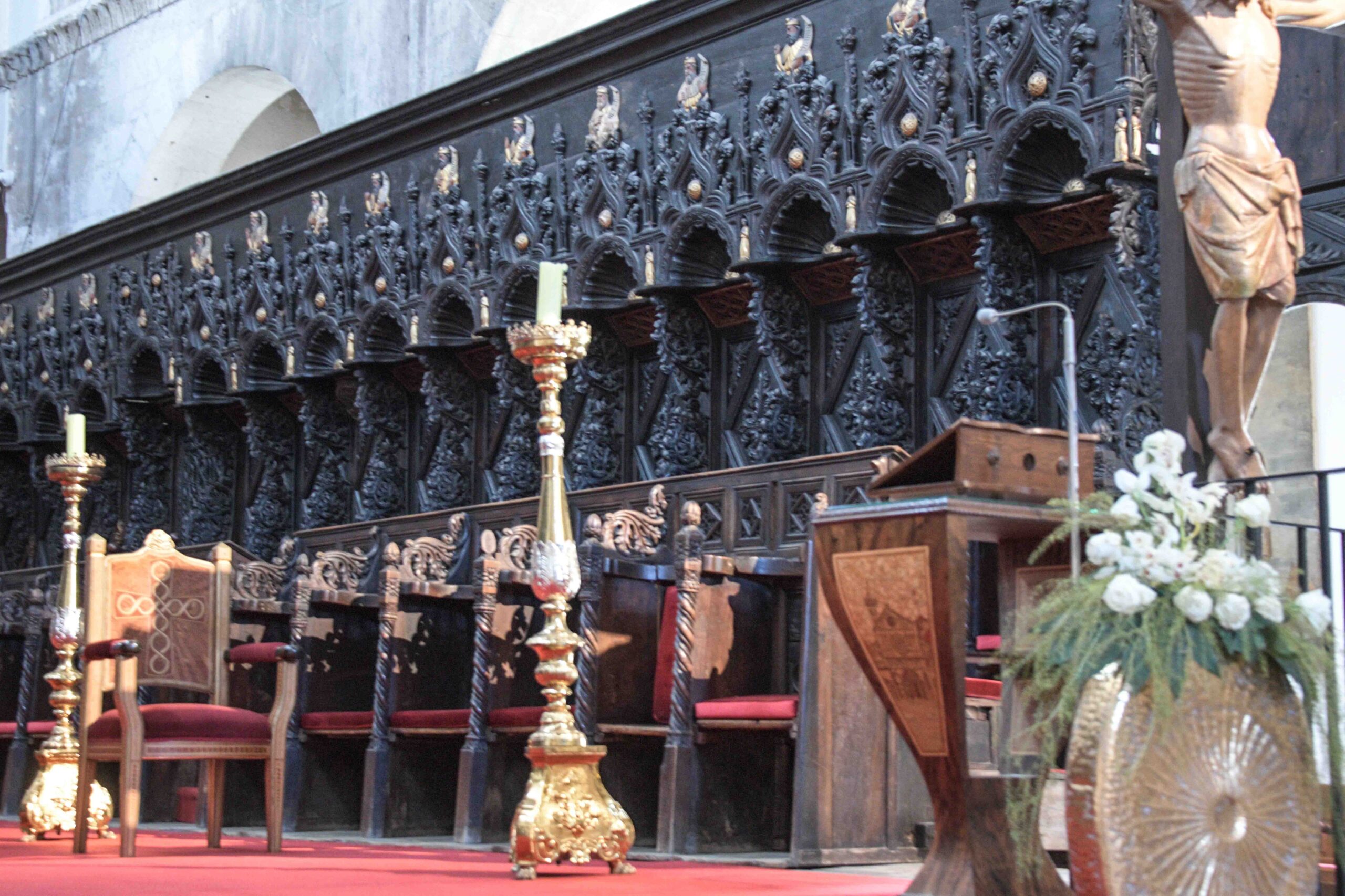
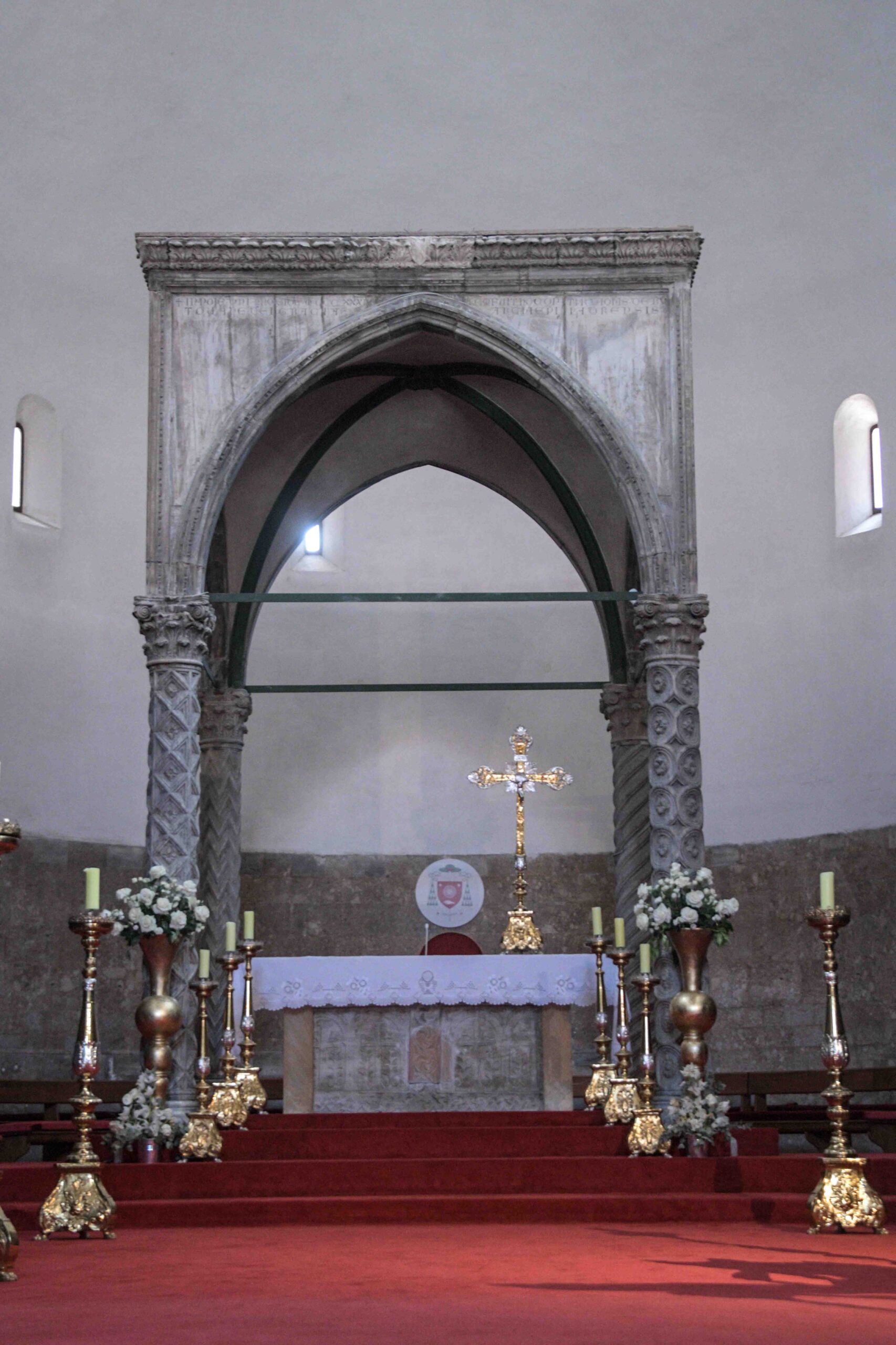
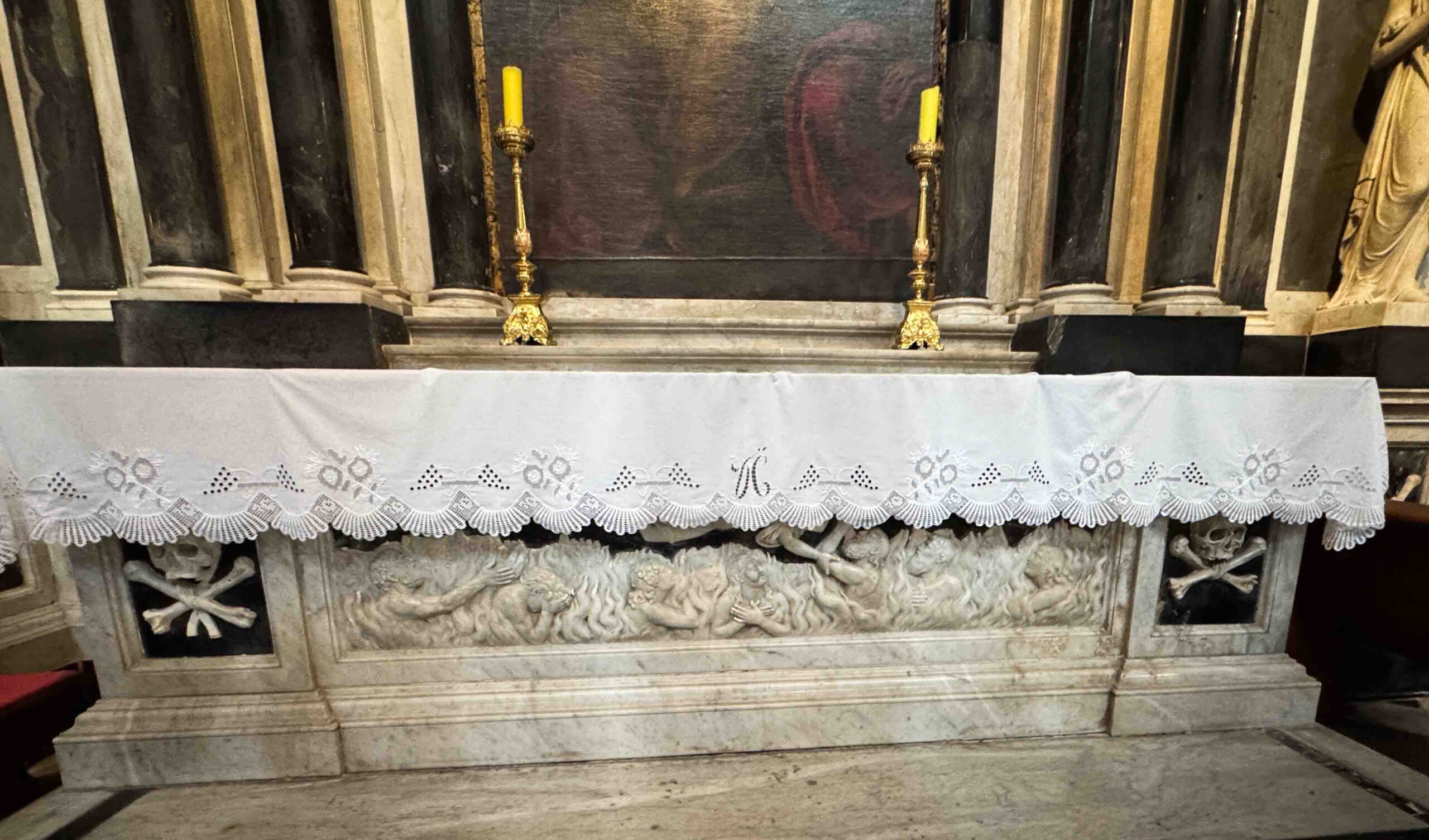
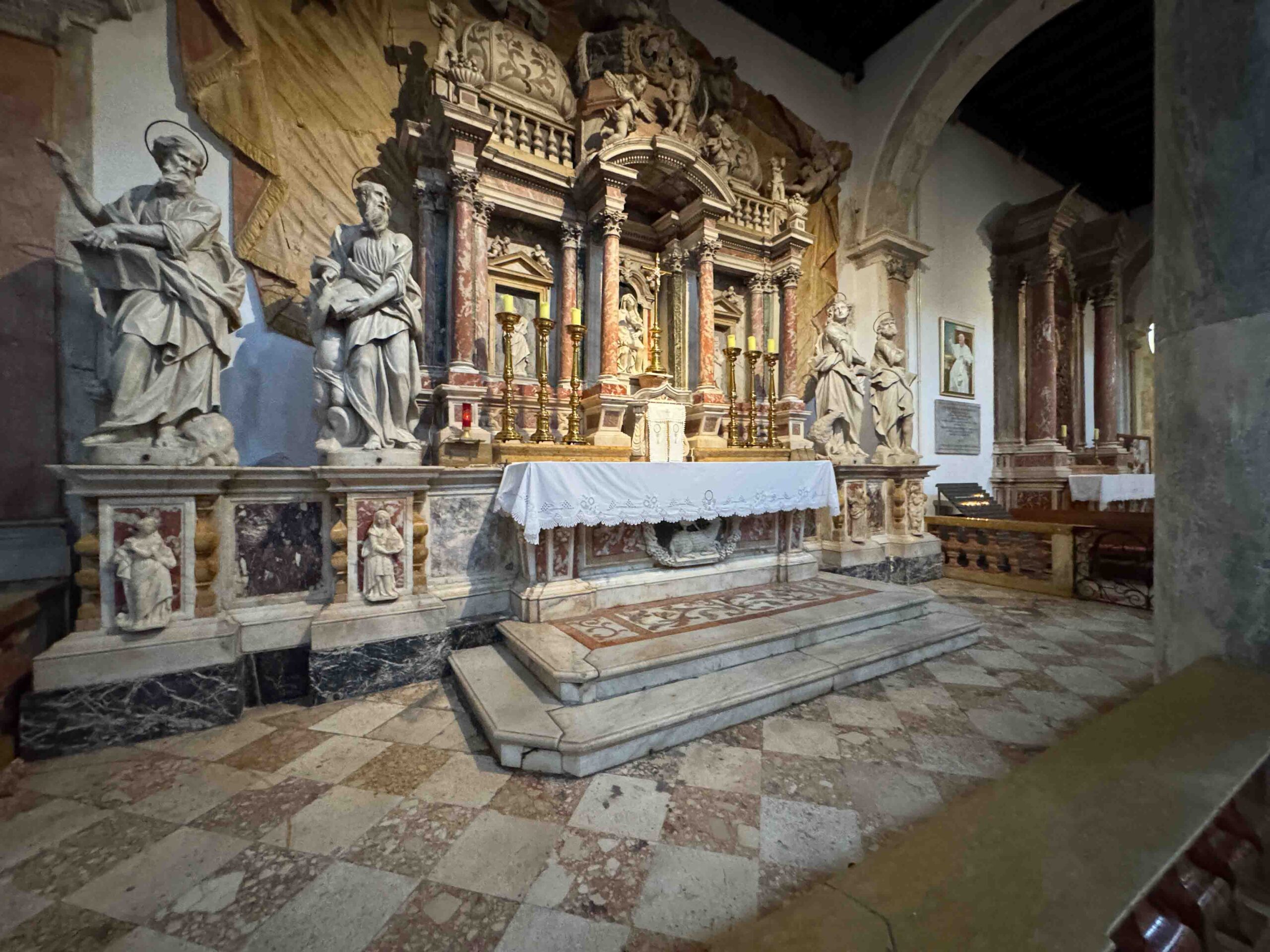
The altar of St. Sacrament, by sculptor A. Viviani, dates to 1718. The altar is stunning in its detail. Above the tabernacle is the statue of the Madonna, with the dead Christ lying in her lap, and statues of Moses and Elijah on either side. On the altar wings, there are larger statues of the four evangelists, and, below them, figures of virtues and, on an antependium, a statue of the Lamb of God.
The Pillar of Shame
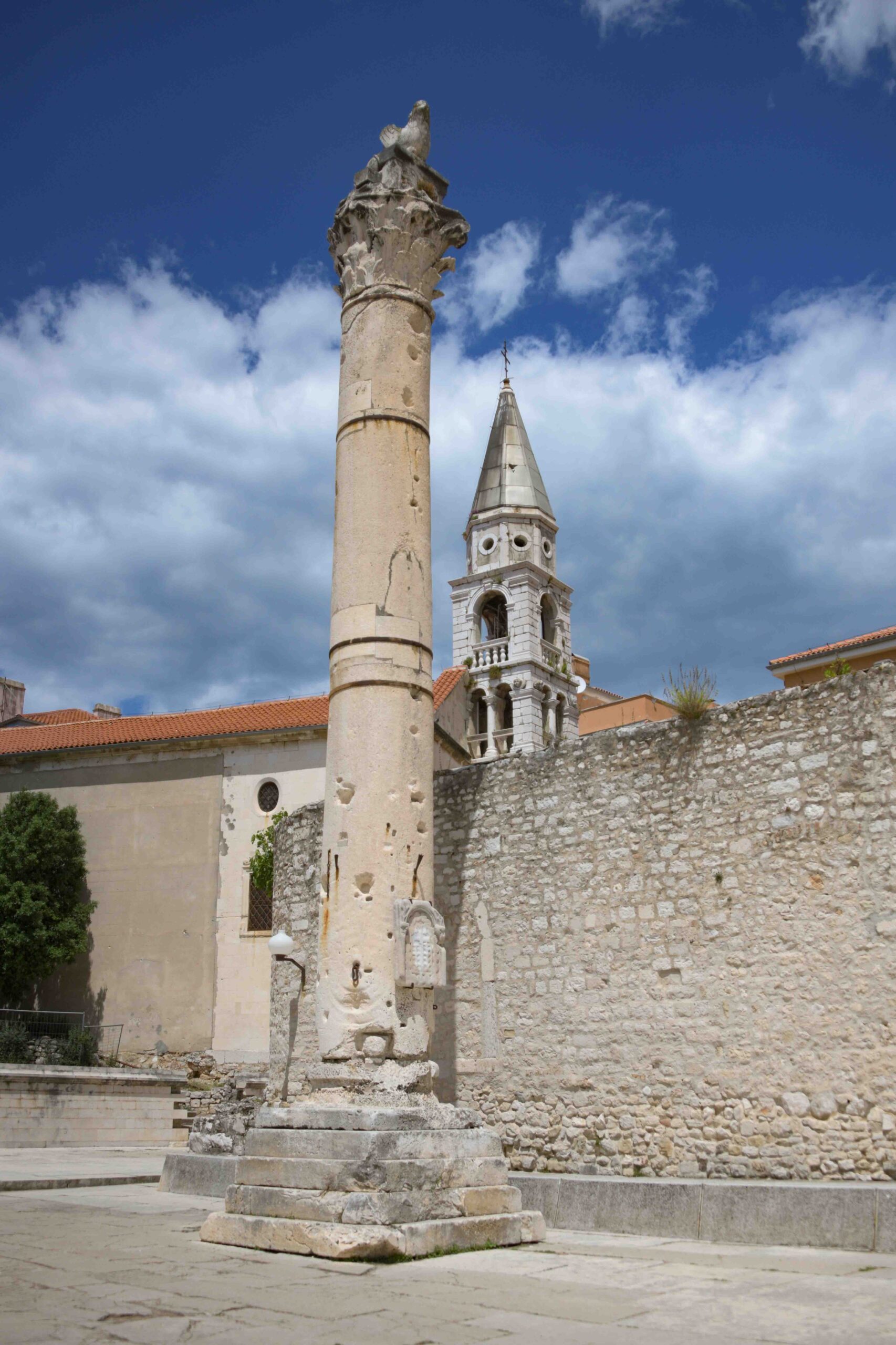
The Pillar of Shame was a place where the accused/ guilty were chained to be mocked, humiliated, and whipped. Most times, the whole city would stop by to witness this spectacle. I admit, to me, it simply looks to me like a pillar with a very worn-out chicken on top.