May 22, 2026
Today we drove a 1/2 hour to the adorable town of Nin, outside of Zadar. The history of Nin begins with salt. The presence of a Roman gate in the Nin salt farms shows how long salt has been an important source of the Nin economy.
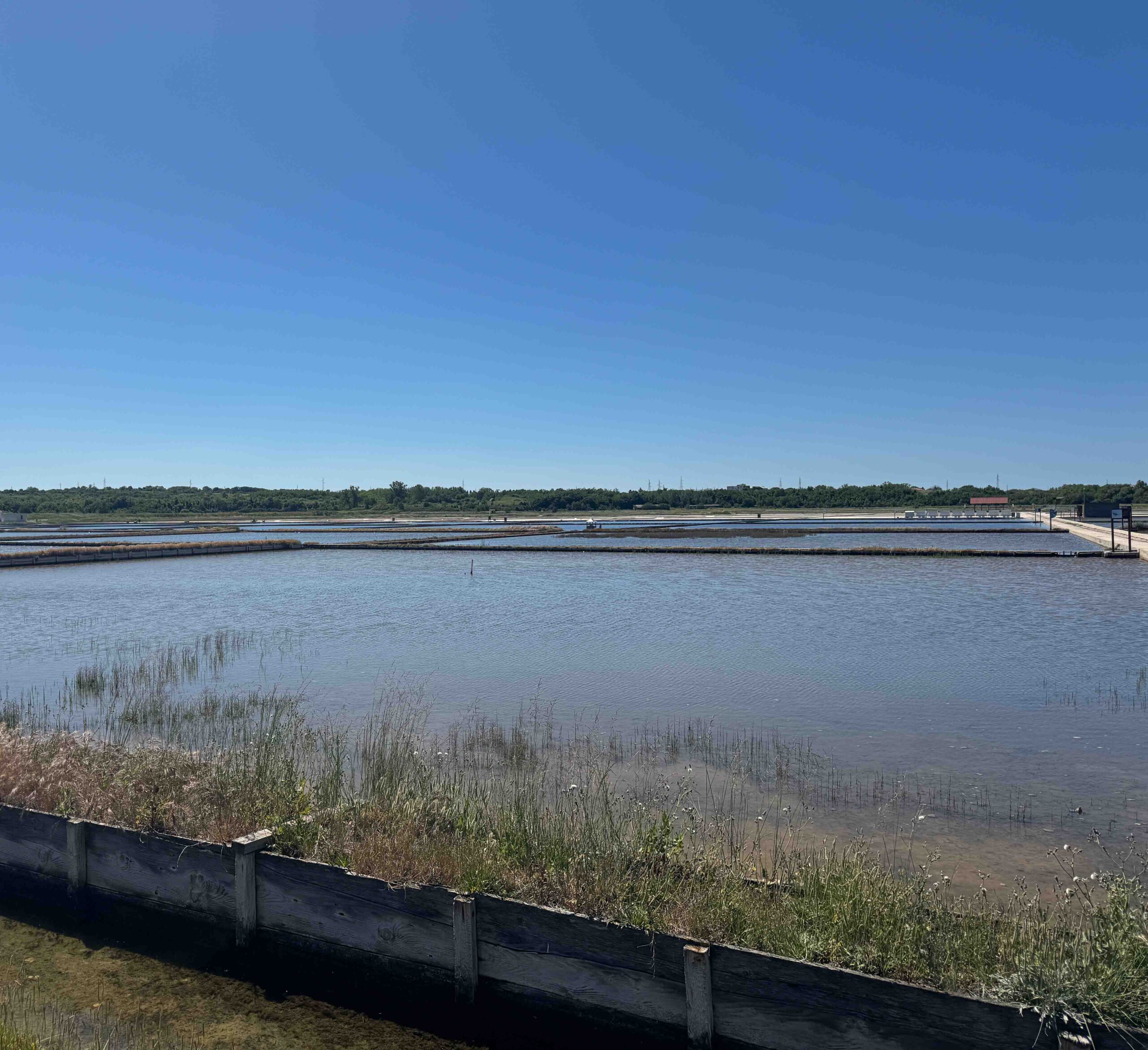
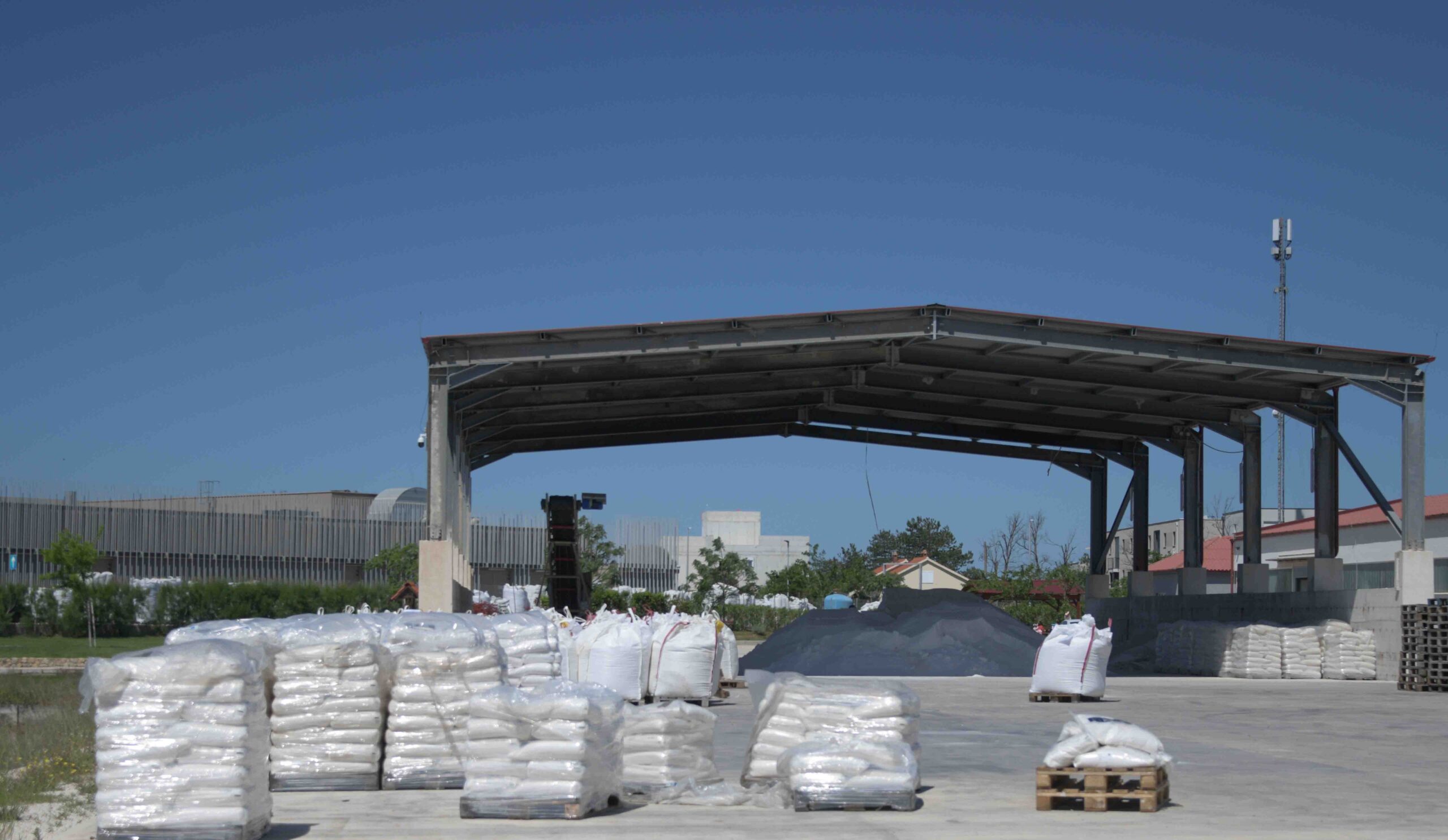
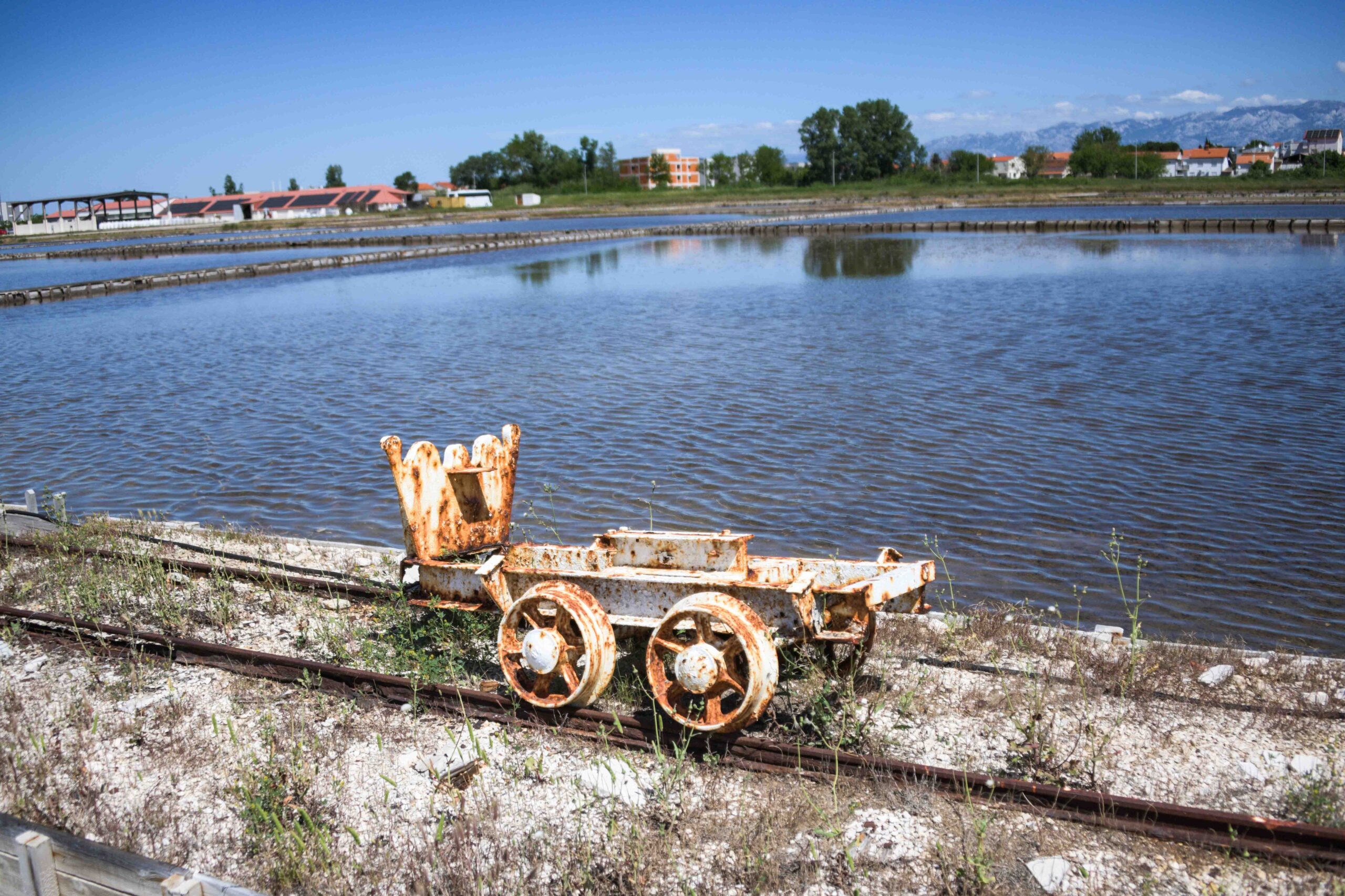
In 1423, the Venetians bought all the saltworks along the Adriatic coast, including the one in Nin, to stifle competition. There was no production of salt in the area of Nin for five centuries. The Nin Saltworks reopened in 1954.
Church of St. Nicholas
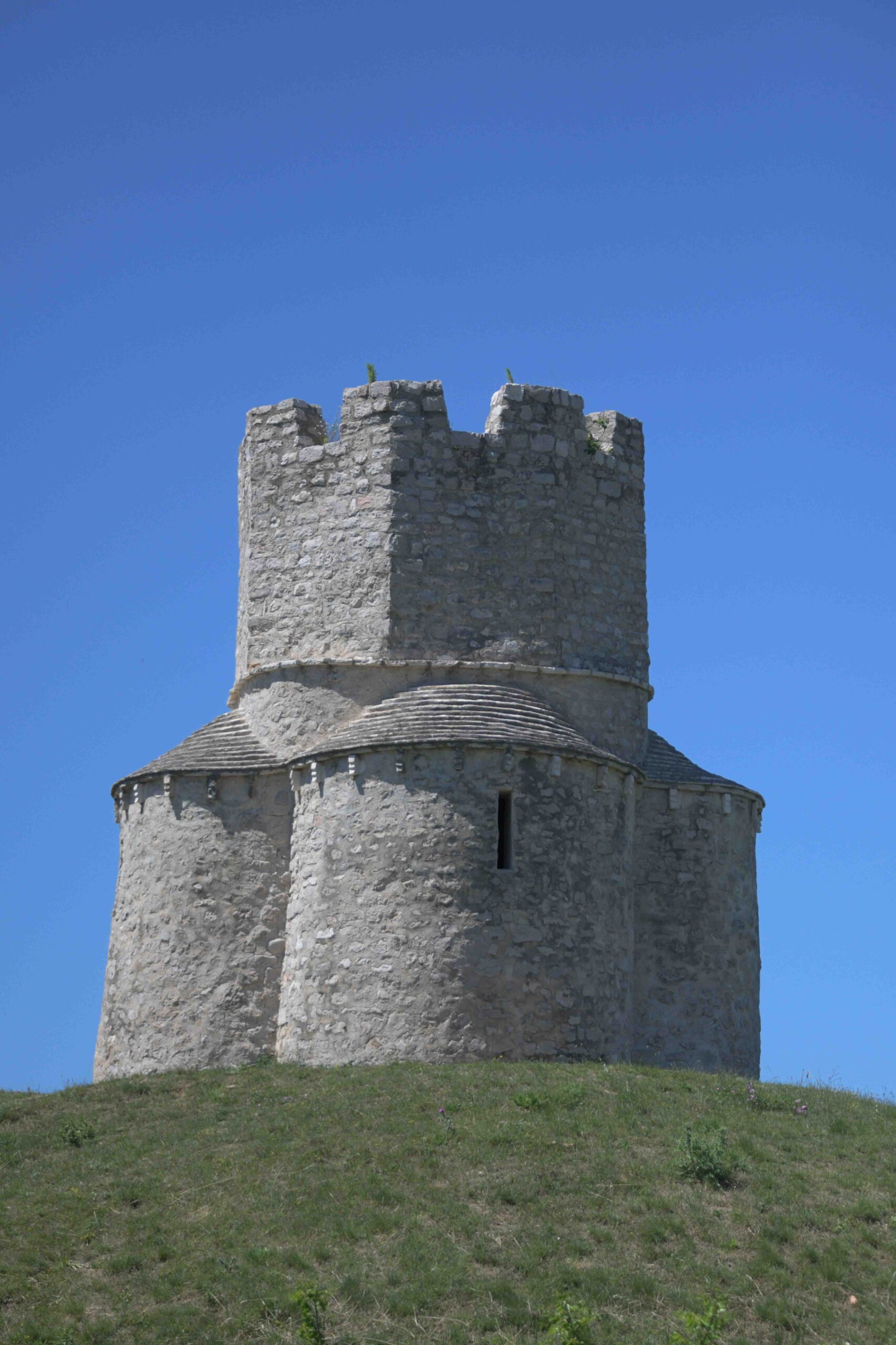
A few minutes before you get to Nin, you can see the Church of St. Nicholas. It is a late 11th- or early 12th-century Pre-Romanesque-style Roman Catholic church and the only surviving example of early Romanesque architecture in all of Dalmatia.
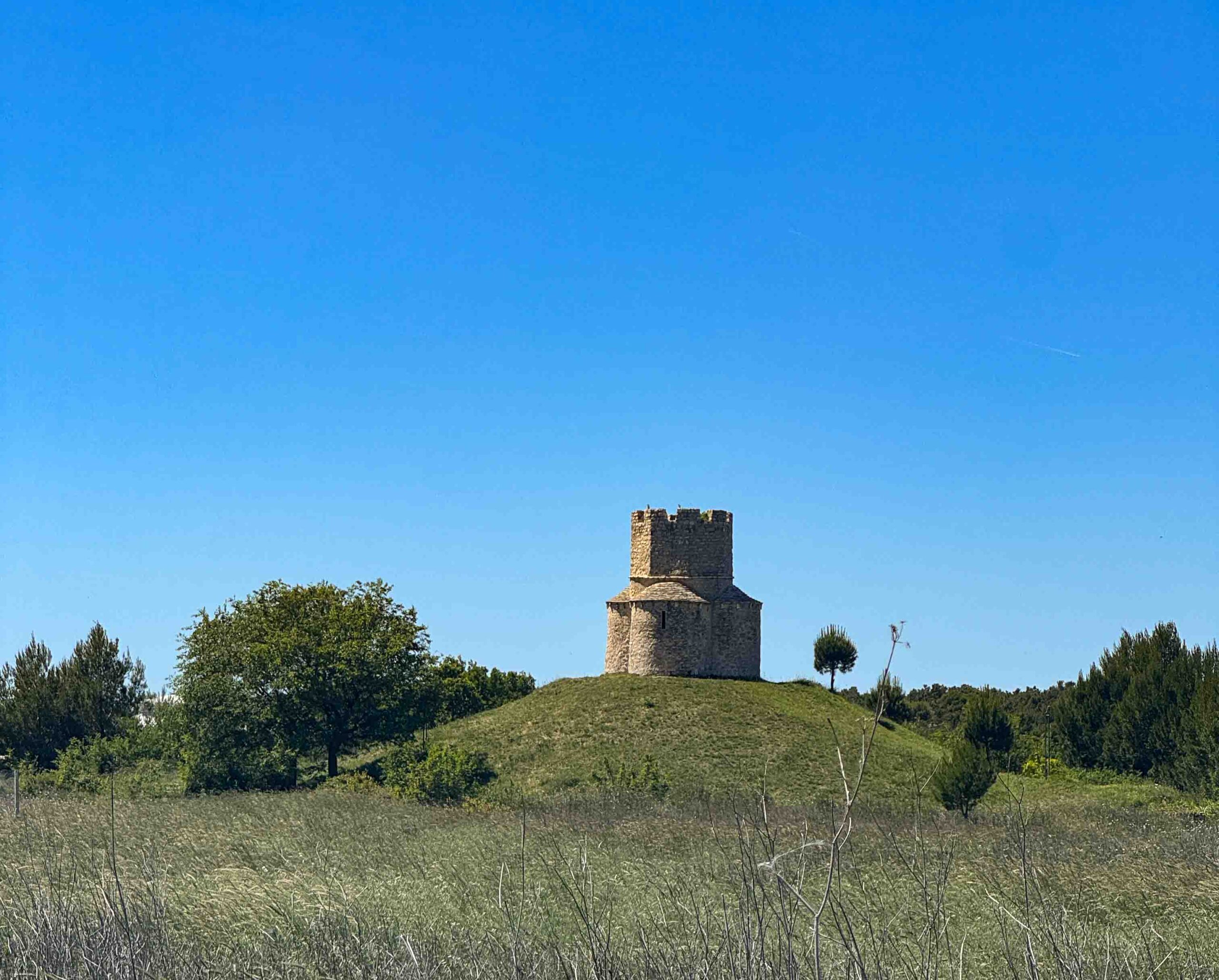
The Church of St. Nicholas was built in the form of a fortress. It has a trefoil plan with four branches arranged around a central circular core,
The Town of Nin
Nin’s historical center is located on an islet about 500 yards in diameter whose only approach is two stone bridges.
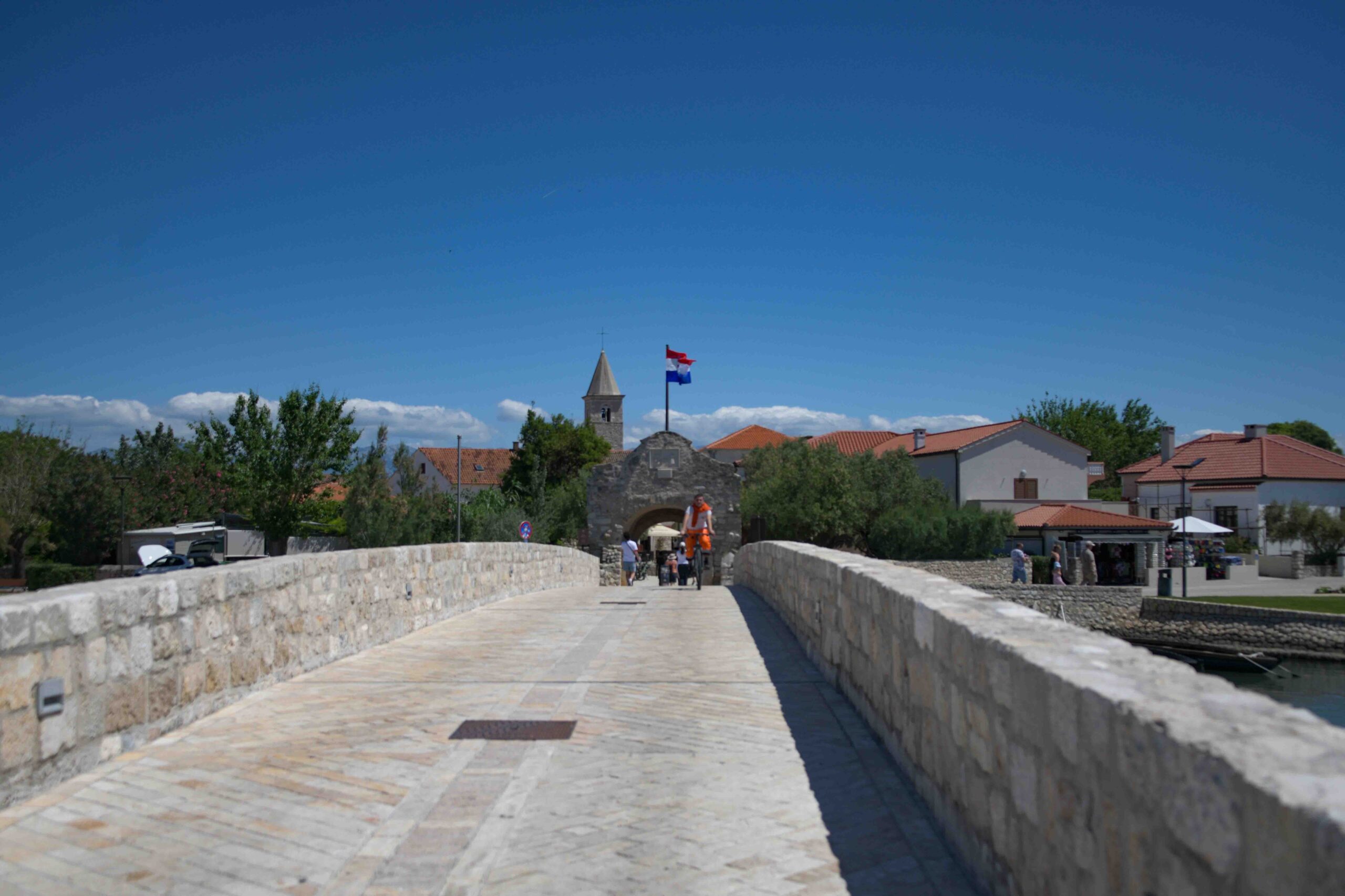
The area of Nin appears to have been settled 10,000 years ago. The present-day town on the islet was founded 3,000 years ago and is one of the oldest towns in the eastern Adriatic.
The town of Nin was historically important as the center of the medieval Christian Diocese of Nin. Nin was also the seat of the Princes of Dalmatia.
Gregory of Nin
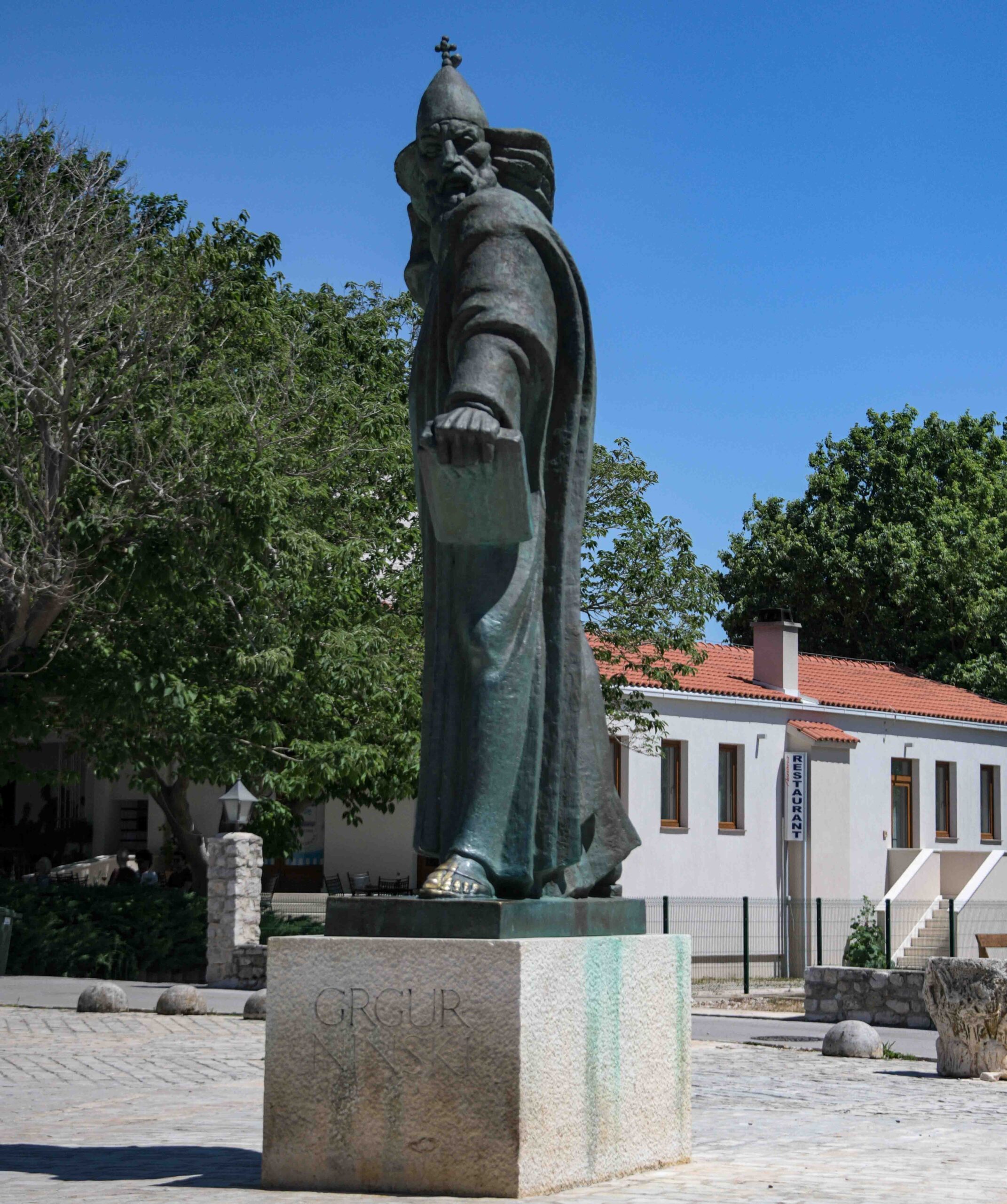
Gregory of Nin was a Croatian Catholic prelate who served as the medieval Bishop of Nin and strongly opposed the pope and the official circles of the Catholic Church. He introduced the Croatian language in the religious services. Not only was this important for the Croatian language and culture, but it also made Christianity stronger within the Croatian kingdom, as few people spoke the Catholic language of the time – Latin.
The statue of Gregory of Nin was erected in September 1929 and then moved outside the city by occupying Italian forces in 1941. He was put in his present location in 1954.
Church of San Anselm
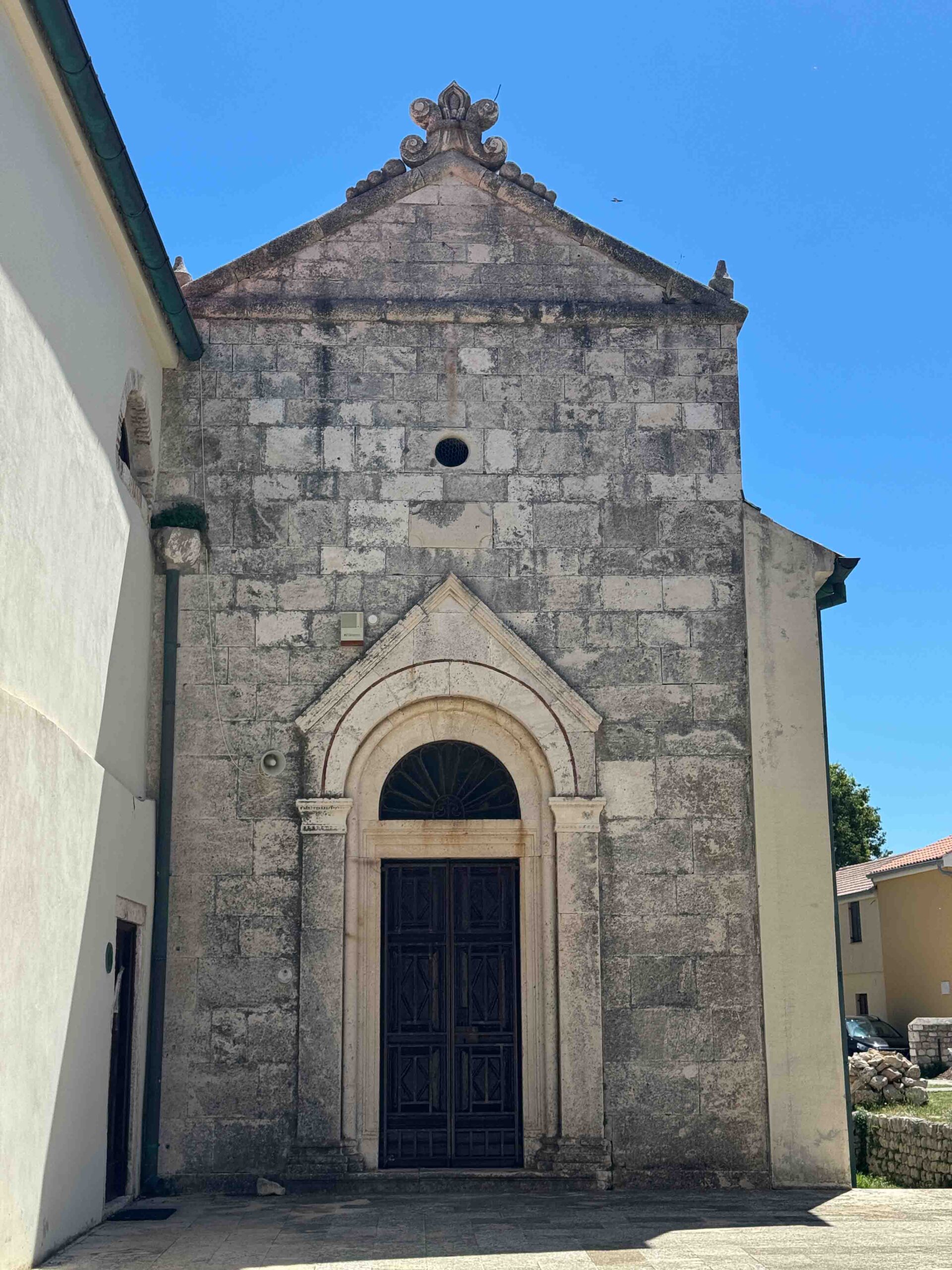
The parish Church of St. Anselm was the Nin Cathedral during the rule of Croatian Kings and later. It was built in the 6th century and restored during the reign of King Zvonimir in 1070. It assumed its present-day appearance in the 18th century.

The Church of the Holy Cross
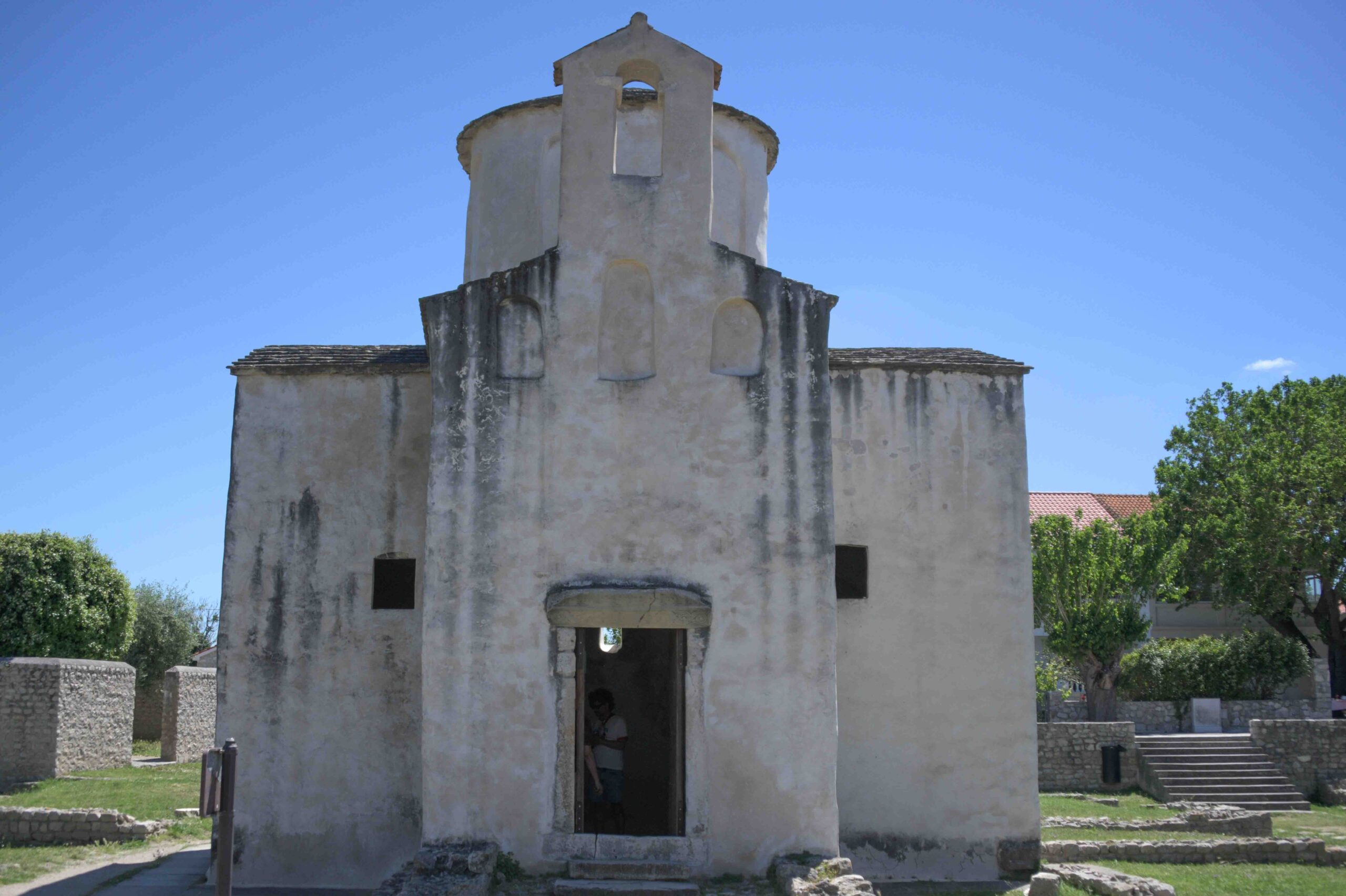
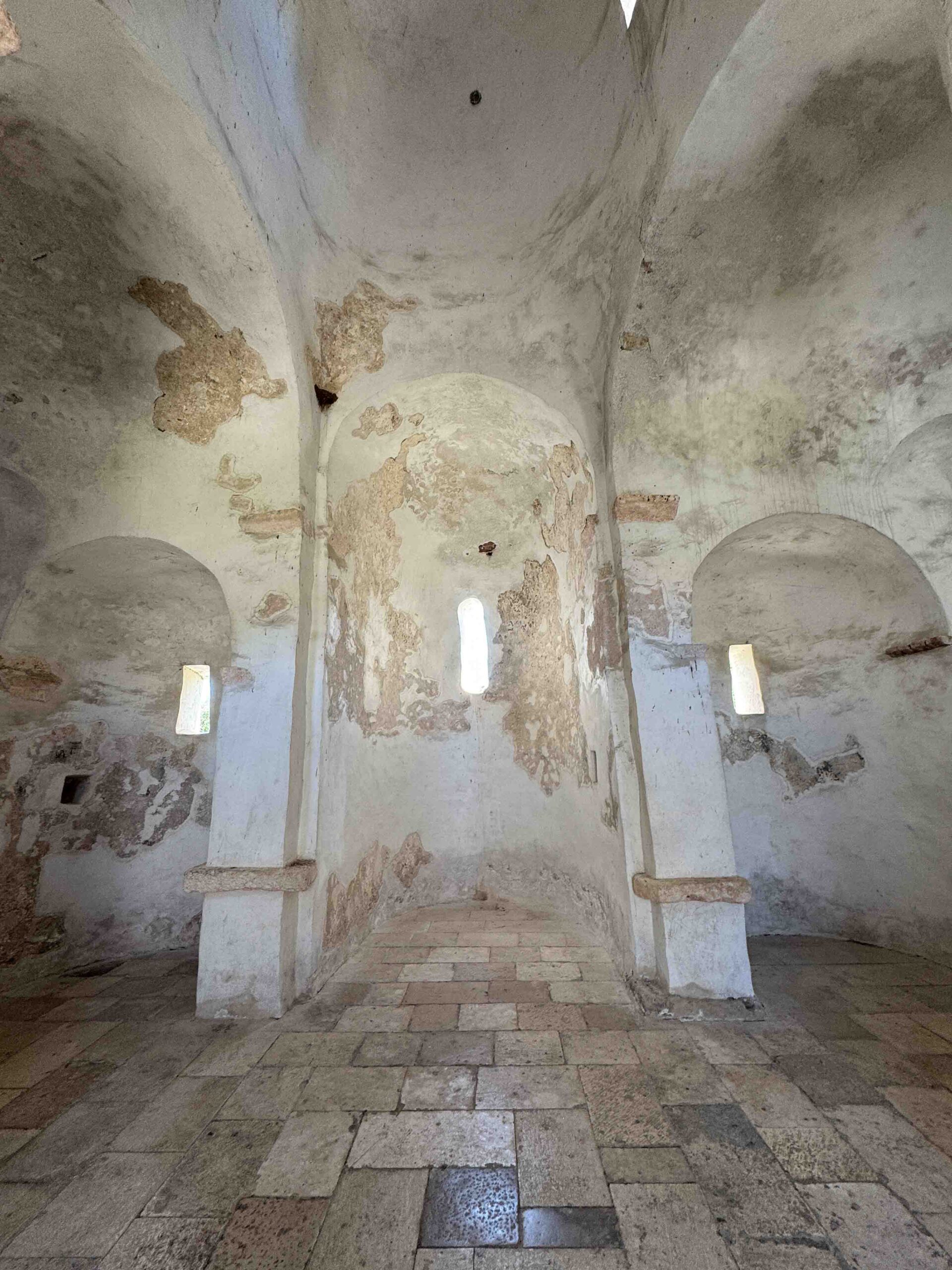
Church of the Holy Cross is a Pre-Romanesque Catholic church dating to the 9th century and is known as “The smallest cathedral in the world”.
*
*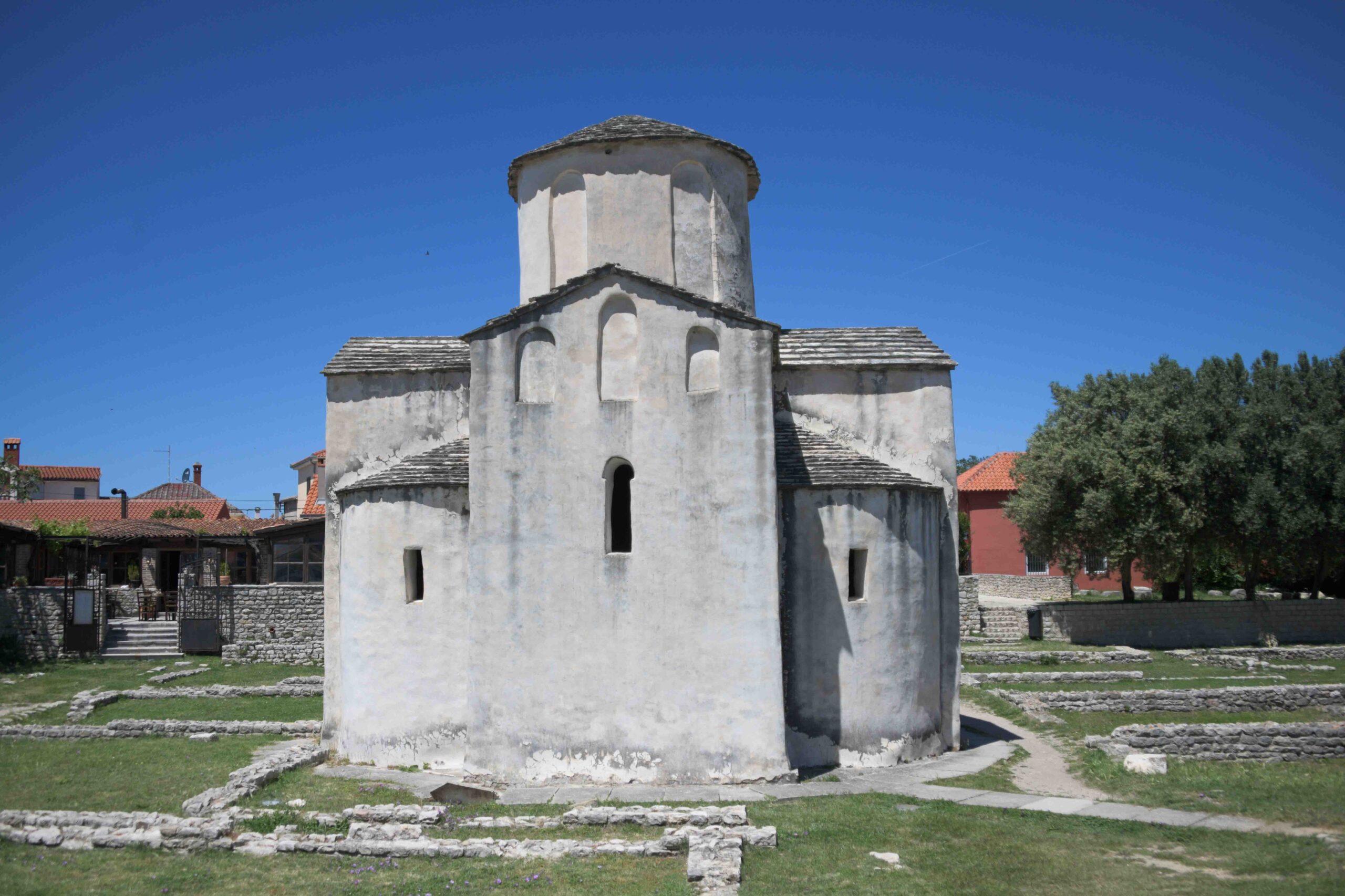
A theory put forth by art historian Mladen Pejaković holds that the design has an intentionally unbalanced elliptical form intended to “follow” the position of the Sun, retaining the functionality of a calendar and sundial.
The Roman Ruins
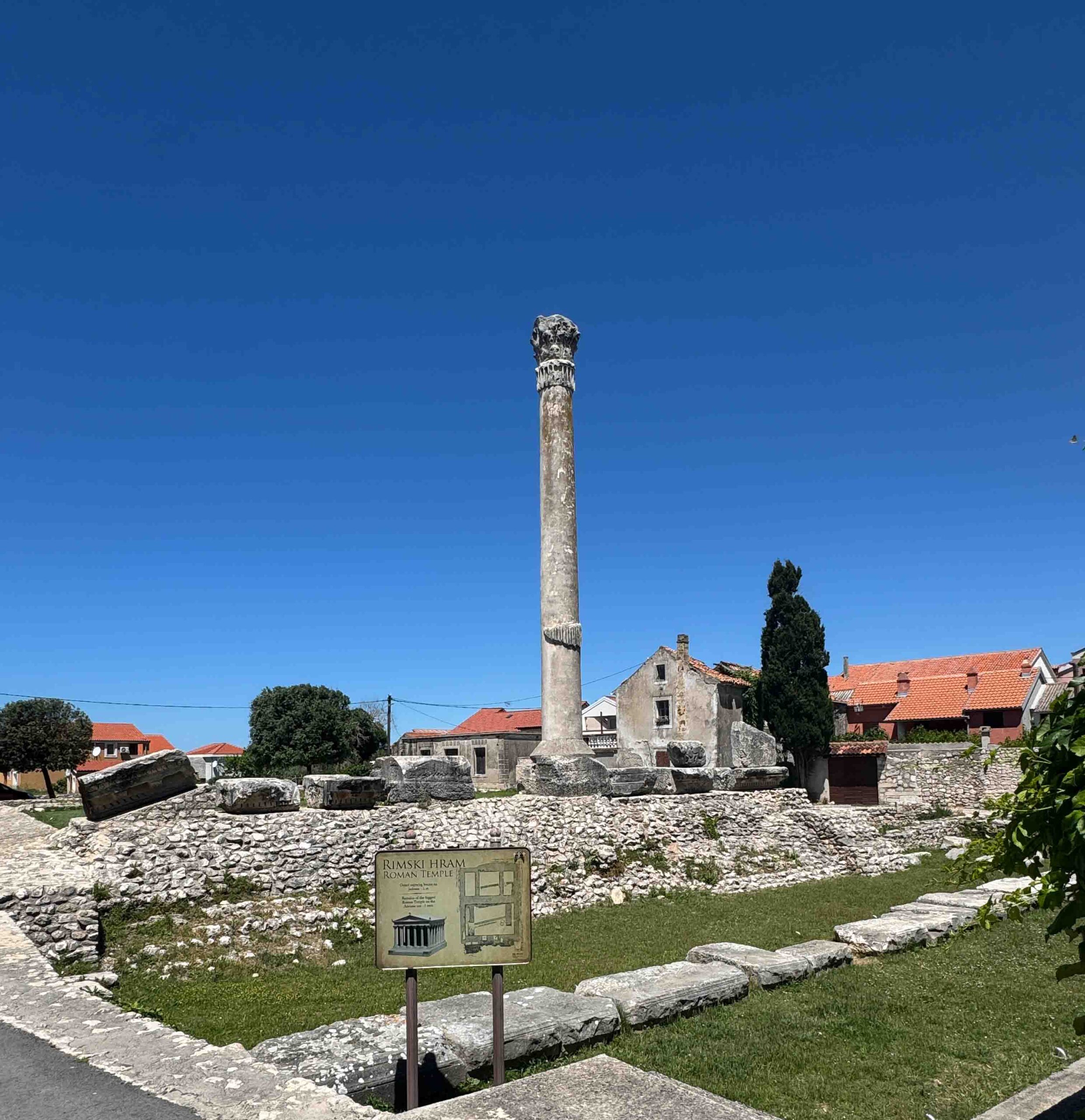
Within the center of Nin is an old Roman Forum. In the forum are the ruins of a temple, said to be one of the largest and tallest on the eastern Adriatic coast. The temple was dedicated to the divine triad of Jupiter, Juno, and Minerva.
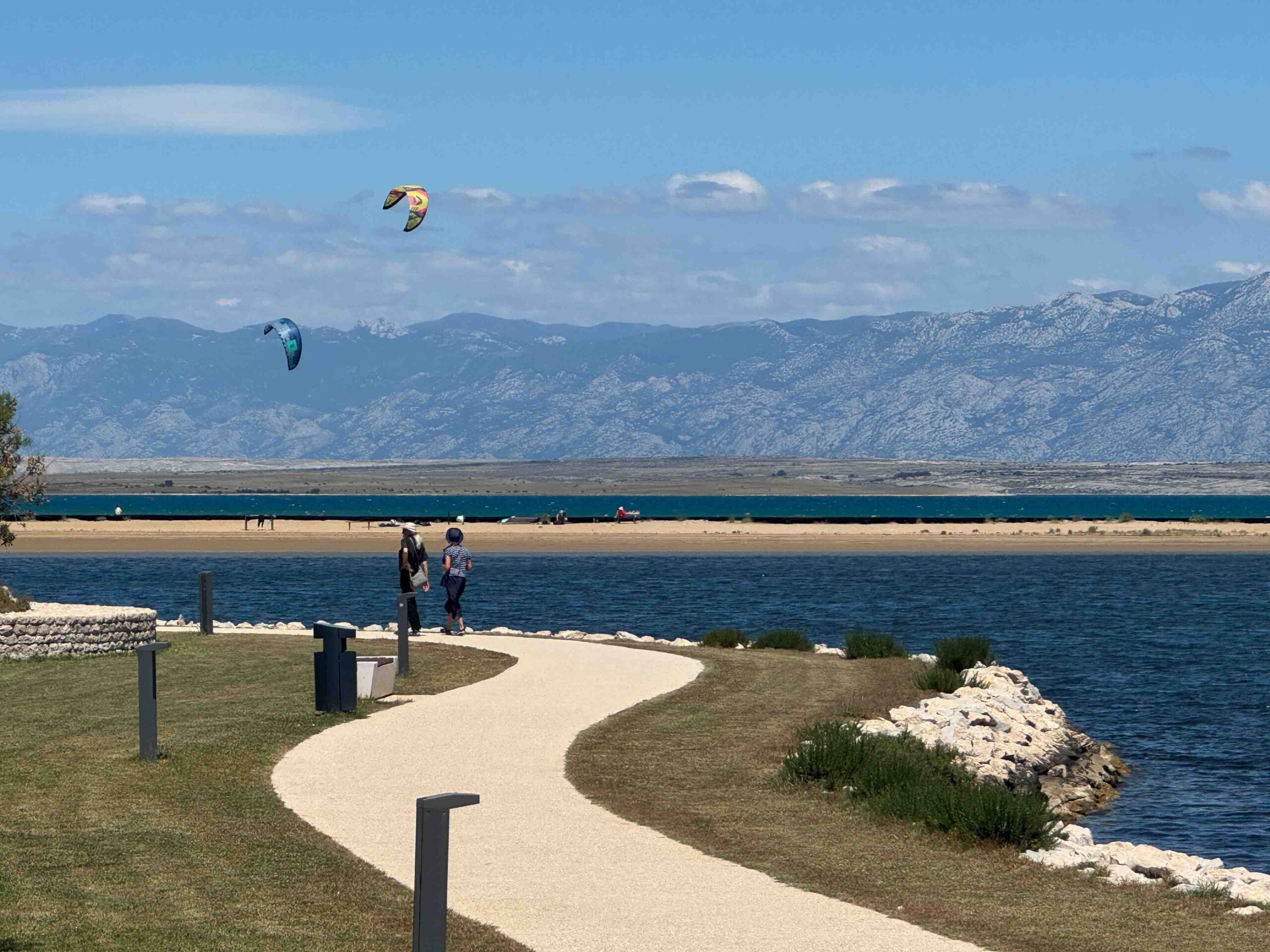
Nin is situated in a lagoon on the eastern shore of the Adriatic Sea, surrounded by sandy beaches.
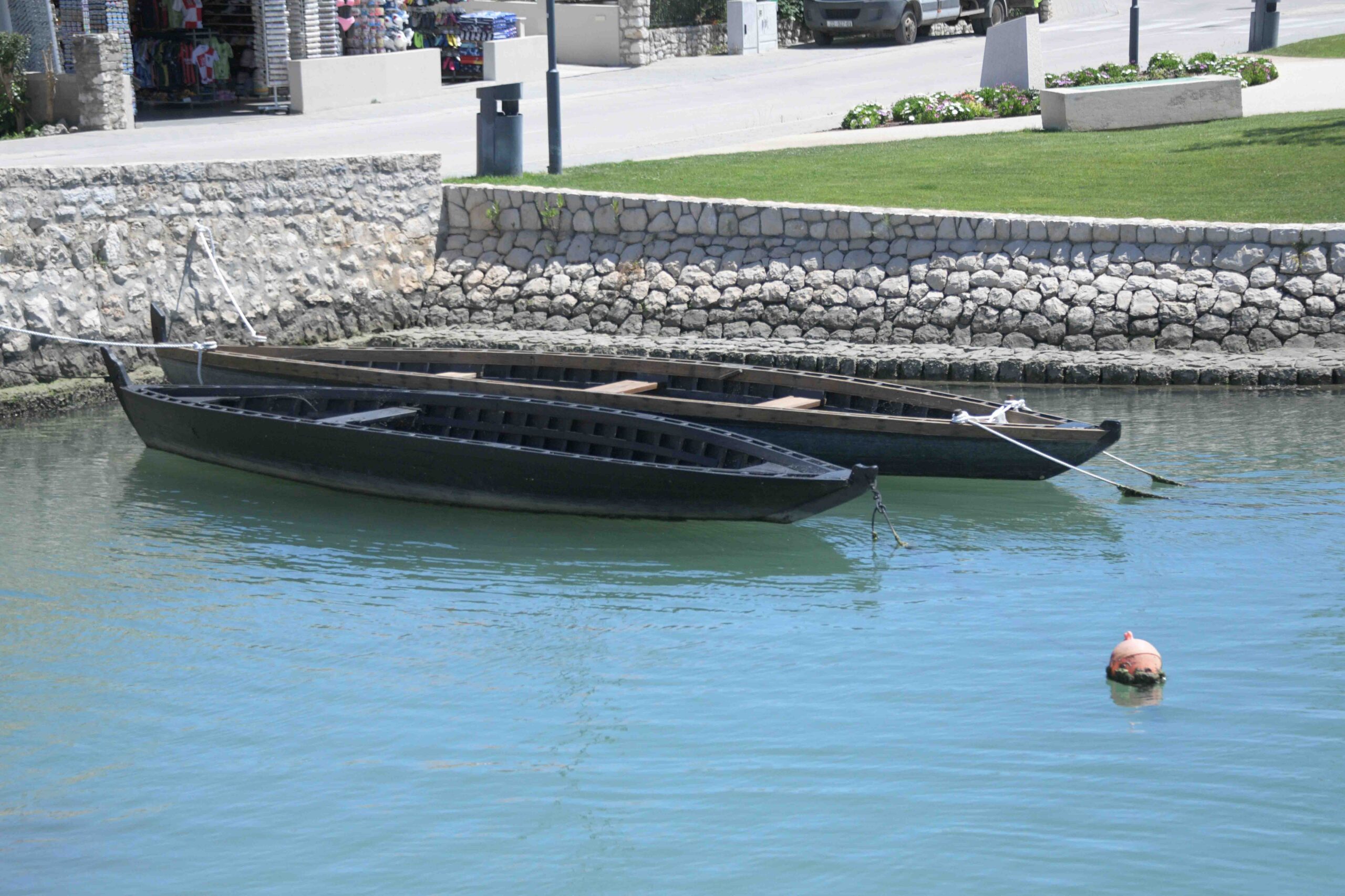
The Neretvanska lađa was historically used to transport people, livestock, and goods along the Neretva River.
The Duke of Croatia
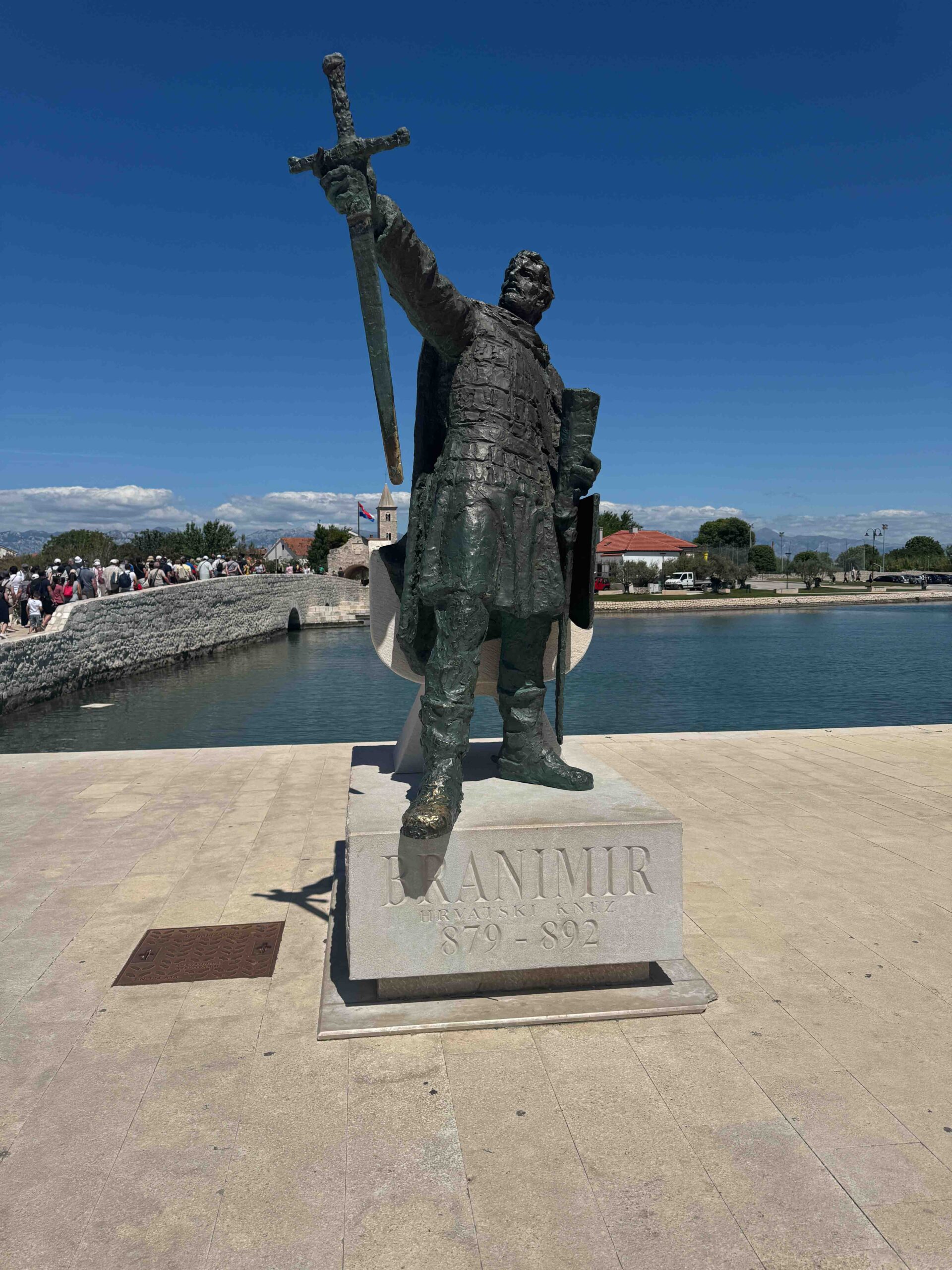
At the stone bridge we crossed to enter Nin was this statue of Branimir, Duke of Croatia. Branimir’s reign lasted from 879 to c. 892. His country received papal recognition as a state from Pope John VIII on June 7, 879. His rule marks the first real peak of early medieval Croatia. It was characterized by establishing closer relations with the Holy See,
Currently, Croatia’s government presents the Order of Duke Branimir as one of its highest state honors.
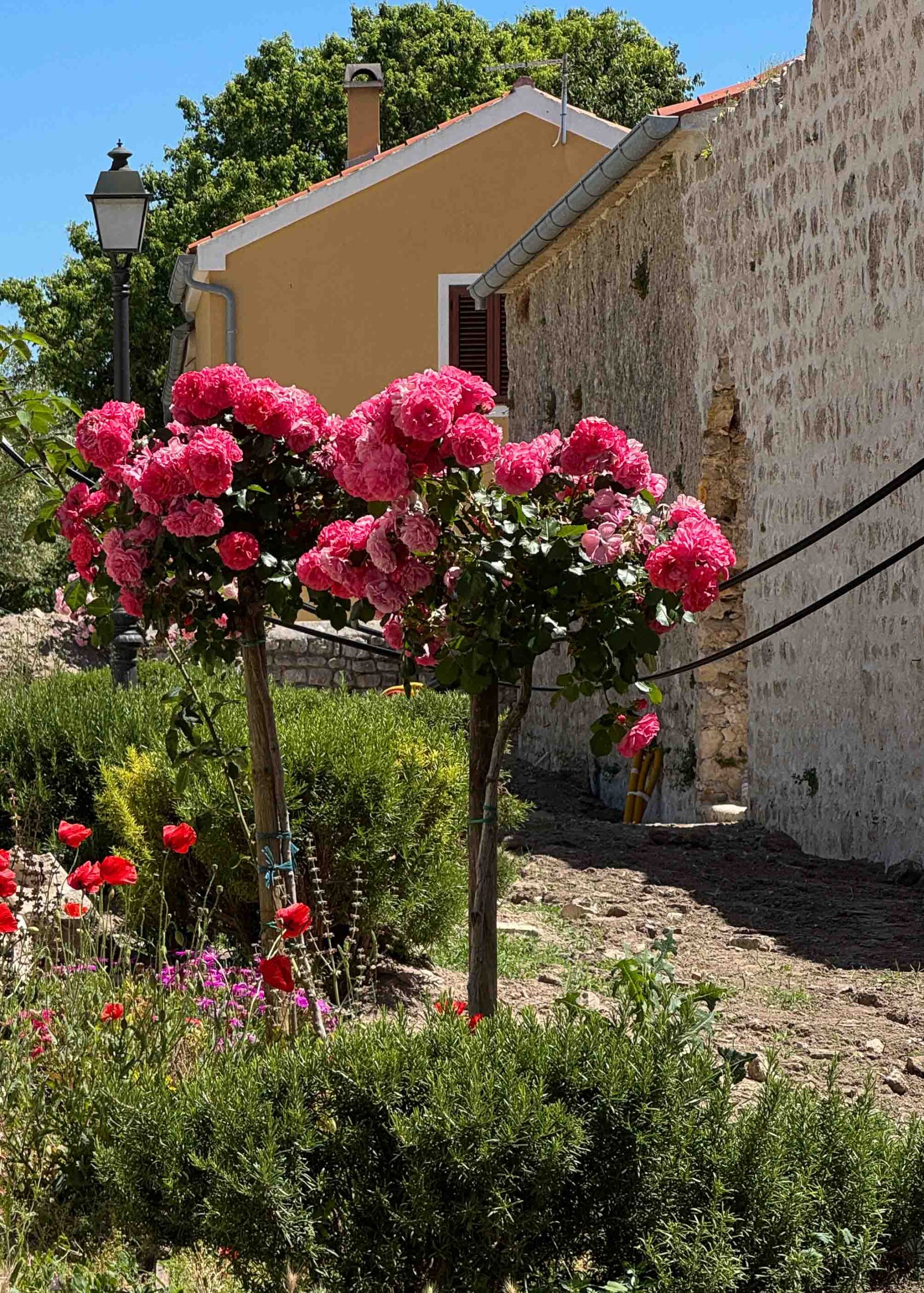
In the 2011 census, there were 1132 people in the town of Nin. It is peaceful and would be empty if it weren’t for the hordes of tourists unloading from bus after bus.