July 2026
Castle Conwy
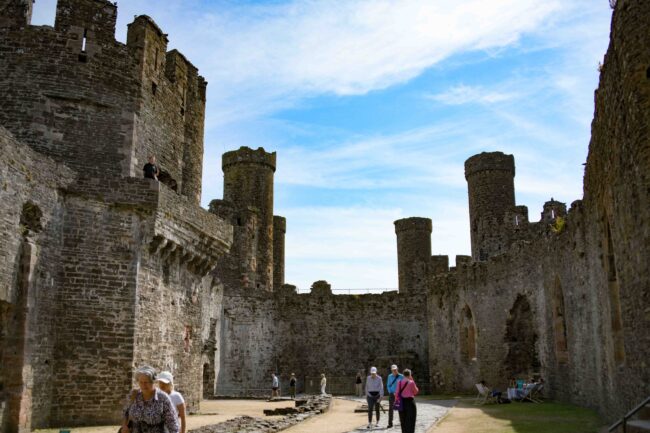
Castle Conwy was built by Edward I during his conquest of Wales between 1283 and 1287. Constructed as part of a wider project to create the walled town of Conwy.
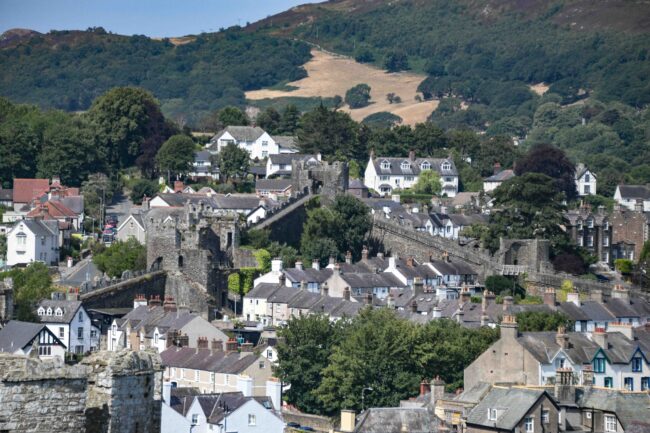
Before the English built the town of Conwy, Aberconwy Abbey stood on the site of a Cistercian monastery.
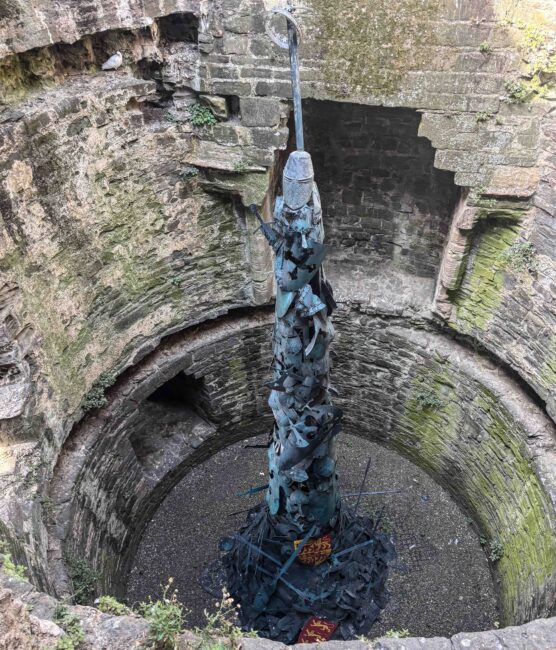
Conwy Castle was not well maintained during the early 14th century, and by 1321, a survey reported it was poorly equipped, with limited stores and suffering from leaking roofs and rotten timbers. These problems persisted until Edward, the Black Prince, took over control of the castle in 1343.
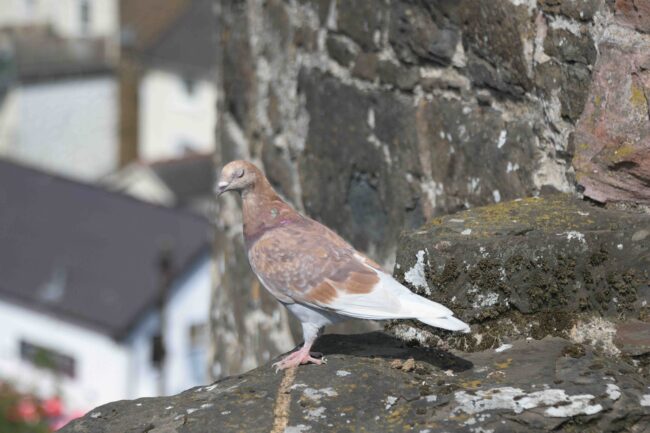
Conwy Castle fell into disrepair again by the early 17th century.
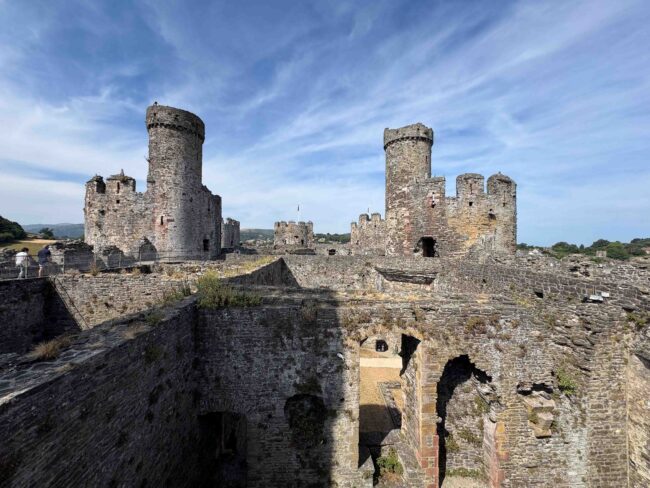
In 1660, Conwy was returned to Edward Conway, the Earl of Conway, but five years later, Edward decided to strip the remaining iron and lead from the castle and sell it off. This turned the castle into a total ruin.
By the end of the 18th century, the ruins were considered picturesque and attracted visitors and artists, and paintings of the castle were made by Thomas Girtin, Moses Griffith, Julius Caesar Ibbetson, Paul Sandby, and J. M. W. Turner.
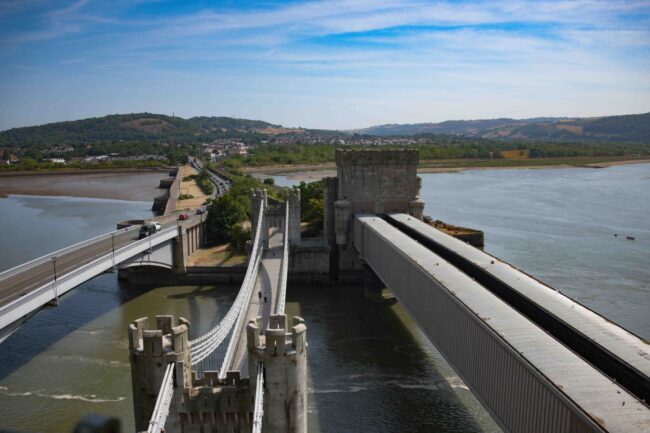
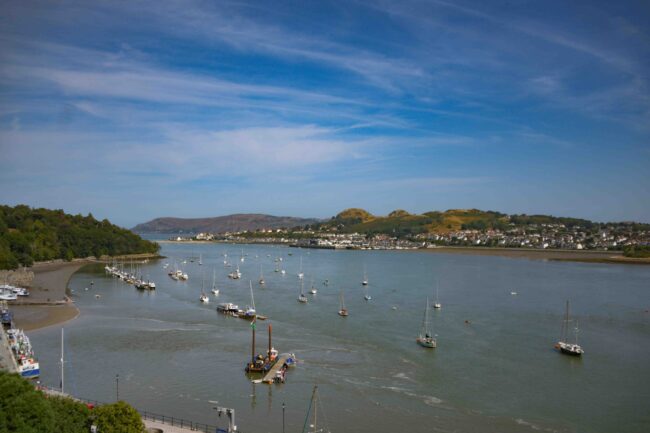
Beaumaris Castle
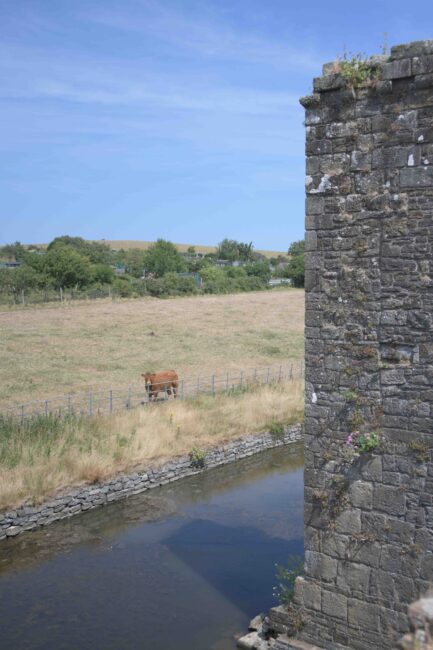
Beaumaris (‘beau mareys’ or ‘beautiful marsh’) on the island of Anglesey is famous as the greatest castle never built. It was the last of the royal strongholds created by Edward I in Wales.
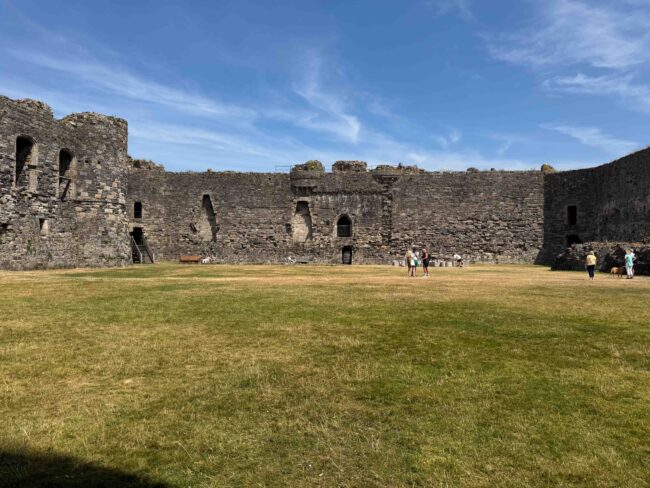
By this time, Edward and his architect James had already constructed the great castles of Conwy, Caernarfon, and Harlech. This was to be their crowning glory, the castle to end all castles.
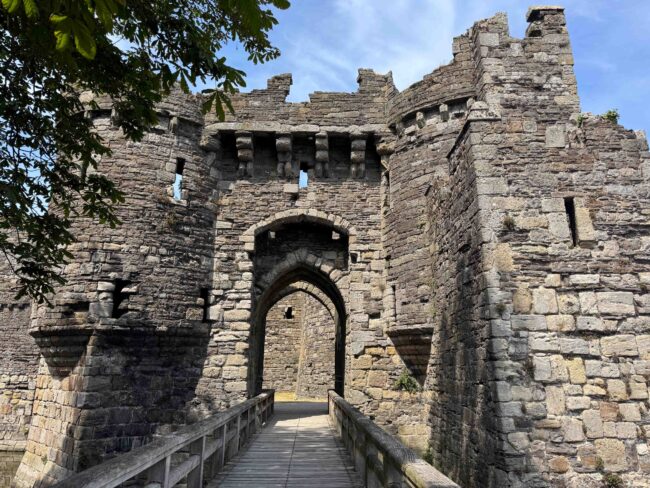
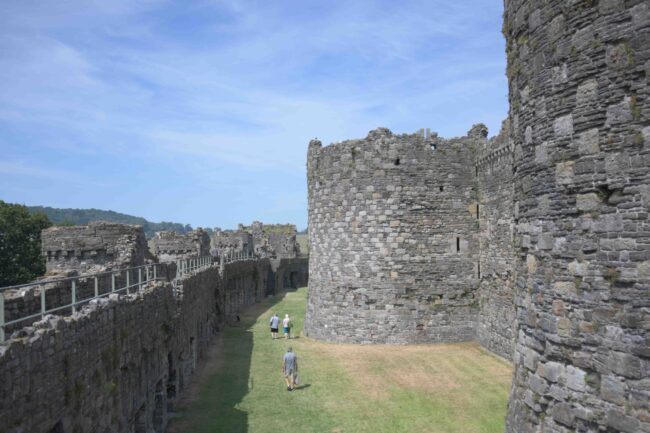
The result was a fortress of immense size and near-perfect symmetry. Four concentric rings of formidable defenses included a water-filled moat with its very own dock. The outer walls included 300 arrow loops.
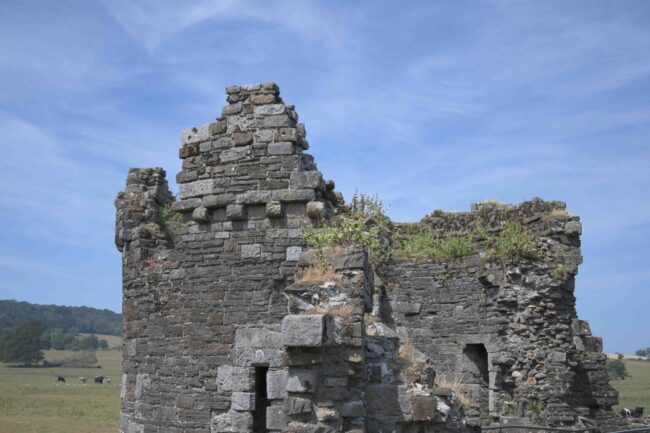
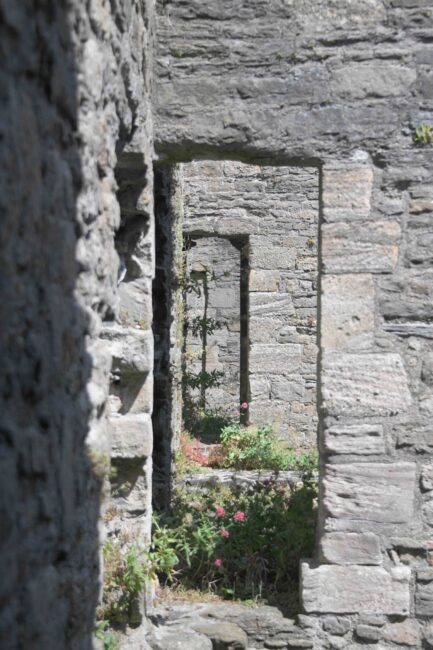
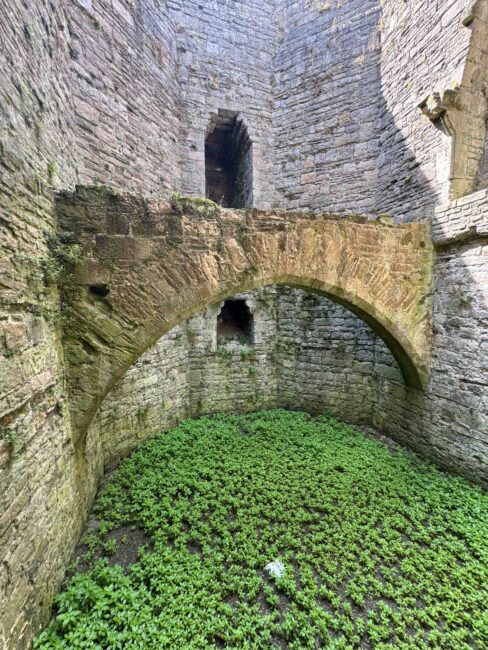
Lack of money and trouble brewing in Scotland meant building work had petered out by the 1320s. The south gatehouse and the six great towers in the inner ward never reached their intended height. The Llanfaes gate was barely started before being abandoned.
*
*
*
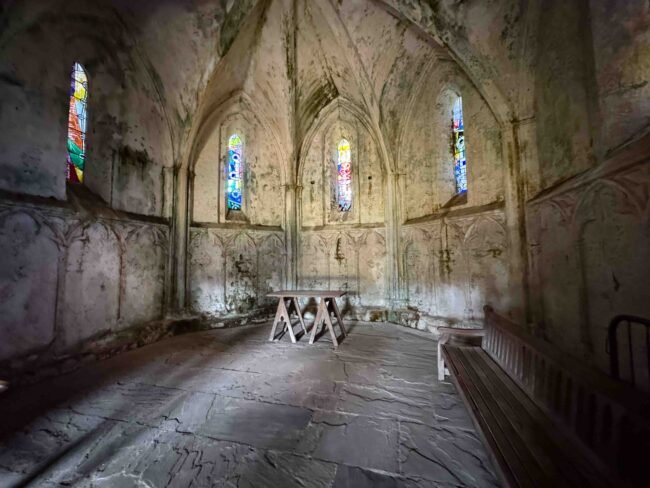
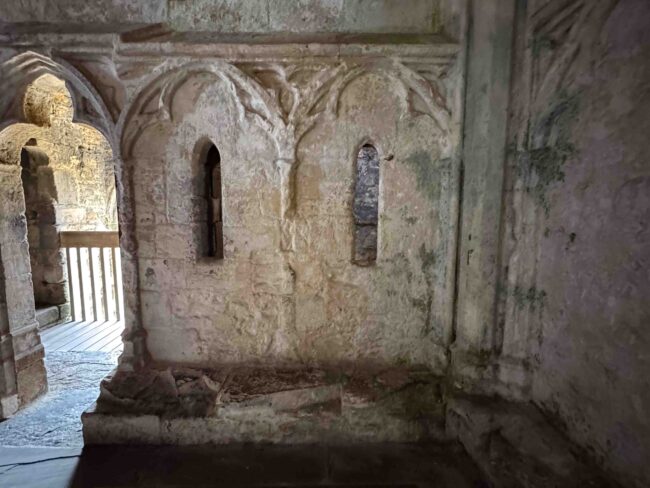
The local stone used to build the castle was not suitable for intricate carving. The chapel, built with imported stone, shows what could have been. The stained glass is a project by many local and present-day makers.
Harlech Castle
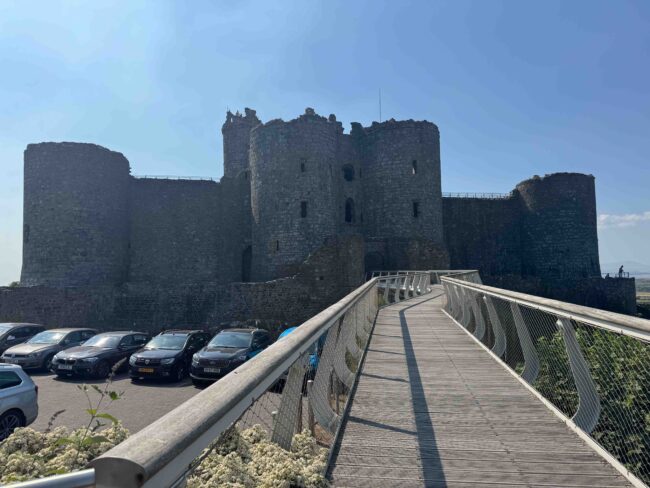
Harlech was completed from ground to battlements in just seven years under the guidance of the architect Master James of St George. Its classic ‘walls within walls’ design makes for a daunting natural defense.
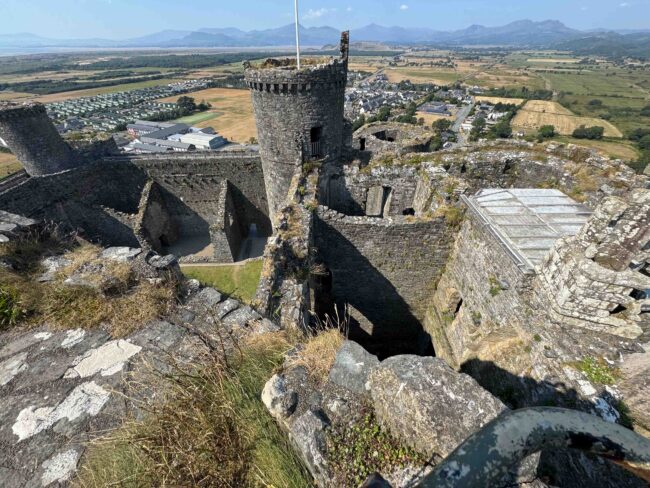
It was built by Edward I during his invasion of Wales between 1282 and 1289. Over the next few centuries, the castle played an important part in several wars, withstanding the siege of Madog ap Llywelyn between 1294 and 1295, but falling to Prince Owain Glyndŵr in 1404. It then became Glyndŵr’s residence and military headquarters for the remainder of the uprising until it was recaptured by English forces in 1409. During the 15th-century Wars of the Roses, Harlech was held by the Lancastrians for seven years before Yorkist troops forced its surrender in 1468.
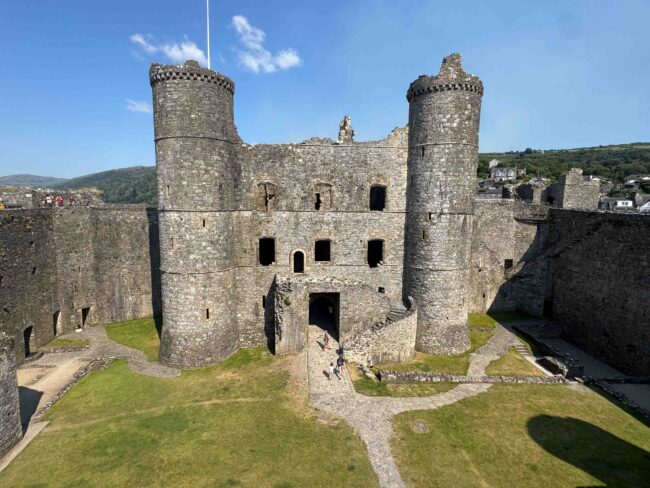
UNESCO considers Harlech, with three others at Beaumaris, Conwy, and Caernarfon, to be one of “the finest examples of late 13th century and early 14th century military architecture in Europe”, and it is classed as a World Heritage Site.
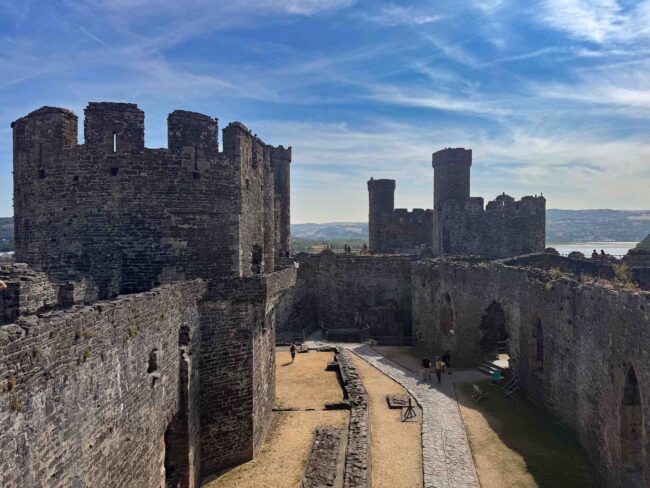
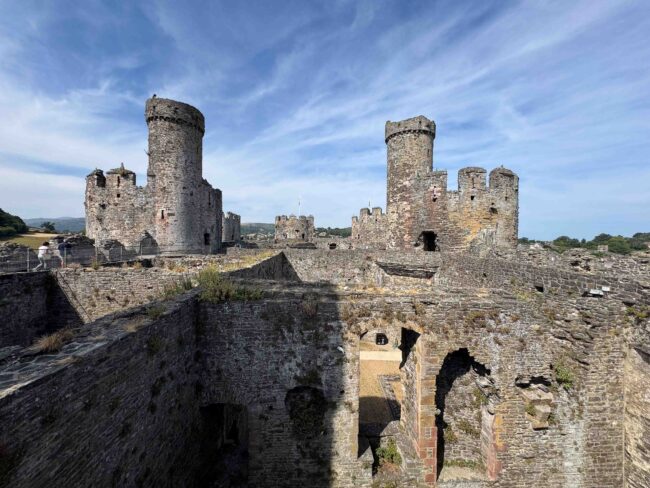
The fortification is built of local stone and concentric in design, featuring a massive gatehouse that probably once provided high-status accommodation for the castle constable and visiting dignitaries.
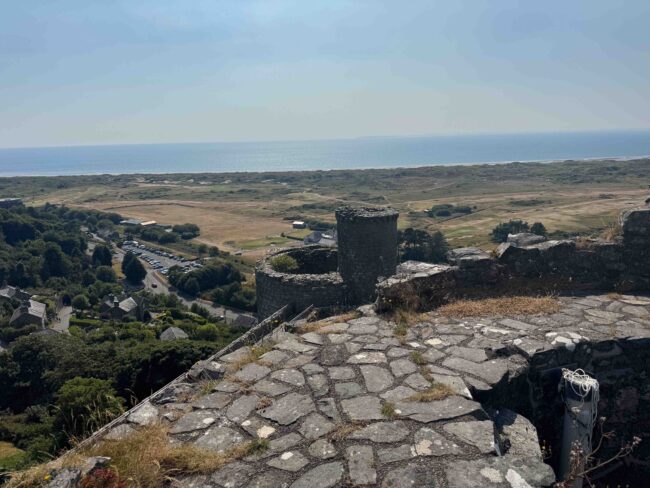
The sea originally came much closer to Harlech than in modern times, and a water-gate and a long flight of steps led down from the castle to the former shore, which allowed the castle to be resupplied by sea during sieges.
*