July 2026
Castell Coch
This is a fairy tale house of the rich and famous Bute family. The castle itself has a rather long and confusing history.

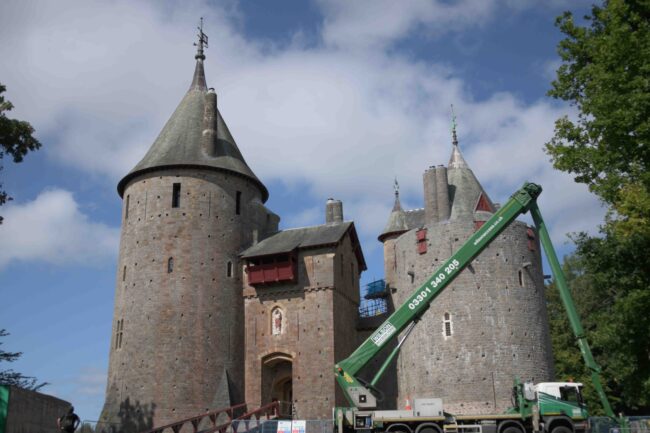
The original castle at Castell Coch is thought to have been constructed in the late 11th century. It was built to defend Cardiff and control the land around the River Taff.
English nobleman Gilbert de Clare built a new castle between 1267 and 1277 to protect his land. That castle was probably destroyed in the native Welsh rebellion of 1314.
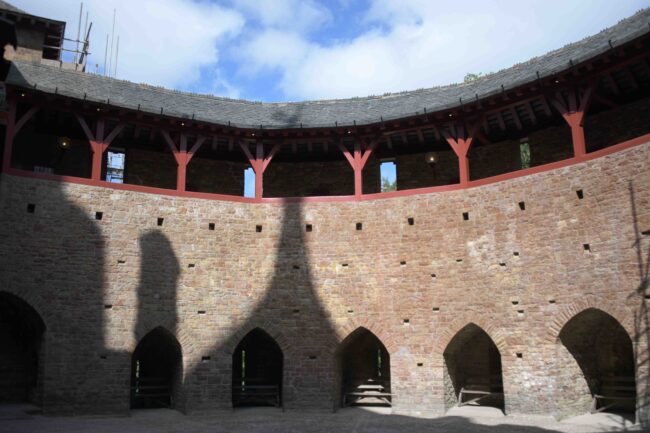
The site with the castle ruins was acquired in 1766 by John Stuart, the 4th Earl of Bute and later the 1st Marquess of Bute, when he married Lady Charlotte Windsor.
In 1848, the 3rd Marquess of Bute, John Crichton-Stuart, inherited the property.
Then, from 1875 to 1891, Architect William Burges oversaw the reconstruction of Castell Coch as a summer residence for the Marquess of Bute.
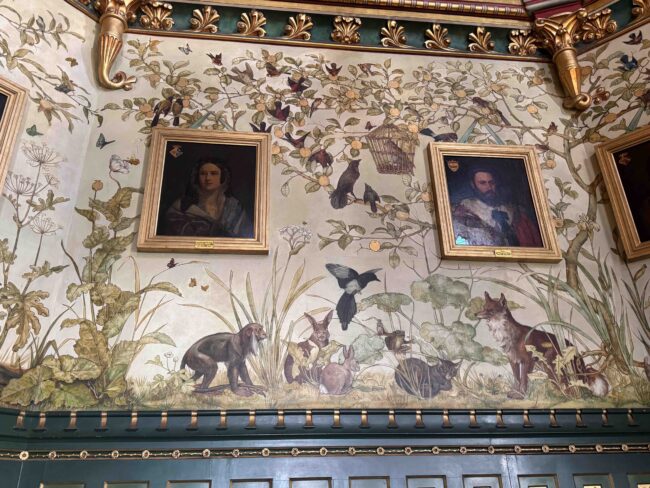
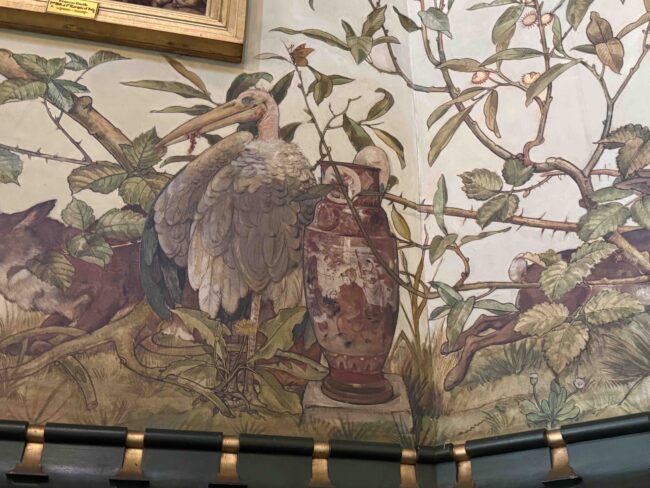
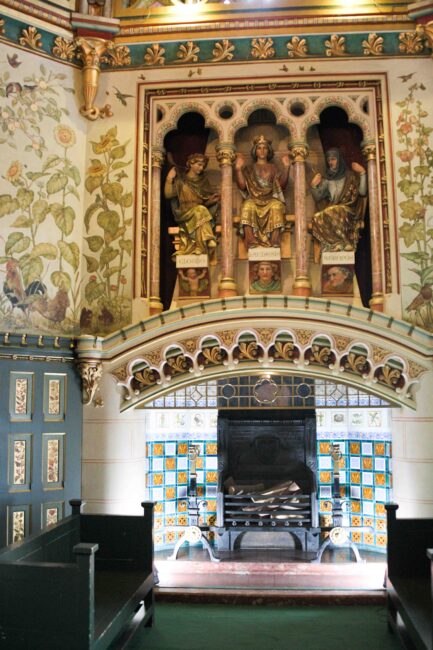
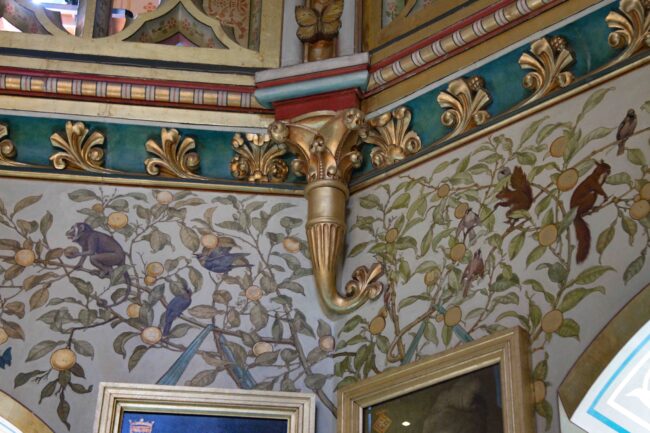
The Drawing Room
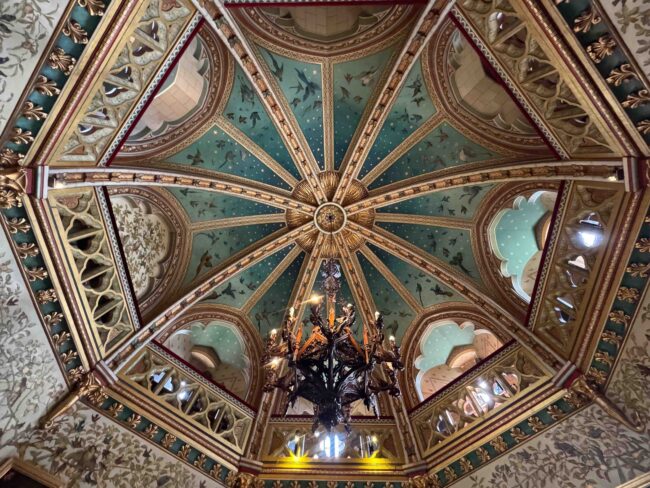
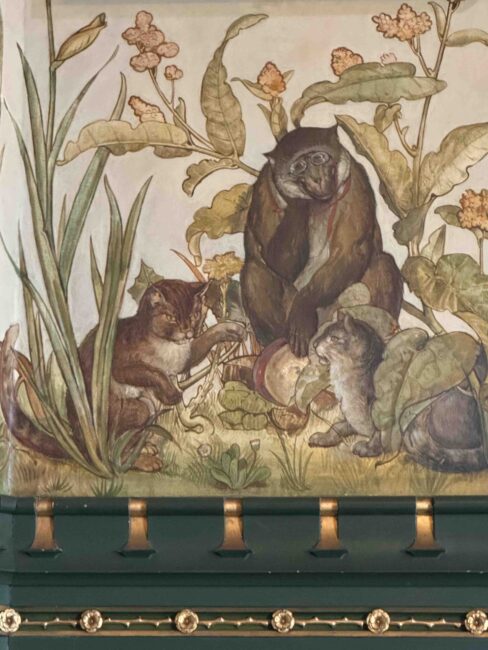
The drawing room ceiling has butterfly-embellished stone vault ribs. Castell Coch is a prime example of the Gothic Revival style, popular in the 19th century.
*
The Drawing Room
Lady Bute’s Bedroom
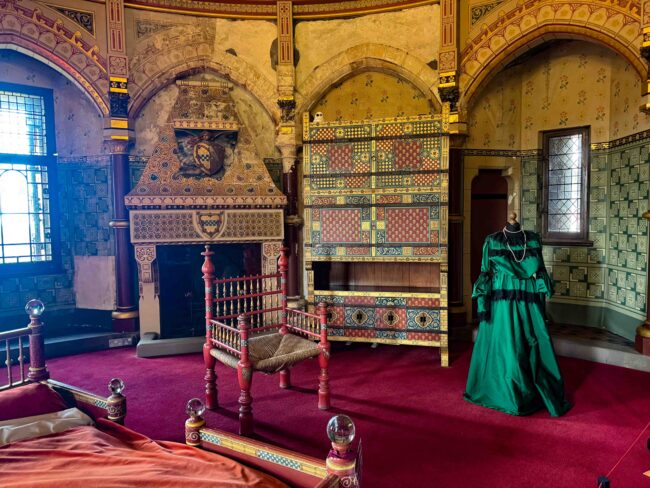
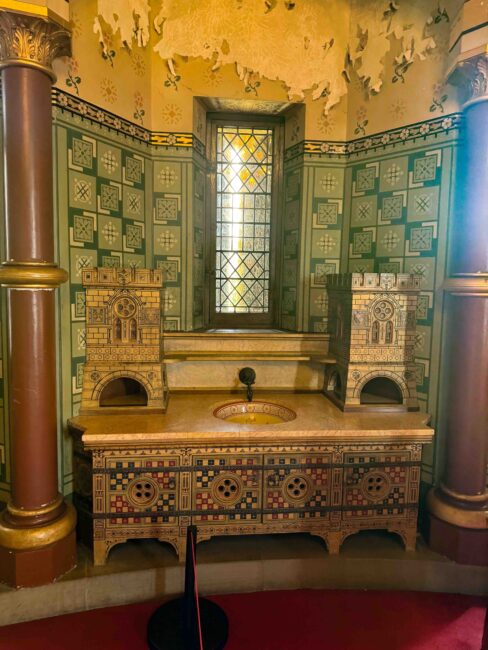
Lady Bute’s washstand was made for the room by John Starling Chapple in 1891; its towers house the hot and cold water cisterns. Like the chairs, the painted cupboard in the bedroom is a faithful copy of a Burges design.
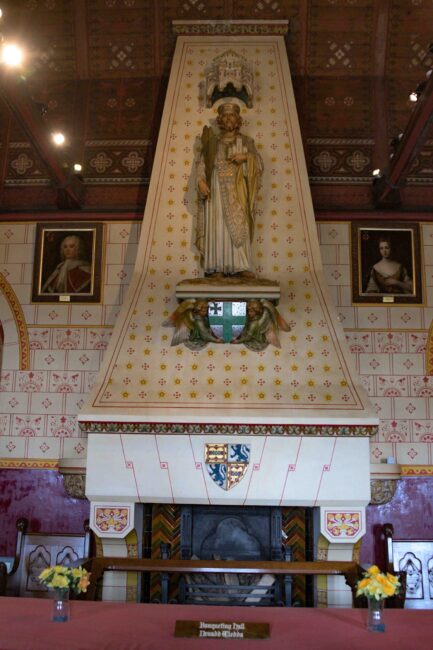
Dining Room
Caerphilly Castle
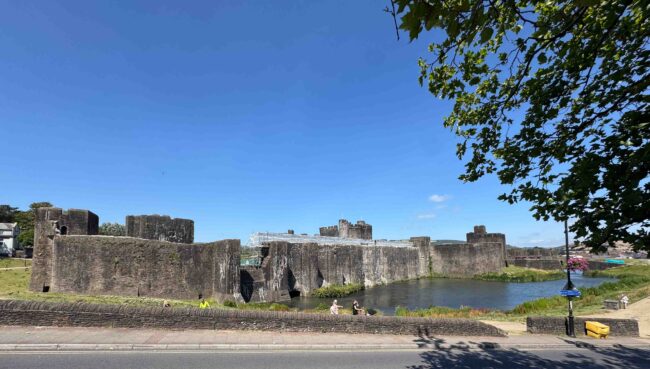
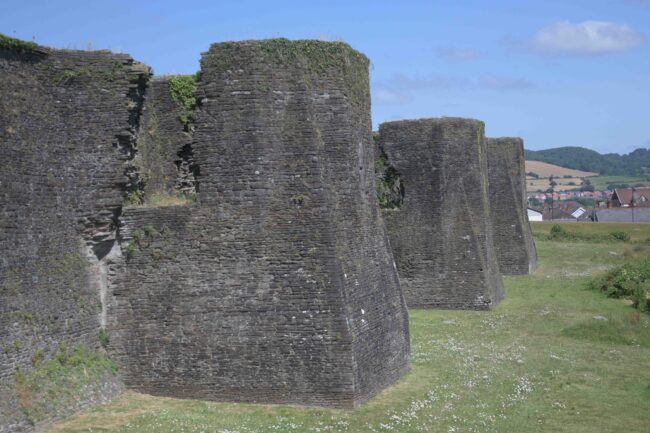
Caerphilly Castle is a medieval fortification constructed by Gilbert de Clare in the 13th century as part of the Anglo-Norman expansion into South Wales. Surrounded by extensive artificial lakes – considered by historian Allen Brown to be “the most elaborate water defenses in all Britain”, it is the largest castle in Wales and the second-largest castle in the United Kingdom.
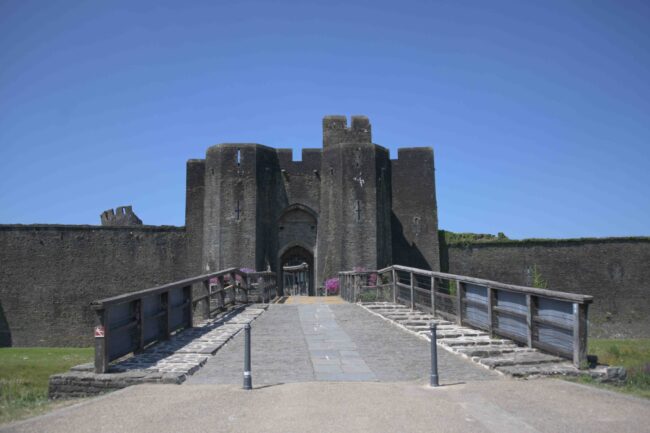
It is famous for having introduced concentric castle defenses to Britain and for its large gatehouses. Gilbert began work on the castle in 1268 following his occupation of the north of Glamorgan, with the majority of the construction occurring over the next three years.
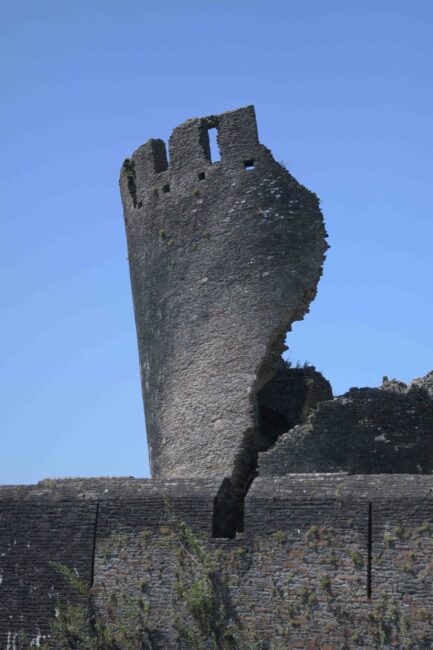
As someone who loves ruins, this place was magnificent.
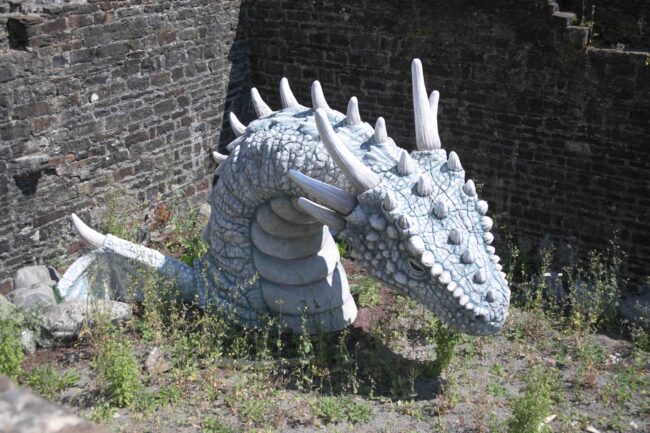
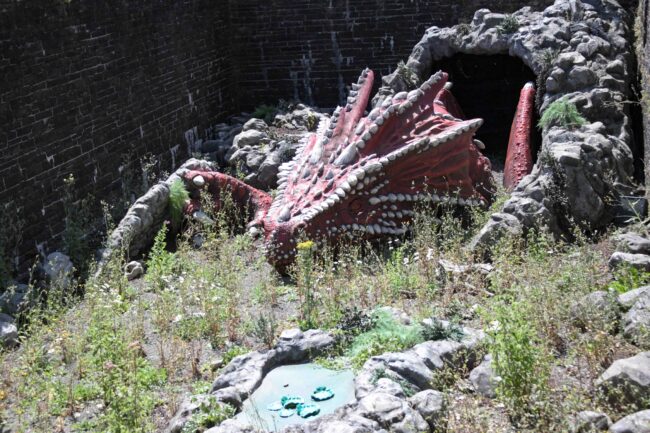
Here be dragons:
 *
*
*
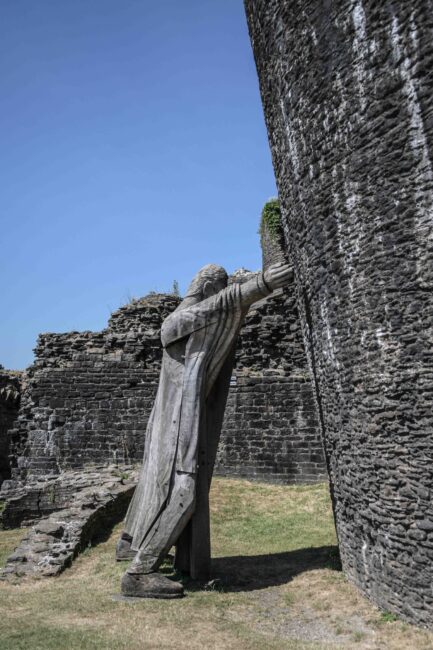
The 20-foot-tall sculpture was carved by John Merrill,
The British television show Doctor Who chose Caerphilly Castle as a filming location for several episodes, including “The End of Time” in 2009, “The Vampires in Venice” in 2010, the two-parter “The Rebel Flesh” and “The Almost People” in 2011, “Robot of Sherwood” in 2014, and “Heaven Sent” in 2015.