August 28, 2025
The 19th is Buttes-Chaumont. It takes its name from the steep heights that later became the park inaugurated under Napoleon III.
In December of 2021, I explored the Buttes-Chaumont and more and wrote about the 19th Arrondissement. I went back today to spend a little more time.
Parc De La Villette
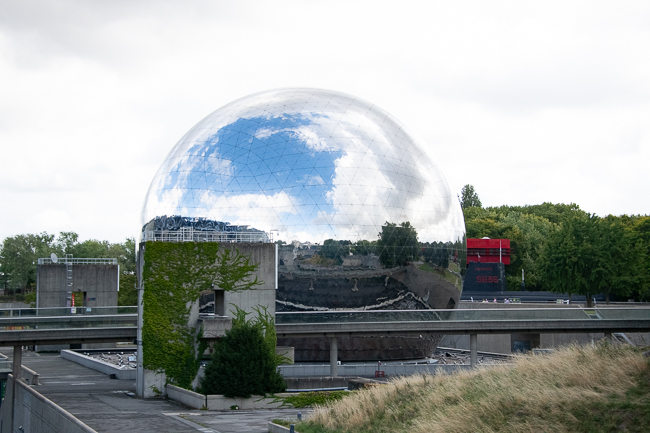
La Géode was designed by architect Adrien Fainsilber, supported by engineer Gérard Chamayou as an Omnimax theater. The geodesic dome is composed of 6,433 polished stainless steel triangles that form the sphere and reflect the sky.
The dome stands on a reinforced concrete base, which is attached to, the largest science museum in Europe.
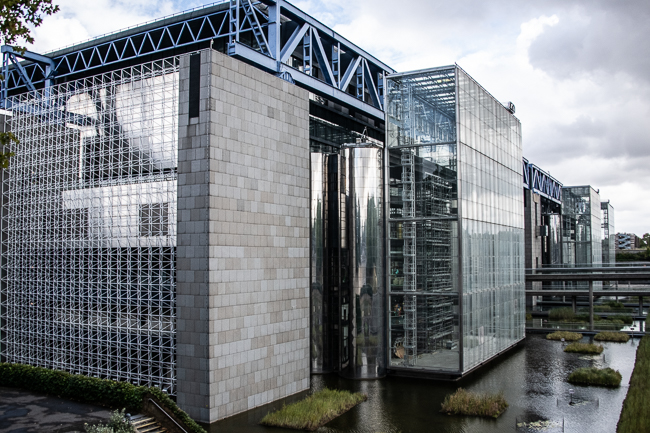
The Cité des Sciences et de l’Industrie is constructed around the vast steel trusses of an abattoir sales hall whose construction was halted in 1973. The transformation was designed by the architect Adrien Fainsilber. It was opened on March 13, 1986, and inaugurated by François Mitterrand on the day of the encounter of the Giotto space probe with Halley’s Comet.
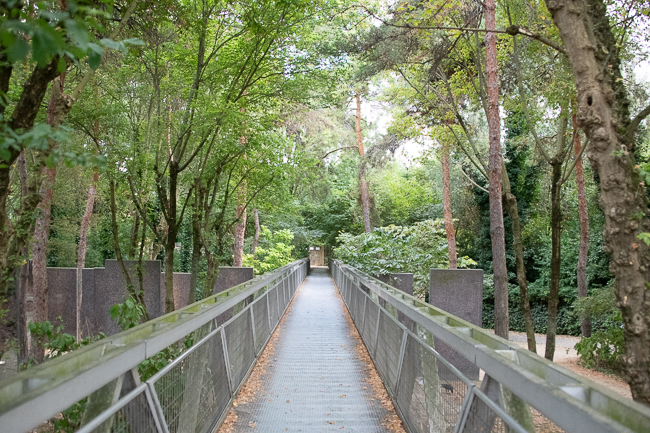
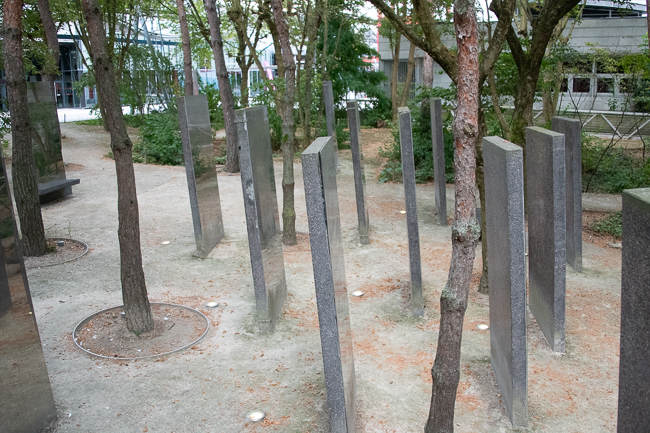
The Parc de Vallette is the third-largest park in Paris. The park was designed by Bernard Tschumi, on the site of the huge Parisian abattoirs (slaughterhouses) and the national wholesale meat market, as part of an urban redevelopment project.
*
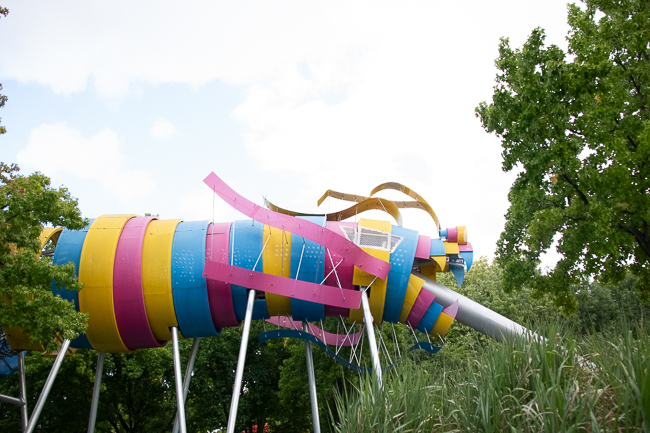
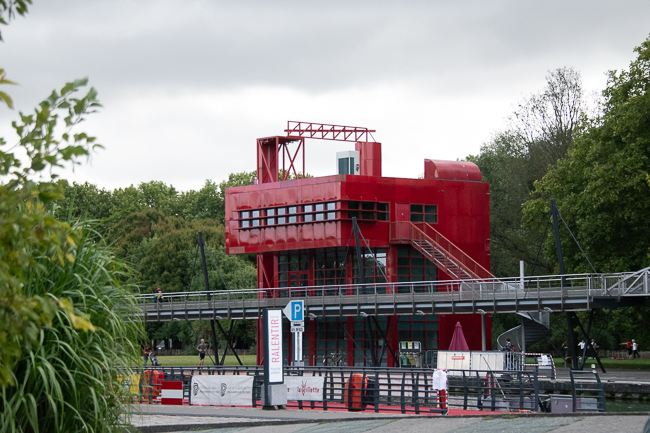
Probably the most iconic pieces of the park, the follies act as architectural representations of deconstruction. In architecture, a folly is a building constructed primarily for decoration, but suggesting by its appearance some other purpose
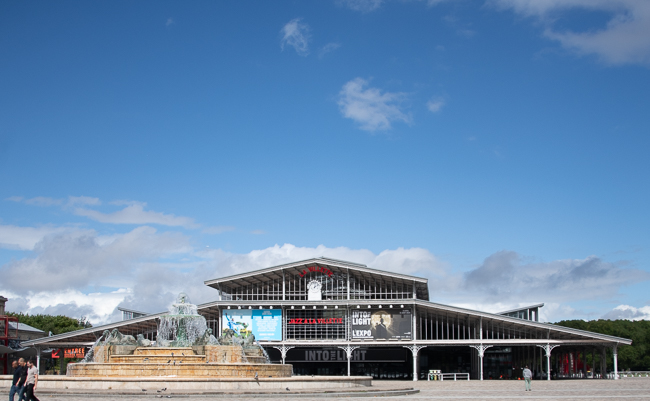
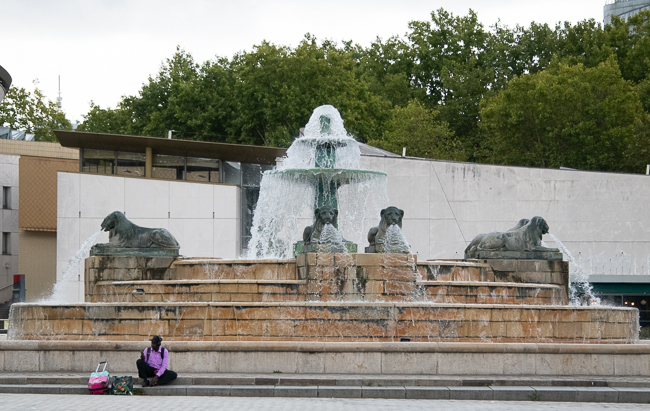
The Fontaine aux Lions de Nubie was designed by engineer Pierre-Simon Girard, renowned for his work on the Canal de l’Ourcq. This huge fountain was erected in 1811. The basin is constructed of stone from Château Landon, and the lions are cast iron.
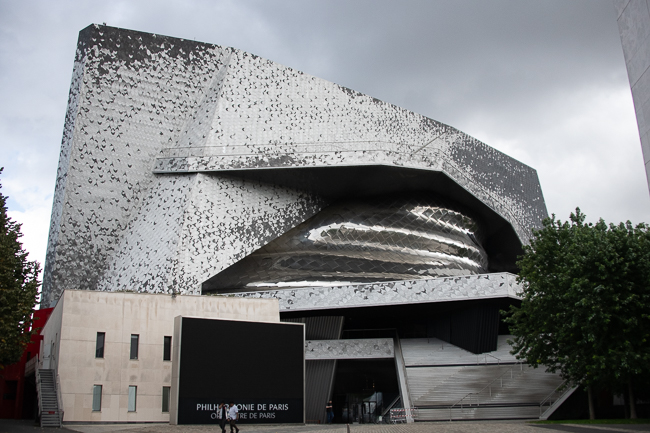
The stunning Philharmonie de Paris was designed by architect Jean Nouvel and commissioned by the French Government.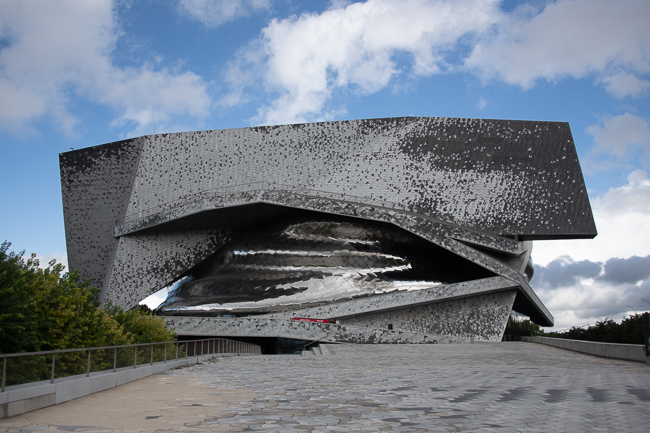
*
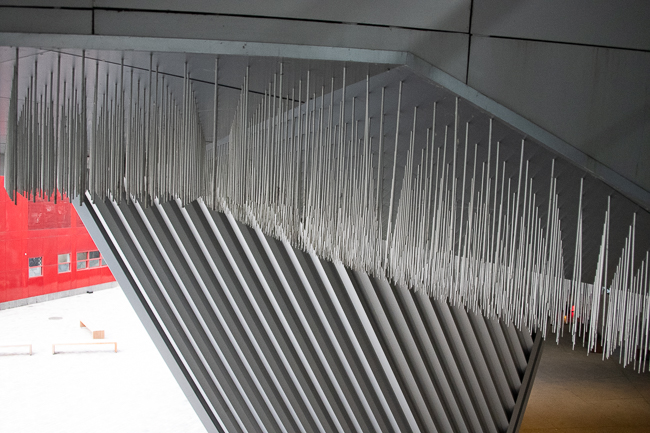
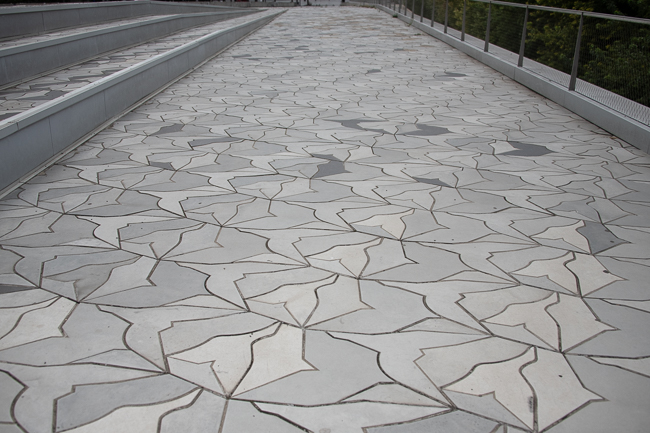
The Mouzaia Neighborhood
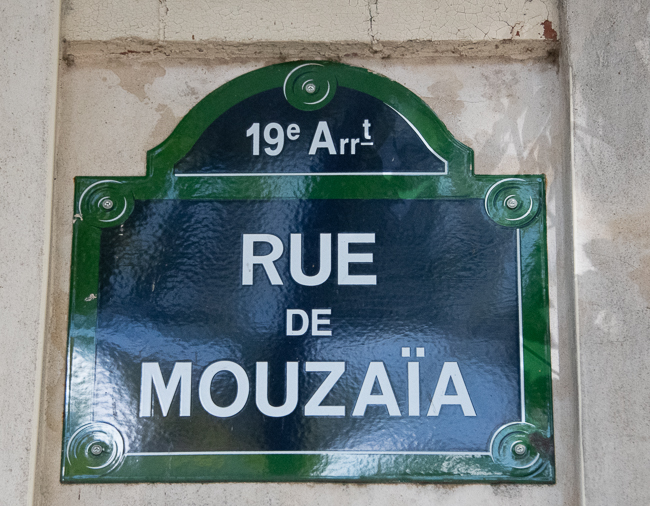
A brisk walk uphill from La Vallette is the Rue de Mouzaïa, named after the Algerian mountain pass of Mouzaïa, where the French army fought in 1839 during the French conquest of Algeria.
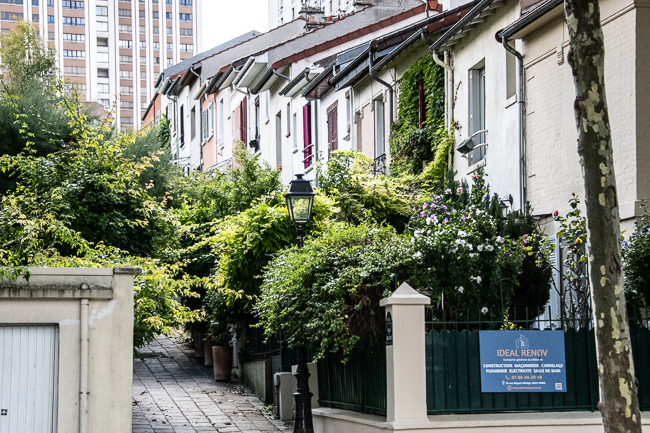
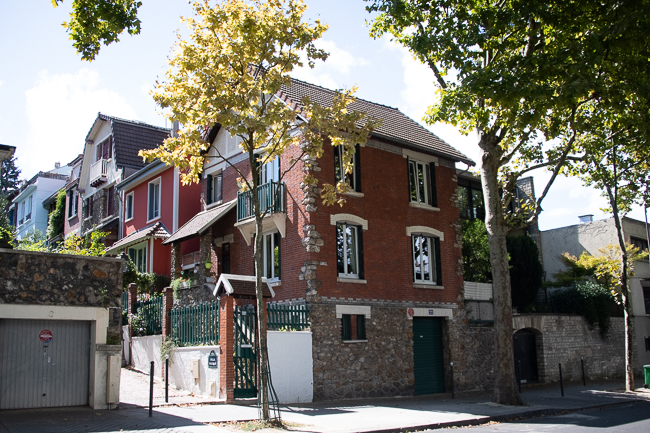
Today, Mouzaia is a town of 52,000 inhabitants.
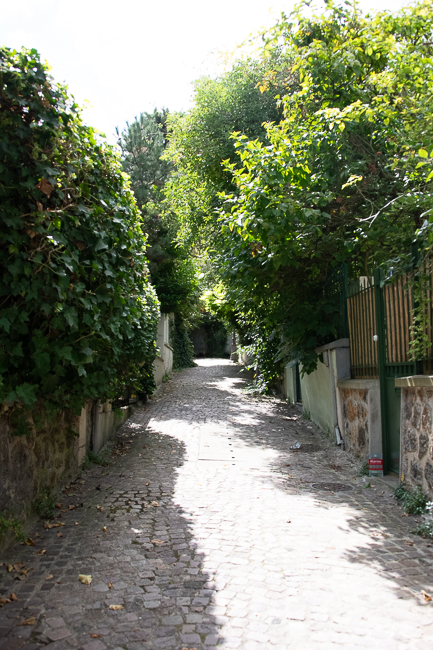
This was the former site of gypsum quarries, which extracted stones that were used to build houses in central Paris. In fact, the quarries encompassed a much larger area called Quartier d’Amérique (America District). An urban legend said that the extracted plaster was shipped to America to build the White House… hence the name.
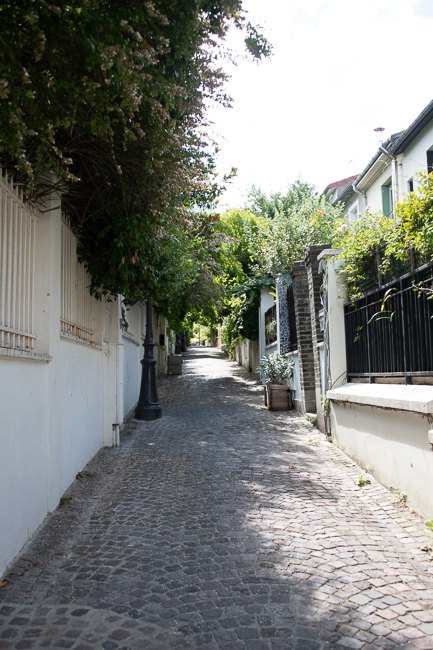
In the 1890s, affordable housing in the working-class district was built to house workers and their families. In the 1960s and 1970s, most of the Quartier d’Amérique, which consisted of terraced houses, factories, and guinguettes (a type of popular tavern in the suburbs of Paris ), gave way to high-rises.
Canal de l’Ourcq
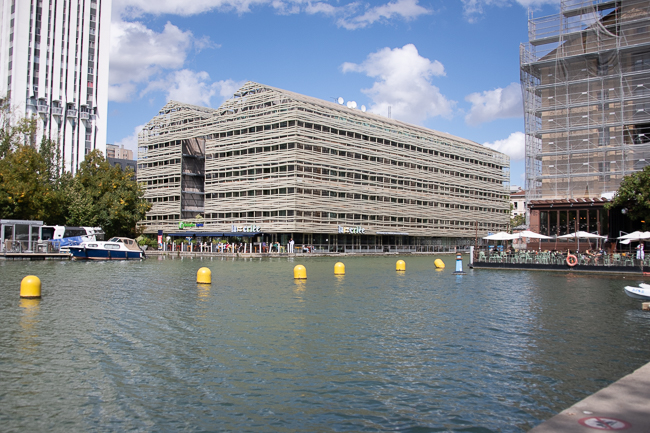
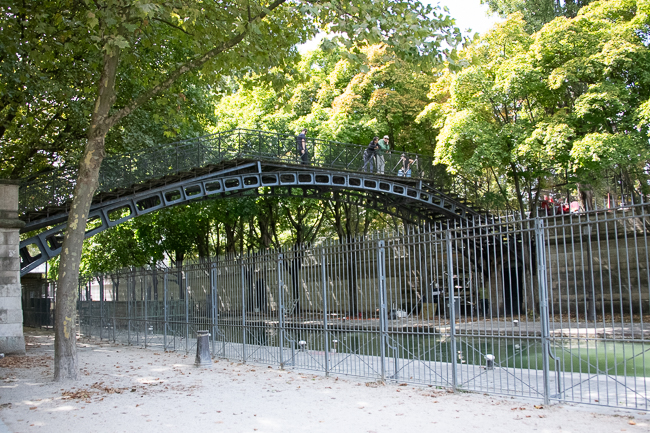
The Canal de l’Ourcq is the longest of the Parisian canals, running for 81 miles. It turned 200 years old in 2022, and its initial purpose was to supply the capital with drinking water.
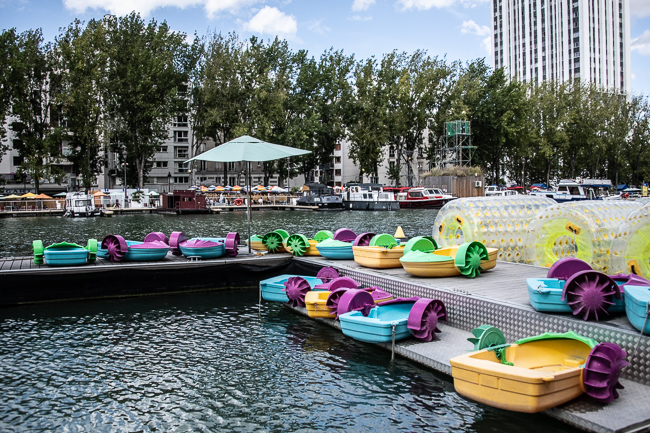
On May 19, 1802, Napoleon Bonaparte ordered the creation of the canal. Specifically, he decreed that the Seine be diverted from below the Bassin de l’Arsenal to the Bassin de la Villette. The canals would have the dual purposes of providing shipping channels that avoided the Seine and bringing water to Paris.
*
The Tram Ligne T3b
I got to the 19th on the T3b. The T3b is also known as the Tramway des Maréchaux because it follows the Boulevards of the Marshals, a series of boulevards that encircle Paris along the route of the former Thiers Wall (built from 1841 to 1844). The boulevards are, with three exceptions, named for Napoleon’s First Empire marshals.
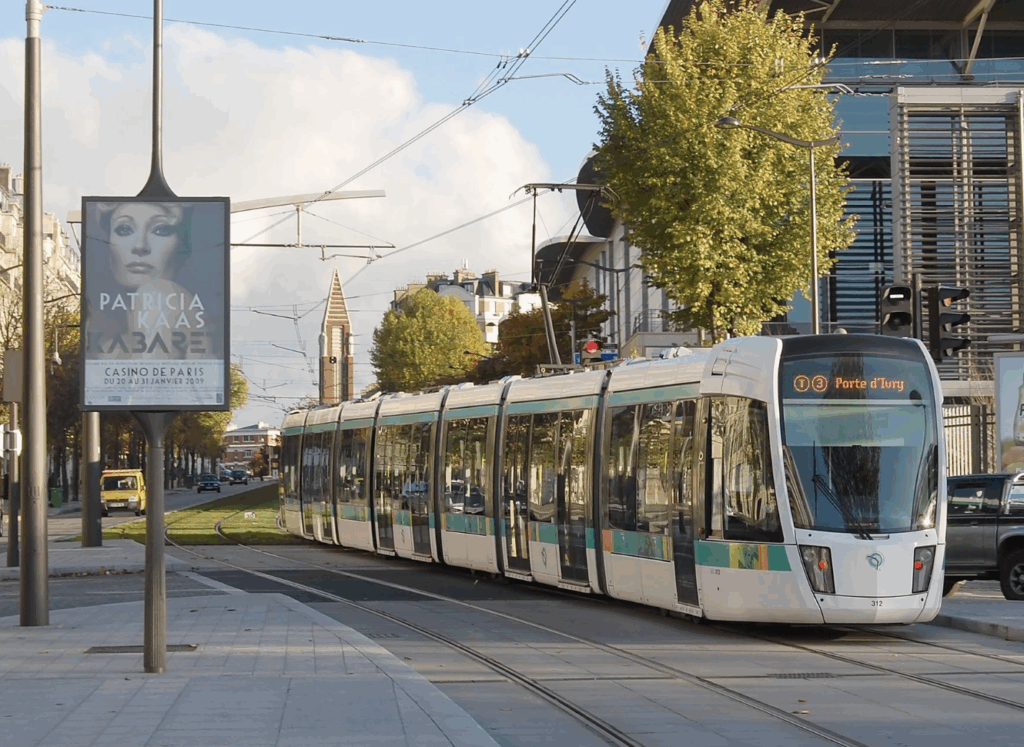
I am very lucky to have the T3b run very close to where I am staying. Something that only happened in April of 2024.
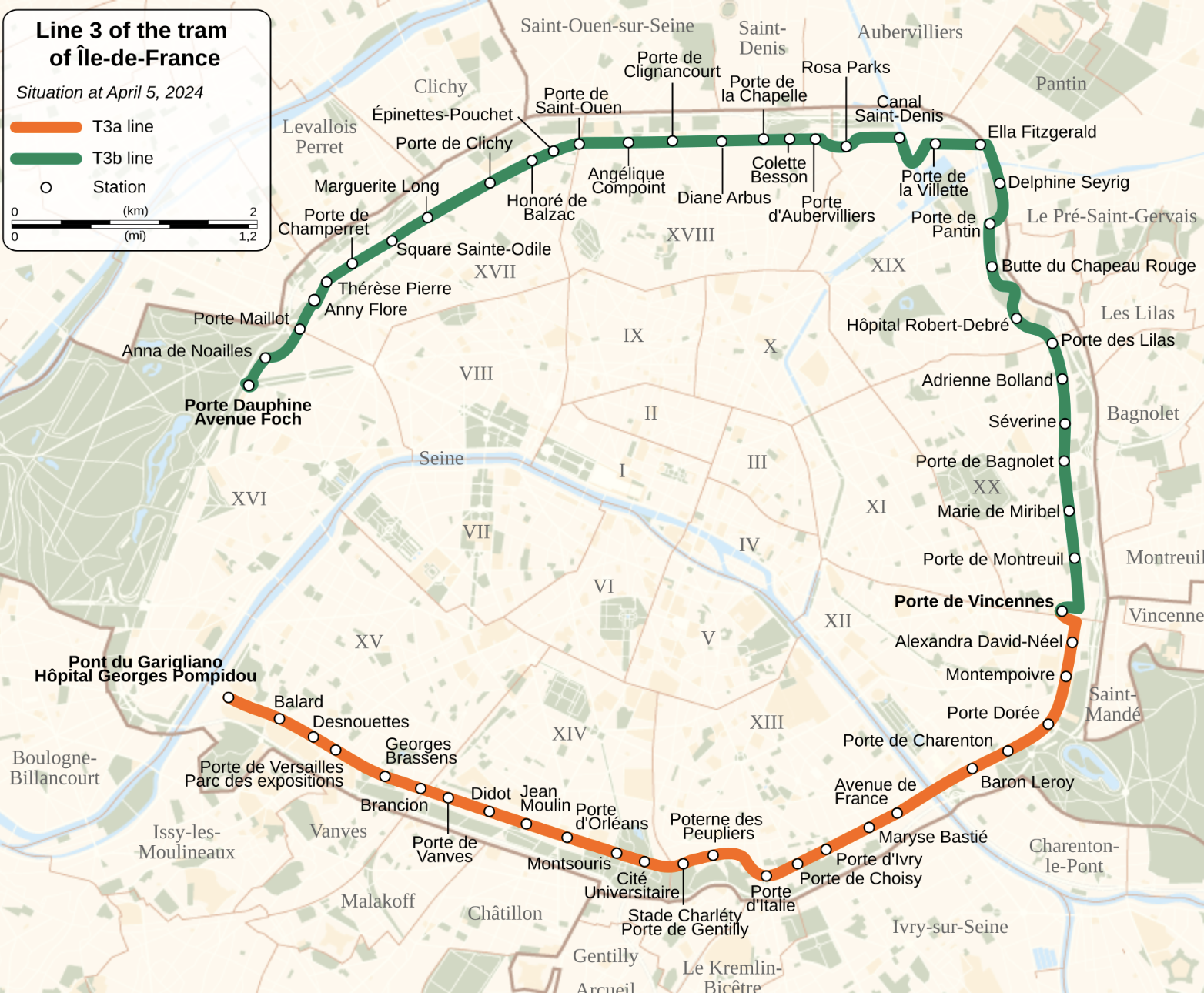
The City of Paris won a hard-fought battle to have some of the stops named after women. Americans, Ella Fitzgerald, Diane Arbus, and Rosa Parks are included. Also, Anna de Noailles (poetess and novelist) Anny Flore (singer and actress), Thérèse Pierre (World War II resistance fighter), Marquerite Long (pianist), Marie de Miribel (nurse and founder of the Croix Saint-Simon), Adrienne Bolland (French test pilot), Delphine Seyrig (actress and film director), and Colette Besson (winner of the 400 m at the 1968 Summer Olympics).
The 19th takes some time to get to from the center of Paris, but it holds a lot of unique things to explore.