May 5, 2026
Tashkent – Day 1
I have tried to get to Uzbekistan for seven years. For various reasons, everything fell through until this year. The trip is interesting. We are beginning in Tashkent, the capitol and working our way to Samarkand. So, if you will, we are starting with somewhat modern history and working our way back in time.
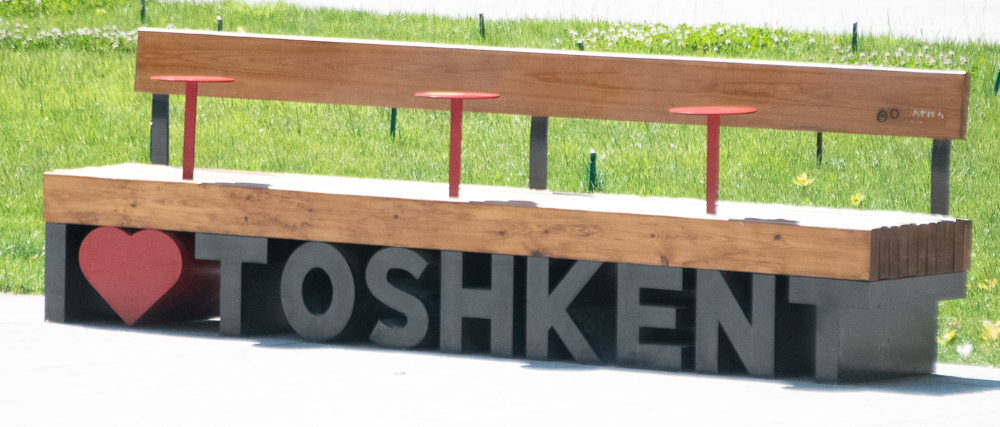
Tashkent is a very historically old city, but an earthquake on April 26, 1966, destroyed most of the buildings in the city, killing between 15 and 200 people and leaving between 200,000 and 300,000 homeless. Following the disaster, most of the historic parts of Tashkent were destroyed, and the city was rebuilt in Soviet architectural styles.
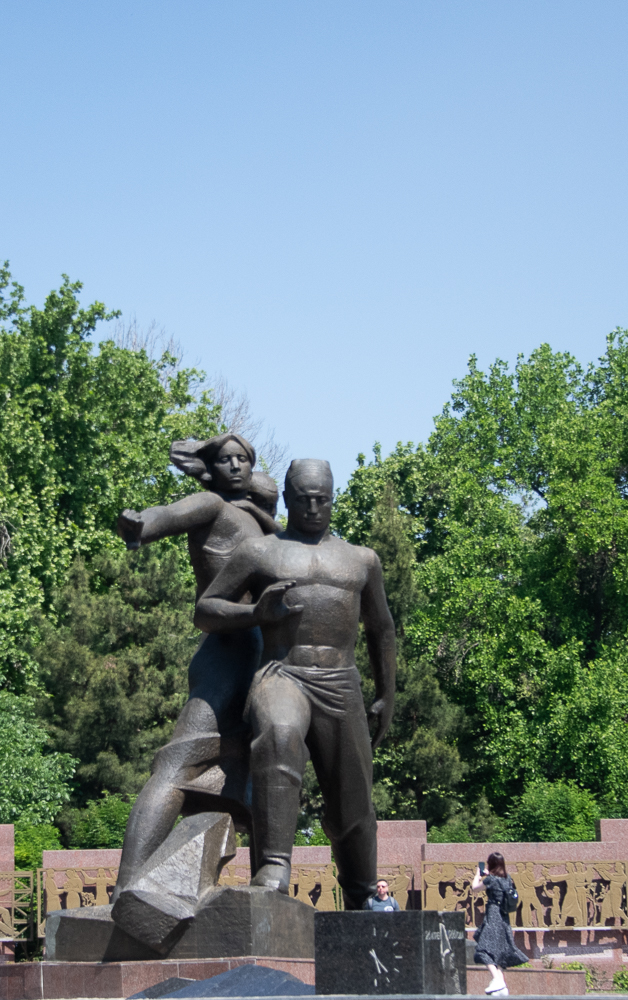
The monument is dedicated to the men and women who rebuilt the city following the earthquake. It was erected in 1976 to mark the tenth anniversary of the disaster.
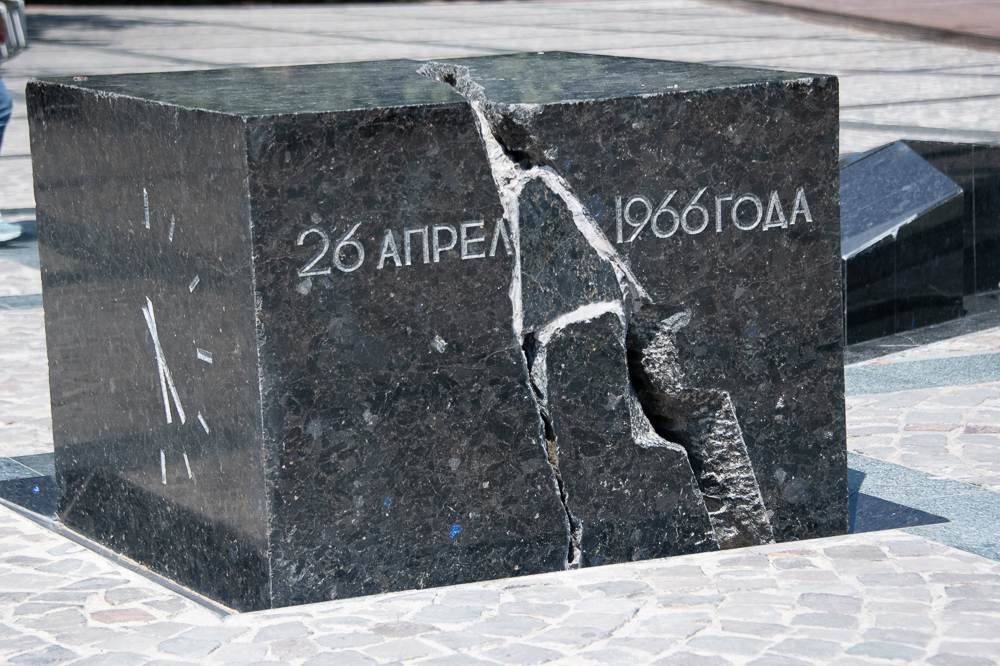
The stone at the corner of the square marks the date and time of the earthquake. The woman holding a child is pushing against the granite block as though she is protecting her child from harm. The male figure depicted in an expressive jerk symbolizes courage.
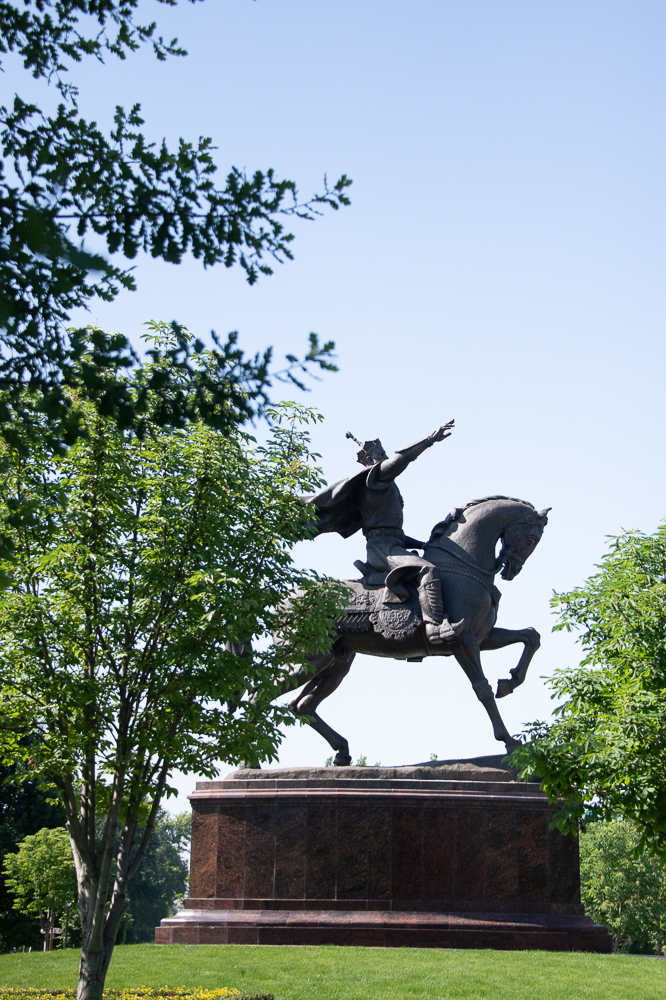
Timur or Tamerlane is considered the hero of Uzbekistan. It is a recent honor and an interesting choice. Timur was born in what is now Uzbekistan in the 1320s. Timur was a ruthless man. His military campaigns were marked by brutality and bloodshed. He was known for his cruelty towards those who opposed him, and he often ordered the execution of entire cities. However, he was also a master of diplomacy, and he was able to maintain alliances with several powerful rulers throughout the Islamic world. His conquests had a profound impact on the history of Central Asia and especially in Uzbekistan, where his love for arts and architecture gave Uzbekistan what is considered some of the most gorgeous architecture in the world.
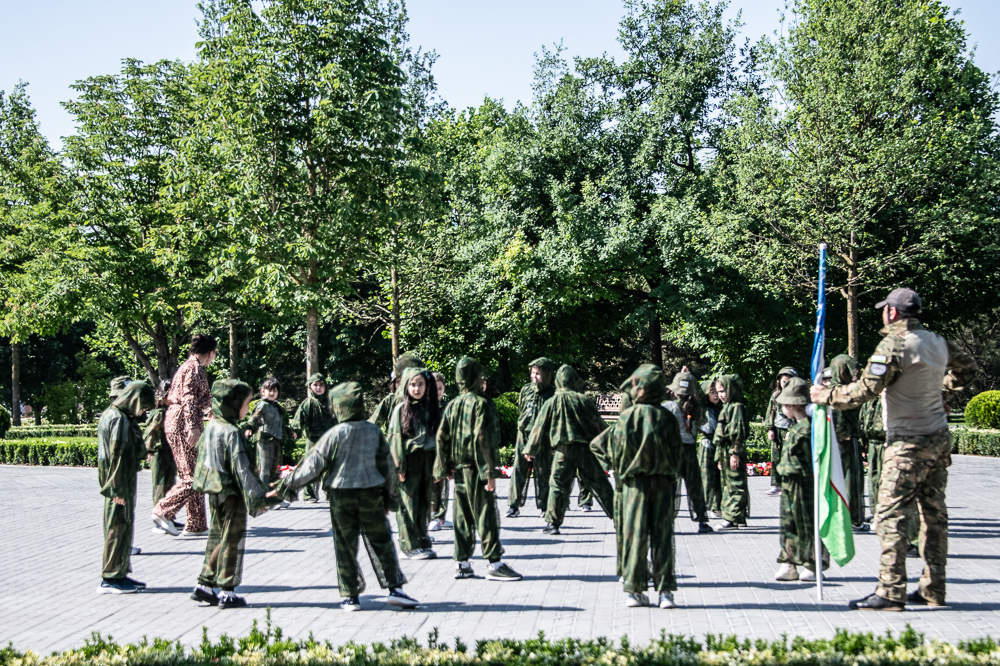
On the very sunny morning that we visited the statue, there were Soviet military school children practicing for a dance event.
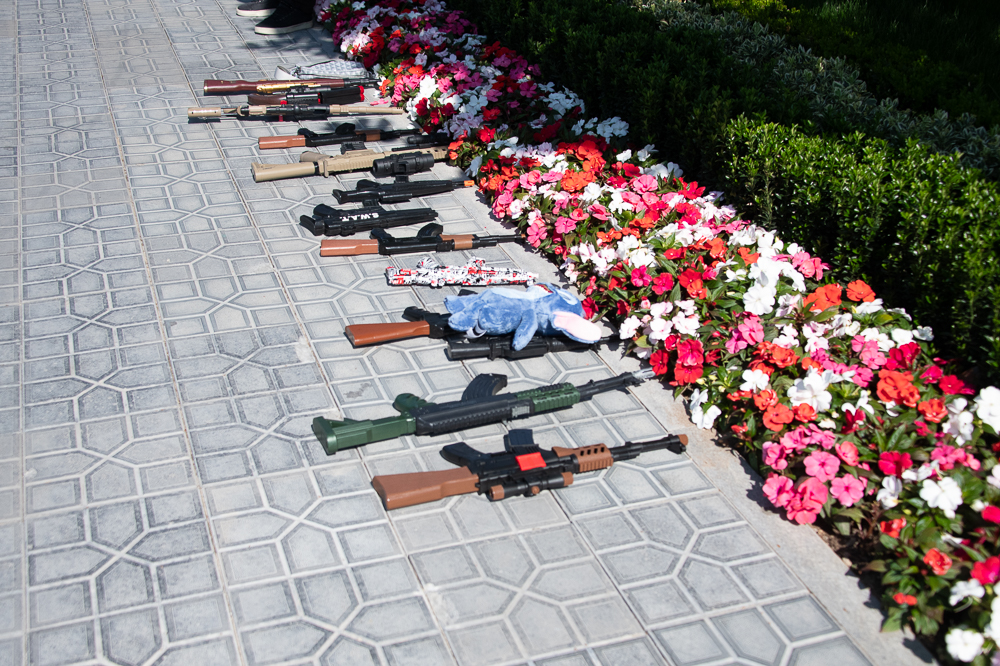
While they were adorable, the array of toy guns that sat on the sidewalk nearby was disconcerting to say the least. However, I did find it hysterical that there was a blue stuffed Labubu atop of one.
The Navoi Theater
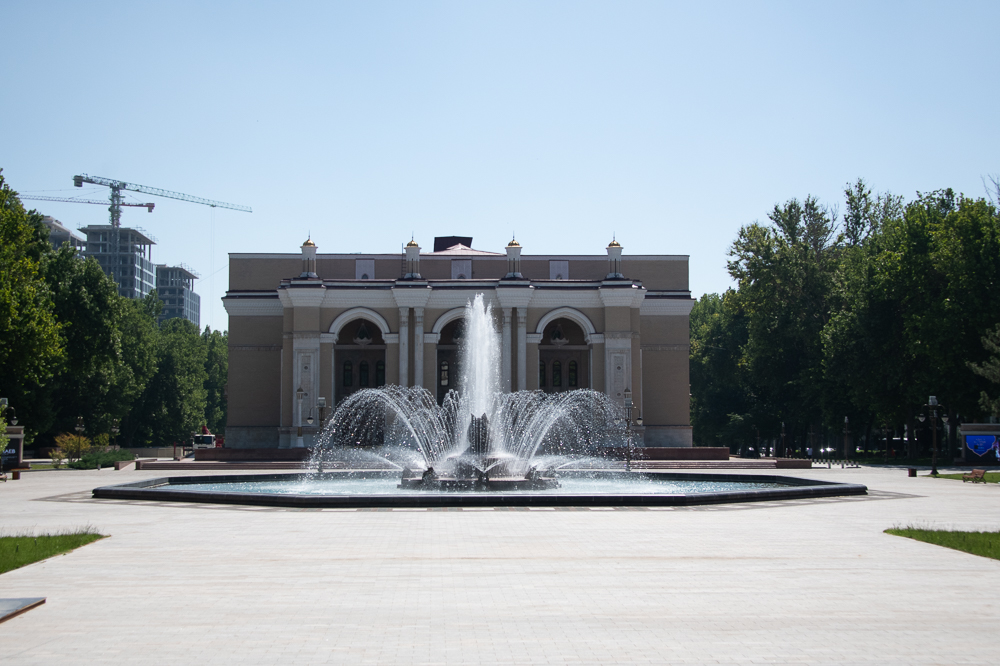
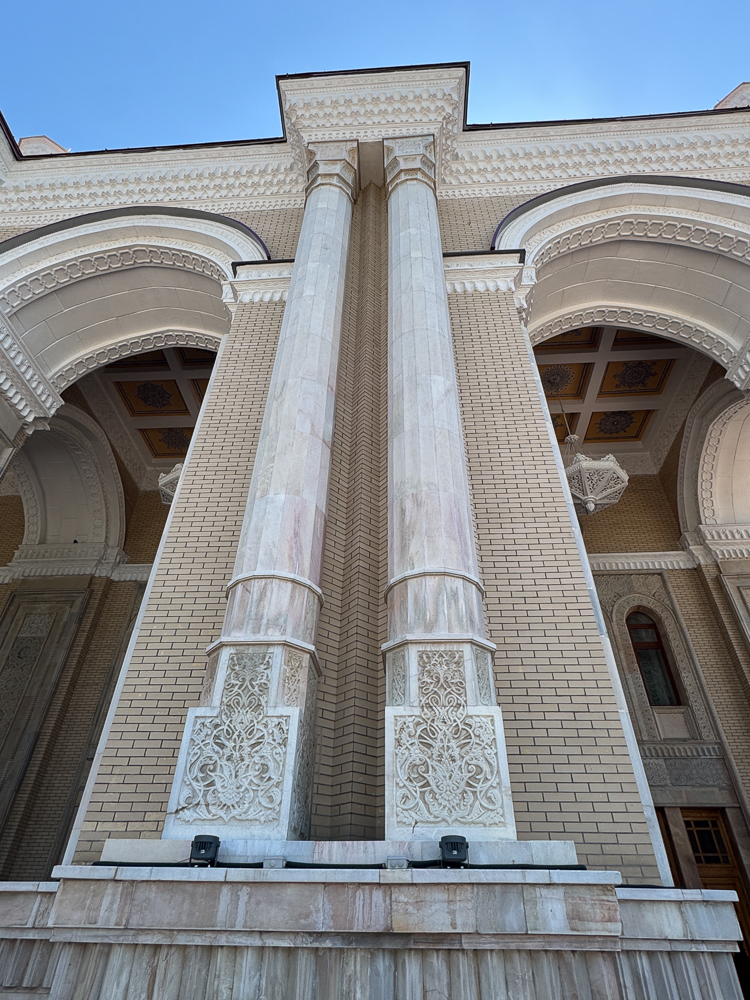
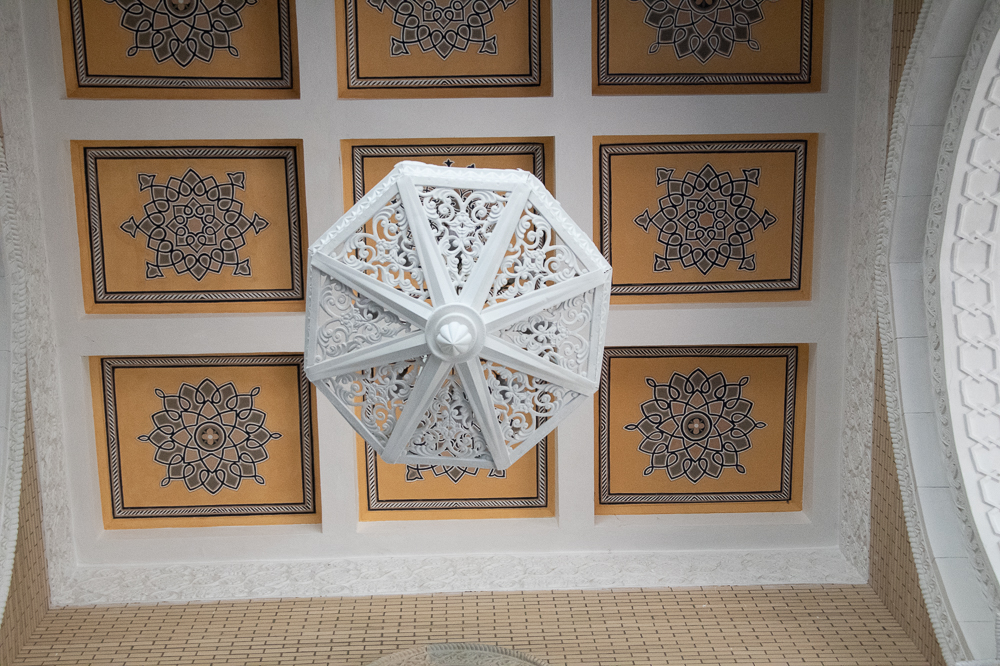
This is the National Opera Theater. Designed by Soviet architect Alexey Shchusev, the theater was built in 1942-1947. It opened to the public in November, 1947, to celebrate the 500th anniversary of Navoi’s birth, considered the greatest representative of Chagatai literature.
 *
*
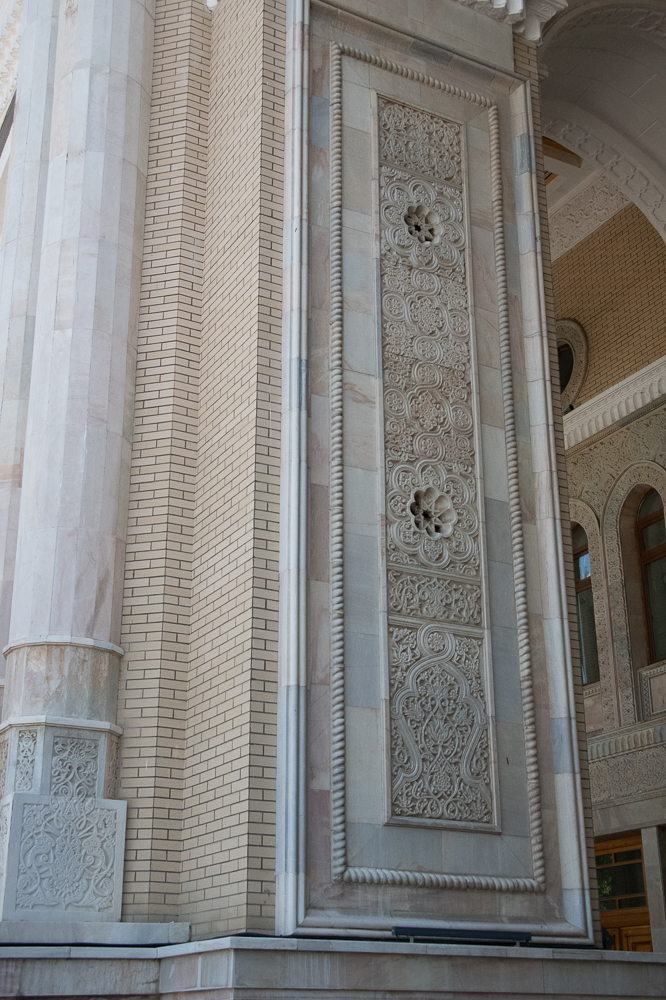
During 1945–47, Japanese prisoners of war captured by the Soviet Union helped in the construction of the building under forced labor.
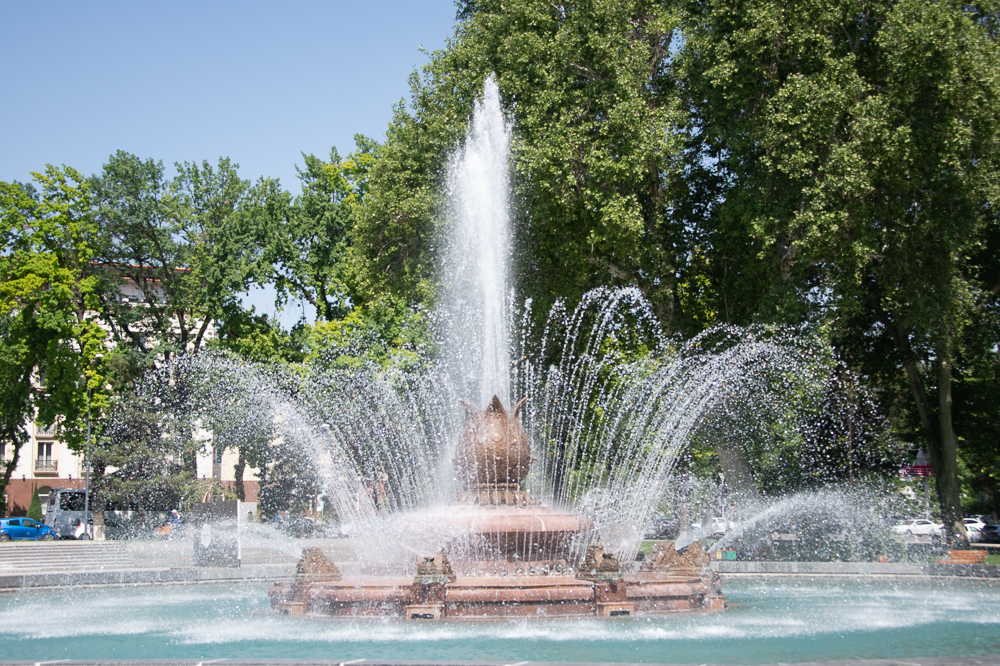
The fountain in front is that of a cotton boll. Cotton is found in much of the Tashkent culture, significantly due to the Cotton Scandal. The scandal was a widespread corruption scandal in the then Uzbek Soviet Socialist Republic, beginning during the later years of the rule of Leonid Brezhnev and continuing until 1989.
Hotel Uzbekistan
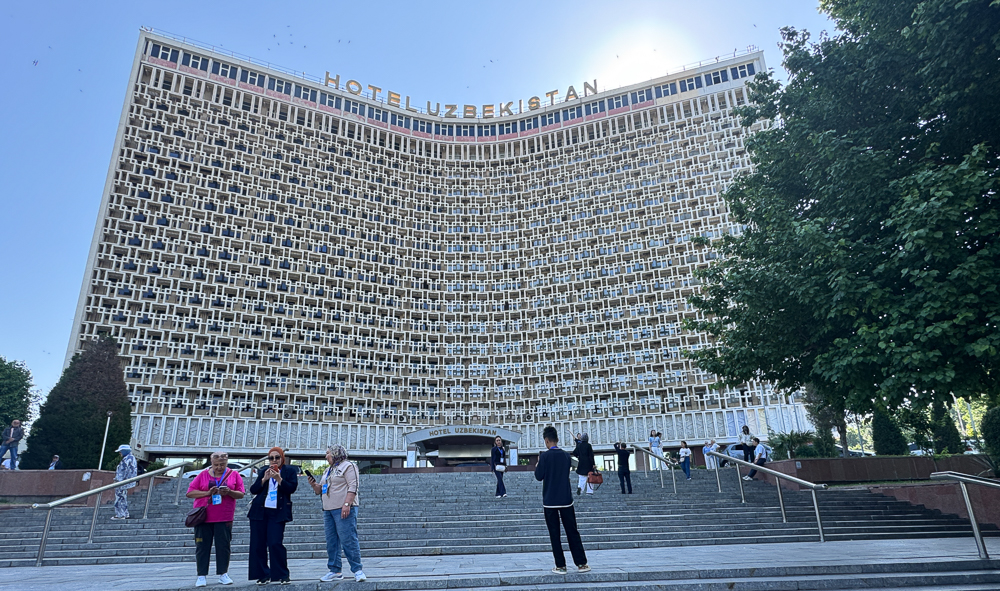
The Hotel Uzbekistan was constructed in the late 1960s, during the period of Uzbekistan when it was part of the Soviet Union. It was designed by a team of Soviet architects led by Ilya Merport.
As one of the largest and most luxurious hotels in Central Asia at the time of its opening in 1974, it stood as a symbol of the era’s progress. Its architectural style, characterized by sleek lines, reflects the prevailing aesthetic of the USSR and Eastern Bloc at the time. We were told the walls are paper-thin, and in every fourth room, you could find a KGB agent.
The Romanov Palace
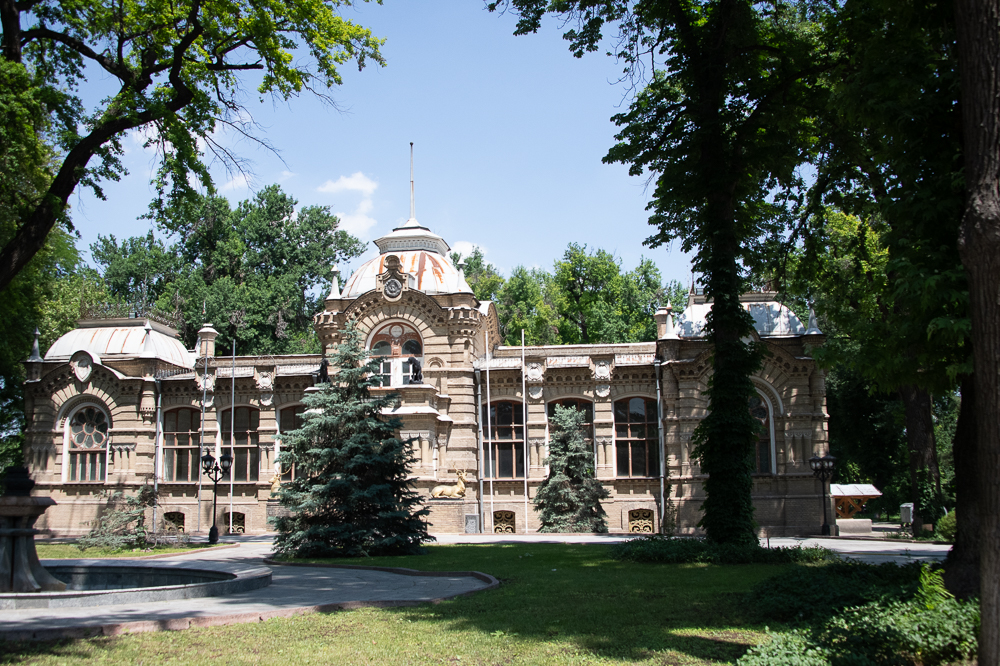
The Romanov Palace was built in 1891 and designed by the architects V.S. Geintselman and A.L. Benois for Grand Duke Nikolai Konstantinovich.
In 1873, Nikolai had an affair with an American woman, Henrietta “Harriet” Ely Blackford. In a scandal related to this affair, he stole three valuable diamonds from one of the family’s most prized icons. The police tracked him down, and when confronted by the officials and the family, he obstinately denied the facts and showed no repentance.
He was exiled to the newly conquered city of Tashkent, where he lived until his death.
The left wing of the palace housed the apartments of the Grand Duke, and the right wing housed the apartments of his wife. Currently, the building is used as a reception house for the Ministry of Foreign Affairs of Uzbekistan. It sits behind an iron fence and is not open to the public.
The Palace of International Forums
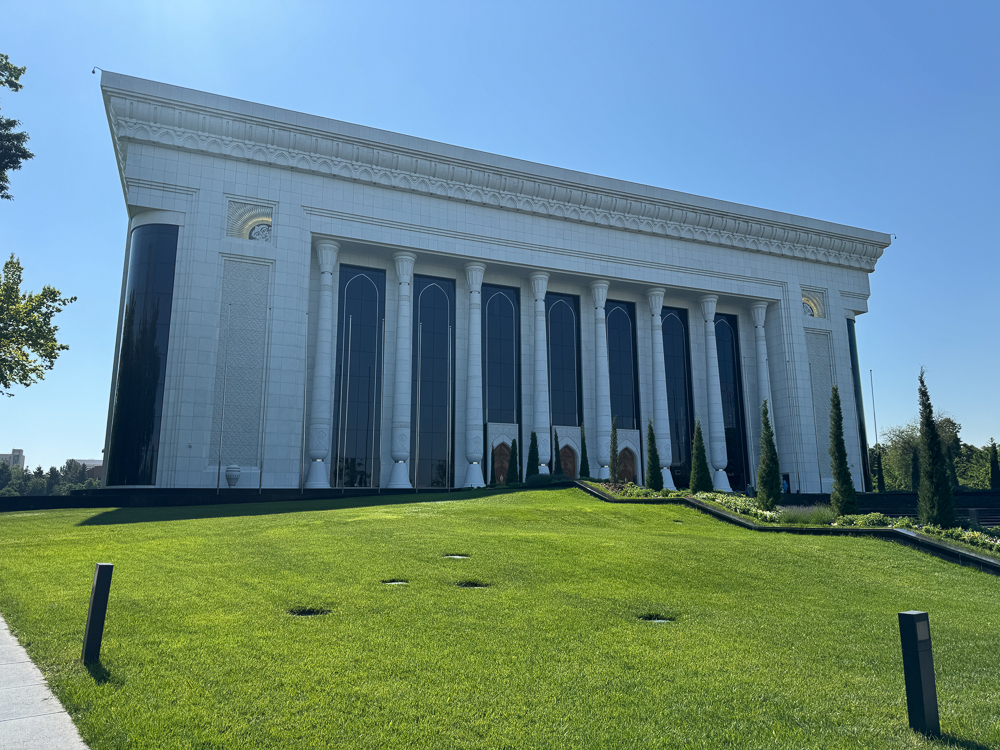
The Palace of International Forums ‘Uzbekistan’ stands on Amir Timur Square in the very center of Tashkent. It is considered the country’s most significant representative building. It was designed as a platform for hosting state acts, congresses, conferences, and other cultural highlights. It opened in September 2009 to celebrate Tashkent’s 2200th anniversary.
More than 5000 architects, project managers, and skilled workers worked on the building.
Center for Applied Arts of Uzbekistan
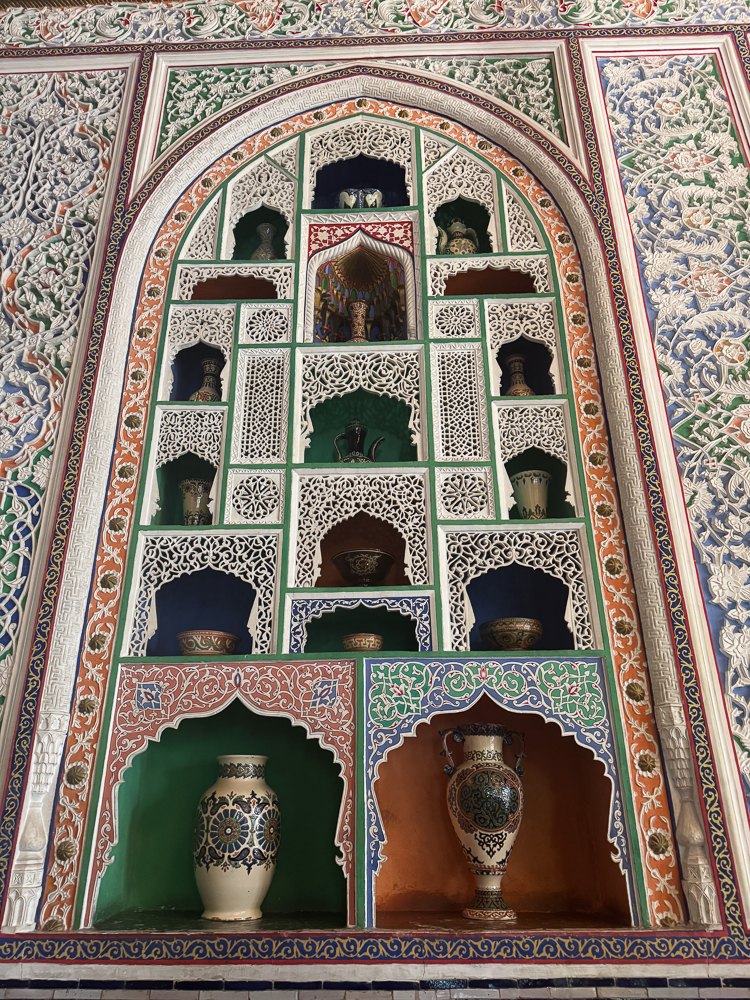
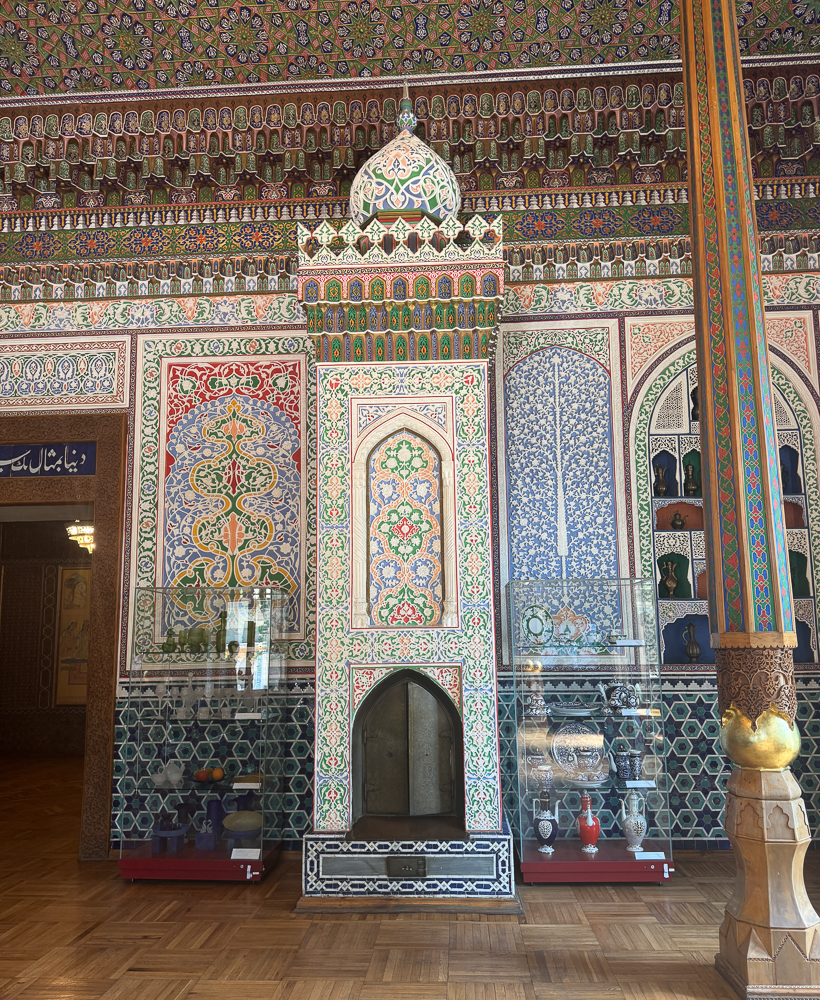
The museum is located in the former palace of the Russian diplomat, Alexander Alexandrovich Polovstov, Jr. (1867-1944), who fled Russia in 1918. During the First World War, the house was used to hold captured Austrian officers. From the Russian Revolution until the mid-30s, the building housed an orphanage, so it is difficult to show it today as the stunning place it was most likely once was. I took photos of the things that caught my eye.
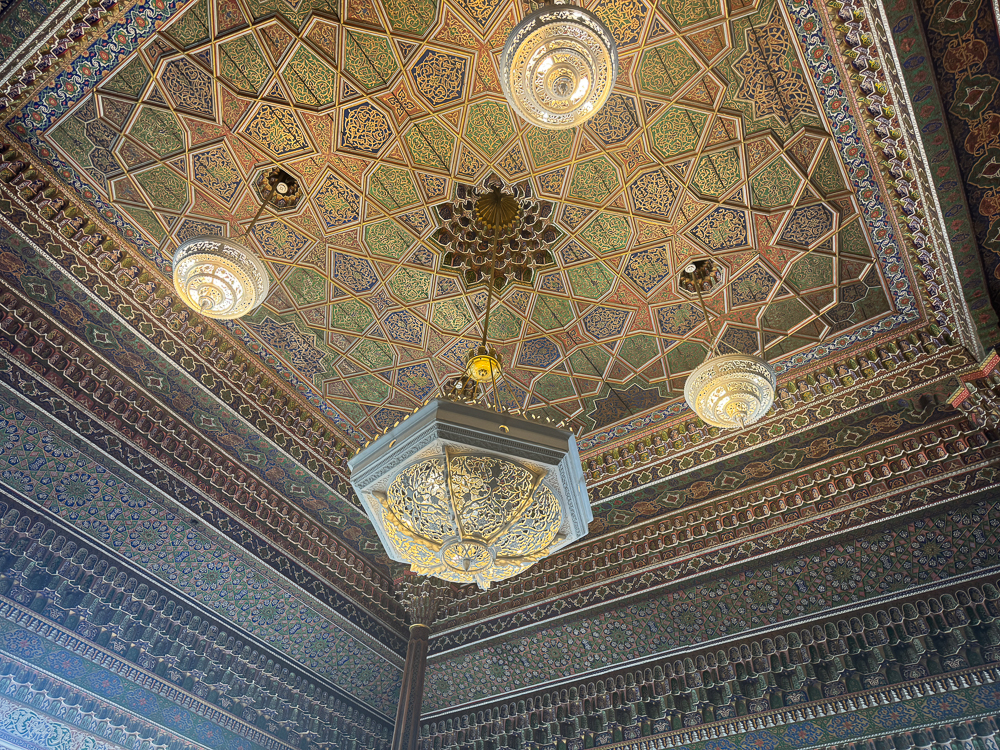
Soviet Housing
After the earthquake, workers from all over the Soviet Union were sent to quickly establish housing for the homeless. It is typical soviet construction and architecture, and a blight on the landscape without a doubt. These concrete apartment blocks are called mahallas or “commie condos”.
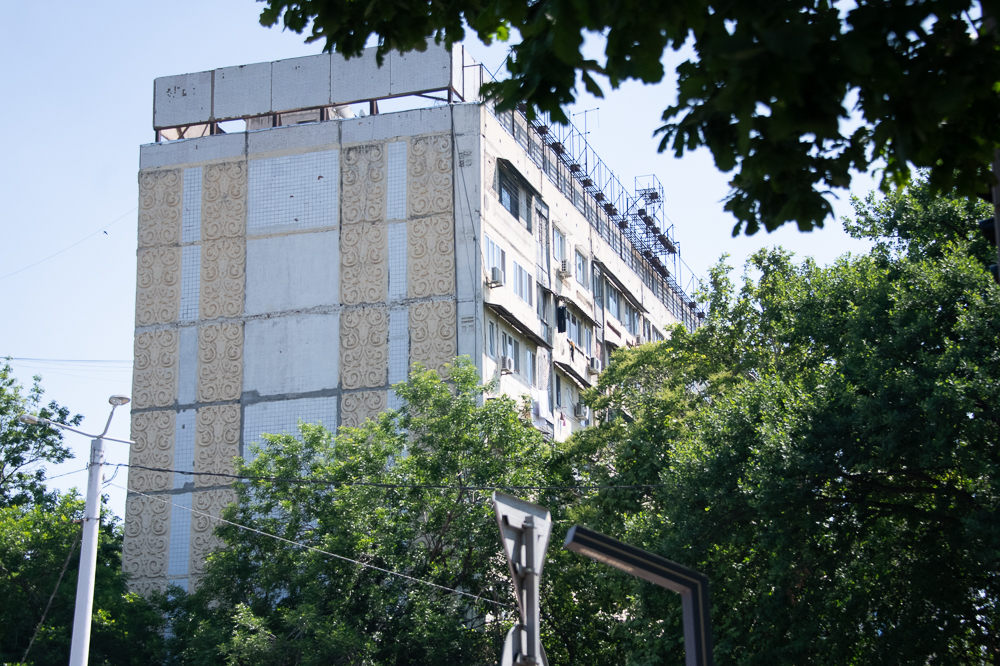
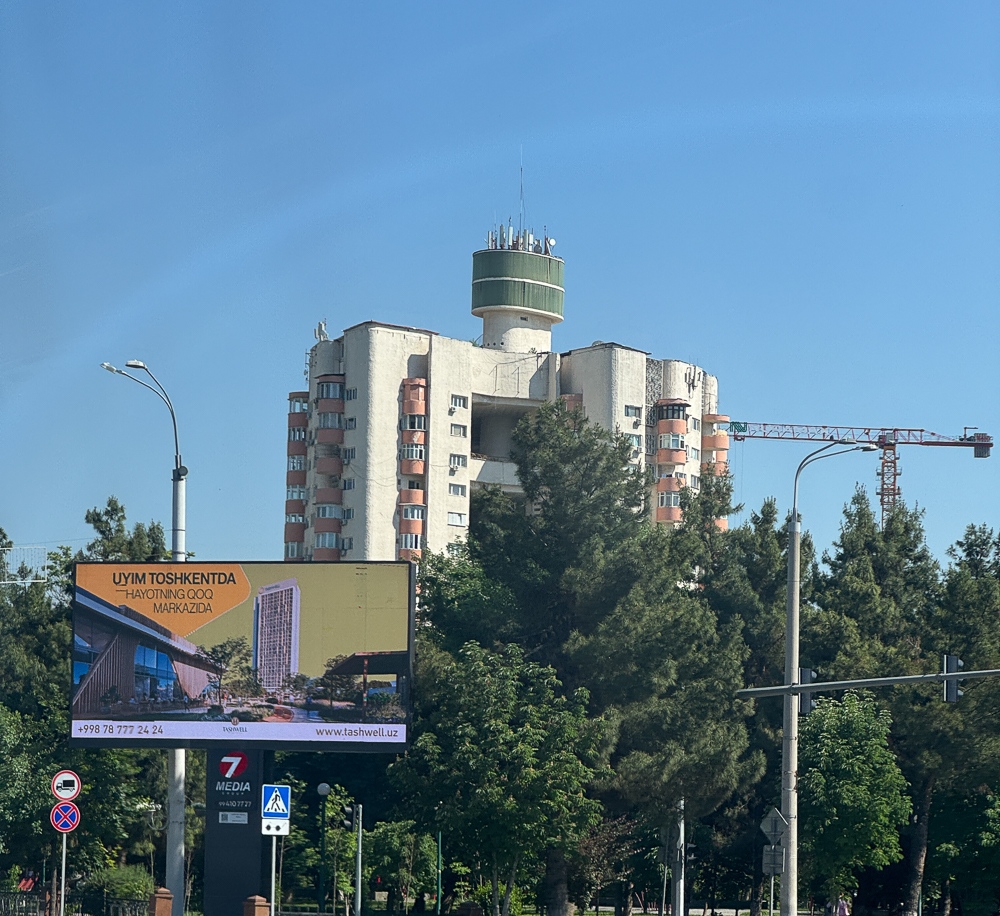
Random Buildings that caught my eye as we passed by
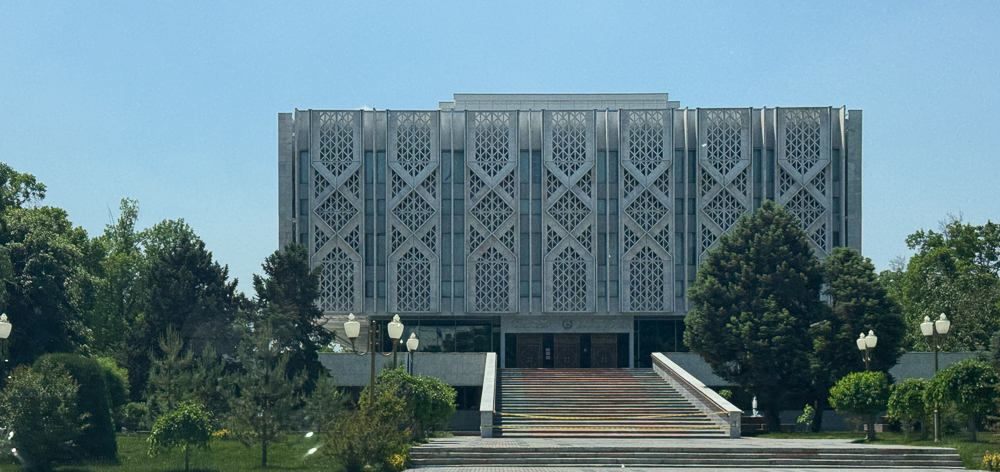
Originally, the Lenin Museum was built to mark the centennial of Vladimir Lenin’s birth. This building was one of the earliest museums dedicated to the former Soviet leader.
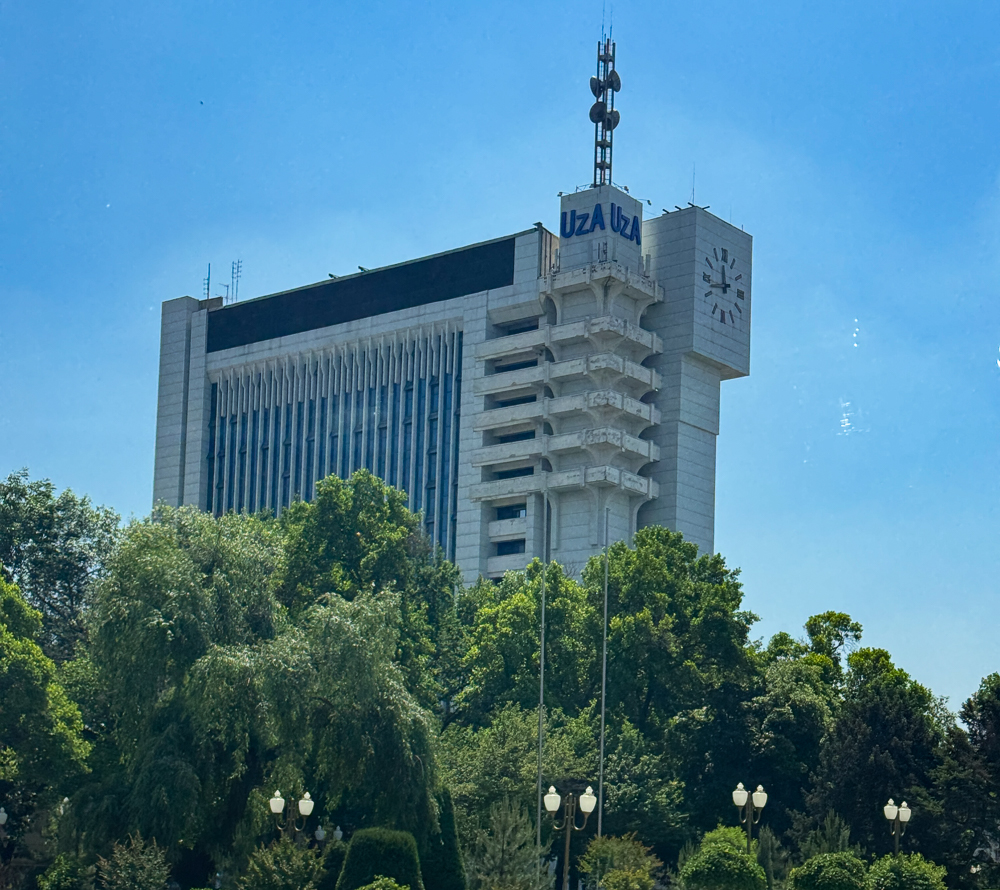
Sights Around Town
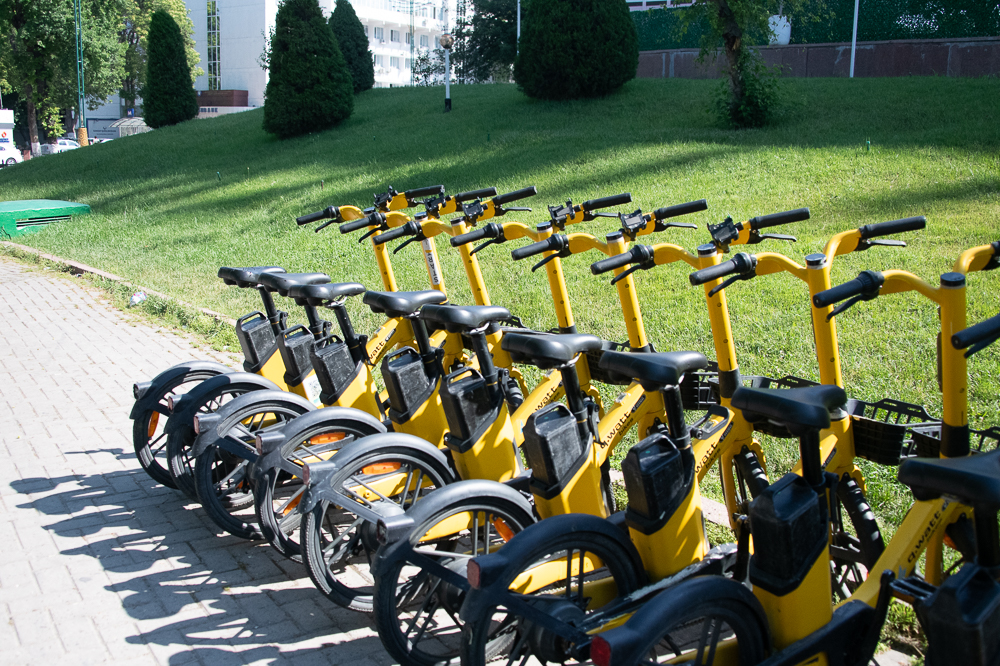
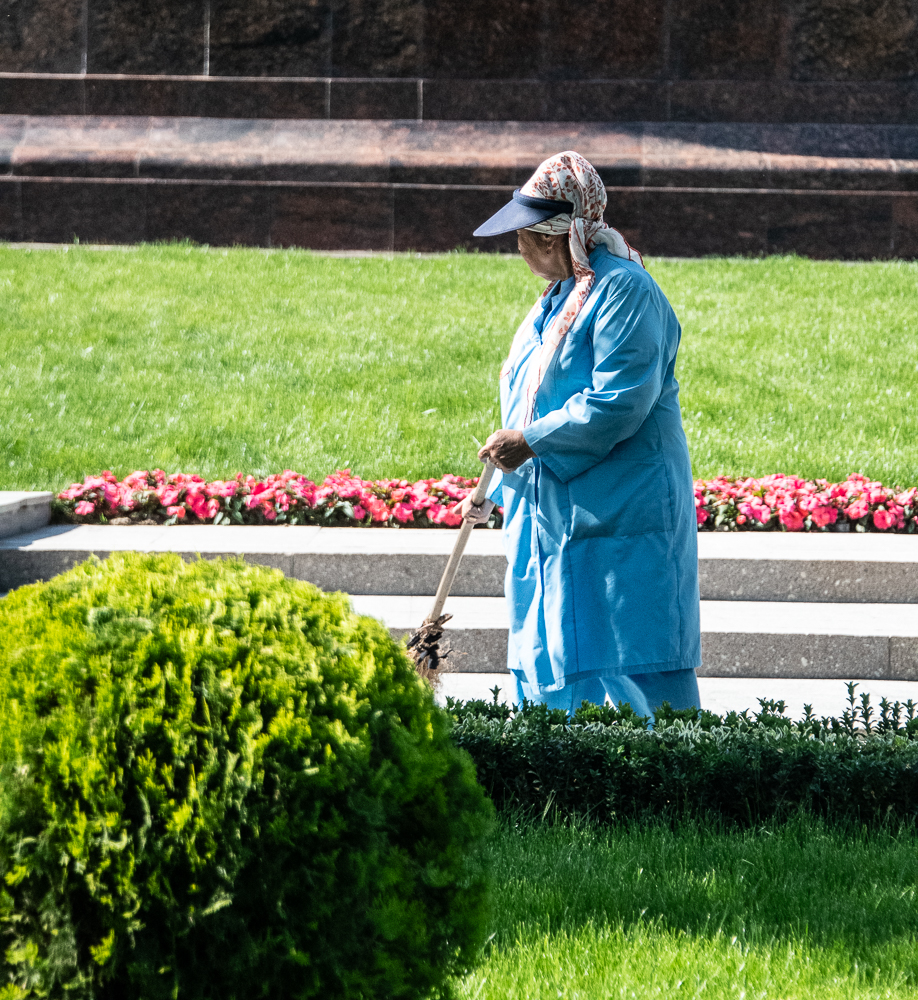
*
Water
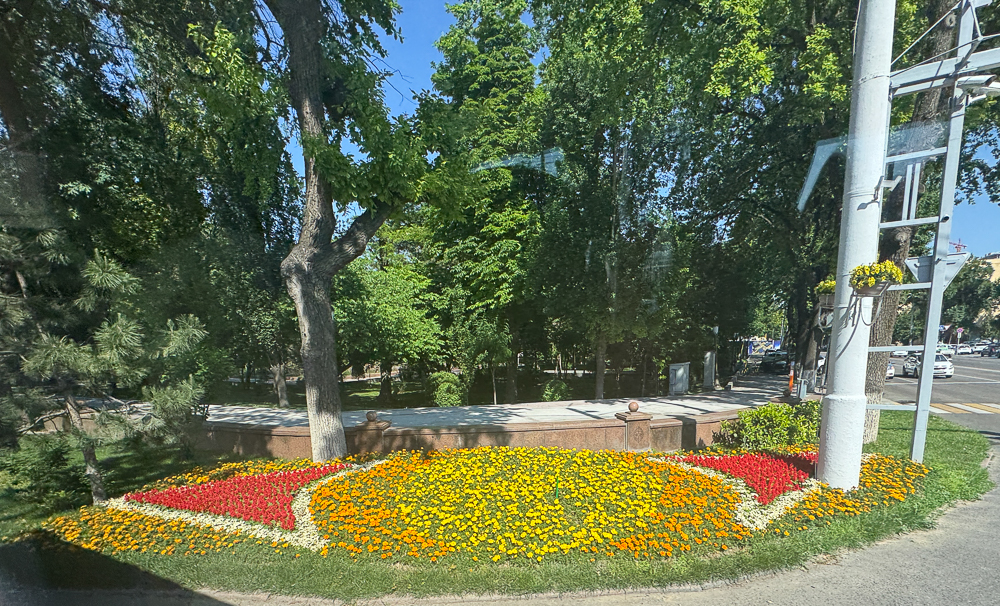
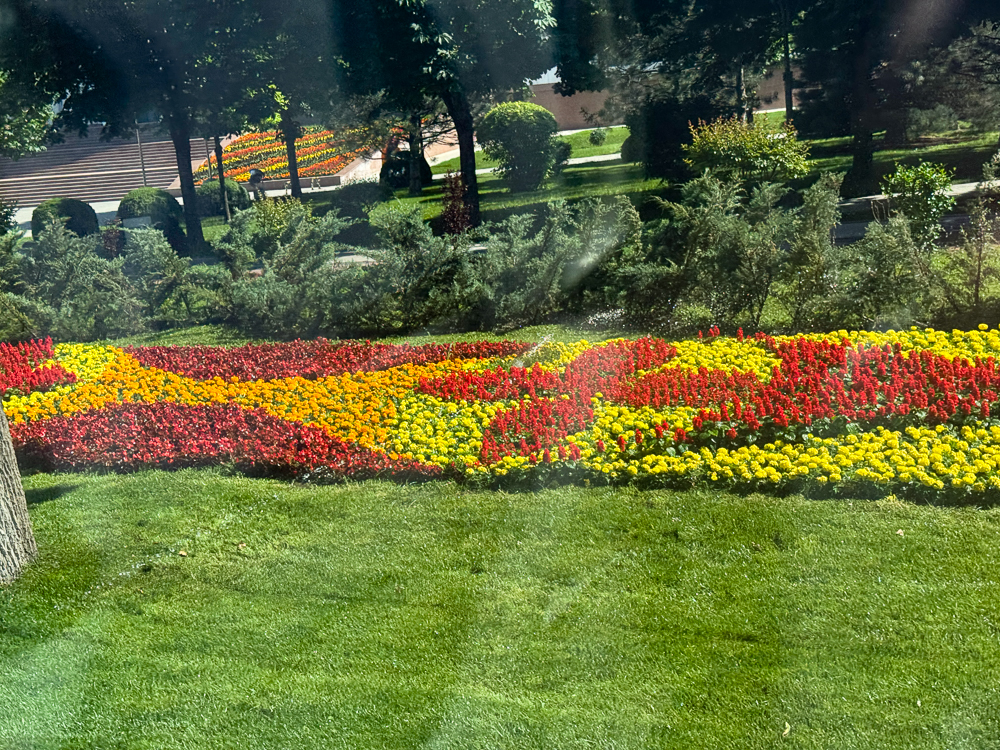
Everywhere you go, there are flowers and greenery that are just stunning.
*
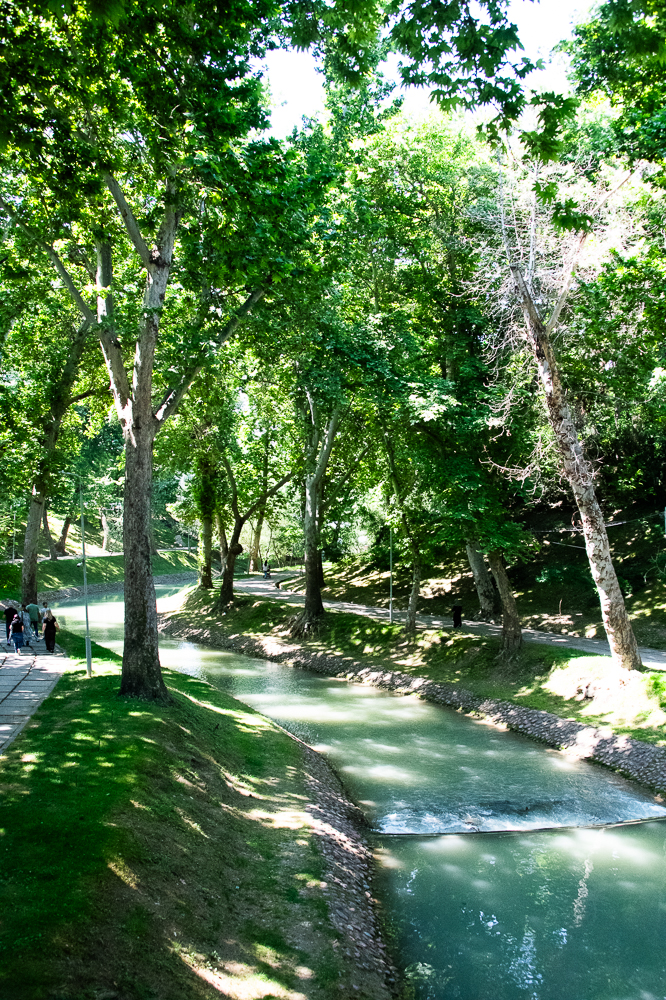
Tashkent is located in the valley of the Chirchik River. The Ankhor of Tashkent is the name of a large irrigation canal located in downtown Tashkent.
Several centuries ago, numerous canals were dug throughout the city to provide Tashkent with water. One of these channels is the Anchor, which is 23 miles long and runs through the center of Tashkent.
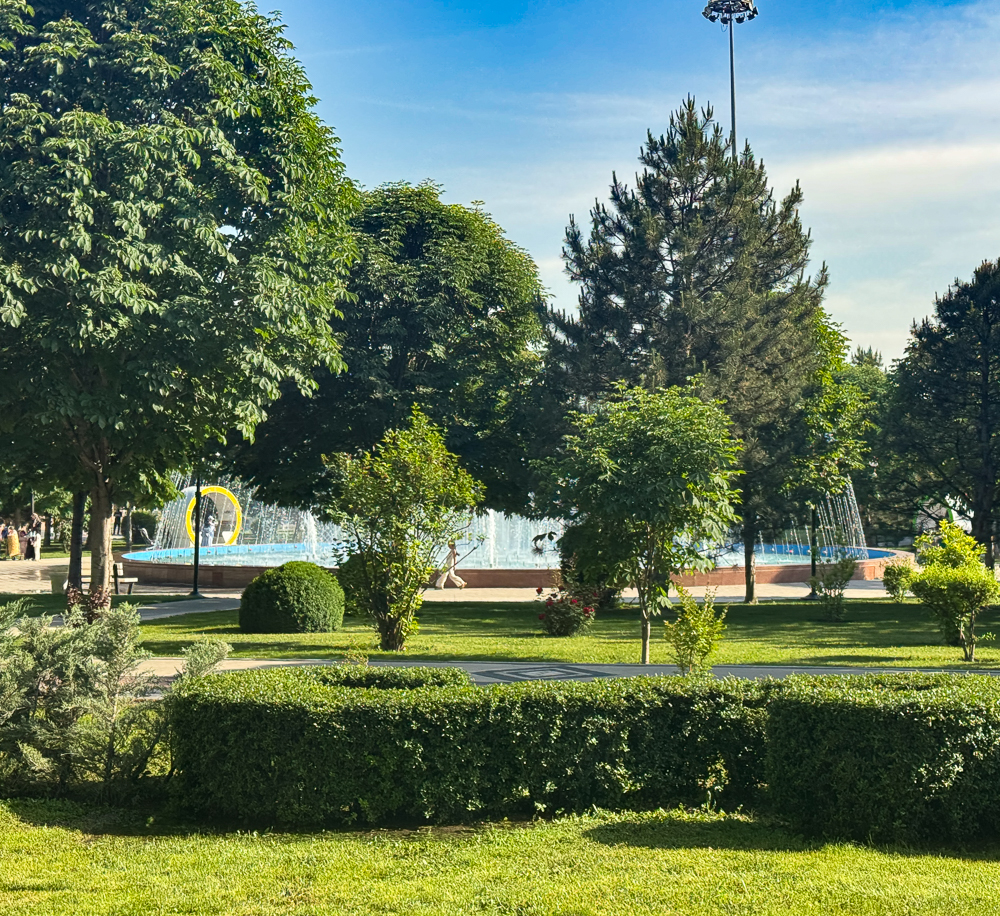
As we drove around and saw stunning fountain after fountain, I had to wonder about water in this country. Uzbekistan’s water resources are significantly influenced by transboundary waters. A substantial portion, around 80%, of Uzbekistan’s surface water flows originates from neighboring countries. I hope they are working hard to ensure good water treaties are in order and stable for the future.