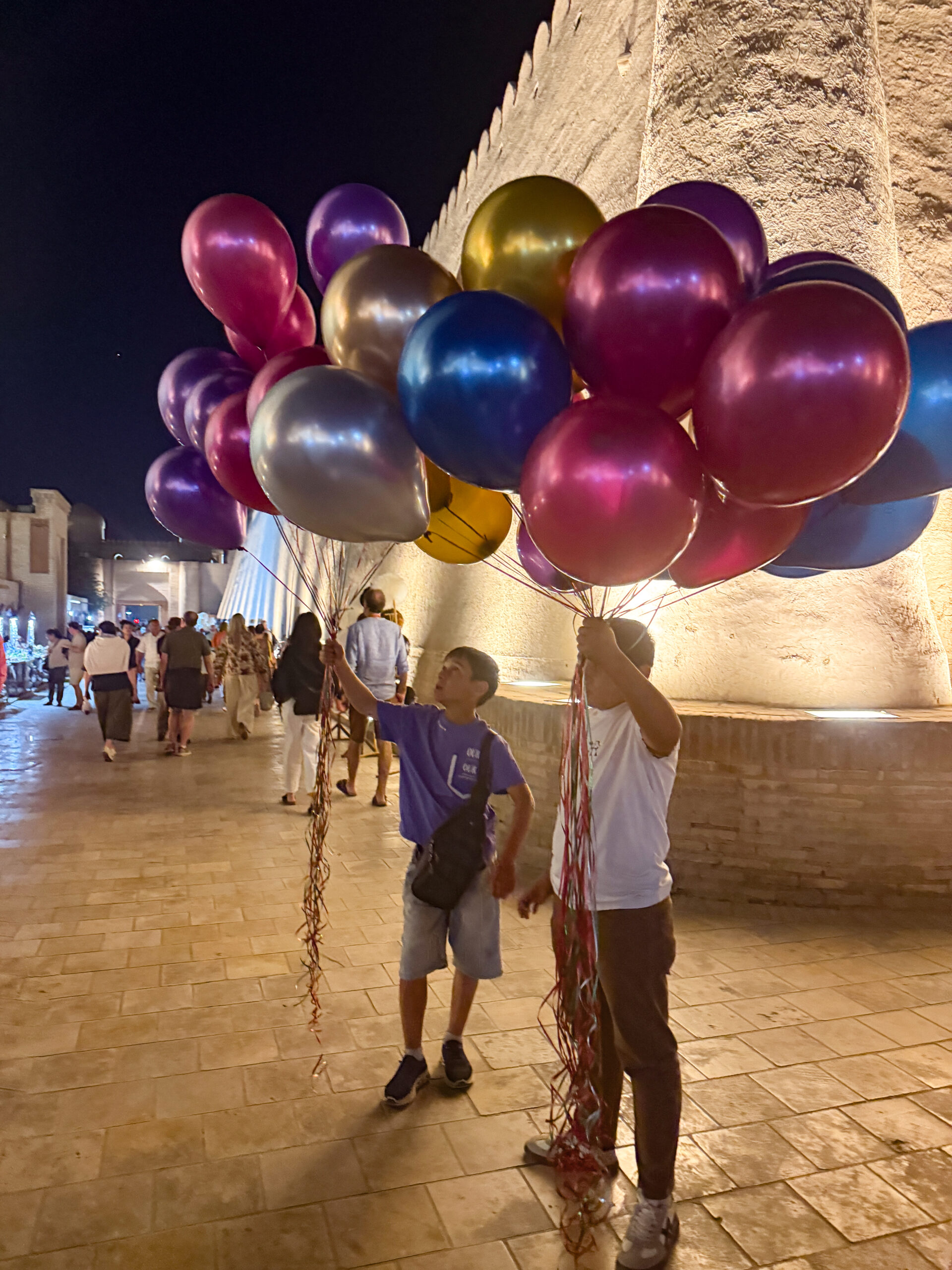
May 8, 2026
Khiva, Uzbekistan
To give you an idea of how much history is in this area, Khiva celebrated its 2500th anniversary in 1997. Like so much of history, the name of Khiva is a mystery. Also, like so much history, many contradictory stories have been told to explain it.
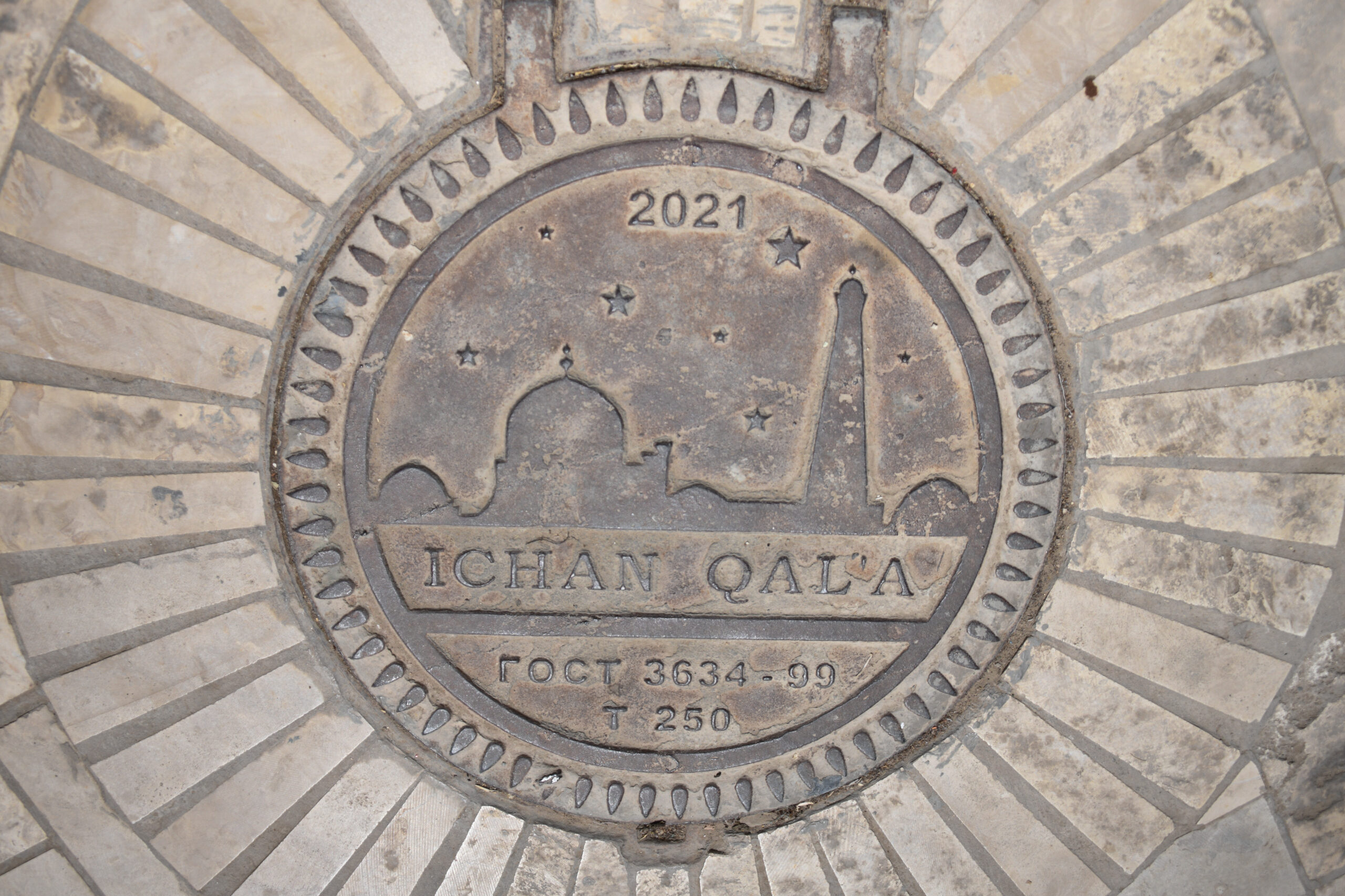
Khiva is split into two parts. The outer town, called Dichan Kala, was formerly protected by a wall with 11 gates. The inner town, or Itchan Kala, is encircled by brick walls, whose foundations are believed to have been laid in the 10th century. Present-day crenelated walls date back to the late 17th century and reach a height of 32 feet. This is where we spent the day.
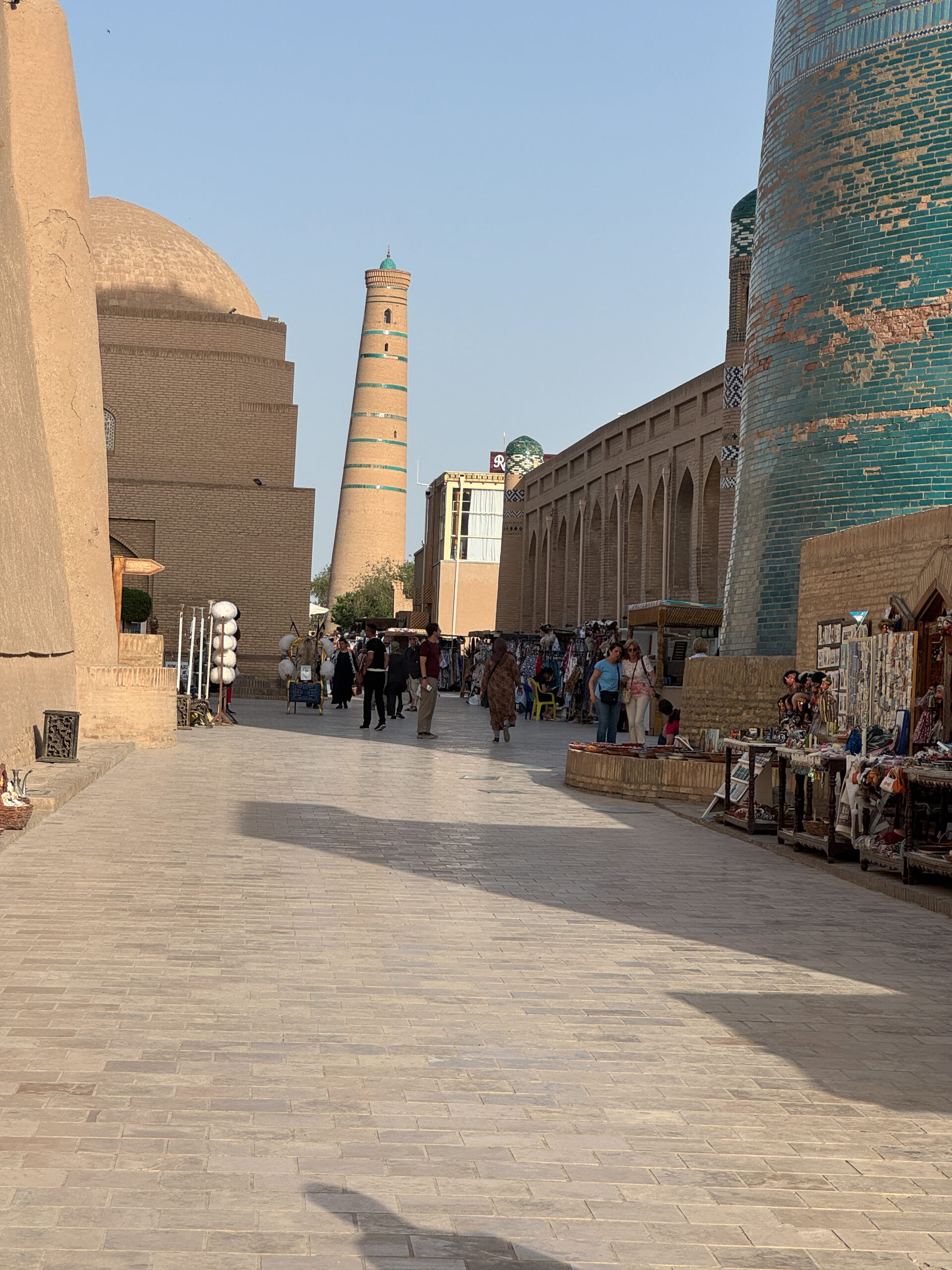
Despite being a World Heritage Site, it is also a living city. There are approximately 250 people living within the walls, and I am sure they are all owners of the souvenir shops that line every street of Itchan Kala.
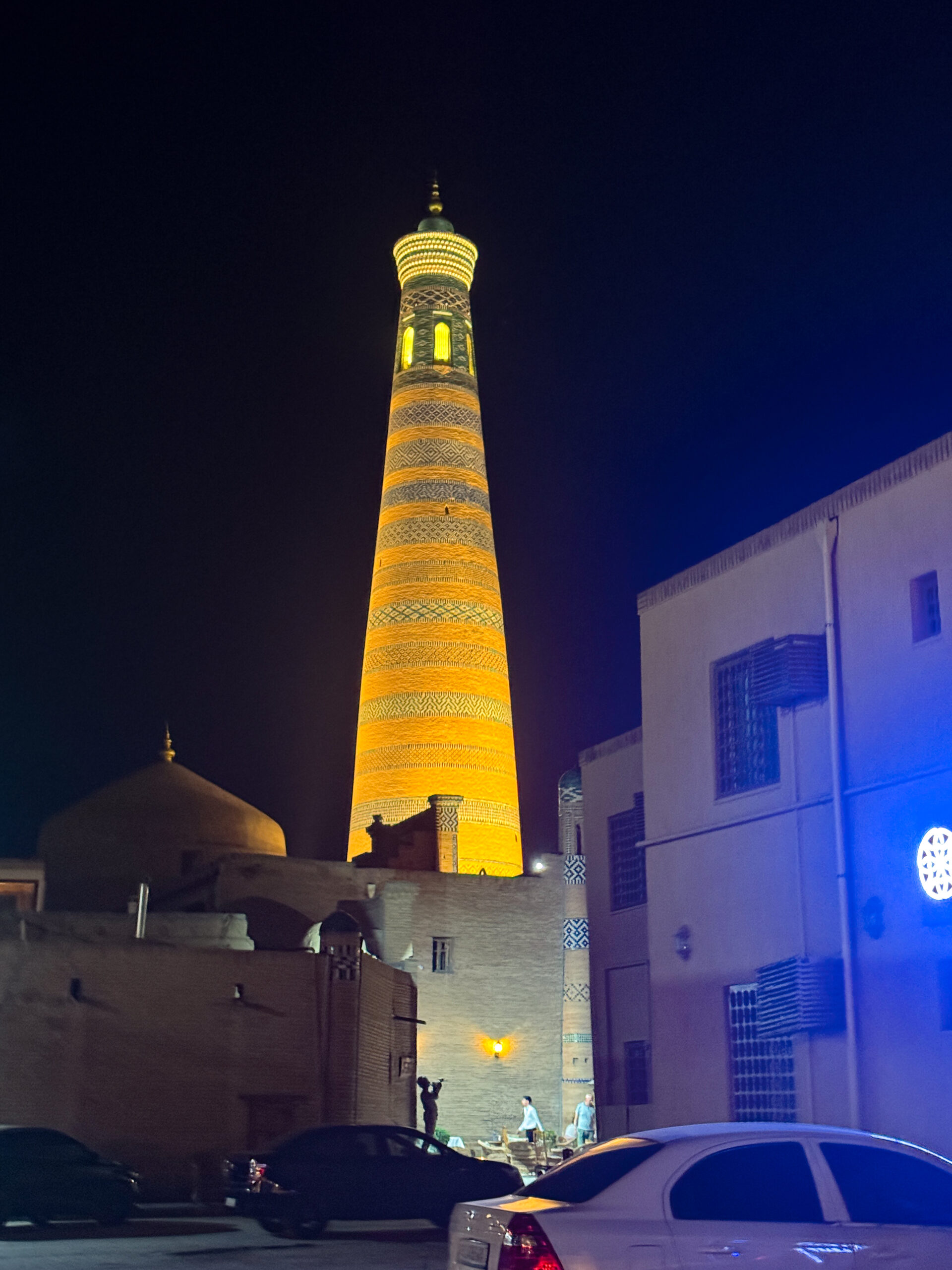
Kaltaminor Minaret
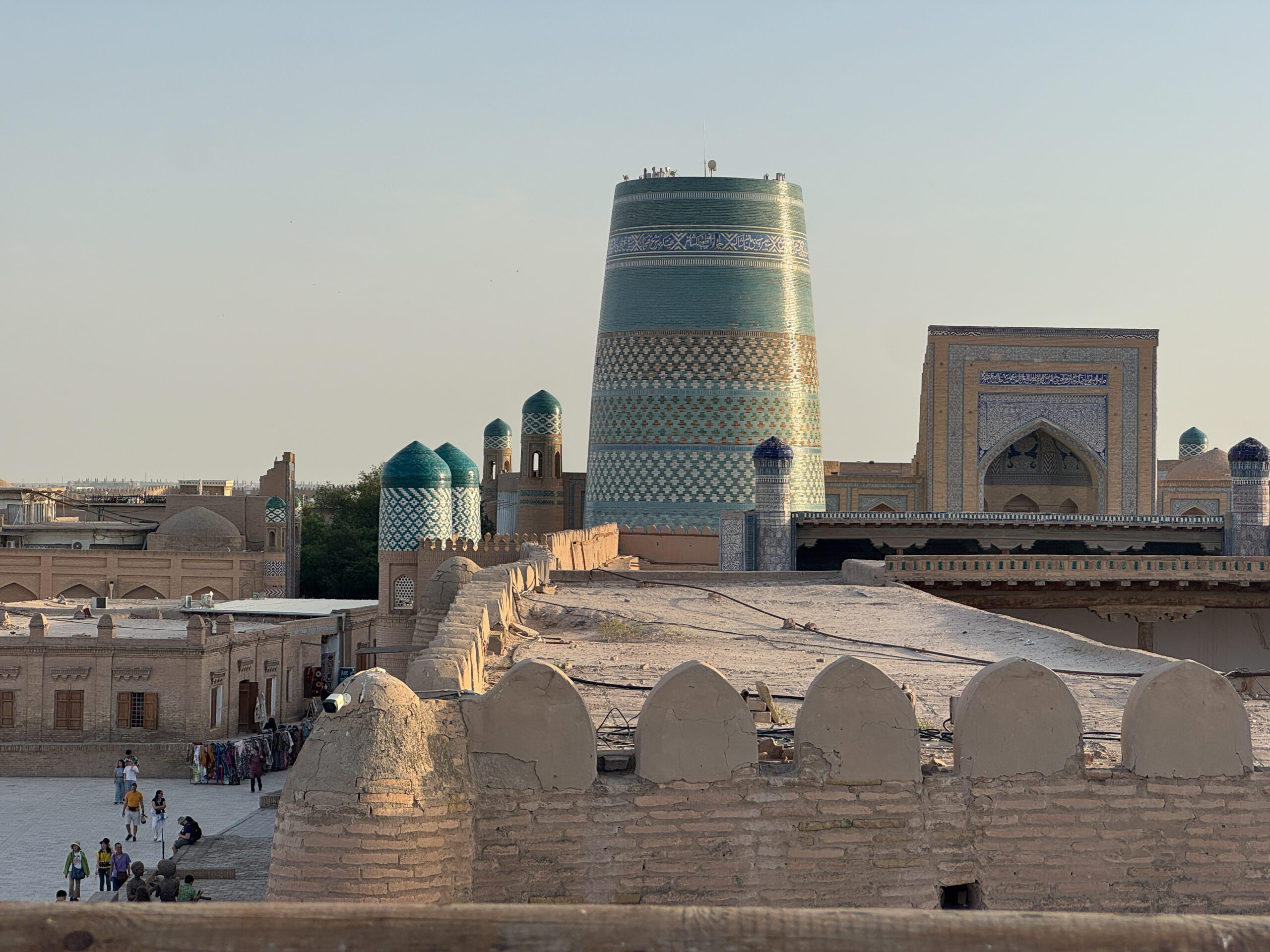
You will see the Kaltaminor Minaret even before you enter the walls.
Kaltaminor was created by Muhammad Amin Bahadur Khan as the largest and tallest minaret in the Muslim world. According to its plan, the height of the minaret was to be some 260 feet tall, and its diameter was to decrease sharply as the height increased, which was supposed to increase the stability of the minaret.
Construction began in 1852 and stopped abruptly in 1855, when Muhammad Amin Khan died in a battle.
Mohammad Amin Khan Madrassah
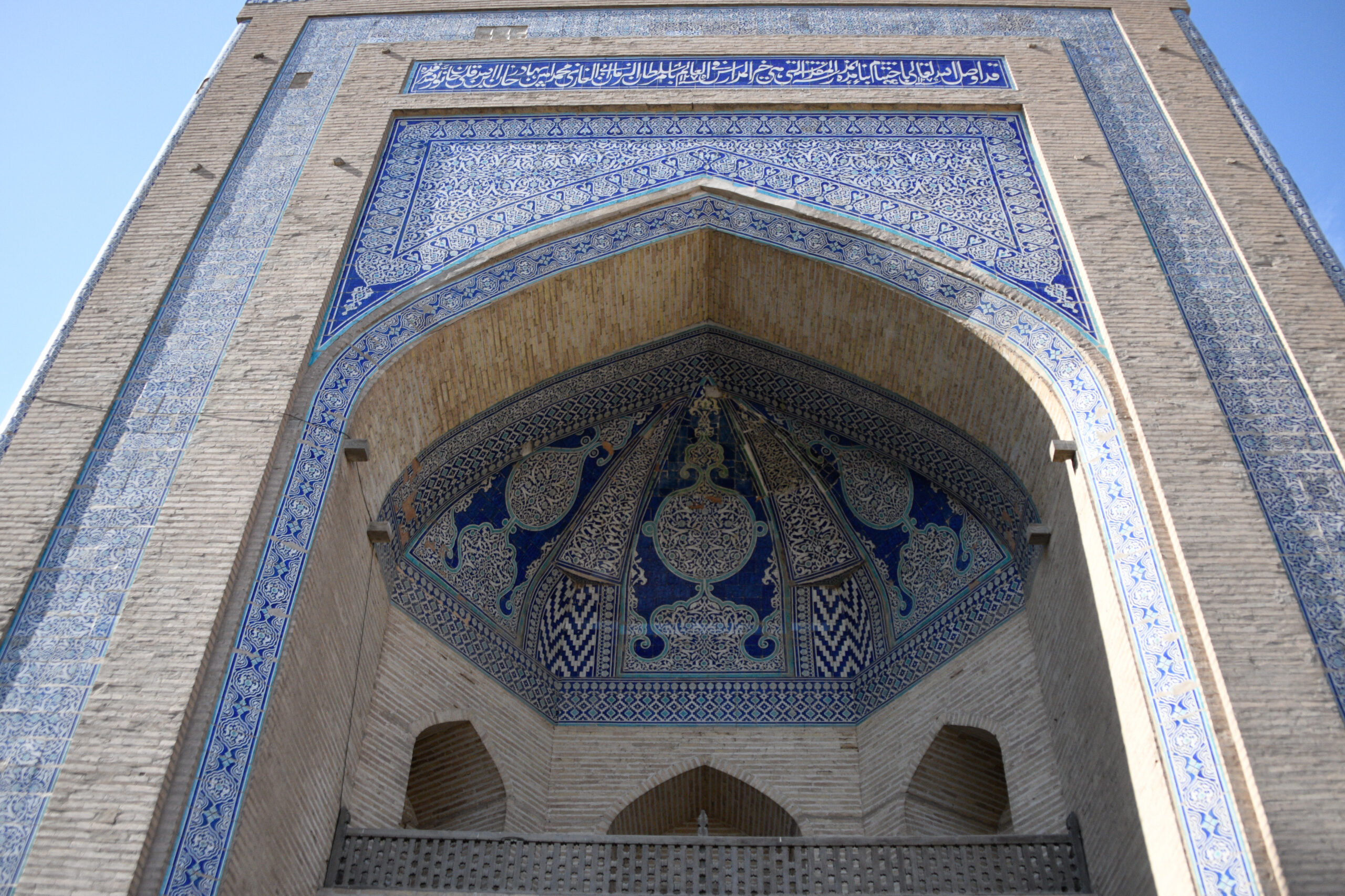
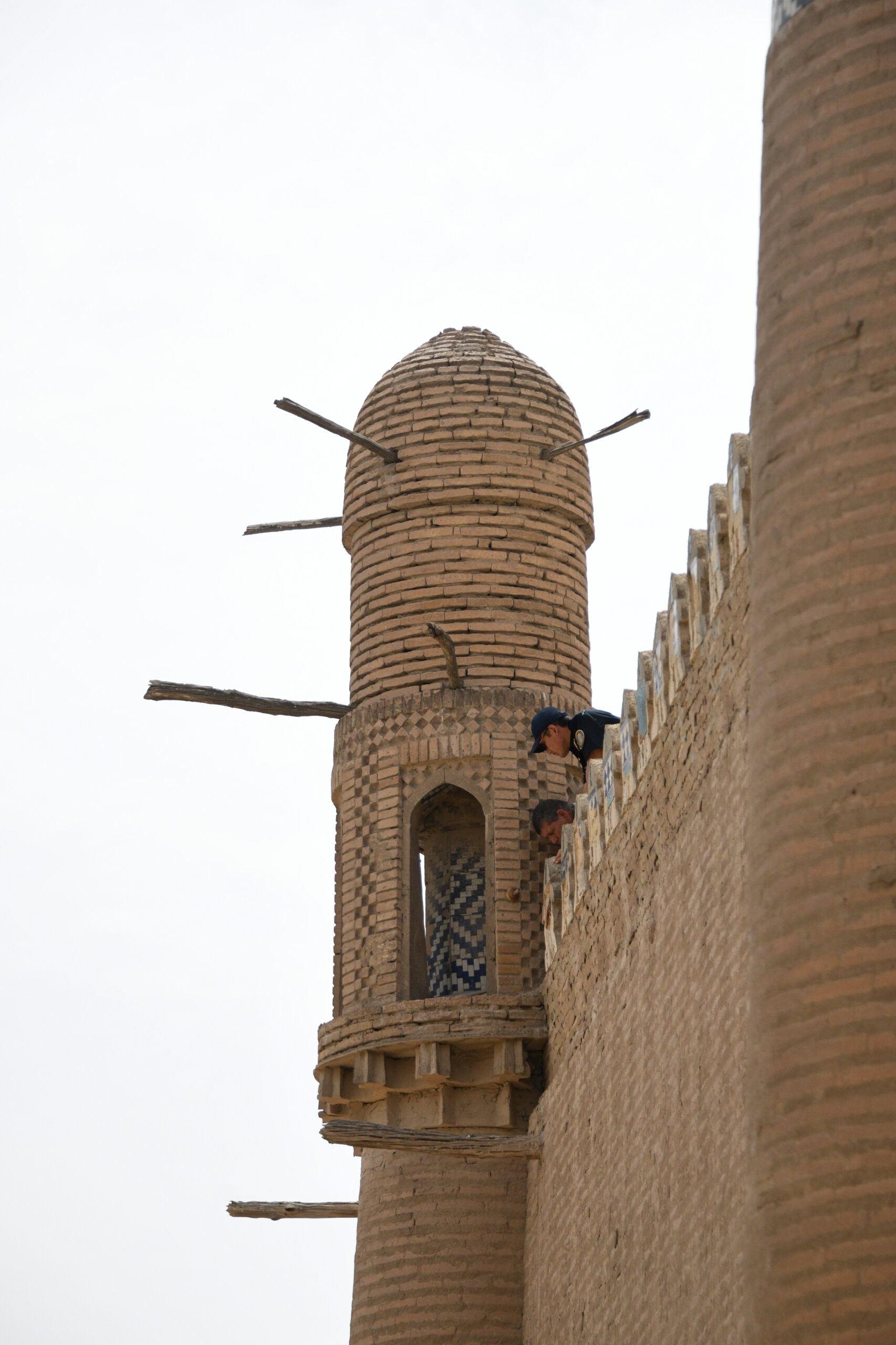
The first building you come upon is the Mohannad Amin Khan Madrassah, which now serves as a hotel. Built in 1846, it is made of baked bricks, and the walls are nearly 5 feet thick. The madrasah has 2 floors, 130 rooms, and, according to historical records, 260 students studied there at the same time. It became a hotel in the 1970s.
Juma Mosque
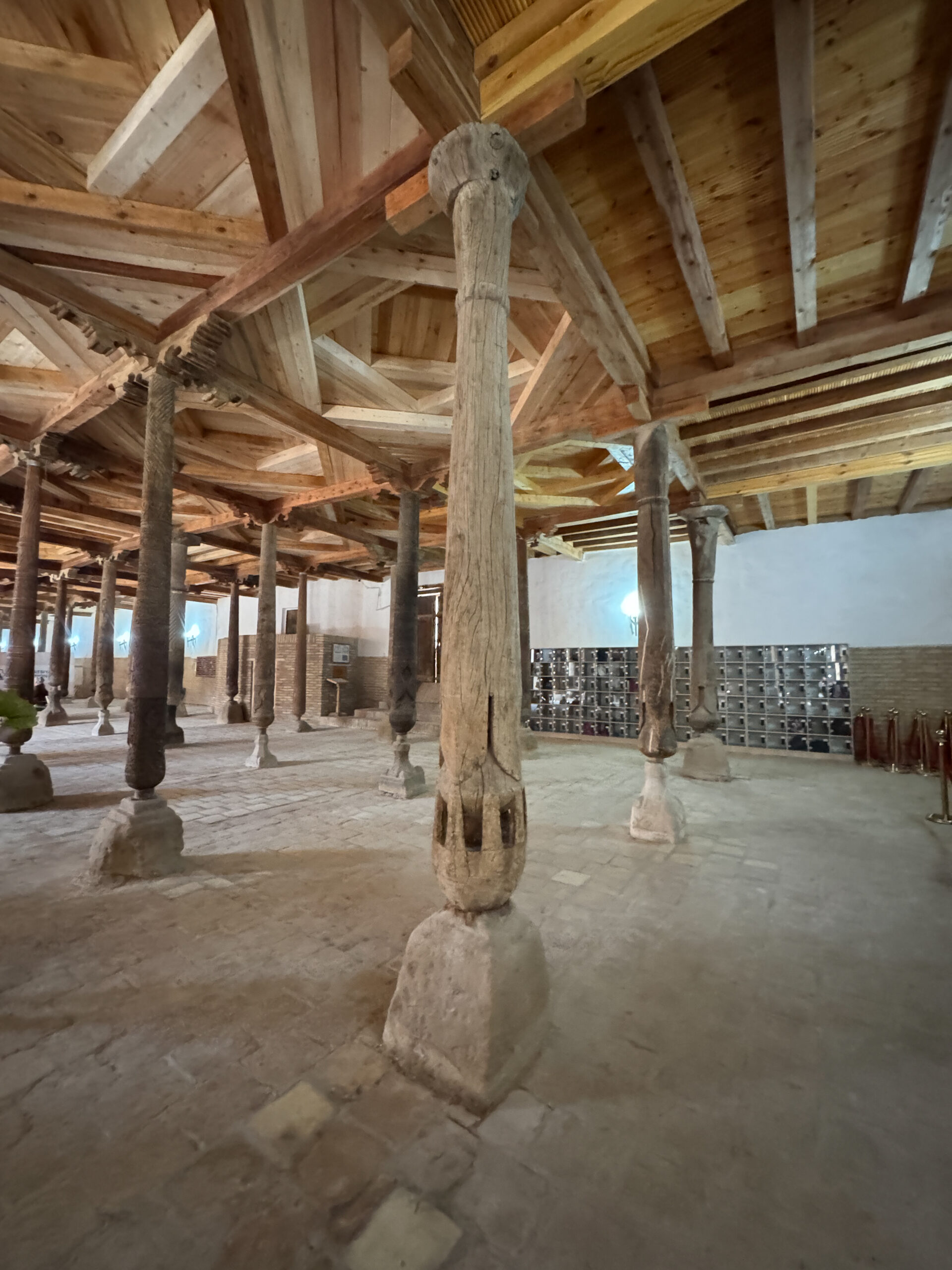
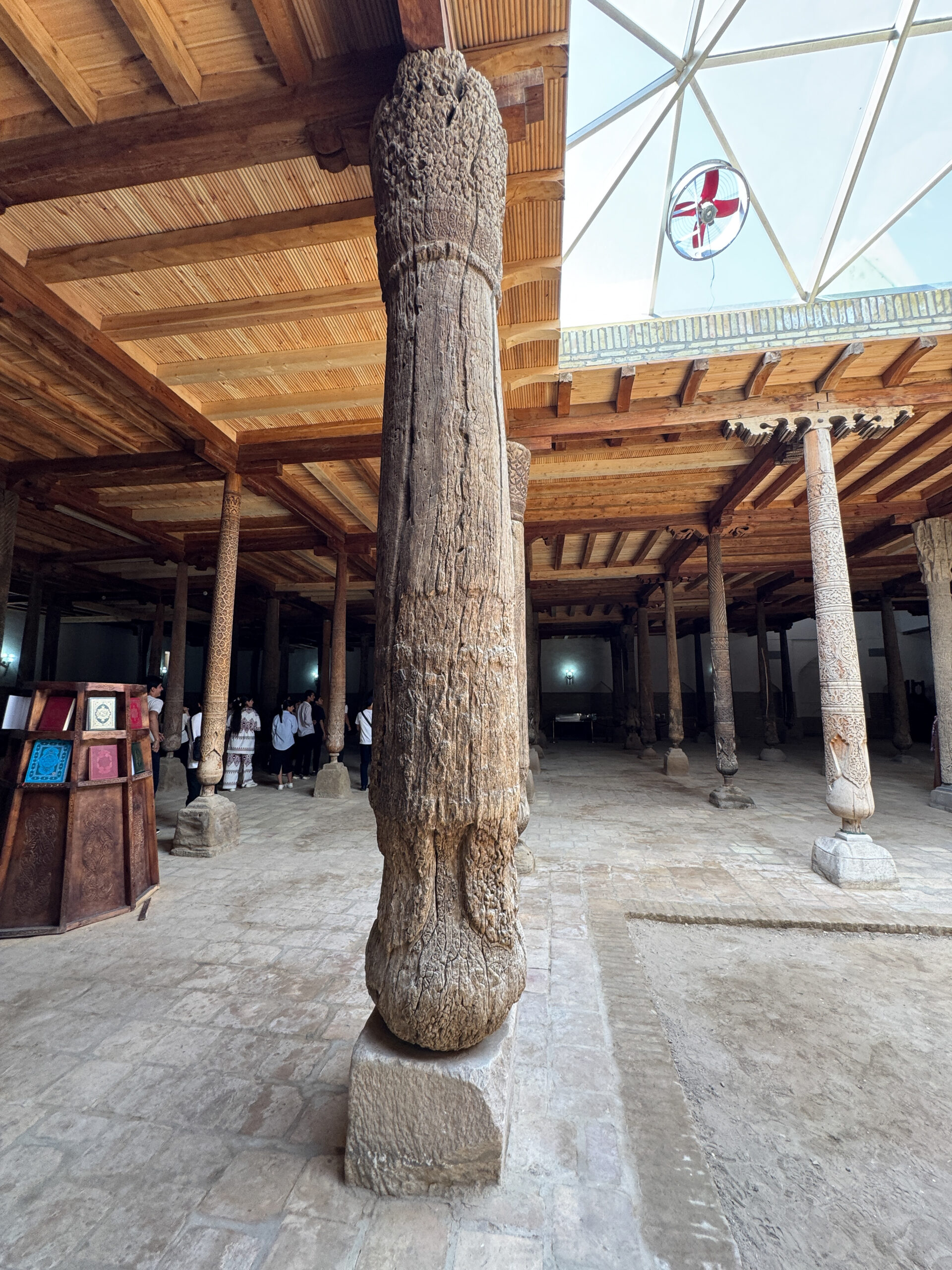
The Juma Mosque is the cathedral mosque and the Friday mosque of Khiva. According to the Arab geographer Mudaddasly, the mosque dates back to the 10th century. However, another historian says that it was built later. There are dates over the entrance door saying 1778-1782.
There are 213 carved wooden columns, the majority of which were carved from tree trunks in the 18th and 19th centuries. A few of the oldest date back to the 10th century.
The Harem in Konya Ark
The highlight and most stunning of all the buildings that I saw is the Harem area of Konya Ark.
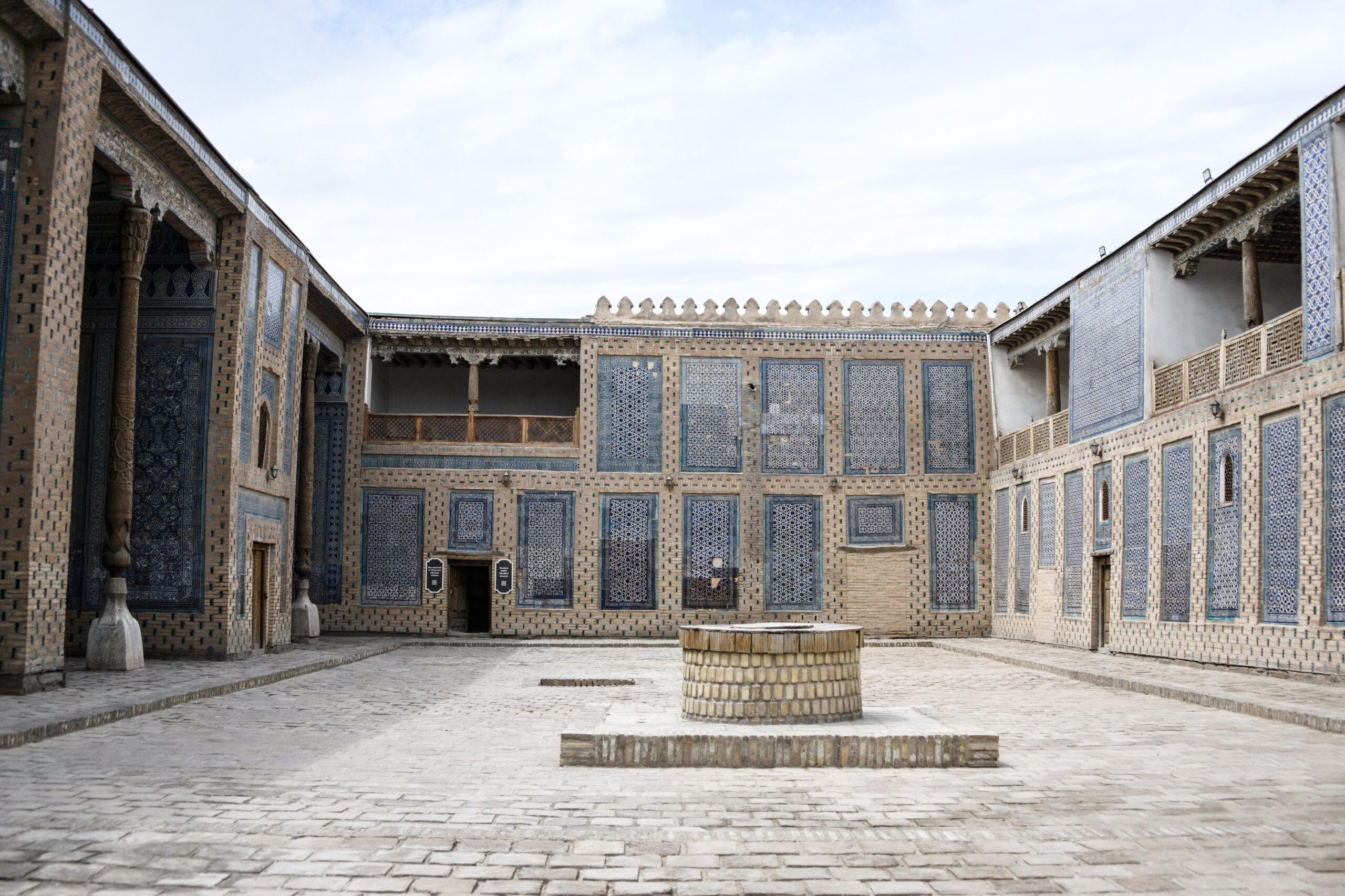 The origins of Konya Ark can be traced back to the 17th century when the khans began to build their own fortified residences within the walls of Ichan-kala. However, the structure that I saw dates mainly from the 19th century.
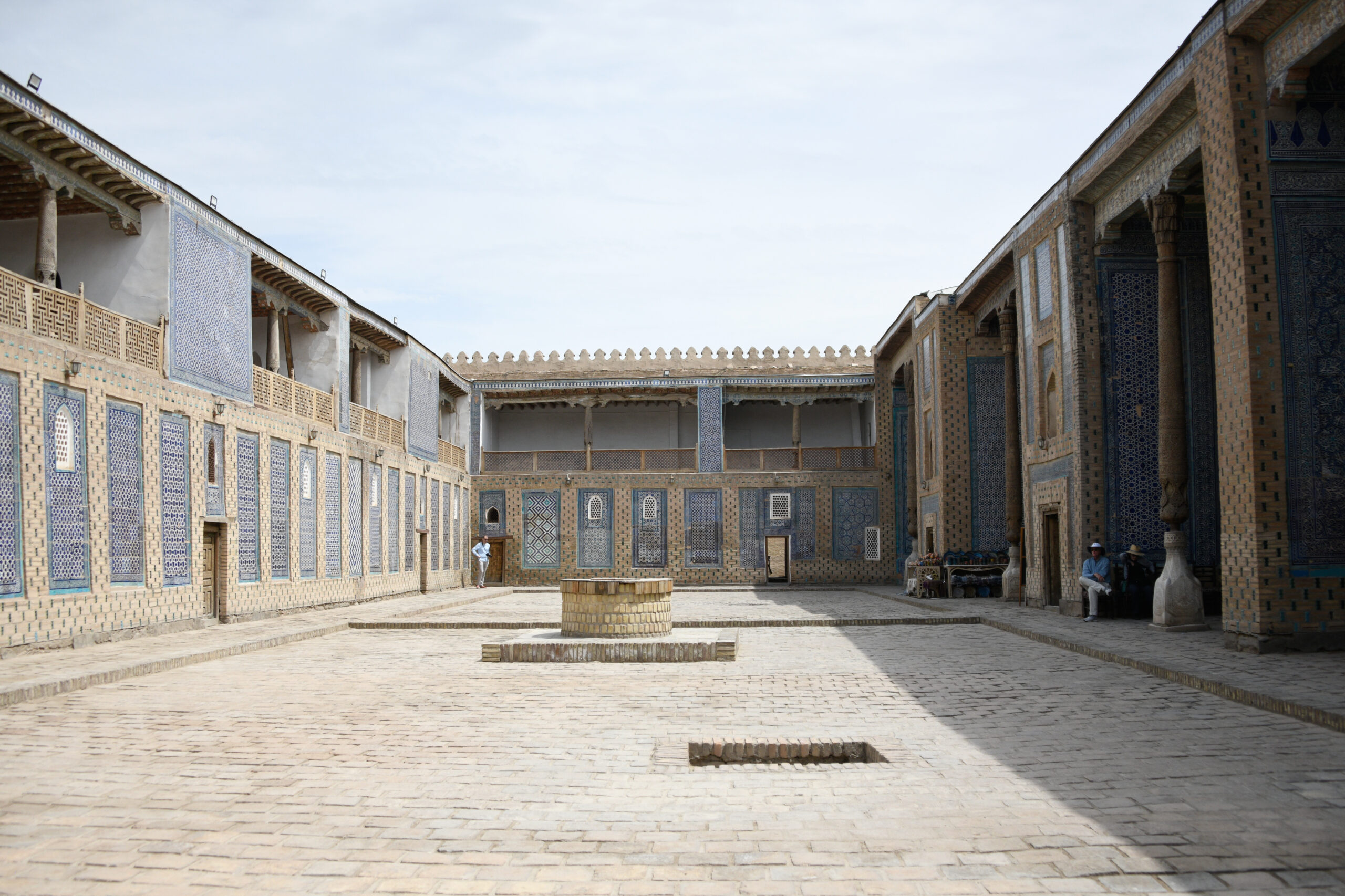
The centerpiece was the divan khana, an official audience hall also known as the salamkhana, where the khan received diplomatic guests, dispensed justice, and consulted with dignitaries.
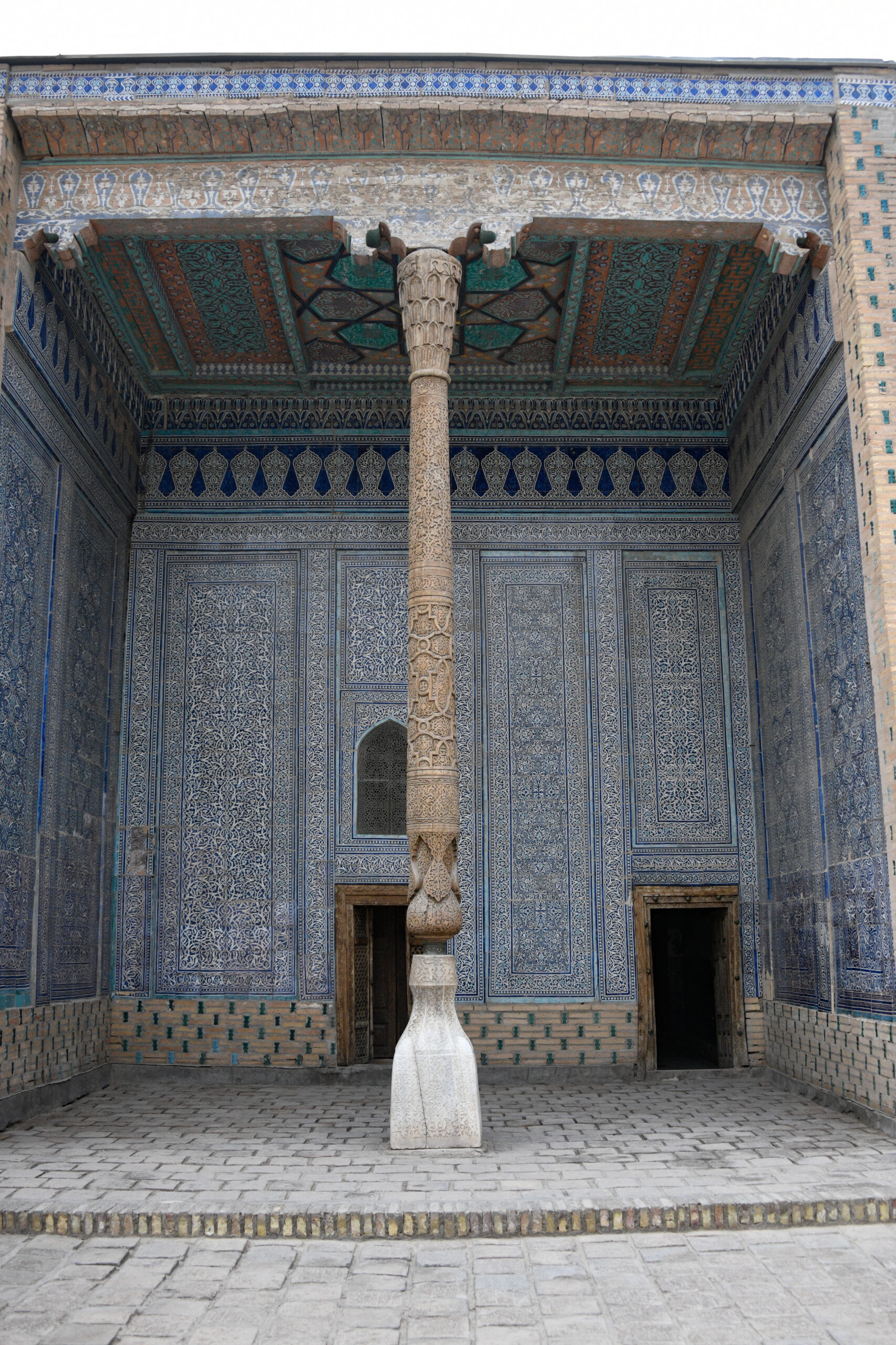 There were also workshops to make weapons, a palace kitchen, stables, a winter and summer mosque, and even a prison.
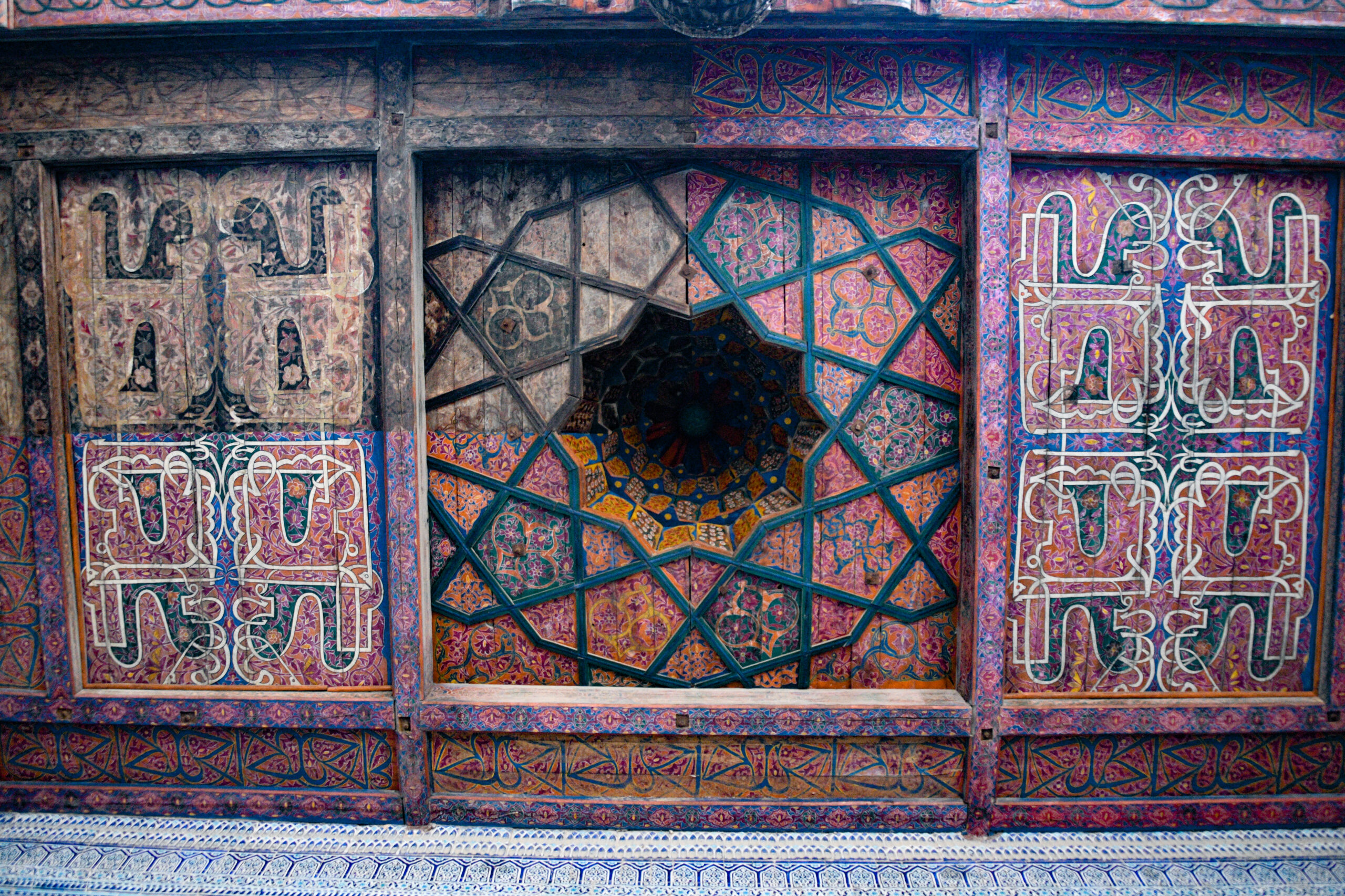
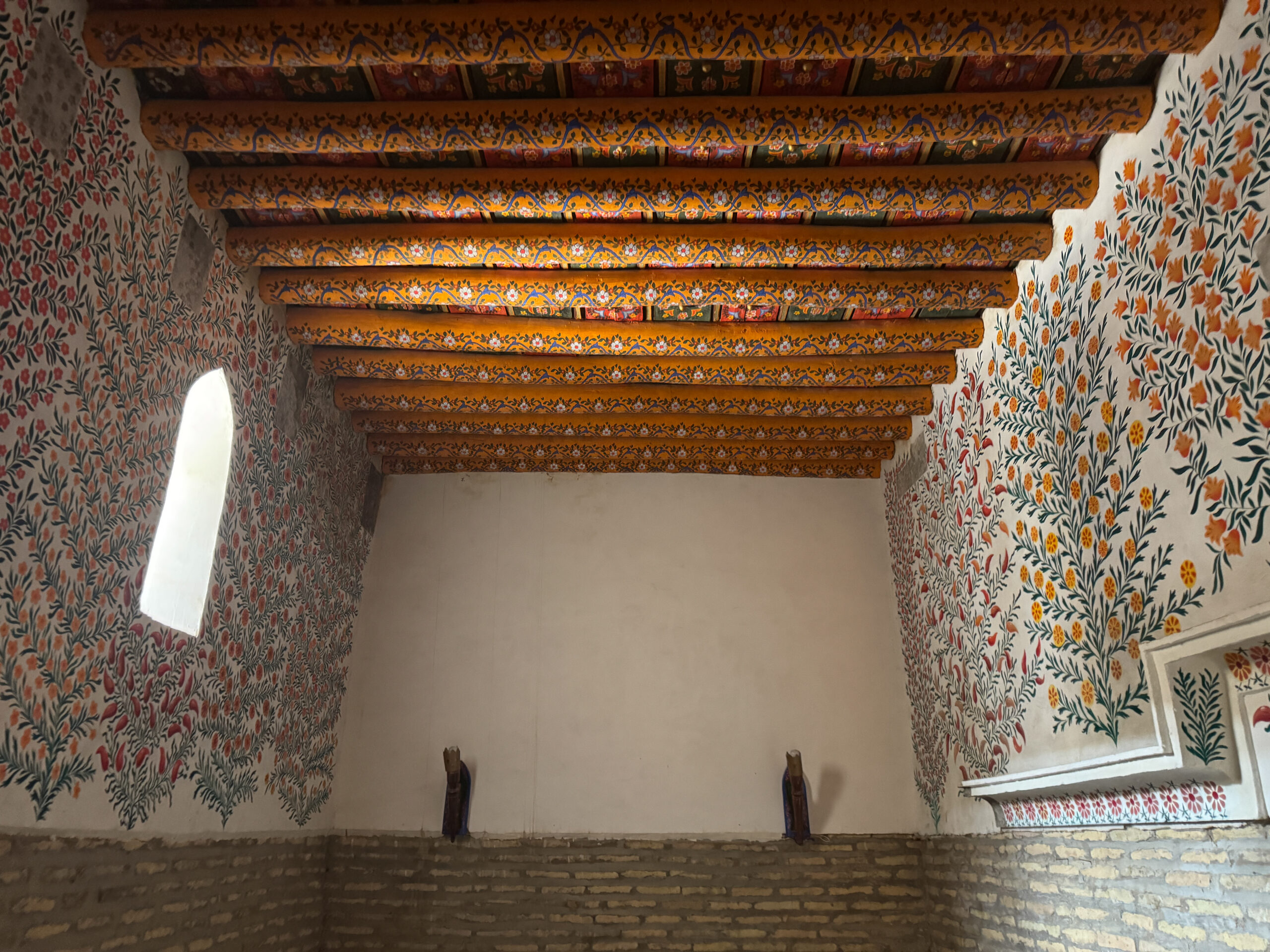
Five almost identically designed living quarters served the khan and his four principal wives. Opposite them were the more modest quarters for the concubines and female servants.
*
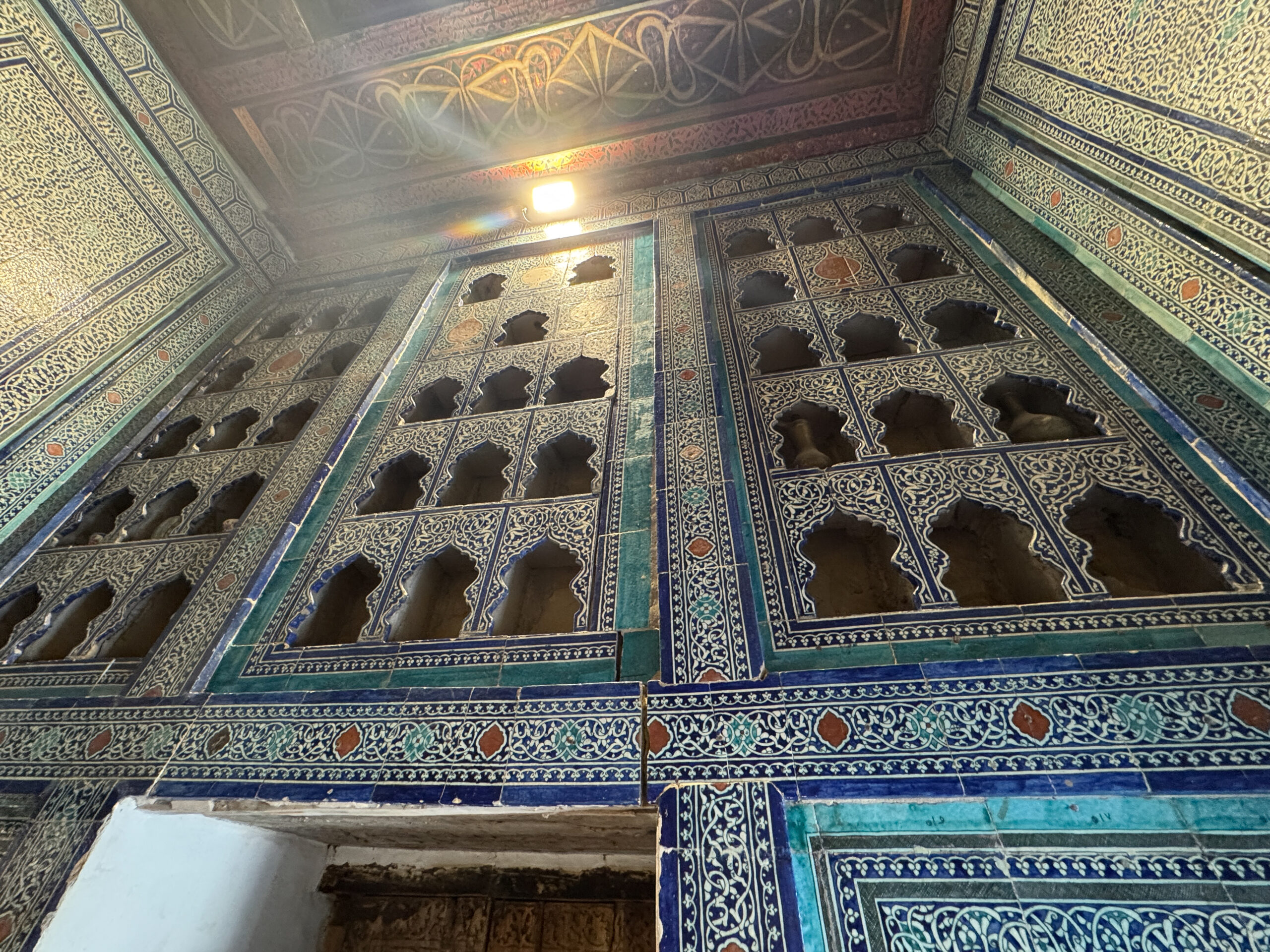
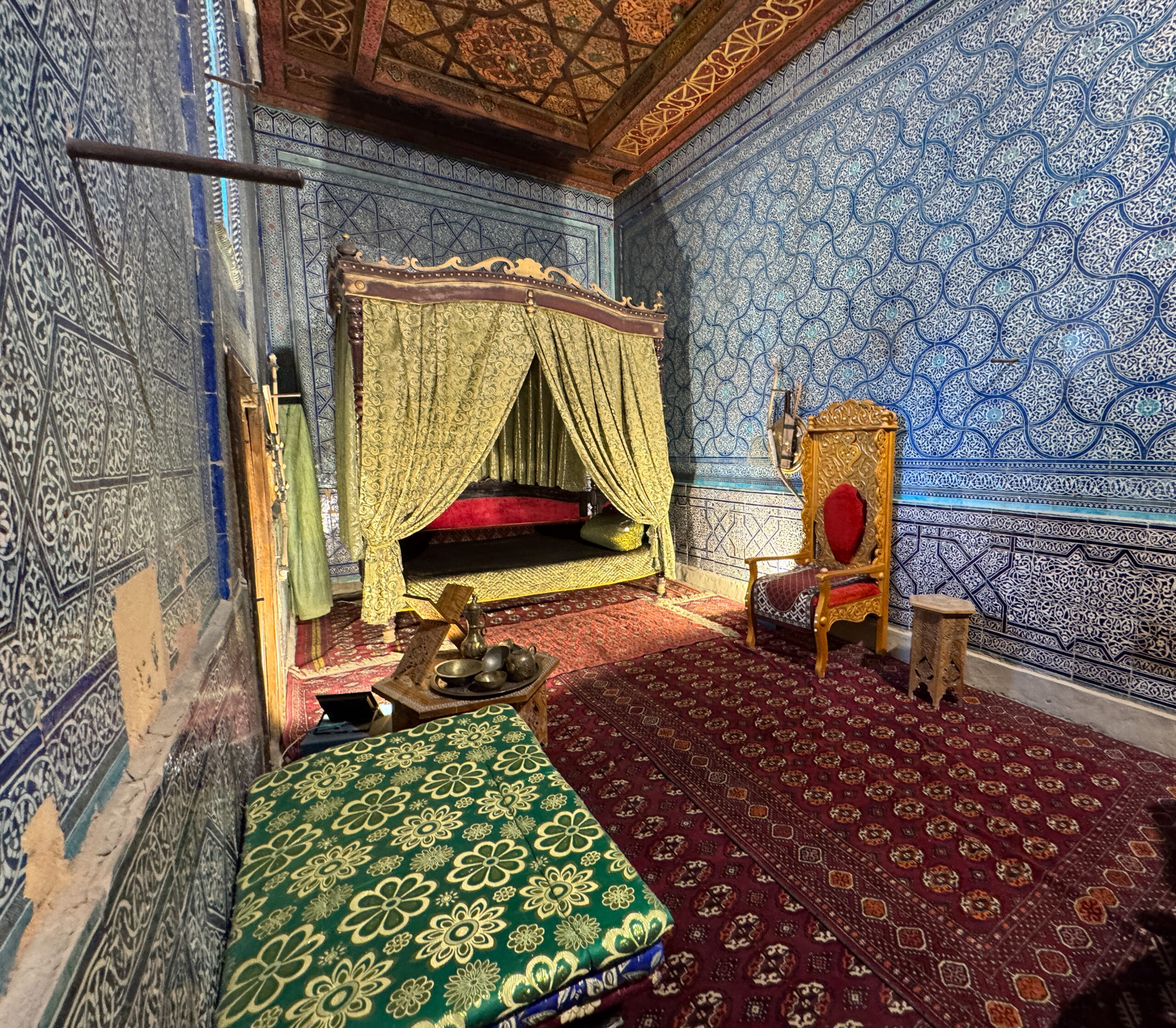
The harem was composed of both legal wives and slave concubines. The khan had four legal wives, who were obliged to be free Muslim women. Aside from his legal wives, enslaved women were acquired from slave markets and were obliged to be non-Muslims since free Muslim women could not be slaves. The enslaved girls were initially given as servants to the khan’s mother. She provided them with an education to make them suitable for concubinage, after which some of them were selected to be the concubines to the khan. The slave girls were purchased for the harem at about the age of twelve and stayed there until about the age of thirty. Only the khan’s legal wives were allowed to give birth to his children, and the slave concubines who conceived were given forced abortions
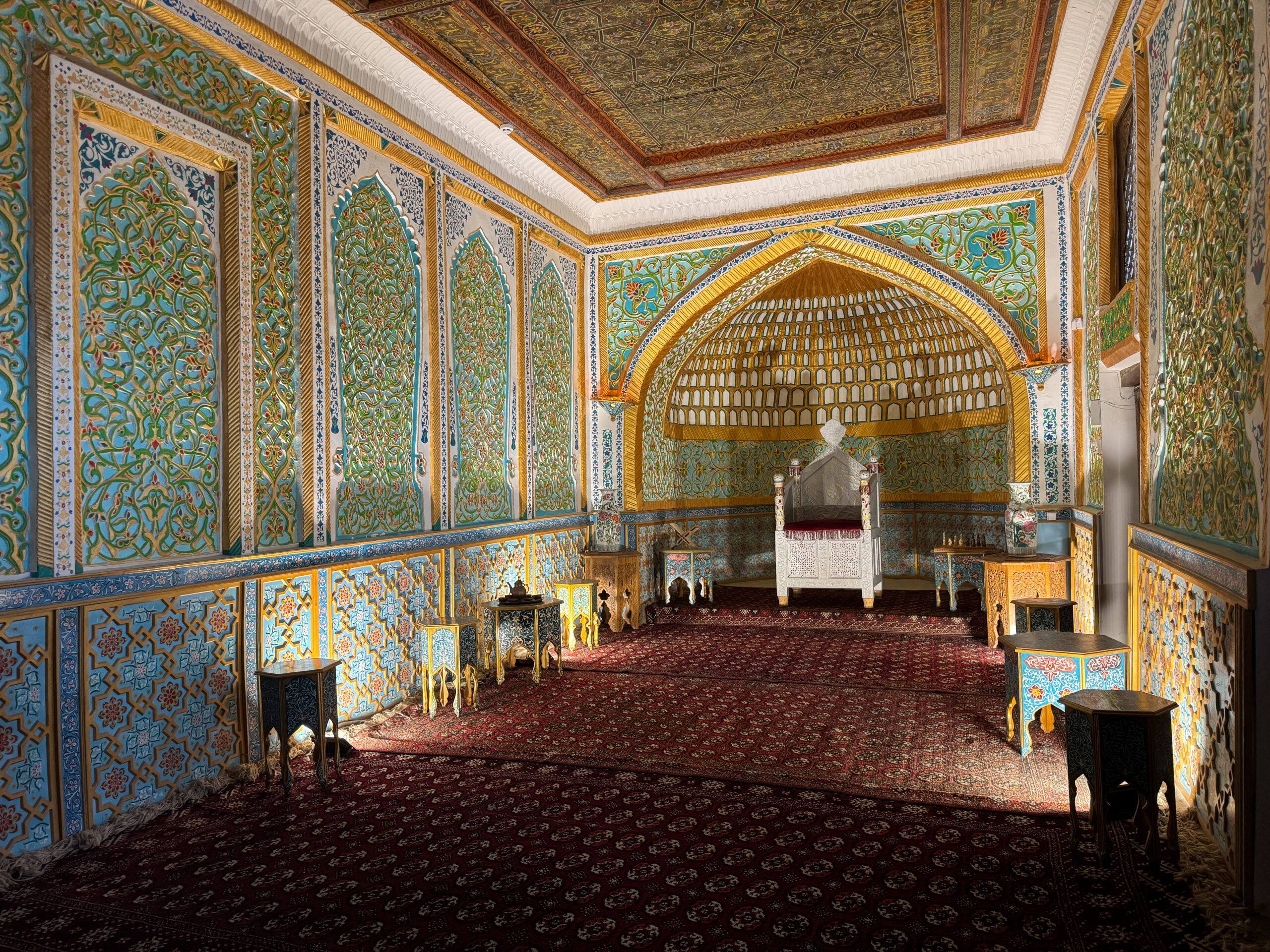 The Wooden throne of the khan, built in 1816, was gilded in silver and traditionally sat where this replica sits today. It was carted off by the Russians to the Hermitage at the time of their taking over Uzbekistan. The Uzbeks are still trying to negotiate its return.
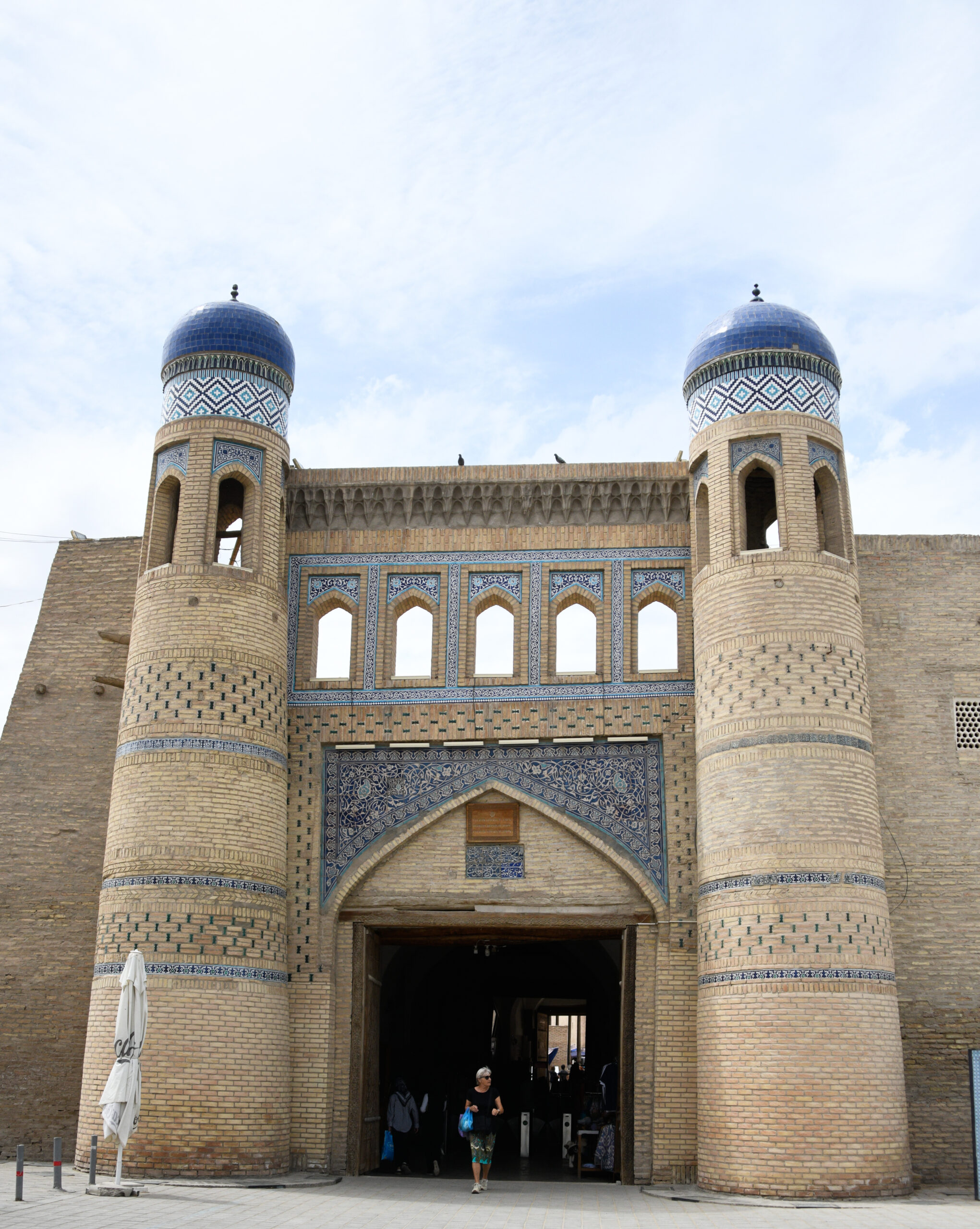
The East Gate
In the 17th century, Khiva began to develop as a slave market. For several centuries, the cities of Bukhara and Khiva were known as major centers of the slave trade, and the Bukhara slave trade, alongside the neighboring slave trade in Khiva, has been referred to as the “slave capitals of the world”. During the first half of the 19th century, around 30,000 Persians and an unknown number of Russians were enslaved there before being sold. A large part of them were involved in the construction of buildings in the walled Itchan Kala. The slave trade ended under the Russians in 1873.
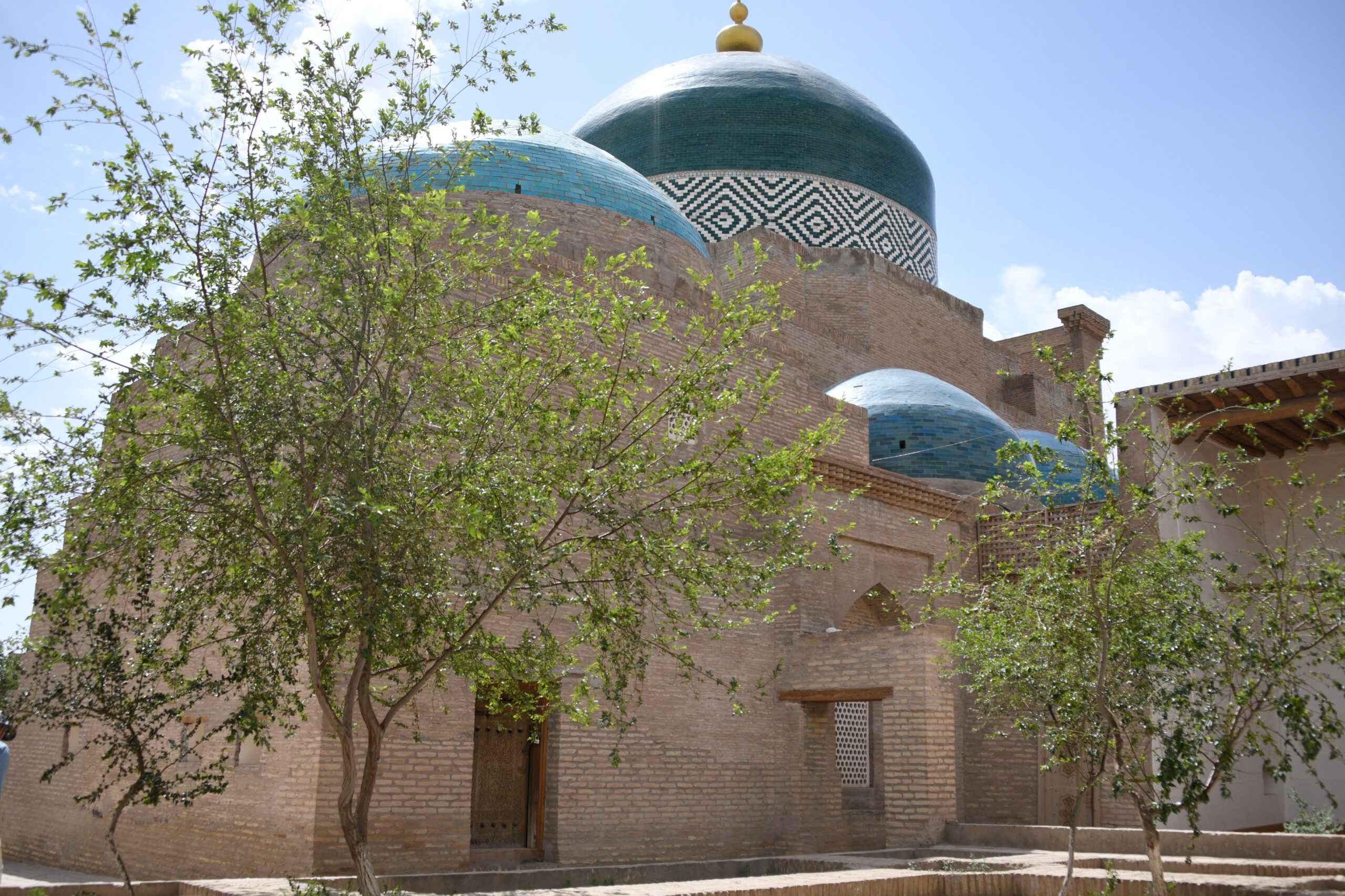
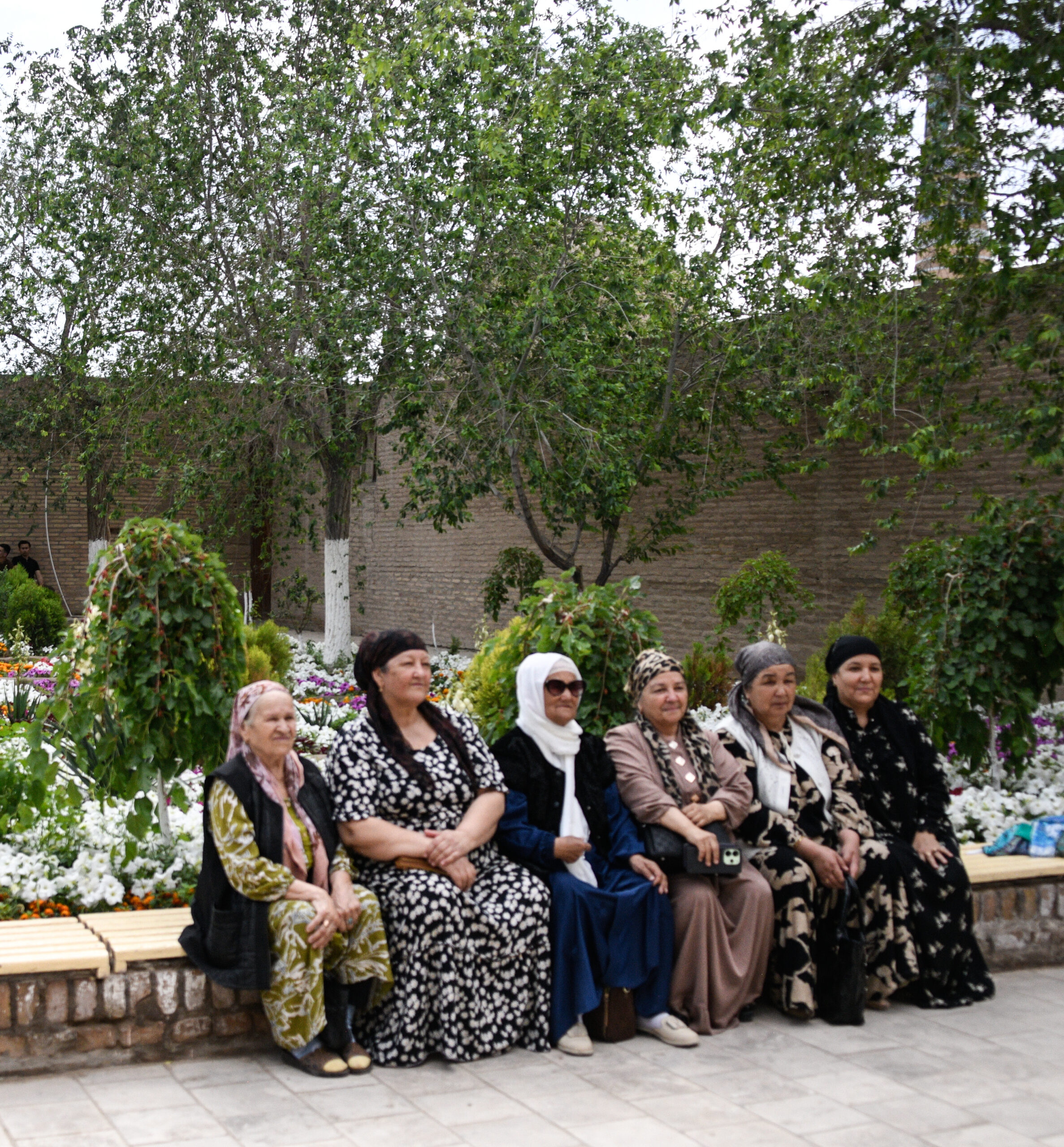
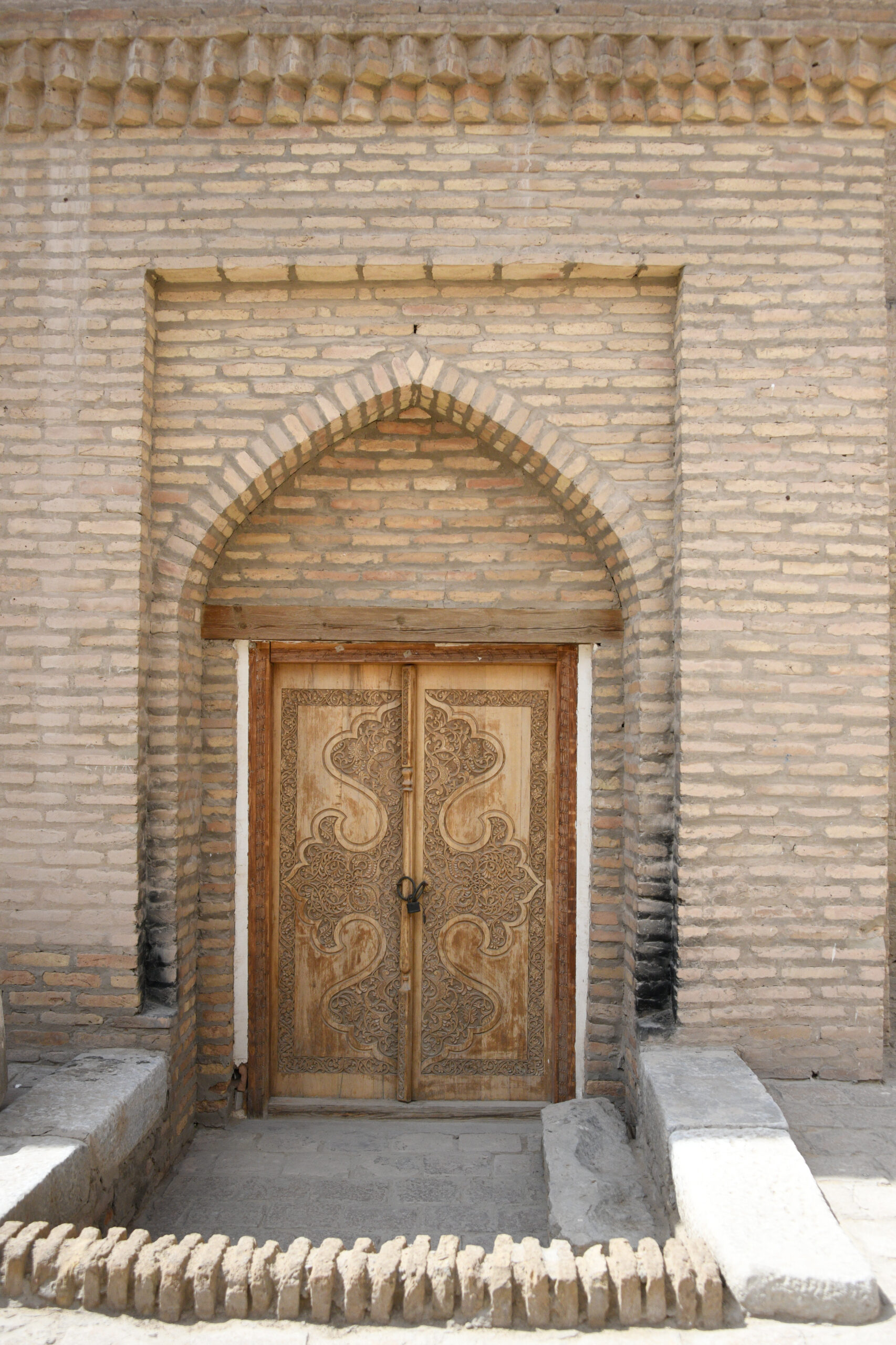
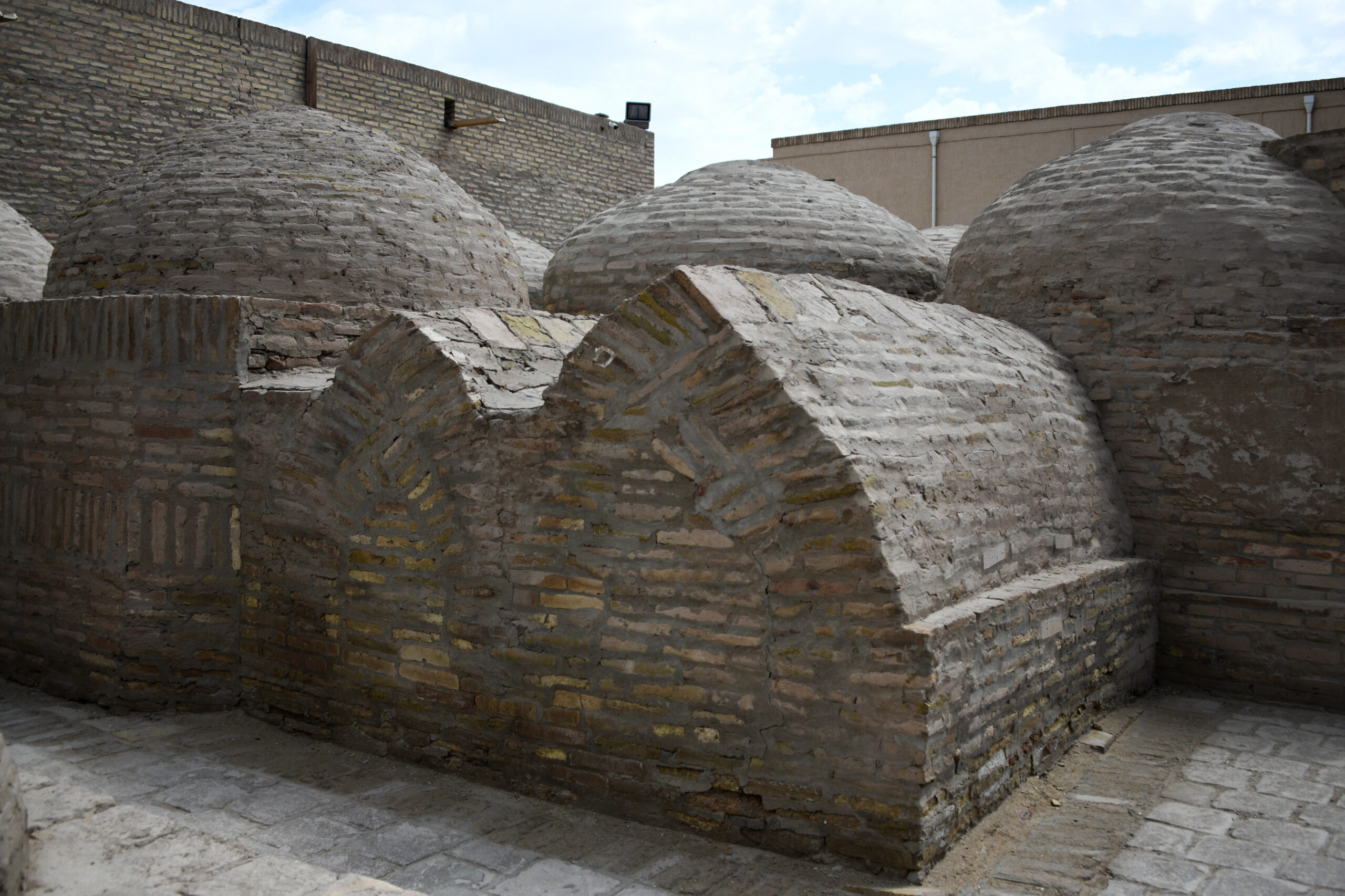
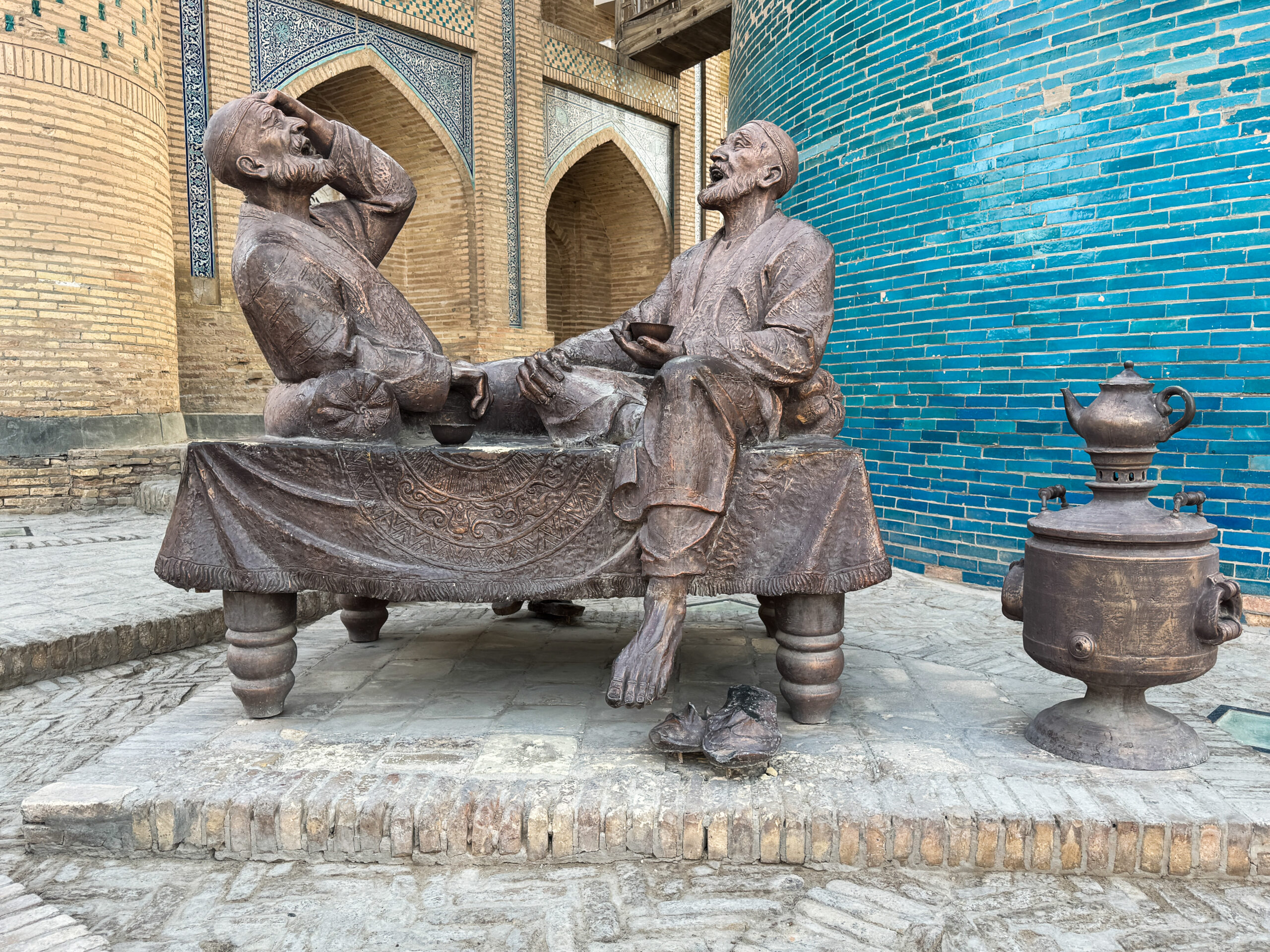
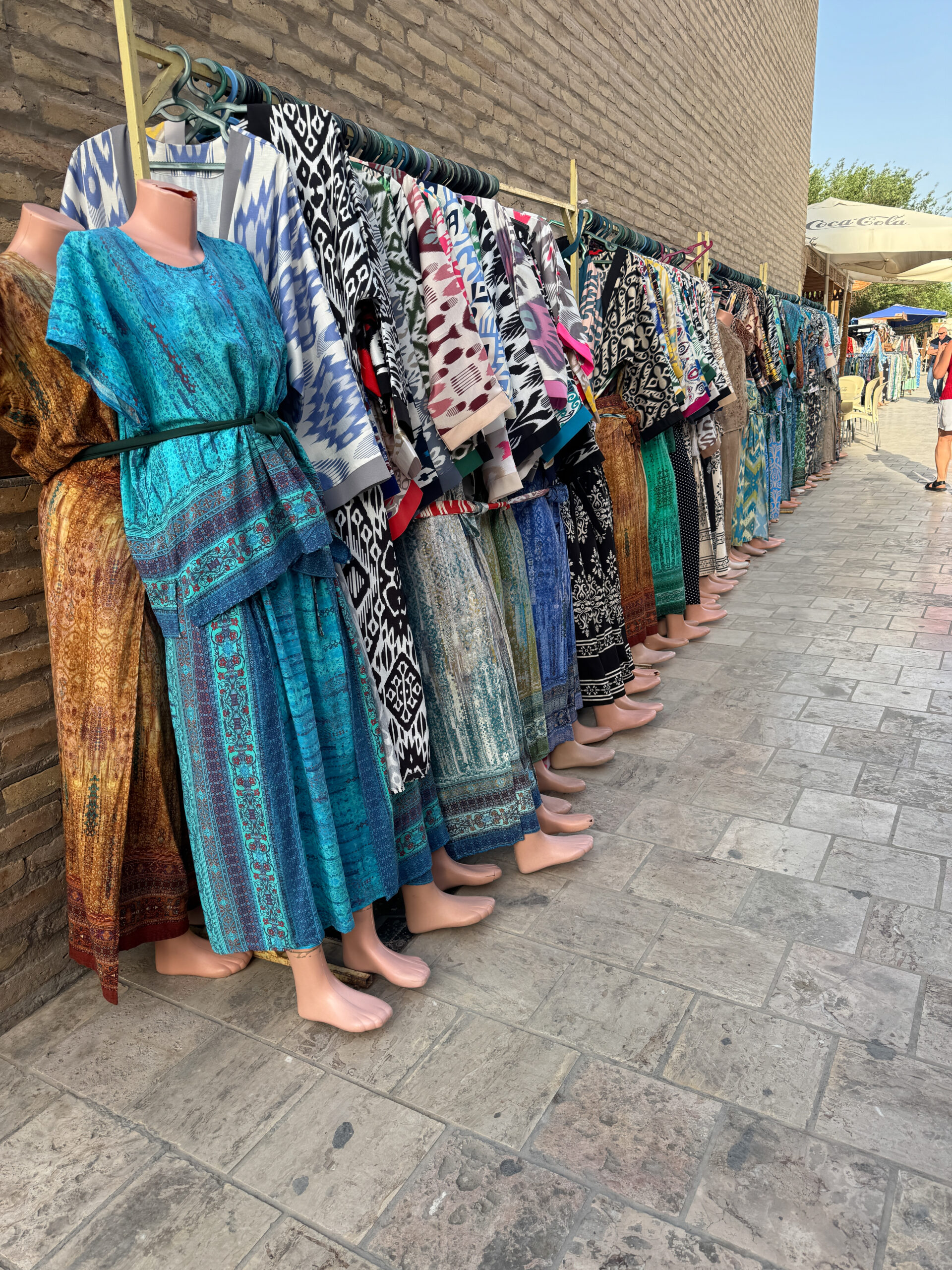
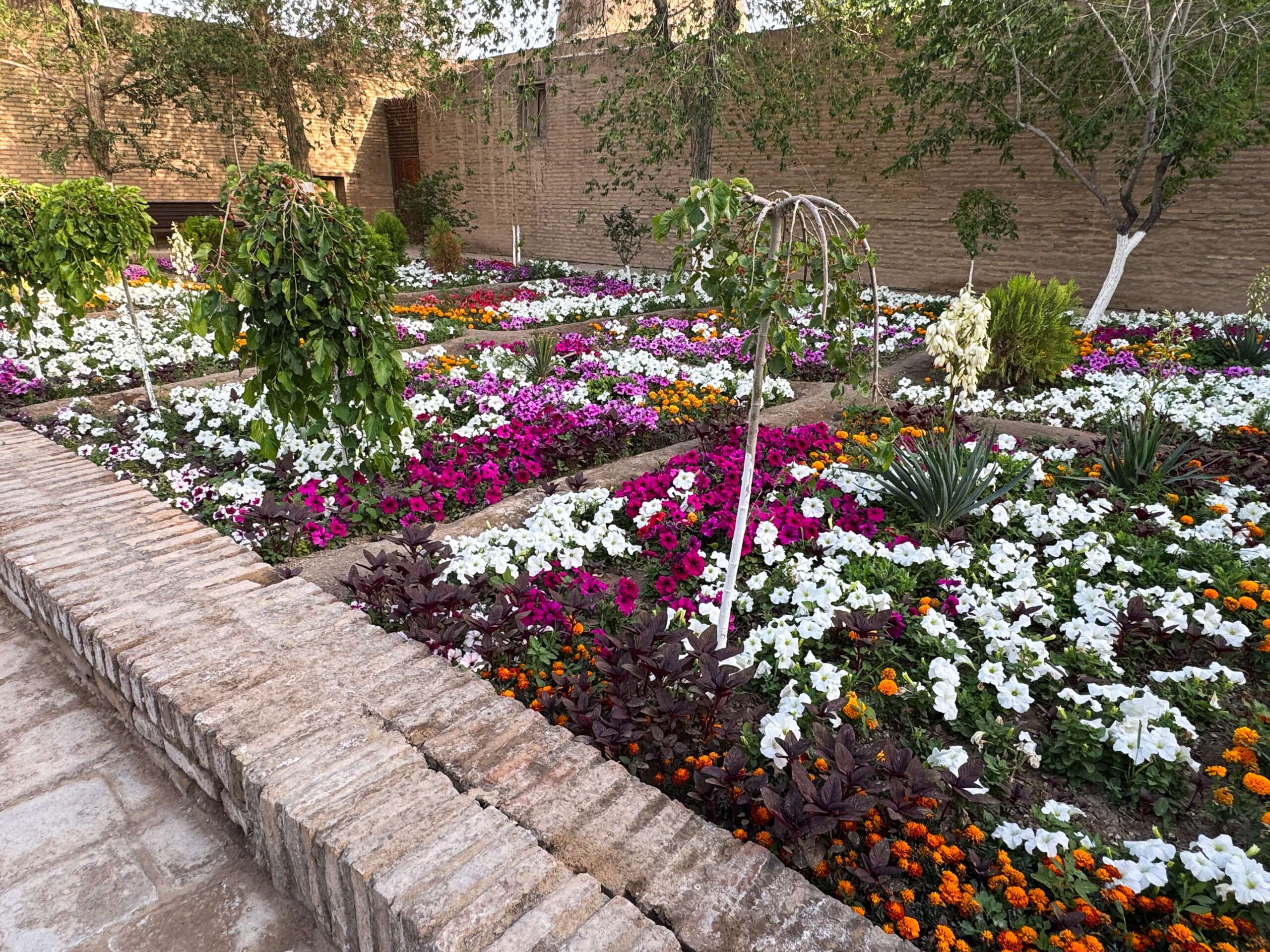
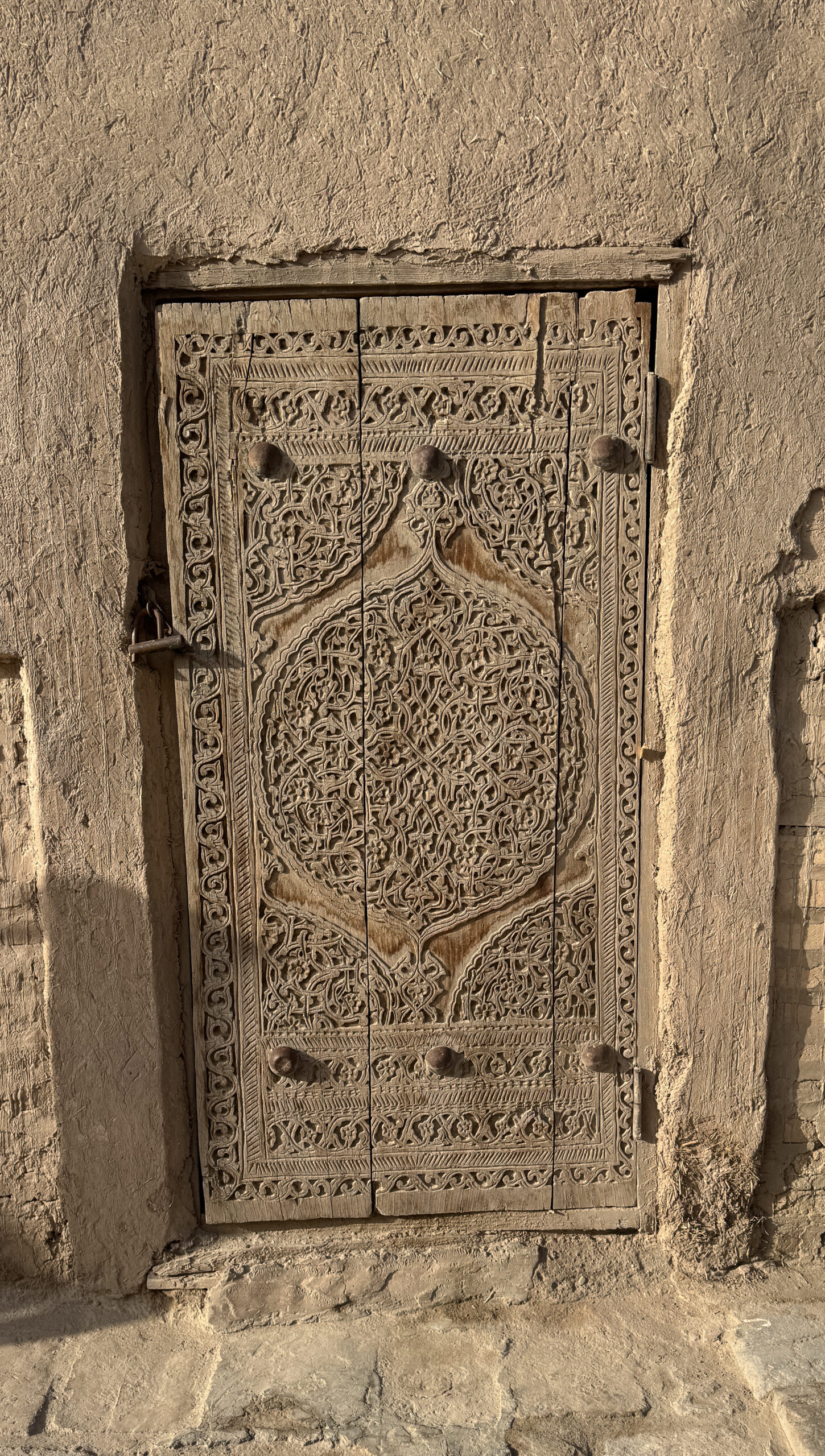
Sites around Itchan Kalam that caught my eye
 *
*
* *
* 
*
*
*
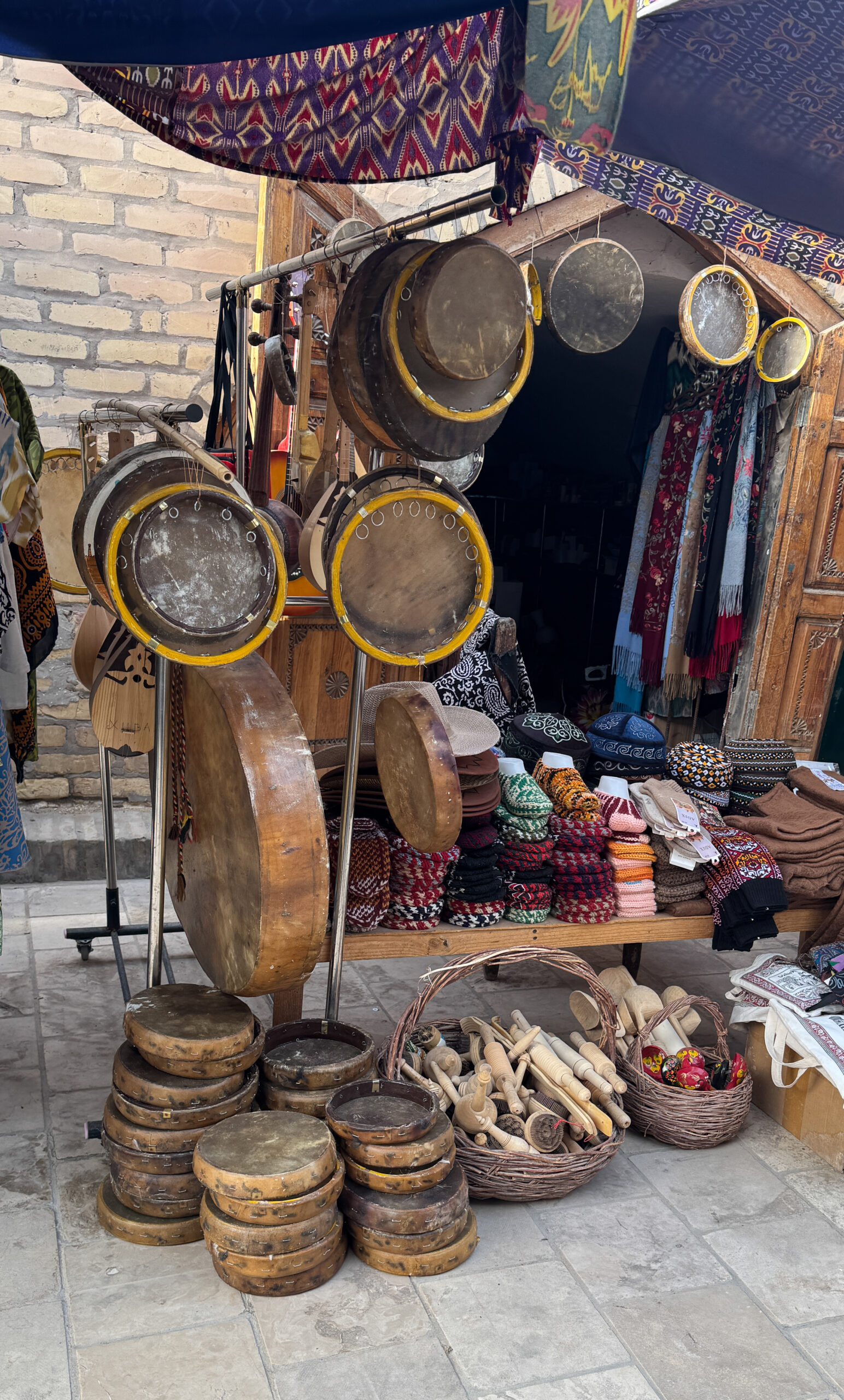
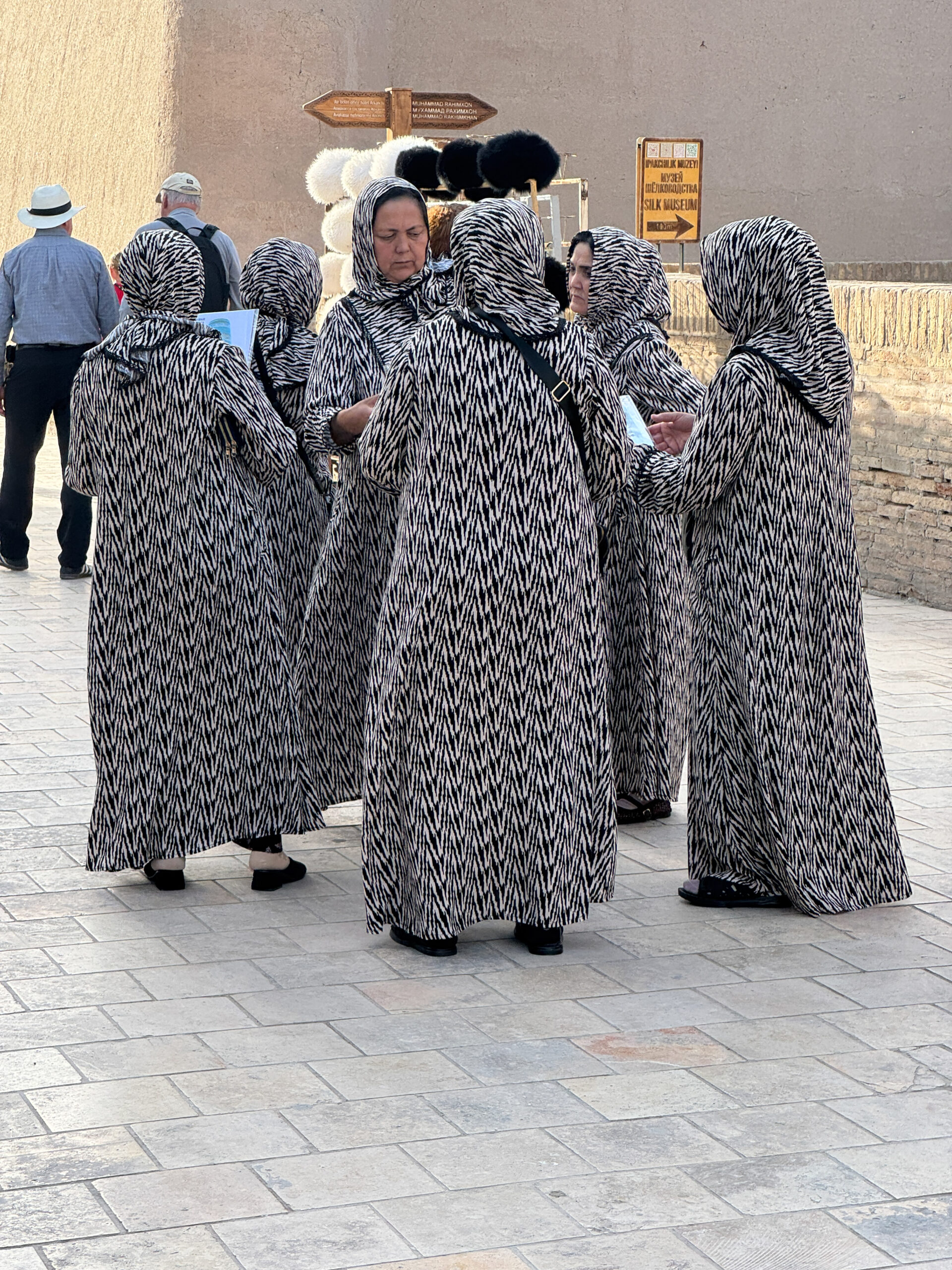
*
*
*