July 2026
I had the pleasure of studying the growth and then dissolution of Abbeys at Oxford this summer. So visiting a few afterward was sort of a mission.
A very brief and incomplete rundown: The Reformation in Tudor England brought about unprecedented change. One of the major outcomes of the Reformation was the destruction of the monasteries, which began in 1536.
The Reformation was precipitated by Henry VIII’s desire to divorce his first wife, Catherine of Aragon, who had failed to give him a male heir. When the Pope refused to grant the divorce, Henry set up the Church of England. The 1534 Act of Supremacy confirmed the break from Rome, declaring Henry to be the Supreme Head of the Church of England.
While the monasteries were a reminder of the power of the Catholic Church. The monasteries were also the wealthiest institutions in the country, and Henry’s lifestyle, along with his wars in France and Scotland, required an ever-growing need for more money.
Monasteries owned over a quarter of all the cultivated land in England. By destroying the monastic system, Henry could acquire all its wealth and property.
Vast amounts of monastic monetary holdings were transferred to the Crown. It is said that the King’s own treasury profited by about one and a half million pounds.
One of the saddest legacies of the Dissolution was the loss and destruction of monastic libraries and their precious illuminated manuscripts.
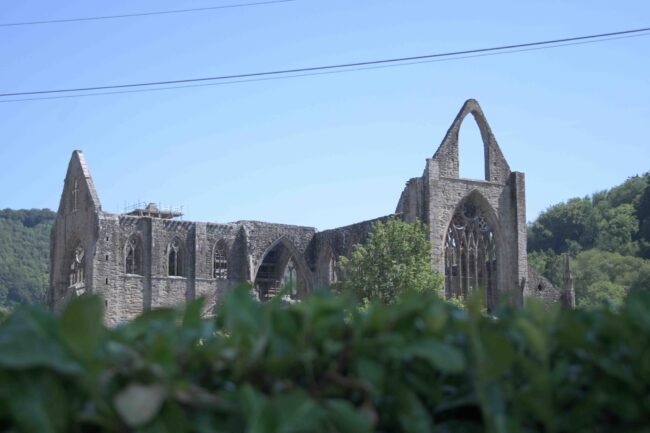
Tintern Abbey
 *
*
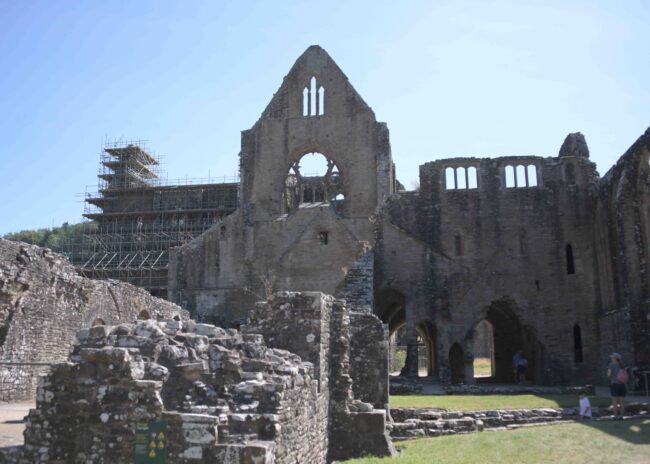
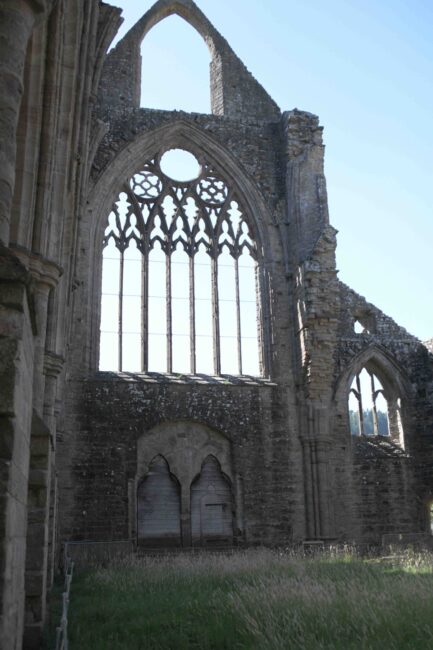
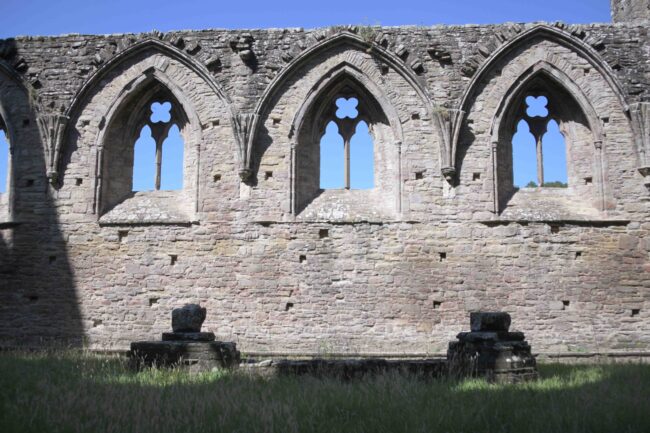
Tintern Abbey is a ruined medieval abbey founded in 1131 by Walter de Clare, Lord of Chepstow. It was the first Cistercian foundation in Wales and the second in Britain.
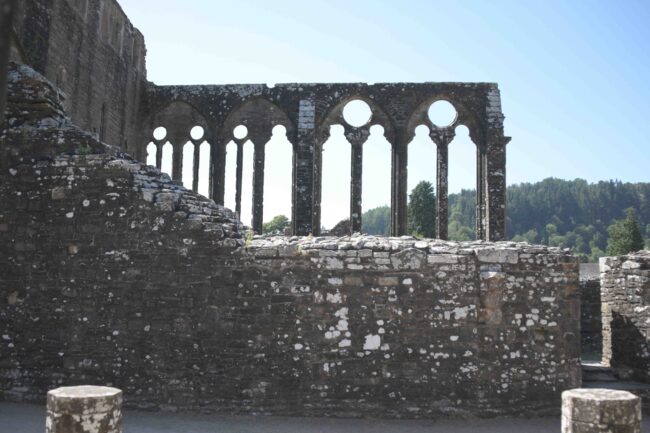
The Cistercian Order was founded in 1098 at the abbey of Cîteaux. A breakaway faction of the Benedictines, the Cistercians sought to re-establish observance of the Rule of Saint Benedict. Considered the strictest of the monastic orders.
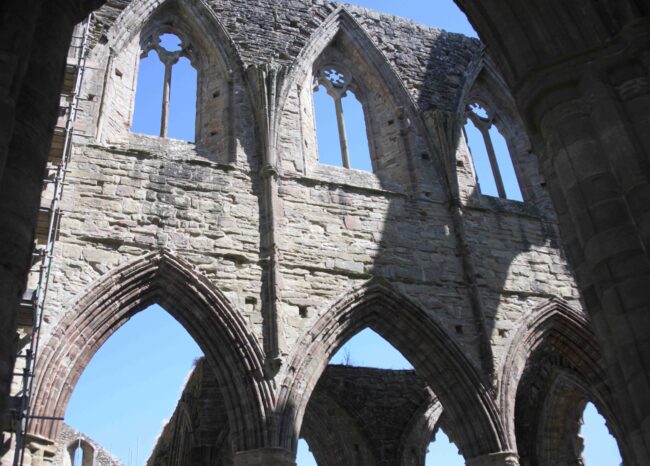
The abbey fell into ruin after the Dissolution of the Monasteries in the 16th century.
*
Llanthony Priory

The priory dates back to around the year 1100, when one of Hugh de Lacy’s knights, William, reputedly came upon a ruined chapel of St. David at this location; he was inspired to devote himself to solitary prayer and study.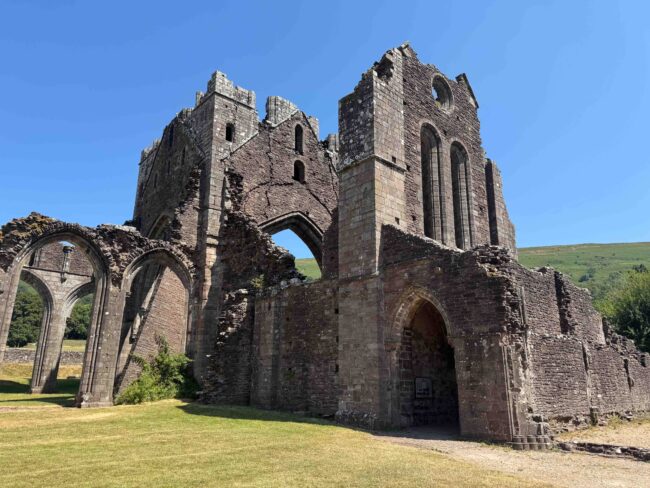
Eventually, a band of followers had joined William. A church was built on the site, dedicated to St John the Baptist, and consecrated in 1108. By 1118, a group of around 40 canons had founded a priory of Canons Regular, the first in Wales. Canons Regular generally follow the Rule of Saint Augustine.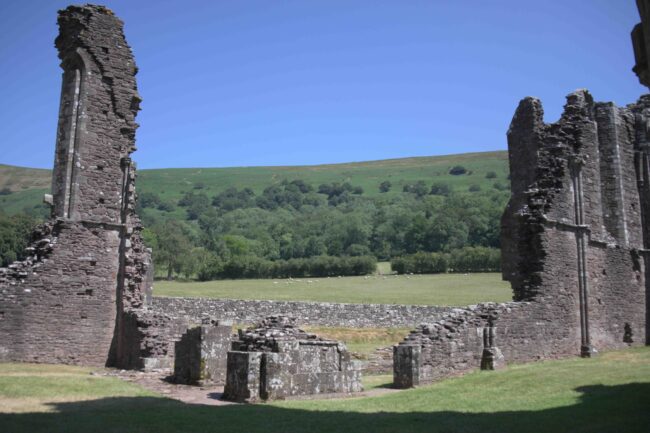
The priory was suppressed in Henry VIII’s dissolution of the monasteries.
Strata Florida
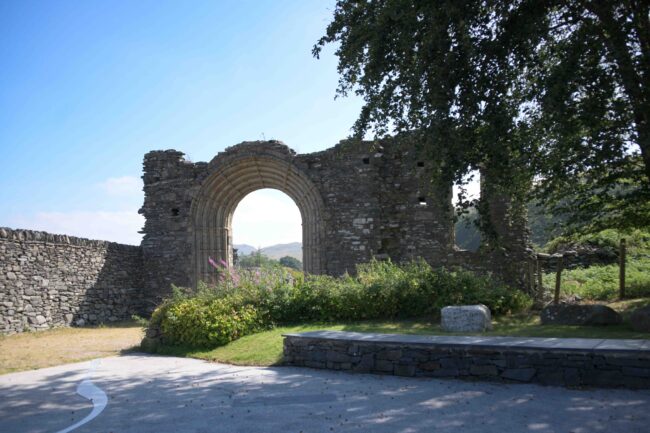 It is said that the Monastery was founded in 1164 by the Cambro-Norman Knight Robert FitzStephen. It was a Cistercian order.
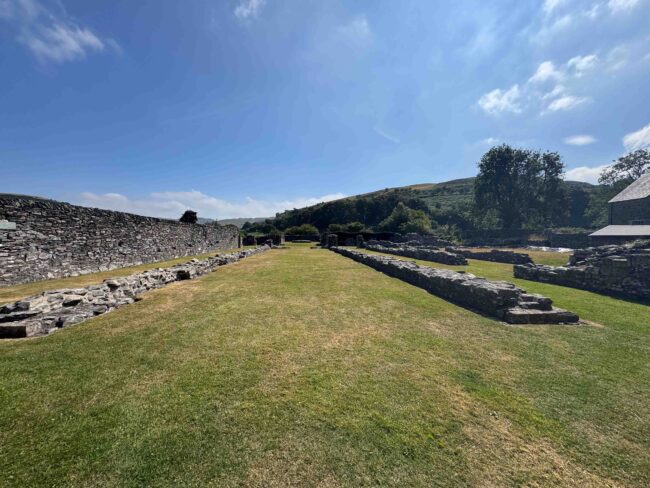 Strata Florida controlled many farms throughout Wales; these “granges” provided the monastery with food and income. The most important primary historical source for early Welsh history, the Brut y Tywysogion, was compiled at Strata Florida.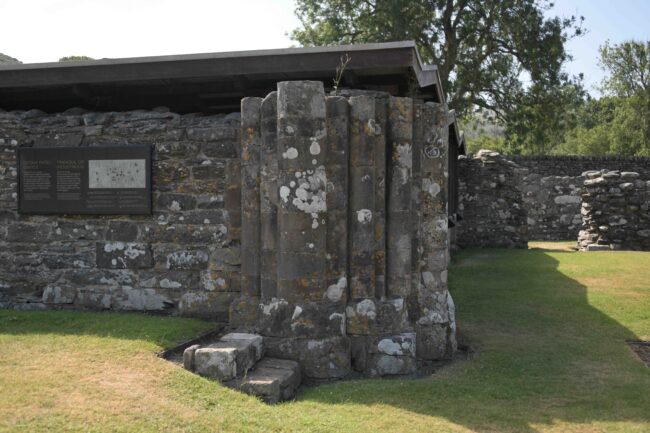
Strata Florida Abbey was dissolved in 1539 by the dissolution. The buildings and their contents were sold off. The church and most of the ancillary buildings were demolished for building materials such as window glass and stone, as well as roof tiles and lead.
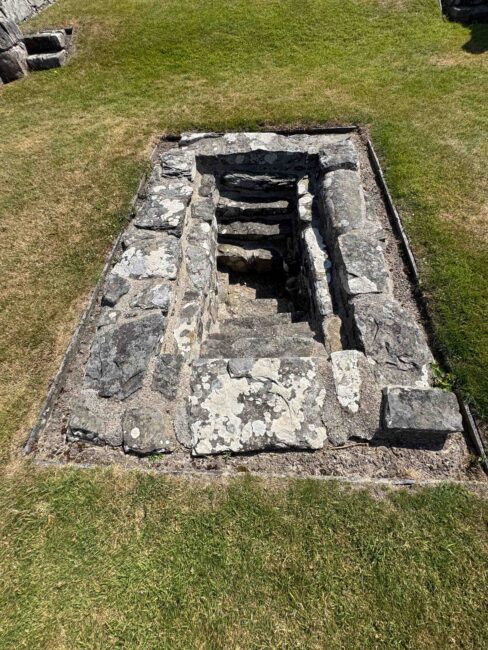
The holy well has two flights of steps down to a square cistern. There are two conduits for water: one for inflow and one for outflow. The eastern steps lead from the high altar and the western steps from the nave, suggesting this was a ritual holy well with monks officiating.
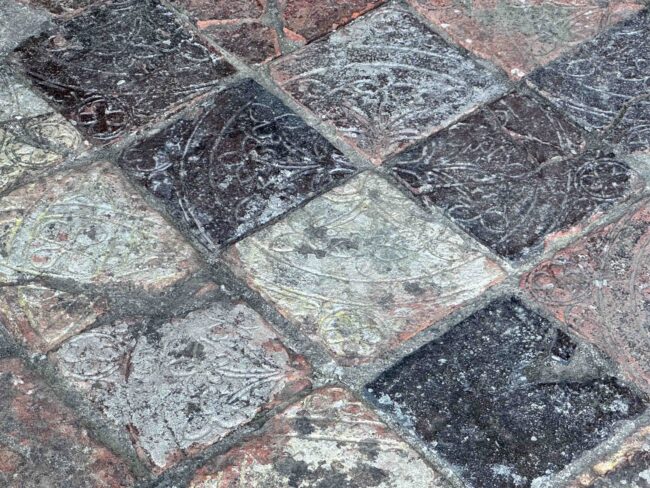
The tiled floors at Strata Florida were uncovered during the excavations in the 1880s. Ceramic tiles were found throughout the east end of the abbey church. There are about ten main designs of these fourteenth-century tiles.
The destruction of the monastery system was more than pillage for money, and destruction for the sake of wiping out a religion.
Monks who opposed Henry VIII were killed, others were given stipends, and some became parish priests.
Hospitals became almshouses, leaving a vacuum for the sick who were essentially tossed out onto the streets.
Education was in the hands of monks, so after the Reformation, the students were at a loss for an education.
Since social care and education lost their benefactors, a good deal of homelessness and vagrancy arose. Many migrated to the outer lands and became squatters. Eventually, a very slow movement to endow almshouses and education took place, but it took decades and decades.