May 2026
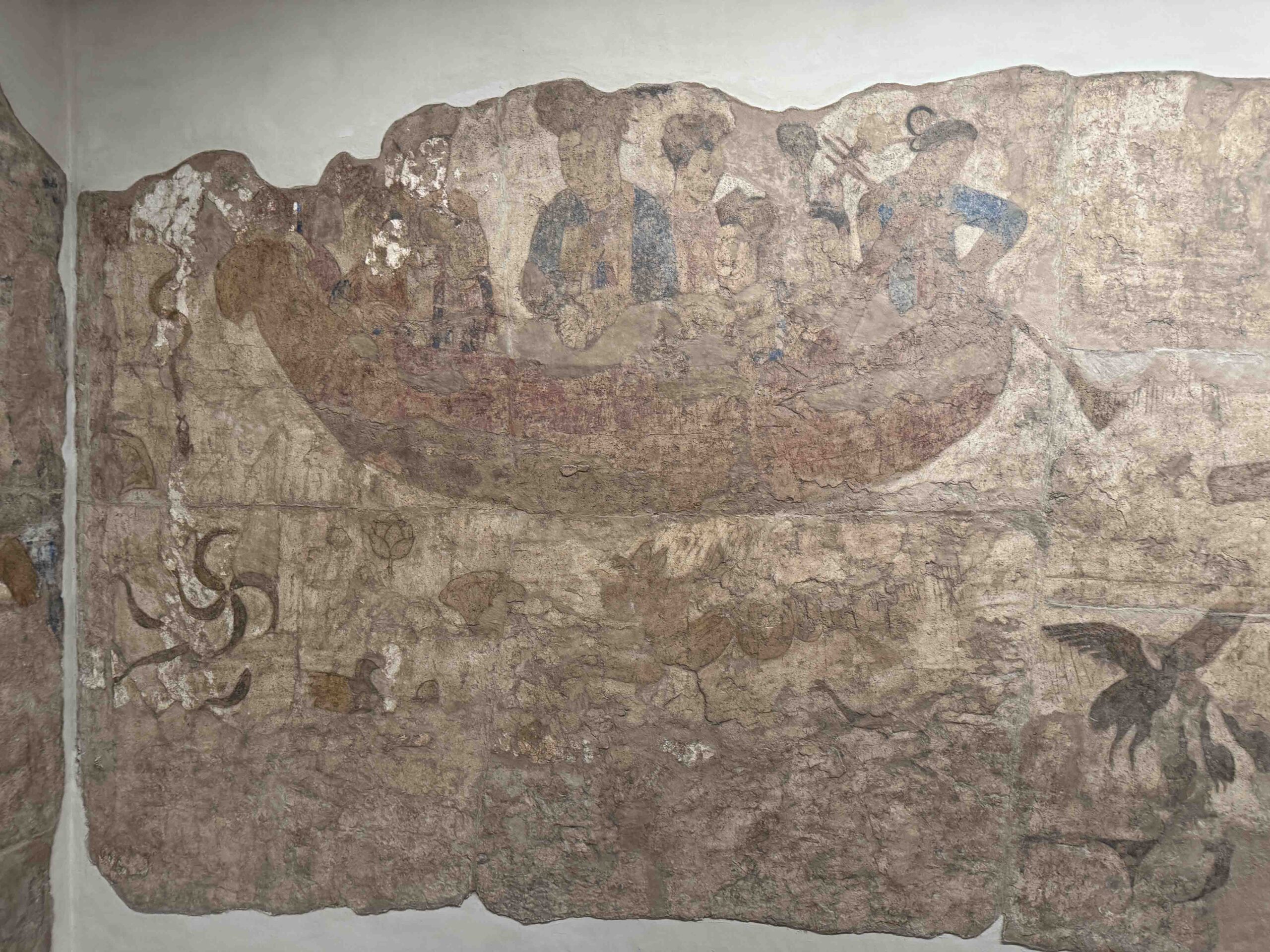
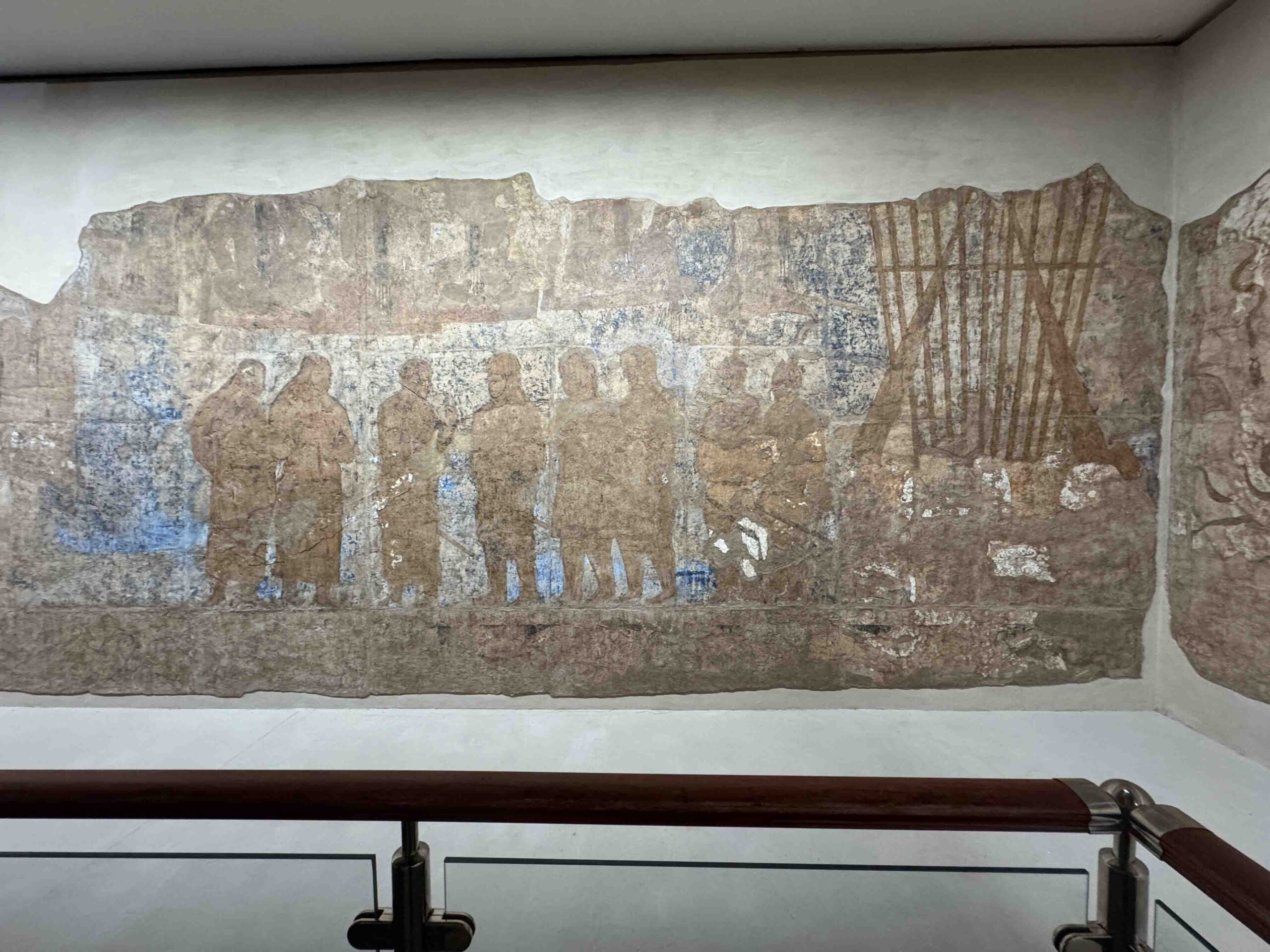
In the Museum of Samarkand are these amazing murals.
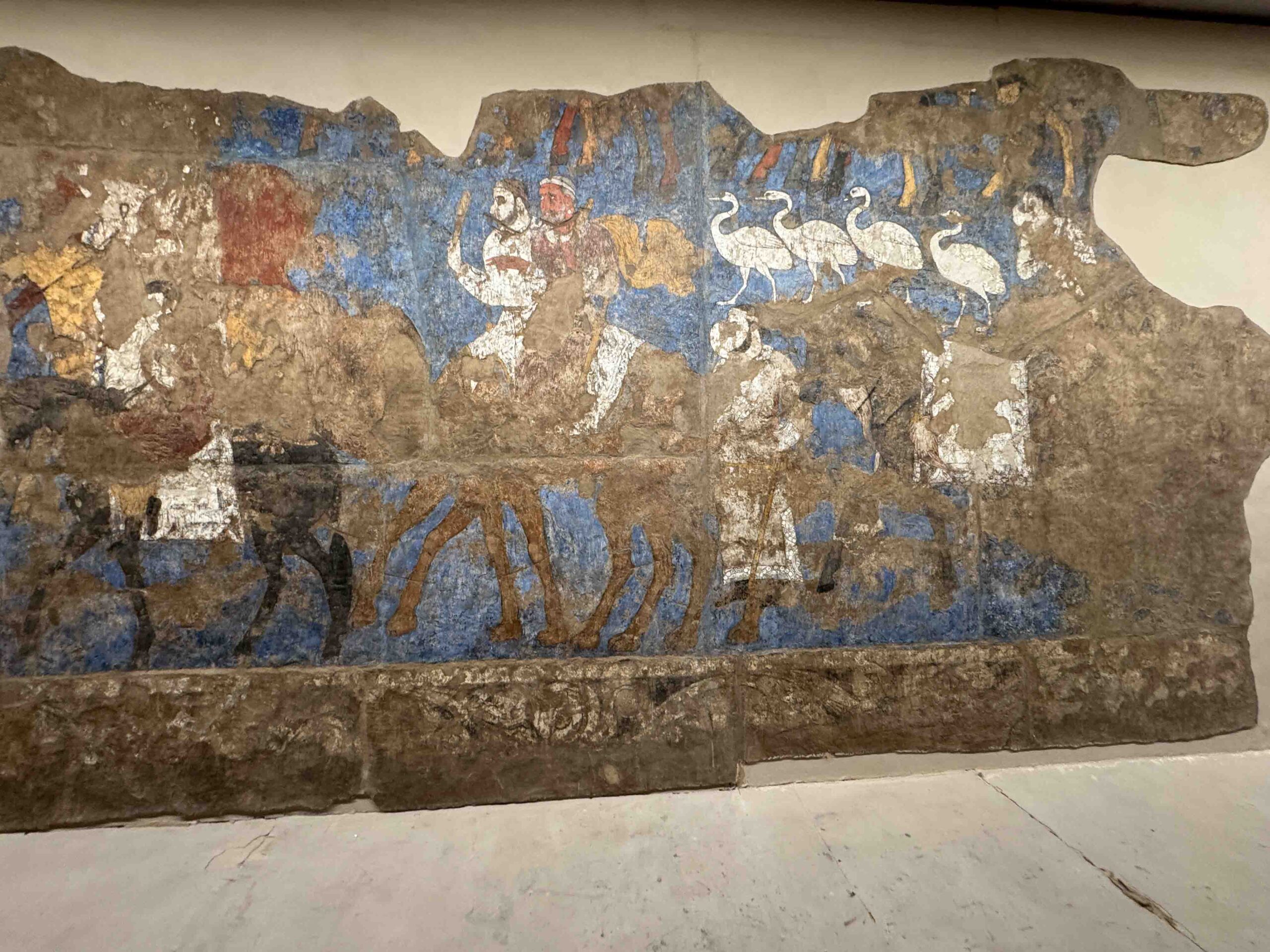
The Afrasiab murals, also called the Paintings of the Ambassadors, are a rare example of Sogdian art. It was discovered in 1965 when the local authorities decided to construct a road in the middle of the Afrāsiāb mound, the old site of pre-Mongol Samarkand.
You are not alone if you do not understand one word I just wrote. I had hoped to bring a timeline of this period, but I got so confused myself.
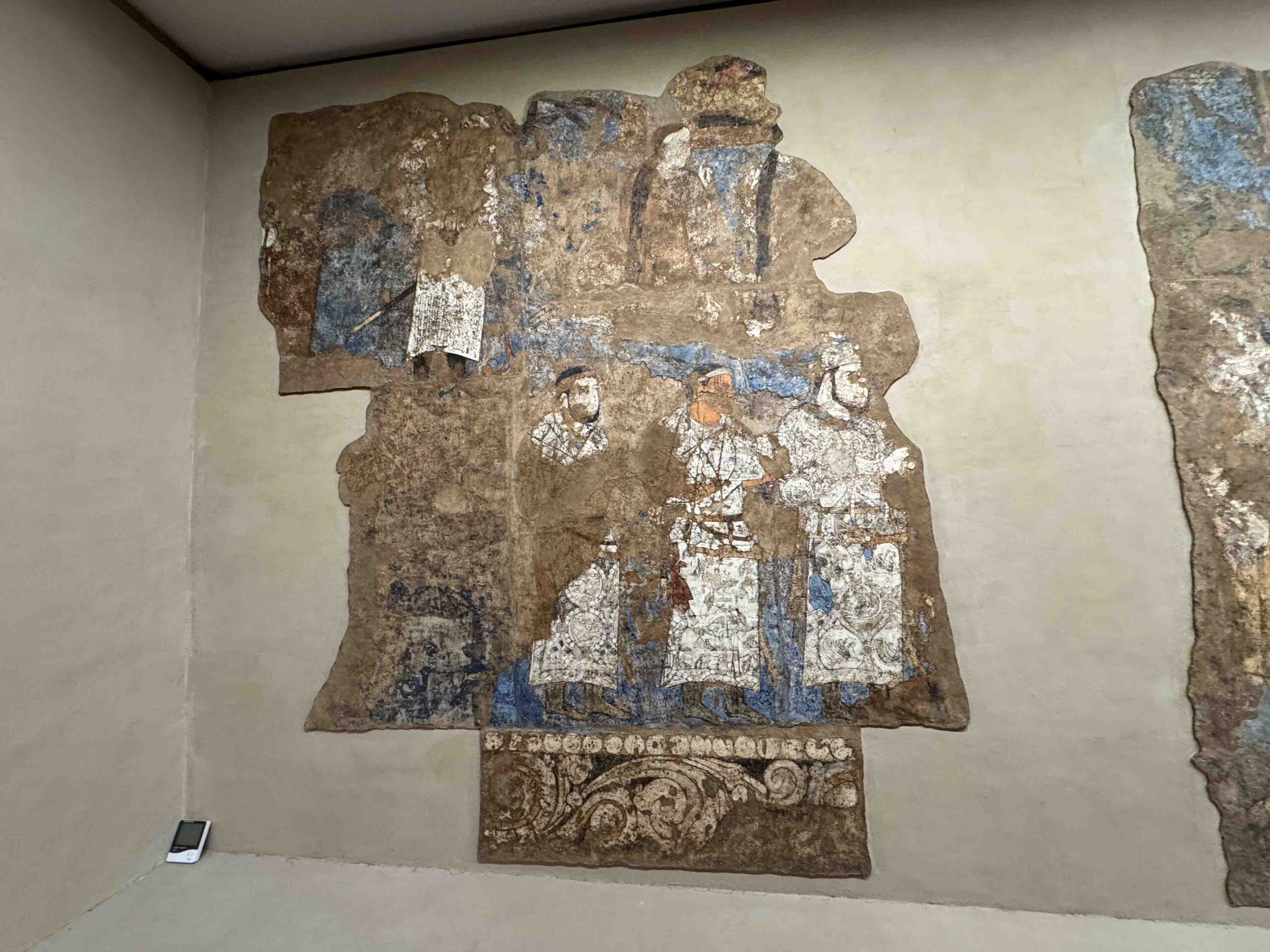
Afrasiab is an ancient site in northern Samarkand that was occupied from c. 500 BCE to 1220 CE prior to the Mongol invasion in the 13th century. The oldest layers date from the middle of the first millennium BCE.
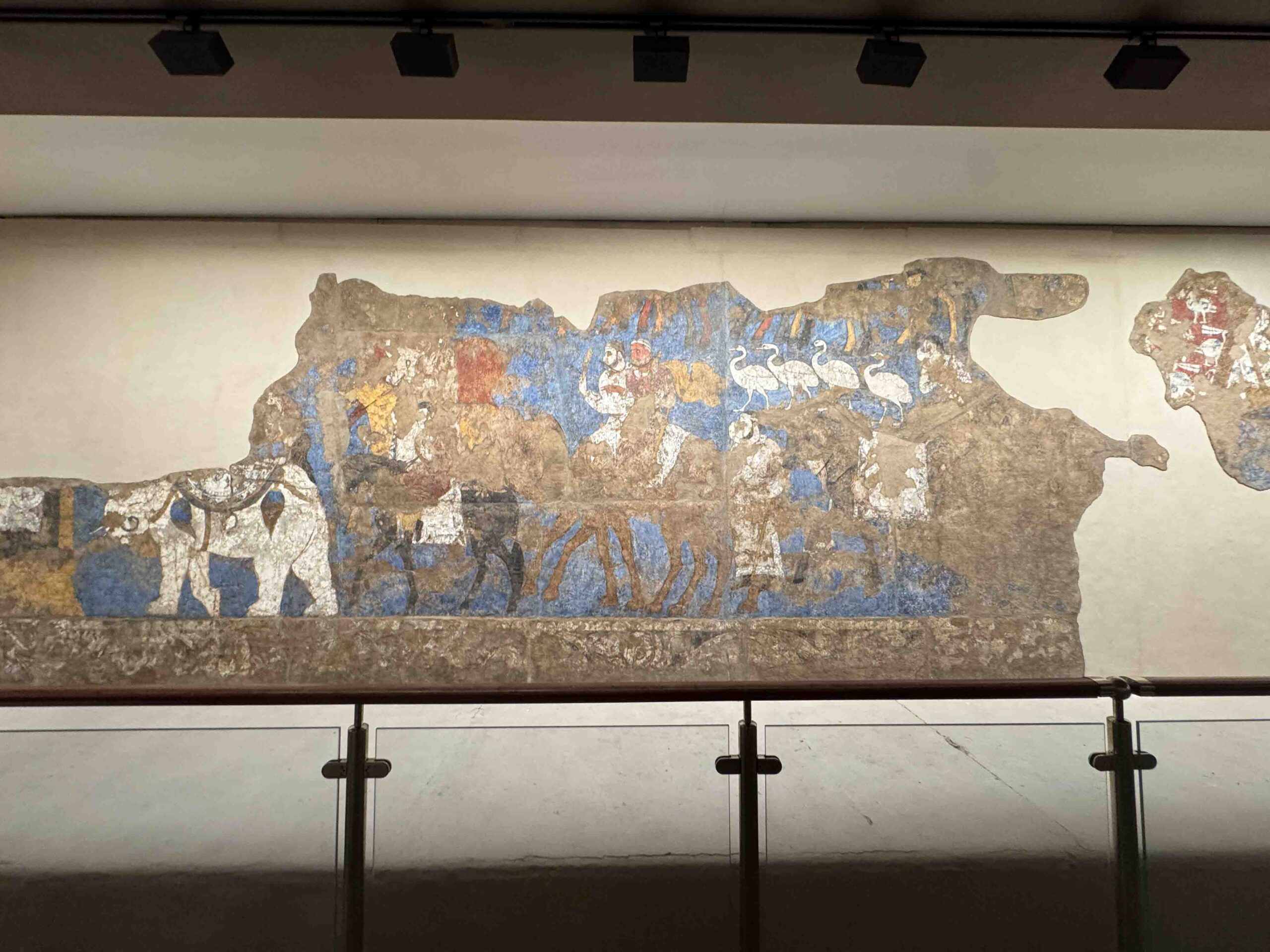
Sogdian Art Sogdian art refers to art produced by the Sogdians, an Iranian people living mainly in ancient Sogdia, present-day Uzbekistan, Tajikistan, Kazakhstan, and Kyrgyzstan, who also had a large diaspora living in China. Its apex was between the 5th and 9th centuries, and it consists of a rich body of pre-Muslim Central Asian visual arts. They specialized in painting, but they excelled in other art forms as well.
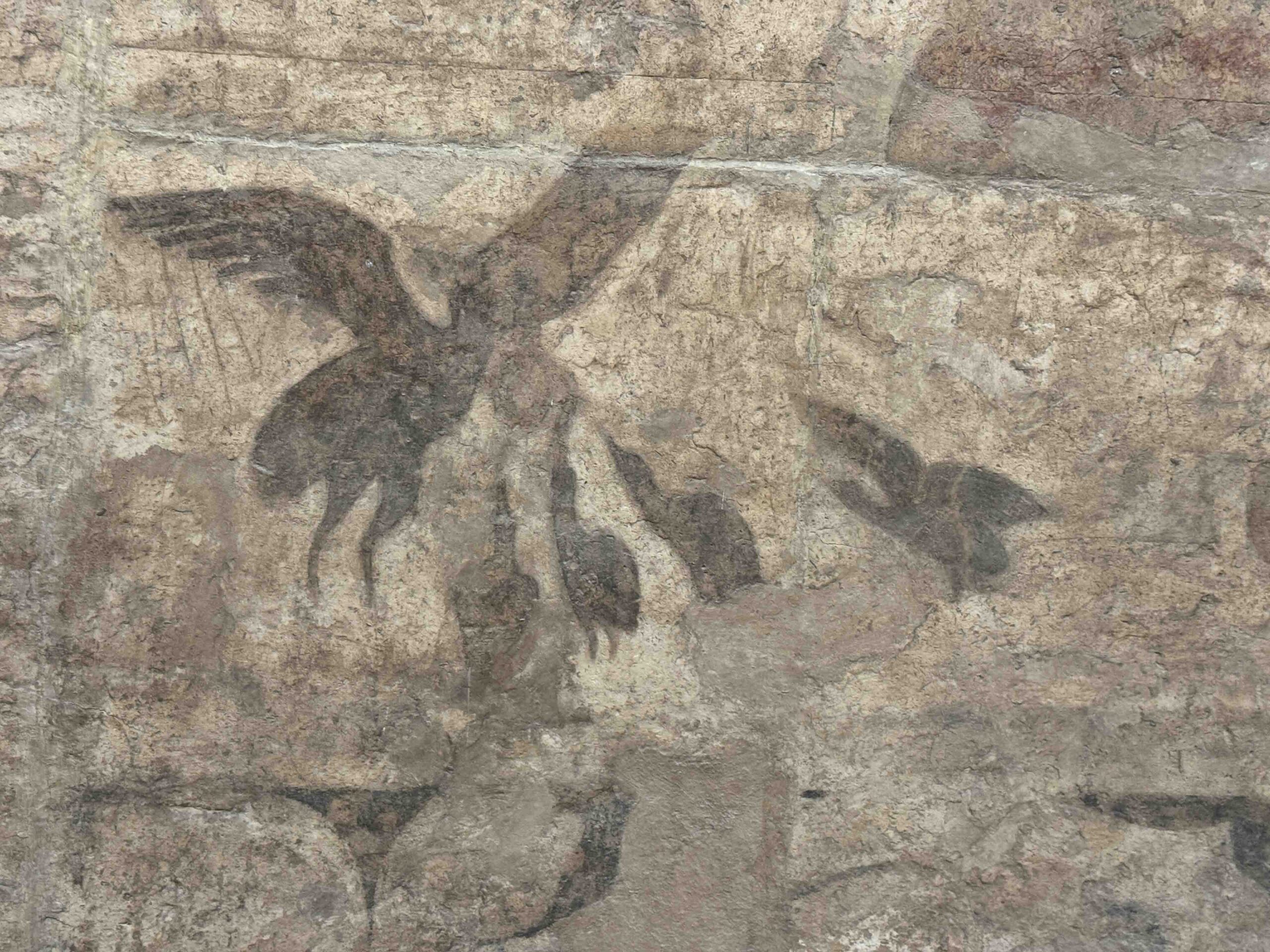
The four walls of the palatial room seem to depict the four principal civilizations influencing Central Asia at that time: Chinese, Indian, Iranian, and Turkic. The Chinese chronicles of the Book of the Later Han appear to describe such a mural depicting the four civilizations as a common feature in the region,
*