September 2025
In 2021, I took a walking tour with Flo through some artistic areas in both the 15th and 14th Arrondissements. We didn’t hit them all so I wanted to go back and explore a few in the 14th in more detail.
Villa Seurat
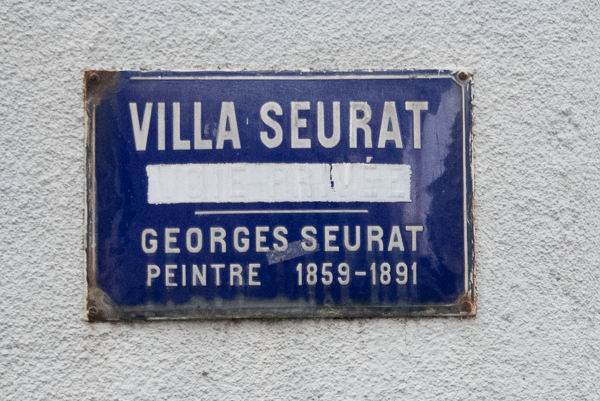
Villa Seurat was a focal point for Parisian artistic and intellectual life during the early 20th century. Created in 1926, it was named Cité Seurat in homage to the renowned post-impressionist painter Georges Seurat.
The homes were designed by the influential figures in Modernist architecture, André Lurçat and the Perret brothers, Auguste and Gustave. The Villa Seurat boasts a distinctive architectural style that defied the traditional norms of its time.
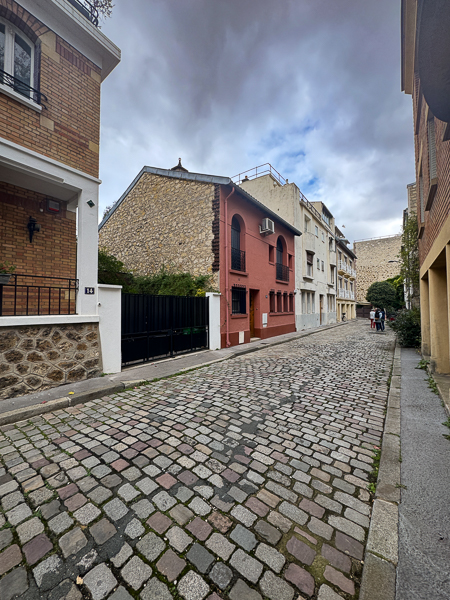
André Lurçat (1894-1970) crafted a series of eight studio-houses located at numbers 1, 3, 4, 5, 8, 9, and 11 within Villa Seurat.
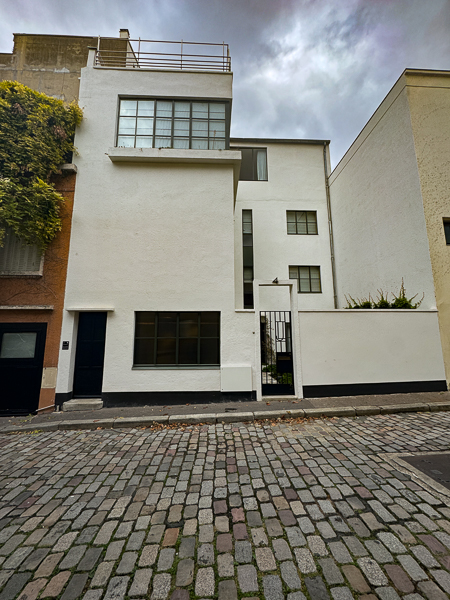
The inaugural structure, erected in 1924, was intended for Jean Lurçat, his brother, a designer renowned for his revival of tapestry artistry in France. No. 4 is an L-shaped villa, encircling an inner courtyard, a style that embodies Lurçat’s architectural ingenuity.
The neighborhood has seen more than its share of very famous artists.
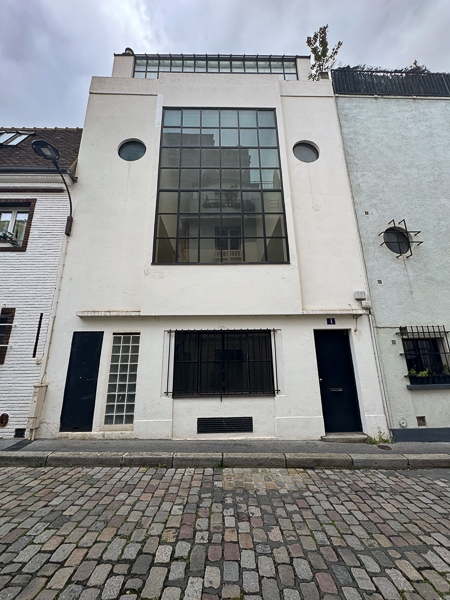
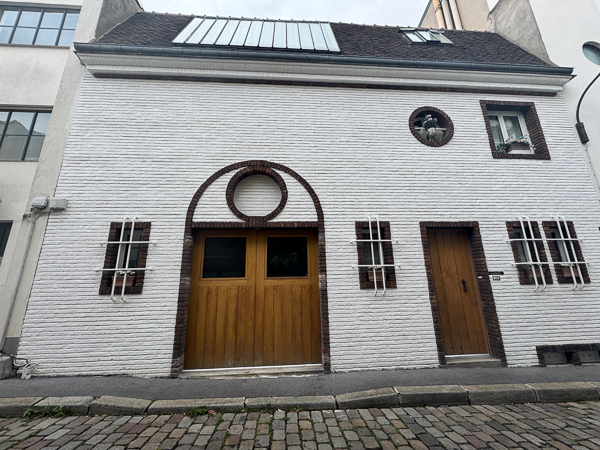
No. 1 was once inhabited by Frank Townsend (1869-1937), an accomplished Impressionist painter celebrated for his plein air portraits, landscapes, and figure studies. In 1929, the American Surrealist painter Eugene MacCown (1898-1966) briefly resided there.
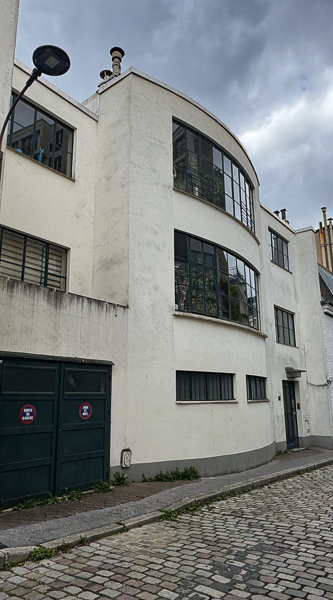
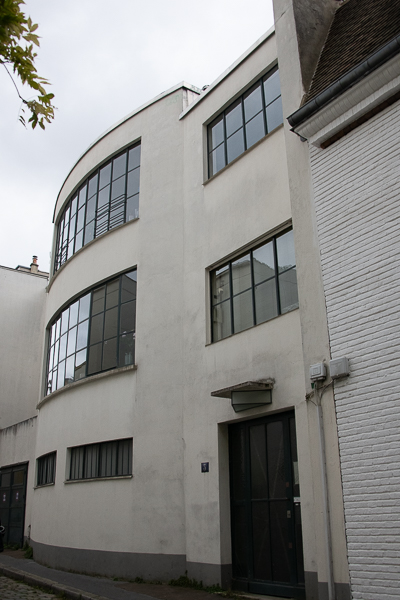
No. 3, with its unique curved front, and 3bis housed Marcel Gromaire (1892-1971) and his studio mate Edouard Goeg. Marcel Gromaire (1892-1971) was a Social Realist painter. Edouard Goerg (1893-1969) saw fighting during World War I. The harrowing experiences led to a shift in his art from Cubism to Expressionism, characterized by dark hues and anguished compositions.
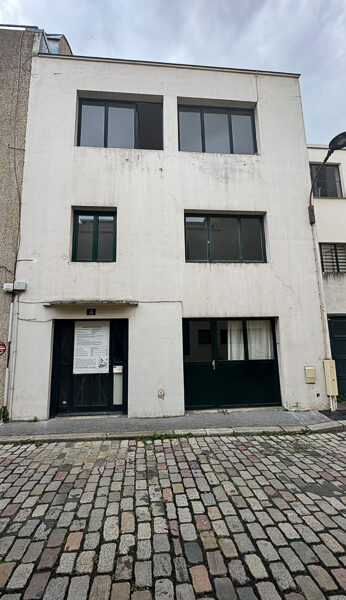
No. 5 was once inhabited by the painter Pierre Bertrand (1884-1975). Bertrand served as the official painter for the French Navy.
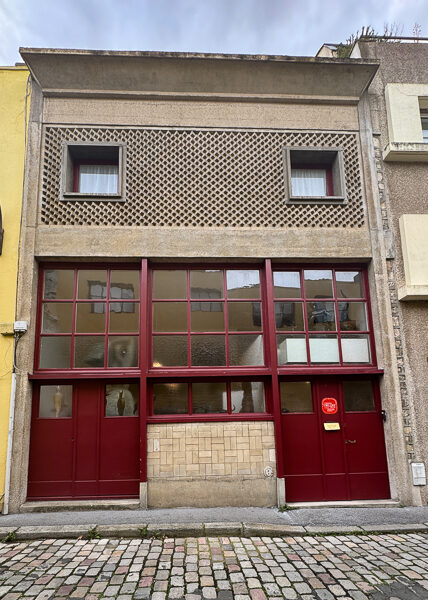
#7 was built in 1926 for sculptor Chana Orloff; the building served as her residence and studio until 1942. It was seized as a Jewish asset during the war, but Orloff managed to reclaim ownership in 1945 and continued to split her time between Israel and Paris until 1968.
The house is distinct in its use of reinforced concrete; the upper story is adorned with protruding bricks.
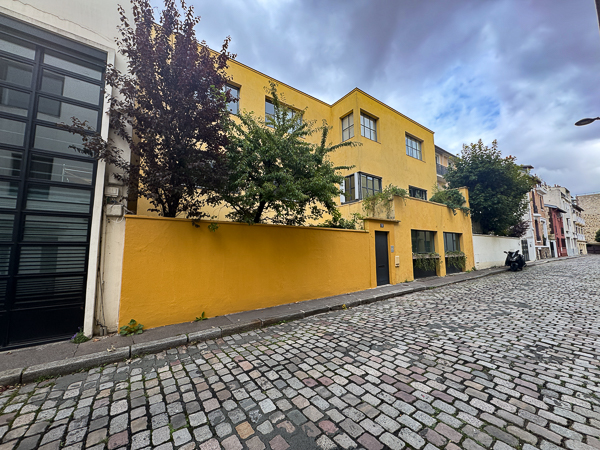
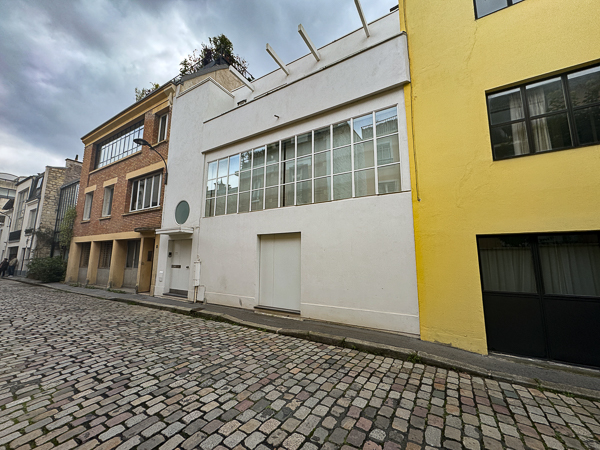
Number 11, the white building in the center, was the home of figurative sculptor Arnold Huggler.
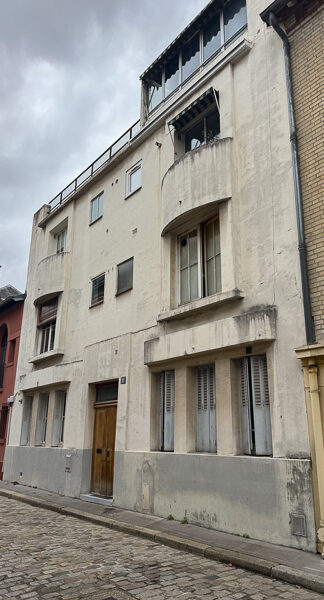
No. 18 holds a special place in Villa Seurat’s lore. Here, American writer Henry Miller penned “Tropic of Cancer” in 1931 while sleeping on the sofa of a fellow artist. Nicknamed Villa Borghese by Miller, this residence also hosted Anais Nin (1903-1977) and Salvador Dali (1904-1989).
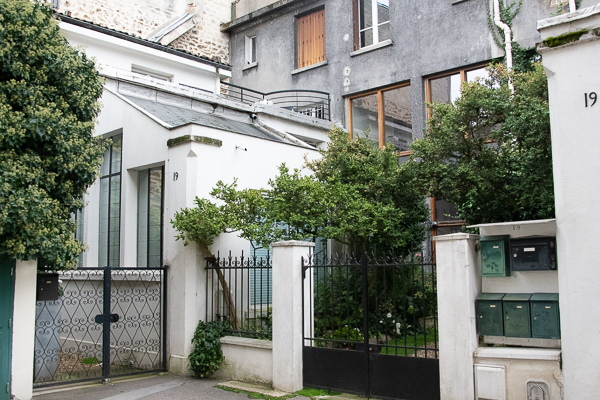
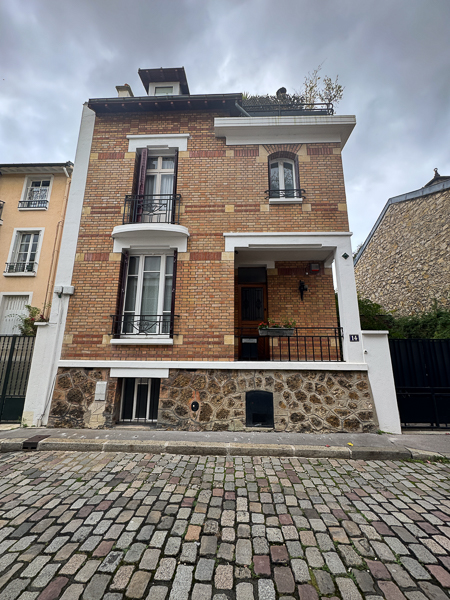
Villa Seurat is the epitome of an artist colony in Paris.