September 2025
The 13th is called Gobelins after the Gobelin family, whose factory is described below.
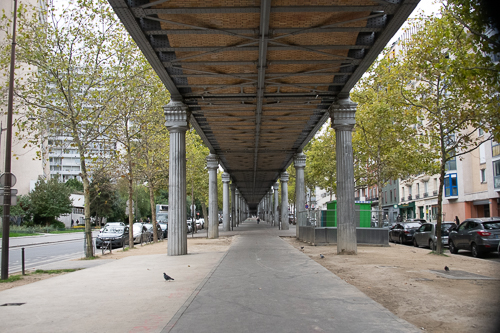
I got off the raised metro at the Chevaralet station and began my walk along this gorgeous promenade under the metro tracks.
My first stop was the hospital for nothing more than to set eyes on a very historical spot and a horror of a place for women.
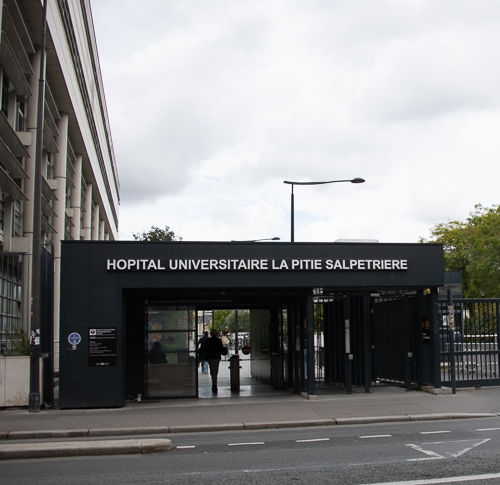
The Hopital Universitaire La Pitie Salpetriere has a fascinating history. The Salpêtrière was originally a gunpowder factory. In 1656, at the direction of Louis XIV, it was converted into a hospice for the poor women of Paris as part of the General Hospital of Paris. This main hospice was for women who were learning disabled, mentally ill, or epileptic, as well as poor. In 1657, it was incorporated with the hospice of the Pitié, designed specifically for beggars’ children and orphans. Sheets for hospice and military clothing were produced there by the children. In 1684, a women’s prison was added to the site with a total capacity of 300 convicted prostitutes. It provided wretched living conditions for its inmates.
By the Revolution, Pitié-Salpêtrière Hospice had become the world’s largest hospice, with a capacity of 10,000 “patients” and over 300 prisoners. Until the French Revolution, the Salpêtrière had no medical function. During the September massacres of 1792, the Salpêtrière was stormed by a mob from the impoverished working-class district of the Faubourg Saint-Marcel, with the avowed intention of releasing the detained prisoners: 134 of the prostitutes were released; twenty-five madwomen were less fortunate and were dragged, some still in their chains, into the streets and murdered. The world began treating its patients a little bit better by the 1700s and from there things improved.
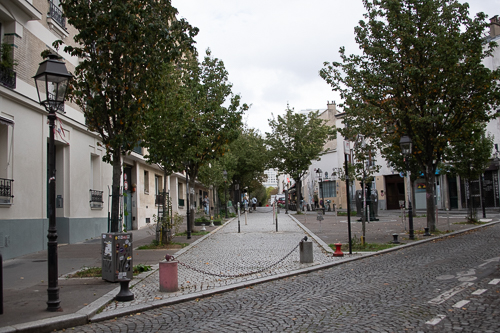
In my perpetual wanderings to find hidden neighborhoods, today’s stroll took me to Butte-aux-Cailles. This very arty district owes its original name to Pierre Caille, the first owner of this hill covered, at the time, with meadows, vineyards, woods, and windmills, acquired in 1543.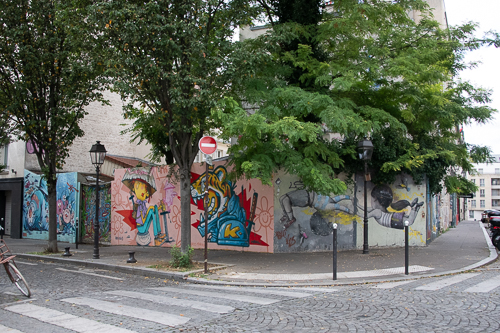
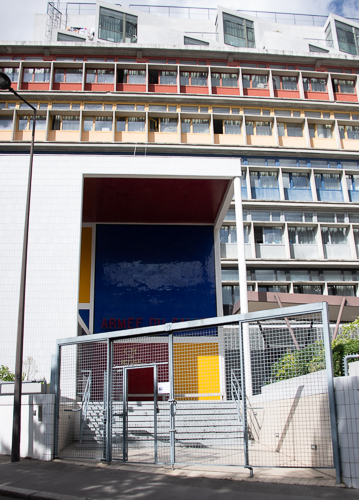
My main reason for heading to the 13th was to see Corbusier’s Cité de Refuge.
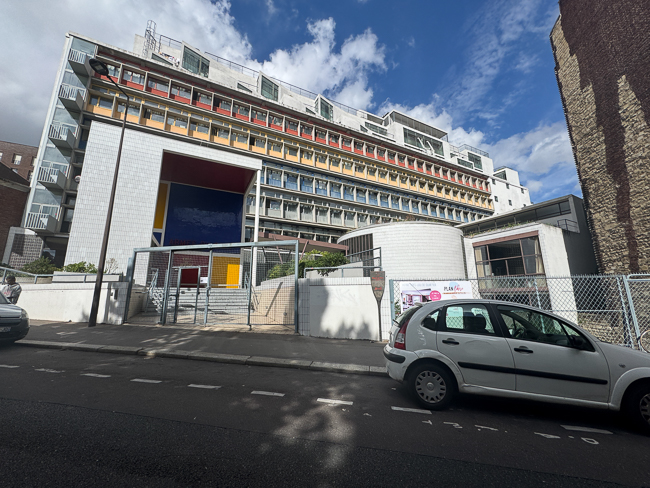
The building was designed for the Salvation Army and opened in 1933. Since that time, it has been occupied by the French Salvation Army. The building, one of Le Corbusier’s first urban housing projects, was designated a National Historical Monument of France in 1975.
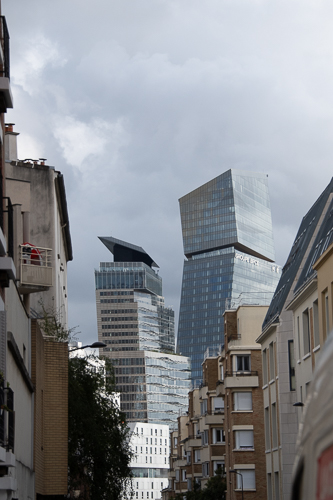
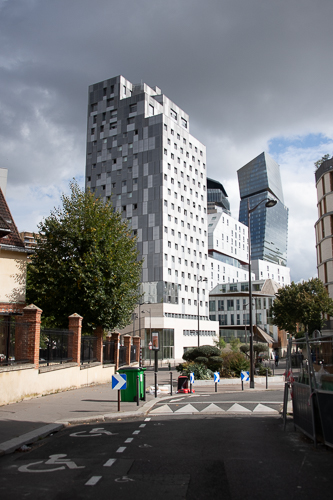
There is a considerable number of fascinating modern buildings in this area of the 13th.
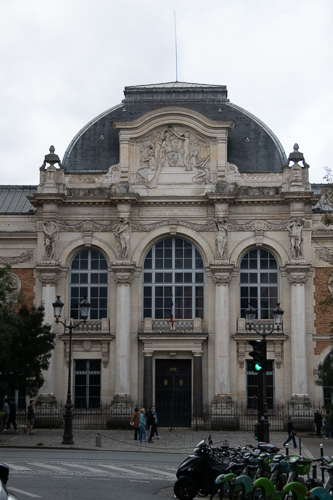
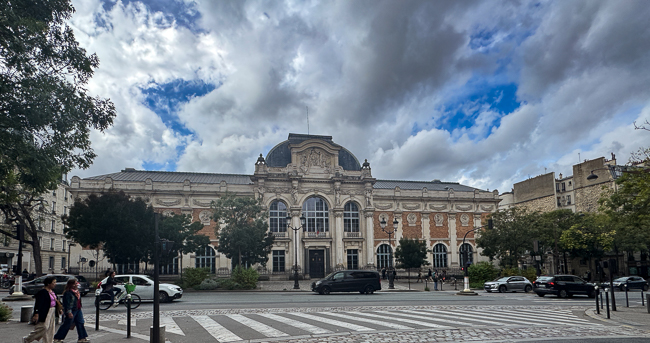
The Gobelins Manufactory is a historical tapestry factory. It was originally established on the site as a medieval dyeing business by the Gobelin family. It is best known as a royal factory supplying the court of the French monarchs since Louis XIV. The French Ministry of Culture now runs it.
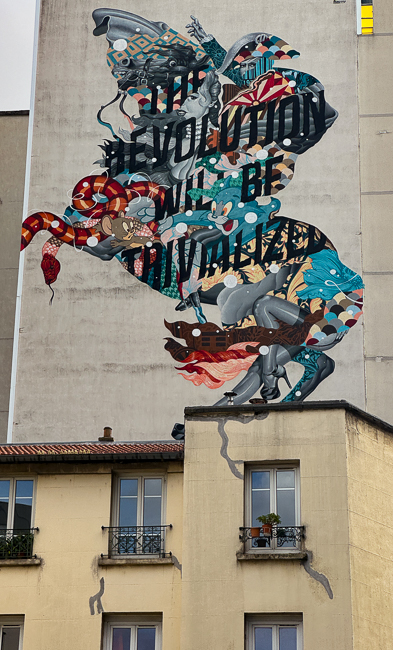
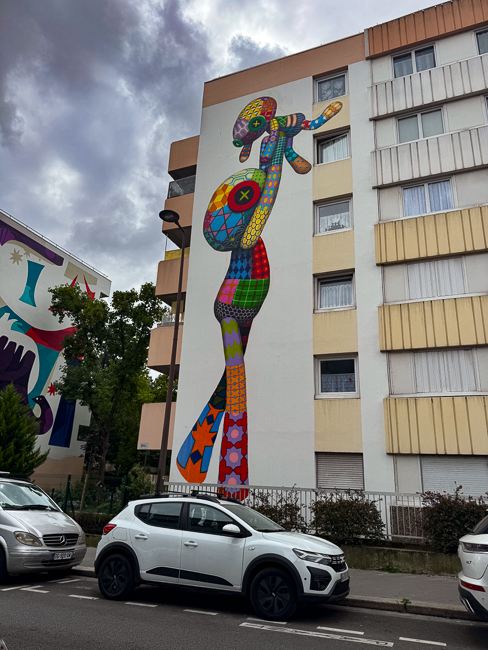
The 13th is often overlooked, and there is so much more to explore than I had a chance to get to. So much to see in Paris, so little time.