August 1, 2025
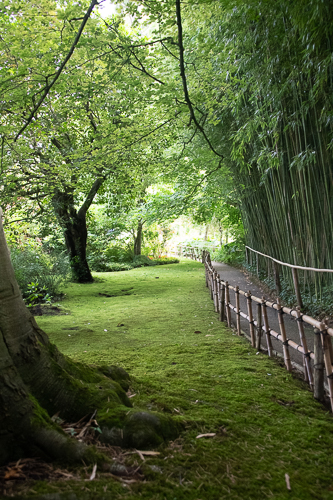
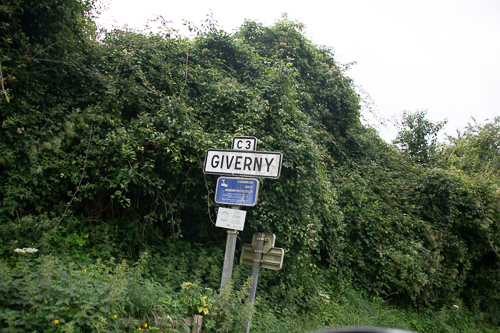
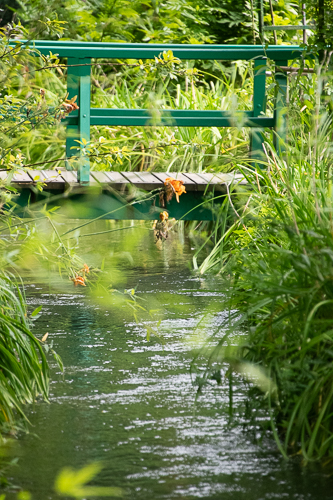
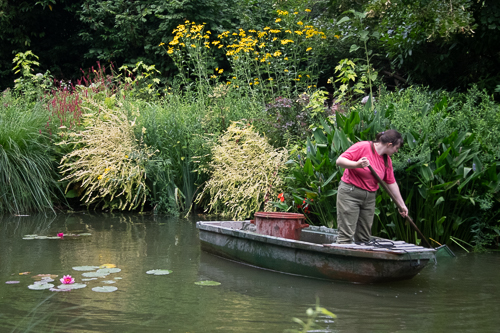
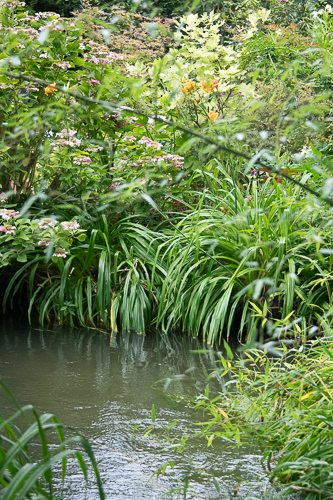
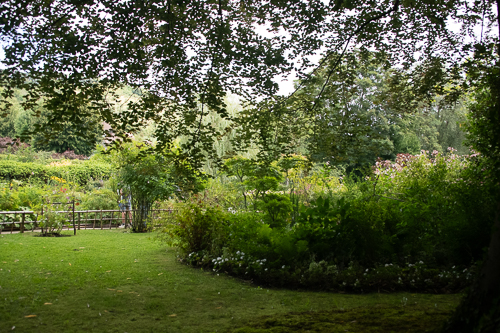
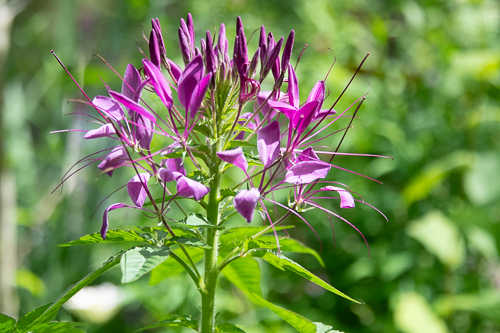
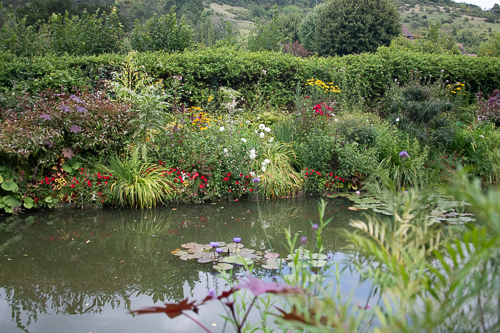
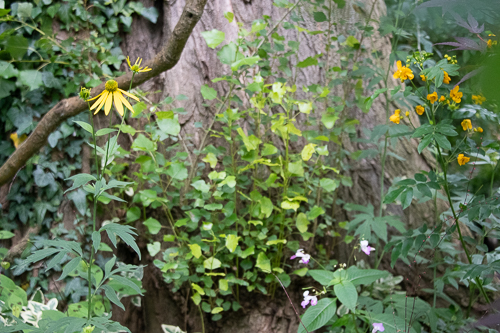
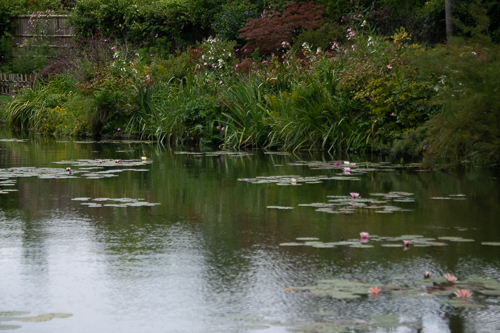
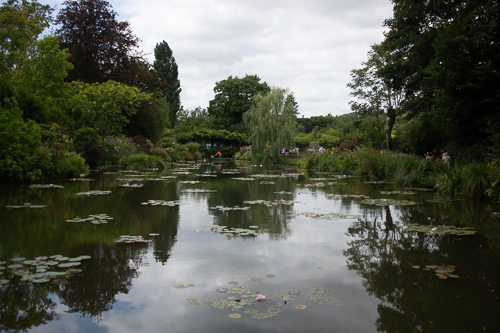
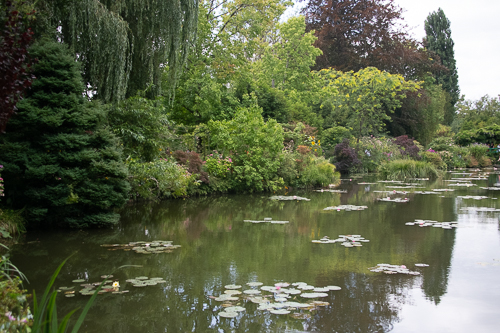
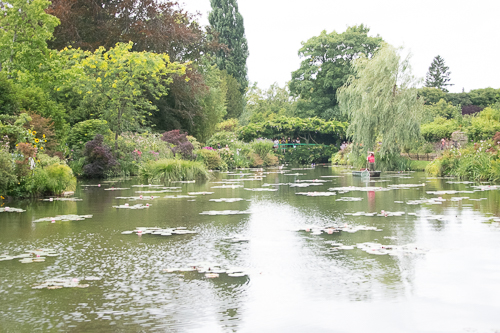
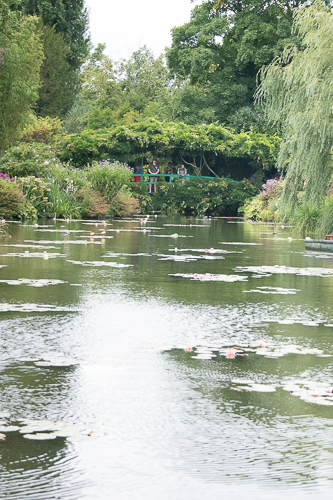
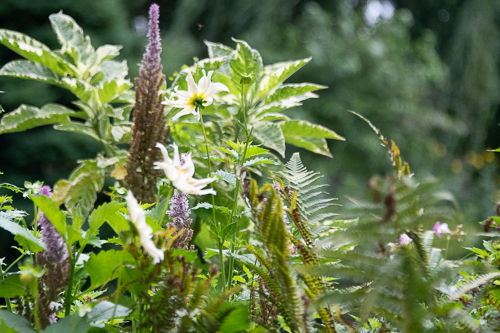
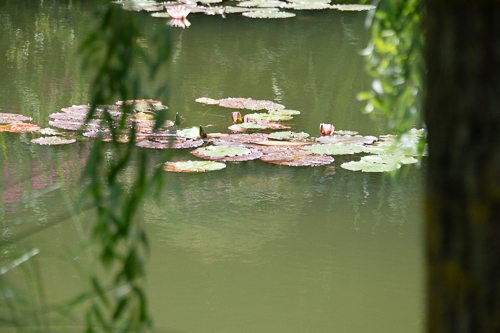
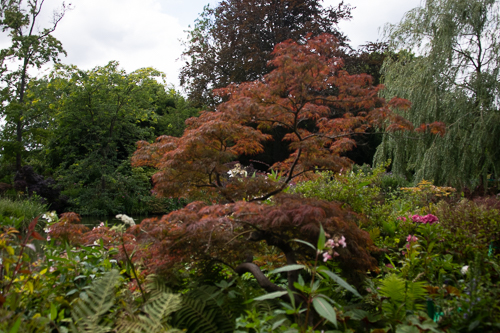
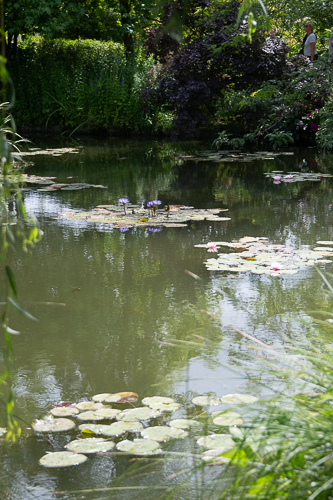
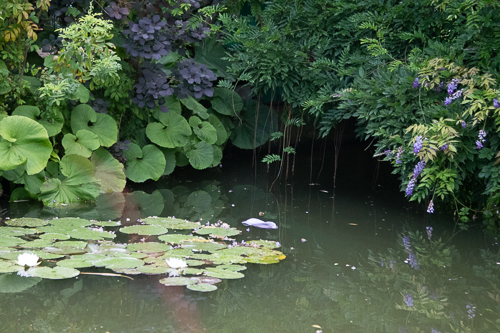
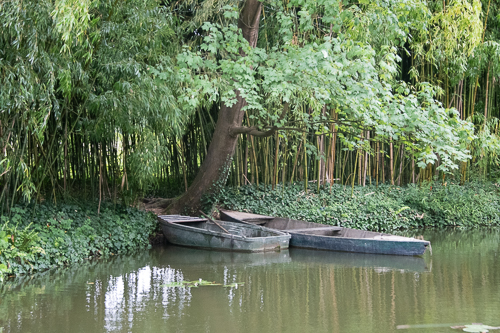
What is there to say about Giverny that hasn’t already been said by far more eloquent people than I? So I am going to do something I never do, and frankly abhor, a photo dump of my pictures.
*
* *
* *
* **
** * *
* * *
* *
* *
* *
* * *
* * *
* *
* *
* *
* *
* *
* **
** *
* *
* *
*
The tour of the house is really special, and I was surprised to view the extensive collection of Japanese prints that Monet collected. I also was enamored with this cat.
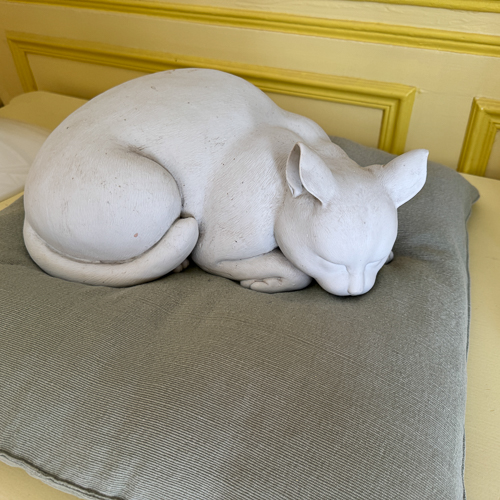
According to the Smithsonian, “Claude Monet’s Giverny abode was once home to a glazed biscuit cat, which friends remember was positioned to appear as if it was curled up on a pillow in the artist’s dining room couch. After the Impressionist icon’s death in 1926, the terracotta feline went to Monet’s son Michel. But following Michel’s own death four decades later, the little white figurine appeared to have vanished.”
“It turns out, Michel Monet, who was believed to have died childless, actually fathered a daughter that he never formally acknowledged, but to whom he’d gifted many objects from her famous grandfather. “ The cat was eventually restored to its rightful place.
Japanese Block Prints and Monet
On April 1, 1867, the Exposition Universelle opened on the Champ de Mars, the massive Paris marching grounds that now lie in the shadow of the Eiffel Tower. It featured, for the first time, a Japanese pavilion, and its showcase of ukiyo-e prints revealed the depth of Japanese printmaking to French artists for the first time.
Monet was at the exhibition, and eventually, Monet acquired 250 Japanese prints. In Claude Monet’s collection, there are forty-six prints by Kitagawa Utamaro (1753-1806), twenty-three prints by Katsushika Hokusai (1760-1849), forty-eight prints by Utagawa Hiroshige (1797-1858), as well as many others.
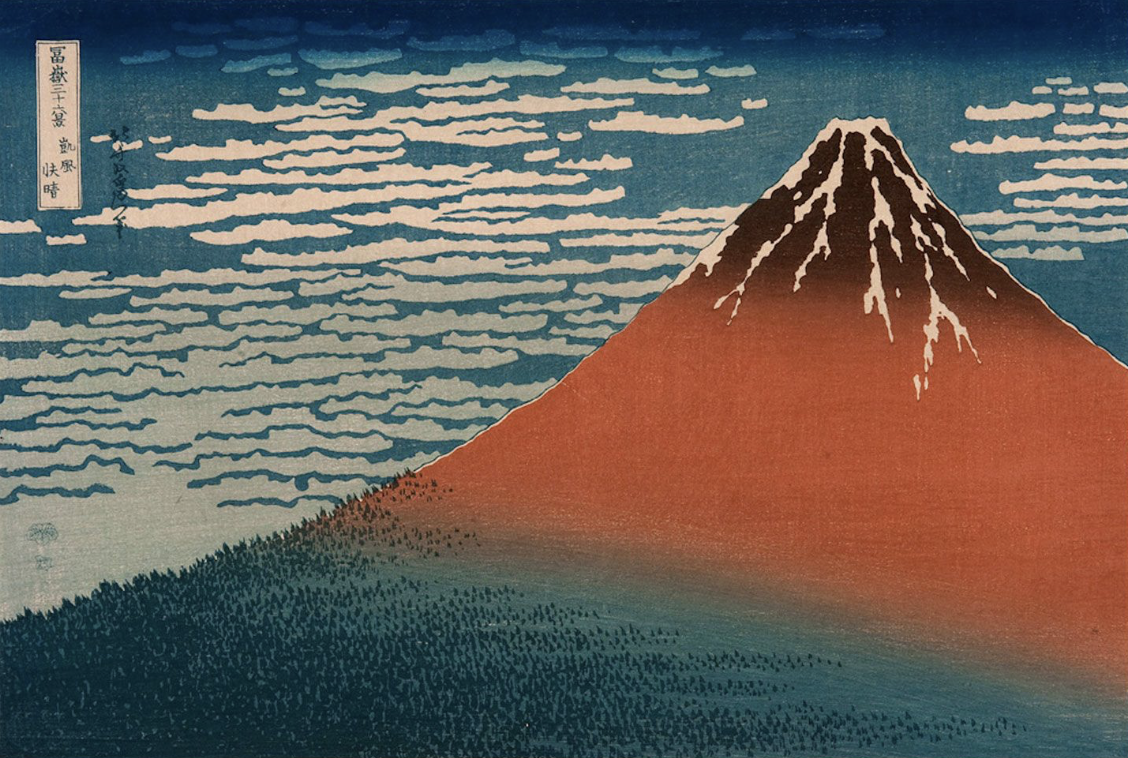
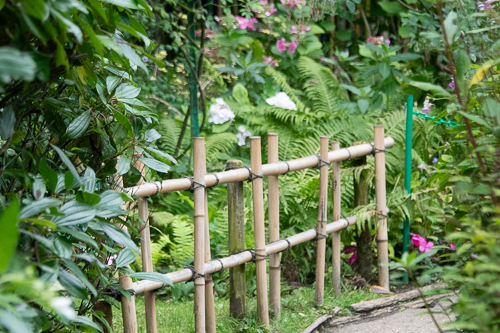
It is said that Monet’s series of grainstacks and poplars, of Rouen Cathedral and Waterloo Bridge, owes a great deal to Katsushika Hokusai’s earlier experiments of depicting a single subject over dozens of images. The influence ran from Monet’s art into his life. His wife wore a kimono around the house. His garden at Giverny is modeled directly after a Japanese print, right down to the arcing bridge and bamboo.
*