July 2025
Bayeux Cathedral
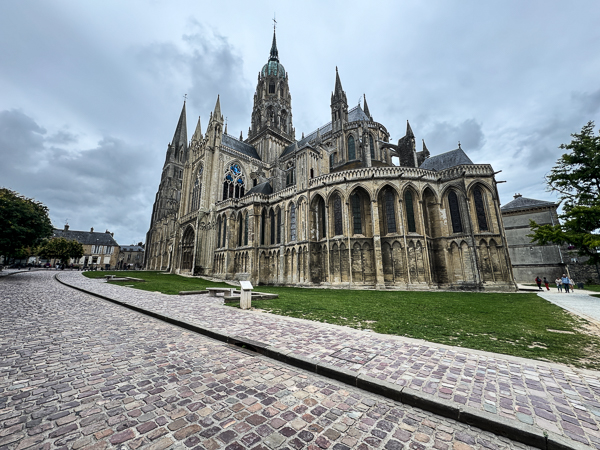
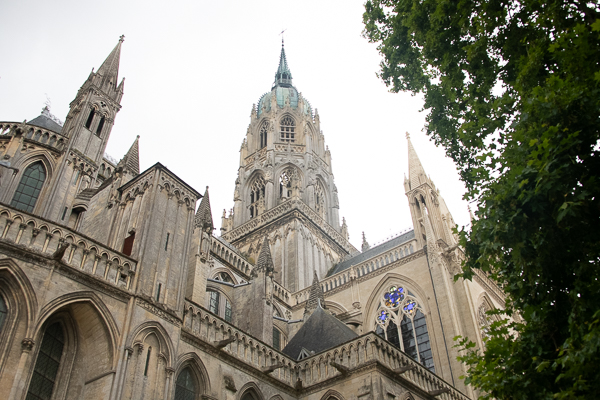
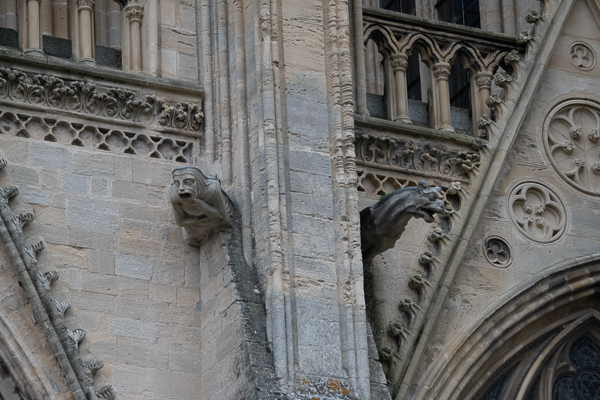
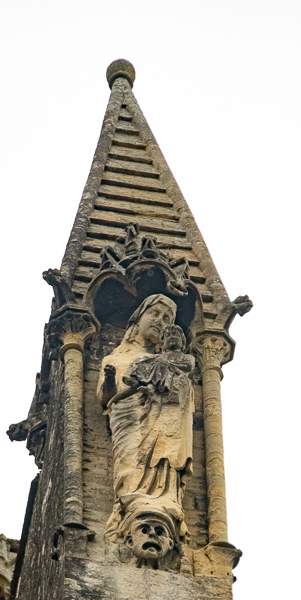
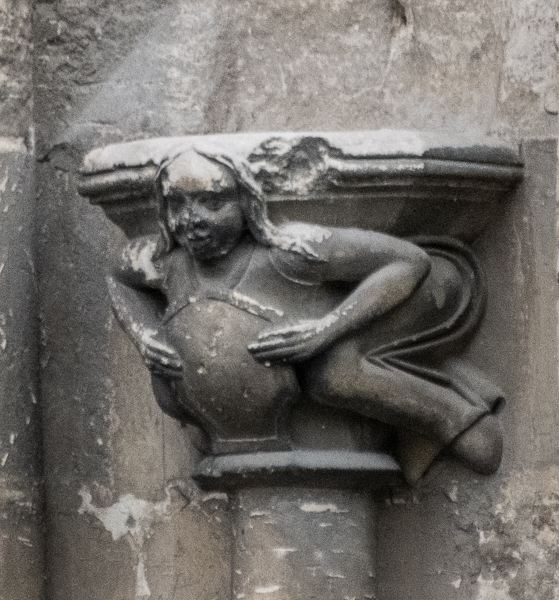
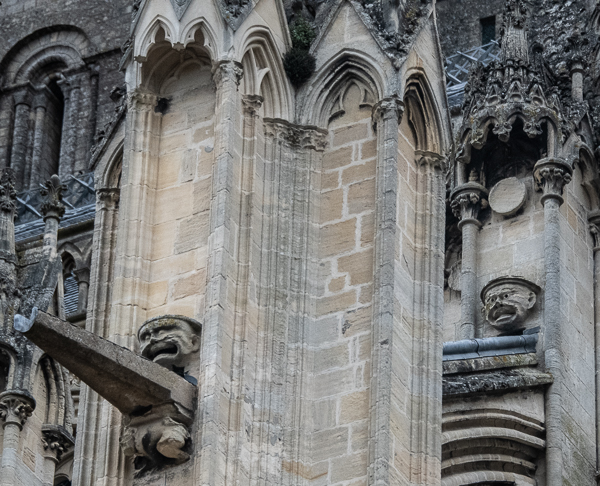
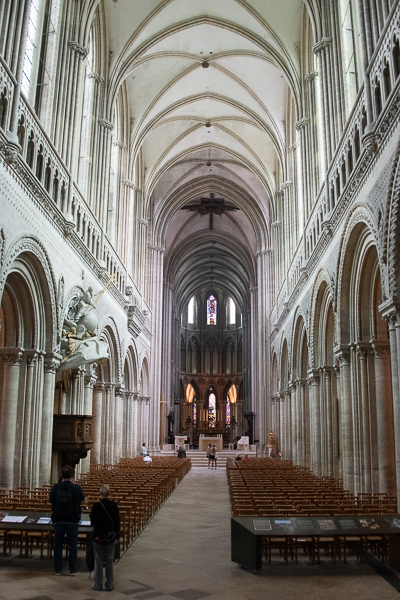
With its combination of Norman and Romanesque architecture, as well as Gothic spires, the Cathedral dominates the skyline of Bayeux.
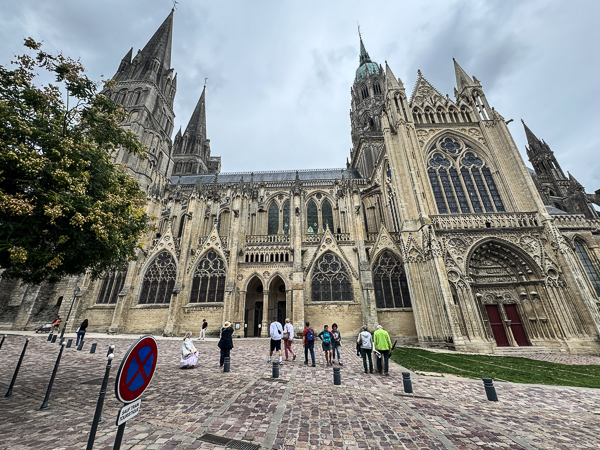
The site is an ancient one and was once occupied by Roman sanctuaries. The present cathedral was consecrated on July 15, 1077, in the presence of William, Duke of Normandy.
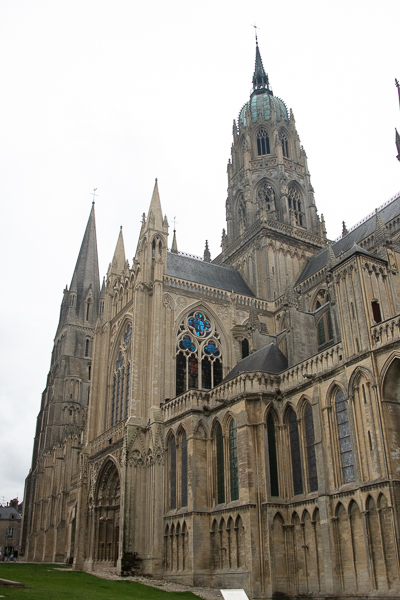
Following serious damage to the cathedral in the 12th century, it was rebuilt in the Gothic style, most notably in the crossing tower and transepts.
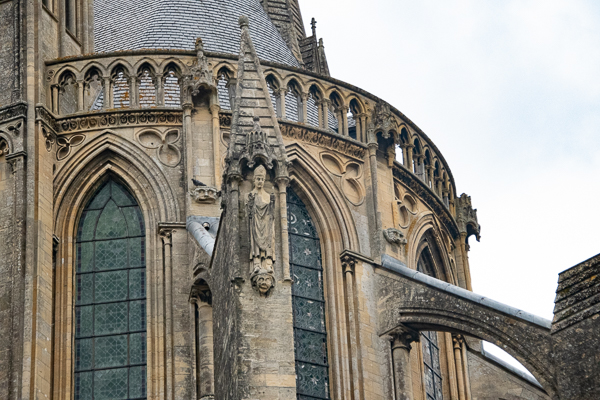
Despite the crossing tower having been started in the 15th century, it was not completed until the 19th century.
*
* *
*
*
*
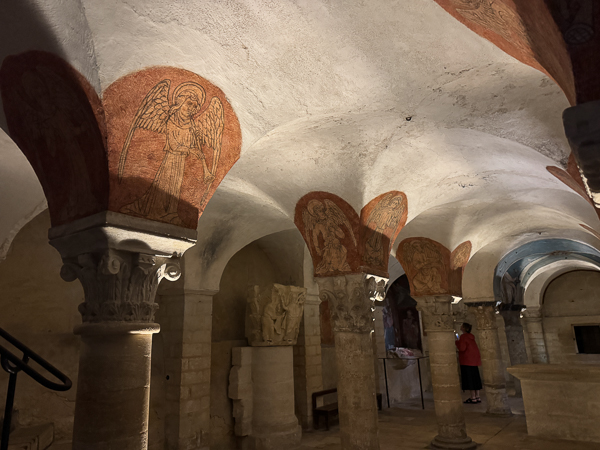
The Crypt
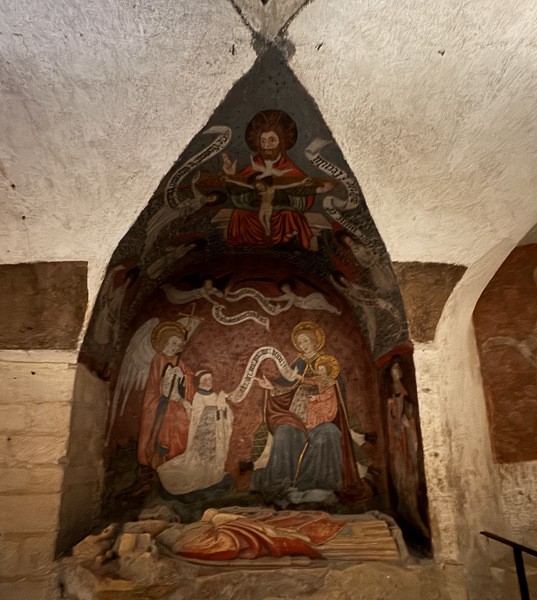
*
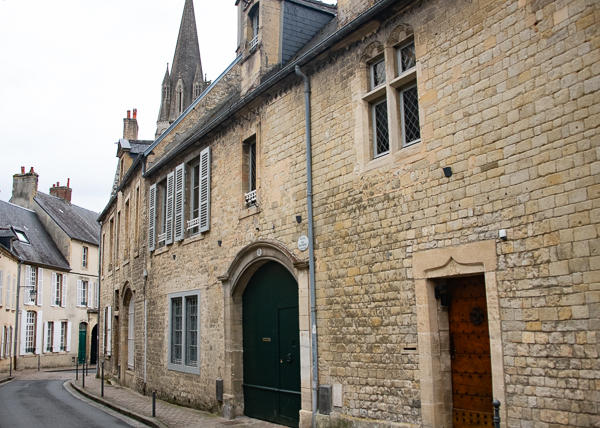
This street radiates from the cathedral. The stone dwellings date from the 13th and 14th centuries.
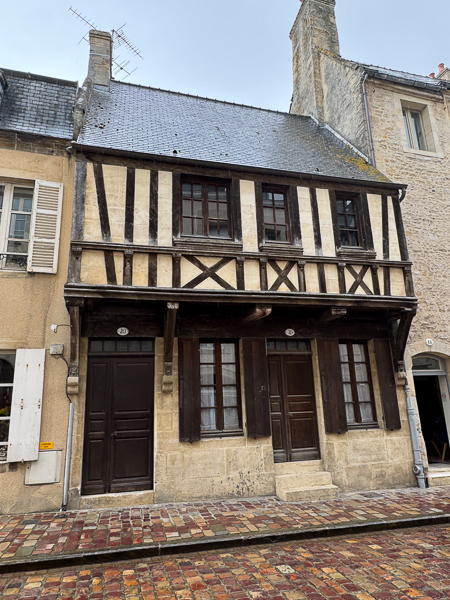
Just some of the Medieval architecture of the town.
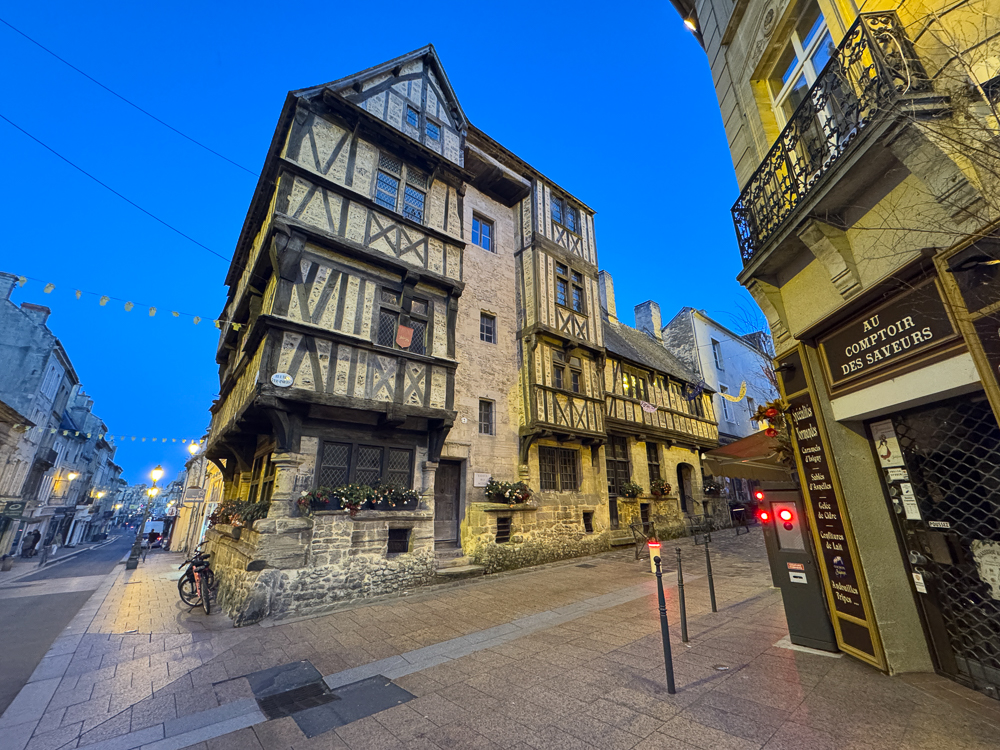
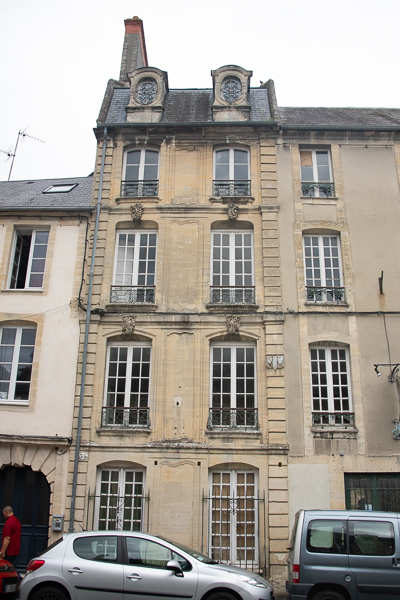
The development of bobbin lace making in Bayeux is due to the arrival of a few nuns at the end of the 17th century. The city had a lace-making training center, originally intended to provide employment for poor young girls, and it ran from the 17th century until 1905. The Maison Lef’bure, which was run from 1890 to 1915 in the above building, was one of the finest lace-making establishments in Bayeux.
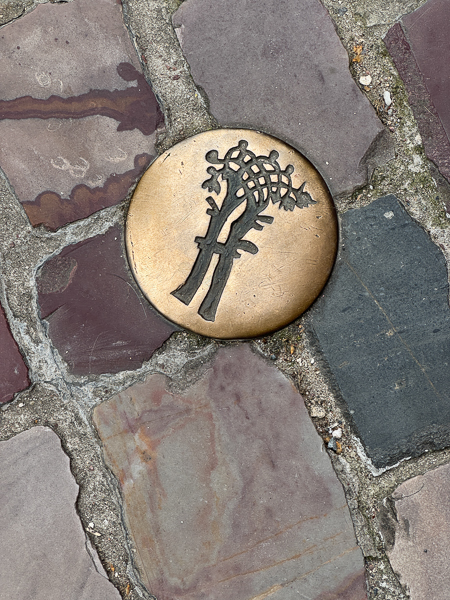
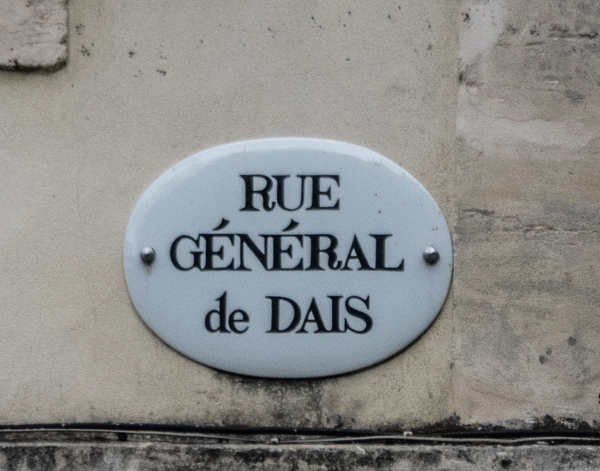
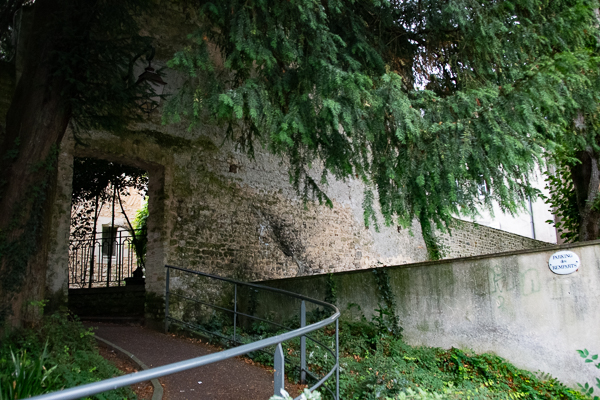 Founded in 1646, the Bayeux community of Benedictine nuns was installed outside the city at the foot of the ramparts. At the time of the Revolution, the nuns were thrown out of their convent. In 1812, their former convent was transformed into a porcelain factory that by 1870 employed 140 people. All traces of porcelain manufacturing have disappeared, but the craftsmanship can still be found in the street signs of Bayeux.
*
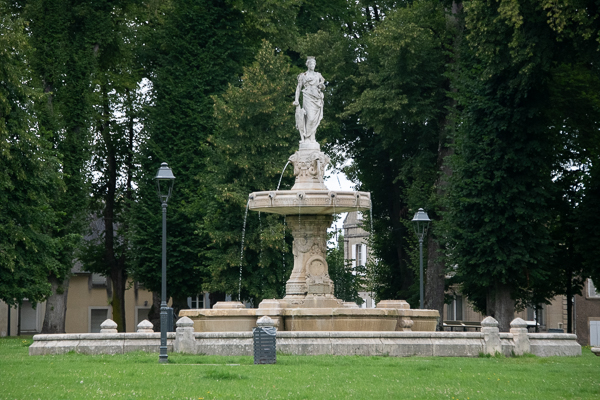
This park commemorates the role Bayeux played during the liberation of France in World War II. On the 14th of June 1944, just days after D-Day, de Gaulle arrived from London and delivered his first major speech re-establishing republican law on the national soil. He set up his headquarters in Bayeux, which became the administrative capital of France. De Gaulle is the center of the fountain that stands in the middle of the park.
In our Normandy, glorious and mutilated, Bayeux and its surroundings witnessed one of the greatest events in History. We testify that they were worthy of it. It was here that, four years after the initial disaster for France and the Allies, the final victory for the Allies and France began.
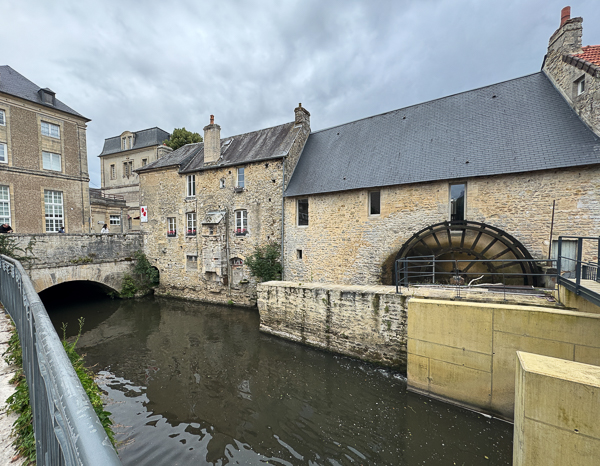
This water wheel, originally constructed for milling grain, can be found along the banks of the Aure River.