May 17, 2026
Mirogoj Cemetery
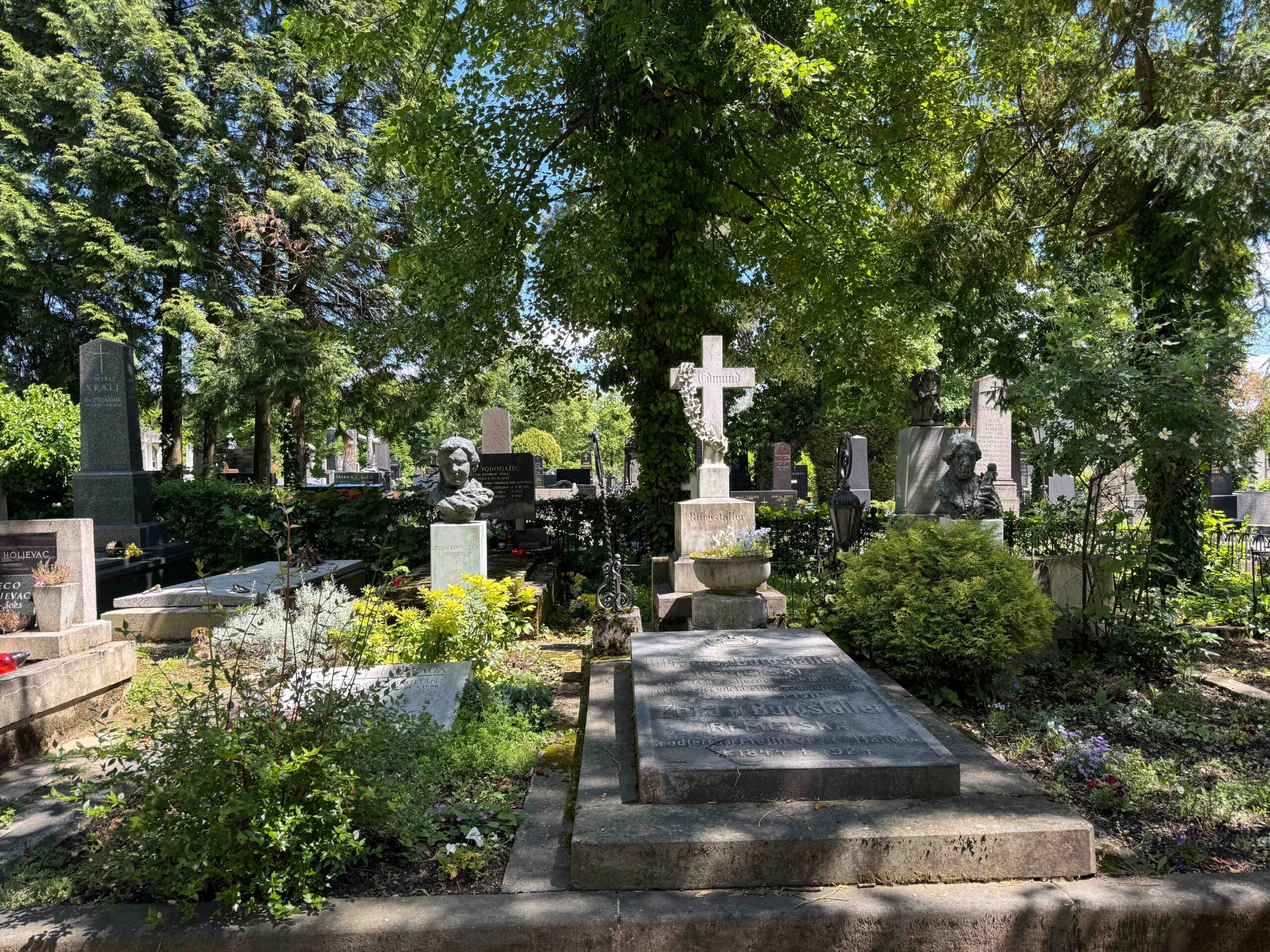
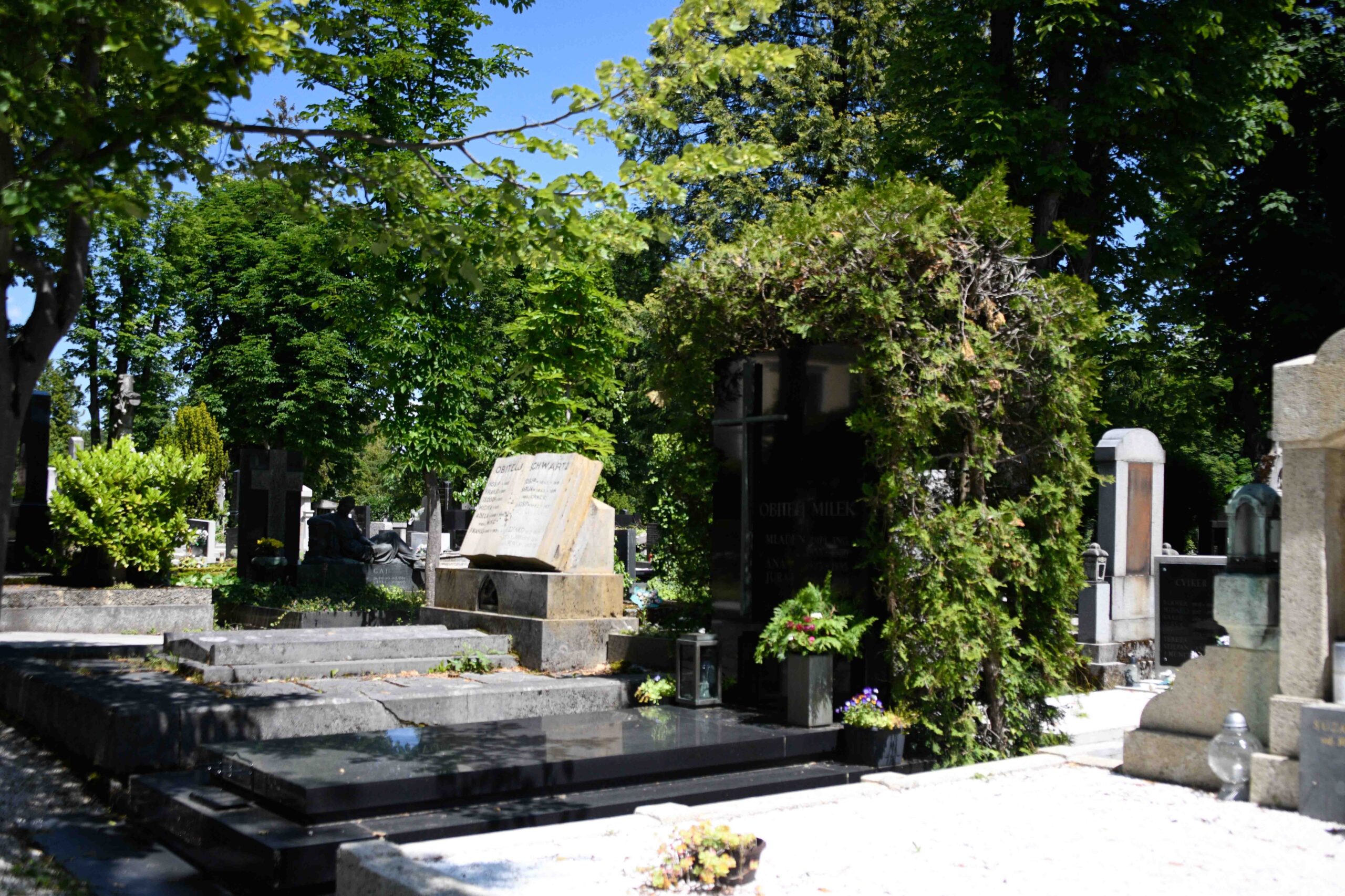
The Mirogoj Cemetery, at nearly 180 acres, is easily the largest cemetery I have ever explored.
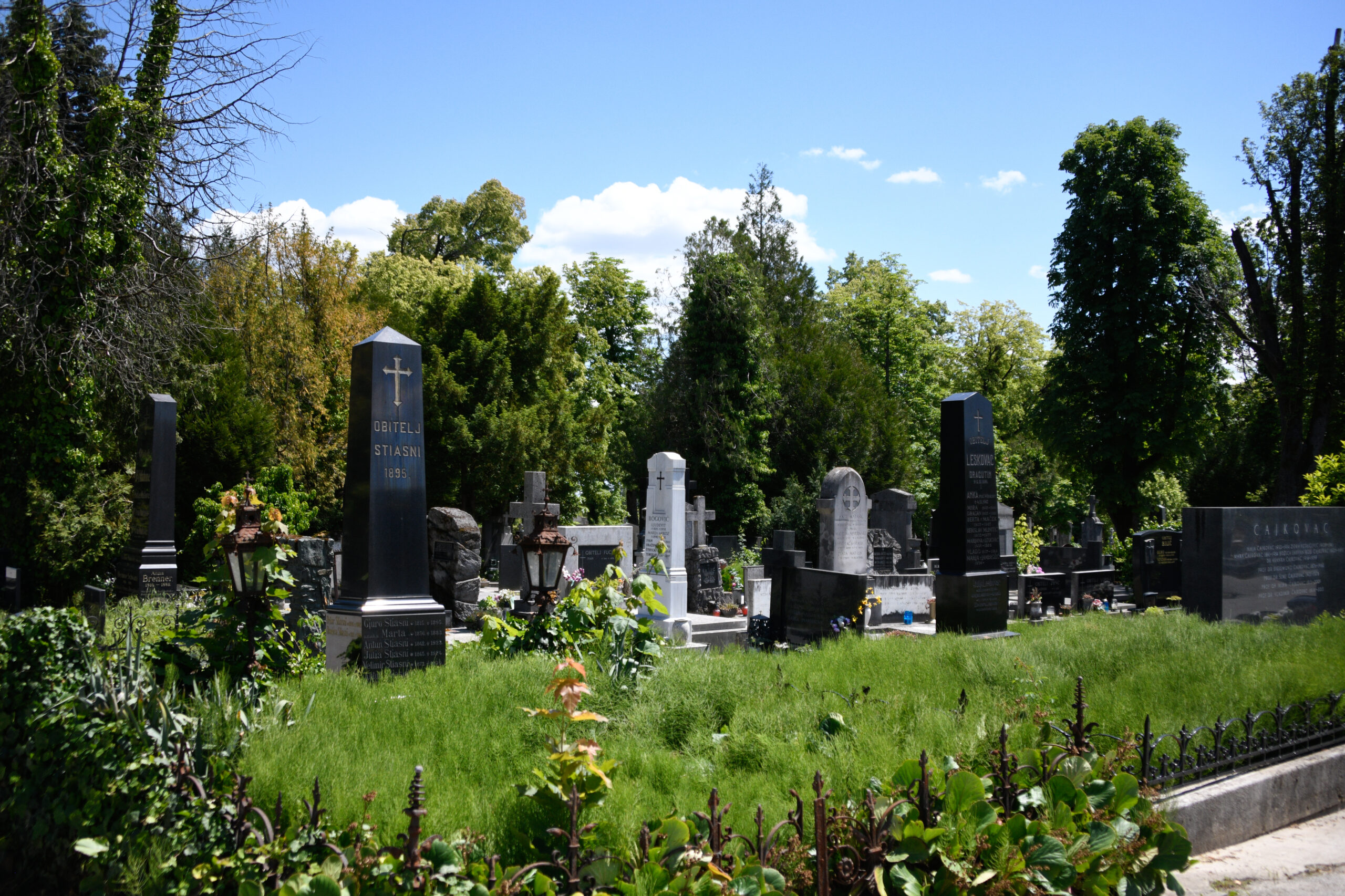
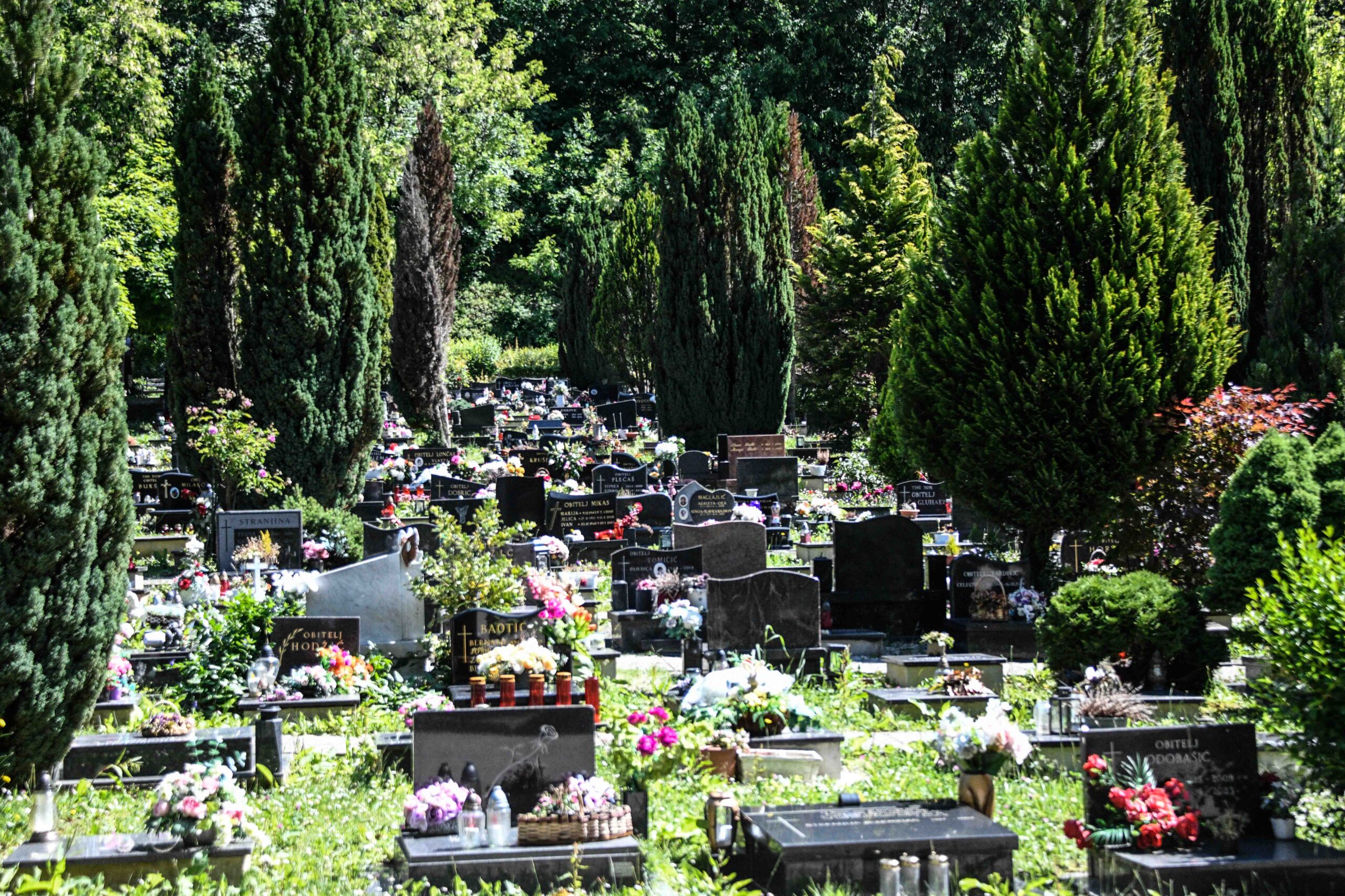
It currently contains 60,000 graves and is a resting place for 322,000 people.
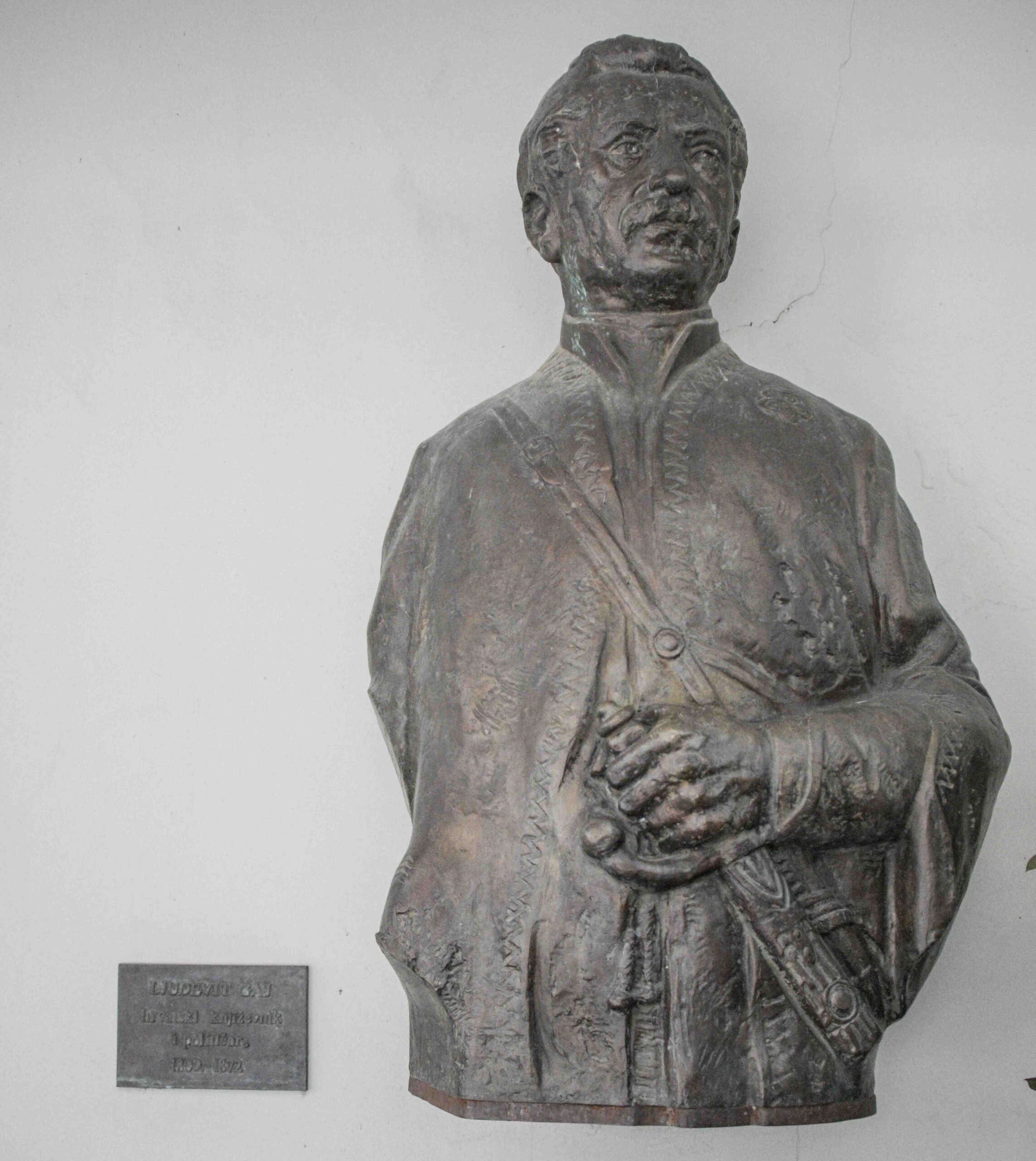
The cemetery was purchased from the estate of linguist Ljudevit Gaj in 1872.
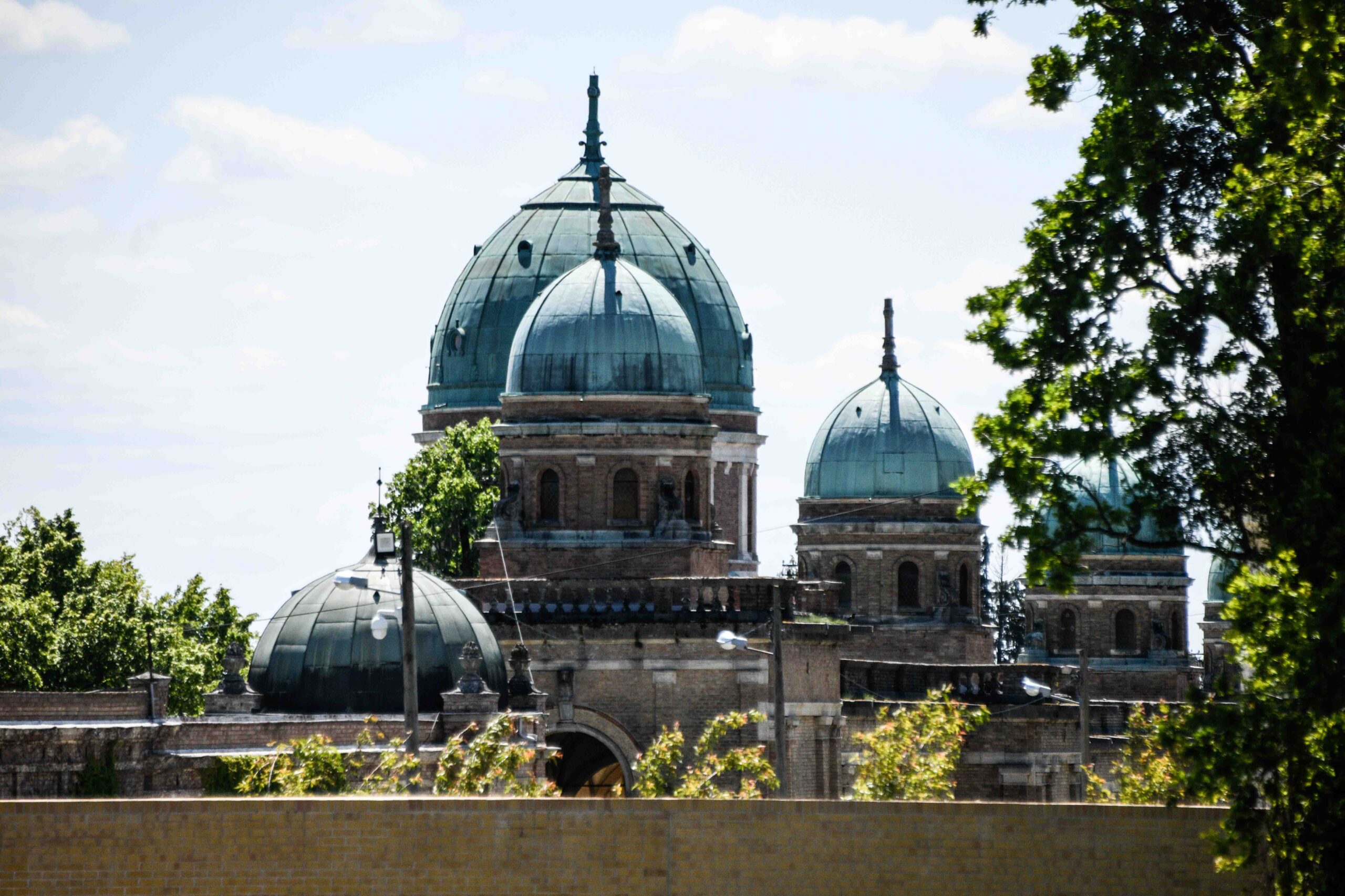
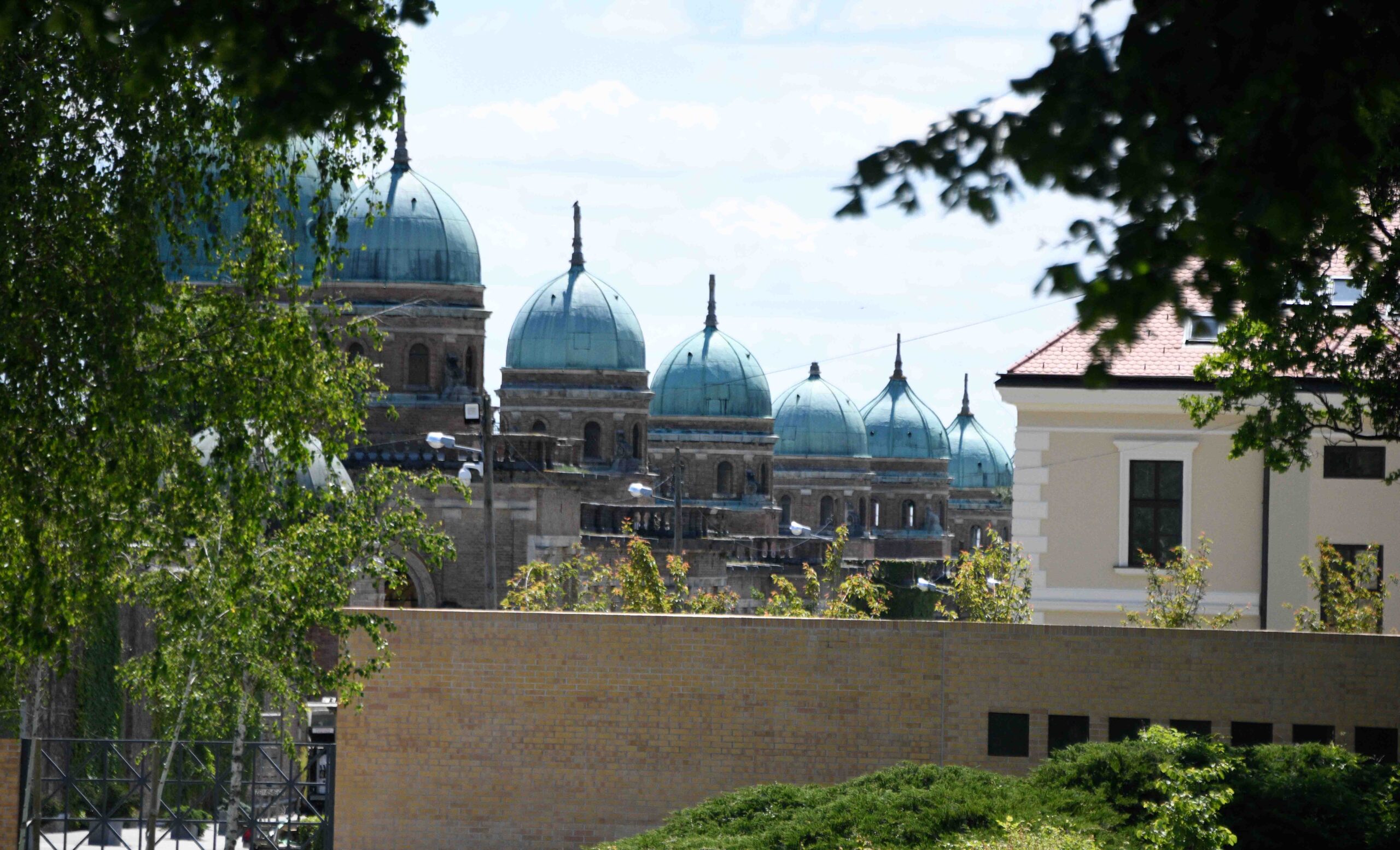
Architect Hermann Bollé designed the main building. And the cemetery opened in November 1876.
The construction of the arcades, the cupolas, and the church in the entryway began in 1879. Due to a lack of funding, work wasn’t finished until 1929.
Mirogoj is owned by the city and accepts burials from all religious backgrounds.
I focused on exploring war memorials to help me learn a little bit about the history of this country.
The July Victims
The July victims were members of the Croatian People’s Party who fell victim to a crackdown by the Austrian Imperial Army on July 29, 1845
Monument to the children from the Kozara mountain
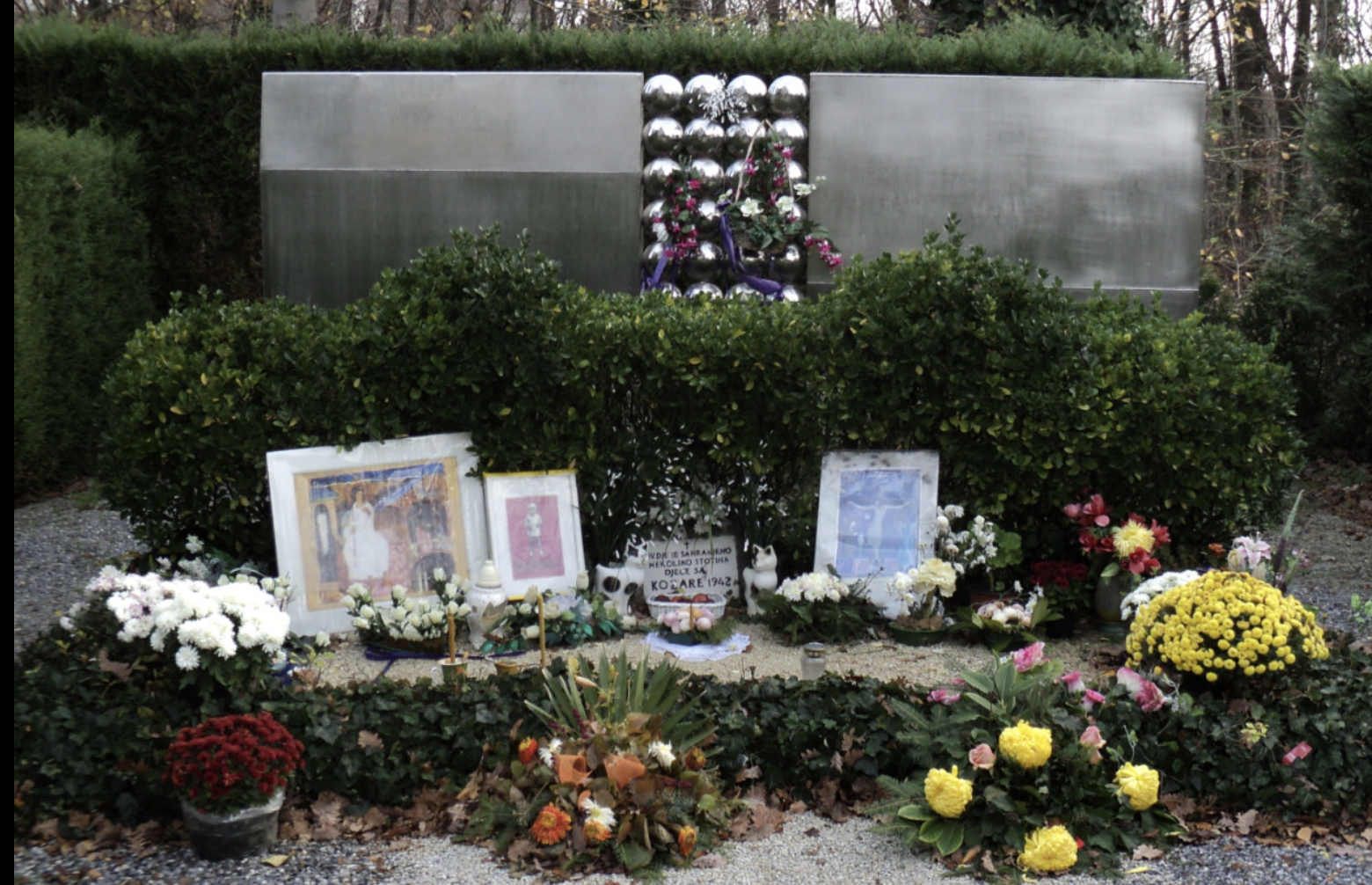
The Kozara Offensive was a large-scale German-led counter-insurgency operation against the Yugoslav Partisans in the Bosnian mountain region of Kozara in the Independent State of Croatia during World War II.
In July 1942, following the offensive on Kozara, the Ustaše killed 75 children from the Kozara villages. The Ustaše was a Croatian fascist and ultranationalist organization active between 1929 and 1945. While these fascists followed orders from Berlin, their methods were so inhumane that Nazi officers ended up complaining about them back to the Third Reich.
The monument contains about 400 children who died in Ustaše concentration camps during World War II.
Memorial to the Yugoslav death march of Nazi collaborators
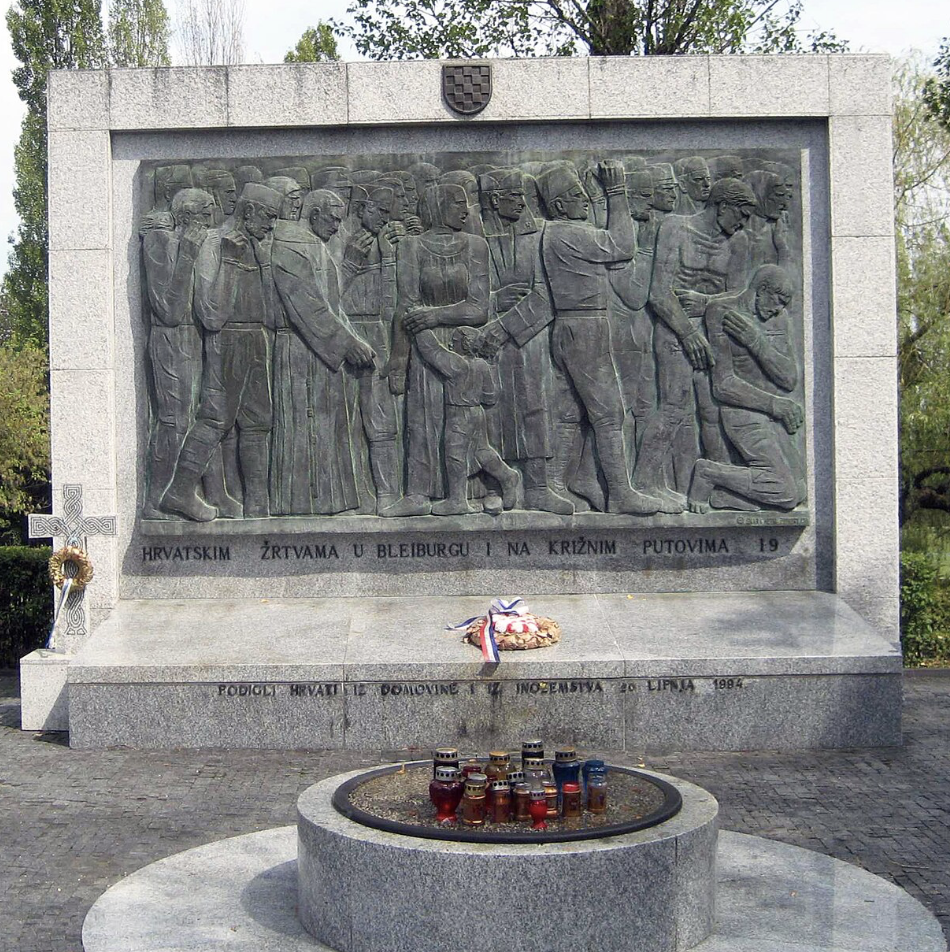
During World War II, Yugoslav territory was either annexed or occupied by Axis forces, and as the war came to an end, thousands of Axis soldiers and civilian collaborators fled Yugoslavia for Austria as the Yugoslav Army (JA) gradually retook control. When they reached Austria, in accordance with Allied policy, British forces refused to take them into custody and directed them to surrender to the JA instead. The JA subsequently subjected them to death marches back to Yugoslavia, where those who survived were either subject to summary executions or interned in labor camps, where many died due to harsh conditions.
Tomb of the People’s Heroes (1968)
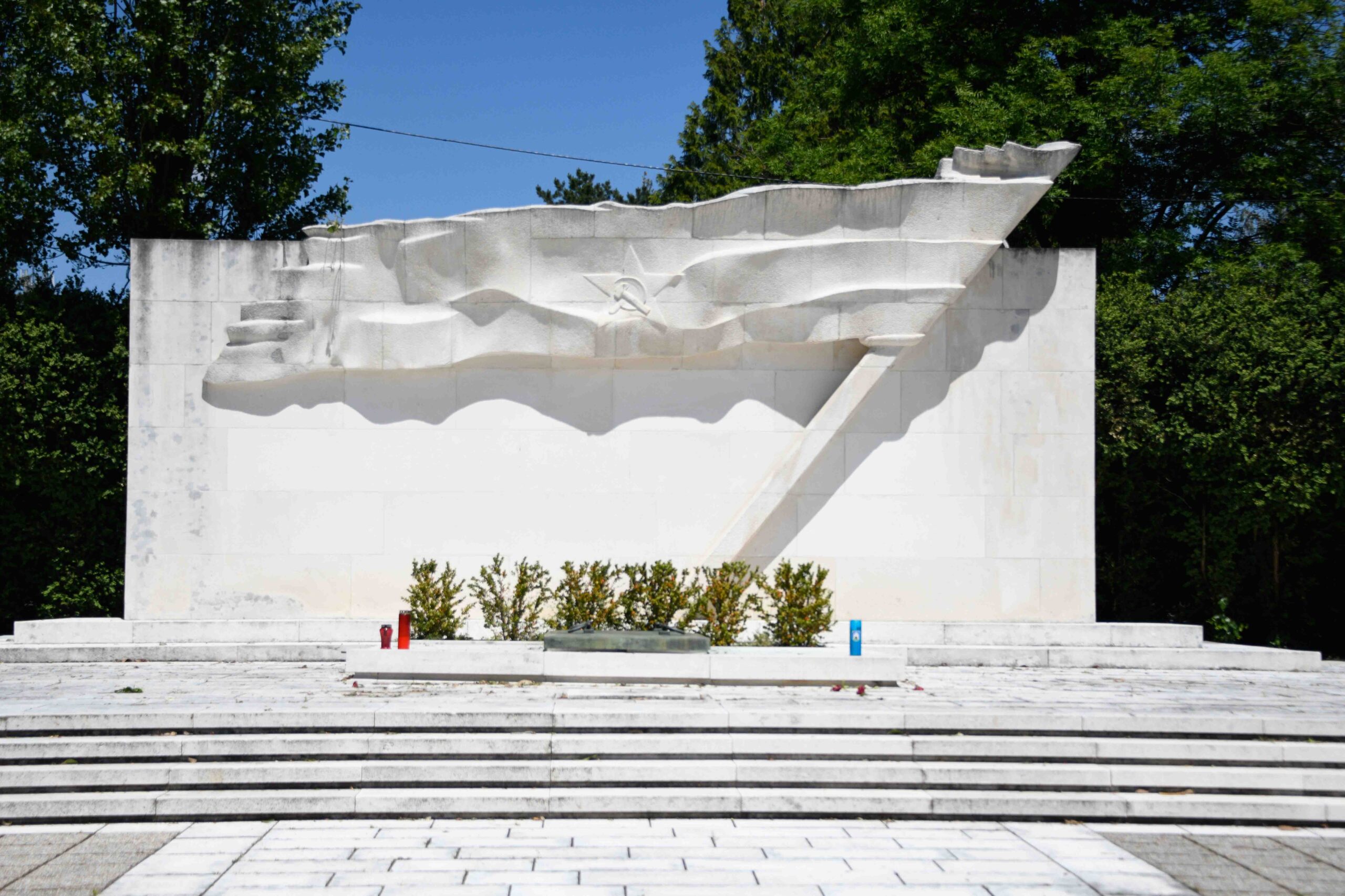
The tomb was designed by the Croatian sculptor Đuro Kavurić and built in 1968. Buried in the tomb are not only the recipients of the Order of the People’s Hero, but also some of the most notable workers’ movement activists of Croatia and Yugoslavia.
Monument of the “Voice of Croatian Victims – Wall of Pain”
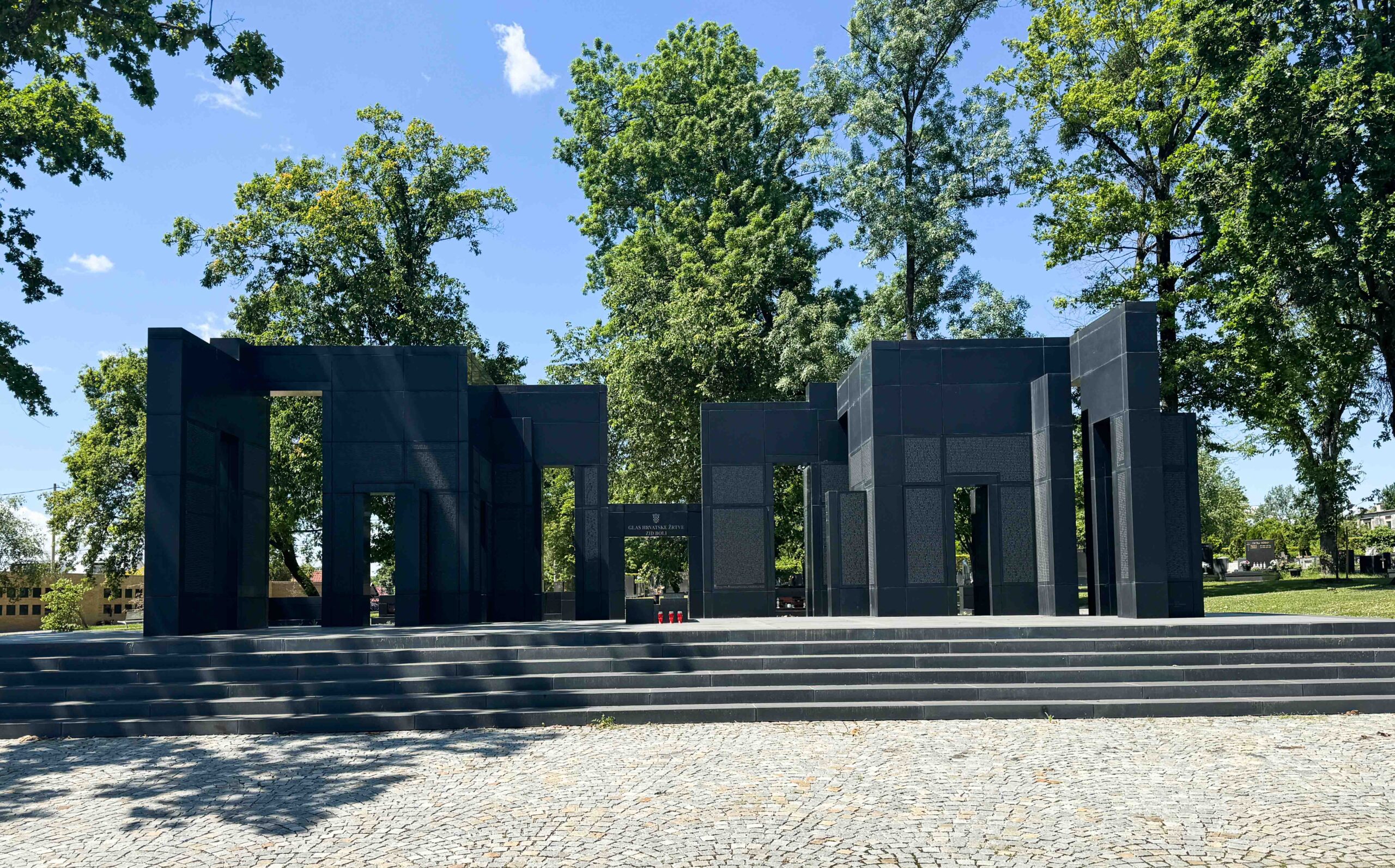
The Croatian War of Independence was an armed conflict fought in Croatia from 1991 to 1995 between Croat forces loyal to the Government of Croatia—which had declared independence from the Socialist Federal Republic of Yugoslavia (SFRY)—and the Serb-controlled Yugoslav People’s Army (JNA) and local Serb forces, with the JNA ending its combat operations by 1992.
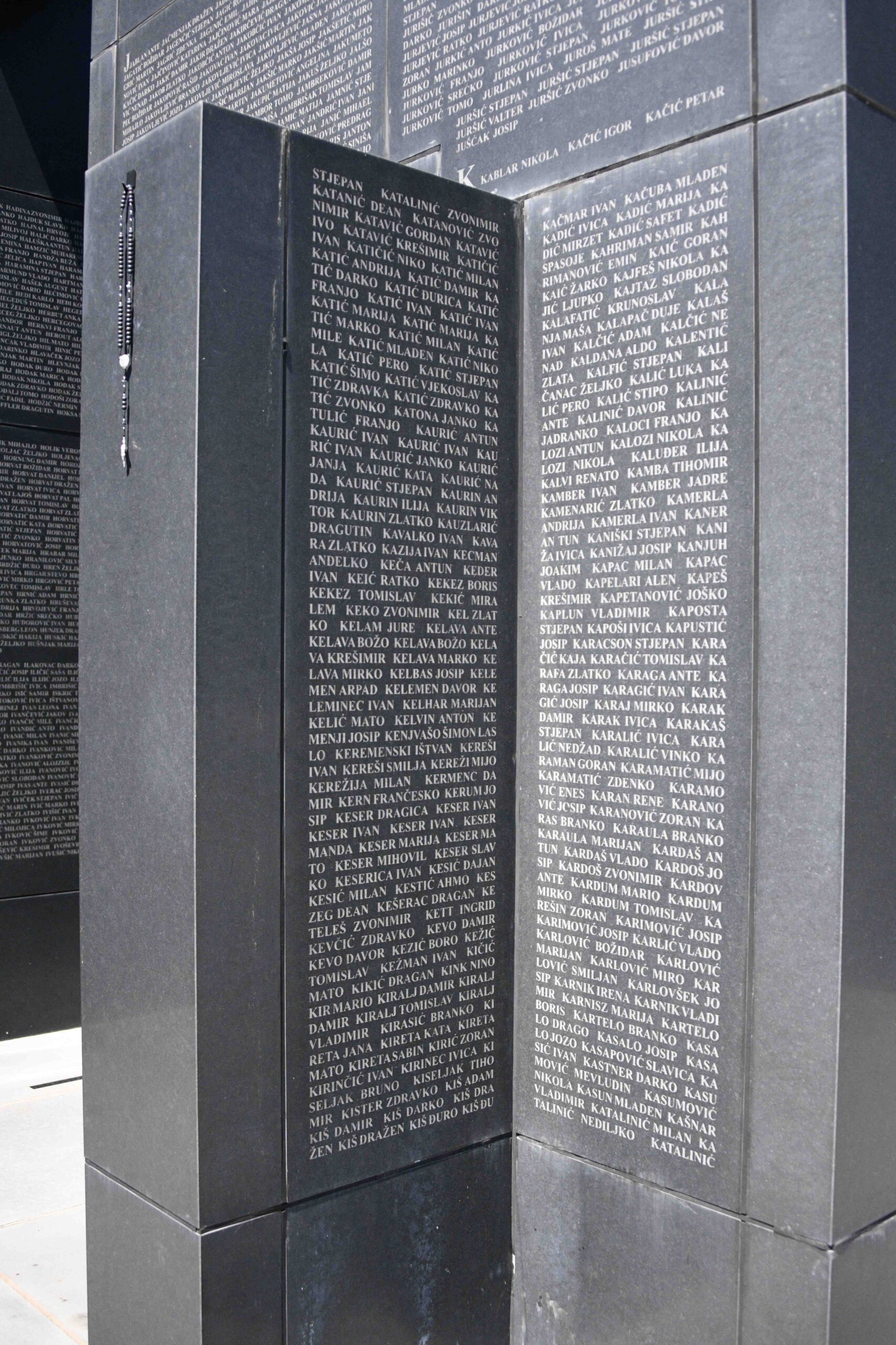
The war ended with a Croatian victory. However, 21–25% of Croatia’s economy was ruined, with an estimated US$37 billion in damaged infrastructure, lost output, and refugee-related costs. Over 20,000 people were killed in the war.
Monument to the 119 victims of fascist terror
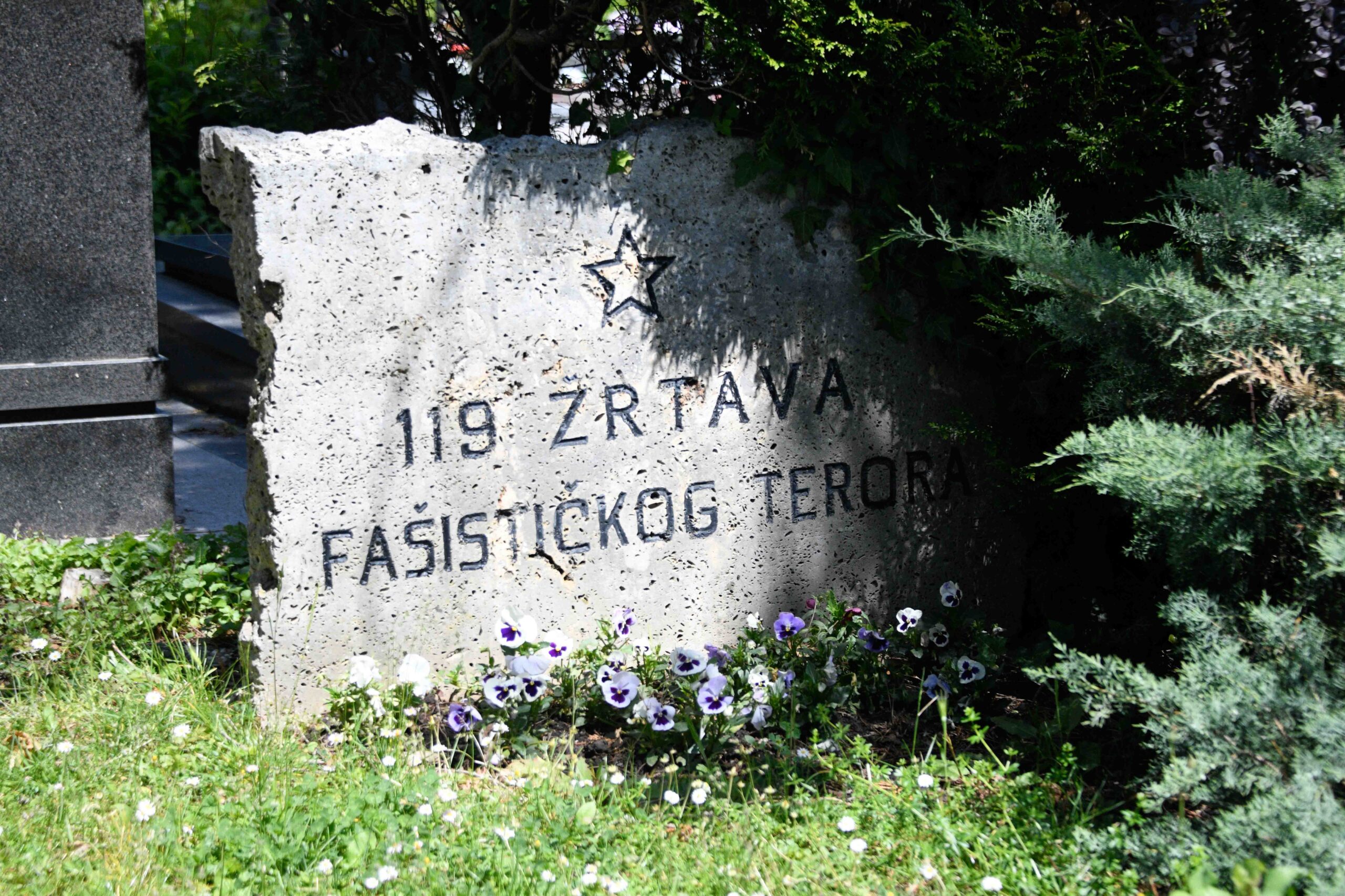
A mass grave that contains 119 victims of fascist terror in World War II.
Steel Workers Monument
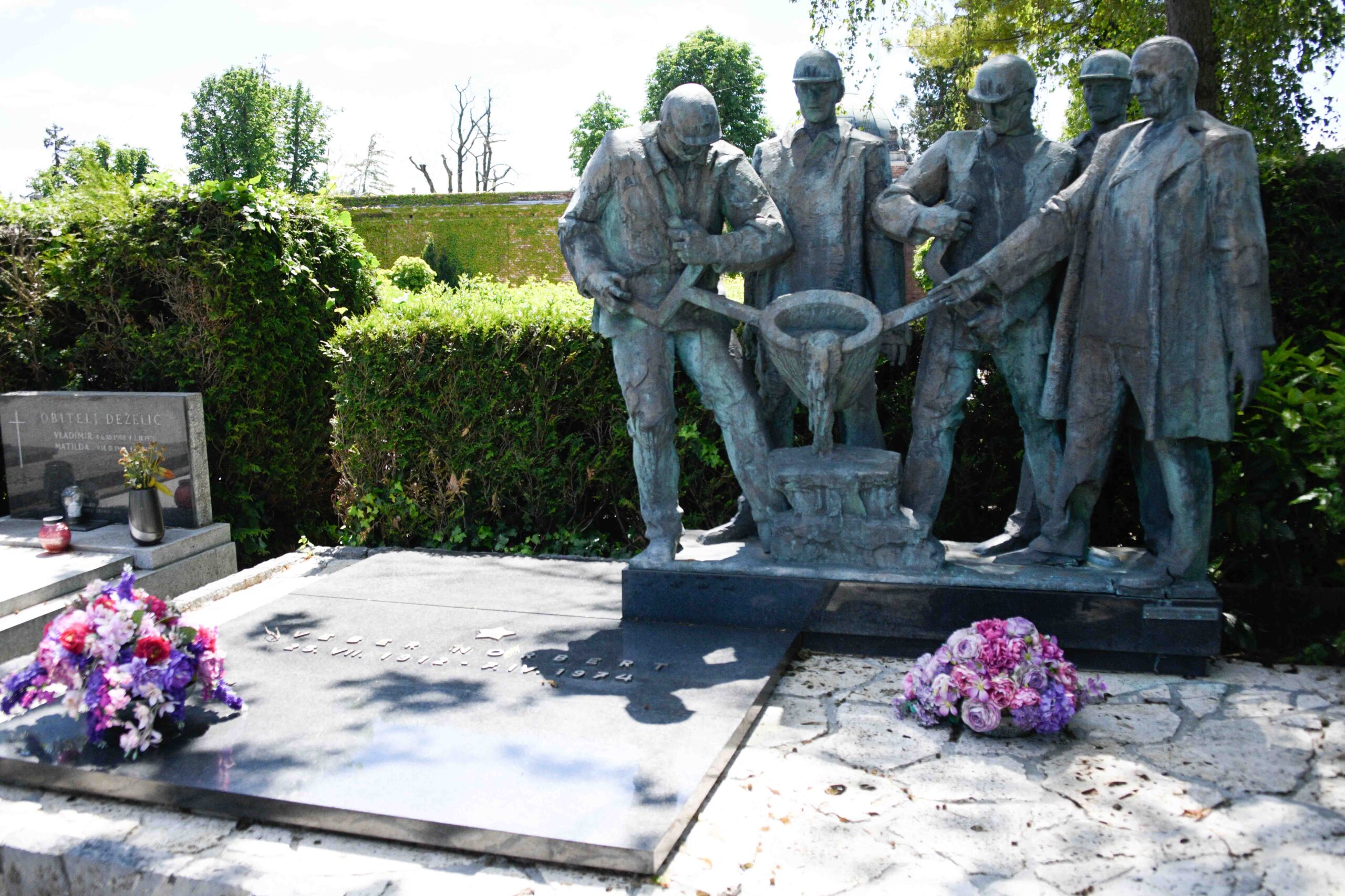
Edo Murtić (May 4, 1921 – January 2, 2005) was a Croatian painter, best known for his lyrical abstraction and abstract expressionism style.
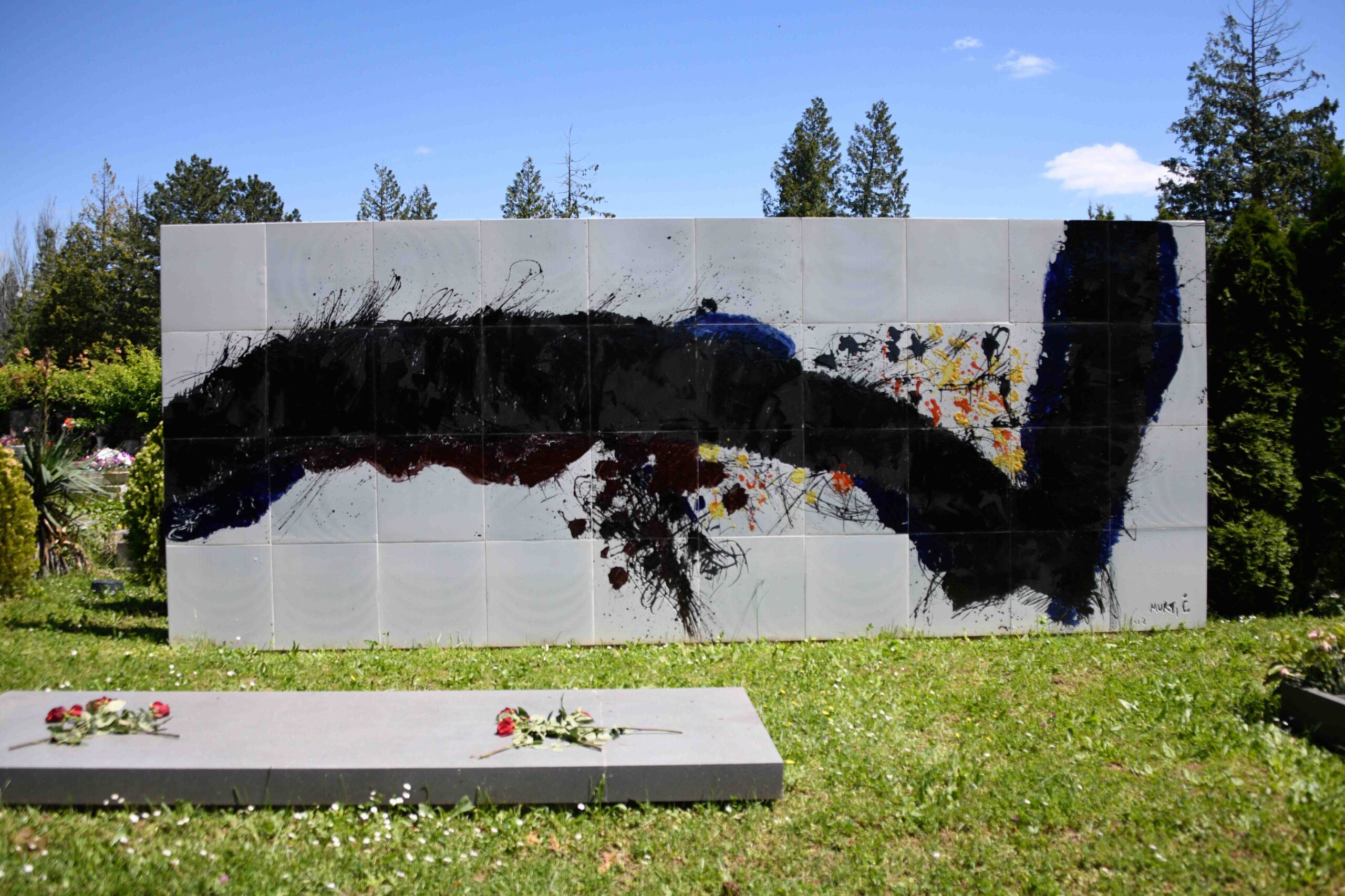
Dražen Petrović (October 22, 1964 – June 7, 1993) was a Yugoslav and Croatian professional basketball player. A shooting guard, he initially achieved success playing professional basketball in Europe in the 1980s before joining the NBA in 1989.
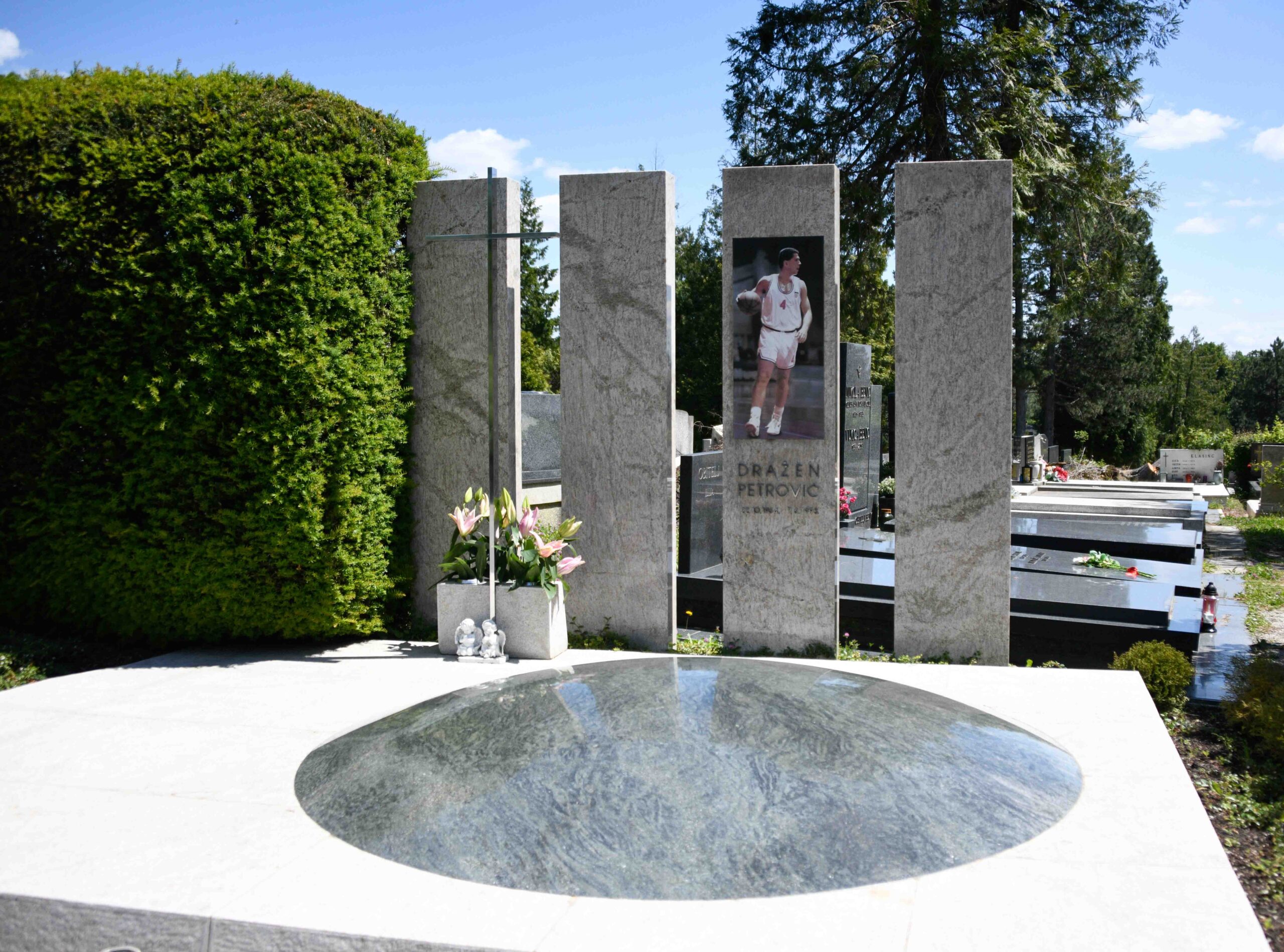
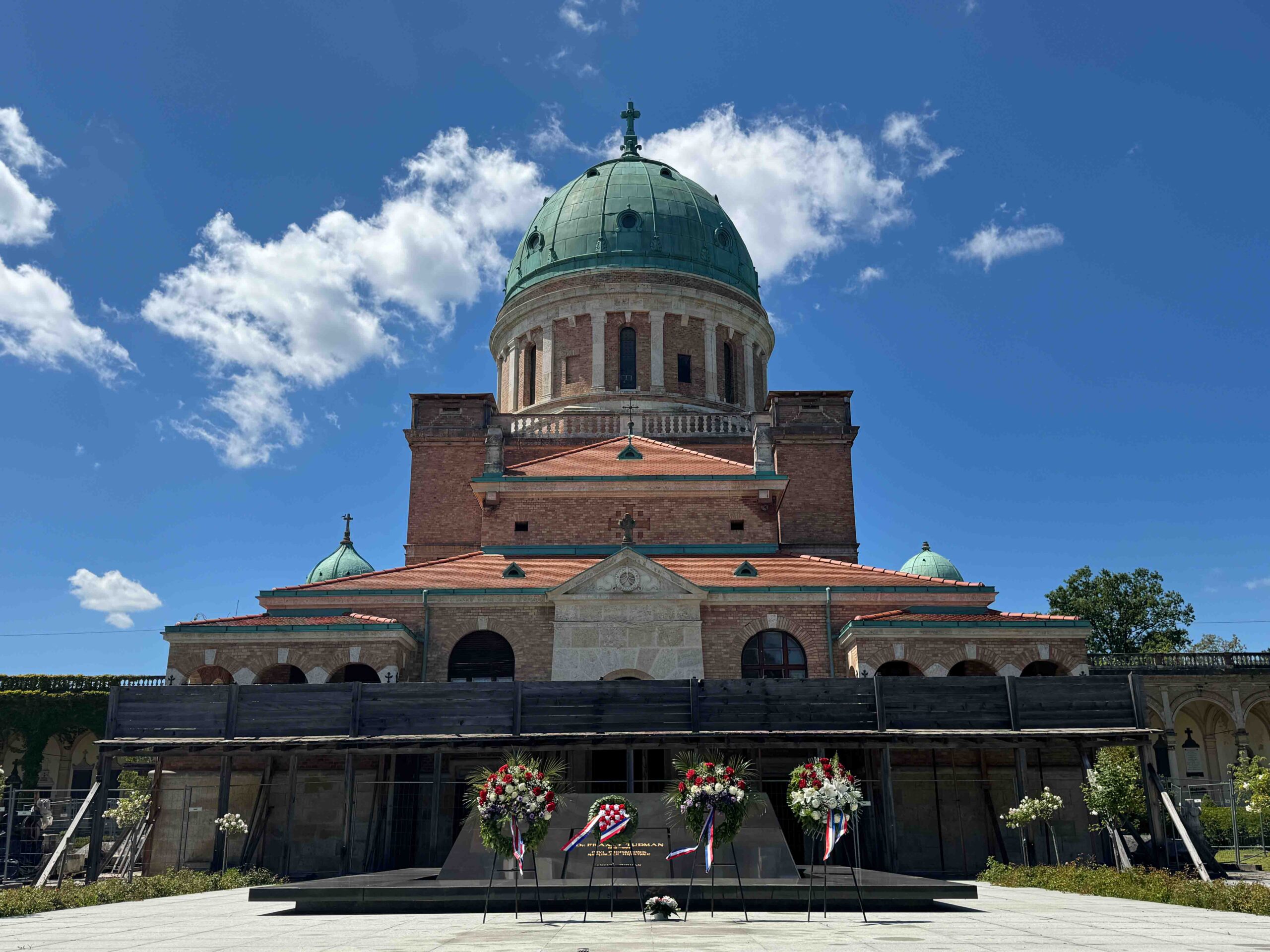
Franjo Tuđman(May 14, 1922 – December 10, 1999) was the first president of Croatia, from 1990 until his death in 1999. He served following the country’s independence from Yugoslavia. Tuđman was also the ninth and last president of the Presidency of SR Croatia from May to July 1990. His grave sits in front of the Christ the King Church.
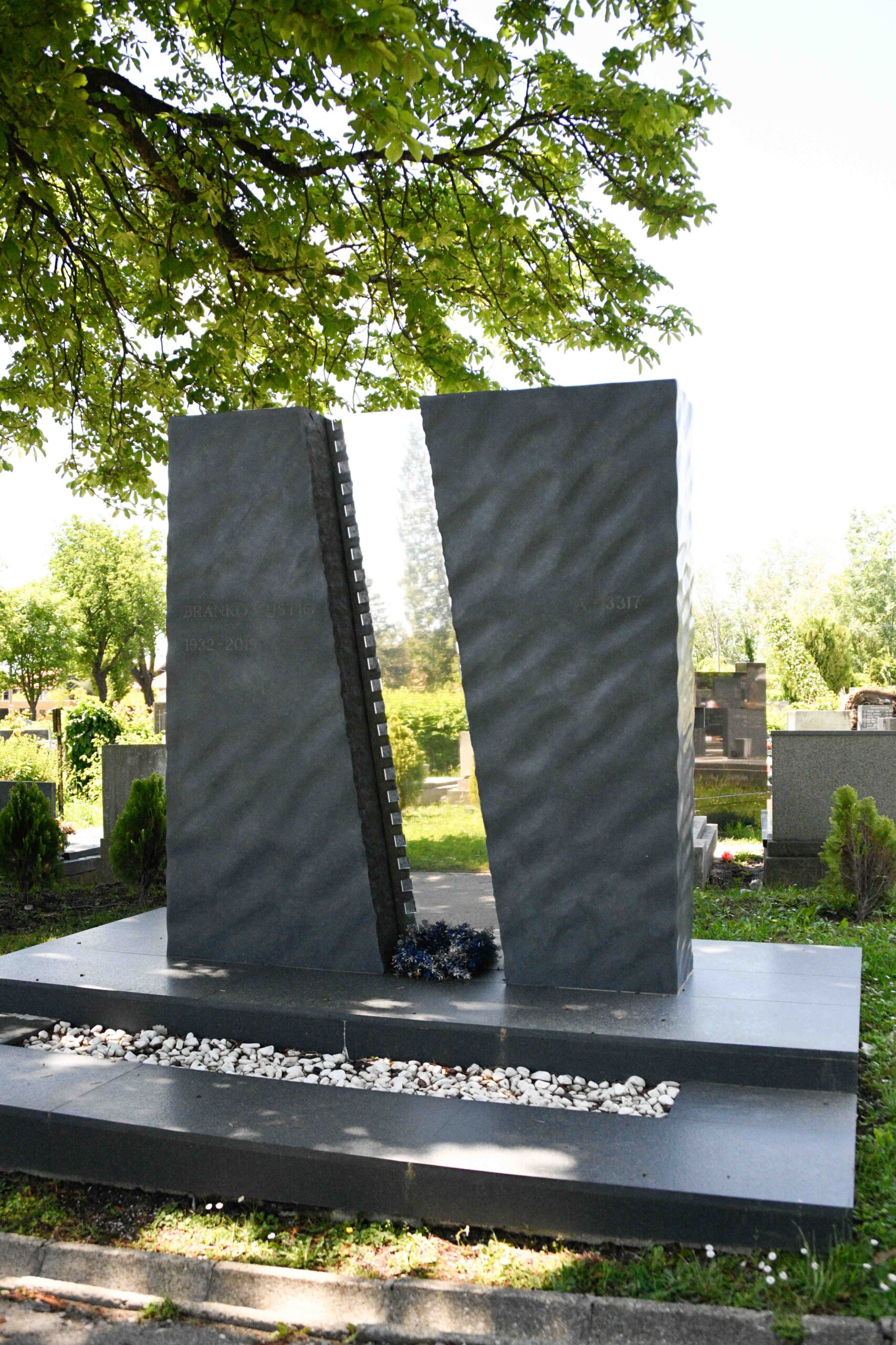
Branko Lustig (June 10, 1932 – November 14, 2019) was a Croatian film producer best known for winning Academy Awards for Best Picture for Schindler’s List and Gladiator.
During World War II, as a child, he was imprisoned for two years in Auschwitz and Bergen-Belsen. Most members of his family perished in the death camps throughout Europe, including his grandmother, who was killed in the gas chamber, while his father was killed in Čakovecon on March 15 1945. Lustig’s mother survived the Holocaust and was reunited with him after the war
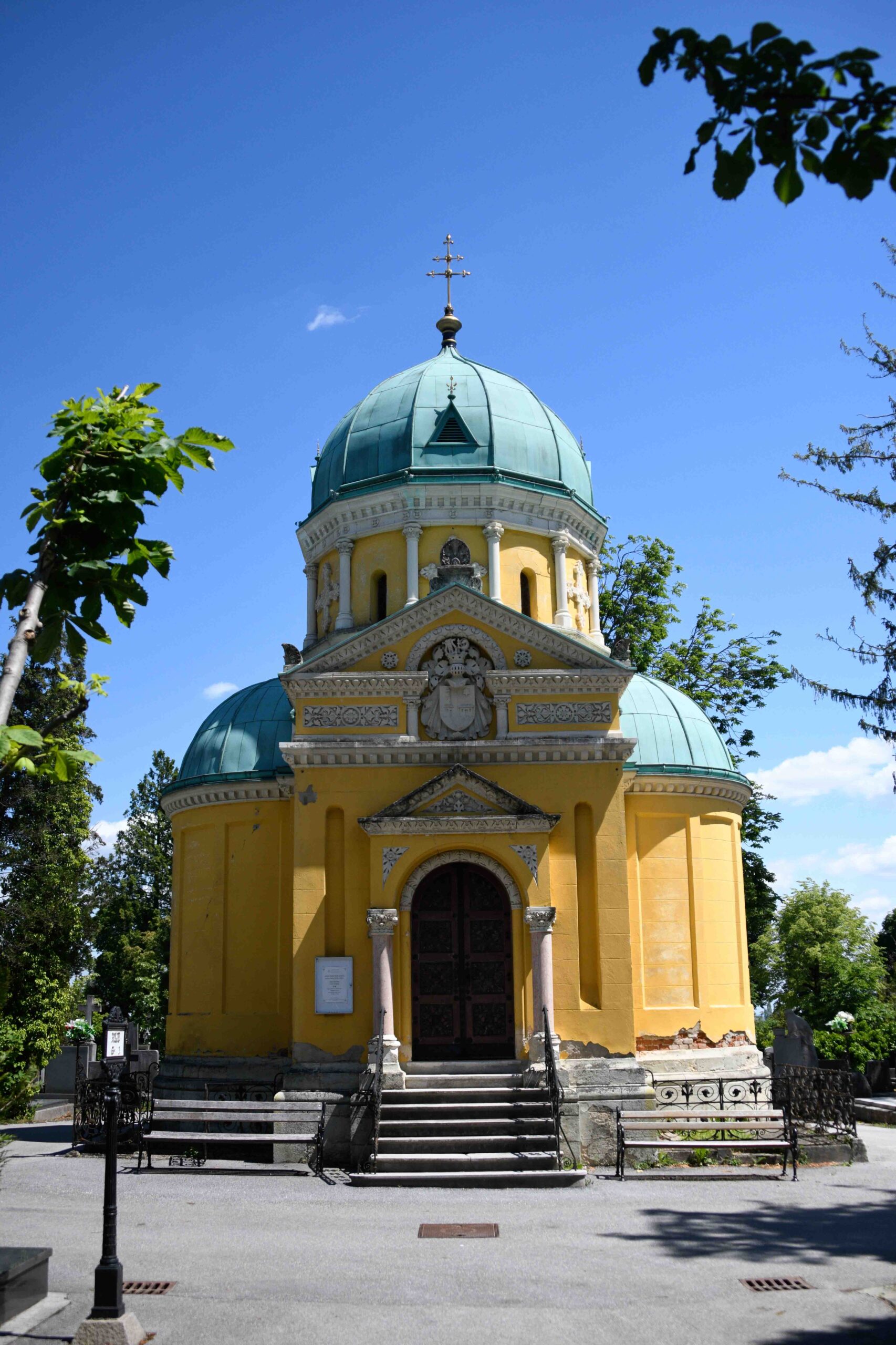
The Peter and Paul Chapel
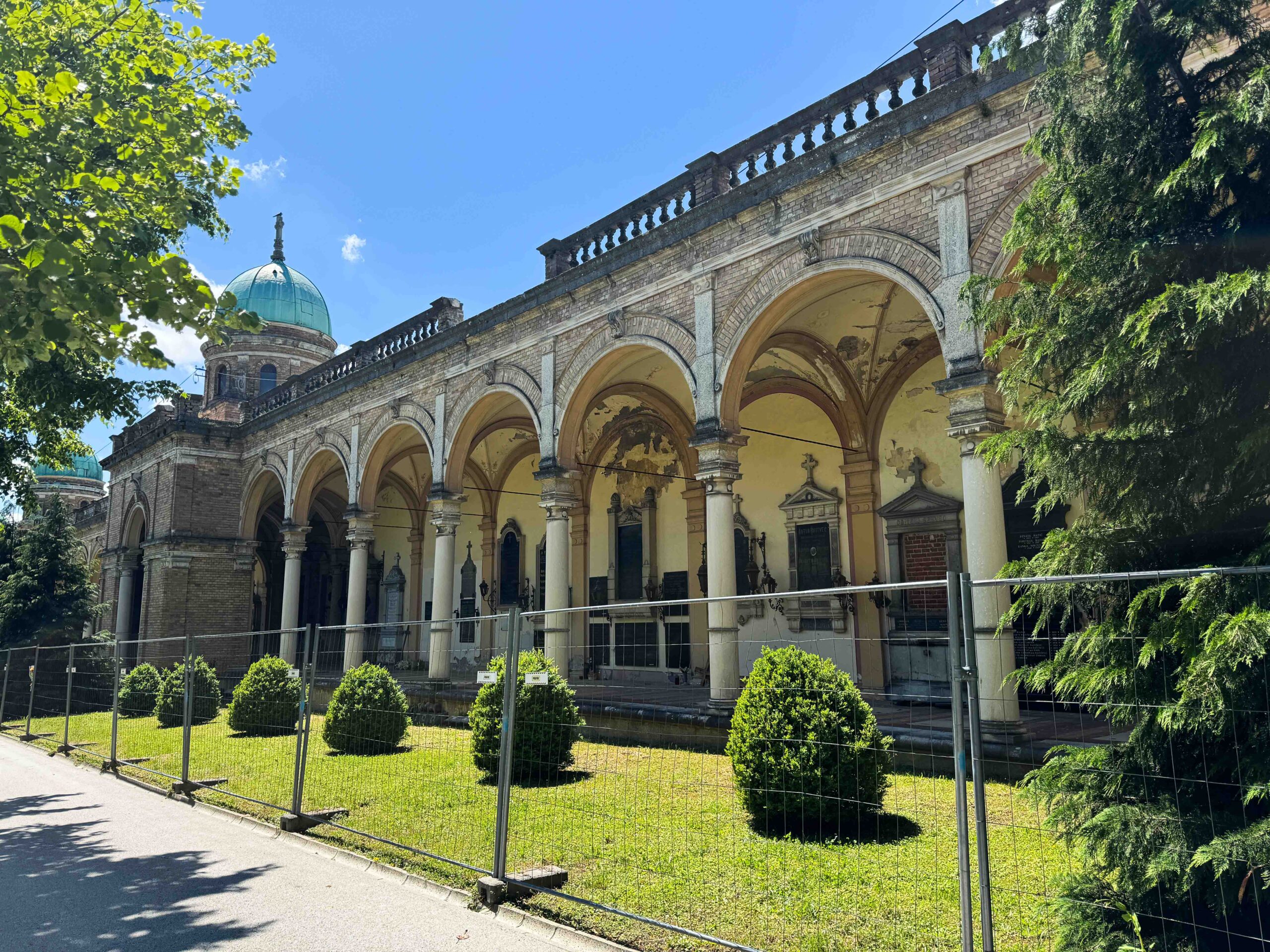
Mirogoj arcade
The arcades are the last resting places of many famous Croats. Sadly, they are fenced off as they took a big hit in the 2020 earthquake.
*
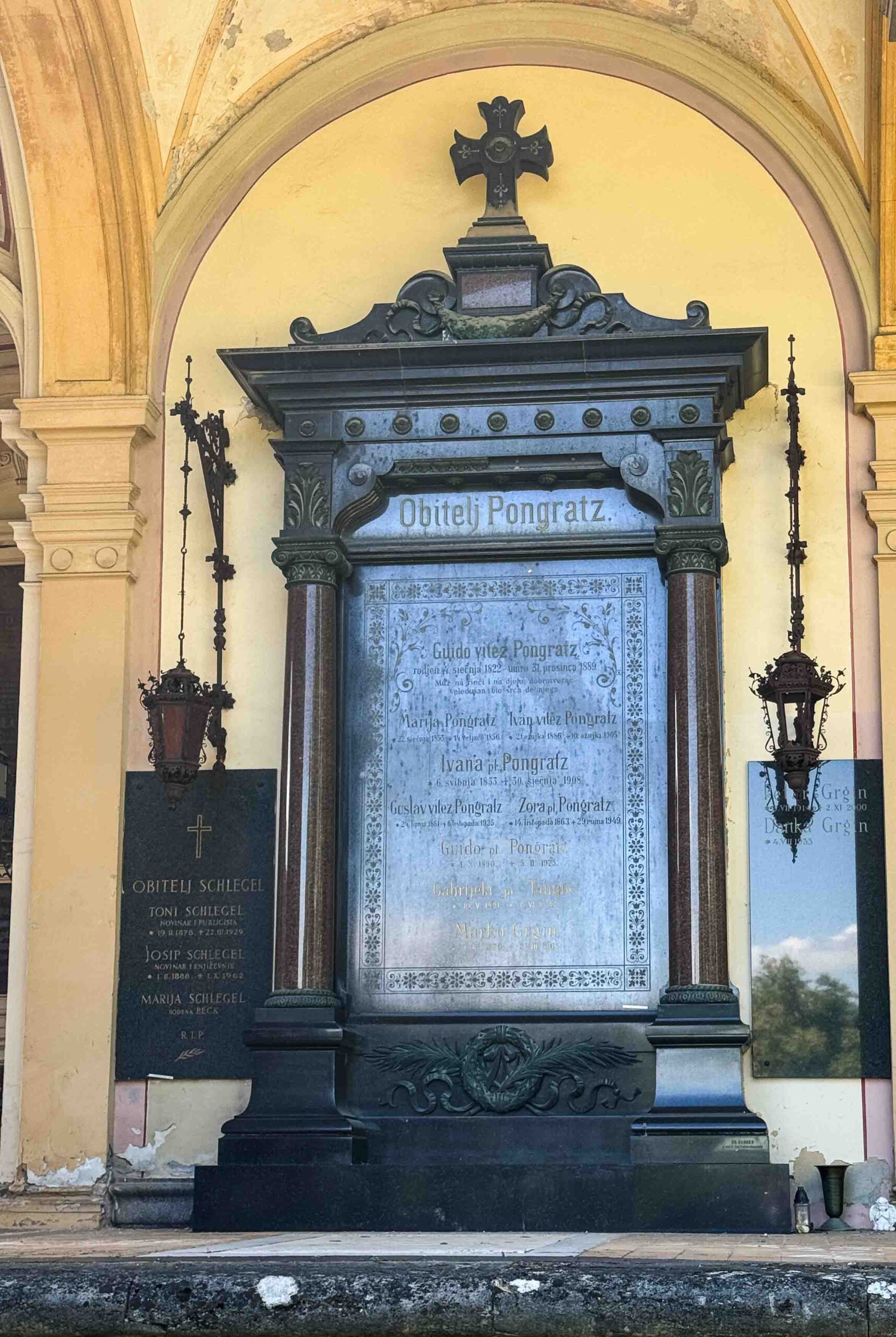
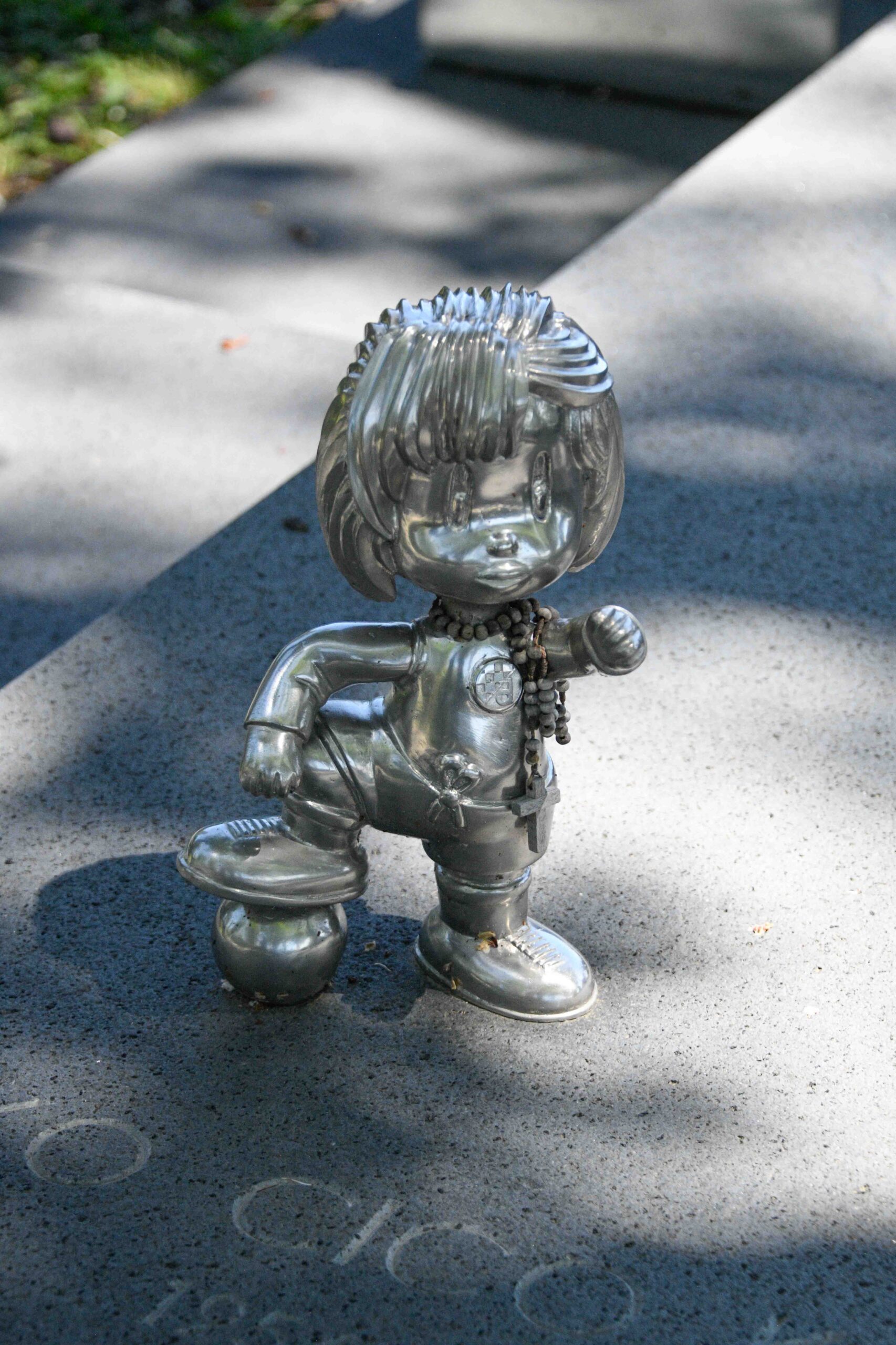
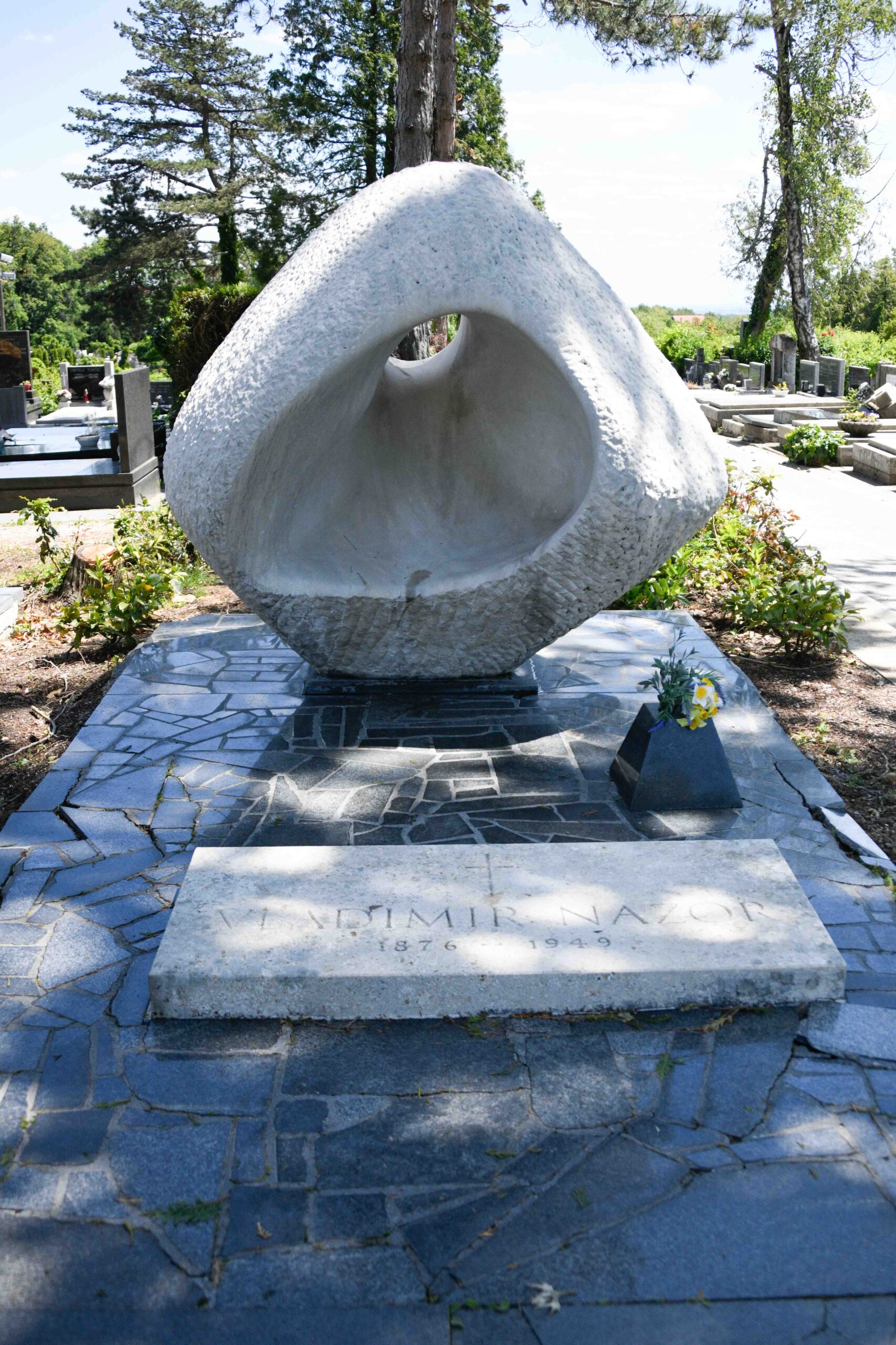
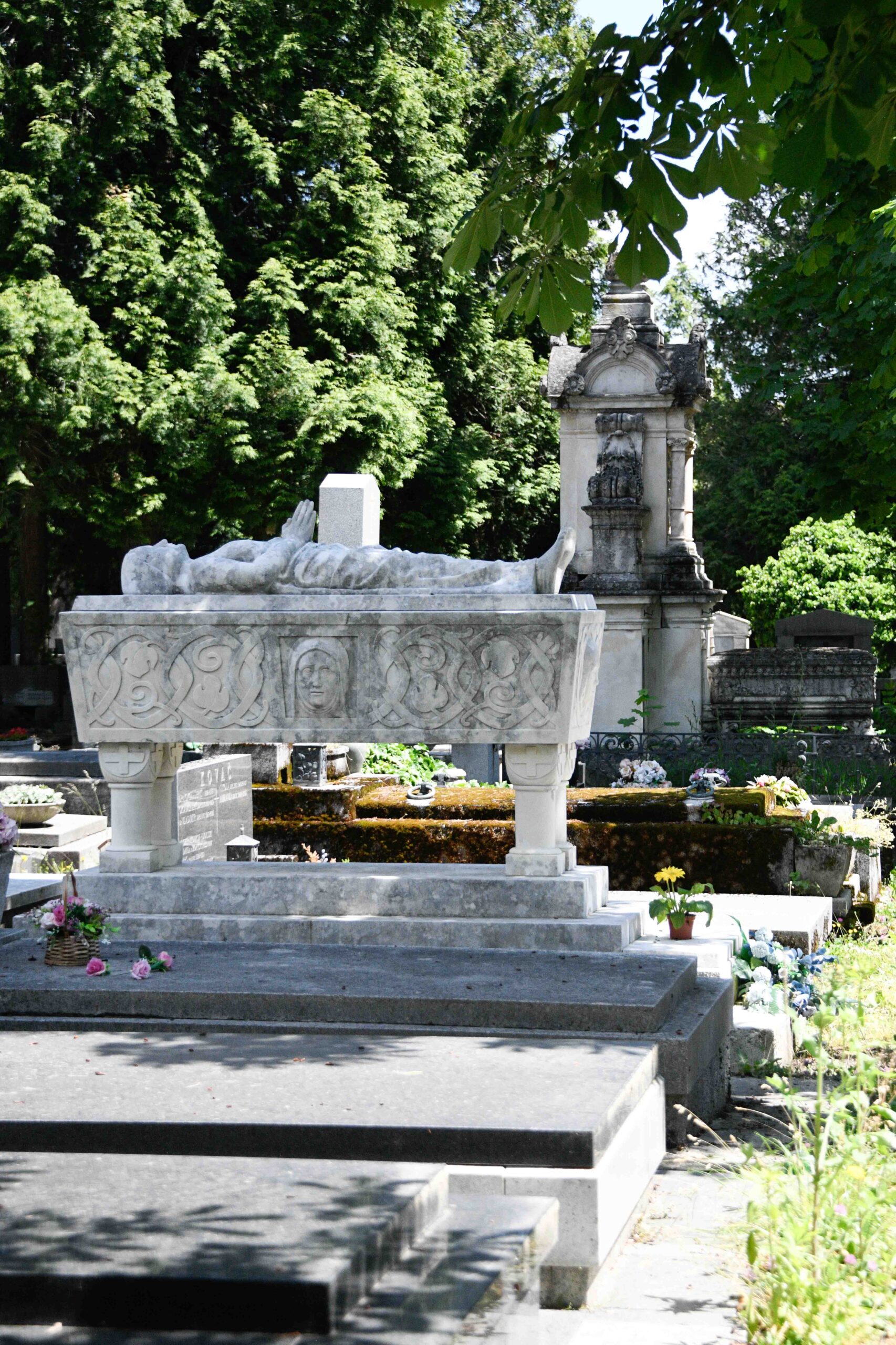
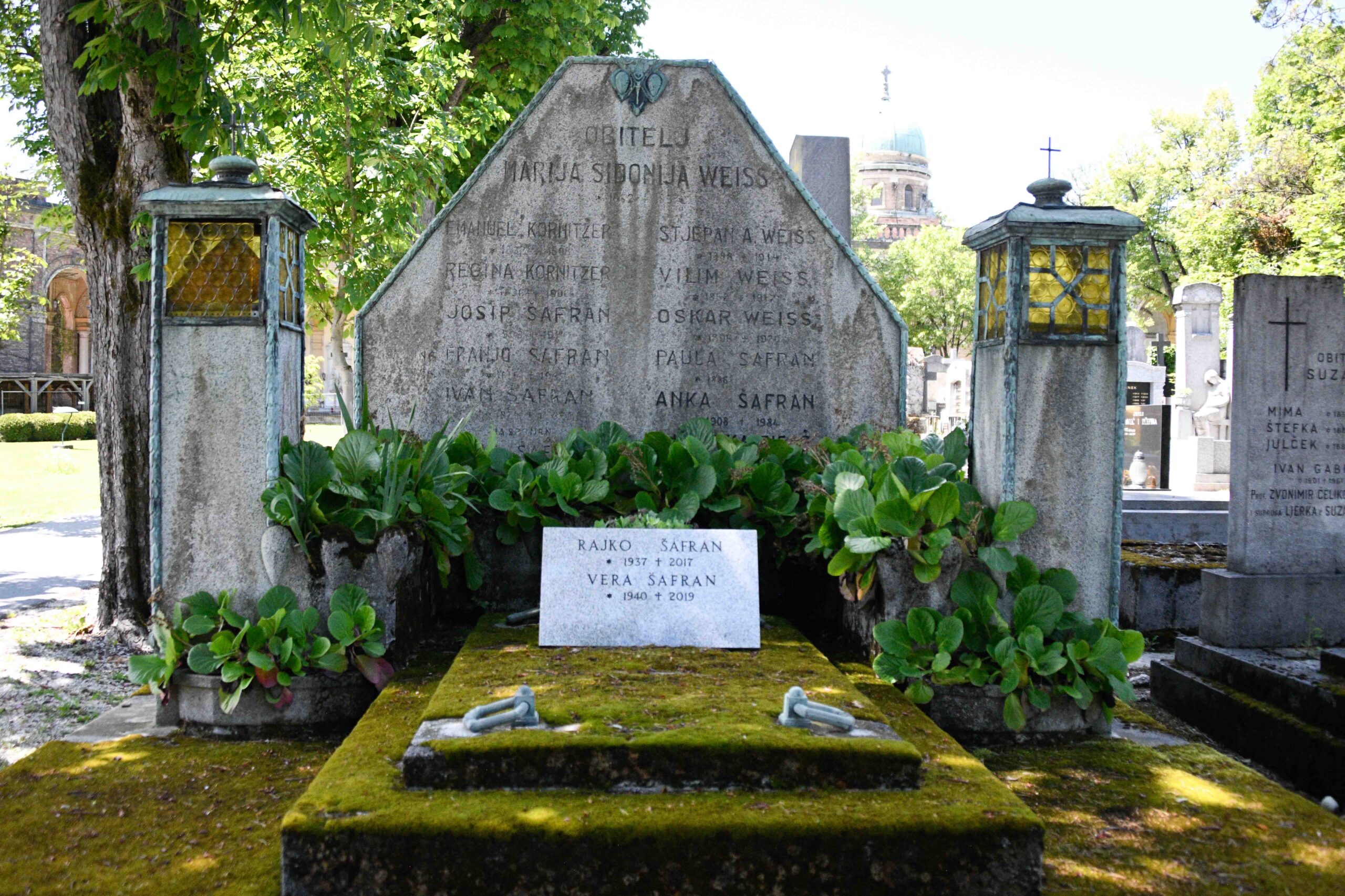
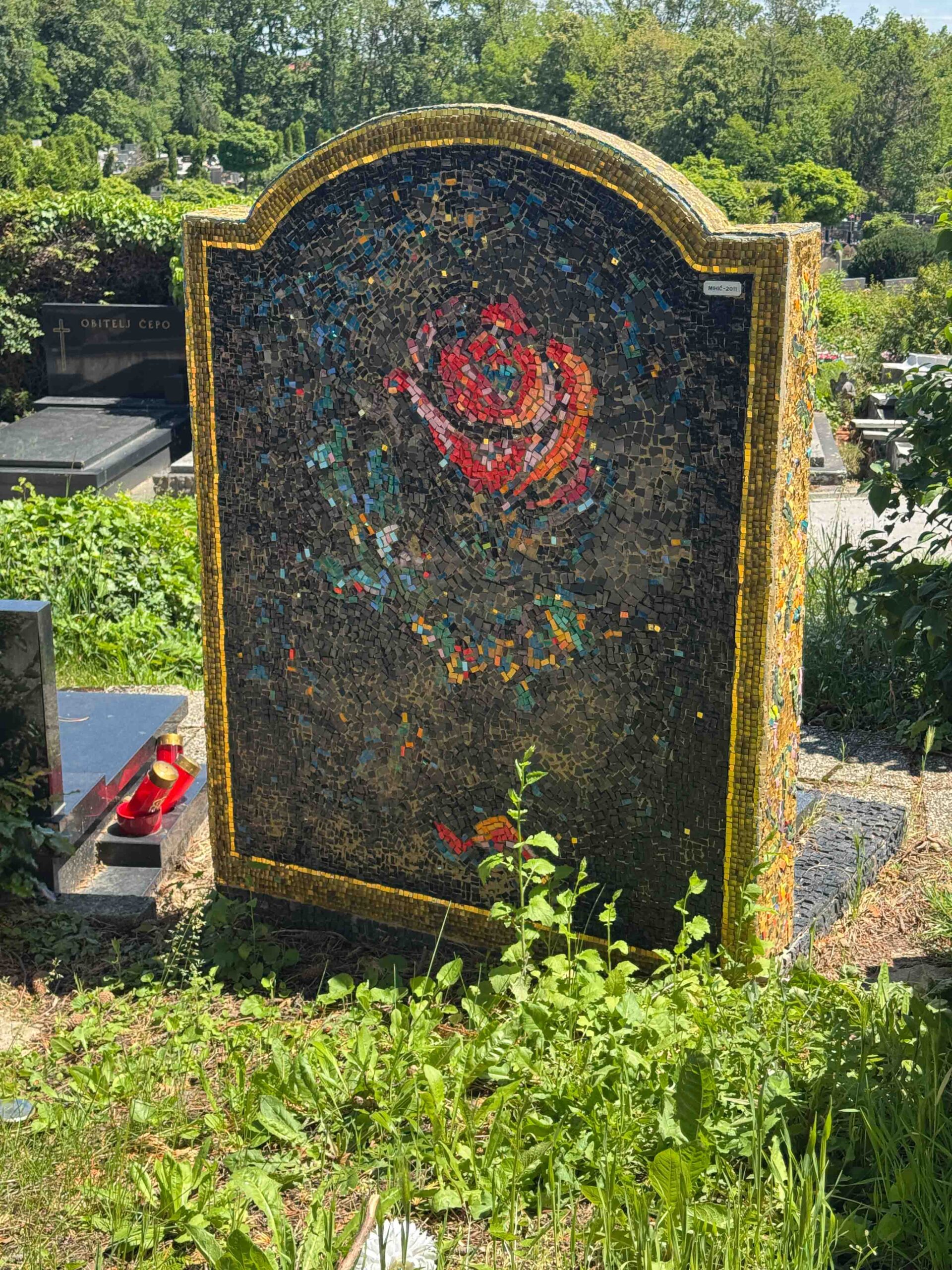
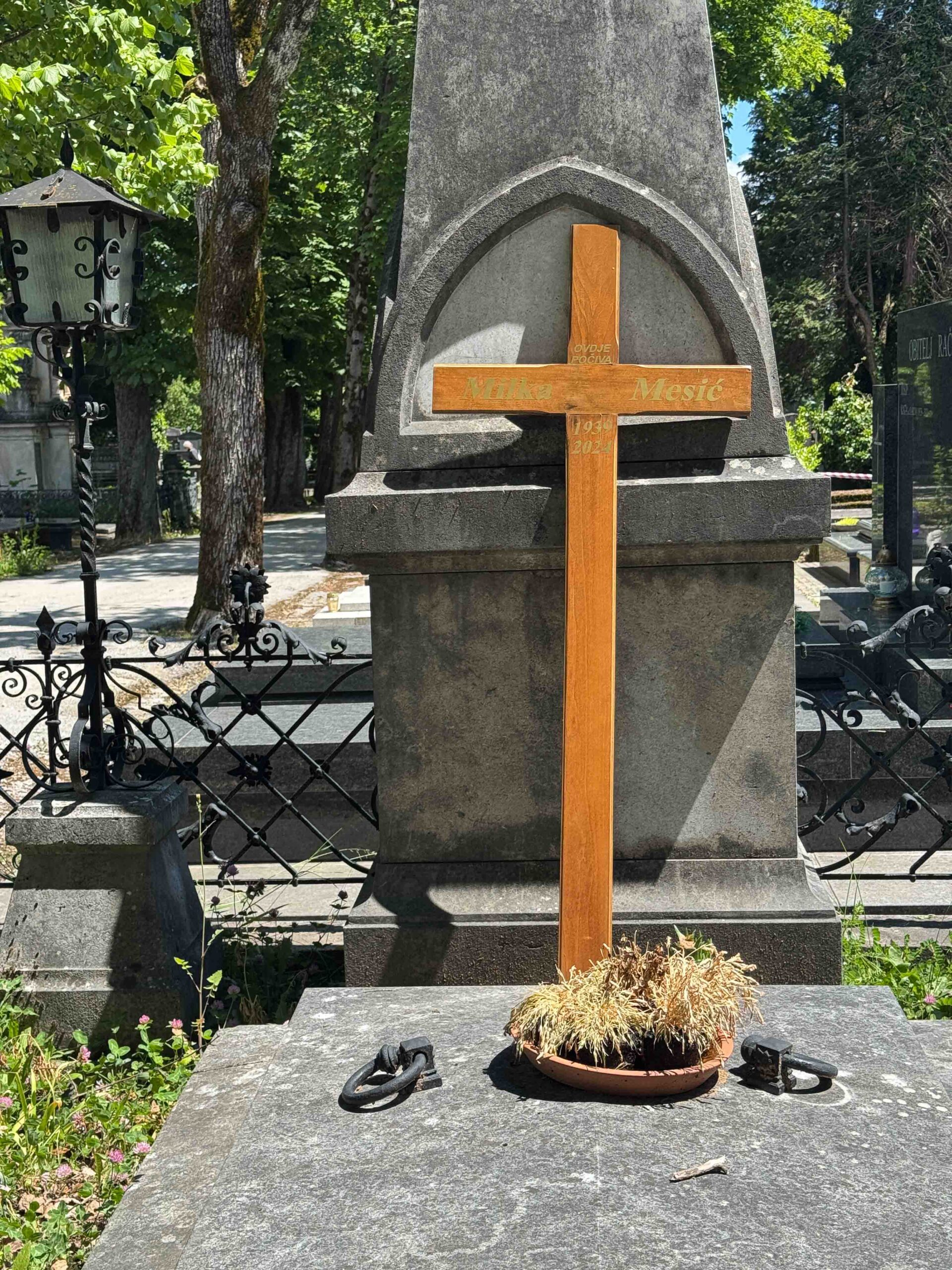
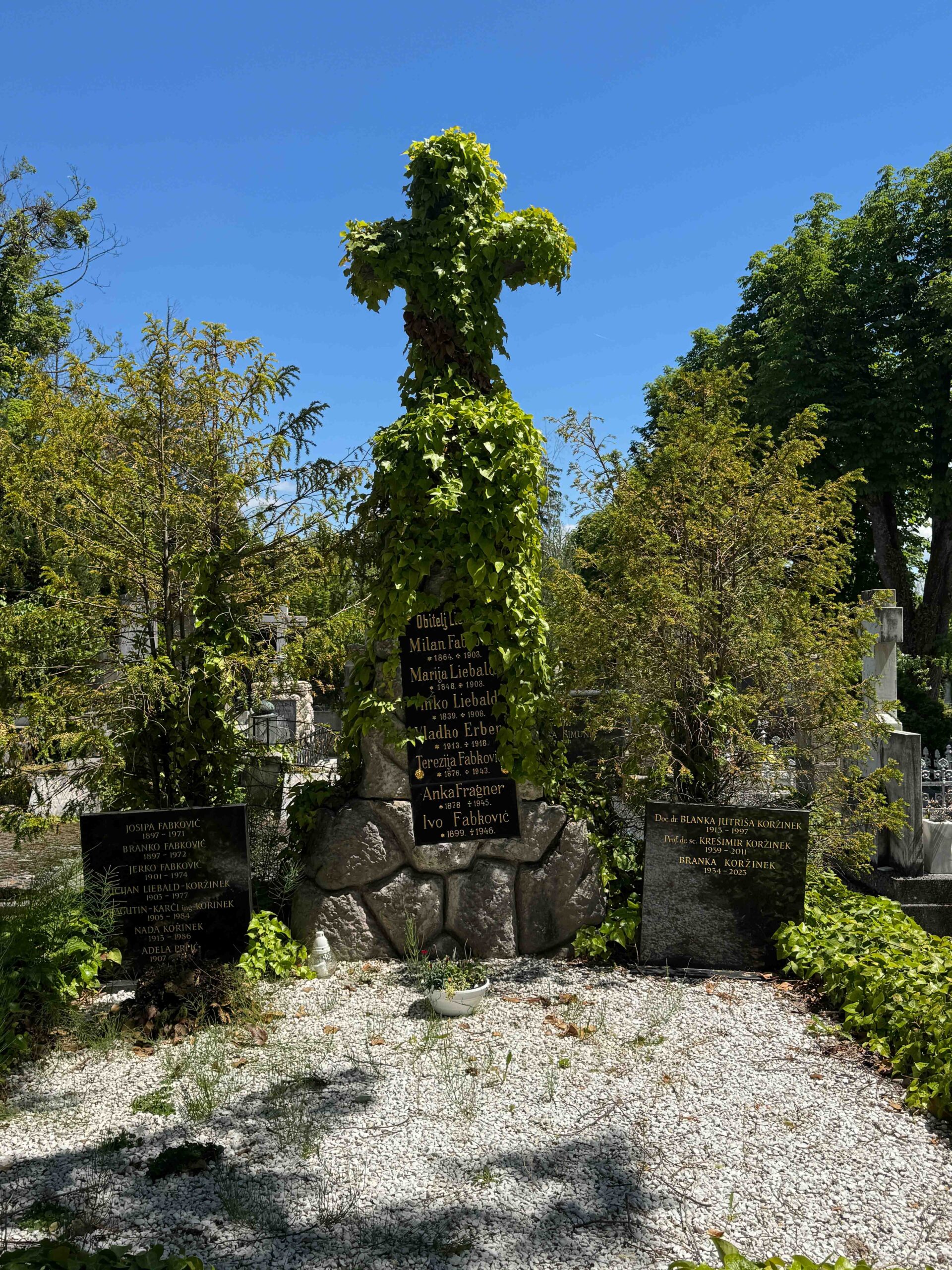
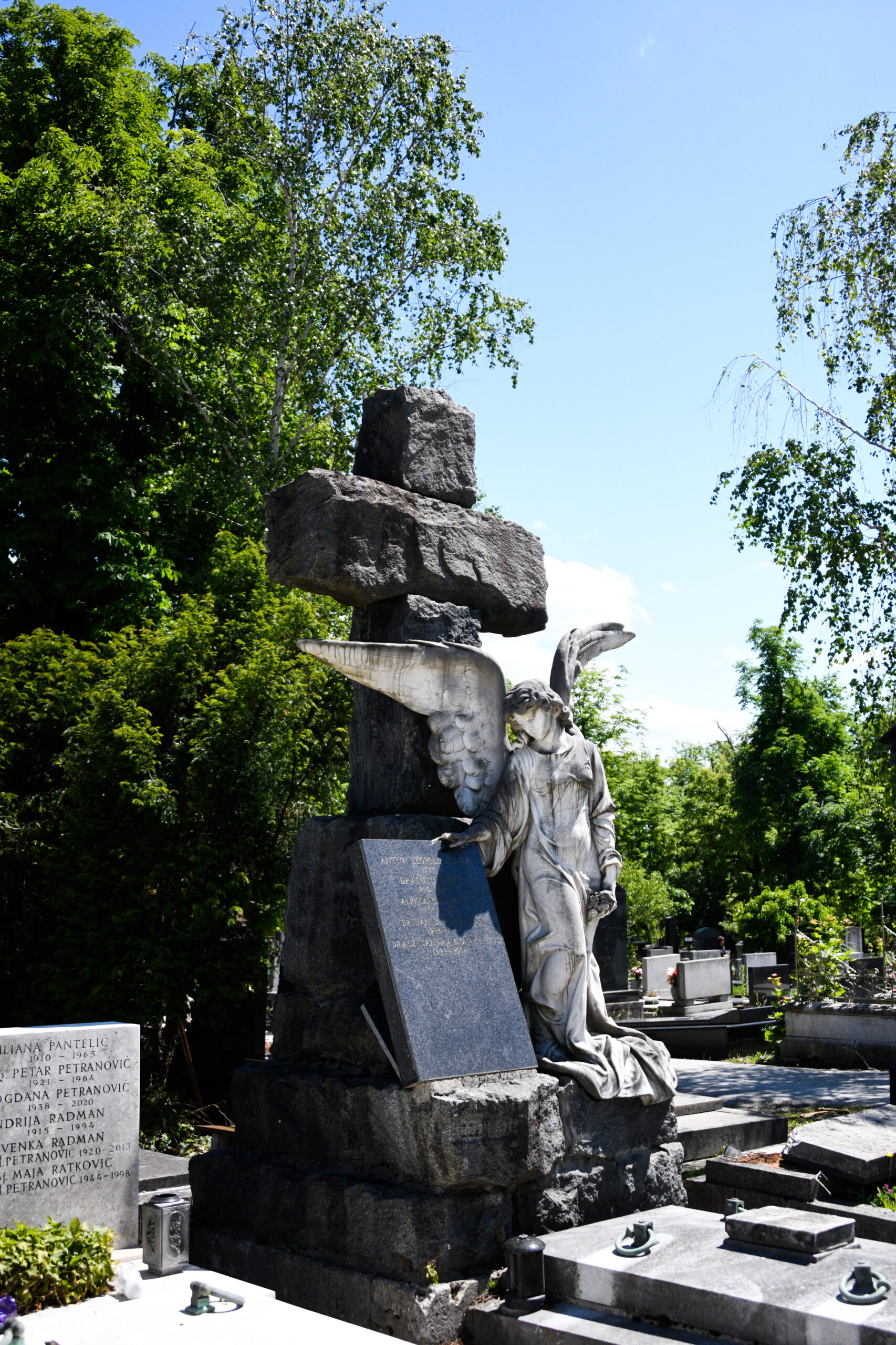
Random Graves I found interesting
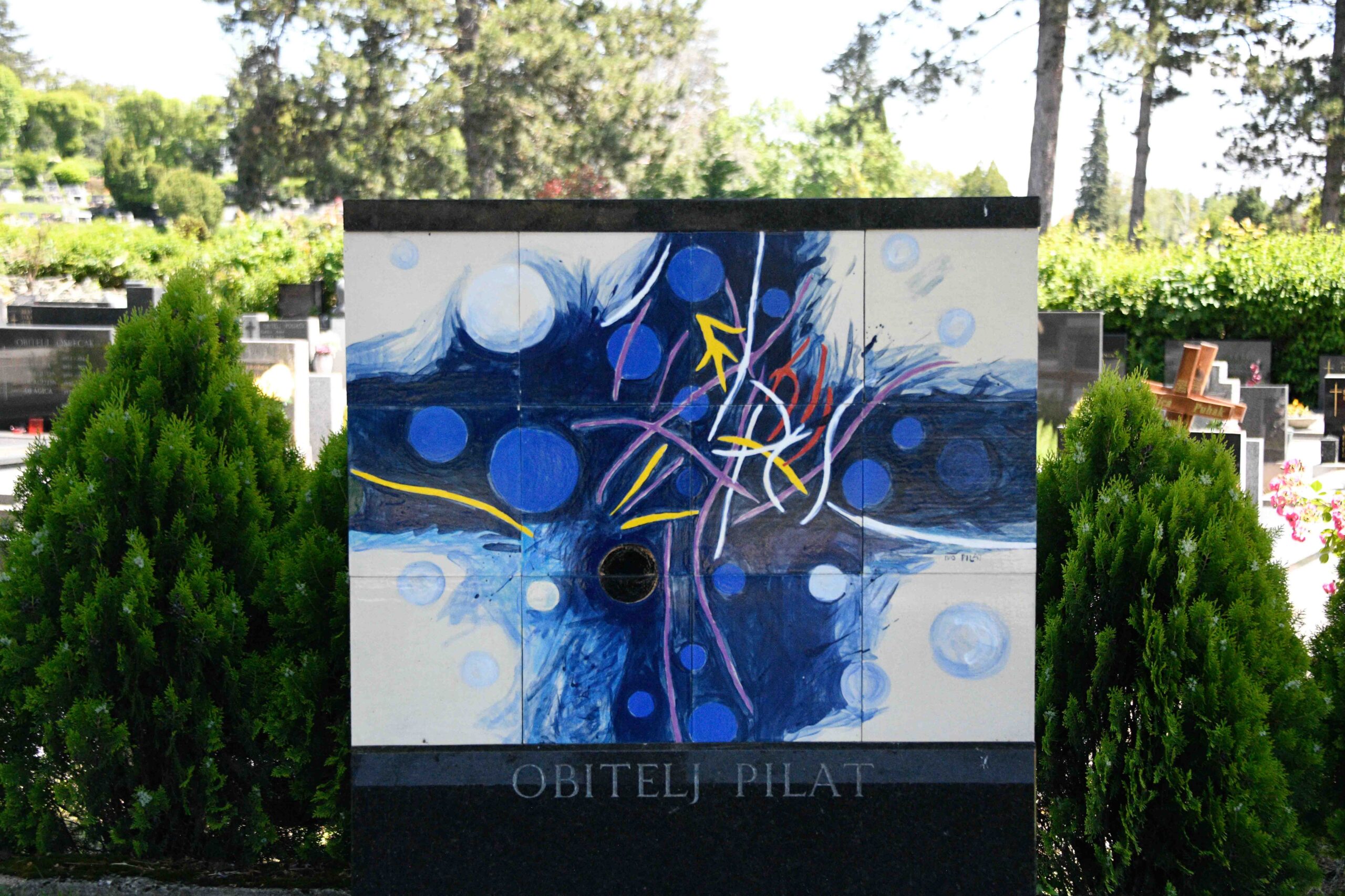
*
*
*
*
*
More of the Cemetery
*
*