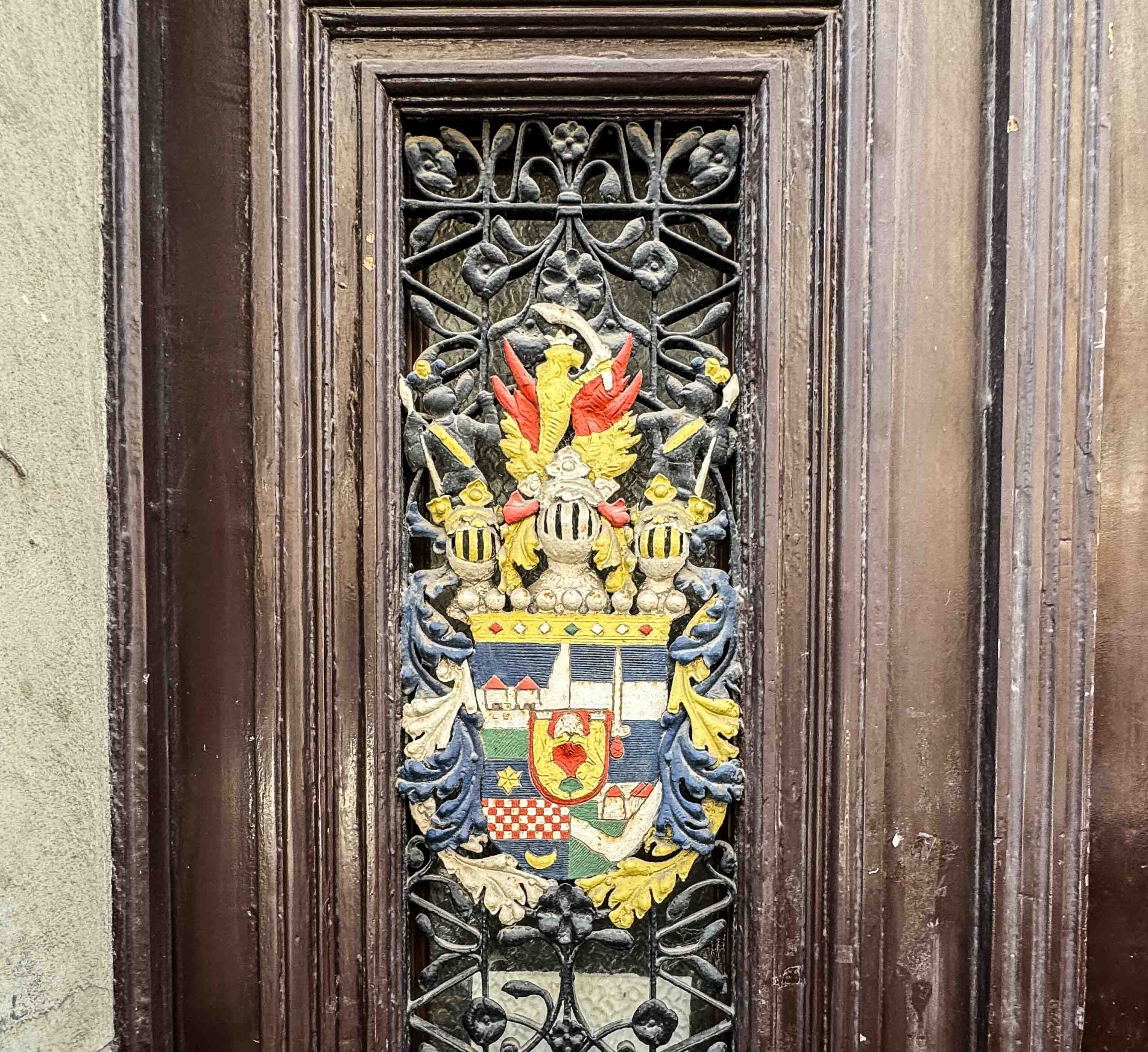
May 16, 2026
53 degrees F and raining
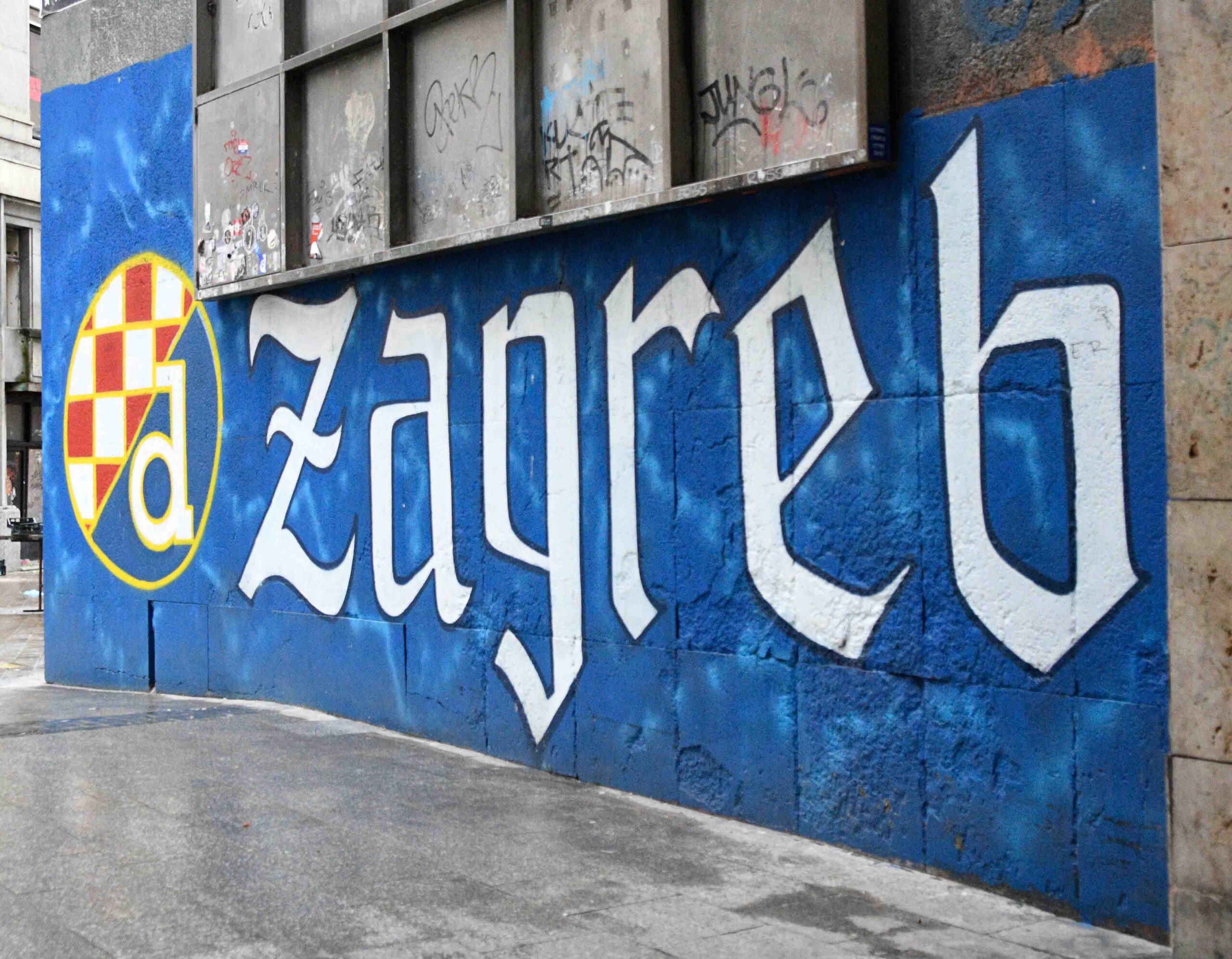
I first came to Croatia in 1976 when it was still Yugoslavia. I never did get to Zagreb, so I am excited to explore this city.
A quick background. Following the Allied victory in World War II, Yugoslavia was set up as a federation of six republics, with borders drawn along ethnic and historical lines: Croatia, Bosnia and Herzegovina, Macedonia, Montenegro, Serbia, and Slovenia.
The Socialist Federal Republic of Yugoslavia split apart in the early 1990s.
Zagreb is the economic center of Croatia, generating 31.4% of the country’s GDP. The largest industries in Zagreb are wholesale and retail commerce and motor vehicle and motorcycle repair, accounting for 38.8% of the city’s revenue, followed by manufacturing at 20.6%. Most of Croatia’s industrial and service sectors are clustered in Zagreb.
Compared to the rest of Croatia and other Eastern European countries, Zagreb offers better economic opportunities and a higher salary. However, average salaries for the city are still well below those of most Western European cities.
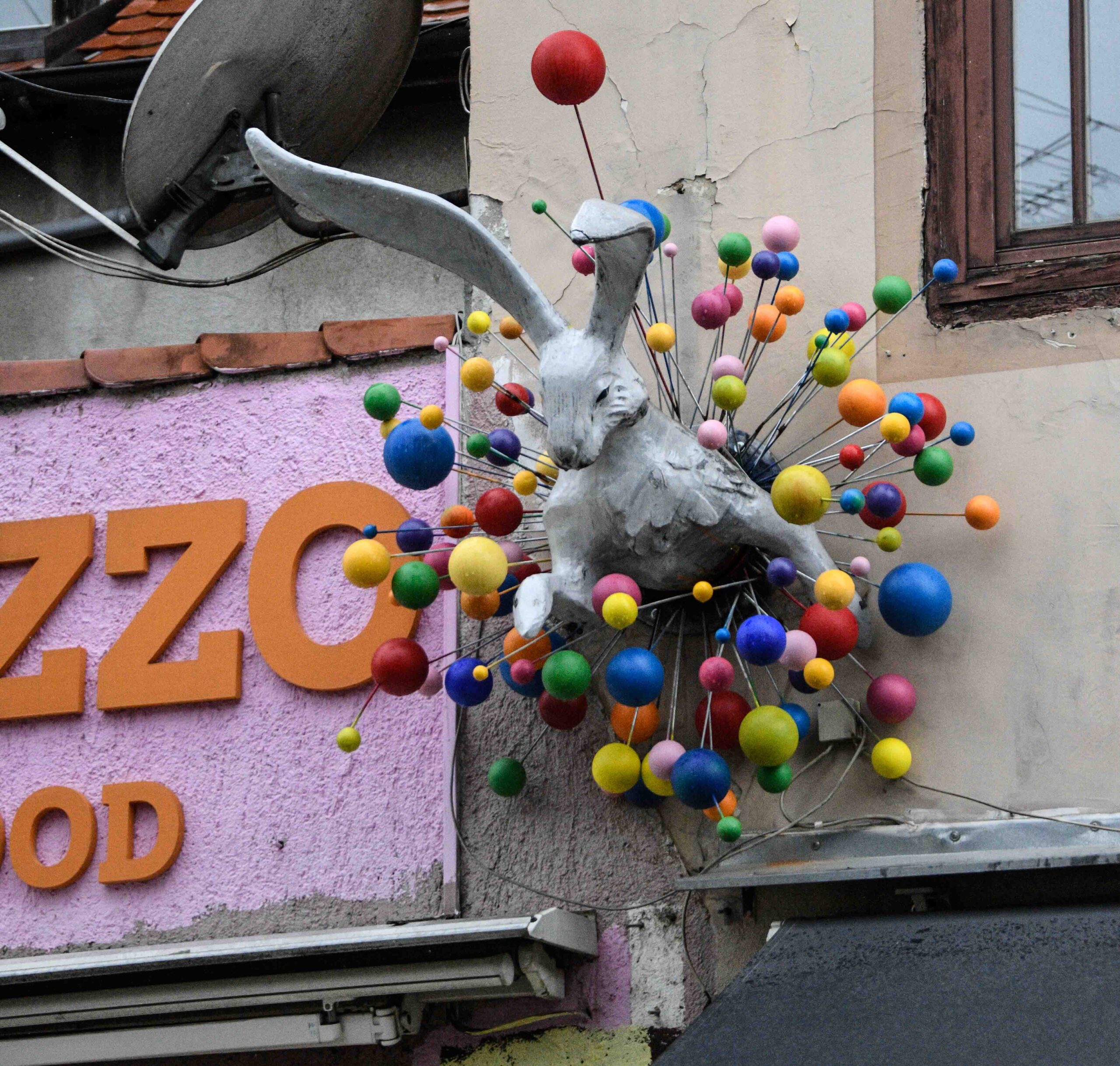
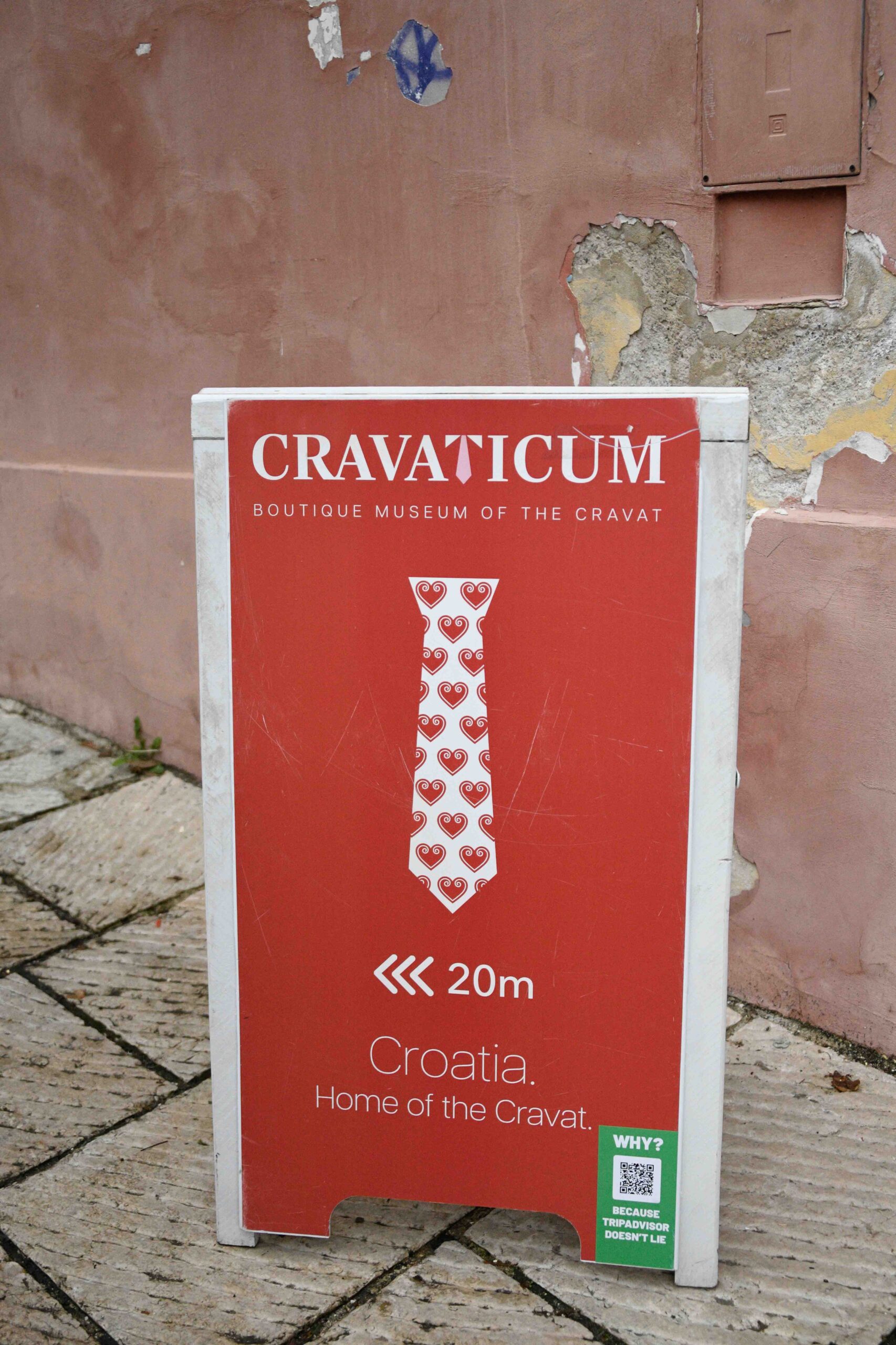
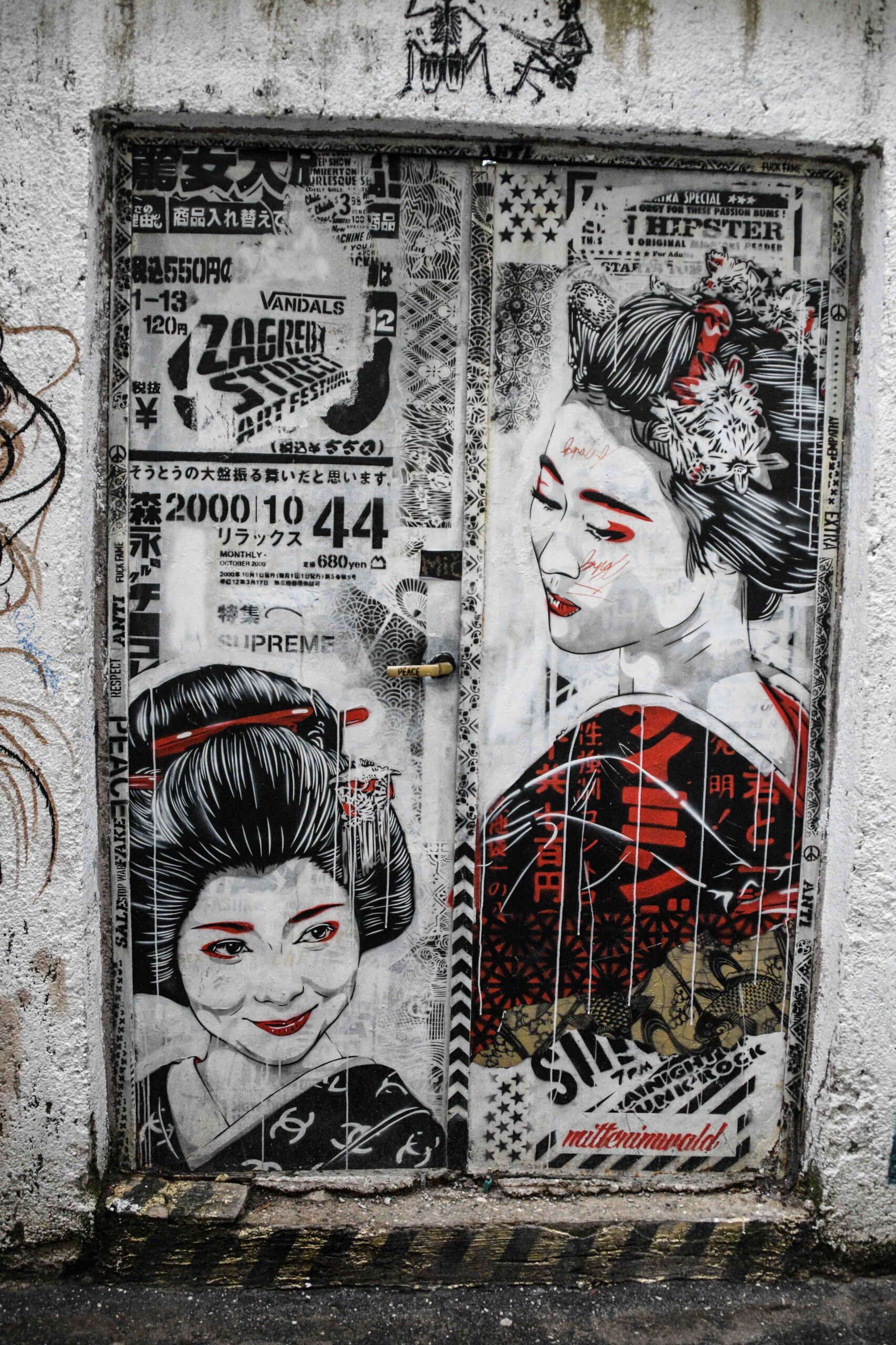
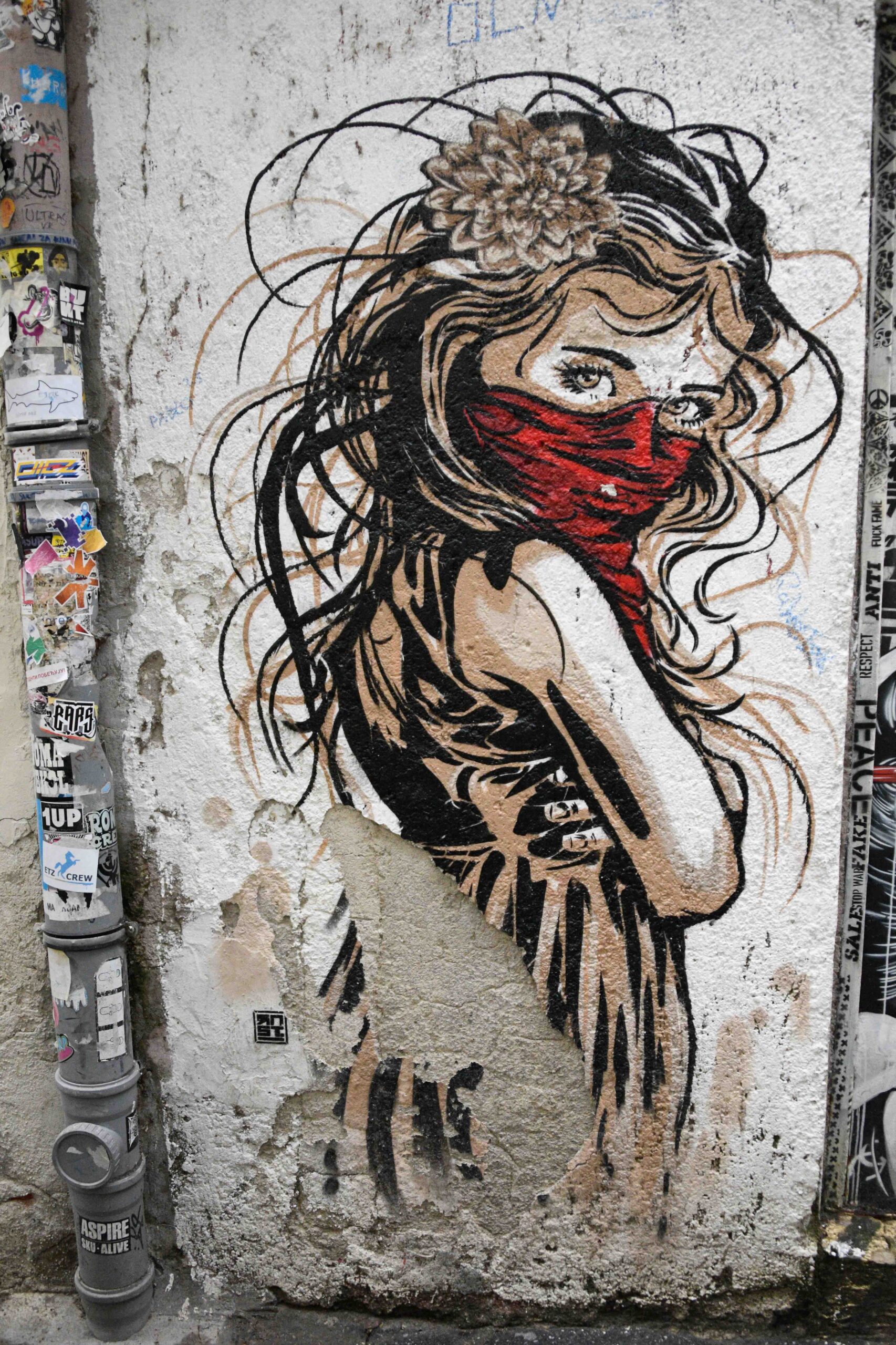
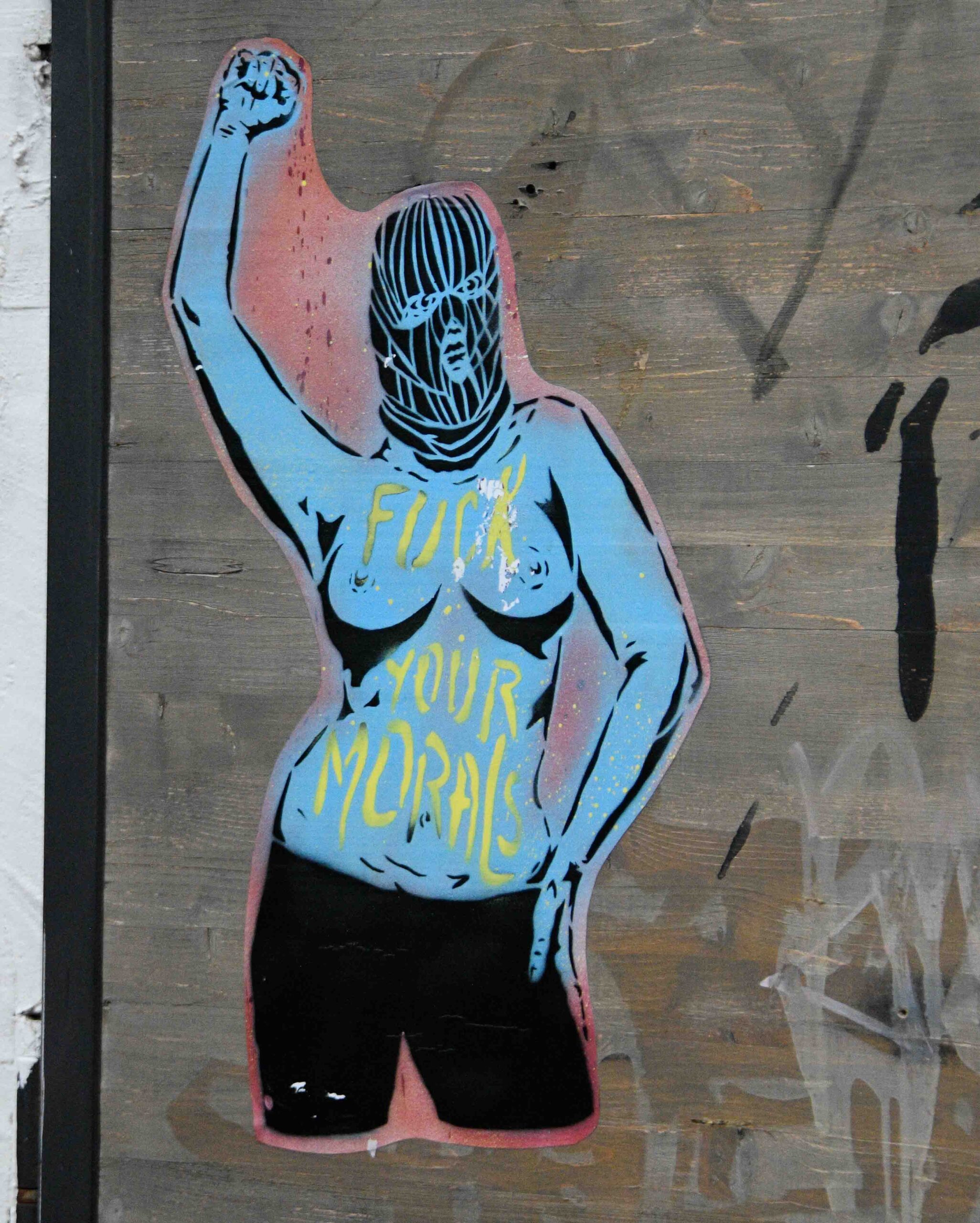
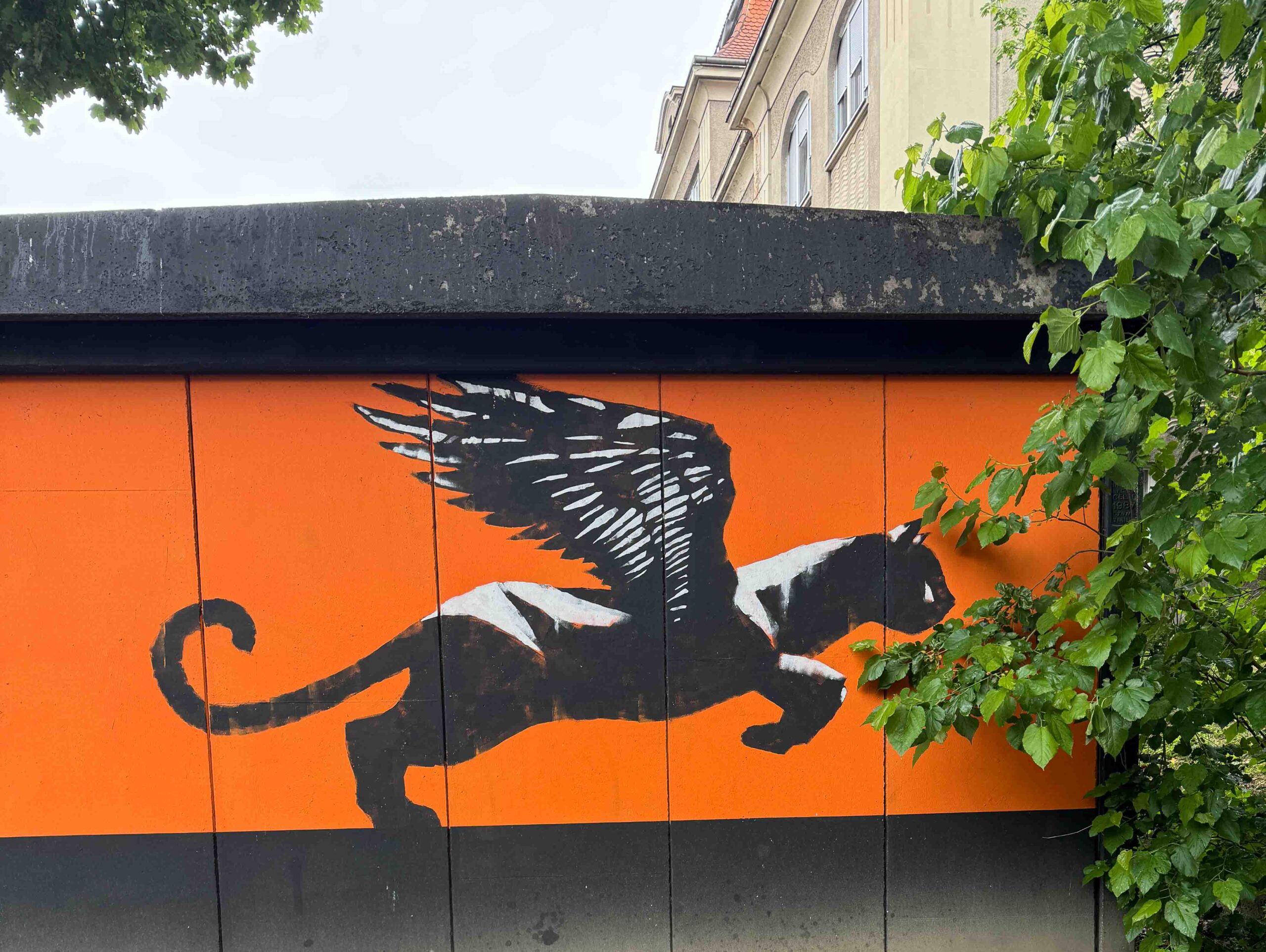
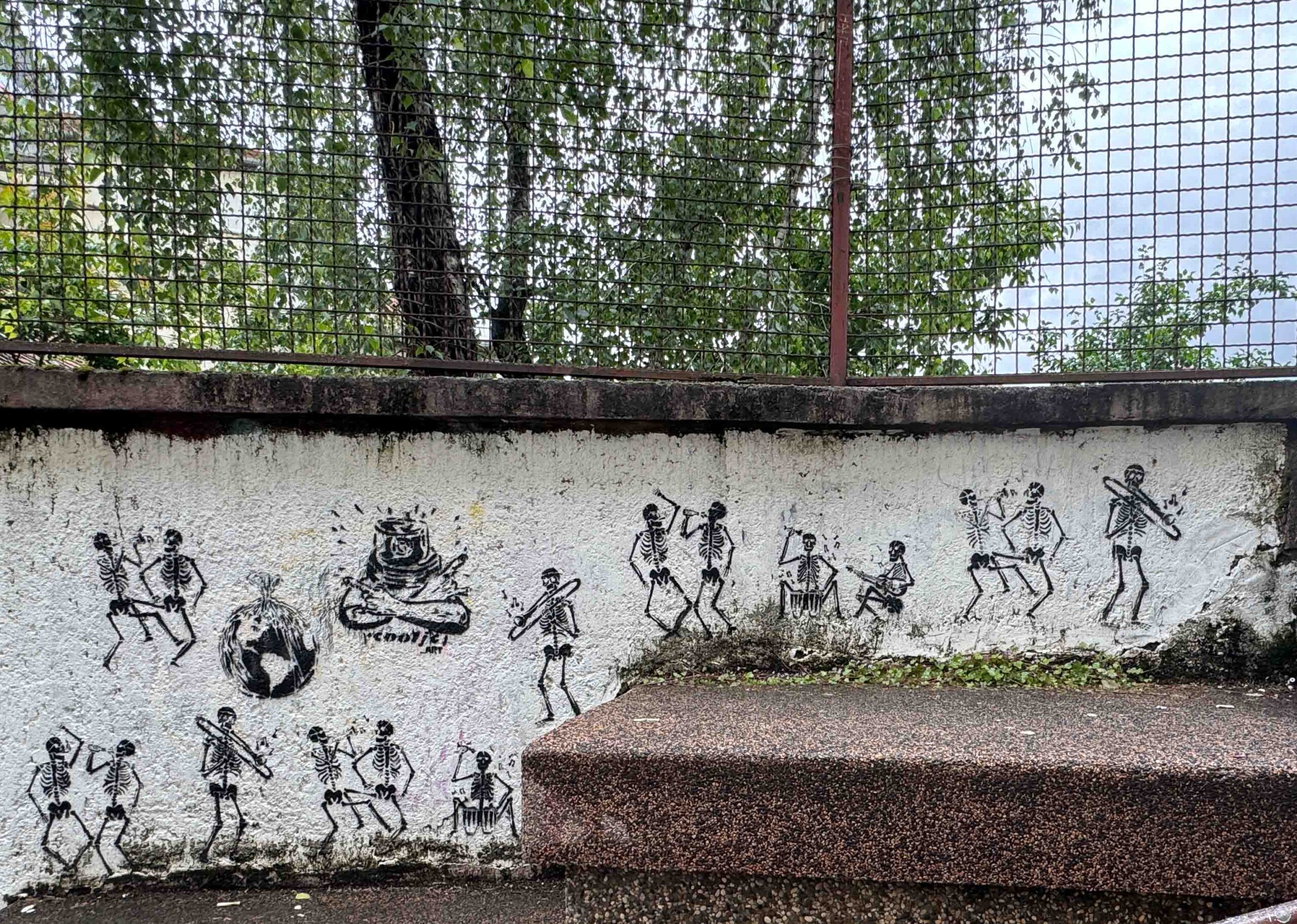
I absolutely fell in love with Zagreb within the first 20 minutes. It has a quirkiness that is so unique and so sublime. There is a very artistic feel to the entire city, including some of the strangest museums you will encounter
*
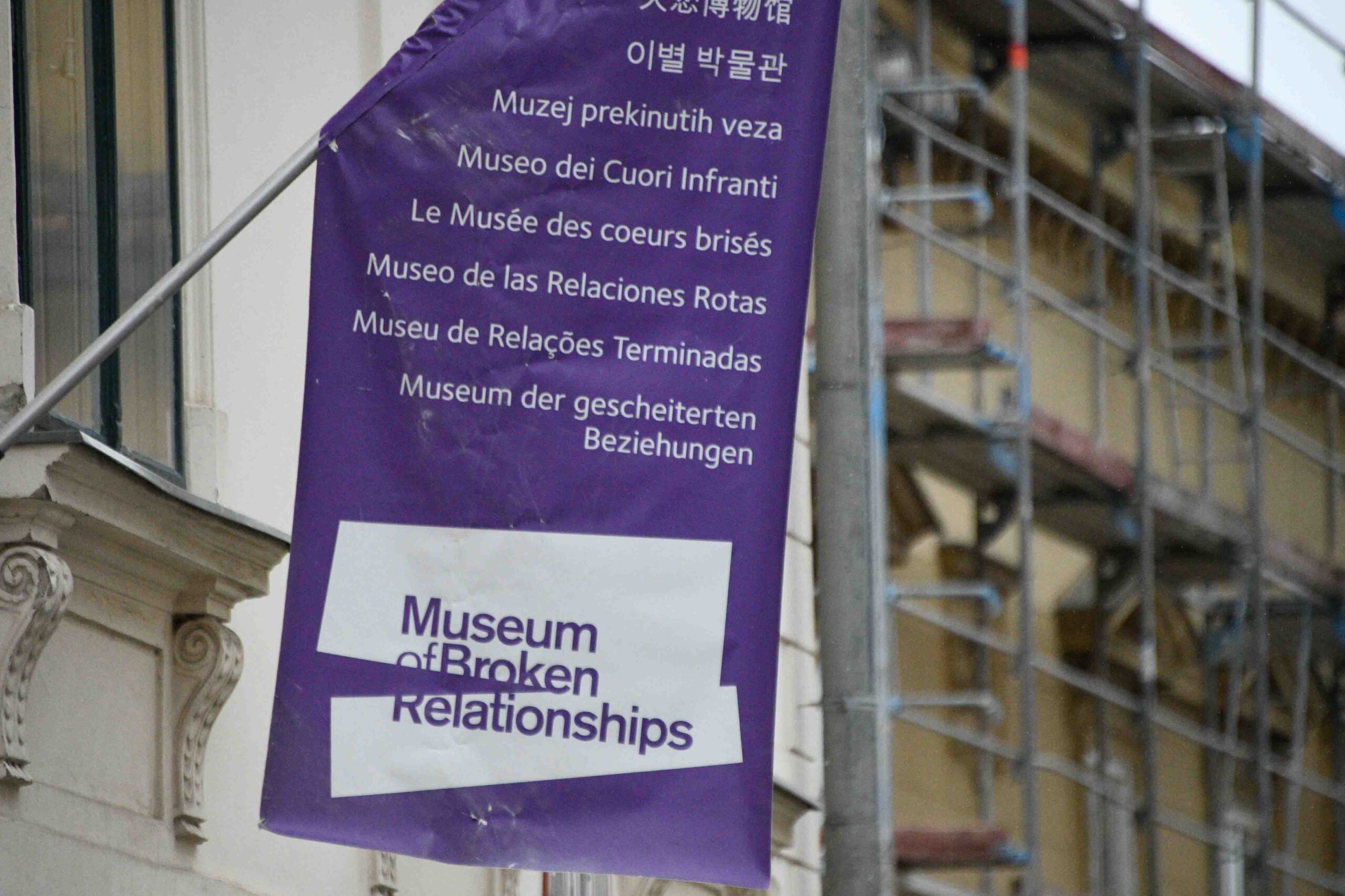
and some of the best graffiti.
The name “Zagreb” was first used in 1094 at the founding of the Zagreb diocese in Kaptol, after the Slavs had arrived in the area. Zagreb became a free royal city in 1242. It was made the capital of Croatia in 1845 and elected its first mayor, Janko Kamauf, in 1851. According to the 2011 Croatian census, Zagreb had 792,875 inhabitants and was also Croatia’s largest city by area.
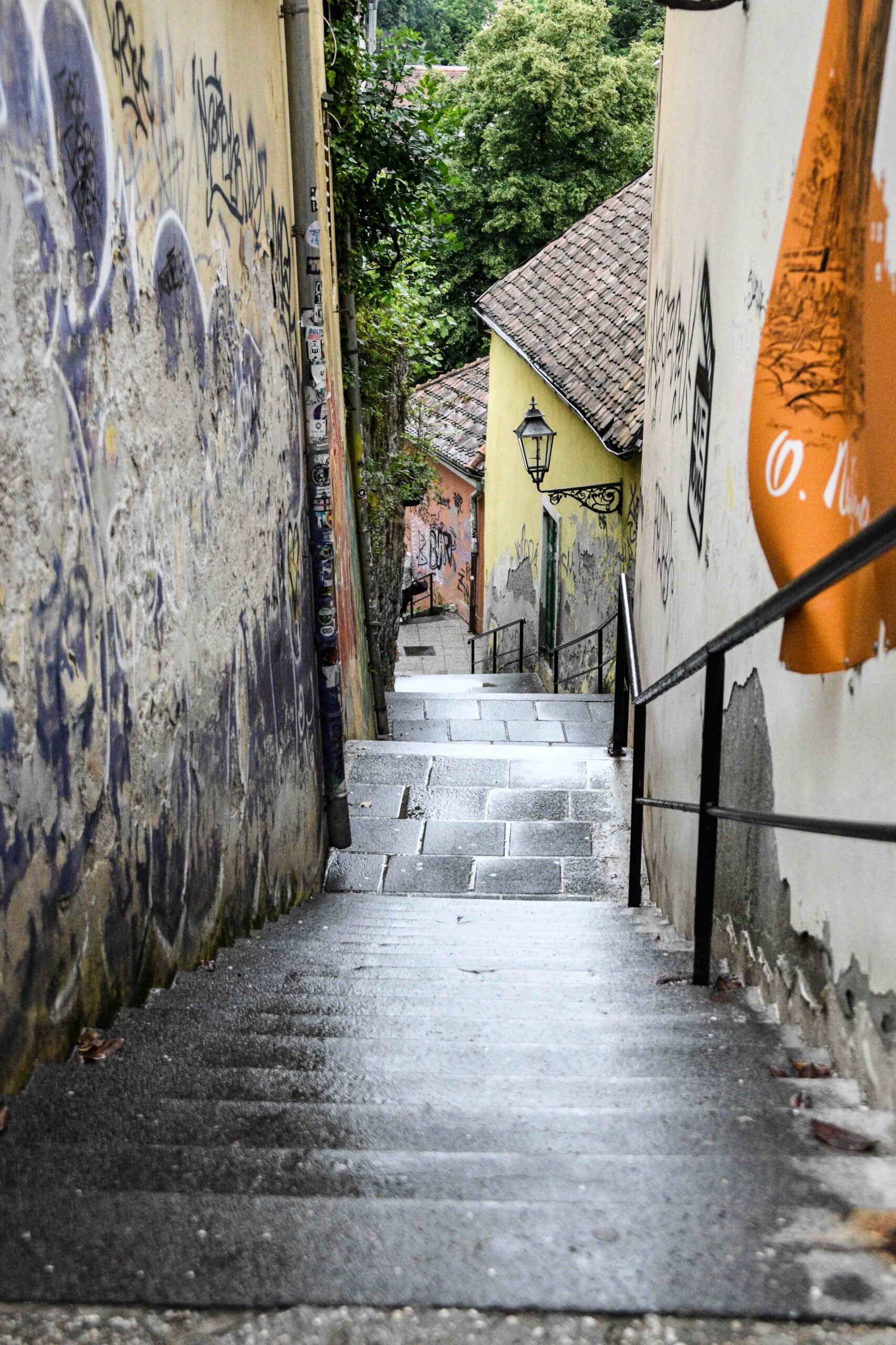
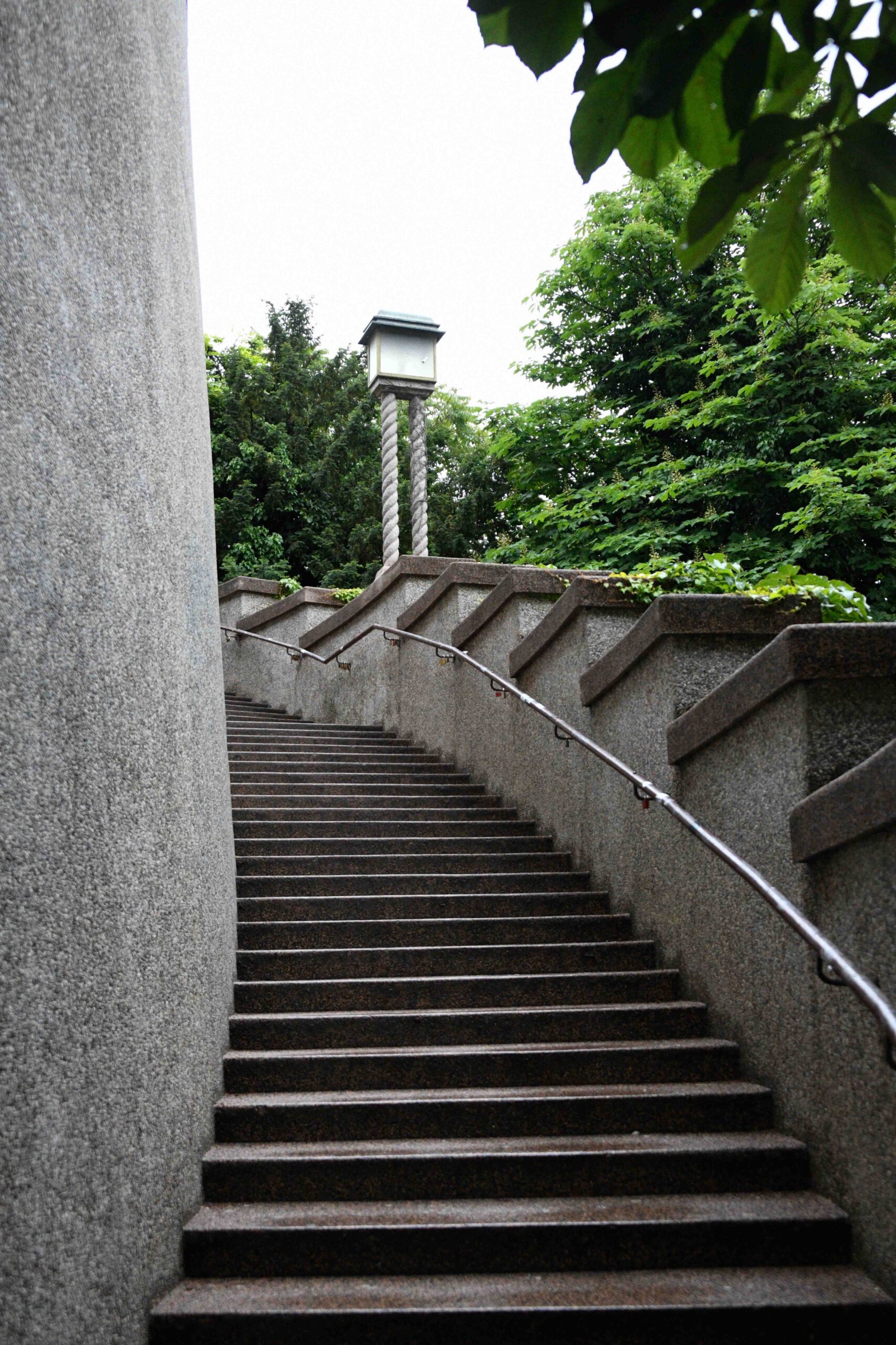
Originally, there were two very distinct districts in Zagreb. Kaptol and Gradec.
The development of Kaptol began in 1094 after the foundation of the diocese, while the growth of Gradec began after the Golden Bull was issued in 1242.
The Golden Bull of 1242 was an edict issued by King Béla IV of Hungary to the inhabitants of Gradec during the Mongol invasion of Europe.
For centuries, numerous conflicts, often violent, occurred between the two areas. In 1850, they were united into a single settlement.
The 19th century began in Zagreb with Art Nouveau construction from 1899 until World War I.
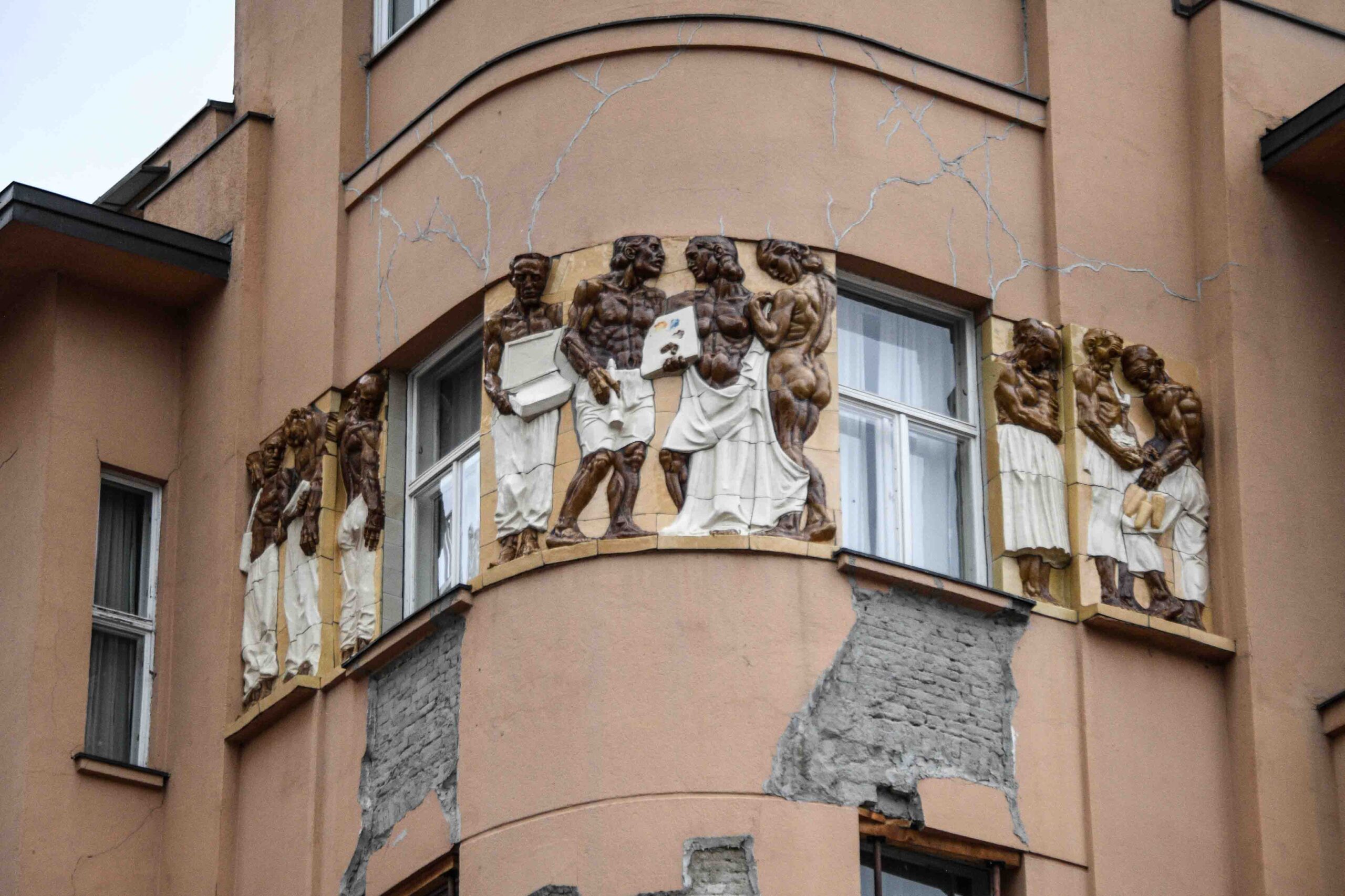
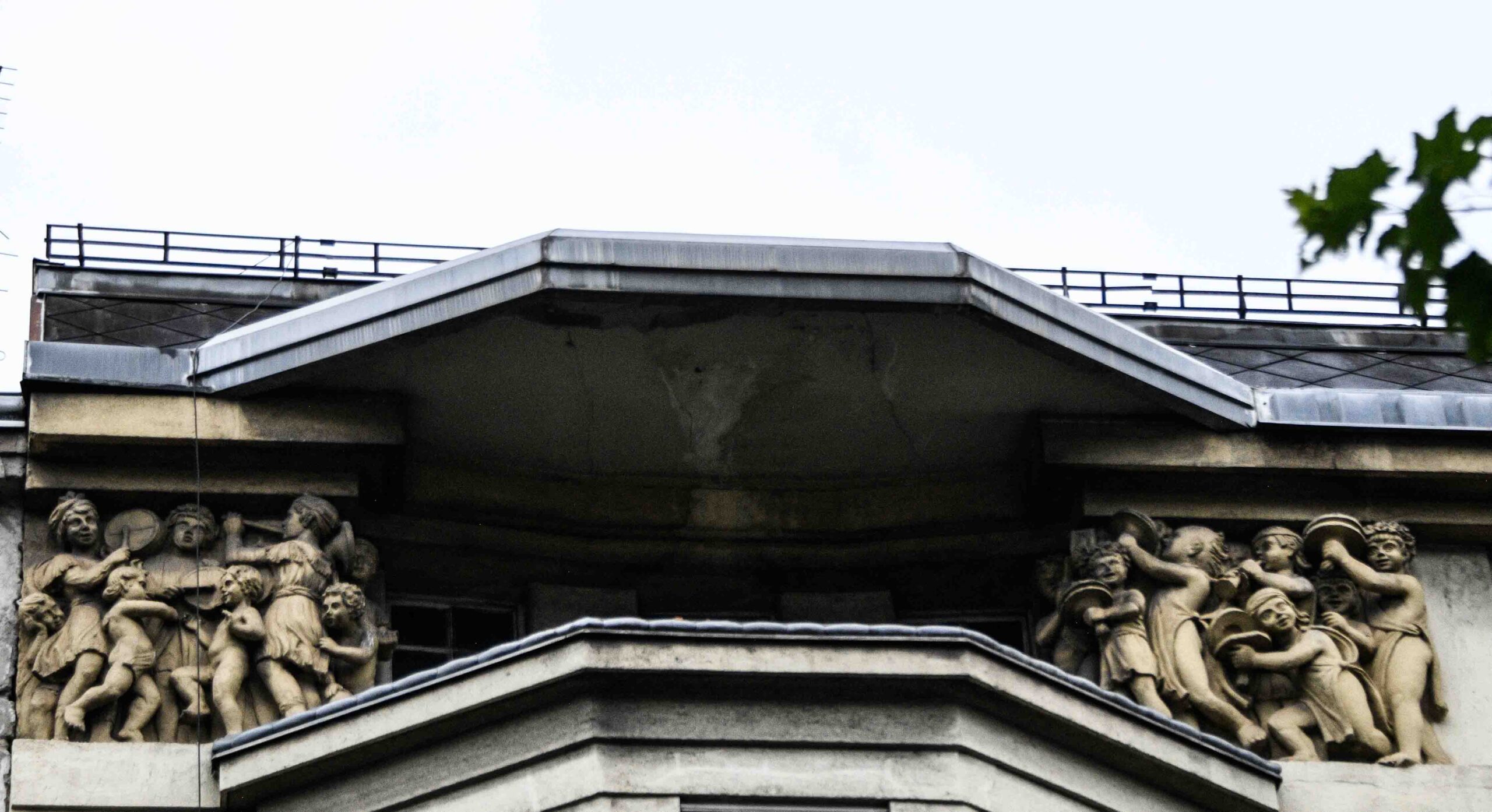
Popovic Palace was built in 1906-1907. The architect was Aladar Baranyai, and the sculptor was Ivan Meštrović. The building was severely damaged in the 2020 earthquake. Popovic was a trader, and ten body figures in painted ceramics are divided into three segments symbolizing Popovic’s trade with wheat grain and colors.
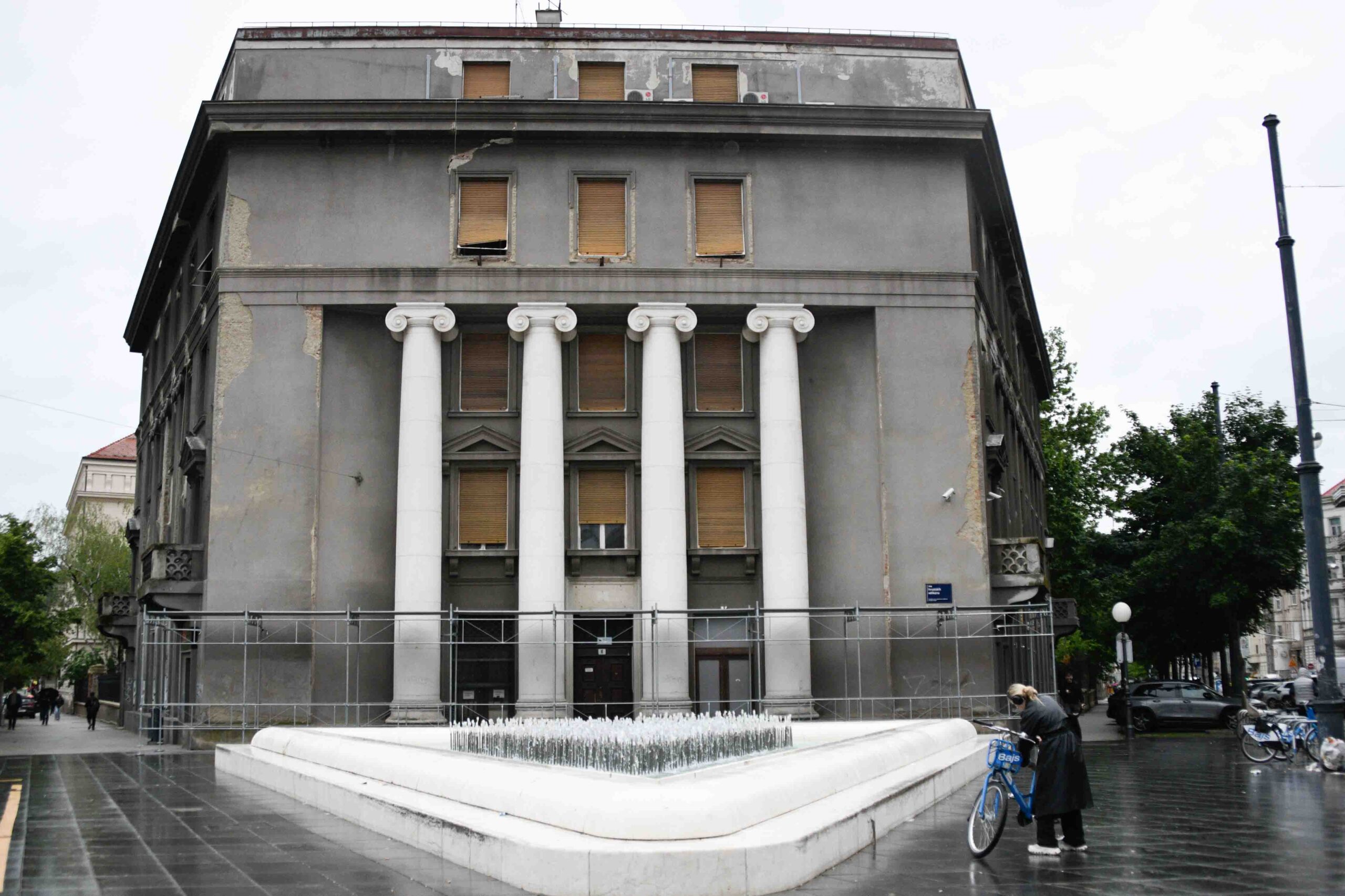
Functionalism, promoted by the Zagreb School of Architecture, appeared during the 1930s. Building flourished during the decade, since Zagreb was an industrial and business center with a population of about 280,000 before World War II.
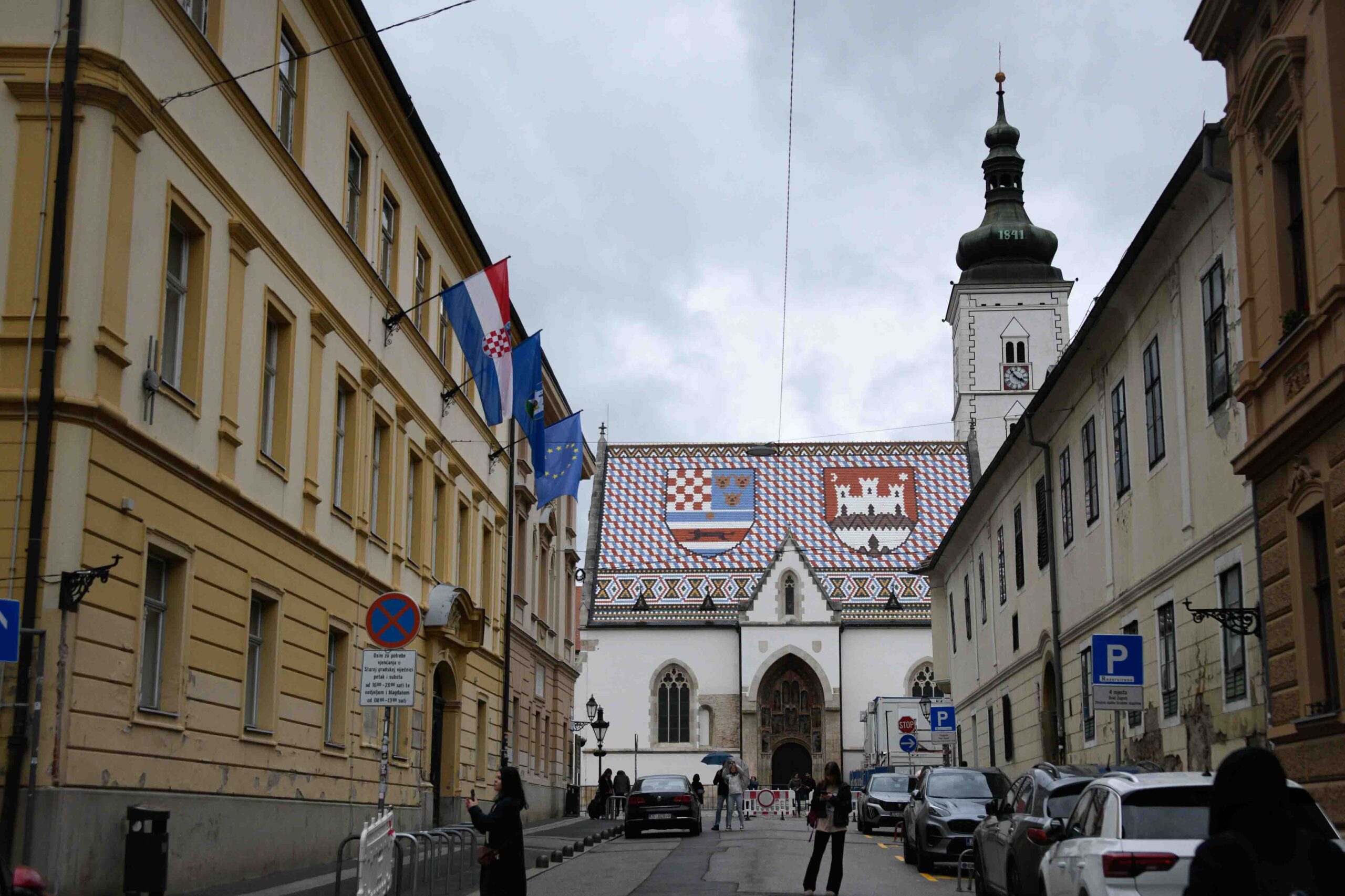
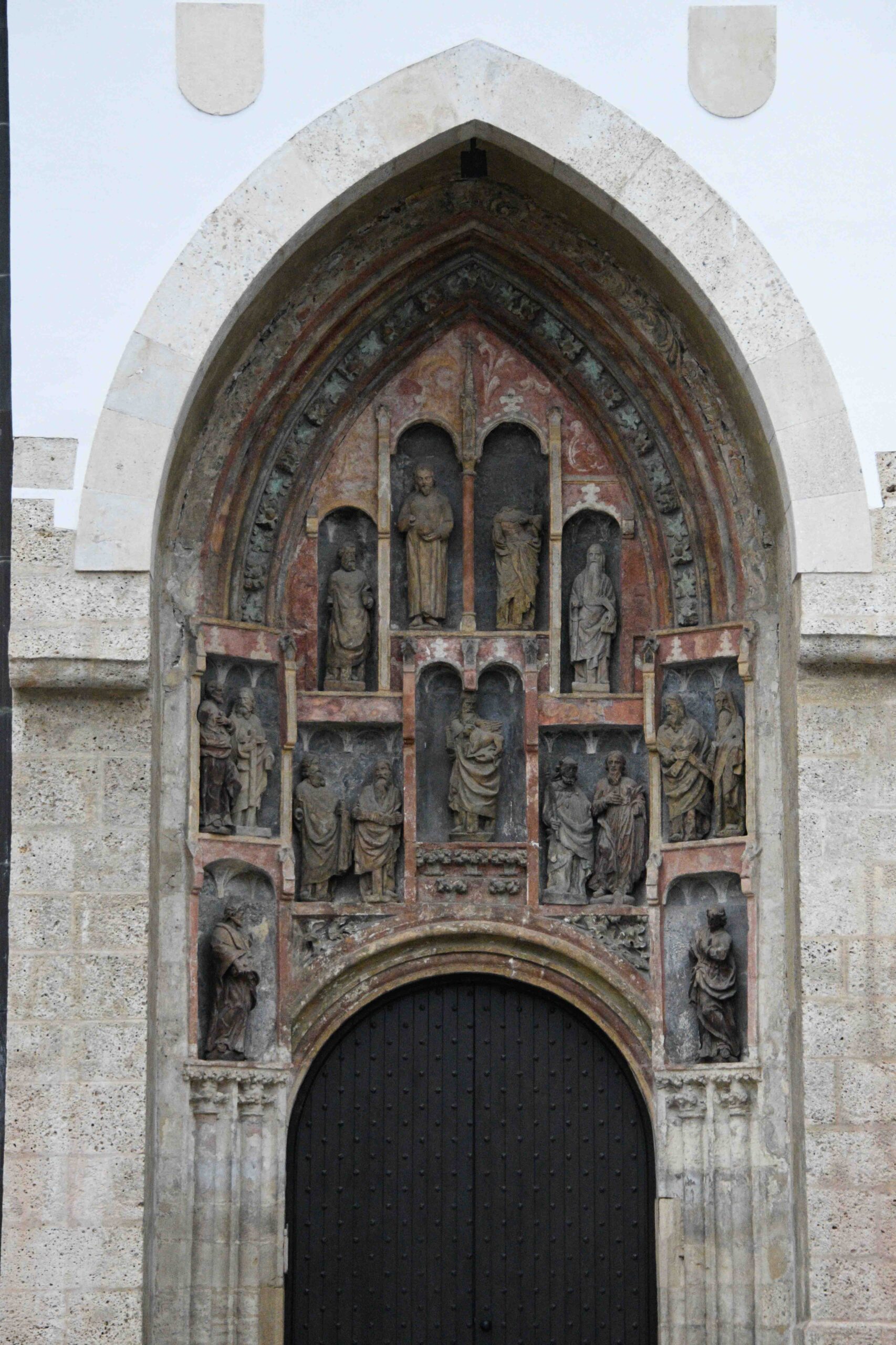
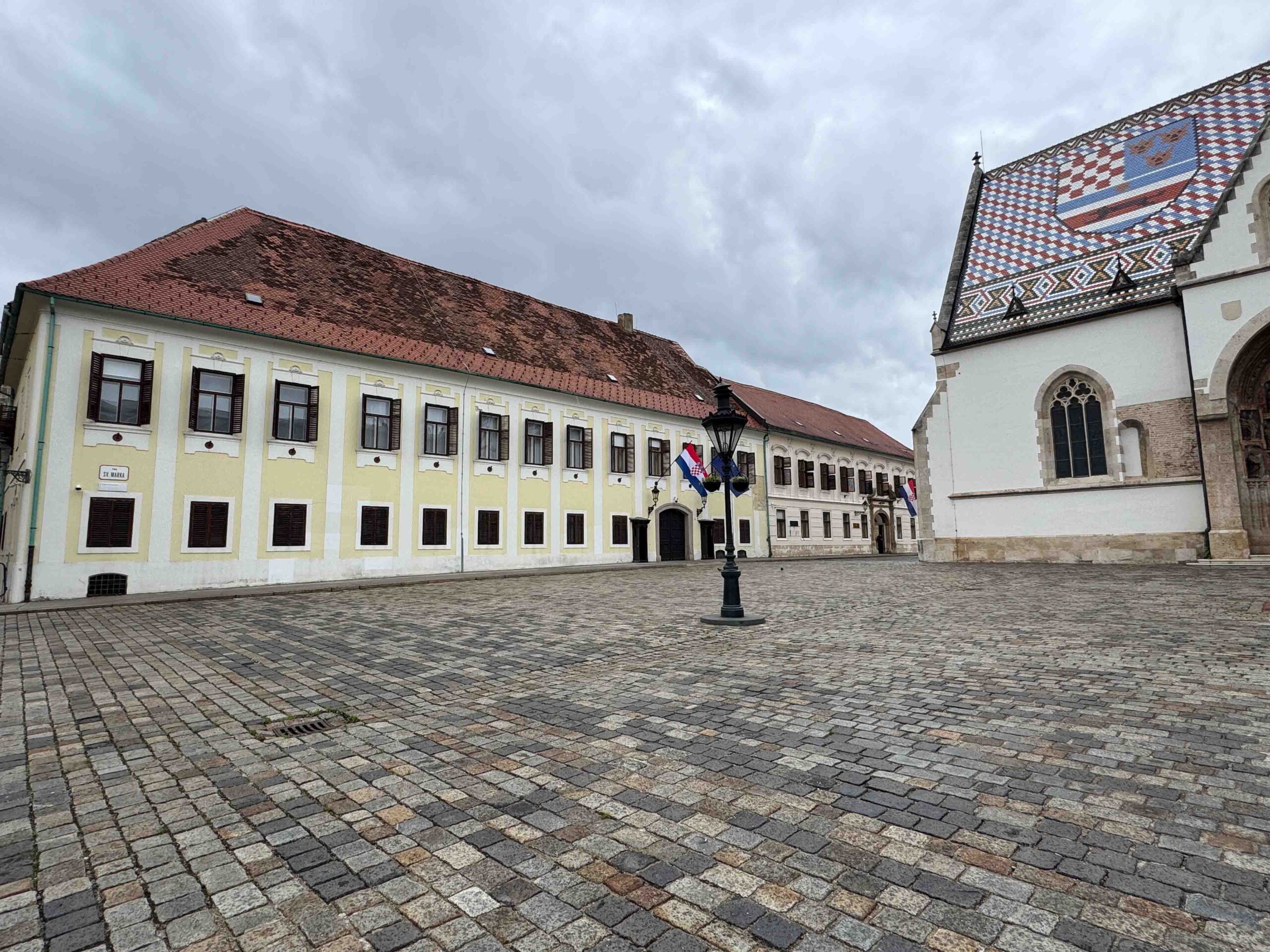
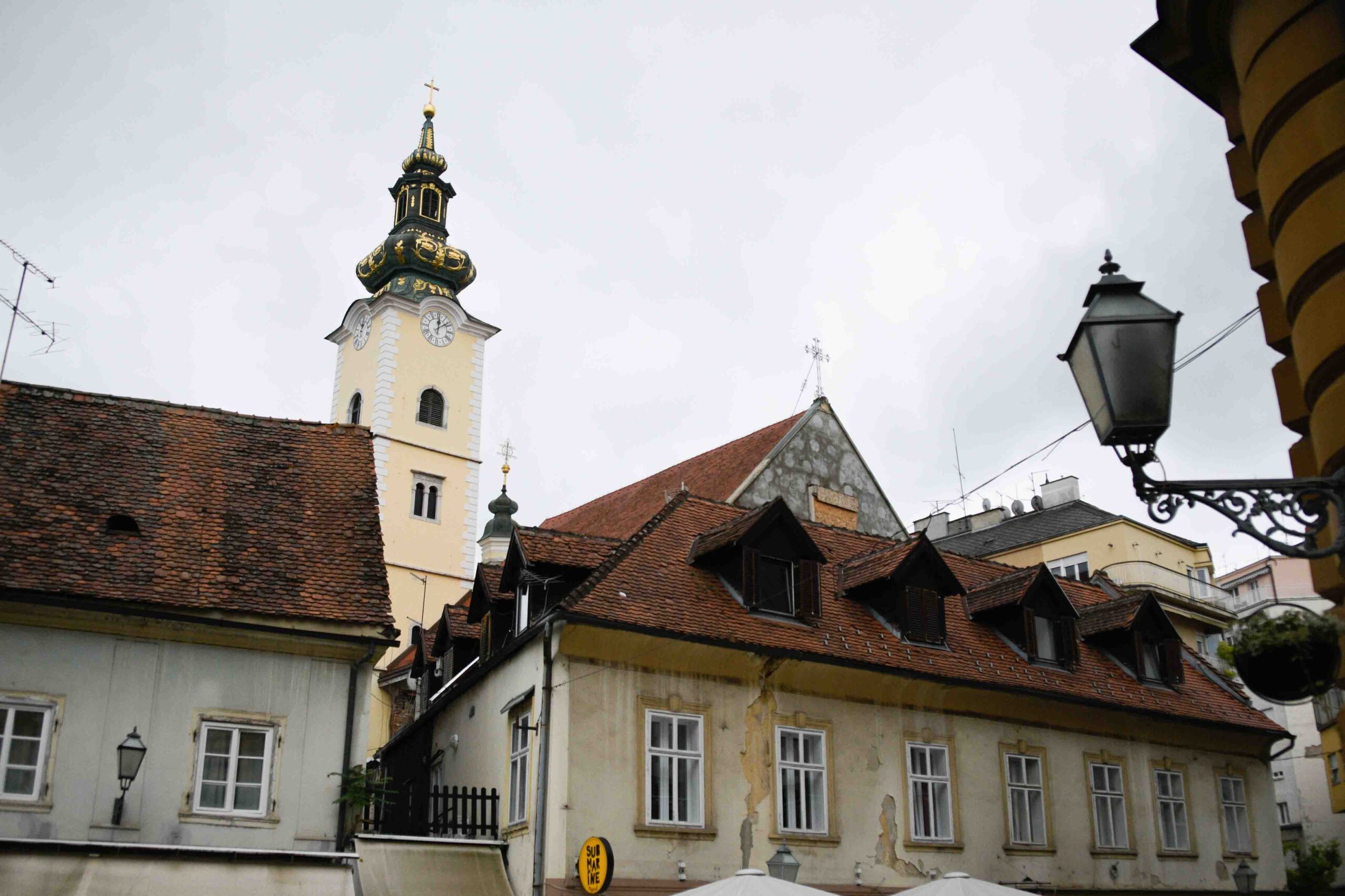
The Church of St. Mark is the parish church of old Zagreb. It is located in St. Mark’s Square (which is under restoration) in the Upper Town. It is one of the oldest architectural monuments in Zagreb. The colorful tiled roof features the coat of arms of Croatia, Dalmatia, and Slavonia, as well as the emblem of the city of Zagreb. The cathedral’s origins date back to the 13th century.
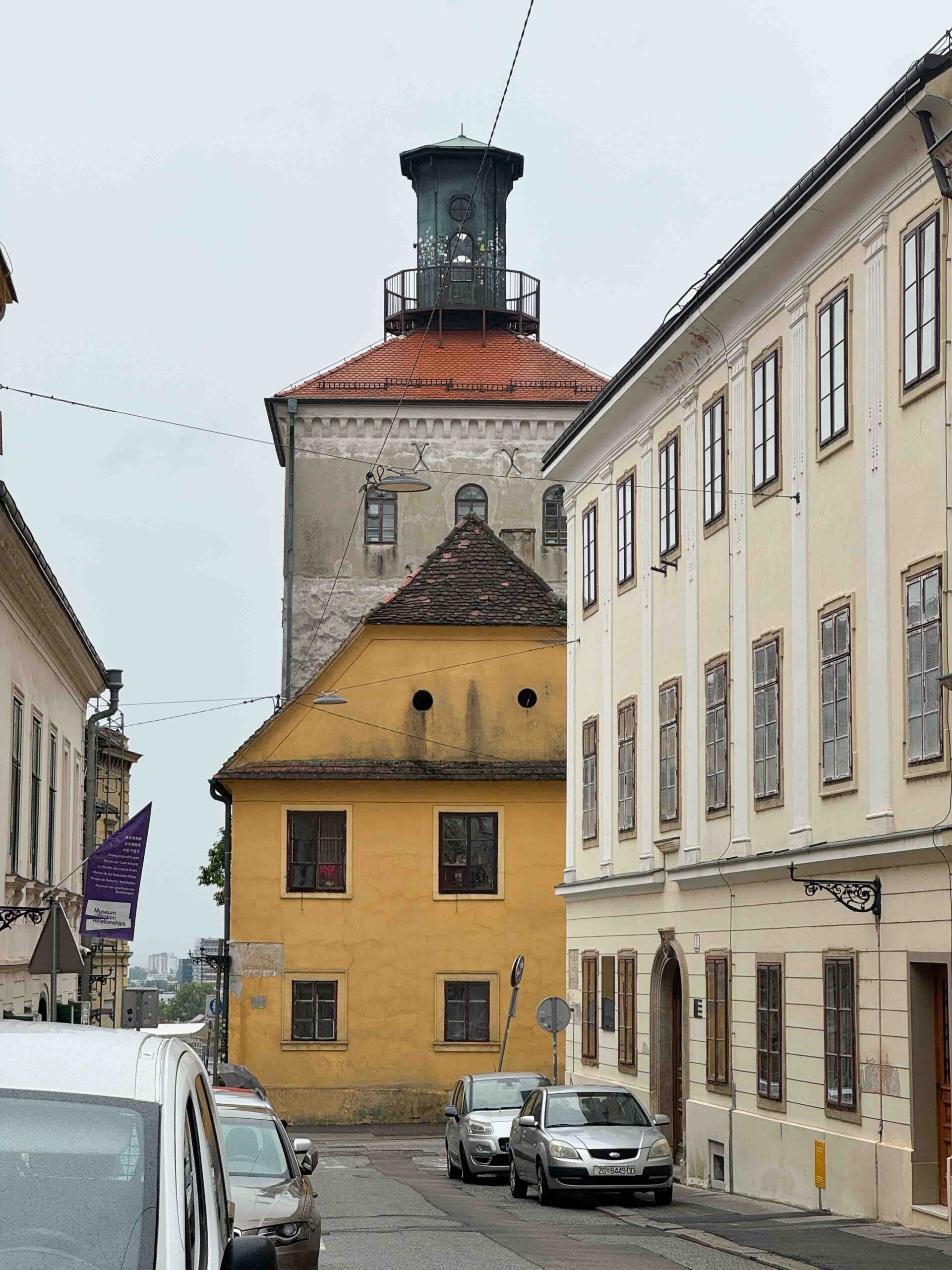
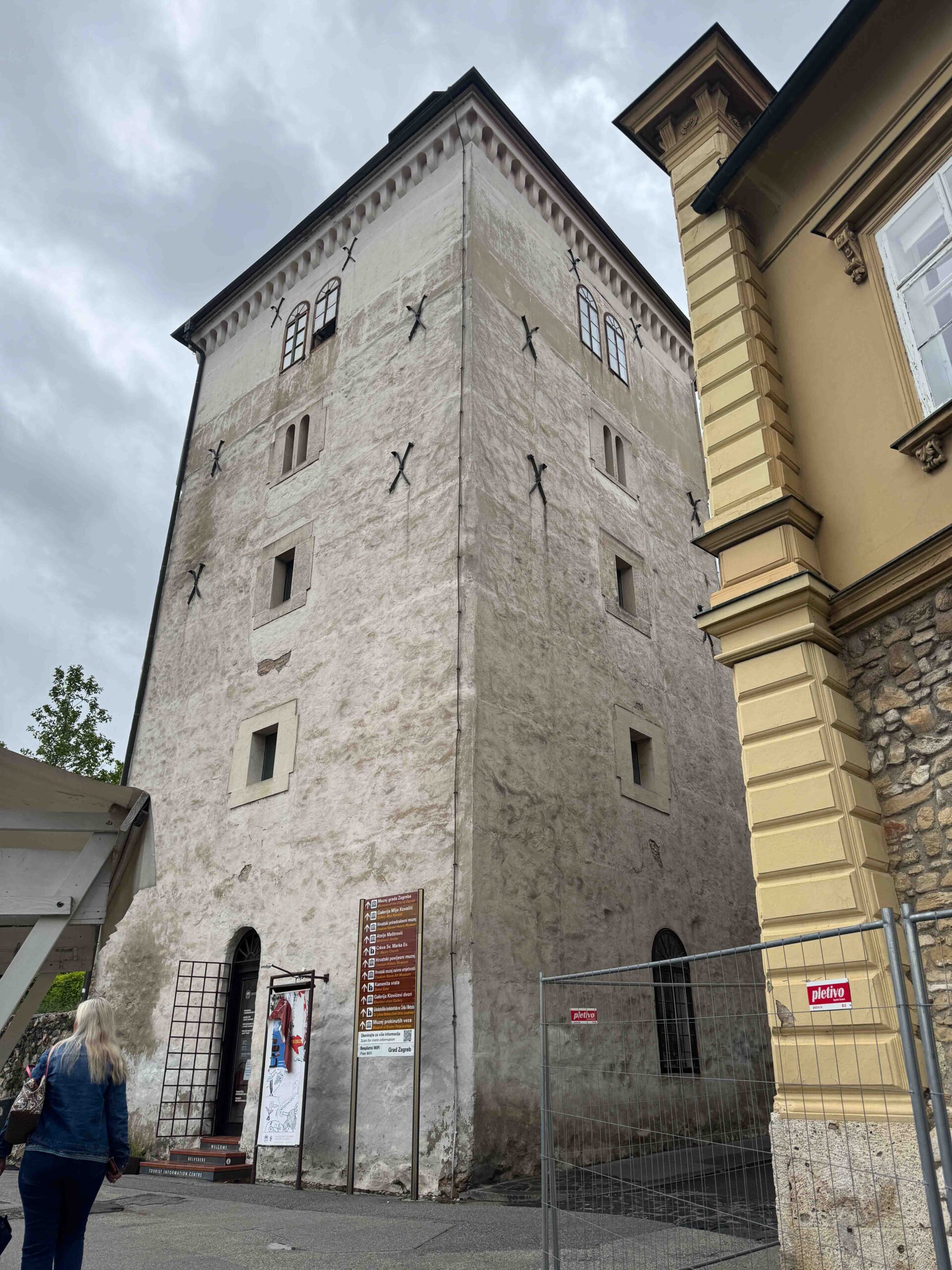
Lotrščak Tower is Zagreb’s last remaining fortified tower. Built in 1266, it was a part of the southern gate and town defenses against the Turks during the Hundred Years’ Croatian-Ottoman War from 1493-1593; the dates are not set in stone.
For the last 100 years, the Grič cannon fires every day at noon to celebrate Zagreb’s victory over the Turks, and you can hear it and feel it all over town.
The tower got its name from the bell, lat. campana latrunculorum (thief’s bell), which rang every night before the gates closed.
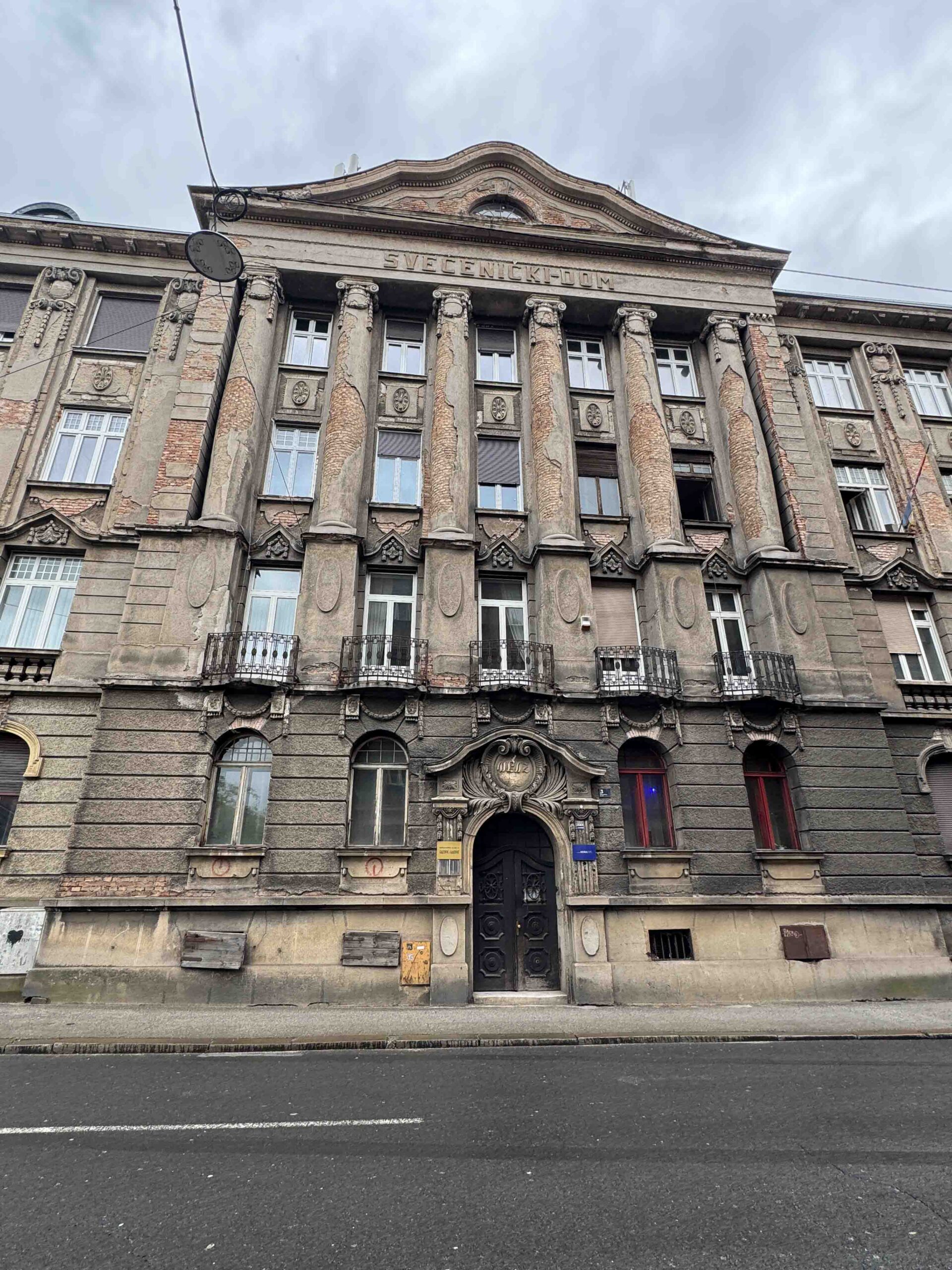
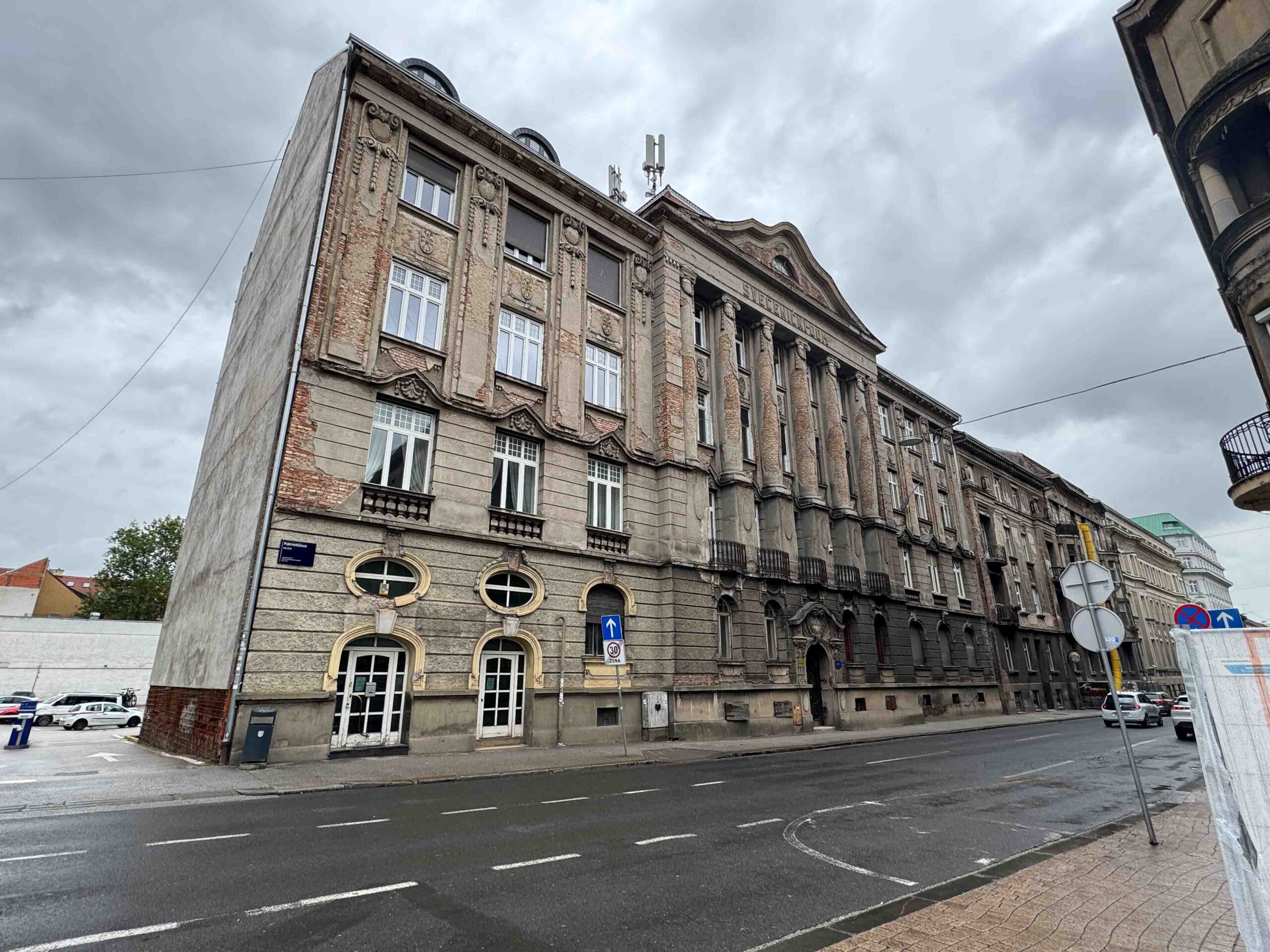
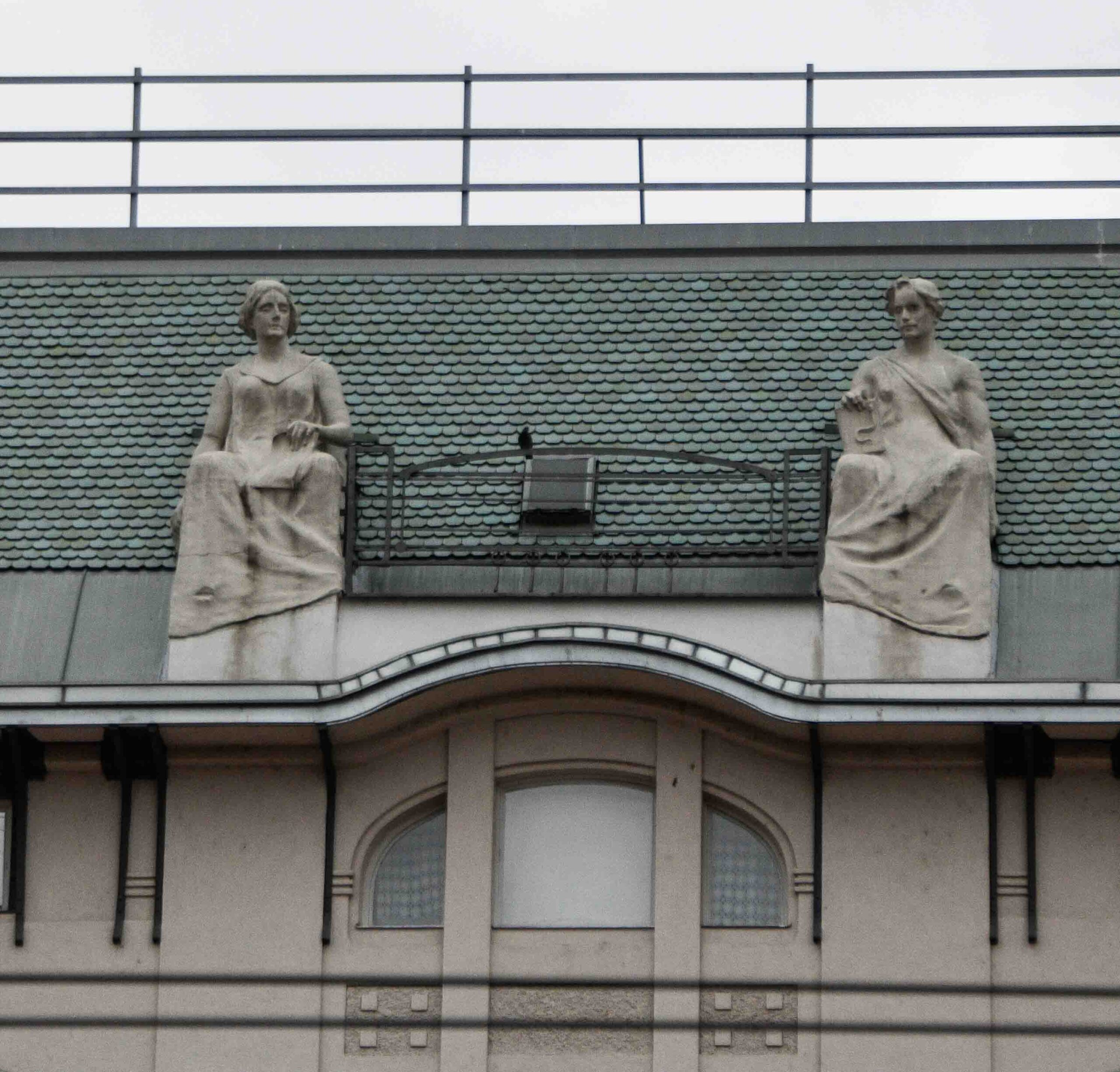
Svećenički dom (Priest House), designed by architect Rudolf Lubinski, who is considered to be one of the greatest architects of the Viennese Secession. The Viennese Secession was an art movement, adjacent to Art Nouveau, that was formed in 1897 by a group of Austrian painters, graphic artists, sculptors, and architects
A priest’s home is a Christian residential building and institution. Its main purpose is to accommodate retired priests or priests who have to interrupt their ministry due to illness.
In 1964, Zagreb suffered from a disastrous flood that killed 17 people and left 40,000 homeless.
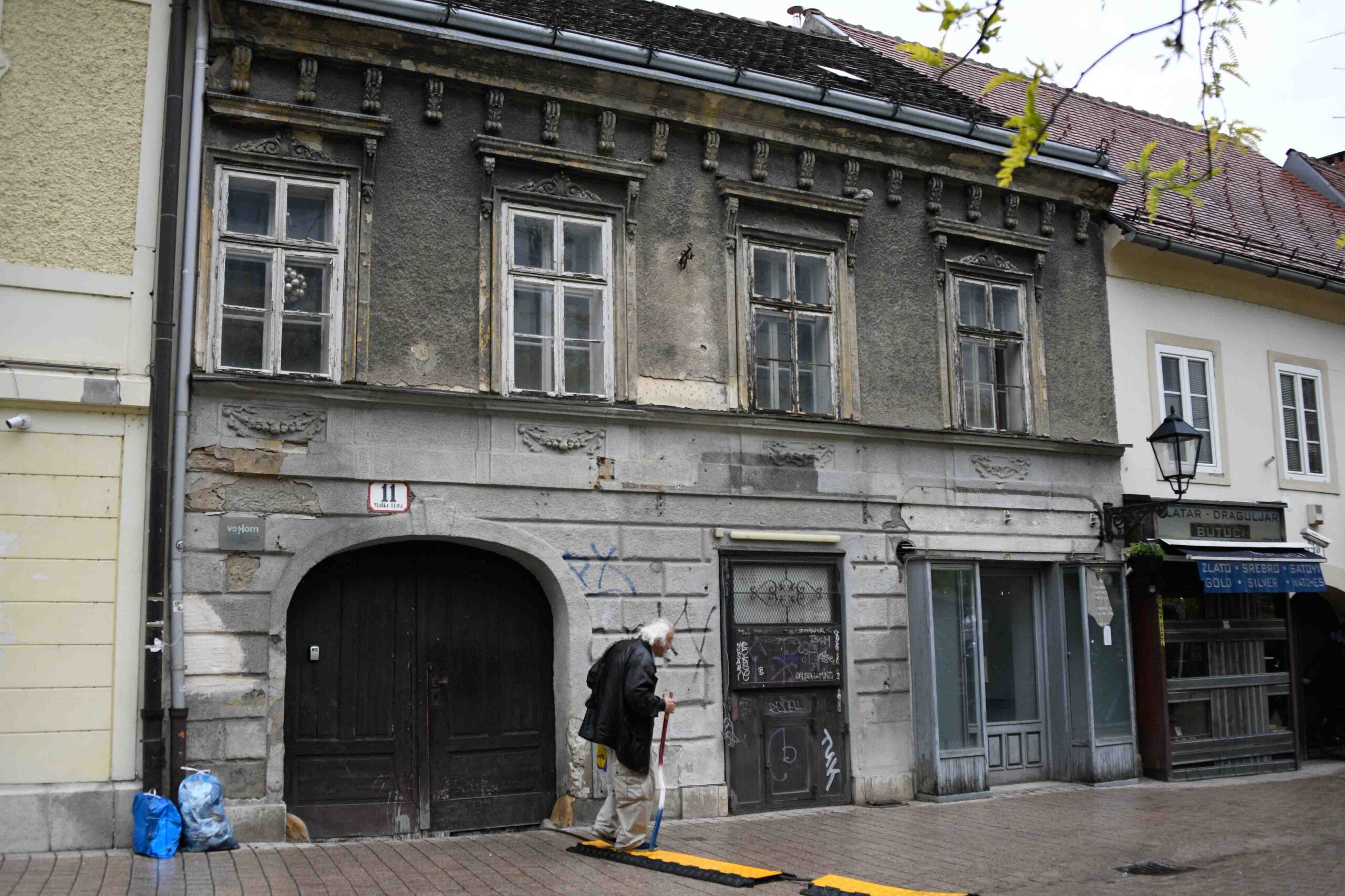
On March 22, 2020, a 5.3 earthquake (4 miles from the city center) hit Zagreb, causing significant damage to the historic downtown area. This was the strongest earthquake since 1880. Much of the damage that occurred can still be seen on buildings throughout the old parts of town.
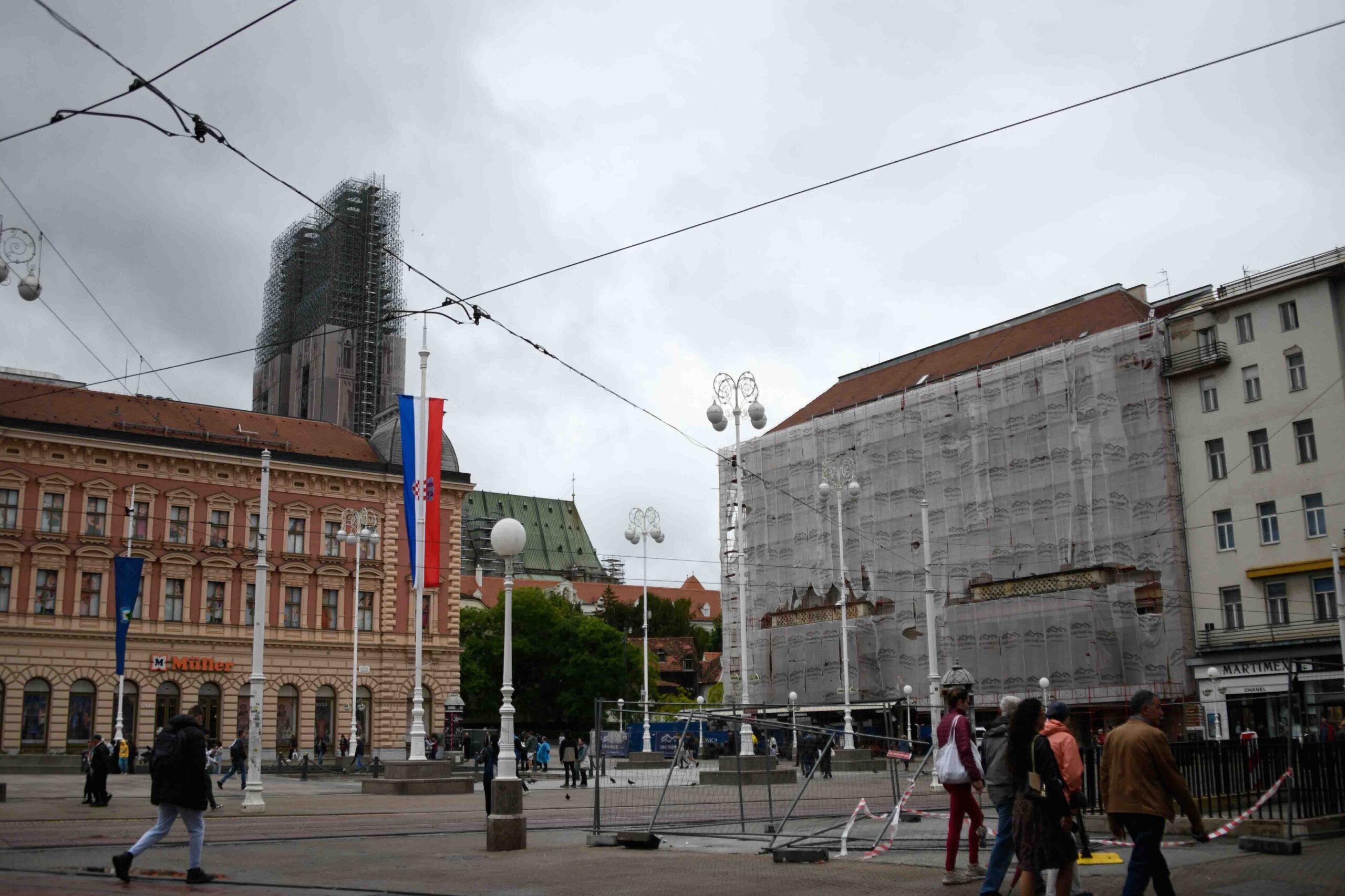
Much of the city is now undergoing restoration. Although it has not been an easy road. Croatia used all the funds from the EU Solidarity Fund for post-earthquake reconstruction. The total value of contracted reconstruction projects was €3.3 billion, of which €1.003 billion was allocated from the EU Solidarity Fund, National Recovery and Resilience Plan (€1.2 billion), the state budget (€1 billion), and other sources of financing.
The funding helped with
- 18 hospitals and 56 other healthcare facilities,
- 156 schools and kindergartens,
- 26 faculties,
- 250 culture and cultural heritage buildings,
- 100 km of public water supply and drainage network,
- Over 1,300 km of roads,
- 77 bridges,
- 40 sluices,
- 6 km of tram tracks,
- 4 railway structures.
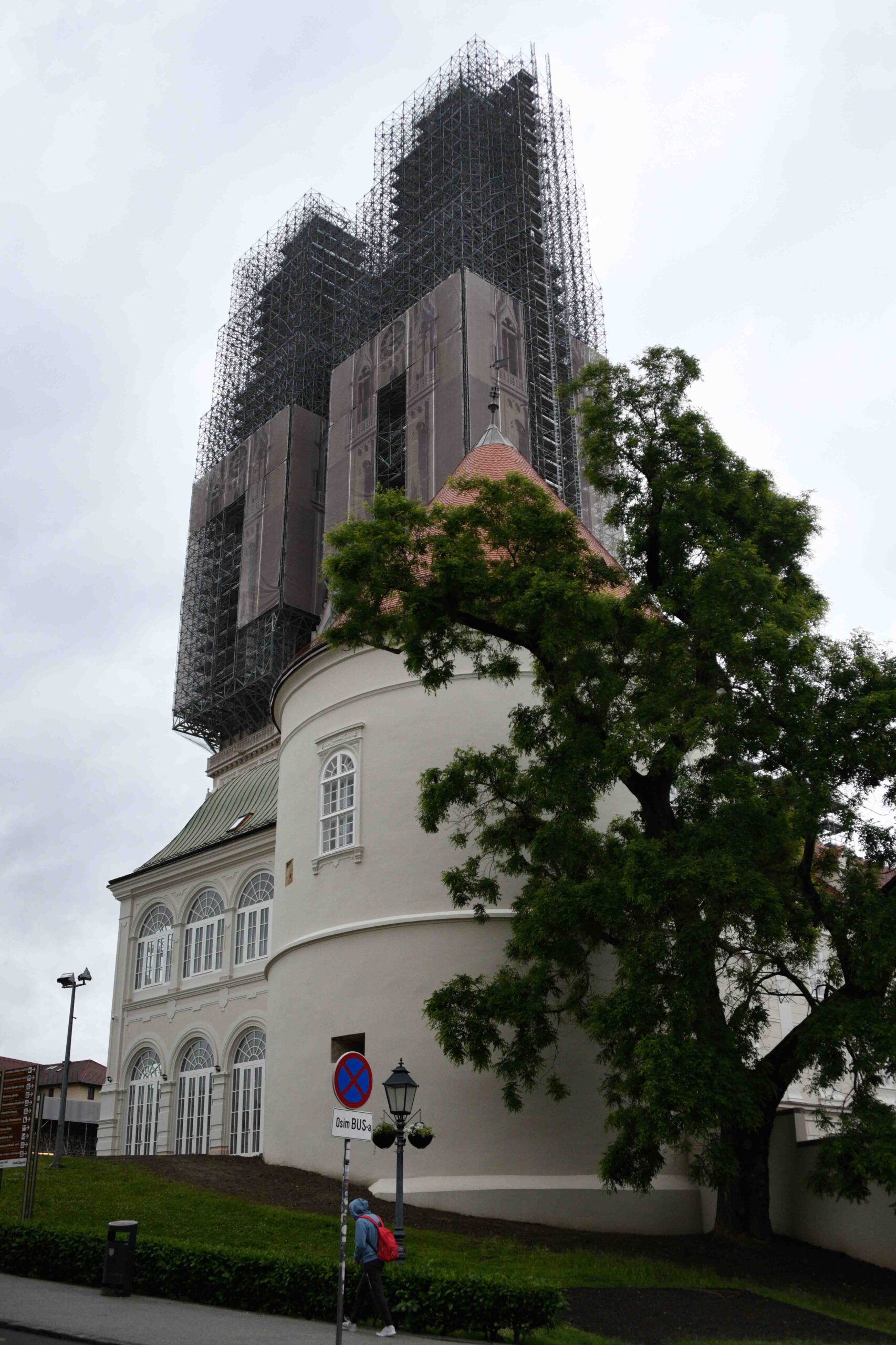
The cathedral was damaged during the 2020 earthquake when the tip of its southern spire broke off and crashed onto the roof of the adjacent Archbishop’s Palace. In April of 2020, the northern spire of Zagreb Cathedral was removed due to leaning during the earthquake.
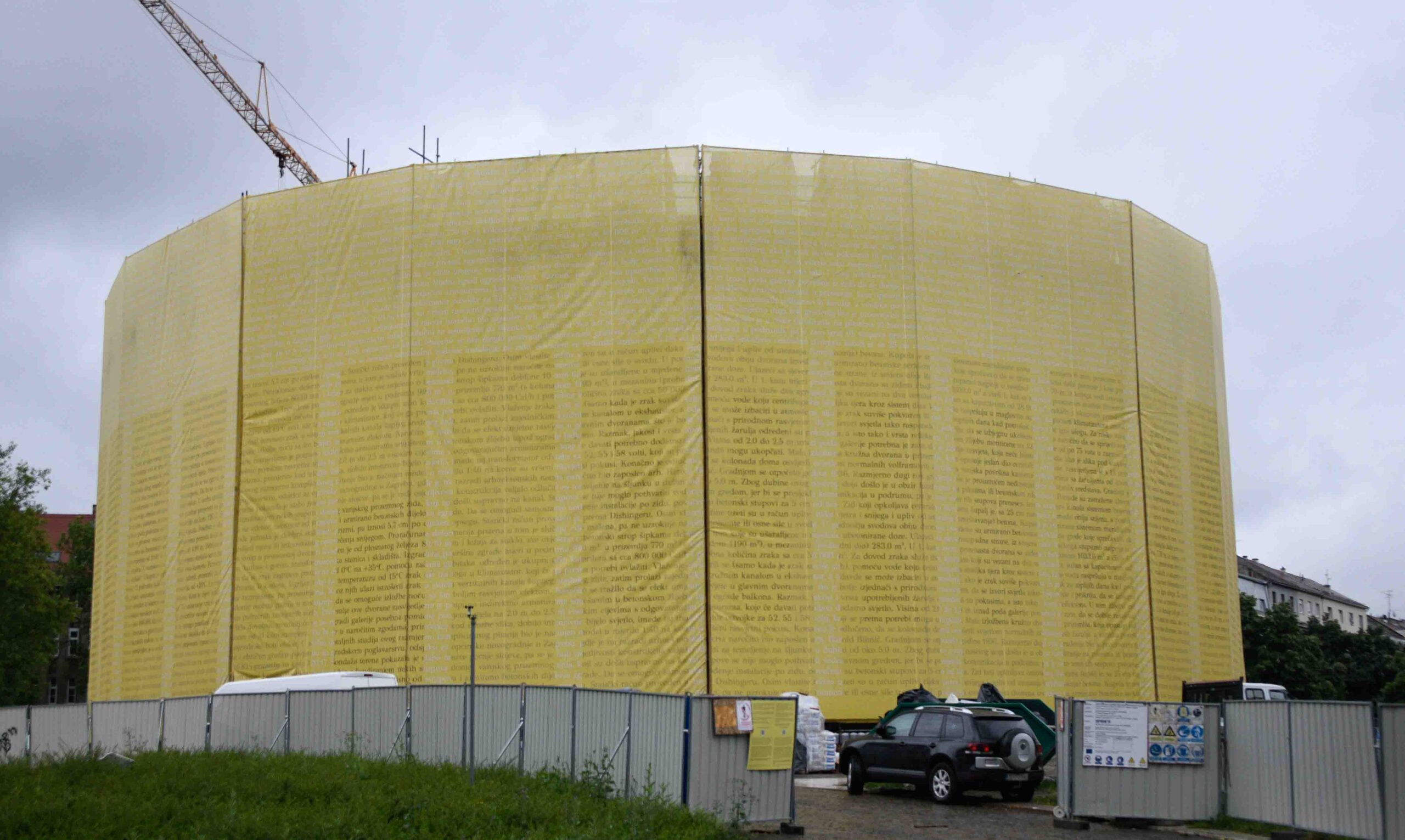
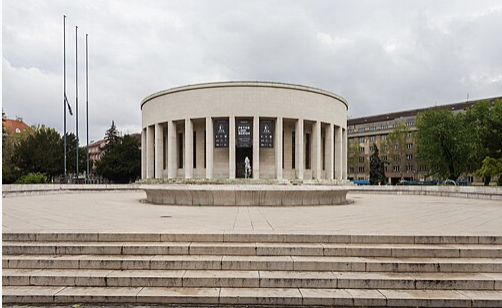
The Pavilion was designed by Ivan Meštrović and built in 1938. Before World War II, it was converted from an art gallery into a mosque under the Independent State of Croatia (NDH) and subsequently became the Museum of the Revolution in post-war Yugoslavia.
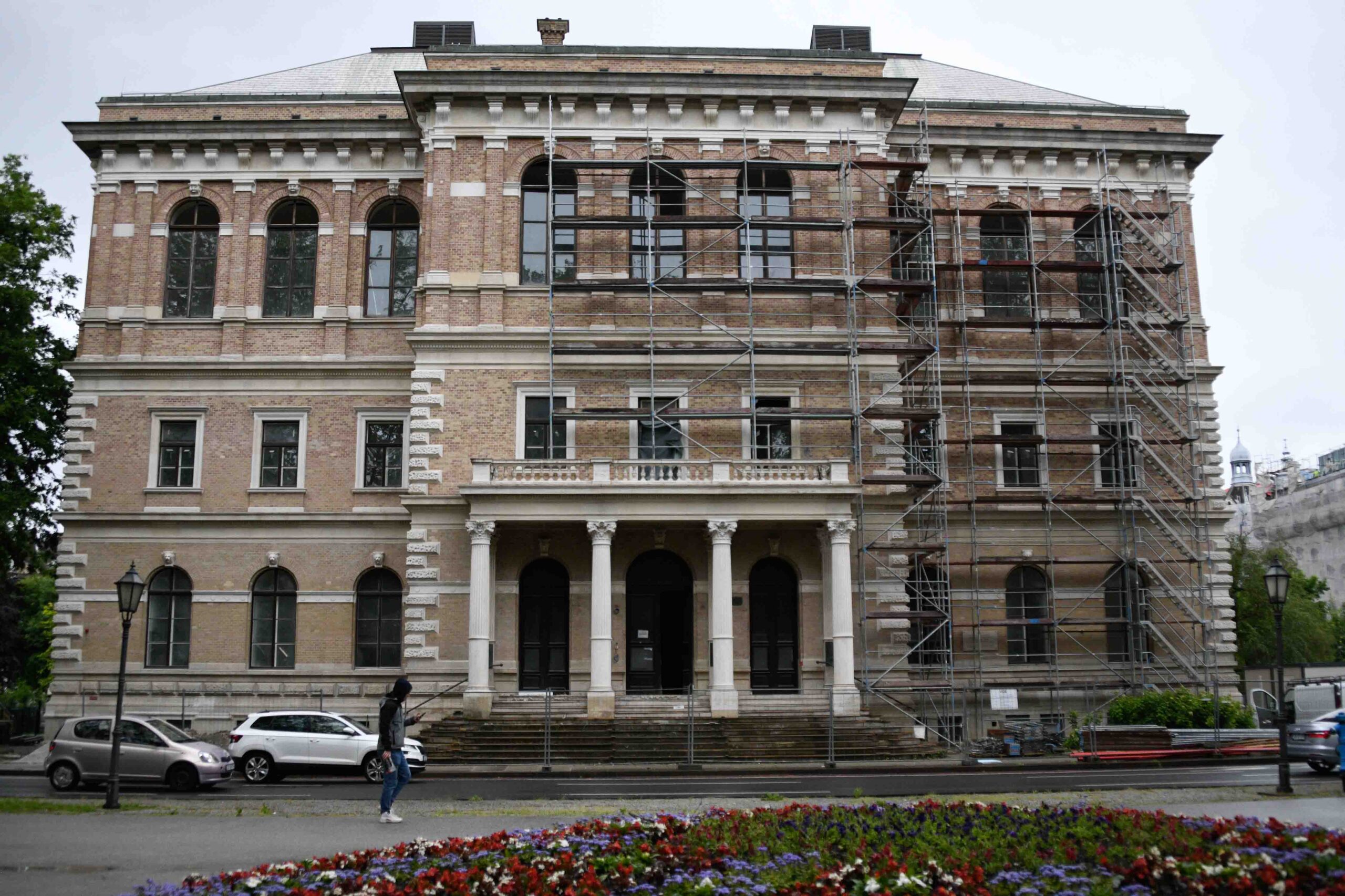
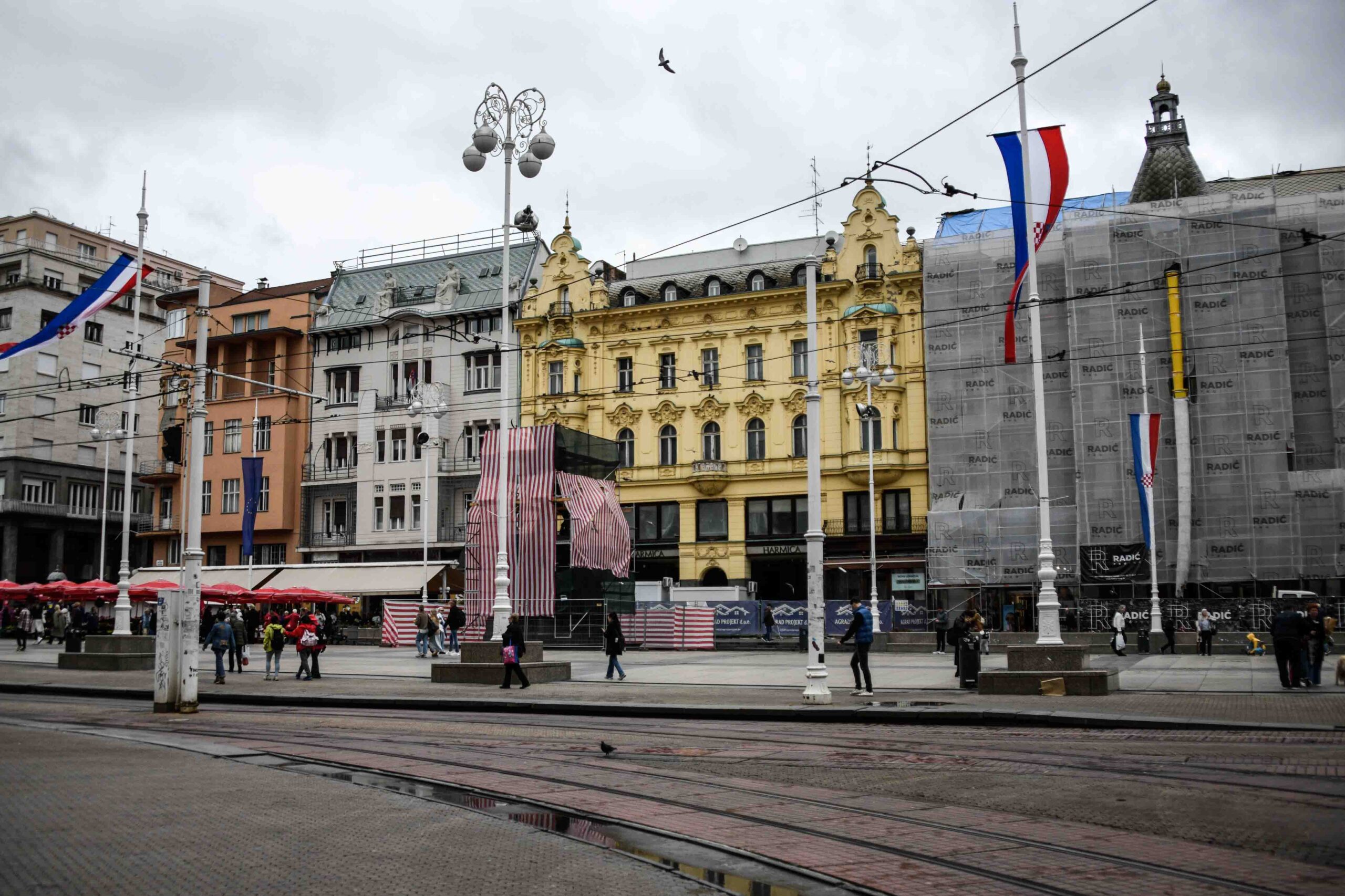
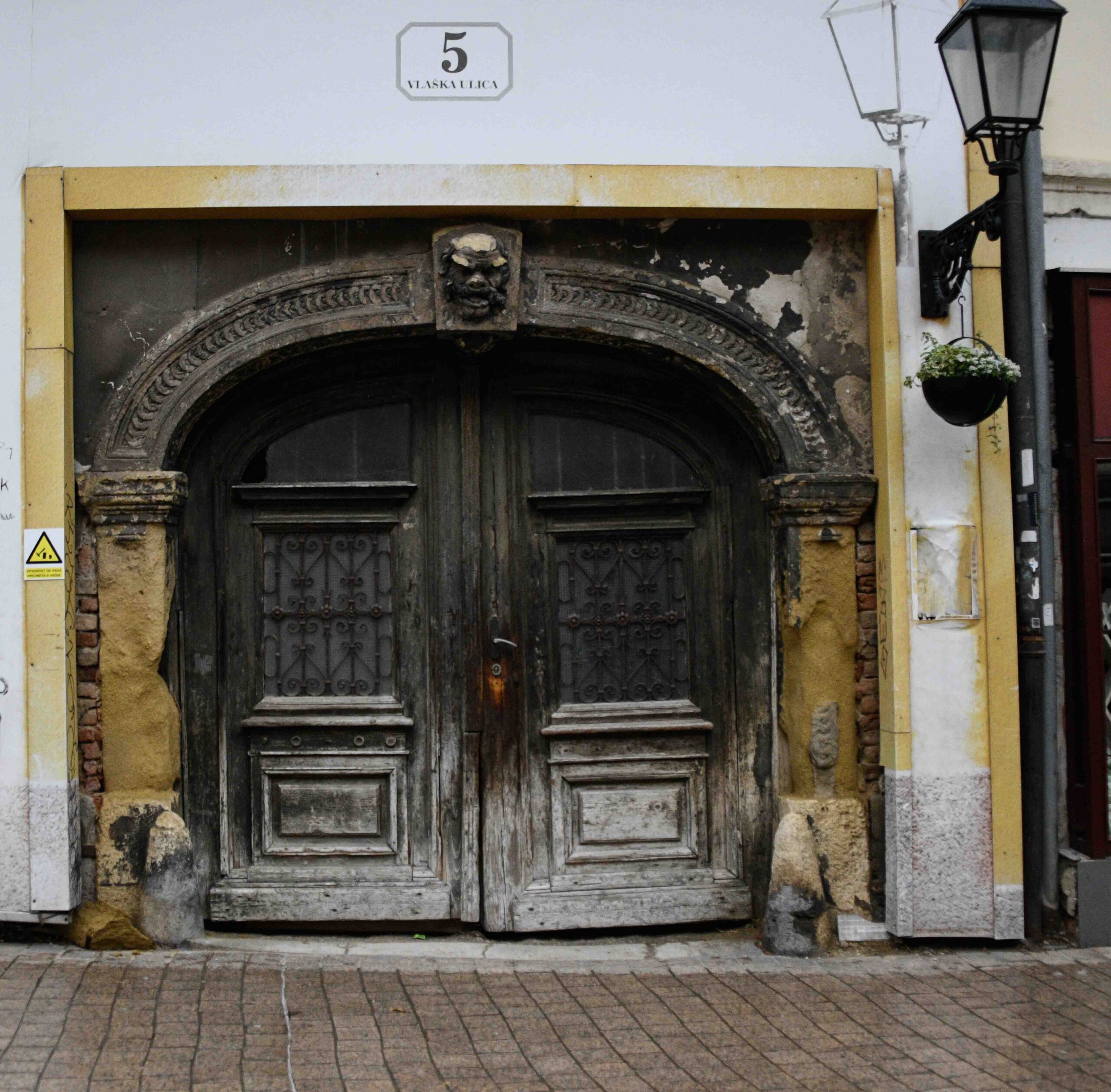
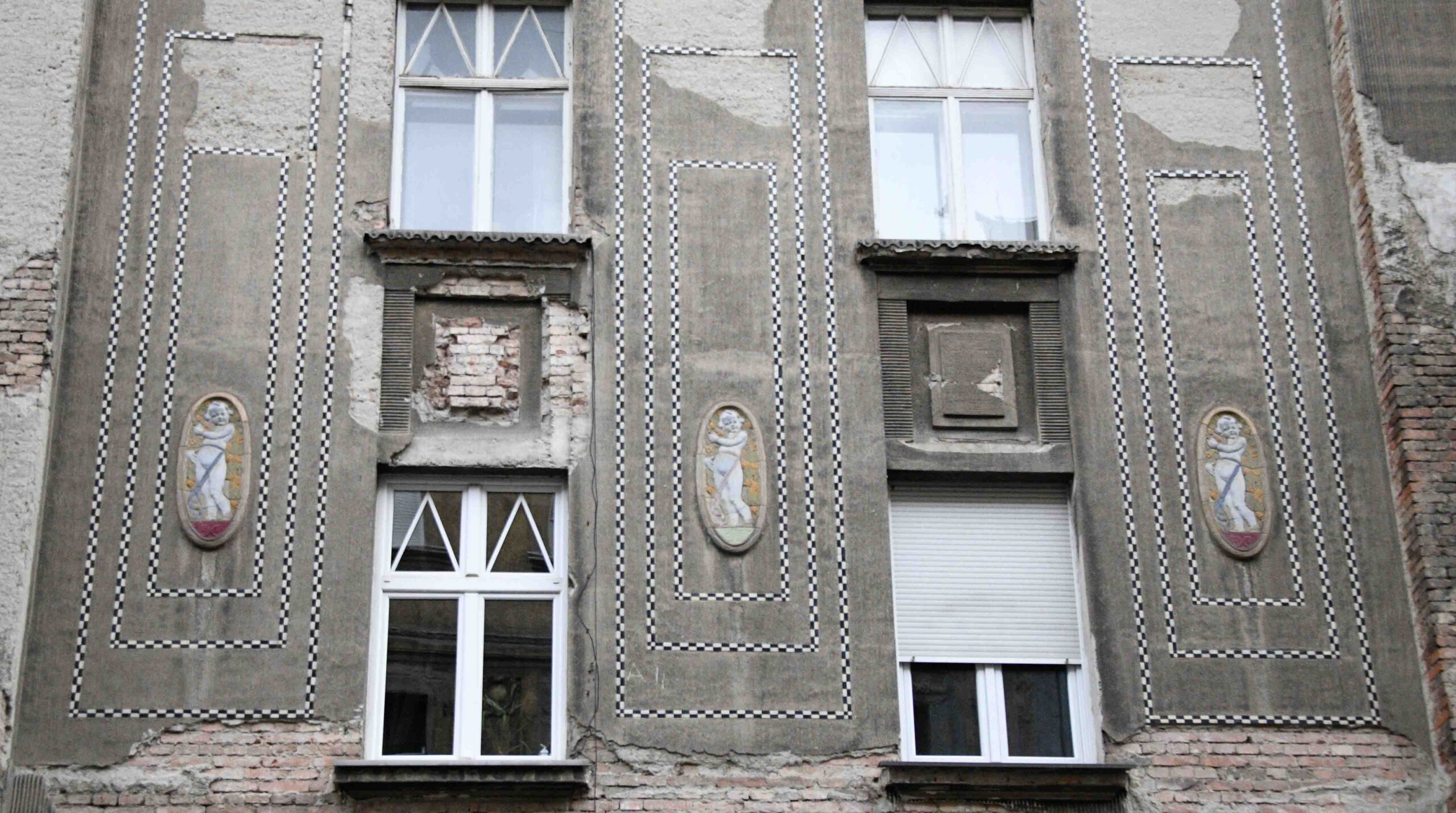
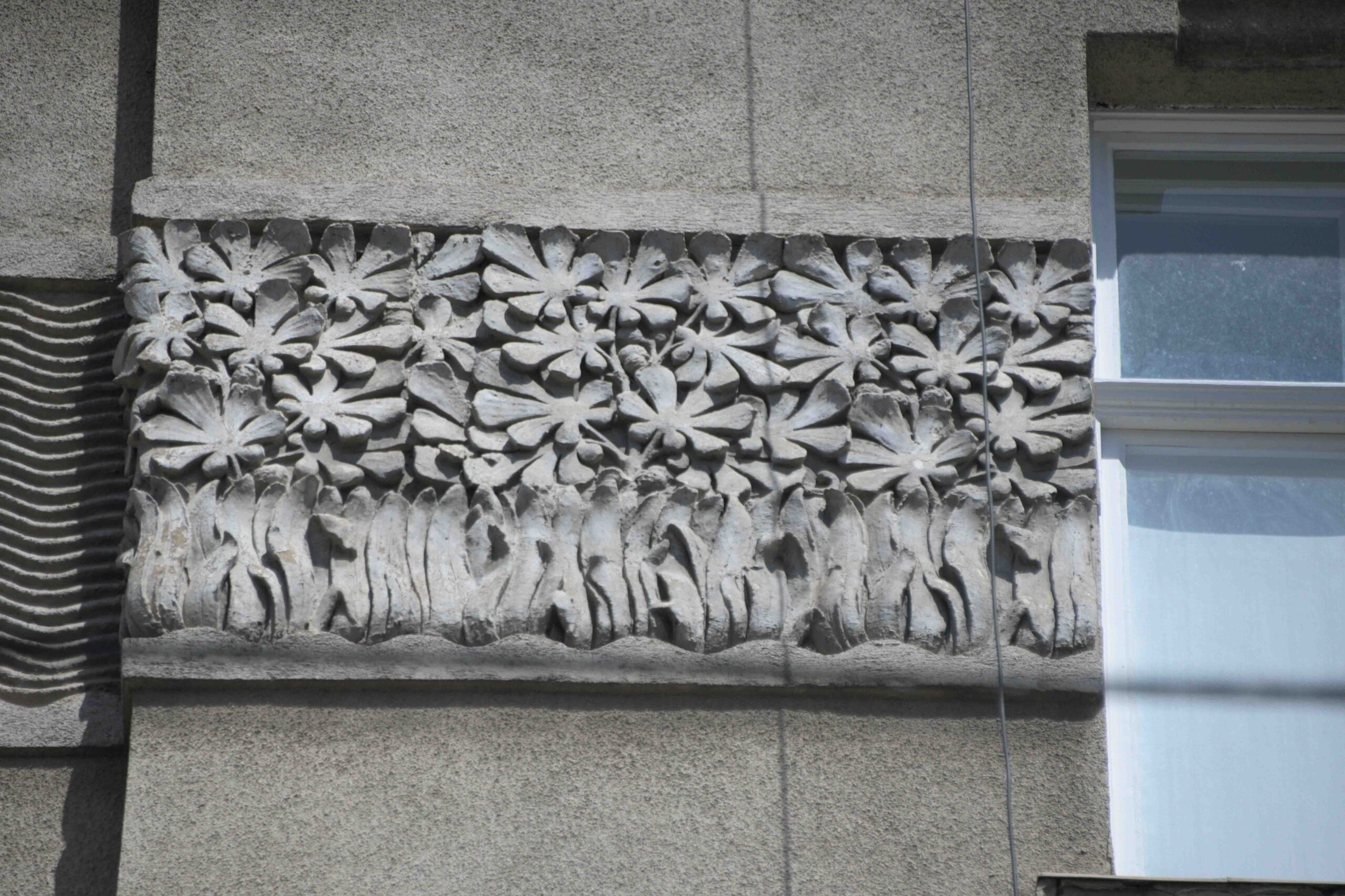
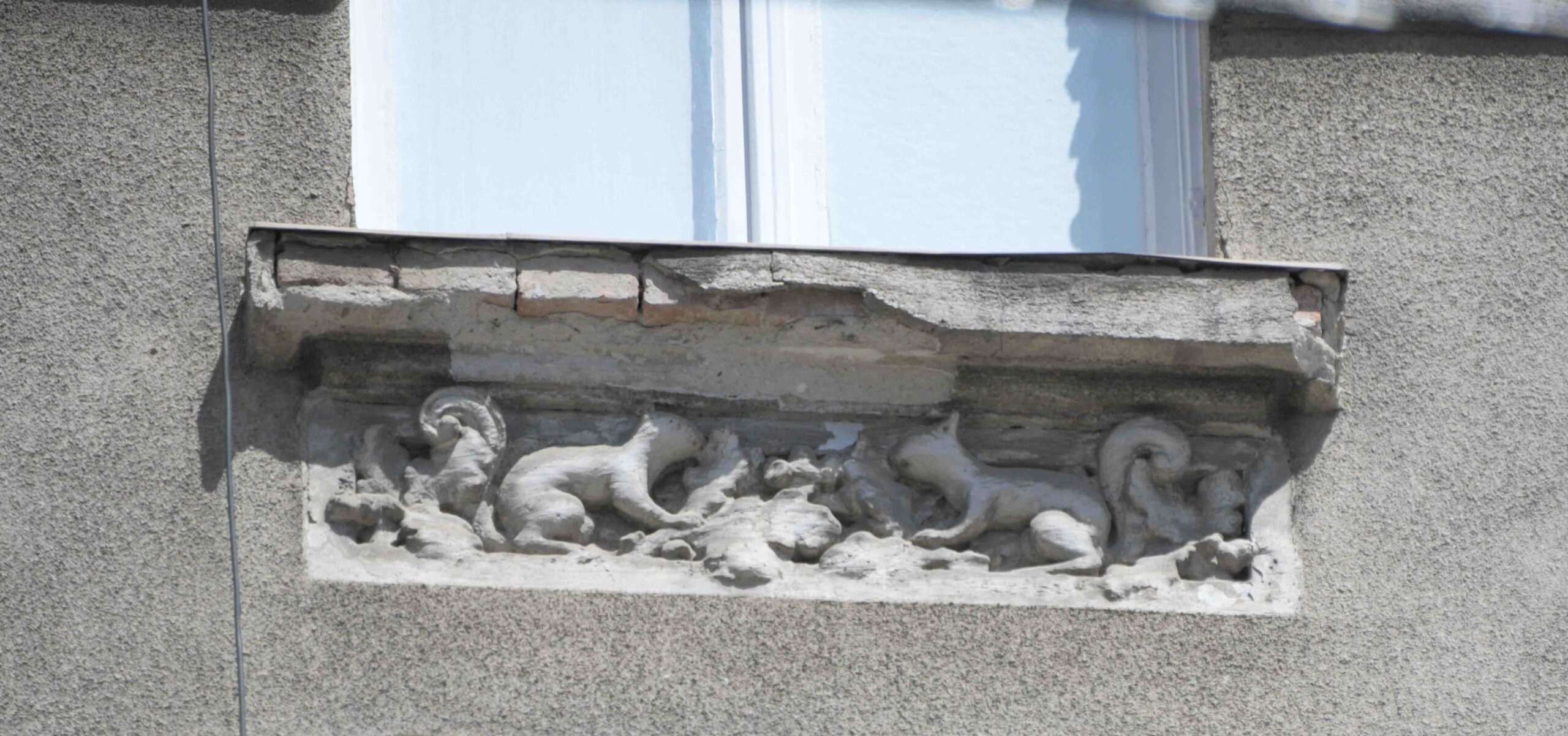
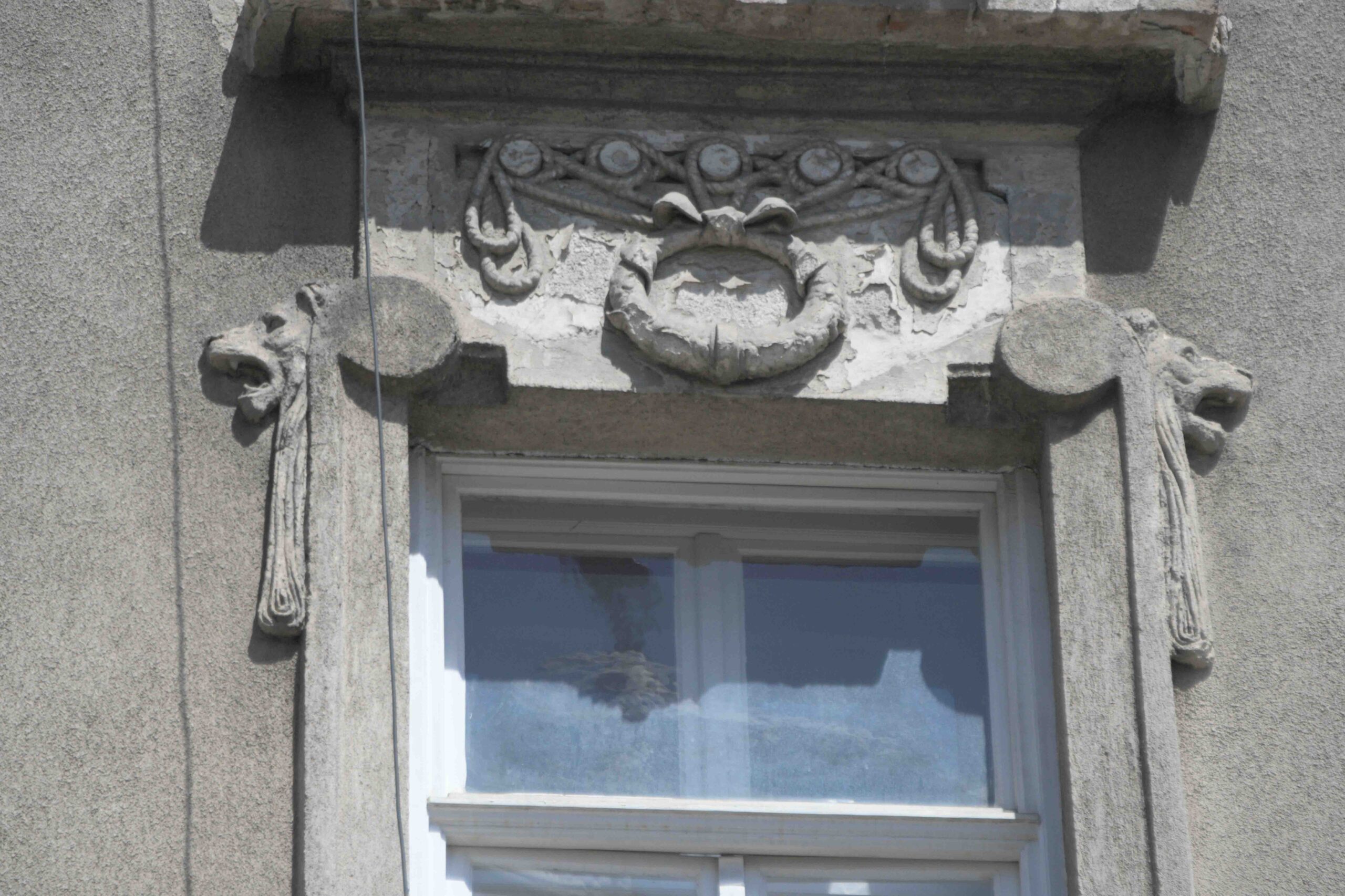
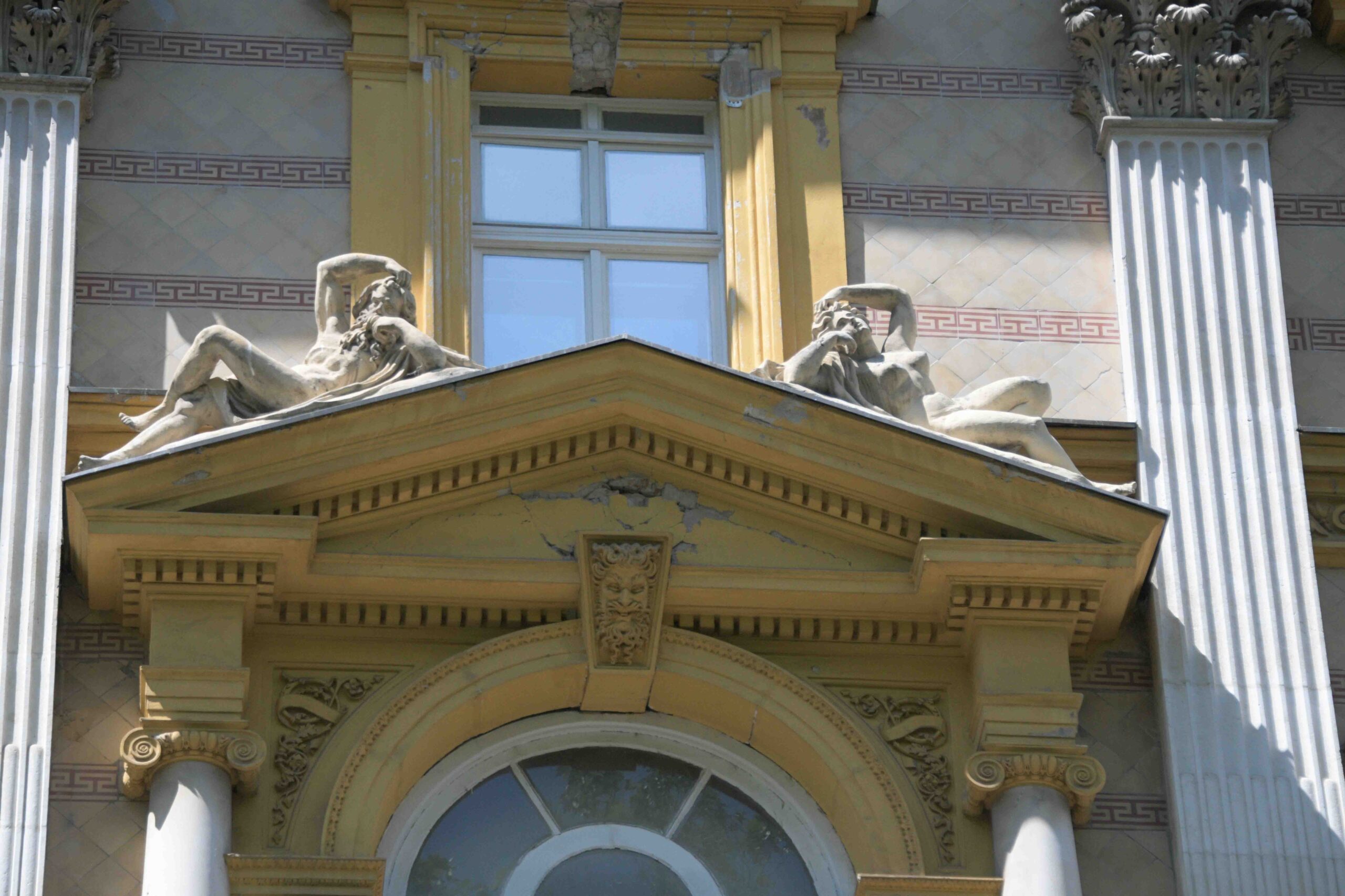
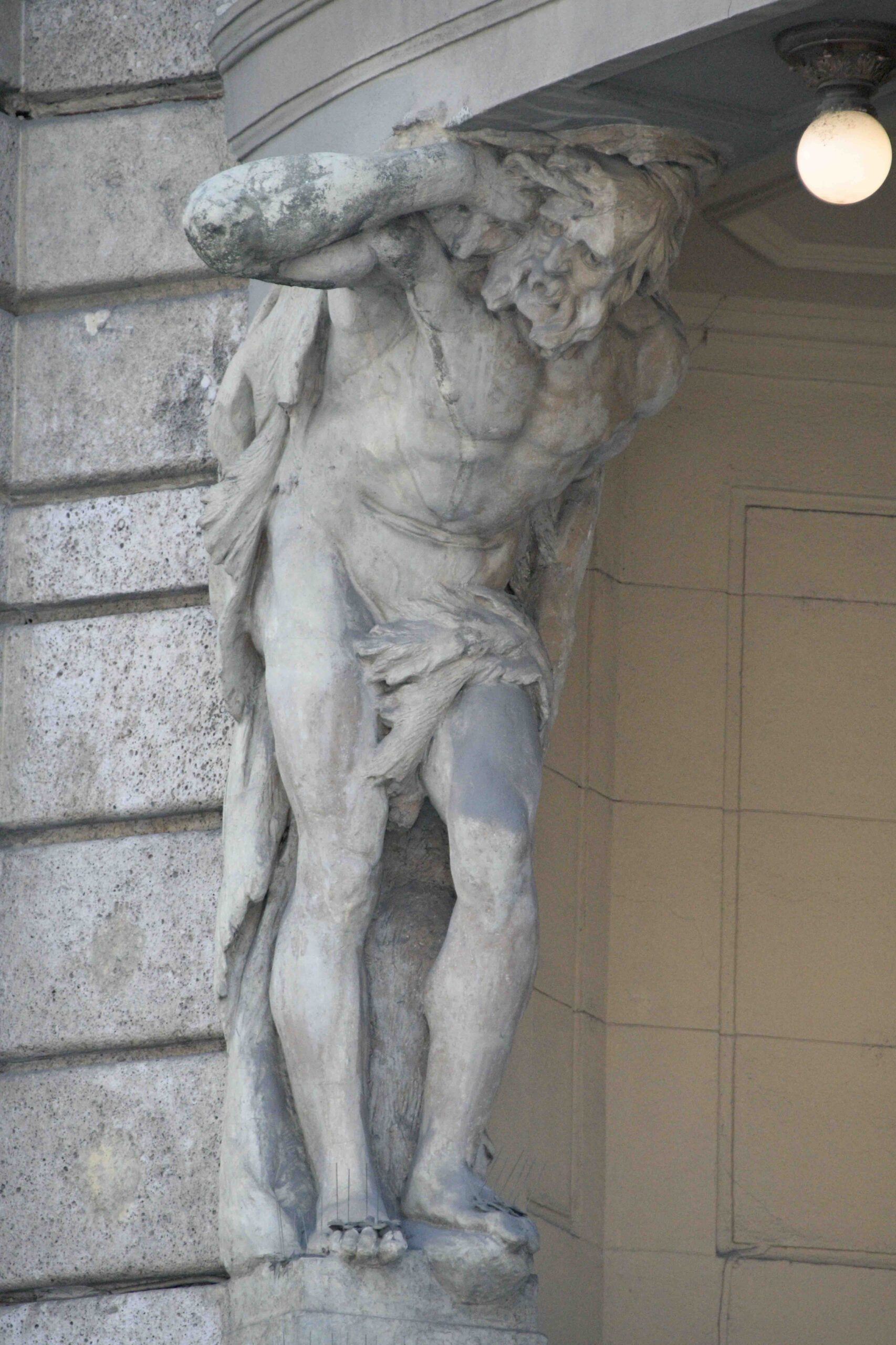
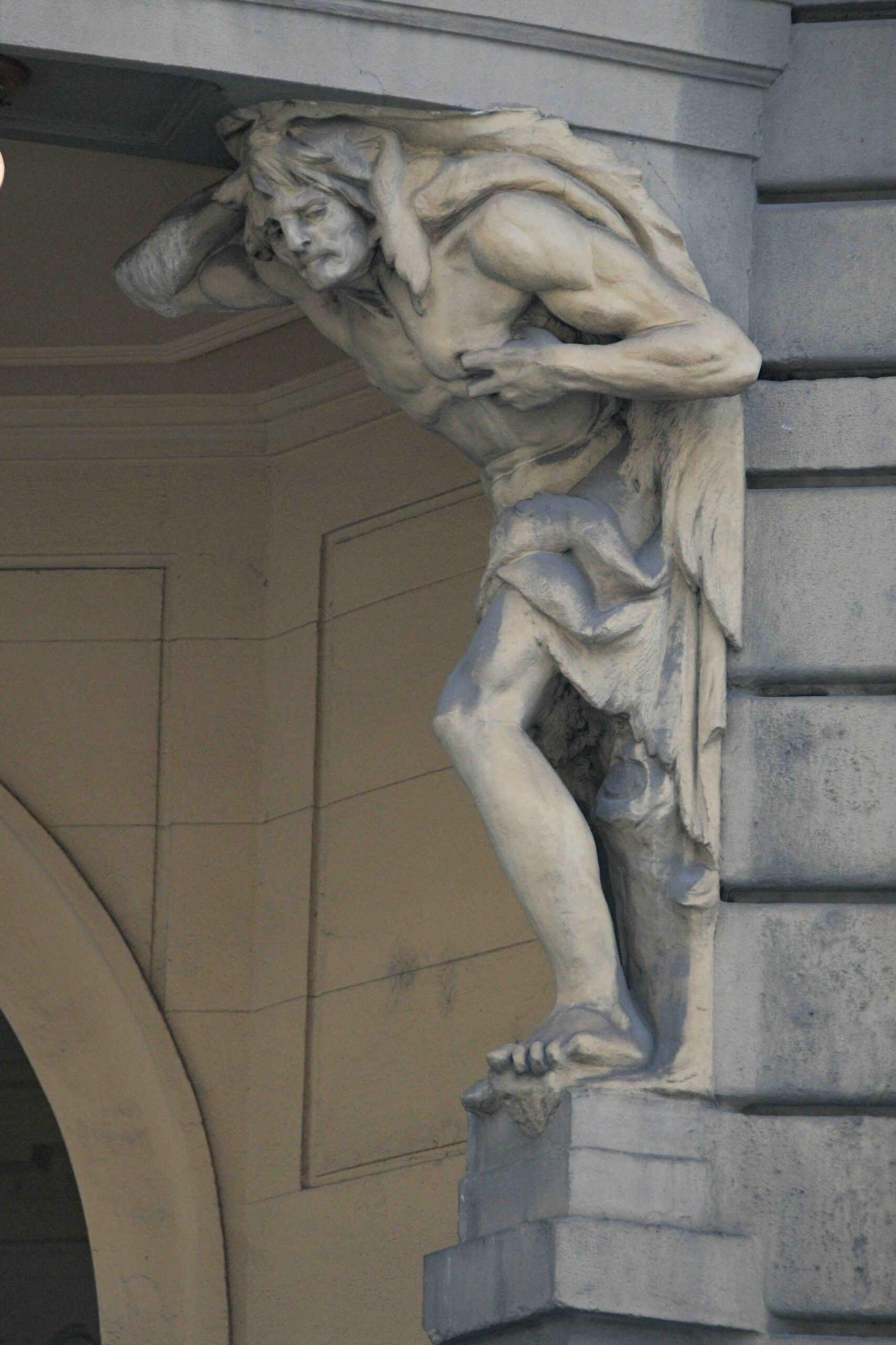
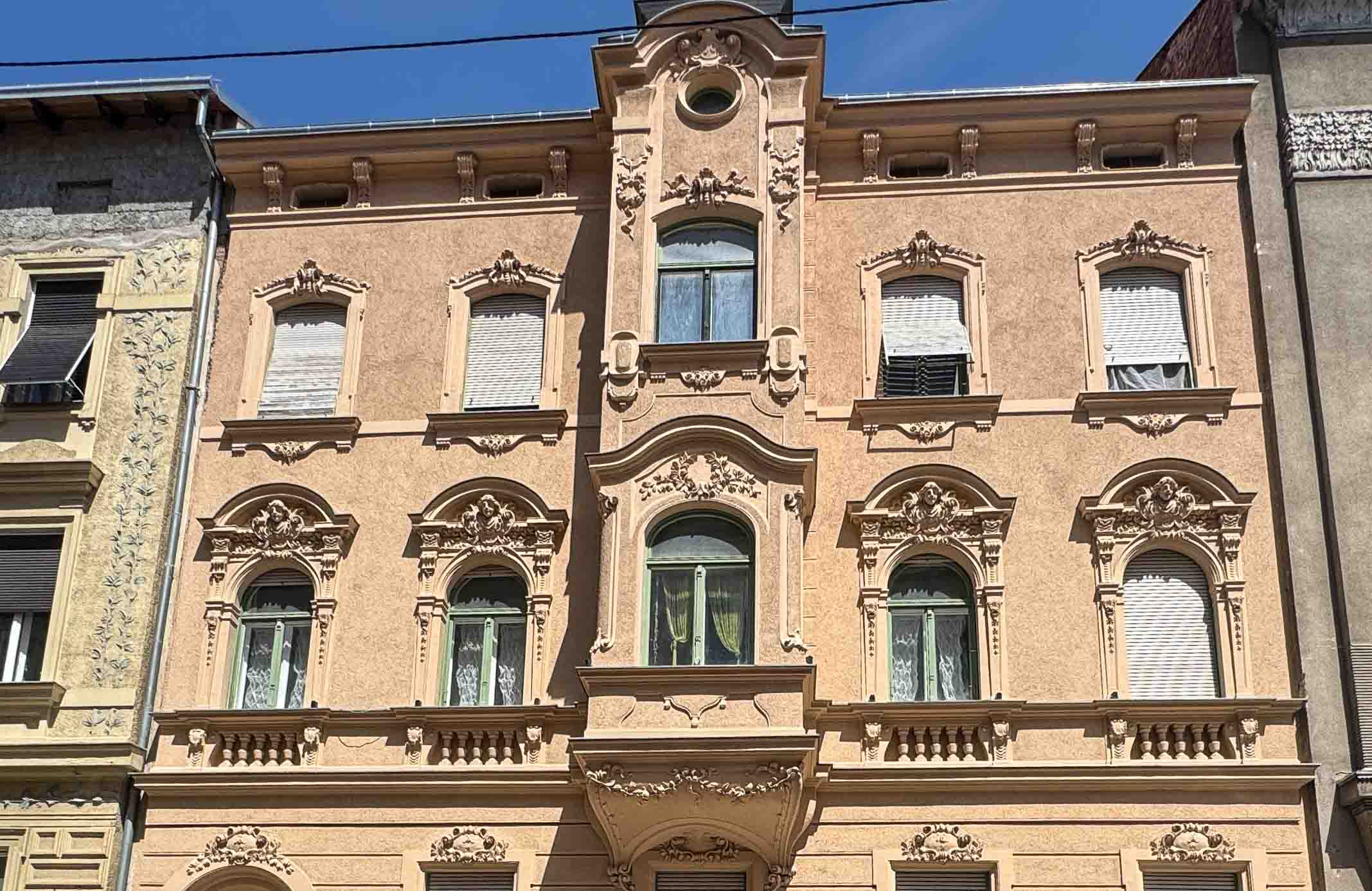
Shots of random buildings I saw around town on a rainy day
*
*
*
*
*
*
*
*
*
*
*
*
*